×

China🇨🇳 | citiesYingkouport city, seafood markets, Bohai coast | things to do and best time to go

Explore FushunExplore Panjin

Backpacking in Yingkou
👀 For curious travelerscity ranked #42
By Johan Kruseman 🇳🇱 | Updated June 11, 2026

Most people only realize after leaving that Yingkou quietly slashes their China costs in half while giving them a “real life” snapshot you rarely get in Beijing or Shanghai. Sitting on the Bohai coast in southern Liaoning, it’s an industrial port city with a soft side: riverside parks, old treaty-era buildings, hot springs nearby, and seafood that ruins you for landlocked noodles. It’s cheap, safe, and easy to navigate, but you won’t find a ready-made backpacker scene; you build your own fun here. Compared with Dalian or Shenyang, Yingkou is grittier, more low-key, and far less polished, which is exactly why I like using it as a base to watch everyday China at full volume, without the stage lighting.

Discover everything you want to know in the 📖 China Travel Guide.


Get your China guide
139 ranked highlights, routes & tips, works offline (496 pages)
Loading the map 🌍
CLICK TO FILTER
cities
towns
landmarks
national parks
hikes
beaches
attractions
festivals
regions
SHOW COUNTRY’S BESTSHOW ALL

✨ Why go?
Ranked #42 city in China
What makes it a must-see city

Yingkou is a strategic stop for backpackers weaving through China. It offers a solid basecamp for day trips, making it easy to explore nearby attractions without the hassle of constant packing. The hostel scene is vibrant and affordable, catering to budget travelers looking for camaraderie. You’ll find delicious street food that won’t break the bank, fueling your adventures. The city is walkable, allowing you to soak in the local vibe without relying on transport. Plus, the nightlife is lively enough to keep you entertained without overwhelming your schedule. If you’re after a quick, enriching experience, Yingkou fits the bill perfectly.
Want to include Yingkou in your China route?
Create a personalized China itinerary that includes Yingkou and the places that fit your trip — based on your travel style, budget, and available time. Get your route in seconds.

Generate my trip

💡 HighlightsWhat this place is best known for

  1. Bayuquan Seaside Scenic Area (Bayuquan District) — Long, sandy beaches and a lively seaside promenade with plenty of fresh seafood stalls and restaurants; great for a relaxed beach day, sunset walks, and sampling Liaodong seafood culture.
  2. Yingkou Old Treaty Port / Riverside Historic District — The riverside neighborhood that grew when Yingkou opened as a treaty port; you can still see old foreign-style warehouses and merchant buildings, walk along the riverfront and feel the port-city history under your feet.
  3. Yingkou Museum — The municipal museum presenting local archaeology and maritime history, with exhibits on regional culture, ancient artifacts, and the development of Yingkou as a port. It’s compact but useful for understanding the city’s past.
  4. Yingkou Bay Wetland Park (Liaohe Estuary
read more 👉
  1. Bayuquan Seaside Scenic Area (Bayuquan District) — Long, sandy beaches and a lively seaside promenade with plenty of fresh seafood stalls and restaurants; great for a relaxed beach day, sunset walks, and sampling Liaodong seafood culture.
  2. Yingkou Old Treaty Port / Riverside Historic District — The riverside neighborhood that grew when Yingkou opened as a treaty port; you can still see old foreign-style warehouses and merchant buildings, walk along the riverfront and feel the port-city history under your feet.
  3. Yingkou Museum — The municipal museum presenting local archaeology and maritime history, with exhibits on regional culture, ancient artifacts, and the development of Yingkou as a port. It’s compact but useful for understanding the city’s past.
  4. Yingkou Bay Wetland Park (Liaohe Estuary Wetlands) — Wide reedbeds, boardwalks and birdlife at the Liaohe estuary; a real spot for birdwatching, quiet photography and watching the tidal landscape that shaped Yingkou’s economy.
A few real, visitable highlights outside Yingkou that make excellent day trips are the Panjin Red Beach (personal favorite), the coastal city of Dalian for its shoreline and city attractions, and the Benxi Water Caves scenic area.
Spotted a mistake or missing something? Contact us.

Things to do near Yingkou

Ratings based on Tripadvisor reviews. When you book through this link, you support our work at no extra cost to you.

🏘️ NeighborhoodsKey areas and districts to know

Yingkou offers a blend of coastal charm and urban energy, making it a unique stop for backpackers. Here’s how the neighborhoods stack up:

Laobian District: This area is the heart of Yingkou, buzzing with local markets and street food. It’s affordable and walkable, perfect for short stays. Nightlife is low-key, but you’ll find cozy cafes to unwind.

Bayuquan District: Known for its beaches, this district is ideal for those seeking relaxation. It’s a bit quieter, with a laid-back vibe. Transport links are decent, making it suitable for both short and longer stays.

Yingkou Economic and Technological Development Zone: A hub for business and innovation, this area has modern amenities. It’s less touristy, so expect higher prices. Good for longer stays if you want a taste of local life, but nightlife is sparse.

⌛️ 1 dayA smart one-day plan

Yingkou, a coastal city in northeastern China, offers a unique blend of history and modernity, with its sandy beaches and vibrant local culture. Start your day in the bustling downtown area, where you can grab breakfast at a local noodle shop. The hand-pulled noodles here are a must-try—simple yet packed with flavor.

After fueling up, head to the Yingkou Laolongtou Scenic Area. This spot is often overlooked by tourists but offers stunning views of the Bohai Sea and a chance to stroll along the waterfront. The fresh sea breeze is invigorating, and you might even catch a glimpse of local fishermen at work.

In the afternoon, explore the nearby Yingkou Museum, which showcases the city’s rich history and art. It’s a small but engaging stop that gives you a deeper understanding of the area.

read more 👉
Yingkou, a coastal city in northeastern China, offers a unique blend of history and modernity, with its sandy beaches and vibrant local culture. Start your day in the bustling downtown area, where you can grab breakfast at a local noodle shop. The hand-pulled noodles here are a must-try—simple yet packed with flavor.

After fueling up, head to the Yingkou Laolongtou Scenic Area. This spot is often overlooked by tourists but offers stunning views of the Bohai Sea and a chance to stroll along the waterfront. The fresh sea breeze is invigorating, and you might even catch a glimpse of local fishermen at work.

In the afternoon, explore the nearby Yingkou Museum, which showcases the city’s rich history and art. It’s a small but engaging stop that gives you a deeper understanding of the area.

As evening approaches, make your way to the vibrant Shuangtaizi District. Here, you can enjoy dinner at a local seafood restaurant, where the catch of the day is always a highlight. Wrap up your day with a leisurely walk along the beach, soaking in the sunset. This blend of experiences—local flavors, scenic views, and cultural insights—makes your day in Yingkou truly memorable.
Turn your Yingkou visit into an China adventure
Build a complete China route with Yingkou, hidden gems, must-see destinations, and realistic travel times included.

Generate my trip

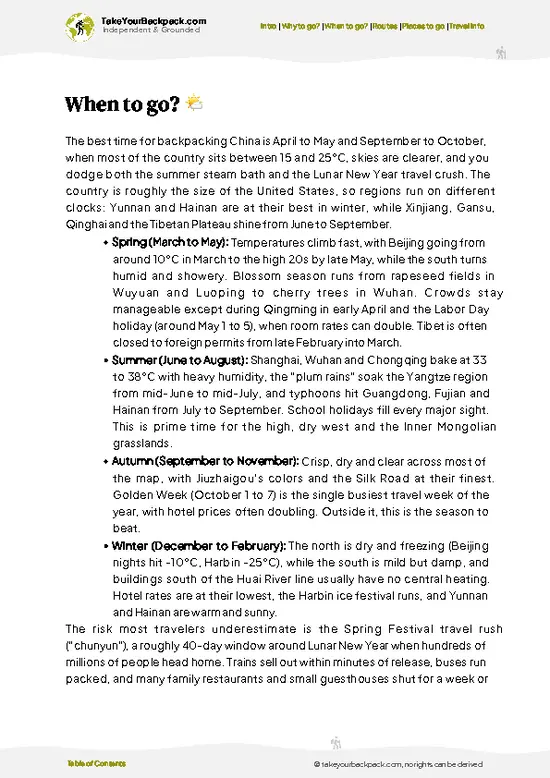
🌤️ When to go?Seasonal considerations and timing


  • Weather: Yingkou experiences cold, dry winters with temperatures often below freezing (-5°C to 5°C / 23°F to 41°F), making outdoor activities less pleasant. Summers are warm and humid, averaging 25°C to 30°C (77°F to 86°F), but can feel sticky.

  • Daylight Hours: Peak daylight stretches from May to August, offering up to 14 hours, perfect for long exploration days. Winter days shrink to about 9 hours, limiting sightseeing time.

  • Crowds: Tourist flow spikes during Chinese national holidays and summer, inflating prices and crowding key spots. Shoulder seasons like late spring and early autumn offer quieter streets and better deals.

  • Seasonal Activities: Spring and autumn bring local festivals and fresh seafood markets at their best, adding cultural layers to your trip without the summer
read more 👉

  • Weather: Yingkou experiences cold, dry winters with temperatures often below freezing (-5°C to 5°C / 23°F to 41°F), making outdoor activities less pleasant. Summers are warm and humid, averaging 25°C to 30°C (77°F to 86°F), but can feel sticky.

  • Daylight Hours: Peak daylight stretches from May to August, offering up to 14 hours, perfect for long exploration days. Winter days shrink to about 9 hours, limiting sightseeing time.

  • Crowds: Tourist flow spikes during Chinese national holidays and summer, inflating prices and crowding key spots. Shoulder seasons like late spring and early autumn offer quieter streets and better deals.

  • Seasonal Activities: Spring and autumn bring local festivals and fresh seafood markets at their best, adding cultural layers to your trip without the summer rush.

  • Price Fluctuations: Accommodation and transport costs peak in summer and holidays. Booking in shoulder seasons can save you 20-30%, letting you upgrade comfort or extend your stay.


Pro-tip: Aim for late April to early June or September to early October—these windows balance mild weather, manageable crowds, and wallet-friendly rates, turning Yingkou into a strategic win.


source: climatestotravel.comJANJanuary: fair for travelingFEBFebruary: fair for travelingMARMarch: good for travelingAPRApril: highly recommended for travelingMAYMay: excellent for travelingJUNJune: excellent for travelingJULJuly: good for travelingAUGAugust: good for travelingSEPSeptember: excellent for travelingOCTOctober: highly recommended for travelingNOVNovember: good for travelingDECDecember: fair for traveling
when-to-go

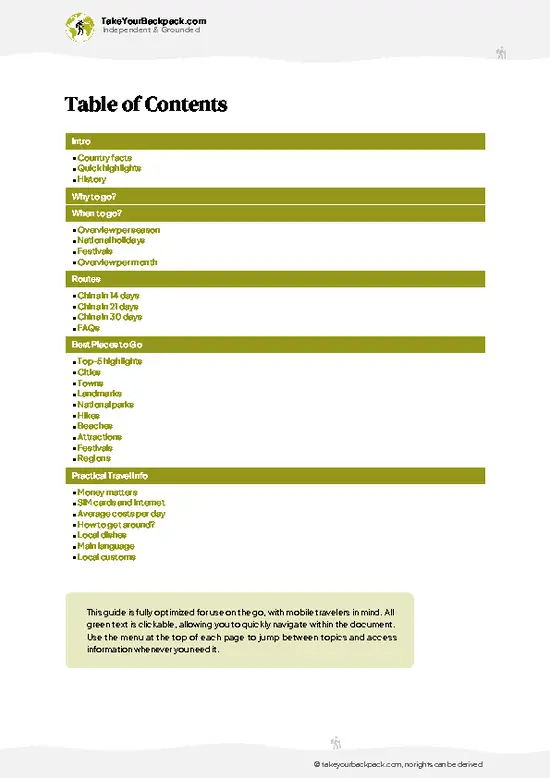
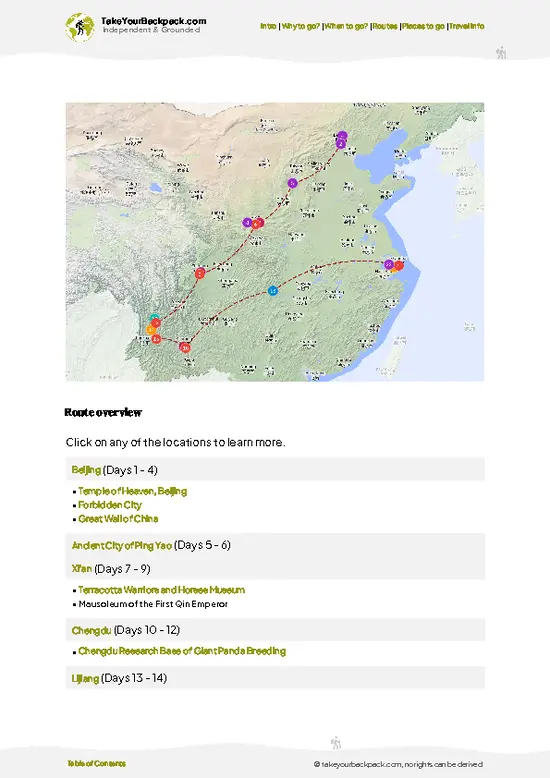
✈️ The backpacker research shortcutChina Travel Guide

An offline-friendly backpacking guide with optimized travel routes, ranked highlights, transport advice, and the best areas to stay.
example page 0 from our offline Travel Guide for China
example page 1 from our offline Travel Guide for China
example page 2 from our offline Travel Guide for China
example page 3 from our offline Travel Guide for China
example page 4 from our offline Travel Guide for China
example page 5 from our offline Travel Guide for China
example page 6 from our offline Travel Guide for China
example page 7 from our offline Travel Guide for China
The digital guide (496 pages) contains:
139 highlights, ranked by travel appeal
Optimized 14, 21 & 30-day travel routes
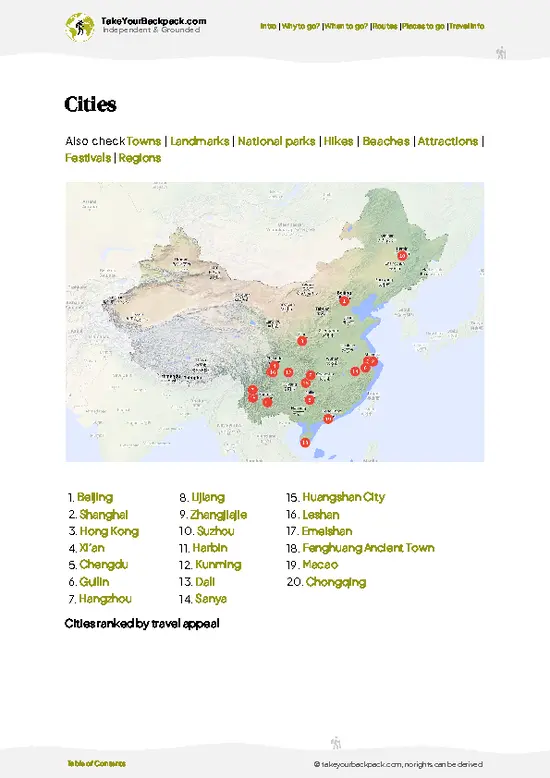
Cities, national parks, landmarks, beaches
How to get around
Offline-friendly for travel without Wi-Fi
👉 Click to see all 30+ guide features

📅 Plan smarter in minutes, not weeks
Month by month travel advice
Festivals & national holidays
Budget expectations

🗺️ Go to the right places, skip the overrated ones
Honest pros & cons of destinations
Top hikes, parks & viewpoints
Lesser-known places most travelers miss
Clear “worth it vs skip it” guidance

🛏️ Travel smoothly without rookie mistakes
Best areas to stay
Transport systems explained simply
Common scams & safety advice
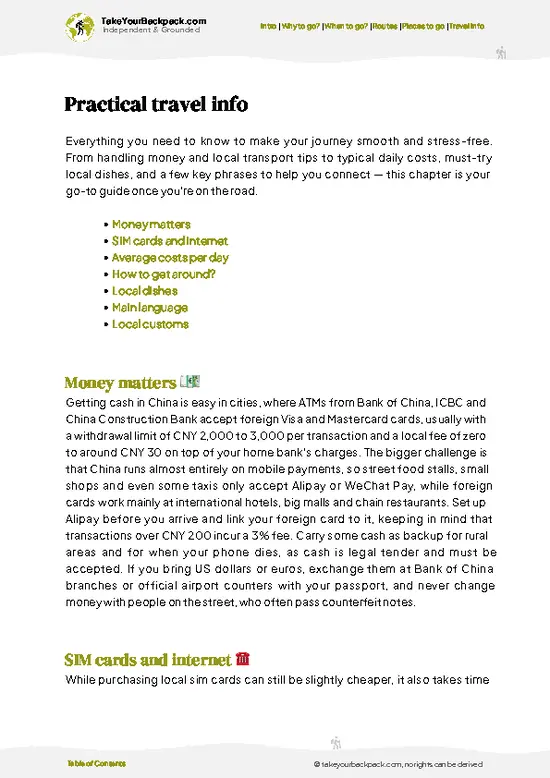
SIM cards, money & practical tips

🌍 Understand the country, not just visit it
Culture & traditions
52 Essential phrases & customs
Festivals worth planning around
Traveler-friendly historical context
Insights that make places more meaningful

📱 Built for real travel conditions
Fully downloadable PDF
Works completely offline
Optimized for phone use
Useful in remote areas & buses
Everything in one place
Save weeks of stressful planning
Get instant access to your full guide. 30‑day money-back guarantee.


By proceeding you agree to our terms.
Sent to your inbox immediately after payment • 100% Secure Checkout
Best Backpacking Travel Advisor 2025 tourism awardBest Backpacking
Travel Advisor
2025
What others say about Take Your Backpack Guides:
⭐⭐⭐⭐⭐
Fantastic, amazing amount of information!
⭐⭐⭐⭐⭐
My goodness this is amazing, it's what I've been looking for hats off too you!
⭐⭐⭐⭐⭐
I think this is absolutely BRILLIANT
⭐⭐⭐⭐
Very complete and informative. It's still missing places, but I gotta to commend you
⭐⭐⭐⭐⭐
This is truly amazing, thank you, can't wait to explore it with my kids!
⭐⭐⭐⭐⭐
Awesome resource, thank you!
⭐⭐⭐⭐⭐
This is amazing! Can't wait to explore the ones I haven't seen
⭐⭐⭐⭐
I love this! Well done, great idea.
⭐⭐⭐⭐⭐
Thanks for taking the time to make this gem!
⭐⭐⭐⭐⭐
This might be the best website I've ever seen.
⭐⭐⭐⭐⭐
Congratulations, and thank you so much for your work; it's incredibly valuable.
⭐⭐⭐⭐
In all seriousness I think you did a great job pointing out the important spots
⭐⭐⭐⭐⭐
10/10 very good
⭐⭐⭐⭐⭐
As someone who's only just starting to visit regularly this is awesome, thank you.
⭐⭐⭐⭐
Thank you very much! I'm going to visit my dad, it's going to be very useful!
⭐⭐⭐⭐⭐
This is really cool! We'll be travelling for the first time and this definitely come in handy.
⭐⭐⭐⭐⭐
You are now our minister of culture, congratulations 👨‍💼
⭐⭐⭐⭐⭐
Just wanted to tell you that this is a pearl! Going to follow your recommendations.
⭐⭐⭐⭐⭐
This is so cool. I'll definitely be using the resource for my travels soon.
⭐⭐⭐⭐⭐
This is very impressive! Good work.
⭐⭐⭐⭐⭐
This is an amazing and informative site. Very well done!

🛏️ Where to stay?Best areas and accommodation options

In Yingkou, the best spot for backpackers is the area around the city center, especially near the Yingkou Railway Station and the adjacent commercial streets. This zone balances safety with a lively, social atmosphere where budget travelers naturally converge. Hostels and guesthouses cluster here, offering affordable beds without sacrificing basic comfort. It’s where you’ll find street food vendors, local markets, and easy access to public transport, making it a practical base for exploring. Compared to the quieter, more residential districts, this area pulses with energy and interaction—perfect … read more 👉
In Yingkou, the best spot for backpackers is the area around the city center, especially near the Yingkou Railway Station and the adjacent commercial streets. This zone balances safety with a lively, social atmosphere where budget travelers naturally converge. Hostels and guesthouses cluster here, offering affordable beds without sacrificing basic comfort. It’s where you’ll find street food vendors, local markets, and easy access to public transport, making it a practical base for exploring. Compared to the quieter, more residential districts, this area pulses with energy and interaction—perfect if you want to trade a bit of peace for connection and convenience.

🚌 Getting aroundHow to get around Yingkou

Yingkou moves with a rhythm that’s neither frantic nor sluggish—it’s a city where schedules exist but bend to the flow of daily life. You won’t find the rigid precision of a metropolis like Tokyo, nor the wild unpredictability of a sprawling megacity. Instead, Yingkou’s transit hums along with a practical pulse: buses and trains run mostly on time, but local habits and occasional delays remind you that this is a place where intuition and patience pay off. Understanding this balance is your key to mastering the city’s trade-offs between time, money, and comfort.


  • City Buses: Running from about 6:00 AM to 10:00 PM, fares hover around 1-2 RMB. They’re slow but reliable, weaving through traffic with frequent stops—perfect if you want to save cash and don’t mind a longer ride.

  • Shared Taxis:
read more 👉
Yingkou moves with a rhythm that’s neither frantic nor sluggish—it’s a city where schedules exist but bend to the flow of daily life. You won’t find the rigid precision of a metropolis like Tokyo, nor the wild unpredictability of a sprawling megacity. Instead, Yingkou’s transit hums along with a practical pulse: buses and trains run mostly on time, but local habits and occasional delays remind you that this is a place where intuition and patience pay off. Understanding this balance is your key to mastering the city’s trade-offs between time, money, and comfort.


  • City Buses: Running from about 6:00 AM to 10:00 PM, fares hover around 1-2 RMB. They’re slow but reliable, weaving through traffic with frequent stops—perfect if you want to save cash and don’t mind a longer ride.

  • Shared Taxis: These operate on flexible schedules, often filling up before departure. Expect to pay 10-20 RMB depending on distance. Faster than buses but less predictable, they strike a middle ground between speed and cost.

  • Regular Taxis: Available 24/7, starting fare around 8 RMB plus distance. Comfortable and direct, but costs add up quickly. Best for late-night trips or when time is tight.

  • Walking: Yingkou’s downtown is compact enough to explore on foot. Zero cost, full control over your pace, and the chance to soak in street-level details you’d miss zooming by in a vehicle.

👛 Costs (as of 30 January 2025)Travel costs and budget guide for Yingkou

Backpacking in Yingkou, China, offers a clear trade-off between cost and comfort, with daily expenses that stay surprisingly manageable if you know where to look.
  • Dorm Accommodation (High Season and Off-Season): In high season, expect to pay around $10-$15 USD per night for a dorm bed in a basic hostel. Off-season prices drop to about $7-$10 USD. These places are simple but clean, often with shared bathrooms and minimal extras.
  • Meals: Street food and local eateries dominate here. A filling meal typically costs between $2 and $5 USD. If you opt for a slightly nicer sit-down restaurant, budget around $6-$10 USD per meal. Breakfast can be as cheap as $1.50 USD for a steamed bun and soy milk.
  • Local Transport: Yingkou’s buses are the backbone of getting around, with single rides costing roughly
read more 👉
Backpacking in Yingkou, China, offers a clear trade-off between cost and comfort, with daily expenses that stay surprisingly manageable if you know where to look.
  • Dorm Accommodation (High Season and Off-Season): In high season, expect to pay around $10-$15 USD per night for a dorm bed in a basic hostel. Off-season prices drop to about $7-$10 USD. These places are simple but clean, often with shared bathrooms and minimal extras.
  • Meals: Street food and local eateries dominate here. A filling meal typically costs between $2 and $5 USD. If you opt for a slightly nicer sit-down restaurant, budget around $6-$10 USD per meal. Breakfast can be as cheap as $1.50 USD for a steamed bun and soy milk.
  • Local Transport: Yingkou’s buses are the backbone of getting around, with single rides costing roughly $0.30-$0.50 USD. Taxis start at about $1.50 USD for short trips, but they’re less necessary if you’re sticking to the city center.
  • City Transport Pass: For frequent bus users, a transport card can save a bit, typically costing around $3-$5 USD to purchase, with discounted fares bringing rides down to about $0.25 USD each. It’s worth it if you plan to explore extensively.
  • Basic Activities/Entry Fees: Yingkou isn’t packed with pricey tourist traps. Entry to local parks or museums usually runs $1-$3 USD. More specialized sites or cultural experiences might push $5-$8 USD, but these are optional and often worth the small splurge.
  • Miscellaneous Expenses: This covers essentials like bottled water, snacks, or occasional laundry. Budget around $1-$3 USD daily. Internet cafes or SIM cards are cheap, with data packages around $5-$10 USD for a week.

Altogether, you’re looking at a daily budget roughly between $15 and $30 USD, depending on how much comfort you want and how often you eat out or explore. Yingkou rewards those who balance frugality with a few well-chosen splurges, turning the city into a playground where every dollar saved can be reinvested in experiences that matter.


source: chinahighlights.com
⚠️ Prices can change and everyone travels differently, so take this as a rough guide. Hope it helps you plan your adventure!

🚌 Day tripsEasy escapes and nearby places

Yingkou is a fantastic launchpad for day trips that blend culture, nature, and adventure. Here are some top picks that make the most of your time and money.

Dalian
Just a two-hour train ride from Yingkou, Dalian offers a vibrant coastal experience. Stroll along the beautiful beaches, visit the Russian Street for a taste of history, and don’t miss the stunning Laohutan Ocean Park. Budget around $15 for transport and snacks. The best time to visit is late spring or early fall when the weather is mild. A common mistake? Skipping the local seafood markets; they’re a must-try!


Panjin Red Beach
About an hour away, Panjin’s Red Beach is a surreal sight, especially in autumn when the Suaeda salsa turns crimson. The trip costs around $10 for transport, and you can easily spend a few hours … read more 👉
Yingkou is a fantastic launchpad for day trips that blend culture, nature, and adventure. Here are some top picks that make the most of your time and money.

Dalian
Just a two-hour train ride from Yingkou, Dalian offers a vibrant coastal experience. Stroll along the beautiful beaches, visit the Russian Street for a taste of history, and don’t miss the stunning Laohutan Ocean Park. Budget around $15 for transport and snacks. The best time to visit is late spring or early fall when the weather is mild. A common mistake? Skipping the local seafood markets; they’re a must-try!


Panjin Red Beach
About an hour away, Panjin’s Red Beach is a surreal sight, especially in autumn when the Suaeda salsa turns crimson. The trip costs around $10 for transport, and you can easily spend a few hours wandering the boardwalks and taking photos. Aim for late September to early October for the best colors. Many first-timers miss the nearby wetlands, which are teeming with migratory birds.


Fenghuang Mountain
A 90-minute bus ride takes you to Fenghuang Mountain, where hiking trails lead to breathtaking views. The entrance fee is about $5, and you can pack a lunch to enjoy at the summit. Spring and fall are ideal for hiking, avoiding the summer heat. A common pitfall is underestimating the trail difficulty; wear sturdy shoes!
Want to know what more China offers?
The China Travel Guide describes 139 highlights, from cities to national parks, from beaches to hikes

Get the Travel Guide -

🍲 FoodLocal Cuisine & Drinks

In Yingkou, local cuisine is a vibrant tapestry of flavors. Dive into seafood, especially the fresh catch from the Bohai Sea. Try steamed clams or grilled fish, seasoned simply to let the ocean’s essence shine.

Street food stalls are your best bet for an authentic experience. Savor jiaozi (dumplings) filled with everything from pork to veggies, or grab a bowl of spicy noodle soup at a bustling market.

When it comes to drinks, don’t miss the local baijiu—a potent rice liquor that’s often shared in small cups. Remember, toasting is a big deal here; it’s all about respect and camaraderie. Embrace the local customs, and you’ll find yourself part of the community.

🛡️ SafetySafety Tips and Common Scams in Yingkou

Yingkou is generally safe, but like any city, it has its quirks. Stay alert in crowded markets, especially around the bus station; pickpockets can be a nuisance. If you’re solo, avoid dimly lit streets at night—stick to well-trafficked areas.

Scams are rare, but some taxi drivers might try to overcharge. Always agree on a fare beforehand or use ride-hailing apps. Carry yourself confidently, and don’t hesitate to ask locals for help. They’re usually friendly and willing to assist.

Other Chinese cities near Yingkou

Explore more nearby:

  • Panjin—red beach, reed marshes, migratory birds| 52 km away
  • Anshan—steelworks, jade Buddha, hot springs| 81 km away
  • Jinzhou—ancient pagodas, coastal fortresses, seafood stalls| 105 km away

💡 Not sure where to go next?
Create a personalized itinerary for China including Yingkou and the places that fit your trip.

Generate my itinerary

👉 Discover all cities

Or checkout all China has to offer (think cities, towns, villages, national parks, hikes, beaches, festivals)
Country photo of China

We 💚 feedbackSumming up the experience

Yingkou’s coastal charm is a breath of fresh air, especially if you crave a laid-back vibe and local seafood that’s hard to beat. Just be ready for the language barrier; English isn’t widely spoken, which can make navigating a bit tricky. Embrace the challenge!

✈️ When did I visit China?
As part of my 1.5 year travel around the world trip, I visited China in August 2015, coming from Mongolia by the TransMongolia Express.

✍️ Help improve this page!
The information on this page is based on my own backpacking experience in China, supplemented with up-to-date research and feedback from other travelers. Travel details can change, so if you notice anything outdated or incomplete, feel free to let me know.


🙋‍♂️ Give feedback

👋 Meet the founderWho’s Behind Take Your Backpack?

Johan, backpacker and founder of TakeYourBackpackHi, I’m Johan (Netherlands 🇳🇱), the creator of TakeYourBackpack. Over the past decade, I’ve backpacked through 80+ countries across six continents, gaining extensive experience with independent travel, long-term trips, and overland routes.

This site is built on a combination of firsthand travel experience and carefully curated insights from other backpackers. Many guides are based on places I’ve personally visited, while others bring together tips, observations, and practical advice shared by trusted travelers I’ve met along the way.

The goal is to provide realistic, experience-driven guidance — not generic itineraries — so you can explore destinations with better context, clearer expectations, and more confidence.

Get full China guide •
Instant download • 139 highlights • Full Offline guide