×

China🇨🇳 | citiesPu’erancient tea forests, minority cultures, subtropical hills | things to do and best time to go

Explore LincangExplore Jinghong

Backpacking in Pu’er
👌 Worth visitingcity ranked #37
By Johan Kruseman 🇳🇱 | Updated June 18, 2026

Steam from your cup smells like dark chocolate and wet earth while scooters cough past and old men slap mahjong tiles under a line of dripping tea leaves. This is Pu’er, in southern Yunnan near the Myanmar and Laos borders. It’s quiet, cheap, and tea-obsessed rather than party-heavy; more small-city China than backpacker circus. You get mellow parks, tea markets, and local life, but fewer hostels and foreigners than Kunming or Jinghong, so it’s safe, friendly, and slightly solitary unless you speak some Chinese.

Discover everything you want to know in the 📖 China Travel Guide.


Get your China guide
139 ranked highlights, routes & tips, works offline (496 pages)
Loading the map 🌍
CLICK TO FILTER
cities
towns
landmarks
national parks
hikes
beaches
attractions
festivals
regions
SHOW COUNTRY’S BESTSHOW ALL

✨ Why go?
Ranked #37 city in China
Reasons people choose to visit here

Pu’er is a strategic basecamp for backpackers, offering a mix of affordable hostels and a vibrant food scene that fuels your adventures. The city’s walkability makes it easy to explore local markets and cafes, while its nightlife provides a laid-back atmosphere to unwind after a day of trekking. You’ll find plenty of highlights nearby, but what really sets Pu’er apart is its easy onward travel options, connecting you to other stunning destinations in Yunnan. If you’re after a blend of culture and convenience, Pu’er is more than just a stop; it’s a smart choice for your journey.
Want to include Pu’er in your China route?
Create a personalized China itinerary that includes Pu’er and the places that fit your trip — based on your travel style, budget, and available time. Get your route in seconds.

Generate my trip

💡 HighlightsKey sights and experiences for travelers

  1. Pu’er Tea Museum — A focused museum on the history, production and culture of Pu’er tea with exhibits on processing methods, antique tea ware and on-site tastings; the best place in the city to learn why Pu’er tea is famous and to sample real local cakes and leaves.
  2. Simao Ancient Town (Simao Old Street) — Historic lanes and old commercial streets in the city core where traditional shops, local snacks and remnants of older architecture give a tangible feel for the town’s past and everyday life; great for wandering, street food and photos.
  3. Pu’er Tea Trading Market (Simao Tea Market) — A working wholesale/retail tea market where traders, shopkeepers and farmers buy and sell pressed cakes and raw leaves; visiting shows the business side of Pu’er tea and is where you can find a wide range of
read more 👉
  1. Pu’er Tea Museum — A focused museum on the history, production and culture of Pu’er tea with exhibits on processing methods, antique tea ware and on-site tastings; the best place in the city to learn why Pu’er tea is famous and to sample real local cakes and leaves.
  2. Simao Ancient Town (Simao Old Street) — Historic lanes and old commercial streets in the city core where traditional shops, local snacks and remnants of older architecture give a tangible feel for the town’s past and everyday life; great for wandering, street food and photos.
  3. Pu’er Tea Trading Market (Simao Tea Market) — A working wholesale/retail tea market where traders, shopkeepers and farmers buy and sell pressed cakes and raw leaves; visiting shows the business side of Pu’er tea and is where you can find a wide range of grades and prices.
  4. Lancang River Riverside / Simao Riverside Promenade — The Lancang (Mekong) riverside in the city offers a relaxed walk, river views, small vendors and a glimpse of local life along the water; good for sunset, people-watching and short boat trips in season.
A few attractive day trips outside the city: Jingmai Mountain (ancient tea trees and cloud-forest tea estates — my personal favorite), the tea towns around Mengku, and other nearby Pu’er prefecture tea groves that are easily visited from the city.
Spotted a mistake or missing something? Contact us.

🏘️ NeighborhoodsWhere things are and how it's laid out

Pu’er is a captivating blend of culture and nature, perfect for backpackers seeking authentic experiences. Here’s how the neighborhoods stack up:

Downtown Pu’er: The heart of the city, buzzing with local markets and eateries. It’s walkable, with plenty of budget-friendly accommodations. Nightlife is lively but not overwhelming, making it ideal for short stays.

Shengping District: Quieter and more residential, this area offers a glimpse into local life. It’s less touristy, with affordable guesthouses. Great for longer stays if you want to soak in the culture. Transport links are decent, but you might need to walk a bit.

Jinggu Road: A vibrant area with cafes and shops. Perfect for socializing and meeting fellow travelers. It’s a bit pricier, but the atmosphere is worth it. Good for both … read more 👉
Pu’er is a captivating blend of culture and nature, perfect for backpackers seeking authentic experiences. Here’s how the neighborhoods stack up:

Downtown Pu’er: The heart of the city, buzzing with local markets and eateries. It’s walkable, with plenty of budget-friendly accommodations. Nightlife is lively but not overwhelming, making it ideal for short stays.

Shengping District: Quieter and more residential, this area offers a glimpse into local life. It’s less touristy, with affordable guesthouses. Great for longer stays if you want to soak in the culture. Transport links are decent, but you might need to walk a bit.

Jinggu Road: A vibrant area with cafes and shops. Perfect for socializing and meeting fellow travelers. It’s a bit pricier, but the atmosphere is worth it. Good for both short and extended visits, with easy access to transport.

⌛️ 1 day1-day itinerary for Pu’er

Pu’er, China, is a treasure trove for tea lovers and nature enthusiasts alike. Nestled in the Yunnan province, it’s famous for its rich tea culture and stunning landscapes. Start your day in the bustling center, where you can sip a cup of the local Pu’er tea at a quaint teahouse. The aroma of freshly brewed leaves will awaken your senses.

Afterward, head to the nearby Pu’er Tea Museum. It’s not just informative; it’s a sensory experience that dives deep into the history and art of tea-making. Spend your afternoon wandering through the vibrant streets of the old town, where you can explore local markets and sample street food. Don’t miss the chance to visit the less-traveled Yunnan Ethnic Village, where you can connect with local cultures and traditions.

As evening falls, find a cozy spot … read more 👉
Pu’er, China, is a treasure trove for tea lovers and nature enthusiasts alike. Nestled in the Yunnan province, it’s famous for its rich tea culture and stunning landscapes. Start your day in the bustling center, where you can sip a cup of the local Pu’er tea at a quaint teahouse. The aroma of freshly brewed leaves will awaken your senses.

Afterward, head to the nearby Pu’er Tea Museum. It’s not just informative; it’s a sensory experience that dives deep into the history and art of tea-making. Spend your afternoon wandering through the vibrant streets of the old town, where you can explore local markets and sample street food. Don’t miss the chance to visit the less-traveled Yunnan Ethnic Village, where you can connect with local cultures and traditions.

As evening falls, find a cozy spot along the river for dinner. Enjoy a dish of Yunnan-style mushrooms while watching the sunset paint the sky. This day in Pu’er is a blend of culture, nature, and culinary delights, leaving you with memories that linger like the taste of good tea.
Turn your Pu’er visit into an China adventure
Build a complete China route with Pu’er, hidden gems, must-see destinations, and realistic travel times included.

Generate my trip

🌤️ When to go?When to go for the best experience


  • Weather: Pu’er’s subtropical climate means heavy rains from May to September, making trails slippery and transport slower. Dry season from October to April offers clearer skies and easier hiking conditions.

  • Temperature: Winters are mild, around 10-15°C (50-59°F), while summers can hit 25-30°C (77-86°F). Spring and autumn balance warmth and coolness, ideal for comfort without sweating buckets.

  • Daylight Hours: Around 11-13 hours year-round, but longer days in summer help maximize sightseeing; shorter winter days require tighter planning.

  • Crowds: Peak tourist influx aligns with Chinese holidays like National Day (October) and Spring Festival (January-February), pushing prices up and crowding popular spots.

  • Seasonal Activities: Tea harvest season (March-April) offers authentic cultural
read more 👉

  • Weather: Pu’er’s subtropical climate means heavy rains from May to September, making trails slippery and transport slower. Dry season from October to April offers clearer skies and easier hiking conditions.

  • Temperature: Winters are mild, around 10-15°C (50-59°F), while summers can hit 25-30°C (77-86°F). Spring and autumn balance warmth and coolness, ideal for comfort without sweating buckets.

  • Daylight Hours: Around 11-13 hours year-round, but longer days in summer help maximize sightseeing; shorter winter days require tighter planning.

  • Crowds: Peak tourist influx aligns with Chinese holidays like National Day (October) and Spring Festival (January-February), pushing prices up and crowding popular spots.

  • Seasonal Activities: Tea harvest season (March-April) offers authentic cultural experiences and vibrant landscapes, while autumn brings colorful foliage and local festivals.

  • Price Fluctuations: Expect higher accommodation and transport costs during peak seasons and festivals; off-peak months (May, June) often have better deals but risk rain interruptions.


Pro-tip: Aim for late March to early May—dry, mild, fewer crowds, and you catch Pu’er’s tea culture in full swing without breaking the bank.


source: climatestotravel.comJANJanuary: good for travelingFEBFebruary: good for travelingMARMarch: excellent for travelingAPRApril: excellent for travelingMAYMay: fair for travelingJUNJune: fair for travelingJULJuly: below average for travelingAUGAugust: below average for travelingSEPSeptember: fair for travelingOCTOctober: highly recommended for travelingNOVNovember: highly recommended for travelingDECDecember: highly recommended for traveling
when-to-go

✈️ The backpacker research shortcutChina Travel Guide

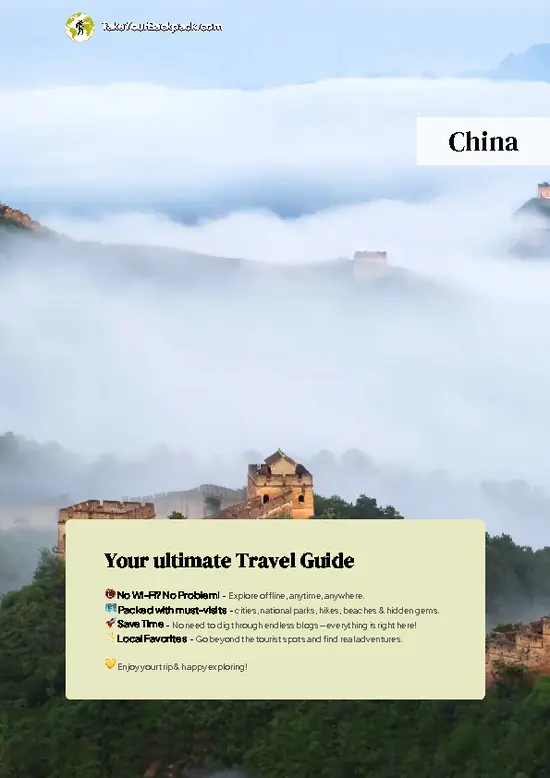
An offline-friendly backpacking guide with optimized travel routes, ranked highlights, transport advice, and the best areas to stay.
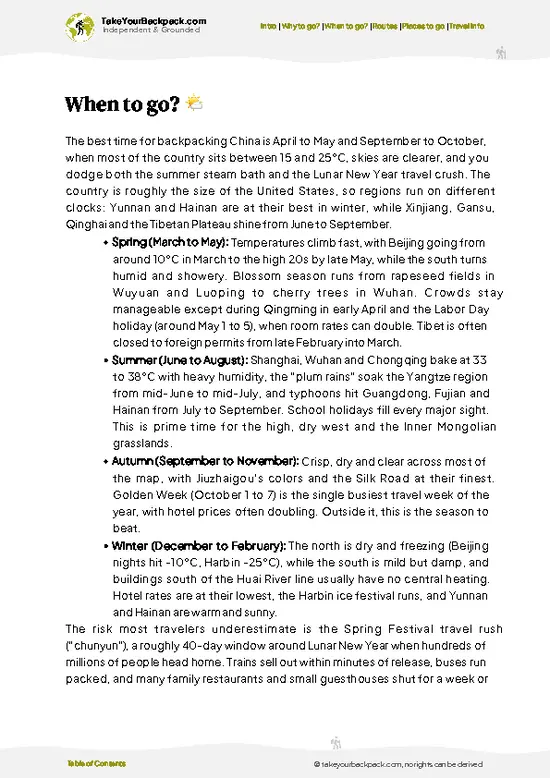
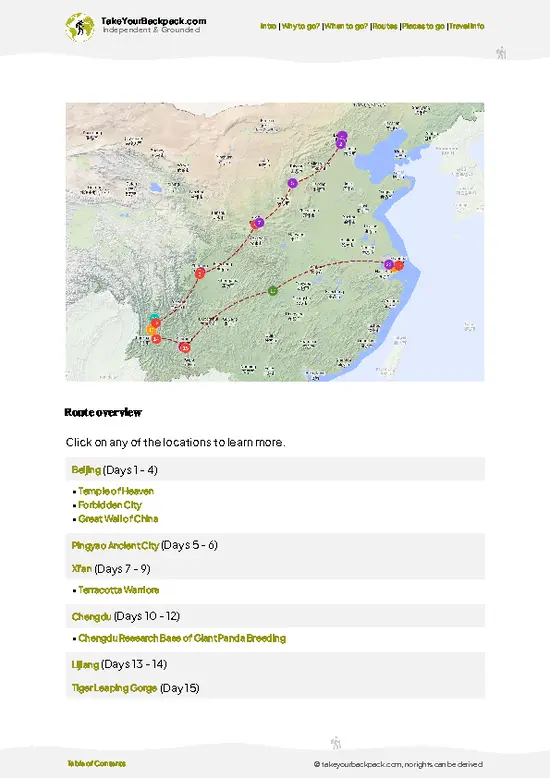
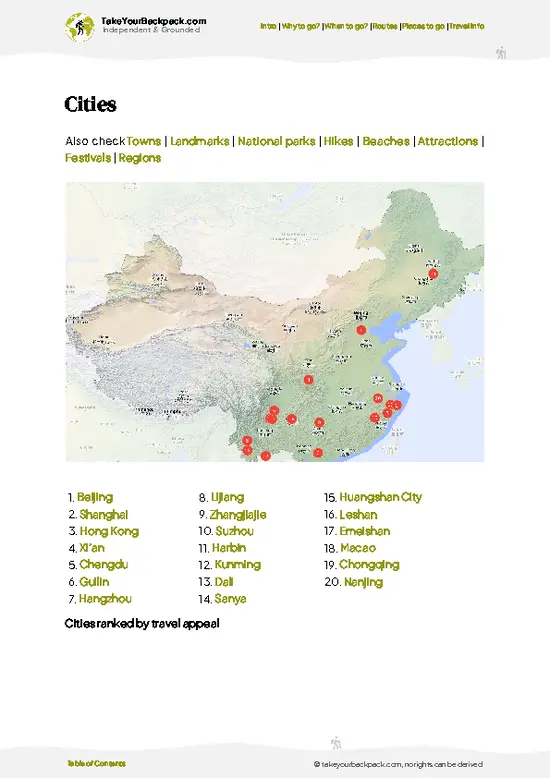
example page 0 from our offline Travel Guide for China
example page 1 from our offline Travel Guide for China
example page 2 from our offline Travel Guide for China
example page 3 from our offline Travel Guide for China
example page 4 from our offline Travel Guide for China
example page 5 from our offline Travel Guide for China
example page 6 from our offline Travel Guide for China
example page 7 from our offline Travel Guide for China
The digital guide (496 pages) contains:
139 highlights, ranked by travel appeal
Optimized 14, 21 & 30-day travel routes
Cities, national parks, landmarks, beaches
How to get around
Offline-friendly for travel without Wi-Fi
👉 Click to see all 30+ guide features

📅 Plan smarter in minutes, not weeks
Month by month travel advice
Festivals & national holidays
Budget expectations

🗺️ Go to the right places, skip the overrated ones
Honest pros & cons of destinations
Top hikes, parks & viewpoints
Lesser-known places most travelers miss
Clear “worth it vs skip it” guidance

🛏️ Travel smoothly without rookie mistakes
Best areas to stay
Transport systems explained simply
Common scams & safety advice
SIM cards, money & practical tips

🌍 Understand the country, not just visit it
Culture & traditions
52 Essential phrases & customs
Festivals worth planning around
Traveler-friendly historical context
Insights that make places more meaningful

📱 Built for real travel conditions
Fully downloadable PDF
Works completely offline
Optimized for phone use
Useful in remote areas & buses
Everything in one place
Save weeks of stressful planning
Get instant access to your full guide. 30‑day money-back guarantee.


By proceeding you agree to our terms.
Sent to your inbox immediately after payment • 100% Secure Checkout
Best Backpacking Travel Advisor 2025 tourism awardBest Backpacking
Travel Advisor
2025
What others say about Take Your Backpack Guides:
⭐⭐⭐⭐⭐
Fantastic, amazing amount of information!
⭐⭐⭐⭐⭐
My goodness this is amazing, it's what I've been looking for hats off too you!
⭐⭐⭐⭐⭐
I think this is absolutely BRILLIANT
⭐⭐⭐⭐
Very complete and informative. It's still missing places, but I gotta to commend you
⭐⭐⭐⭐⭐
This is truly amazing, thank you, can't wait to explore it with my kids!
⭐⭐⭐⭐⭐
Awesome resource, thank you!
⭐⭐⭐⭐⭐
This is amazing! Can't wait to explore the ones I haven't seen
⭐⭐⭐⭐
I love this! Well done, great idea.
⭐⭐⭐⭐⭐
Thanks for taking the time to make this gem!
⭐⭐⭐⭐⭐
This might be the best website I've ever seen.
⭐⭐⭐⭐⭐
Congratulations, and thank you so much for your work; it's incredibly valuable.
⭐⭐⭐⭐
In all seriousness I think you did a great job pointing out the important spots
⭐⭐⭐⭐⭐
10/10 very good
⭐⭐⭐⭐⭐
As someone who's only just starting to visit regularly this is awesome, thank you.
⭐⭐⭐⭐
Thank you very much! I'm going to visit my dad, it's going to be very useful!
⭐⭐⭐⭐⭐
This is really cool! We'll be travelling for the first time and this definitely come in handy.
⭐⭐⭐⭐⭐
You are now our minister of culture, congratulations 👨‍💼
⭐⭐⭐⭐⭐
Just wanted to tell you that this is a pearl! Going to follow your recommendations.
⭐⭐⭐⭐⭐
This is so cool. I'll definitely be using the resource for my travels soon.
⭐⭐⭐⭐⭐
This is very impressive! Good work.
⭐⭐⭐⭐⭐
This is an amazing and informative site. Very well done!

🛏️ Where to stay?Where staying makes the most sense

In Pu’er, the best base for backpackers is the city center around the Pu’er Old Town area. It’s where you’ll find the right balance of safety, social buzz, and budget options. This neighborhood hums with local markets, teahouses, and street food stalls—perfect for mingling with fellow travelers and locals alike. Hostels here cater to solo adventurers, offering communal spaces that make striking up conversations easy. Compared to the quieter, more residential outskirts, the Old Town keeps you plugged into the city’s pulse without sacrificing comfort or wallet-friendliness. It’s the smart choice … read more 👉
In Pu’er, the best base for backpackers is the city center around the Pu’er Old Town area. It’s where you’ll find the right balance of safety, social buzz, and budget options. This neighborhood hums with local markets, teahouses, and street food stalls—perfect for mingling with fellow travelers and locals alike. Hostels here cater to solo adventurers, offering communal spaces that make striking up conversations easy. Compared to the quieter, more residential outskirts, the Old Town keeps you plugged into the city’s pulse without sacrificing comfort or wallet-friendliness. It’s the smart choice for those who want to maximize experience without overpaying or feeling isolated.

🚌 Getting aroundHow to get around Pu’er

Pu’er moves at its own rhythm—neither a frantic rush nor a laid-back drift. It’s a city where schedules exist but bend to local intuition. You’ll find buses that mostly stick to their timetable, but expect occasional delays and a relaxed attitude toward punctuality. The streets pulse with a mix of old-school foot traffic and the occasional honk of a motorbike, making walking both practical and immersive. Understanding how time, money, and comfort interplay here lets you navigate like a pro, turning transit into a strategic choice rather than a hassle.


  • Walking: The most budget-friendly and immersive way to explore Pu’er’s compact downtown; zero cost, flexible timing, but prepare for uneven sidewalks and occasional steep hills.

  • City Bus: Runs roughly from 6:30 AM to 9:00 PM, fares around
read more 👉
Pu’er moves at its own rhythm—neither a frantic rush nor a laid-back drift. It’s a city where schedules exist but bend to local intuition. You’ll find buses that mostly stick to their timetable, but expect occasional delays and a relaxed attitude toward punctuality. The streets pulse with a mix of old-school foot traffic and the occasional honk of a motorbike, making walking both practical and immersive. Understanding how time, money, and comfort interplay here lets you navigate like a pro, turning transit into a strategic choice rather than a hassle.


  • Walking: The most budget-friendly and immersive way to explore Pu’er’s compact downtown; zero cost, flexible timing, but prepare for uneven sidewalks and occasional steep hills.

  • City Bus: Runs roughly from 6:30 AM to 9:00 PM, fares around 1-2 RMB; slow but reliable, with frequent stops that cover most neighborhoods—expect crowded rides during rush hours.

  • Shared Electric Scooters: Available via local apps, costing about 0.5 RMB per minute; faster than walking and flexible, but requires a smartphone and some balance—ideal for short hops.

  • Taxi: Starting fare around 8 RMB, meters running; faster and more comfortable, especially for early mornings or late nights when buses stop, but costs add up quickly.

  • Intercity Bus Station Shuttles: For budget travelers heading out of Pu’er, these shuttles run on fixed schedules with fares between 10-30 RMB depending on destination; less comfortable but essential for regional connections.

👛 Costs (as of 2 February 2025)Money, prices, and spending tips

Backpacking in Pu’er, China, offers a clear trade-off map between time, money, and comfort, with costs that reflect its status as a smaller city off the main tourist radar but rich in local culture.
  • Dorm Accommodation (High Season): Expect to pay around $8-$12 per night. High season, typically spring and autumn, sees a slight bump in prices due to increased demand from tea harvest visitors and local festivals.
  • Dorm Accommodation (Off-Season): Prices drop to about $5-$8 per night. Off-season means fewer travelers, so hostels and guesthouses are eager to fill beds, often offering better deals and more flexible check-in times.
  • Meals: Street food and local eateries dominate here. Budget around $3-$6 per day if you stick to simple dishes like rice noodles, steamed buns, and local vegetables.
read more 👉
Backpacking in Pu’er, China, offers a clear trade-off map between time, money, and comfort, with costs that reflect its status as a smaller city off the main tourist radar but rich in local culture.
  • Dorm Accommodation (High Season): Expect to pay around $8-$12 per night. High season, typically spring and autumn, sees a slight bump in prices due to increased demand from tea harvest visitors and local festivals.
  • Dorm Accommodation (Off-Season): Prices drop to about $5-$8 per night. Off-season means fewer travelers, so hostels and guesthouses are eager to fill beds, often offering better deals and more flexible check-in times.
  • Meals: Street food and local eateries dominate here. Budget around $3-$6 per day if you stick to simple dishes like rice noodles, steamed buns, and local vegetables. Splurging on a nicer sit-down meal might push you to $8-$12.
  • Local Transport: Buses and shared minibuses are the norm. A single ride typically costs $0.30-$0.50. Budget $1-$2 daily if you’re hopping around town frequently.
  • City Transport Pass: Pu’er doesn’t have a formal city transport pass system like bigger cities. Instead, pay-as-you-go is standard, which keeps things flexible but requires a bit more attention to small cash transactions.
  • Basic Activities/Entry Fees: Cultural sites and tea plantations charge modest fees, usually $2-$5. Some local museums or parks might be free or ask for a small donation. Budget $3-$7 per day if you plan to explore actively.
  • Miscellaneous Expenses: This covers bottled water, snacks, occasional internet cafes, or small souvenirs. Around $2-$4 daily is a safe estimate.

Total daily costs for backpacking in Pu’er generally fall between $15 and $30. This range gives you the freedom to choose between a lean, no-frills approach or a bit more comfort and exploration without breaking the bank. The key is balancing your pace and priorities—spend a little more on a local tea tasting or cultural experience, and save on transport by walking or using shared rides.
⚠️ Prices can change and everyone travels differently, so take this as a rough guide. Hope it helps you plan your adventure!

🚌 Day tripsEasy escapes and nearby places

Pu’er, China is a fantastic launchpad for day trips that blend culture, nature, and adventure. Here are some top picks that will make your backpacking experience truly rewarding.

Dali Lake
Just a two-hour bus ride from Pu’er, Dali Lake offers a serene escape. The shimmering waters are framed by lush hills, perfect for a leisurely hike or a picnic. Bring a few yuan for local snacks and enjoy the tranquility. Many first-timers underestimate the time needed to soak it all in, so plan to spend the entire day. Best visited in spring or autumn for mild weather.


Ximeng
About 90 minutes away, Ximeng is a vibrant town rich in ethnic culture. Explore local markets, sample unique dishes, and engage with the friendly locals. Costs are low; expect to spend around 50 RMB for transport and meals. … read more 👉
Pu’er, China is a fantastic launchpad for day trips that blend culture, nature, and adventure. Here are some top picks that will make your backpacking experience truly rewarding.

Dali Lake
Just a two-hour bus ride from Pu’er, Dali Lake offers a serene escape. The shimmering waters are framed by lush hills, perfect for a leisurely hike or a picnic. Bring a few yuan for local snacks and enjoy the tranquility. Many first-timers underestimate the time needed to soak it all in, so plan to spend the entire day. Best visited in spring or autumn for mild weather.


Ximeng
About 90 minutes away, Ximeng is a vibrant town rich in ethnic culture. Explore local markets, sample unique dishes, and engage with the friendly locals. Costs are low; expect to spend around 50 RMB for transport and meals. A common mistake is rushing through the town; take your time to appreciate the atmosphere. Visit during the harvest season for the most authentic experience.


Menglun Tropical Botanical Garden
A quick 30-minute ride will land you in this botanical paradise. Home to thousands of plant species, it’s a haven for nature lovers. Entry is around 40 RMB, making it a budget-friendly option. Many backpackers overlook the guided tours, which provide fascinating insights. Spring is ideal for blooming flora, so plan accordingly.


Shuangjiang
Just over an hour from Pu’er, Shuangjiang is known for its tea plantations. Spend the day learning about tea production and tasting some of the best brews. Costs are minimal, with transport and tastings under 100 RMB. First-timers often miss the chance to join a tea-picking session, which adds a hands-on element to the experience. Late spring is prime time for tea harvesting.
Want to know what more China offers?
The China Travel Guide describes 139 highlights, from cities to national parks, from beaches to hikes

Get the Travel Guide -

🍲 FoodEating & Drinking in Pu’er

In Pu’er, the heart of Yunnan’s tea culture, you’ll find a culinary landscape that’s as rich as its famous Pu’er tea. Dive into crossing flavors with dishes like Yunnan rice noodles, often served in a fragrant broth, or steam-cooked mushrooms that burst with earthy goodness.

Street food stalls are your best bet for a taste of local life. Grab a bowl of crossing-the-bridge noodles from a bustling market, where the aroma of spices fills the air.

Don’t miss the tea houses, where sipping tea is a social ritual. Expect to share stories and laughter over a pot, as locals value connection as much as the drink itself. Embrace the slow pace; it’s all part of the experience.

🛡️ SafetyTraveler Safety Guide

Pu’er is generally safe, but a few areas require extra awareness, especially around busy markets where pickpockets might lurk. If you’re solo, stick to well-lit streets at night; the city is quiet after dark, and it’s easy to lose your bearings.

Watch for common scams, like overly friendly locals offering unsolicited help that leads to pressure sales. Carry your belongings close and maintain a confident demeanor. Trust your instincts; if something feels off, it probably is. Enjoy the vibrant culture, but stay sharp.

Other Chinese cities near Pu’er

Explore more nearby:

  • Jinghong—Mekong River, tropical gardens, Dai festivals| 94 km away
  • Lincang—tea mountains, border trade, Dai villages| 148 km away
  • Kunming—mild climate, flower markets, ethnic diversity| 297 km away

💡 Not sure where to go next?
Create a personalized itinerary for China including Pu’er and the places that fit your trip.

Generate my itinerary

👉 Discover all cities

Or checkout all China has to offer (think cities, towns, villages, national parks, hikes, beaches, festivals)
Country photo of China

We 💚 feedbackParting advice and final tips

Pu’er is a tea lover’s paradise. Sipping fresh pu-erh while surrounded by lush hills is pure bliss. But be ready for the humidity; it can be stifling. Embrace the sweat, though—it’s part of the experience. You’ll leave with stories and a deeper appreciation for this unique corner of China.

✈️ When did I visit China?
As part of my 1.5 year travel around the world trip, I visited China in August 2015, coming from Mongolia by the TransMongolia Express.

✍️ Help improve this page!
The information on this page is based on my own backpacking experience in China, supplemented with up-to-date research and feedback from other travelers. Travel details can change, so if you notice anything outdated or incomplete, feel free to let me know.


🙋‍♂️ Give feedback

👋 Meet the founderWho’s Behind Take Your Backpack?

Johan, backpacker and founder of TakeYourBackpackHi, I’m Johan (Netherlands 🇳🇱), the creator of TakeYourBackpack. Over the past decade, I’ve backpacked through 80+ countries across six continents, gaining extensive experience with independent travel, long-term trips, and overland routes.

This site is built on a combination of firsthand travel experience and carefully curated insights from other backpackers. Many guides are based on places I’ve personally visited, while others bring together tips, observations, and practical advice shared by trusted travelers I’ve met along the way.

The goal is to provide realistic, experience-driven guidance — not generic itineraries — so you can explore destinations with better context, clearer expectations, and more confidence.

Get full China guide •
Instant download • 139 highlights • Full Offline guide