×

China🇨🇳 | citiesJinghongMekong River, tropical gardens, Dai festivals | things to do and best time to go

Explore Pu’erExplore Ruili

Backpacking in Jinghong
👍 Recommendedcity ranked #24
By Johan Kruseman 🇳🇱 | Updated June 9, 2026

You land in Jinghong and face a classic fork: burn time on slow buses and cheap guesthouses, or pay more for flights and riverside comfort so you’ve got energy for the good stuff. Jinghong sits in southern Yunnan, near the borders with Laos and Myanmar, and feels more Southeast Asia than “standard” China. It’s relaxed, palm-lined, and safe, with cheap food, easy scooters, and mellow Mekong bars, but fewer big sights and less backpacker buzz than Kunming or Dali.

Discover everything you want to know in the 📖 China Travel Guide.


Get your China guide
139 ranked highlights, routes & tips, works offline (496 pages)
Loading the map 🌍
CLICK TO FILTER
cities
towns
landmarks
national parks
hikes
beaches
attractions
festivals
regions
SHOW COUNTRY’S BESTSHOW ALL

✨ Why go?
Ranked #24 city in China
What makes it a must-see city

Jinghong is a strategic basecamp for backpackers, balancing time, money, and comfort. It offers a range of affordable hostels that foster a social vibe, making it easy to connect with fellow travelers. The city’s walkability allows you to explore local markets and street food stalls without breaking a sweat. Plus, the nightlife is lively yet laid-back, perfect for unwinding after a day of adventure. With easy onward travel options, you can seamlessly transition to nearby destinations. If you’re after a mix of culture and convenience, Jinghong is more than just a stop; it’s a high-value experience in your journey.
Want to include Jinghong in your China route?
Create a personalized China itinerary that includes Jinghong and the places that fit your trip — based on your travel style, budget, and available time. Get your route in seconds.

Generate my trip

💡 HighlightsEssential experiences to have while visiting Jinghong

  • Manting Park (Manting Garden and Temple) — Historic Dai royal garden in the heart of Jinghong with classic Dai pavilions, lakes, old banyan trees and the Manting Temple complex; great for seeing traditional architecture, people-watching and catching local festivals like the Water-Splashing celebrations.
  • Xishuangbanna Museum — Compact, well-laid-out museum with solid displays on Dai and other local ethnic groups, traditional costumes, ritual objects and regional natural history; the best place in the city to get cultural and historical context before exploring.
  • Mekong (Lancang) Riverside Promenade — The riverside stretch is Jinghong’s social spine: sunset views over the Lancang/Mekong, cafes and bars, boat activity, street food stalls and a relaxed evening scene that shows modern local
read more 👉
  • Manting Park (Manting Garden and Temple) — Historic Dai royal garden in the heart of Jinghong with classic Dai pavilions, lakes, old banyan trees and the Manting Temple complex; great for seeing traditional architecture, people-watching and catching local festivals like the Water-Splashing celebrations.
  • Xishuangbanna Museum — Compact, well-laid-out museum with solid displays on Dai and other local ethnic groups, traditional costumes, ritual objects and regional natural history; the best place in the city to get cultural and historical context before exploring.
  • Mekong (Lancang) Riverside Promenade — The riverside stretch is Jinghong’s social spine: sunset views over the Lancang/Mekong, cafes and bars, boat activity, street food stalls and a relaxed evening scene that shows modern local life and river culture up close.
  • Jinghong Night Market / Riverside Night Bazaar — A lively nighttime spot near the river where you can try Dai and Yunnan street food, buy local snacks and handicrafts, and soak up a lively market atmosphere—cheap, flavorful and very visitable.
  • Jinghong Bridge (Lancang River Bridge) — The main bridge over the Lancang is a handy viewpoint and photo spot to watch longboats, river traffic and the urban skyline; it’s also where many river cruises and launch points operate, so it’s practical as well as scenic.
A few excellent day trips just outside Jinghong are the Xishuangbanna Tropical Botanical Garden (Menglun) — my personal favorite — plus Wild Elephant Valley and the Menghai / Bulang tea-plantation areas, all easily visited from the city on a day trip.
Spotted a mistake or missing something? Contact us.
🏘️ NeighborhoodsHow different areas shape the experience

Jinghong is a vibrant city that serves as a gateway to the lush landscapes of Yunnan. Here’s how to navigate its neighborhoods for the best backpacking experience:

City Center: The heartbeat of Jinghong. Bustling markets, street food, and affordable hostels. Walkable and lively, perfect for short stays. Nightlife thrives here, with bars and night markets keeping the energy high.

Jinghong Riverside: A scenic area along the Mekong. Ideal for leisurely strolls and sunset views. Quieter than the City Center, it’s great for longer stays. A mix of guesthouses and cafes, with easy access to transport.

Banana Island: A laid-back vibe with a touch of nature. Less touristy, offering a peaceful retreat. Good for those wanting to escape the hustle. Limited nightlife, but perfect for relaxation and longer stays.

⌛️ 1 daySeeing the highlights in 24 hours

Jinghong, the capital of Yunnan’s Xishuangbanna Dai Autonomous Prefecture, is a vibrant blend of cultures, lush landscapes, and a laid-back vibe that invites exploration. Start your morning at the bustling Jinghong Morning Market. Here, the air is thick with the aroma of fresh produce and street food. Grab a bowl of rice noodles from a local vendor; it’s a delicious way to fuel up.

In the afternoon, wander through the Dai Ethnic Garden. This lesser-known spot showcases the unique architecture and traditions of the Dai people. Stroll among the tropical plants and soak in the serene atmosphere. If you’re feeling adventurous, rent a bike and explore the nearby Mekong River, where you can catch glimpses of local life.

As evening falls, head to the night market in the city center. The vibrant … read more 👉
Jinghong, the capital of Yunnan’s Xishuangbanna Dai Autonomous Prefecture, is a vibrant blend of cultures, lush landscapes, and a laid-back vibe that invites exploration. Start your morning at the bustling Jinghong Morning Market. Here, the air is thick with the aroma of fresh produce and street food. Grab a bowl of rice noodles from a local vendor; it’s a delicious way to fuel up.

In the afternoon, wander through the Dai Ethnic Garden. This lesser-known spot showcases the unique architecture and traditions of the Dai people. Stroll among the tropical plants and soak in the serene atmosphere. If you’re feeling adventurous, rent a bike and explore the nearby Mekong River, where you can catch glimpses of local life.

As evening falls, head to the night market in the city center. The vibrant stalls offer everything from handmade crafts to mouthwatering snacks. Try the grilled fish—it’s a local favorite. Jinghong’s charm lies in its easy pace and rich culture, making it a perfect one-day adventure.
Turn your Jinghong visit into an China adventure
Build a complete China route with Jinghong, hidden gems, must-see destinations, and realistic travel times included.

Generate my trip

🌤️ When to go?When to go for the best experience


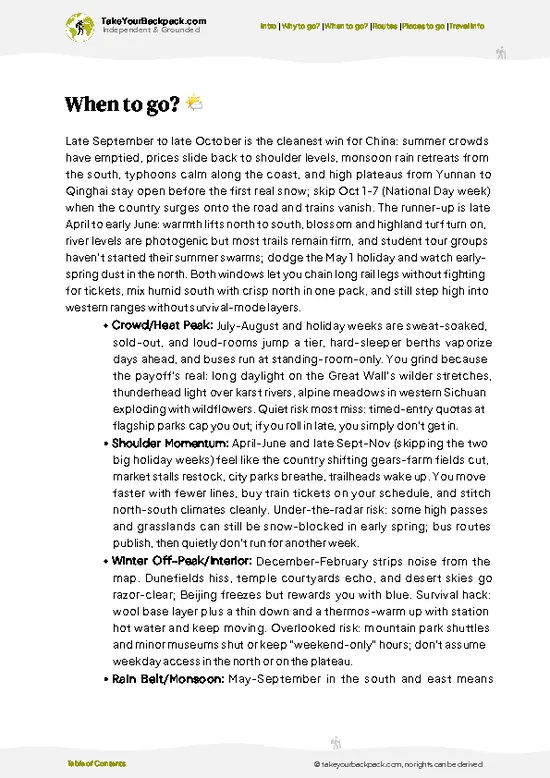
  • Weather: Jinghong’s tropical monsoon climate means heavy rains from May to October, making trails slippery and river crossings tricky. Dry season from November to April offers clear skies and manageable humidity.

  • Temperature: Expect 15-28°C (59-82°F) in the dry months—warm but not oppressive. Wet season heats up to 30°C+ (86°F+), with sticky humidity that can drain your energy fast.

  • Daylight Hours: Roughly 11-12 hours year-round, so no drastic shifts. Plan your hikes and explorations knowing you’ll have consistent daylight, but start early to avoid midday heat.

  • Crowds: Peak tourist flow hits during Chinese New Year and the dry season, especially December to February. If you want solitude, aim for shoulder months like November or March.

  • Seasonal Activities: The Water Splashing Festival
read more 👉

  • Weather: Jinghong’s tropical monsoon climate means heavy rains from May to October, making trails slippery and river crossings tricky. Dry season from November to April offers clear skies and manageable humidity.

  • Temperature: Expect 15-28°C (59-82°F) in the dry months—warm but not oppressive. Wet season heats up to 30°C+ (86°F+), with sticky humidity that can drain your energy fast.

  • Daylight Hours: Roughly 11-12 hours year-round, so no drastic shifts. Plan your hikes and explorations knowing you’ll have consistent daylight, but start early to avoid midday heat.

  • Crowds: Peak tourist flow hits during Chinese New Year and the dry season, especially December to February. If you want solitude, aim for shoulder months like November or March.

  • Seasonal Activities: The Water Splashing Festival in April is a cultural highlight but brings crowds and higher prices. Dry season favors trekking and river trips; wet season is better for lush landscapes but less predictable.

  • Price Fluctuations: Accommodation and tours spike during dry season and festivals. Off-peak months offer better deals but come with the risk of rain disrupting plans.


Pro-tip: Target late November to early April for the best balance of dry weather, manageable crowds, and fair prices—this is when Jinghong’s charm really shines without the hassle.


source: climatestotravel.comJANJanuary: highly recommended for travelingFEBFebruary: highly recommended for travelingMARMarch: highly recommended for travelingAPRApril: good for travelingMAYMay: fair for travelingJUNJune: fair for travelingJULJuly: fair for travelingAUGAugust: fair for travelingSEPSeptember: fair for travelingOCTOctober: fair for travelingNOVNovember: highly recommended for travelingDECDecember: highly recommended for traveling
when-to-go

✈️ The backpacker research shortcutChina Travel Guide

An offline-friendly backpacking guide with optimized travel routes, ranked highlights, transport advice, and the best areas to stay.
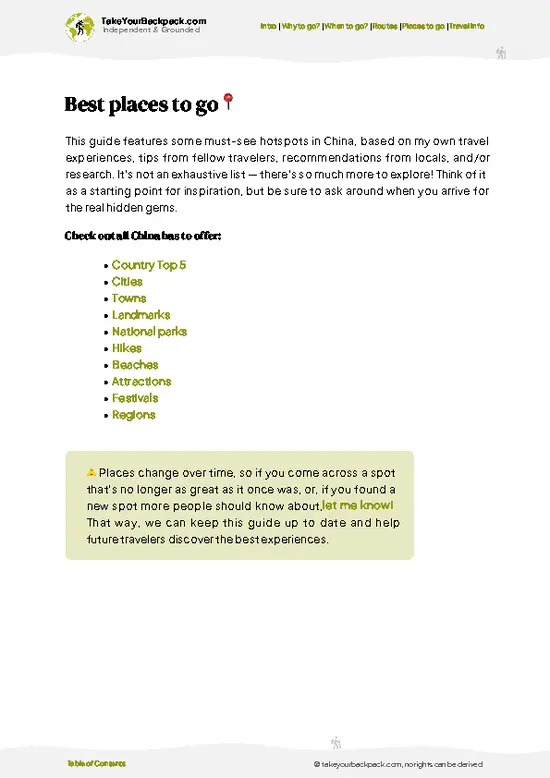
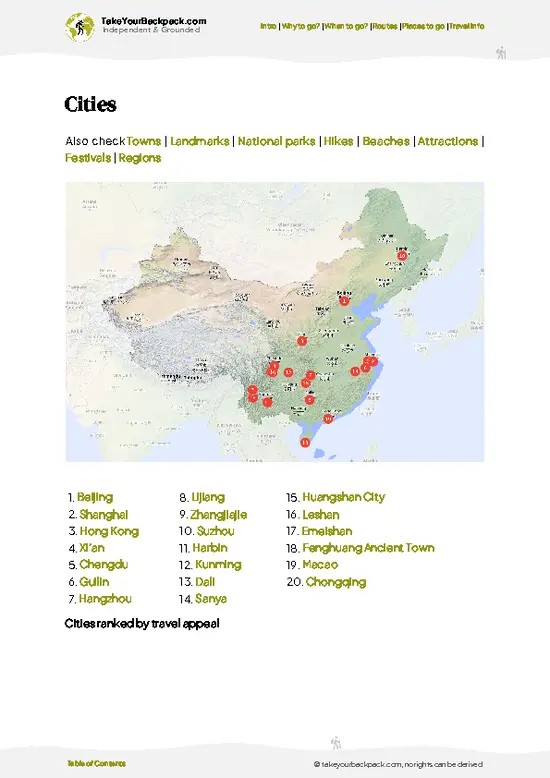
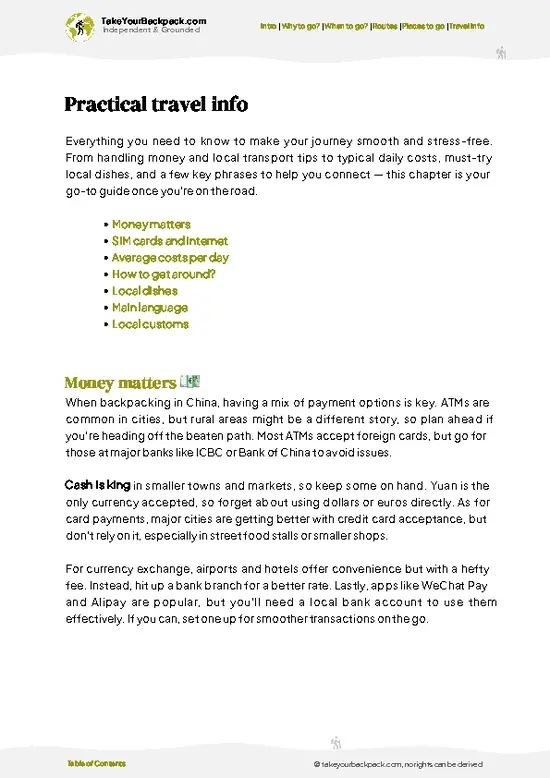
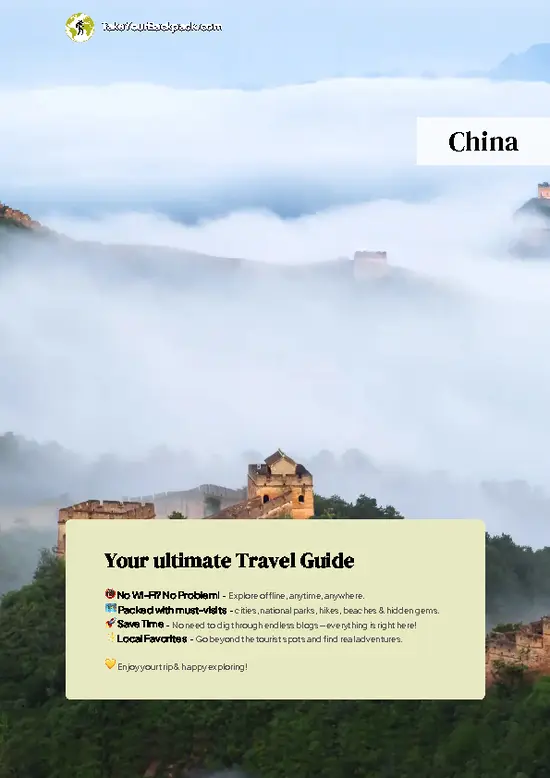
example page 0 from our offline Travel Guide for China
example page 1 from our offline Travel Guide for China
example page 2 from our offline Travel Guide for China
example page 3 from our offline Travel Guide for China
example page 4 from our offline Travel Guide for China
example page 5 from our offline Travel Guide for China
example page 6 from our offline Travel Guide for China
example page 7 from our offline Travel Guide for China
The digital guide (496 pages) contains:
139 highlights, ranked by travel appeal
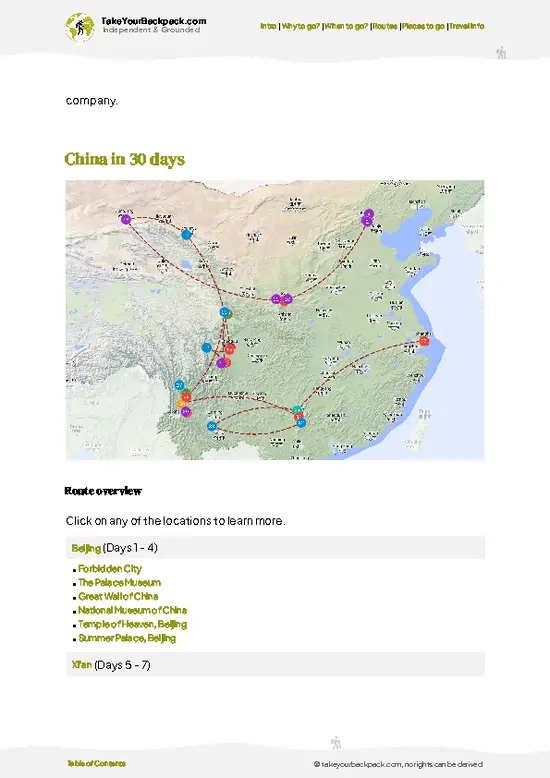
Optimized 14, 21 & 30-day travel routes
Cities, national parks, landmarks, beaches
How to get around
Offline-friendly for travel without Wi-Fi
👉 Click to see all 30+ guide features

📅 Plan smarter in minutes, not weeks
Month by month travel advice
Festivals & national holidays
Budget expectations

🗺️ Go to the right places, skip the overrated ones
Honest pros & cons of destinations
Top hikes, parks & viewpoints
Lesser-known places most travelers miss
Clear “worth it vs skip it” guidance

🛏️ Travel smoothly without rookie mistakes
Best areas to stay
Transport systems explained simply
Common scams & safety advice
SIM cards, money & practical tips

🌍 Understand the country, not just visit it
Culture & traditions
52 Essential phrases & customs
Festivals worth planning around
Traveler-friendly historical context
Insights that make places more meaningful

📱 Built for real travel conditions
Fully downloadable PDF
Works completely offline
Optimized for phone use
Useful in remote areas & buses
Everything in one place
Save weeks of stressful planning
Get instant access to your full guide. 30‑day money-back guarantee.


By proceeding you agree to our terms.
Sent to your inbox immediately after payment • 100% Secure Checkout
Best Backpacking Travel Advisor 2025 tourism awardBest Backpacking
Travel Advisor
2025
What others say about Take Your Backpack Guides:
⭐⭐⭐⭐⭐
Fantastic, amazing amount of information!
⭐⭐⭐⭐⭐
My goodness this is amazing, it's what I've been looking for hats off too you!
⭐⭐⭐⭐⭐
I think this is absolutely BRILLIANT
⭐⭐⭐⭐
Very complete and informative. It's still missing places, but I gotta to commend you
⭐⭐⭐⭐⭐
This is truly amazing, thank you, can't wait to explore it with my kids!
⭐⭐⭐⭐⭐
Awesome resource, thank you!
⭐⭐⭐⭐⭐
This is amazing! Can't wait to explore the ones I haven't seen
⭐⭐⭐⭐
I love this! Well done, great idea.
⭐⭐⭐⭐⭐
Thanks for taking the time to make this gem!
⭐⭐⭐⭐⭐
This might be the best website I've ever seen.
⭐⭐⭐⭐⭐
Congratulations, and thank you so much for your work; it's incredibly valuable.
⭐⭐⭐⭐
In all seriousness I think you did a great job pointing out the important spots
⭐⭐⭐⭐⭐
10/10 very good
⭐⭐⭐⭐⭐
As someone who's only just starting to visit regularly this is awesome, thank you.
⭐⭐⭐⭐
Thank you very much! I'm going to visit my dad, it's going to be very useful!
⭐⭐⭐⭐⭐
This is really cool! We'll be travelling for the first time and this definitely come in handy.
⭐⭐⭐⭐⭐
You are now our minister of culture, congratulations 👨‍💼
⭐⭐⭐⭐⭐
Just wanted to tell you that this is a pearl! Going to follow your recommendations.
⭐⭐⭐⭐⭐
This is so cool. I'll definitely be using the resource for my travels soon.
⭐⭐⭐⭐⭐
This is very impressive! Good work.
⭐⭐⭐⭐⭐
This is an amazing and informative site. Very well done!

🛏️ Where to stay?How to pick the right area

In Jinghong, the best spot for backpackers is the area around the Old Town and the nearby riverside stretch. This zone nails the balance between safety and social buzz, with plenty of budget hostels packed close enough to meet fellow travelers without the chaos of a tourist trap. It’s where you’ll find a lively mix of street food stalls, local markets, and chill cafés—perfect for downtime or striking up conversations. Compared to the quieter, more residential outskirts, this neighborhood keeps you plugged into the city’s pulse without sacrificing comfort or your wallet. It’s a smart base if you … read more 👉
In Jinghong, the best spot for backpackers is the area around the Old Town and the nearby riverside stretch. This zone nails the balance between safety and social buzz, with plenty of budget hostels packed close enough to meet fellow travelers without the chaos of a tourist trap. It’s where you’ll find a lively mix of street food stalls, local markets, and chill cafés—perfect for downtime or striking up conversations. Compared to the quieter, more residential outskirts, this neighborhood keeps you plugged into the city’s pulse without sacrificing comfort or your wallet. It’s a smart base if you want to maximize experience without overpaying or feeling isolated.

🚌 Getting aroundHow to get around Jinghong

Jinghong moves with a pulse that’s part laid-back river town, part bustling border hub. It’s not a place where you’ll find strict timetables etched in stone, but neither is it a free-for-all chaos. Instead, the city’s rhythm is a dance between local intuition and practical necessity. You’ll find that timing here is flexible—buses and boats often leave when they’re full, not on the clock. This means your travel plans need a bit of patience and a lot of adaptability. Understanding this flow lets you turn what looks like unpredictability into a strategic advantage, picking the right mode of transport to balance your time, money, and comfort.


  • Walking: The best way to absorb Jinghong’s streets and markets. Free, flexible, and surprisingly efficient for short distances within the city center.
read more 👉
Jinghong moves with a pulse that’s part laid-back river town, part bustling border hub. It’s not a place where you’ll find strict timetables etched in stone, but neither is it a free-for-all chaos. Instead, the city’s rhythm is a dance between local intuition and practical necessity. You’ll find that timing here is flexible—buses and boats often leave when they’re full, not on the clock. This means your travel plans need a bit of patience and a lot of adaptability. Understanding this flow lets you turn what looks like unpredictability into a strategic advantage, picking the right mode of transport to balance your time, money, and comfort.


  • Walking: The best way to absorb Jinghong’s streets and markets. Free, flexible, and surprisingly efficient for short distances within the city center.

  • Local Bus: Runs roughly from 6:30 AM to 8:30 PM, costs under 2 RMB, slow but reliable for budget travelers who don’t mind standing room and occasional waits.

  • Shared Minivan Taxis: Depart when full, typically between 7 AM and 7 PM, costing around 10-15 RMB for trips to nearby towns. Faster than buses but less comfortable and less predictable.

  • Motorbike Taxi: Available 24/7, prices vary but usually 10-20 RMB for short hops. Quick and nimble, perfect for squeezing through traffic but less safe and no luggage space.

  • River Boat: Seasonal and weather-dependent, runs mainly in the morning and late afternoon, fares around 20-30 RMB. Offers a scenic, relaxed alternative but slower and less frequent.

👛 Costs (as of 29 January 2025)Money, prices, and spending tips

Backpacking in Jinghong, China, offers a clear trade-off between cost and comfort, with prices that reflect its growing popularity but still favor budget-conscious travelers.
  • Dorm Accommodation (High Season): Expect to pay around $8 to $12 per night. High season, typically November to February, pushes prices up due to cooler weather and festivals.
  • Dorm Accommodation (Off-Season): In the warmer months, prices drop to about $5 to $8. Fewer tourists mean better deals and more room to negotiate.
  • Meals: Street food and local eateries dominate here. You can get a filling meal for $1.50 to $3. Expect to spend around $5 to $8 daily if you mix street snacks with occasional sit-down meals.
  • Local Transport: Tuk-tuks and motorbike taxis are common. Short rides cost about $0.50 to $1.50. Budget $2
read more 👉
Backpacking in Jinghong, China, offers a clear trade-off between cost and comfort, with prices that reflect its growing popularity but still favor budget-conscious travelers.
  • Dorm Accommodation (High Season): Expect to pay around $8 to $12 per night. High season, typically November to February, pushes prices up due to cooler weather and festivals.
  • Dorm Accommodation (Off-Season): In the warmer months, prices drop to about $5 to $8. Fewer tourists mean better deals and more room to negotiate.
  • Meals: Street food and local eateries dominate here. You can get a filling meal for $1.50 to $3. Expect to spend around $5 to $8 daily if you mix street snacks with occasional sit-down meals.
  • Local Transport: Tuk-tuks and motorbike taxis are common. Short rides cost about $0.50 to $1.50. Budget $2 to $4 daily if you move around a lot.
  • City Transport Pass: Jinghong doesn’t have an extensive public transport system like bigger cities, so passes aren’t typical. Rely on taxis or tuk-tuks instead.
  • Basic Activities/Entry Fees: Most cultural sites and parks charge modest fees, usually $1 to $3. Budget around $3 to $6 daily if you plan to visit a couple of spots.
  • Miscellaneous Expenses: This covers bottled water, snacks, occasional laundry, or small souvenirs. Around $2 to $4 daily is a safe estimate.

Altogether, a realistic daily budget for backpacking in Jinghong ranges from about $15 on a tight budget during the off-season to $30 if you lean towards more comfort or high season prices. Knowing these trade-offs lets you decide if you want to save by roughing it or spend a bit more for convenience without breaking the bank.
⚠️ Prices can change and everyone travels differently, so take this as a rough guide. Hope it helps you plan your adventure!

🚌 Day tripsWhere to go beyond the main area

Jinghong is a fantastic launchpad for day trips that pack a punch without draining your wallet or time. Here are some top picks that will elevate your experience.

Xishuangbanna Tropical Botanical Garden
Just a 30-minute bus ride from Jinghong, this sprawling garden is a paradise for plant lovers. With over 13,000 species, you’ll wander through lush landscapes that feel like stepping into another world. The entrance fee is around 30 RMB, making it a steal for the sensory overload you’ll encounter. Aim for a visit in the dry season (November to April) to avoid the rain. A common mistake? Rushing through without taking time to soak in the tranquility.


Menglun Tropical Garden
About an hour away, Menglun offers a more intimate vibe. This garden focuses on the region’s unique flora and … read more 👉
Jinghong is a fantastic launchpad for day trips that pack a punch without draining your wallet or time. Here are some top picks that will elevate your experience.

Xishuangbanna Tropical Botanical Garden
Just a 30-minute bus ride from Jinghong, this sprawling garden is a paradise for plant lovers. With over 13,000 species, you’ll wander through lush landscapes that feel like stepping into another world. The entrance fee is around 30 RMB, making it a steal for the sensory overload you’ll encounter. Aim for a visit in the dry season (November to April) to avoid the rain. A common mistake? Rushing through without taking time to soak in the tranquility.


Menglun Tropical Garden
About an hour away, Menglun offers a more intimate vibe. This garden focuses on the region’s unique flora and fauna, and you can even spot local wildlife. Entry is around 20 RMB, and the best time to visit is early morning when the air is crisp. Many first-timers overlook the guided tours, which can enrich your understanding of the ecosystem.


Dai Minority Village
A 45-minute ride will take you to this vibrant village, where you can immerse yourself in Dai culture. The village showcases traditional architecture and offers local cuisine that’s worth every bite. Expect to spend around 50 RMB for a meal and entry. The best time to visit is during festivals when the community is alive with celebration. Don’t miss the chance to engage with locals; many travelers stick to the sidelines.
Want to know what more China offers?
The China Travel Guide describes 139 highlights, from cities to national parks, from beaches to hikes

Get the Travel Guide -

🍲 FoodWhat to Eat & Drink

In Jinghong, food is a vibrant tapestry of flavors. Dive into crossing-the-border dishes like Xishuangbanna rice noodles—a warm bowl of chewy noodles topped with fresh herbs and spicy broth. Street stalls buzz with locals enjoying grilled meats and sticky rice, the smoky aroma wafting through the air.

For drinks, don’t miss the local pu-erh tea. Sip it slowly in a bustling market, where the chatter of vendors creates a lively backdrop. Eating here is communal; share dishes and stories with fellow travelers. Remember, it’s all about experiencing the moment—so embrace the quirks, like slurping your noodles, which shows appreciation.

🛡️ SafetyScams, Hazards, and Annoyances

Jinghong is generally safe, but a few areas require extra awareness, especially around night markets. Keep your belongings close in crowded spots, as pickpockets can be opportunistic. Solo travelers should stick to well-lit streets after dark and consider using rideshare apps for late-night returns.

Common scams are rare, but be cautious of overly friendly locals offering unsolicited help; they might expect a tip. Embrace the local vibe, but trust your instincts. Carry yourself confidently, and you’ll navigate the city like a pro.

Other Chinese cities near Jinghong

Explore more nearby:

  • Pu’er—ancient tea forests, minority cultures, subtropical hills| 94 km away
  • Lincang—tea mountains, border trade, Dai villages| 221 km away
  • Ruili—border town, jade markets, cross-border trade| 373 km away

💡 Not sure where to go next?
Create a personalized itinerary for China including Jinghong and the places that fit your trip.

Generate my itinerary

👉 Discover all cities

Or checkout all China has to offer (think cities, towns, villages, national parks, hikes, beaches, festivals)
Country photo of China

We 💚 feedbackSumming up the experience

Jinghong’s lush landscapes and rich Dai culture are a feast for the senses. You’ll savor every moment wandering through vibrant markets and sipping local tea. Just be ready for the humidity—it can be stifling. Embrace it, and you’ll find the charm in the sweat.

✈️ When did I visit China?
As part of my 1.5 year travel around the world trip, I visited China in August 2015, coming from Mongolia by the TransMongolia Express.

✍️ Help improve this page!
The information on this page is based on my own backpacking experience in China, supplemented with up-to-date research and feedback from other travelers. Travel details can change, so if you notice anything outdated or incomplete, feel free to let me know.


🙋‍♂️ Give feedback

👋 Meet the founderWho’s Behind Take Your Backpack?

Johan, backpacker and founder of TakeYourBackpackHi, I’m Johan (Netherlands 🇳🇱), the creator of TakeYourBackpack. Over the past decade, I’ve backpacked through 80+ countries across six continents, gaining extensive experience with independent travel, long-term trips, and overland routes.

This site is built on a combination of firsthand travel experience and carefully curated insights from other backpackers. Many guides are based on places I’ve personally visited, while others bring together tips, observations, and practical advice shared by trusted travelers I’ve met along the way.

The goal is to provide realistic, experience-driven guidance — not generic itineraries — so you can explore destinations with better context, clearer expectations, and more confidence.

Get full China guide •
Instant download • 139 highlights • Full Offline guide