×

Colombia🇨🇴 | attractionsBioparque UkumaríAndean fauna, immersive habitats, conservation focus | things to do and best time to go

Explore Zoológico de CaliExplore Cabo San Juan

Backpacking in Bioparque Ukumarí
👍 Recommendedattraction ranked #9
By Johan Kruseman 🇳🇱 | Updated September 4, 2026

Everyone’s Instagram feed will tell you Bioparque Ukumarí is all about the animals—jaguars, tapirs, and those photogenic giraffes craning over fences. But if you’re coming just for a selfie with a capybara, you’re missing the real story. The real magic here isn’t the zoo checklist; it’s the way Ukumarí tries (sometimes awkwardly, sometimes brilliantly) to bridge Colombia’s wild biodiversity with real conservation and education. Set just outside Pereira in the heart of the coffee region, this isn’t a quick detour—it’s a deliberate stop. For backpackers, the pros are clear: it’s cleaner, more thoughtfully designed, and less soul-crushing than most zoos in Latin America, with a genuine effort to connect you to Colombia’s ecosystems. The cons? It’s not cheap, especially for foreigners, and weekends can feel like a theme park with families and school groups everywhere. Compared to the adrenaline of Cocora Valley or the raw history of Cartagena, Ukumarí is quieter, more introspective—a place for curious travelers, not thrill-seekers.

Discover everything you want to know in the 📖 Colombia Travel Guide.
Loading the map 🌍
CLICK TO FILTER
cities
towns
villages
landmarks
national parks
hikes
beaches
attractions
festivals
regions
SHOW COUNTRY’S BESTSHOW ALL

✨ Why go?
Ranked #9 attraction in Colombia
The unique appeal for travelers

Bioparque Ukumarí isn’t your typical zoo stop—it’s a full-on Colombian experience that backpackers swear by. Sure, it draws crowds, especially on weekends, and the entrance fee isn’t dirt cheap by local standards. But here’s the kicker: this place is more than just animals behind glass. It’s a living showcase of Colombia’s biodiversity, packed into a sprawling park that feels more like a wild sanctuary than a tourist trap. You get to see native species like jaguars, tapirs, and exotic birds in habitats designed to mimic their natural environments, which is a rare chance to connect with Colombia’s ecological roots without trekking through the jungle yourself.

Ukumarí also hits a cultural nerve. It’s a symbol of regional pride in Quindío, a reminder of the country’s commitment to conservation … read more 👉
Bioparque Ukumarí isn’t your typical zoo stop—it’s a full-on Colombian experience that backpackers swear by. Sure, it draws crowds, especially on weekends, and the entrance fee isn’t dirt cheap by local standards. But here’s the kicker: this place is more than just animals behind glass. It’s a living showcase of Colombia’s biodiversity, packed into a sprawling park that feels more like a wild sanctuary than a tourist trap. You get to see native species like jaguars, tapirs, and exotic birds in habitats designed to mimic their natural environments, which is a rare chance to connect with Colombia’s ecological roots without trekking through the jungle yourself.

Ukumarí also hits a cultural nerve. It’s a symbol of regional pride in Quindío, a reminder of the country’s commitment to conservation amid rapid development. For backpackers threading through Colombia’s coffee region, it’s a logical milestone—offering a break from hiking and town-hopping with a dose of adrenaline when you spot a puma or catch a glimpse of a vibrant macaw in flight. The effort-to-reward ratio is solid: you invest a few hours and some pesos, and walk away with a deeper understanding of Colombia’s wild heart. That’s the kind of authenticity that turns a tourist stop into a meaningful chapter of your journey.
Want to include Bioparque Ukumarí in your Colombia route?
Create a personalized Colombia itinerary that includes Bioparque Ukumarí and the places that fit your trip — based on your travel style, budget, and available time. Get your route in seconds.

Generate my trip

💡 HighlightsKey sights and experiences for travelers

1. African Savannah Zone
Forget the Instagram filters—this is not a safari in the Serengeti, but it’s the closest you’ll get in Colombia without a passport stamp. The African Savannah at Ukumarí is sprawling, open, and designed for movement, not just gawking. You’ll see zebras, giraffes, antelopes, and ostriches sharing space in a way that feels more like a living landscape than a zoo enclosure. The real magic? Watching a giraffe casually stride past a herd of antelope while a keeper explains their personalities—no glass, no cages, just a respectful distance and a sense of being a guest in their world.


2. Lemur Island
This is the crowd-pleaser, and yes, it gets busy. But there’s a reason: lemurs are pure chaos and charm. The island setup means you’re separated by a moat, not bars, so you … read more 👉
1. African Savannah Zone
Forget the Instagram filters—this is not a safari in the Serengeti, but it’s the closest you’ll get in Colombia without a passport stamp. The African Savannah at Ukumarí is sprawling, open, and designed for movement, not just gawking. You’ll see zebras, giraffes, antelopes, and ostriches sharing space in a way that feels more like a living landscape than a zoo enclosure. The real magic? Watching a giraffe casually stride past a herd of antelope while a keeper explains their personalities—no glass, no cages, just a respectful distance and a sense of being a guest in their world.


2. Lemur Island
This is the crowd-pleaser, and yes, it gets busy. But there’s a reason: lemurs are pure chaos and charm. The island setup means you’re separated by a moat, not bars, so you get a front-row seat to their acrobatics and squabbles. The staff here actually know their stuff—ask about the lemurs’ social drama, and you’ll get stories that put reality TV to shame. It’s not just cute; it’s a crash course in animal behavior, minus the lecture hall.


3. Andean Forest Trail
Here’s where Ukumarí quietly outclasses the average animal park. The Andean Forest isn’t just a backdrop—it’s a living, breathing ecosystem, with native Colombian species like spectacled bears and tapirs. The trail is shaded, lush, and surprisingly peaceful, especially if you hit it early. You’ll hear real birdsong, not piped-in jungle sounds. If you want to see Colombian wildlife in a setting that respects their roots, this is the spot.


4. Interactive Educational Stations
Most zoos slap up a few posters and call it a day. Ukumarí goes further: hands-on exhibits, animal enrichment demos, and keepers who actually engage. Kids get to touch, build, and experiment. Adults get to ask real questions and get real answers. It’s not just about gawking at animals—it’s about understanding them, and the staff don’t dumb it down. This is where you see the park’s mission in action, not just on a mission statement.


5. The Hippo Pool
This is my personal favorite. Hippos are the ultimate contradiction—adorable and absolutely terrifying. At Ukumarí, you get a close-up view of these massive creatures in a pool that’s deep enough for their aquatic ballet but open enough for you to feel the splash zone. The keepers feed them right in front of you, and the sound of a hippo surfacing is something you don’t forget. It’s raw, it’s real, and it’s a reminder that nature doesn’t care about your camera angle.


6. Themed Playgrounds and Rest Areas
If you’re traveling with kids (or just need a break from the walking), the themed playgrounds are a lifesaver. They’re not afterthoughts—they’re creative, shaded, and actually fun. You’ll see local families using them as a base camp, and the vibe is relaxed, not frantic. It’s a small detail, but it’s the kind of thing that makes a long day feel doable, not draining.
Spotted a mistake or missing something? Contact us.

Things to do near Bioparque Ukumarí

Ratings based on Tripadvisor reviews. When you book through this link, you support our work at no extra cost to you.

🌤️ When to go?Best time to visit Bioparque Ukumarí


  • Weather: The dry season from December to March is your best bet for clear skies and less mud. Rainfall spikes from April to November, turning paths slippery and animal sightings less predictable.

  • Temperature: Expect a steady 24-28°C (75-82°F) year-round. It’s warm but not stifling, thanks to the park’s elevation. Early mornings and evenings can dip to a comfortable 18°C (64°F), so pack a light jacket.

  • Daylight Hours: Daylight stays consistent, roughly 12 hours daily. Arrive early to maximize your time—animals are more active in the cooler morning hours.

  • Crowds: Peak tourist season aligns with Colombia’s holidays, especially December and January. Expect more families and tour groups then. Visiting midweek or outside these months means fewer people and a more personal experience.

read more 👉

  • Weather: The dry season from December to March is your best bet for clear skies and less mud. Rainfall spikes from April to November, turning paths slippery and animal sightings less predictable.

  • Temperature: Expect a steady 24-28°C (75-82°F) year-round. It’s warm but not stifling, thanks to the park’s elevation. Early mornings and evenings can dip to a comfortable 18°C (64°F), so pack a light jacket.

  • Daylight Hours: Daylight stays consistent, roughly 12 hours daily. Arrive early to maximize your time—animals are more active in the cooler morning hours.

  • Crowds: Peak tourist season aligns with Colombia’s holidays, especially December and January. Expect more families and tour groups then. Visiting midweek or outside these months means fewer people and a more personal experience.

  • Seasonal Activities: The dry months offer better conditions for walking trails and outdoor exhibits. Some animal breeding programs and special feedings happen year-round but are more accessible when the park isn’t drenched in rain.

  • Price Fluctuations: Entrance fees stay stable, but local transport and accommodation costs can spike during peak holiday periods. Booking ahead in December and January saves headaches and cash.


Pro-tip: Aim for February or early March—dry trails, manageable crowds, and a chance to see the park’s wildlife at its liveliest without the holiday price gouge.


source: climatestotravel.comJANJanuary: highly recommended for travelingFEBFebruary: excellent for travelingMARMarch: excellent for travelingAPRApril: fair for travelingMAYMay: fair for travelingJUNJune: fair for travelingJULJuly: fair for travelingAUGAugust: fair for travelingSEPSeptember: fair for travelingOCTOctober: fair for travelingNOVNovember: fair for travelingDECDecember: highly recommended for traveling
when-to-go

✈️ The backpacker research shortcutColombia Travel Guide

An offline-friendly backpacking guide with optimized travel routes, ranked highlights, transport advice, and the best areas to stay.
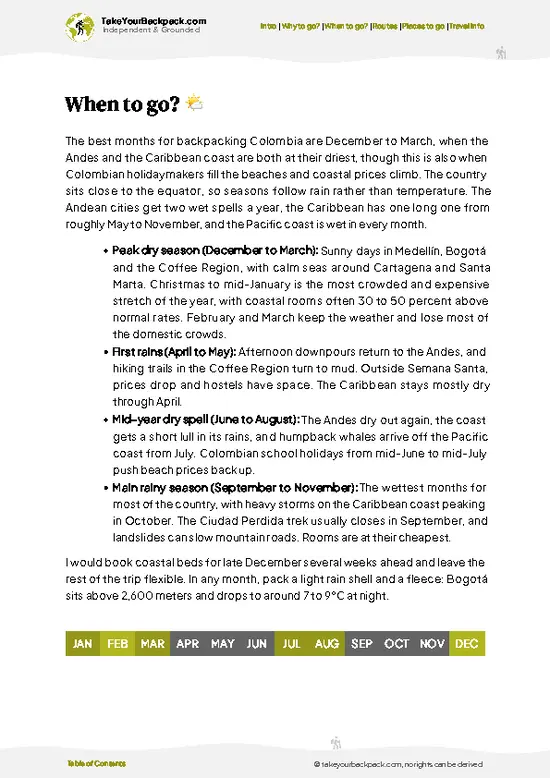
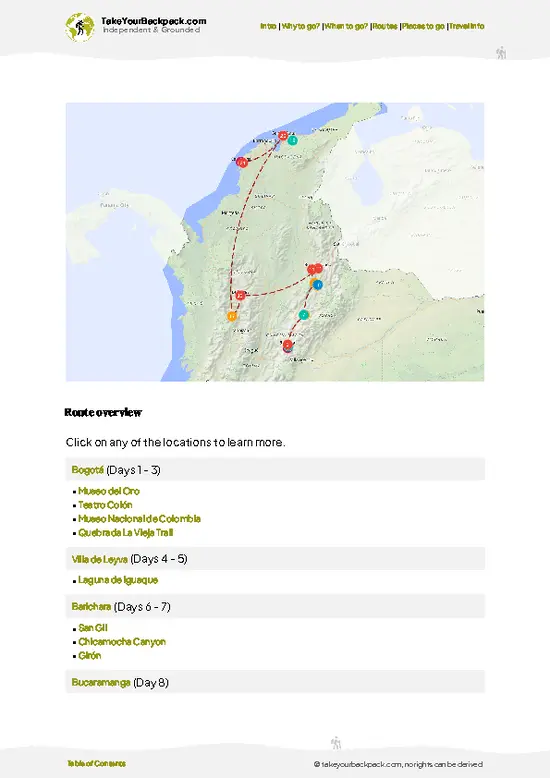
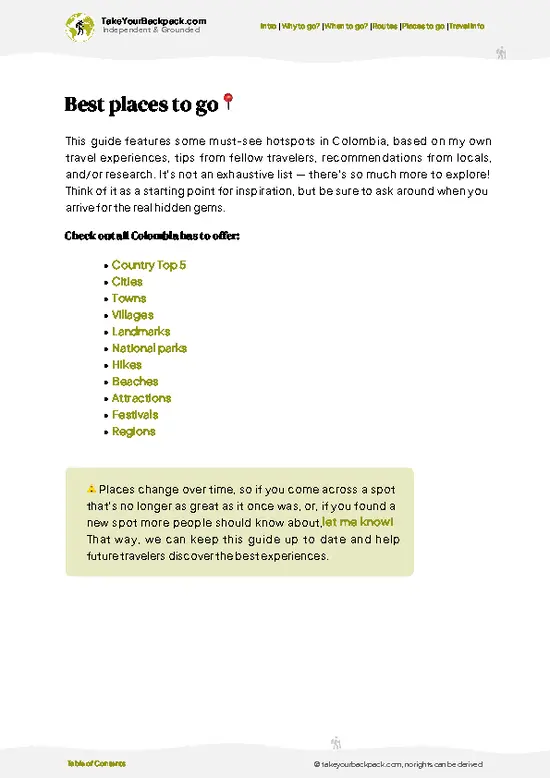
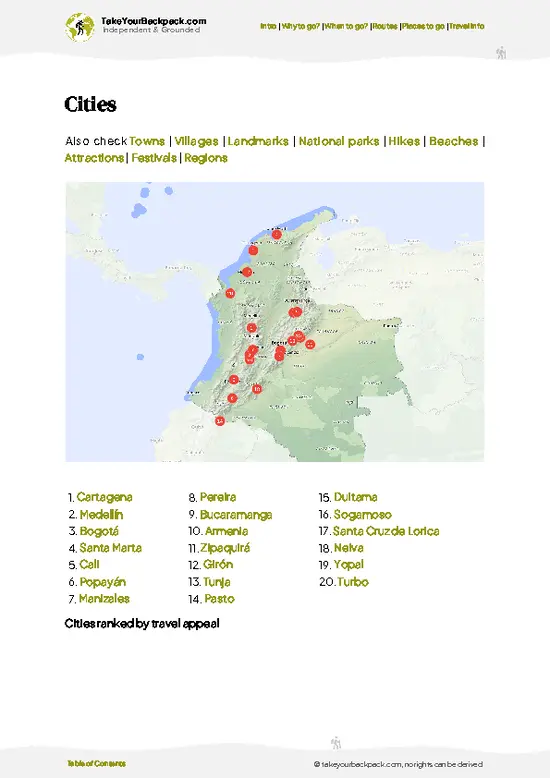
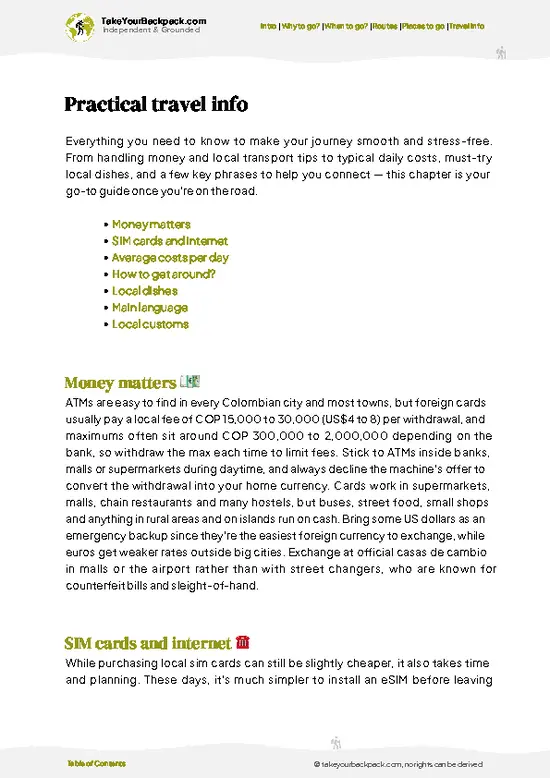
example page 0 from our offline Travel Guide for Colombia
example page 1 from our offline Travel Guide for Colombia
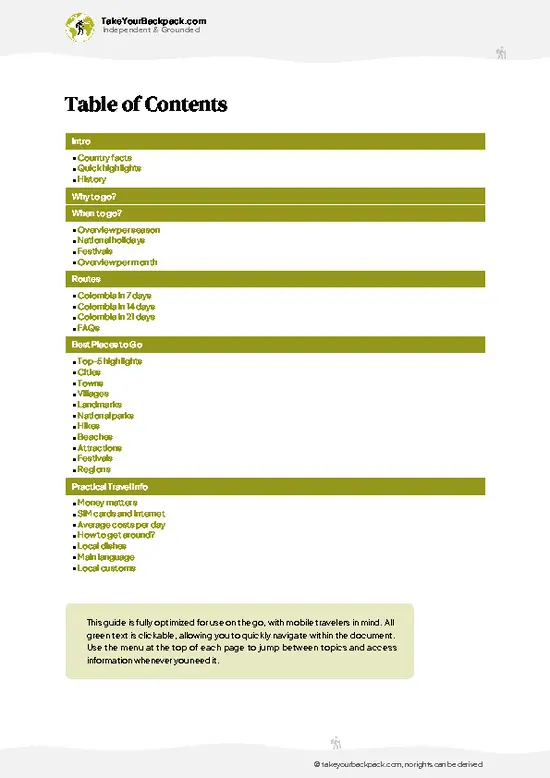
example page 2 from our offline Travel Guide for Colombia
example page 3 from our offline Travel Guide for Colombia
example page 4 from our offline Travel Guide for Colombia
example page 5 from our offline Travel Guide for Colombia
example page 6 from our offline Travel Guide for Colombia
example page 7 from our offline Travel Guide for Colombia
The digital guide (464 pages) contains:
122 highlights, ranked by travel appeal
Optimized 7, 14 & 21-day travel routes
Cities, national parks, landmarks, beaches
How to get around
Offline-friendly for travel without Wi-Fi
👉 Click to see all 30+ guide features

📅 Plan smarter in minutes, not weeks
Month by month travel advice
Festivals & national holidays
Budget expectations

🗺️ Go to the right places, skip the overrated ones
Honest pros & cons of destinations
Top hikes, parks & viewpoints
Lesser-known places most travelers miss
Clear “worth it vs skip it” guidance

🛏️ Travel smoothly without rookie mistakes
Best areas to stay
Transport systems explained simply
Common scams & safety advice
SIM cards, money & practical tips

🌍 Understand the country, not just visit it
Culture & traditions
52 Essential phrases & customs
Festivals worth planning around
Traveler-friendly historical context
Insights that make places more meaningful

📱 Built for real travel conditions
Fully downloadable PDF
Works completely offline
Optimized for phone use
Useful in remote areas & buses
Everything in one place
Save weeks of stressful planning
Get instant access to your full guide. 30‑day money-back guarantee.
+ Add another guide for just US$7.80

By proceeding you agree to our terms.
Sent to your inbox immediately after payment • 100% Secure Checkout
Best Backpacking Travel Advisor 2025 tourism awardBest Backpacking
Travel Advisor
2025
What others say about Take Your Backpack Guides:
⭐⭐⭐⭐⭐
Fantastic, amazing amount of information!
⭐⭐⭐⭐⭐
My goodness this is amazing, it's what I've been looking for hats off too you!
⭐⭐⭐⭐⭐
I think this is absolutely BRILLIANT
⭐⭐⭐⭐
Very complete and informative. It's still missing places, but I gotta to commend you
⭐⭐⭐⭐⭐
This is truly amazing, thank you, can't wait to explore it with my kids!
⭐⭐⭐⭐⭐
Awesome resource, thank you!
⭐⭐⭐⭐⭐
This is amazing! Can't wait to explore the ones I haven't seen
⭐⭐⭐⭐
I love this! Well done, great idea.
⭐⭐⭐⭐⭐
Thanks for taking the time to make this gem!
⭐⭐⭐⭐⭐
This might be the best website I've ever seen.
⭐⭐⭐⭐⭐
Congratulations, and thank you so much for your work; it's incredibly valuable.
⭐⭐⭐⭐
In all seriousness I think you did a great job pointing out the important spots
⭐⭐⭐⭐⭐
10/10 very good
⭐⭐⭐⭐⭐
As someone who's only just starting to visit regularly this is awesome, thank you.
⭐⭐⭐⭐
Thank you very much! I'm going to visit my dad, it's going to be very useful!
⭐⭐⭐⭐⭐
This is really cool! We'll be travelling for the first time and this definitely come in handy.
⭐⭐⭐⭐⭐
You are now our minister of culture, congratulations 👨‍💼
⭐⭐⭐⭐⭐
Just wanted to tell you that this is a pearl! Going to follow your recommendations.
⭐⭐⭐⭐⭐
This is so cool. I'll definitely be using the resource for my travels soon.
⭐⭐⭐⭐⭐
This is very impressive! Good work.
⭐⭐⭐⭐⭐
This is an amazing and informative site. Very well done!

🛏️ Where to stay?Choosing the right base

Bioparque Ukumarí sits just outside the city of Armenia, so your best bet is to base yourself in Armenia’s northern neighborhoods. This area isn’t a postcard-perfect colonial center, but it’s where you’ll find the pulse of local life—safe enough for solo travelers, with plenty of budget guesthouses and lively spots to meet other backpackers. It’s not a backpacker mecca like Medellín or Bogotá, so expect fewer English speakers and a more authentic Colombian vibe. The trade-off? You get real connections, street food stalls that don’t pander to tourists, and easy access to the park without the inflated … read more 👉
Bioparque Ukumarí sits just outside the city of Armenia, so your best bet is to base yourself in Armenia’s northern neighborhoods. This area isn’t a postcard-perfect colonial center, but it’s where you’ll find the pulse of local life—safe enough for solo travelers, with plenty of budget guesthouses and lively spots to meet other backpackers. It’s not a backpacker mecca like Medellín or Bogotá, so expect fewer English speakers and a more authentic Colombian vibe. The trade-off? You get real connections, street food stalls that don’t pander to tourists, and easy access to the park without the inflated prices or crowds that come with staying closer to the main tourist hubs.

👛 Costs (as of 4 September 2026)How expensive it really is

As of March 2026, the Bioparque Ukumarí in Colombia offers the following ticket prices: Adult (13-59 years): COP 57,000 (€12); Child (2-12 years) and Senior (60+ years): COP 40,000 (€9); Children under 2 years: Free. Additional services include: Parking: COP 18,000 (€4) for cars, COP 6,000 (€1) for motorcycles; Wheelchair rental: COP 10,000 (€2); Locker rental: COP 7,000 (€1); Children's stroller rental: COP 18,000 (€4); 'Detrás del Bio' experience: COP 20,000 (€4). These prices are subject to change; please refer to the official website for the most current information.

source: bioparqueukumari.triviantes.com
⚠️ Prices can change and everyone travels differently, so take this as a rough guide. Hope it helps you plan your adventure!

FAQFrequently asked questions about Bioparque Ukumarí

You need about 4 to 5 hours to visit Bioparque Ukumarí thoroughly. This allows time to see the animal exhibits, walk the trails, and enjoy the interactive areas without rushing. Plan for a half-day visit to cover the main attractions comfortably.
Yes, Bioparque Ukumarí is worth the entrance fee, which is approximately 30,000 COP for adults. The park offers a well-maintained environment with diverse wildlife, including native and exotic species, making it a valuable educational and recreational experience. The price is reasonable compared to similar parks in Colombia.
To get to Bioparque Ukumarí, take a bus or taxi from the city of Armenia, which is about 7 kilometers away. The park is located on the road to the town of Montenegro, and local buses run regularly. Taxis are a faster but more expensive option, costing around 15,000 to 20,000 COP.
⚠️ Things can change over time, so always validate details locally before you go.

Other Colombian attractions near Bioparque Ukumarí

Explore more nearby:


💡 Not sure where to go next?
Create a personalized itinerary for Colombia including Bioparque Ukumarí and the places that fit your trip.

Generate my itinerary

👉 Discover all attractions

Or checkout all Colombia has to offer (think cities, towns, villages, national parks, hikes, beaches, festivals)
Country photo of Colombia

We 💚 feedbackFinal thoughts on visiting Bioparque Ukumarí

Bioparque Ukumarí isn’t your typical zoo—it’s a bold attempt to blend conservation with education, and that’s where it shines. Seeing native Colombian wildlife up close, especially species you rarely spot elsewhere, hits differently when you know the park’s pushing real preservation. But heads up: it can get crowded, especially on weekends, and the entrance fee isn’t pocket change for many travelers. If you’re after something raw and meaningful, this place delivers—just plan your visit smart to dodge the tourist crush.

✈️ When did I visit Colombia?
Did a good 3-week trip around Colombia in August 2014.

✍️ Help improve this page!
The information on this page is based on my own backpacking experience in Colombia, supplemented with up-to-date research and feedback from other travelers. Travel details can change, so if you notice anything outdated or incomplete, feel free to let me know.


🙋‍♂️ Give feedback

👋 Meet the founderWho’s Behind Take Your Backpack?

Johan, backpacker and founder of TakeYourBackpackHi, I’m Johan (Netherlands 🇳🇱), the creator of TakeYourBackpack. Over the past decade, I’ve backpacked through 80+ countries across six continents, gaining extensive experience with independent travel, long-term trips, and overland routes.

This site is built on a combination of firsthand travel experience and carefully curated insights from other backpackers. Many guides are based on places I’ve personally visited, while others bring together tips, observations, and practical advice shared by trusted travelers I’ve met along the way.

The goal is to provide realistic, experience-driven guidance — not generic itineraries — so you can explore destinations with better context, clearer expectations, and more confidence.

Get full Colombia guide •
Instant download • 122 highlights • Full Offline guide