×

Colombia🇨🇴 | citiesTurboCaribbean port, banana trade, humid lowlands | things to do and best time to go

Explore QuibdóExplore Carnival of Barranquilla

Backpacking in Turbo
👀 For curious travelerscity ranked #20
By Johan Kruseman 🇳🇱 | Updated September 4, 2026

Your shirt sticks to your back on the dock in Turbo, the air thick with salt, diesel from the boat engines, and the sweet rot of overripe fruit stacked in plastic crates. This port town sits on Colombia’s Caribbean edge in the Gulf of Urabá, the jump-off to Capurganá and Sapzurro. Turbo itself is rough, humid, and work-first, with basic hotels, loud bars, and not much in the way of pretty plazas or museums. It’s cheap, gritty, and very local, with fewer backpackers and more cargo boats, which means less tourist hassle but also fewer easy hostel friendships and a sketchier feel after dark than Medellín or Santa Fe de Antioquia. I treat Turbo as a necessary, oddly fascinating transit hub: worth a night if you like watching how Colombia actually moves, not worth more if you’re chasing charm.

Discover everything you want to know in the 📖 Colombia Travel Guide.
Loading the map 🌍
CLICK TO FILTER
cities
towns
villages
landmarks
national parks
hikes
beaches
attractions
festivals
regions
SHOW COUNTRY’S BESTSHOW ALL

✨ Why go?
Ranked #20 city in Colombia
The unique appeal for travelers

Backpackers flock to Turbo for its basecamp value. It’s a strategic hub for day trips to stunning locales, making it easy to explore without the hassle of constant packing. The hostels here are not just affordable; they foster a vibrant community, perfect for meeting fellow travelers. You’ll find delicious food at every corner, from street vendors to cozy cafes, fueling your adventures. The city is walkable, allowing you to soak in the local vibe without needing a taxi. After a day of exploration, the nightlife offers a mix of chill bars and lively spots. If you’re on a longer route, Turbo is a smart stop, balancing time and comfort effectively.
Want to include Turbo in your Colombia route?
Create a personalized Colombia itinerary that includes Turbo and the places that fit your trip — based on your travel style, budget, and available time. Get your route in seconds.

Generate my trip

💡 HighlightsTop highlights of Turbo

  1. Malecón de Turbo — The waterfront promenade is Turbo’s living room: fishermen mending nets, kids chasing frisbees, and long, cheap plates of seafood at sunset. It’s where locals hang out and you get the best everyday vibe of the town.
  2. Puerto de Turbo & Mercado de Pescado — A working port, not a postcard marina. Come early to watch crews unload the day’s catch, bargain with fishmongers, and see how the local economy actually runs. Great for fresh seafood and photos of real port life.
  3. Plaza Principal (Parque Central) — The town square and its church are the social pulse: vendors, children playing, and weekend gatherings. Small, honest, and useful for people-watching and feeling the town’s rhythm.
  4. Casa de la Cultura — The local cultural center hosts music nights, small exhibitions, and community
read more 👉
  1. Malecón de Turbo — The waterfront promenade is Turbo’s living room: fishermen mending nets, kids chasing frisbees, and long, cheap plates of seafood at sunset. It’s where locals hang out and you get the best everyday vibe of the town.
  2. Puerto de Turbo & Mercado de Pescado — A working port, not a postcard marina. Come early to watch crews unload the day’s catch, bargain with fishmongers, and see how the local economy actually runs. Great for fresh seafood and photos of real port life.
  3. Plaza Principal (Parque Central) — The town square and its church are the social pulse: vendors, children playing, and weekend gatherings. Small, honest, and useful for people-watching and feeling the town’s rhythm.
  4. Casa de la Cultura — The local cultural center hosts music nights, small exhibitions, and community events that showcase Turbo’s Afro-Caribbean traditions. It’s the best place to catch live folklore or hear about local festivals from residents.
  5. Mercado Municipal — A bustling indoor market where you can sample and buy local produce, tropical fruits, spices, and homemade snacks. Food-focused, noisy, and full of character — exactly the place to learn what people in Turbo eat every day.
  6. Playas urbanas (city beaches) — Small beaches along the Gulf’s edge used by bathers and fishermen alike. Not pristine resort beaches, but honest stretches of sand where locals swim, shell-collect, and launch boats — useful for a relaxed hour or two and a local swim.
  7. Barrio El Centro and traditional streets — Walkable neighborhoods with wooden houses, murals, and streets where you can see daily life up close. Architecture and street scenes here reflect the hybrid Afro-Antioquian culture of the Urabá region.
  8. Estadio Municipal — Catch a local football match or a community event if your timing’s right. Matches are loud, affordable, and a great way to meet people and feel local energy without any tourist gloss.
  9. Ferry/boat terminal and boarding area — The place to organize short coastal trips and understand Turbo’s role as a transport hub for the Gulf of Urabá. Even if you don’t leave town, watching the boats and the logistics is oddly captivating and practical for onward travel planning.
  10. Street-food scene and malecon vendors — Scattered stalls and tiny eateries near the water serve ceviche, fried fish, patacones and coconut rice. Those cheap meals on the street are as authentic as it gets and probably the best way to learn Turbo’s flavors.
A few good day trips from Turbo: Necoclí (beaches and boat connections), Capurganá/Sapzurro (jungle beaches with no roads), and Parque Nacional Natural Los Katíos for wildlife — Capurganá is my personal favorite for a quick jungle-to-sea escape.
Spotted a mistake or missing something? Contact us.

🏘️ NeighborhoodsWhere things are and how it's laid out

Turbo is a vibrant hub for backpackers, offering a mix of adventure and culture. Here’s how to navigate its neighborhoods:

Centro: The heart of Turbo, perfect for first-timers. It’s bustling, with affordable hostels and street food. Walkable and lively, it’s great for nightlife but can get noisy. Ideal for short stays.

El Trapiche: A quieter area, perfect for those seeking a more relaxed vibe. It’s less touristy, with local eateries and parks. Good for longer stays, as it offers a homey feel. Transport options are decent, but you might walk more.

La Playa: Close to the waterfront, this area is all about the beach life. It’s a bit pricier but worth it for the views and chill atmosphere. Great for both short and long stays, with easy access to transport and nightlife.

Los Andes: A residential … read more 👉
Turbo is a vibrant hub for backpackers, offering a mix of adventure and culture. Here’s how to navigate its neighborhoods:

Centro: The heart of Turbo, perfect for first-timers. It’s bustling, with affordable hostels and street food. Walkable and lively, it’s great for nightlife but can get noisy. Ideal for short stays.

El Trapiche: A quieter area, perfect for those seeking a more relaxed vibe. It’s less touristy, with local eateries and parks. Good for longer stays, as it offers a homey feel. Transport options are decent, but you might walk more.

La Playa: Close to the waterfront, this area is all about the beach life. It’s a bit pricier but worth it for the views and chill atmosphere. Great for both short and long stays, with easy access to transport and nightlife.

Los Andes: A residential neighborhood with a local feel. It’s walkable and affordable, making it suitable for longer stays. Nightlife is minimal, but you’ll find cozy cafes and shops.

⌛️ 1 dayWhat you can realistically do in a day

Turbo, Colombia, is a vibrant hub where the Andes meet the Caribbean coast, offering a unique blend of culture and nature. Start your day in the bustling neighborhood of El Centro. Grab a strong cup of coffee at a local café and soak in the lively atmosphere. The streets are alive with vendors selling fresh fruits and handmade crafts.

After fueling up, head to the iconic Parque Principal. It’s a great spot to people-watch and admire the colonial architecture. From there, make your way to the nearby Museo de Arte, which showcases local artists and gives you a taste of Turbo’s creative spirit.

In the afternoon, venture to the less-traveled area of La Playa. This hidden gem offers a serene beach experience away from the crowds. Enjoy a leisurely stroll along the shore or dip your toes in … read more 👉
Turbo, Colombia, is a vibrant hub where the Andes meet the Caribbean coast, offering a unique blend of culture and nature. Start your day in the bustling neighborhood of El Centro. Grab a strong cup of coffee at a local café and soak in the lively atmosphere. The streets are alive with vendors selling fresh fruits and handmade crafts.

After fueling up, head to the iconic Parque Principal. It’s a great spot to people-watch and admire the colonial architecture. From there, make your way to the nearby Museo de Arte, which showcases local artists and gives you a taste of Turbo’s creative spirit.

In the afternoon, venture to the less-traveled area of La Playa. This hidden gem offers a serene beach experience away from the crowds. Enjoy a leisurely stroll along the shore or dip your toes in the warm water.

As evening falls, return to El Centro for dinner. Try a local seafood dish at a family-run restaurant, where the flavors are as rich as the stories shared by the owners. End your day with a walk through the vibrant streets, where the sounds of music and laughter fill the air, leaving you with a sense of connection to this remarkable city.
Turn your Turbo visit into an Colombia adventure
Build a complete Colombia route with Turbo, hidden gems, must-see destinations, and realistic travel times included.

Generate my trip

🌤️ When to go?When to go for the best experience


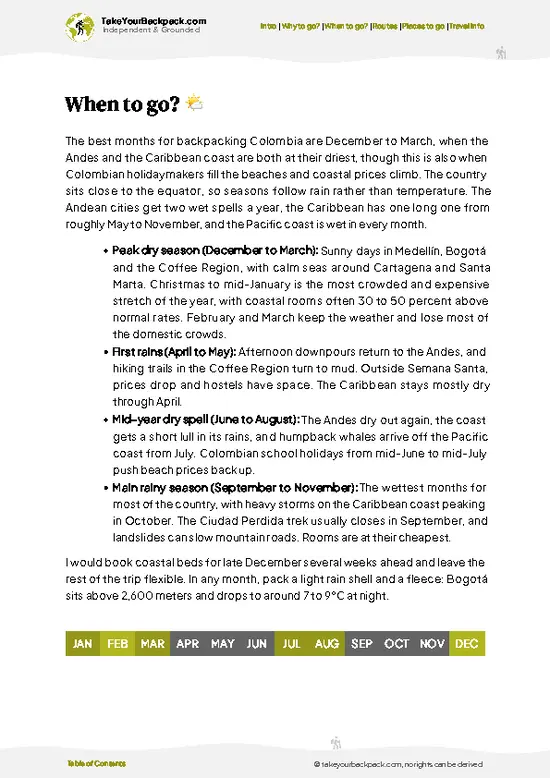
  • Weather: Turbo’s climate is hot and humid year-round, but the dry season from December to March offers less rain, making trails and outdoor plans more reliable.

  • Temperature: Expect highs around 30–33°C (86–91°F) consistently, with nights cooling slightly to 22–24°C (72–75°F), so pack light, breathable gear.

  • Daylight Hours: Near the equator, daylight stays steady at about 12 hours daily, so no need to juggle your schedule around shifting sunrise or sunset times.

  • Crowds: Tourist traffic spikes during the dry season and local holidays, so if you prefer solitude, aim for shoulder months like April or November.

  • Seasonal Activities: The dry months align with cultural festivals and easier access to natural reserves, enhancing your experience beyond just the weather.

  • Price Fluctuations:
read more 👉

  • Weather: Turbo’s climate is hot and humid year-round, but the dry season from December to March offers less rain, making trails and outdoor plans more reliable.

  • Temperature: Expect highs around 30–33°C (86–91°F) consistently, with nights cooling slightly to 22–24°C (72–75°F), so pack light, breathable gear.

  • Daylight Hours: Near the equator, daylight stays steady at about 12 hours daily, so no need to juggle your schedule around shifting sunrise or sunset times.

  • Crowds: Tourist traffic spikes during the dry season and local holidays, so if you prefer solitude, aim for shoulder months like April or November.

  • Seasonal Activities: The dry months align with cultural festivals and easier access to natural reserves, enhancing your experience beyond just the weather.

  • Price Fluctuations: Accommodation and tours hike up during peak dry season; visiting just before or after can save you a solid chunk of cash without sacrificing much comfort.


Pro-tip: Time your visit for the start or end of the dry season to balance fewer crowds, better weather, and smarter spending—Turbo rewards the planner who reads the calendar like a map.


source: climatestotravel.comJANJanuary: excellent for travelingFEBFebruary: excellent for travelingMARMarch: excellent for travelingAPRApril: highly recommended for travelingMAYMay: good for travelingJUNJune: fair for travelingJULJuly: fair for travelingAUGAugust: fair for travelingSEPSeptember: fair for travelingOCTOctober: good for travelingNOVNovember: highly recommended for travelingDECDecember: excellent for traveling
when-to-go

✈️ The backpacker research shortcutColombia Travel Guide

An offline-friendly backpacking guide with optimized travel routes, ranked highlights, transport advice, and the best areas to stay.
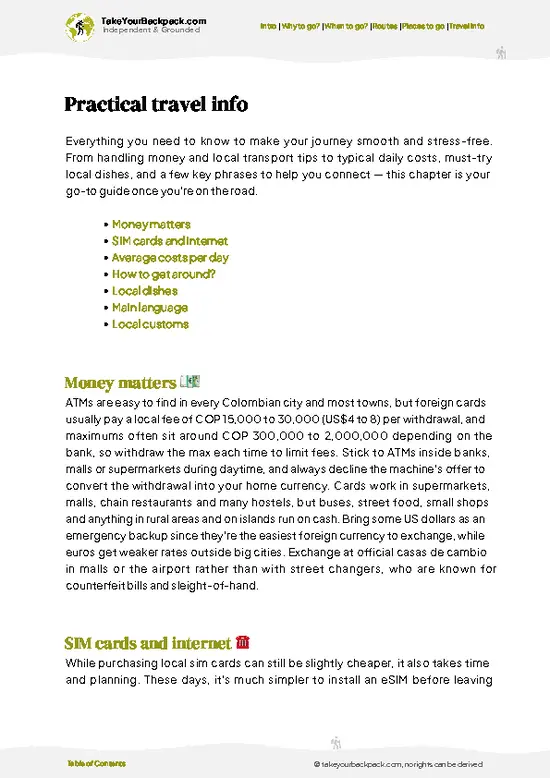
example page 0 from our offline Travel Guide for Colombia
example page 1 from our offline Travel Guide for Colombia
example page 2 from our offline Travel Guide for Colombia
example page 3 from our offline Travel Guide for Colombia
example page 4 from our offline Travel Guide for Colombia
example page 5 from our offline Travel Guide for Colombia
example page 6 from our offline Travel Guide for Colombia
example page 7 from our offline Travel Guide for Colombia
The digital guide (464 pages) contains:
122 highlights, ranked by travel appeal
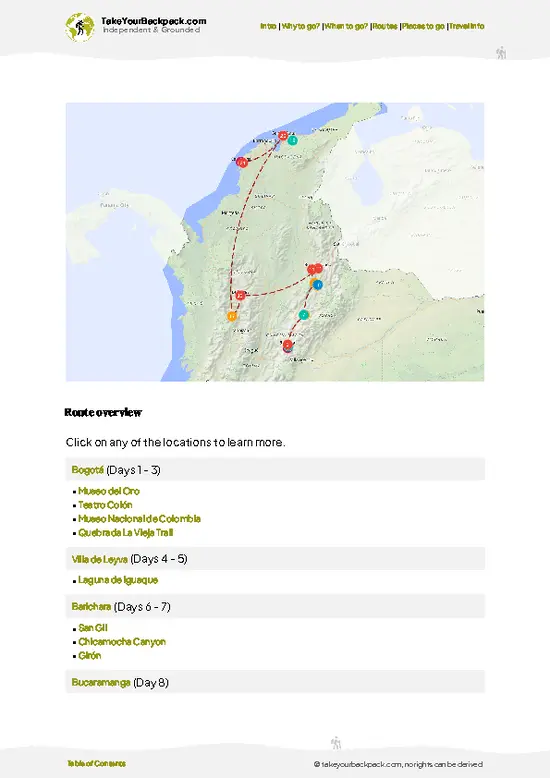
Optimized 7, 14 & 21-day travel routes
Cities, national parks, landmarks, beaches
How to get around
Offline-friendly for travel without Wi-Fi
👉 Click to see all 30+ guide features

📅 Plan smarter in minutes, not weeks
Month by month travel advice
Festivals & national holidays
Budget expectations

🗺️ Go to the right places, skip the overrated ones
Honest pros & cons of destinations
Top hikes, parks & viewpoints
Lesser-known places most travelers miss
Clear “worth it vs skip it” guidance

🛏️ Travel smoothly without rookie mistakes
Best areas to stay
Transport systems explained simply
Common scams & safety advice
SIM cards, money & practical tips

🌍 Understand the country, not just visit it
Culture & traditions
52 Essential phrases & customs
Festivals worth planning around
Traveler-friendly historical context
Insights that make places more meaningful

📱 Built for real travel conditions
Fully downloadable PDF
Works completely offline
Optimized for phone use
Useful in remote areas & buses
Everything in one place
Save weeks of stressful planning
Get instant access to your full guide. 30‑day money-back guarantee.
+ Add another guide for just €6.50

By proceeding you agree to our terms.
Sent to your inbox immediately after payment • 100% Secure Checkout
Best Backpacking Travel Advisor 2025 tourism awardBest Backpacking
Travel Advisor
2025
What others say about Take Your Backpack Guides:
⭐⭐⭐⭐⭐
Fantastic, amazing amount of information!
⭐⭐⭐⭐⭐
My goodness this is amazing, it's what I've been looking for hats off too you!
⭐⭐⭐⭐⭐
I think this is absolutely BRILLIANT
⭐⭐⭐⭐
Very complete and informative. It's still missing places, but I gotta to commend you
⭐⭐⭐⭐⭐
This is truly amazing, thank you, can't wait to explore it with my kids!
⭐⭐⭐⭐⭐
Awesome resource, thank you!
⭐⭐⭐⭐⭐
This is amazing! Can't wait to explore the ones I haven't seen
⭐⭐⭐⭐
I love this! Well done, great idea.
⭐⭐⭐⭐⭐
Thanks for taking the time to make this gem!
⭐⭐⭐⭐⭐
This might be the best website I've ever seen.
⭐⭐⭐⭐⭐
Congratulations, and thank you so much for your work; it's incredibly valuable.
⭐⭐⭐⭐
In all seriousness I think you did a great job pointing out the important spots
⭐⭐⭐⭐⭐
10/10 very good
⭐⭐⭐⭐⭐
As someone who's only just starting to visit regularly this is awesome, thank you.
⭐⭐⭐⭐
Thank you very much! I'm going to visit my dad, it's going to be very useful!
⭐⭐⭐⭐⭐
This is really cool! We'll be travelling for the first time and this definitely come in handy.
⭐⭐⭐⭐⭐
You are now our minister of culture, congratulations 👨‍💼
⭐⭐⭐⭐⭐
Just wanted to tell you that this is a pearl! Going to follow your recommendations.
⭐⭐⭐⭐⭐
This is so cool. I'll definitely be using the resource for my travels soon.
⭐⭐⭐⭐⭐
This is very impressive! Good work.
⭐⭐⭐⭐⭐
This is an amazing and informative site. Very well done!

🛏️ Where to stay?Best areas to stay in Colombia

In Turbo, the best spot for backpackers is the downtown area near the waterfront. It’s where you’ll find the right balance of safety and social buzz without the inflated prices of tourist traps. This neighborhood pulses with local life—street vendors, small eateries, and a handful of hostels that cater to budget travelers and solo adventurers. It’s compact, so you can walk everywhere, which saves time and money. Compared to the quieter, more residential outskirts, downtown offers a lively atmosphere that’s perfect for meeting other travelers and soaking in the city’s raw energy without sacrificing comfort or security.

🚌 Getting aroundTransportation options and practical tips

In Turbo, the city’s pulse is a curious blend of urgency and laid-back rhythm. You’ll find moments where buses and boats stick to a tight schedule, but just as often, you’ll be caught in the ebb and flow of informal, on-the-fly decisions. It’s a place where time bends around the needs of the people, not the other way around. Understanding this dynamic is your key to mastering travel here—knowing when to hold firm and when to roll with the chaos turns every trip into a strategic win.


  • Walking: The most reliable and free option, perfect for exploring the compact downtown and waterfront areas. It’s slow but gives you unmatched access to local life and hidden corners.

  • Local Buses: Run roughly from 6 AM to 9 PM, costing under $1 per ride. They’re slow and often crowded but cover the main routes.
read more 👉
In Turbo, the city’s pulse is a curious blend of urgency and laid-back rhythm. You’ll find moments where buses and boats stick to a tight schedule, but just as often, you’ll be caught in the ebb and flow of informal, on-the-fly decisions. It’s a place where time bends around the needs of the people, not the other way around. Understanding this dynamic is your key to mastering travel here—knowing when to hold firm and when to roll with the chaos turns every trip into a strategic win.


  • Walking: The most reliable and free option, perfect for exploring the compact downtown and waterfront areas. It’s slow but gives you unmatched access to local life and hidden corners.

  • Local Buses: Run roughly from 6 AM to 9 PM, costing under $1 per ride. They’re slow and often crowded but cover the main routes. Expect stops on demand, so timing is flexible but unpredictable.

  • Shared Taxis (Colectivos): Depart when full, usually between 7 AM and 8 PM. They’re faster than buses and cost around $1.50. Comfort varies, but they’re a step up if you want to save time without breaking the bank.

  • Water Taxis: Operate from dawn to dusk, about $2 per trip. They’re the quickest way to cross the bay, offering a scenic shortcut and a break from road traffic, though schedules depend on demand.

👛 Costs (as of 4 September 2026)Travel costs and budget guide for Turbo

Backpacking in Turbo, Colombia, is a balancing act between cost, convenience, and comfort. Here’s how the daily expenses typically stack up for an independent traveler navigating this coastal city.
  • Dorm Accommodation (High Season): Expect to pay around $10 to $15 USD per night. High season drives prices up due to demand, but the options remain basic—think simple, clean dorms with shared facilities.
  • Dorm Accommodation (Off-Season): Prices drop to about $7 to $10 USD. Off-season means fewer tourists, so you can snag a bed for less, though some places might have limited services or closures.
  • Meals: Street food and local eateries dominate here. Budget around $5 to $8 USD daily if you stick to traditional dishes like arepas or fried fish. Splurging on a nicer meal at a restaurant might push
read more 👉
Backpacking in Turbo, Colombia, is a balancing act between cost, convenience, and comfort. Here’s how the daily expenses typically stack up for an independent traveler navigating this coastal city.
  • Dorm Accommodation (High Season): Expect to pay around $10 to $15 USD per night. High season drives prices up due to demand, but the options remain basic—think simple, clean dorms with shared facilities.
  • Dorm Accommodation (Off-Season): Prices drop to about $7 to $10 USD. Off-season means fewer tourists, so you can snag a bed for less, though some places might have limited services or closures.
  • Meals: Street food and local eateries dominate here. Budget around $5 to $8 USD daily if you stick to traditional dishes like arepas or fried fish. Splurging on a nicer meal at a restaurant might push you closer to $10 or $12.
  • Local Transport: Short rides on motos or small buses cost roughly $0.50 to $1 USD each. It’s cheap but can be a bit chaotic—perfect if you’re up for a bit of local flavor and don’t mind the hustle.
  • City Transport Pass: Turbo doesn’t have a formal city transport pass system, so budgeting for individual rides is your best bet. Factor in about $2 to $3 USD daily if you plan to move around a lot.
  • Basic Activities/Entry Fees: Most natural attractions and beaches are free or have minimal entry fees, usually under $2 USD. Guided tours or boat trips can run $15 to $25 USD, depending on the length and exclusivity.
  • Miscellaneous Expenses: This covers water, snacks, occasional tips, or small purchases. Set aside about $2 to $4 USD daily to stay covered without surprises.

All told, you’re looking at a daily budget ranging from roughly $20 to $35 USD. This range gives you the flexibility to choose between tighter spending and a bit more comfort or activity. Turbo’s charm lies in its simplicity and local vibe, so spending smart here means you get more authentic experiences without breaking the bank.


source: colombia.travel
⚠️ Prices can change and everyone travels differently, so take this as a rough guide. Hope it helps you plan your adventure!

🚌 Day tripsShort trips worth adding

Turbo, Colombia, serves as an excellent launchpad for day trips that pack a punch without draining your wallet or energy.

Cascada de La Llorona
Just a short bus ride away, this waterfall is a refreshing escape into nature. The hike to the falls is invigorating, with lush greenery and the sound of rushing water guiding your way. Bring a picnic to enjoy by the water’s edge. Expect to spend around $5 for transport and snacks. The best time to visit is during the dry season, from December to March, when the trails are less muddy. A common mistake? Underestimating the time it takes to hike back; plan for a full day.


Parque Nacional Natural Los Katíos
This national park is a biodiversity hotspot, ideal for those who love wildlife. A guided tour will set you back about $15, but it’s worth … read more 👉
Turbo, Colombia, serves as an excellent launchpad for day trips that pack a punch without draining your wallet or energy.

Cascada de La Llorona
Just a short bus ride away, this waterfall is a refreshing escape into nature. The hike to the falls is invigorating, with lush greenery and the sound of rushing water guiding your way. Bring a picnic to enjoy by the water’s edge. Expect to spend around $5 for transport and snacks. The best time to visit is during the dry season, from December to March, when the trails are less muddy. A common mistake? Underestimating the time it takes to hike back; plan for a full day.


Parque Nacional Natural Los Katíos
This national park is a biodiversity hotspot, ideal for those who love wildlife. A guided tour will set you back about $15, but it’s worth every penny to spot unique flora and fauna. The park is about a two-hour drive from Turbo, so leave early to maximize your time. The dry season is best for visibility. First-timers often overlook the need for sturdy shoes; the trails can be rugged.


El Río Atrato
Experience the vibrant culture along the Atrato River with a canoe trip. This adventure is not just about the scenery; it’s a chance to interact with local communities. Expect to pay around $10 for a canoe rental and snacks. The river is best explored in the dry season, when the waters are calmer. Many travelers forget to bring sunscreen; the sun can be relentless.


Cerro Quitasol
For panoramic views that make the climb worthwhile, head to Cerro Quitasol. The trek takes about two hours, and the vistas are breathtaking. It’s a budget-friendly trip, costing about $7 for transport. The best time to go is early morning to catch the sunrise. A common rookie mistake is not bringing enough water; stay hydrated!
Want to know what more Colombia offers?
The Colombia Travel Guide describes 122 highlights, from cities to national parks, from beaches to hikes

Get the Travel Guide -

🍲 FoodLocal Cuisine & Drinks

In Turbo, Colombia, the food scene is a vibrant tapestry of flavors. Dive into bandeja paisa, a hearty platter featuring rice, beans, ground meat, and plantains. Don’t miss arepas, those cornmeal delights stuffed with anything from cheese to avocado. Street vendors are your best friends here; their sizzling grills and aromatic spices create an irresistible call.

For drinks, try aguardiente, a local anise-flavored spirit that’s often shared among friends. The drinking culture is communal; expect to clink glasses and share stories.

Eating customs lean towards informality. Don’t be surprised if you find yourself sharing a table with locals, swapping tales over a steaming bowl of sancocho. Embrace the chaos and savor every bite!

🛡️ SafetyTraveler Safety Guide

Turbo, Colombia, is generally safe, but like any city, it has its quirks. Stay aware in crowded markets, where pickpockets might lurk. If you’re solo, avoid wandering too far at night; stick to well-lit areas and main streets.

Common scams include overly friendly locals offering unsolicited help—politely decline and keep moving. Annoyances can arise from aggressive street vendors; a firm “no, gracias” usually does the trick. Carry yourself confidently, and trust your instincts. This approach will help you navigate Turbo smoothly, allowing you to focus on the experience rather than the potential pitfalls.

FAQCommon questions from travelers

2 to 3 days are sufficient to explore Turbo. This allows time to visit local markets, enjoy the waterfront, and take a boat trip to nearby islands. Longer stays are only needed if using Turbo as a base for exploring the Gulf of Urabá region.
No, Turbo is not considered very safe for solo backpackers due to occasional crime and limited tourist infrastructure. Travelers should exercise caution, avoid nighttime outings alone, and stay in well-reviewed accommodations. Local advice and vigilance are essential.
Turbo is known for its role as a major port city on the Gulf of Urabá and its vibrant Afro-Colombian culture. It is also recognized for fishing, seafood markets, and as a gateway to natural attractions like the nearby mangroves and beaches.
⚠️ Things can change over time, so always validate details locally before you go.

Other Colombian cities near Turbo

Explore more nearby:

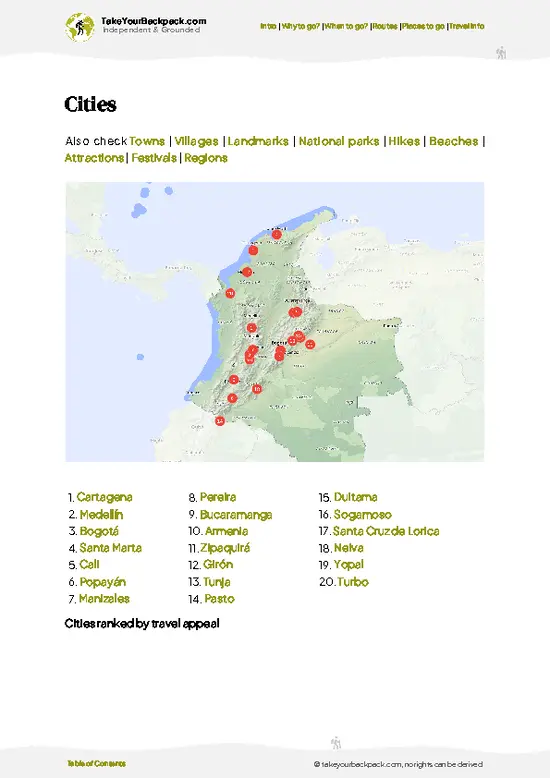
  • Lorica—Sinú River, Moorish facades, riverside market| 162 km away
  • Medellin—valley metropolis, cable cars, urban innovation| 242 km away
  • Quibdó—rainforest city, Atrato River, Afro-Colombian culture| 267 km away

💡 Not sure where to go next?
Create a personalized itinerary for Colombia including Turbo and the places that fit your trip.

Generate my itinerary

👉 Discover all cities

Or checkout all Colombia has to offer (think cities, towns, villages, national parks, hikes, beaches, festivals)
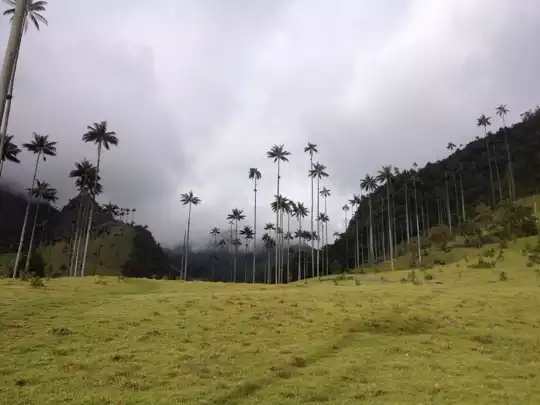
Country photo of Colombia

We 💚 feedbackIs it worth it?

Turbo’s got a pulse that’s hard to ignore. The vibrant local culture and stunning landscapes make it a must-see. But be ready for the heat and humidity; it can be relentless. Embrace the sweat, and you’ll find the real heart of Colombia waiting for you.

✈️ When did I visit Colombia?
Did a good 3-week trip around Colombia in August 2014.

✍️ Help improve this page!
The information on this page is based on my own backpacking experience in Colombia, supplemented with up-to-date research and feedback from other travelers. Travel details can change, so if you notice anything outdated or incomplete, feel free to let me know.


🙋‍♂️ Give feedback

👋 Meet the founderWho’s Behind Take Your Backpack?

Johan, backpacker and founder of TakeYourBackpackHi, I’m Johan (Netherlands 🇳🇱), the creator of TakeYourBackpack. Over the past decade, I’ve backpacked through 80+ countries across six continents, gaining extensive experience with independent travel, long-term trips, and overland routes.

This site is built on a combination of firsthand travel experience and carefully curated insights from other backpackers. Many guides are based on places I’ve personally visited, while others bring together tips, observations, and practical advice shared by trusted travelers I’ve met along the way.

The goal is to provide realistic, experience-driven guidance — not generic itineraries — so you can explore destinations with better context, clearer expectations, and more confidence.

Get full Colombia guide •
Instant download • 122 highlights • Full Offline guide