v2.webp)
1. The Permanent Exhibition: “Medellín: Memories of Violence and Resistance”
Forget the sanitized, Instagrammable version of Medellín. This exhibition is the raw nerve of the city’s recent history—pain, resilience, and the stubborn will to survive, all in one room. You’ll see personal artifacts, hear first-person testimonies, and face the reality of Colombia’s armed conflict without the filter of tourist brochures. It’s not about gore or shock value; it’s about understanding the human cost and the courage it takes to rebuild. If you want to know what Medellín is really made of, start here.
2. The Listening Room
This isn’t some background-music corner. The Listening Room is a soundscape of real voices—survivors, families, and witnesses—sharing stories that never made the headlines. The audio … read more 👉
Forget the sanitized, Instagrammable version of Medellín. This exhibition is the raw nerve of the city’s recent history—pain, resilience, and the stubborn will to survive, all in one room. You’ll see personal artifacts, hear first-person testimonies, and face the reality of Colombia’s armed conflict without the filter of tourist brochures. It’s not about gore or shock value; it’s about understanding the human cost and the courage it takes to rebuild. If you want to know what Medellín is really made of, start here.
2. The Listening Room
This isn’t some background-music corner. The Listening Room is a soundscape of real voices—survivors, families, and witnesses—sharing stories that never made the headlines. The audio … read more 👉
1. The Permanent Exhibition: “Medellín: Memories of Violence and Resistance”
Forget the sanitized, Instagrammable version of Medellín. This exhibition is the raw nerve of the city’s recent history—pain, resilience, and the stubborn will to survive, all in one room. You’ll see personal artifacts, hear first-person testimonies, and face the reality of Colombia’s armed conflict without the filter of tourist brochures. It’s not about gore or shock value; it’s about understanding the human cost and the courage it takes to rebuild. If you want to know what Medellín is really made of, start here.
2. The Listening Room
This isn’t some background-music corner. The Listening Room is a soundscape of real voices—survivors, families, and witnesses—sharing stories that never made the headlines. The audio is immersive, sometimes uncomfortable, always honest. You’ll hear pain, but also hope and humor. It’s the kind of experience that sticks with you long after you leave, because it’s impossible to tune out the humanity in these stories. This is where the museum’s mission hits hardest.
3. Interactive Memory Maps
Maps here aren’t just geography—they’re living documents. You can trace the shifting lines of conflict, see how neighborhoods were transformed, and understand the ripple effects of violence and reconciliation. The interactivity isn’t a gimmick; it’s a way to make the abstract heartbreakingly real. You’ll find yourself connecting dots between places you’ve walked and histories you never knew existed.
4. Temporary Exhibitions and Art Installations
Casa de la Memoria doesn’t let its message get stale. The rotating exhibitions—photography, sculpture, multimedia—are always sharp, sometimes provocative, and never just pretty for the sake of it. These installations dig into current issues: displacement, memory, and the ongoing fight for justice. If you catch a visiting artist or activist talk, don’t skip it. The energy is electric, and the conversations are the kind you’ll replay in your head for days.
5. The Memorial Garden (Personal Favorite)
This is where the noise drops away. The Memorial Garden isn’t flashy, but it’s the soul of the place. It’s a space for reflection, surrounded by native plants and symbolic sculptures. Locals come here to remember loved ones, and you’ll see quiet moments of grief and resilience side by side. I’ve sat here after a heavy exhibition, letting the city’s noise fade, and felt the weight of history shift into something like hope. It’s not about spectacle—it’s about presence, and it’s the most honest part of the whole experience.
Forget the sanitized, Instagrammable version of Medellín. This exhibition is the raw nerve of the city’s recent history—pain, resilience, and the stubborn will to survive, all in one room. You’ll see personal artifacts, hear first-person testimonies, and face the reality of Colombia’s armed conflict without the filter of tourist brochures. It’s not about gore or shock value; it’s about understanding the human cost and the courage it takes to rebuild. If you want to know what Medellín is really made of, start here.
2. The Listening Room
This isn’t some background-music corner. The Listening Room is a soundscape of real voices—survivors, families, and witnesses—sharing stories that never made the headlines. The audio is immersive, sometimes uncomfortable, always honest. You’ll hear pain, but also hope and humor. It’s the kind of experience that sticks with you long after you leave, because it’s impossible to tune out the humanity in these stories. This is where the museum’s mission hits hardest.
3. Interactive Memory Maps
Maps here aren’t just geography—they’re living documents. You can trace the shifting lines of conflict, see how neighborhoods were transformed, and understand the ripple effects of violence and reconciliation. The interactivity isn’t a gimmick; it’s a way to make the abstract heartbreakingly real. You’ll find yourself connecting dots between places you’ve walked and histories you never knew existed.
4. Temporary Exhibitions and Art Installations
Casa de la Memoria doesn’t let its message get stale. The rotating exhibitions—photography, sculpture, multimedia—are always sharp, sometimes provocative, and never just pretty for the sake of it. These installations dig into current issues: displacement, memory, and the ongoing fight for justice. If you catch a visiting artist or activist talk, don’t skip it. The energy is electric, and the conversations are the kind you’ll replay in your head for days.
5. The Memorial Garden (Personal Favorite)
This is where the noise drops away. The Memorial Garden isn’t flashy, but it’s the soul of the place. It’s a space for reflection, surrounded by native plants and symbolic sculptures. Locals come here to remember loved ones, and you’ll see quiet moments of grief and resilience side by side. I’ve sat here after a heavy exhibition, letting the city’s noise fade, and felt the weight of history shift into something like hope. It’s not about spectacle—it’s about presence, and it’s the most honest part of the whole experience.
Spotted a mistake or missing something? Contact us.

Medellin Historic Walking Tour with Expert Guide

Medellin City Private Tour
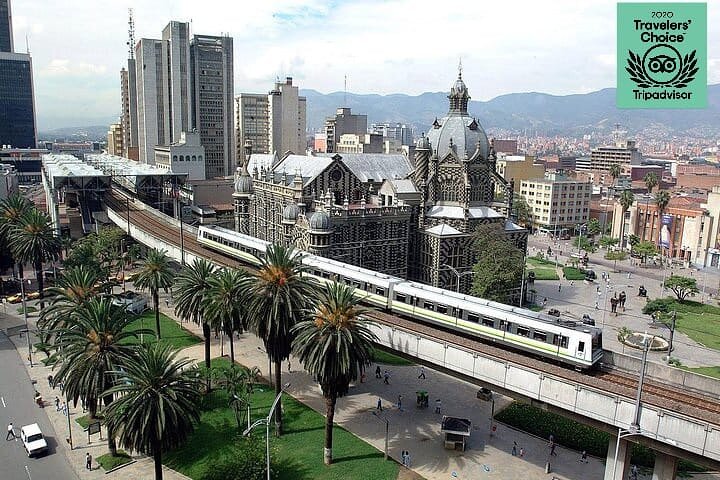
Private Pablo Escobar, Pueblito Paisa and Medellin City Tour

Medellín Highlights: with local guide and transfers from hotel

Medellin Metro Tour w/transport including Fernando Botero´s Plaza

Private Full Day City Tour of Medellin

Medellín Museums Tour with transport: Botero´s Antioquia museum

Medellin City Tour with Plaza de Botero and Antioquia Museum

Private tour: Medellin, Pablo Escobar and Food with transport





 Best Backpacking
.jpg) Hi, I’m Johan (Netherlands 🇳🇱), the creator of TakeYourBackpack. Over the past decade, I’ve backpacked through 80+ countries across six continents, gaining extensive experience with independent travel, long-term trips, and overland routes.
Hi, I’m Johan (Netherlands 🇳🇱), the creator of TakeYourBackpack. Over the past decade, I’ve backpacked through 80+ countries across six continents, gaining extensive experience with independent travel, long-term trips, and overland routes.