×

Colombia🇨🇴 | attractionsMuseo del CaribeCaribbean ecosystems, cumbia listening stations, Carnival masks, García Márquez | things to do and best time to go

Explore Museo Casa de la MemoriaExplore Museo del Oro Quimbaya

Backpacking in Museo del Caribe
👍 Recommendedattraction ranked #11
By Johan Kruseman 🇳🇱 | Updated October 19, 2026

The floor of the Caribbean room hummed under my sandals as a recording of a cumbia drummer filled the dark gallery, and I realized I was tapping along inside a museum, not reading a plaque. I expected dusty cases. Museo del Caribe sits in Barranquilla, in the north of Colombia, near the Magdalena River’s old customs district. Skip the small garden outside if you are short on time, and do not expect many English labels. Entry is modest, crowds thin out on weekday mornings, and the interactive rooms on Carnival, music, and the region’s ecosystems justify the trip. Unlike Cartagena’s Palace of the Inquisition, which fixates on colonial punishment, this museum covers living Caribbean culture.

Discover everything you want to know in the 📖 Colombia Travel Guide.


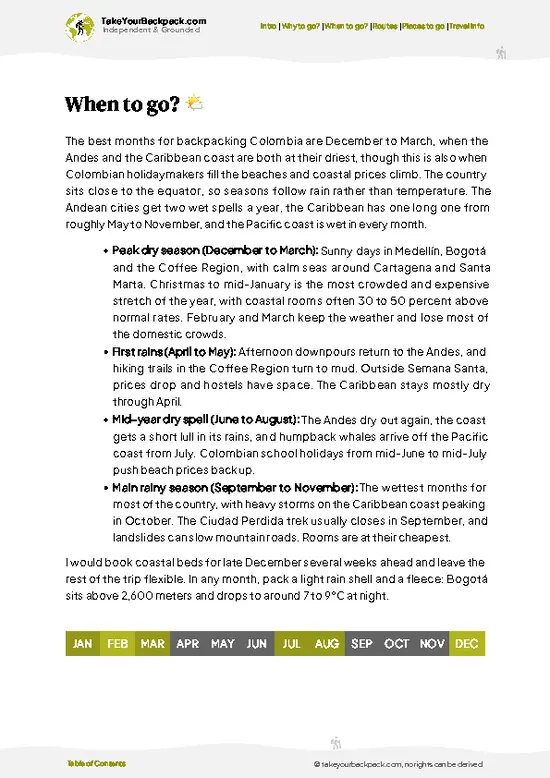
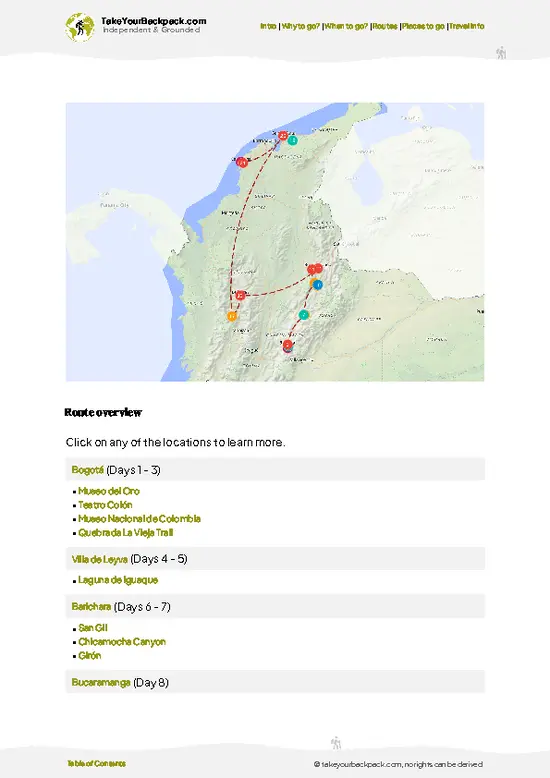
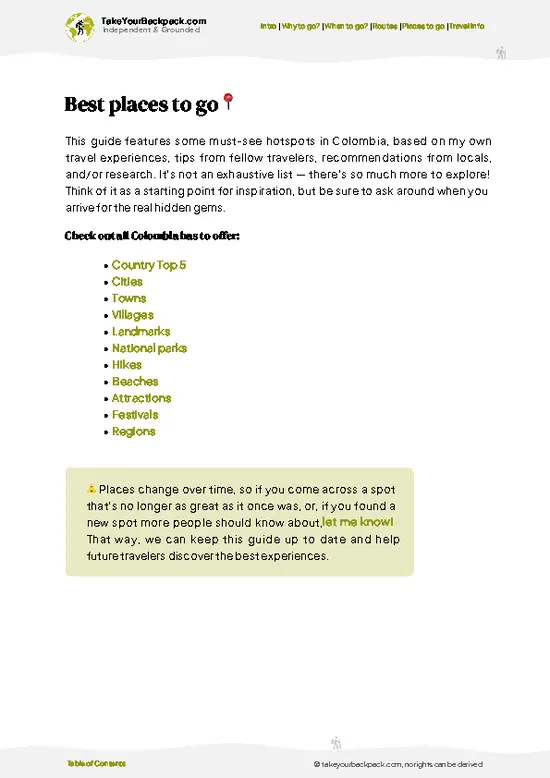
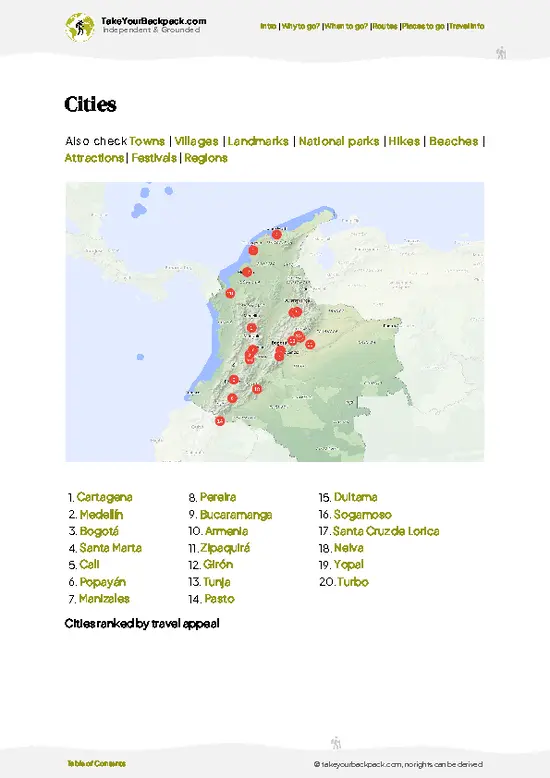
example page 0 from our offline Travel Guide for Colombia
example page 1 from our offline Travel Guide for Colombia
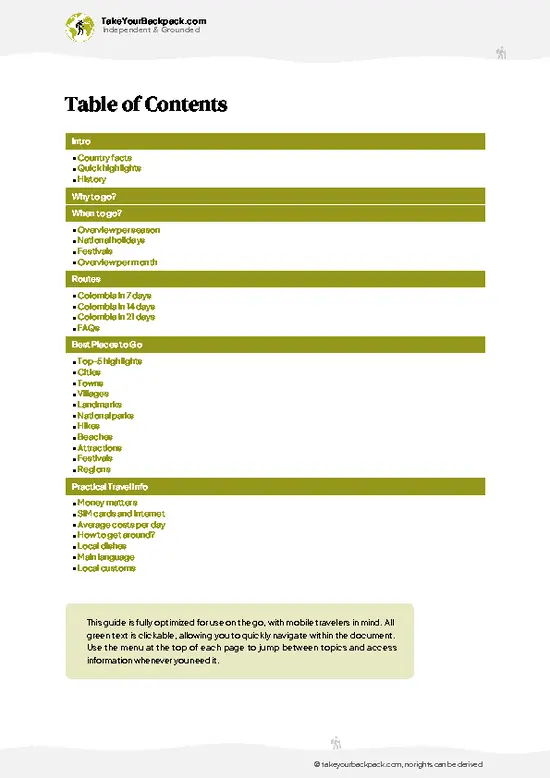
example page 2 from our offline Travel Guide for Colombia
example page 3 from our offline Travel Guide for Colombia
example page 4 from our offline Travel Guide for Colombia
example page 5 from our offline Travel Guide for Colombia
example page 6 from our offline Travel Guide for Colombia
example page 7 from our offline Travel Guide for Colombia
Loading the map 🌍
CLICK TO FILTER
cities
towns
villages
landmarks
national parks
hikes
beaches
attractions
festivals
regions
SHOW COUNTRY’S BESTSHOW ALL

✨ Why go?
Ranked #11 attraction in Colombia
What makes this attraction worth visiting

Museo del Caribe gives you the clearest primer on Colombia’s coast before you head east or west along it. Barranquilla’s Carnival is a UNESCO-recognized event, and the museum’s rooms on masks, costumes, and rhythms explain what you will see in the streets, which helps if your dates do not match the February festivities. The building also holds a tribute to Gabriel García Márquez, who wrote as a young journalist in this city, and his world makes more sense after you see the humid, storytelling culture around you. The Ventana al Caribe room puts the region’s landscapes, from the Sierra Nevada to the swamps, on one screen and one floor. For a backpacker with limited time on the coast, this saves a lot of guesswork.

💡 HighlightsTop highlights of Museo del Caribe

  1. Sala Permanent Exhibition: “Caribe, Naturaleza y Cultura”. This is what most people come for. Rooms are organized around the Caribbean region’s ecosystems, from the Sierra Nevada de Santa Marta to the Magdalena River, with sound, video and objects rather than glass cases and long labels.
  2. The Ecosystems and Territory room. It explains how mountains, coast, swamps and river shape life along the Colombian Caribbean. Good for making sense of the landscapes you will later cross by bus.
  3. The Gabriel García Márquez gallery. The Nobel laureate spent formative years in this region, and the exhibit ties his novels and journalism to the places and people they came from. Pick this if you have read even one chapter of anything he wrote.
  4. The music and Carnival rooms. Cumbia, vallenato and the masks and costumes
… read more 👉
  1. Sala Permanent Exhibition: “Caribe, Naturaleza y Cultura”. This is what most people come for. Rooms are organized around the Caribbean region’s ecosystems, from the Sierra Nevada de Santa Marta to the Magdalena River, with sound, video and objects rather than glass cases and long labels.
  2. The Ecosystems and Territory room. It explains how mountains, coast, swamps and river shape life along the Colombian Caribbean. Good for making sense of the landscapes you will later cross by bus.
  3. The Gabriel García Márquez gallery. The Nobel laureate spent formative years in this region, and the exhibit ties his novels and journalism to the places and people they came from. Pick this if you have read even one chapter of anything he wrote.
  4. The music and Carnival rooms. Cumbia, vallenato and the masks and costumes of Barranquilla’s Carnival get proper space. Listening stations let you hear the rhythms before you hunt for them in a bar.
  5. Indigenous worlds of the Caribbean. Displays on the Wayuu, Arhuaco, Kogui and Wiwa peoples cover their cosmology, weaving and relationship with the land. It is a useful primer before you meet them on the road, and much more careful than a souvenir stall.
  6. Caribbean Cultures and Memory spaces. Afro-Caribbean heritage, migration and the region’s history of conflict are covered in plain terms. Expect sober moments between the festive ones.
  7. The park grounds. The Parque Cultural del Caribe around the museum has open-air spaces and shaded corners. A short pause here costs nothing extra and breaks up the indoor rooms.
Give it two to three hours if you read and listen, or about ninety minutes if you only skim the highlights.
Spotted a mistake or missing something? Contact us.

Things to do around Museo del Caribe

Ratings based on Tripadvisor reviews. When you book through this link, you support our work at no extra cost to you.

🌤️ When to go?Best time to visit Museo del Caribe

  • Dry Season (December to April): Barranquilla runs hot and breezy, around 24 to 33°C (75 to 91°F), with almost no rain. This suits the museum's cooler air-conditioned halls and the walk along the Paseo Bolívar.
  • Carnival (February or early March): The four days before Ash Wednesday fill the city. Hotel prices jump, often doubling, and the museum draws school groups and visitors.
  • Rainy Season (September to November): Afternoon downpours and flooded streets (arroyos) are common, with highs of 31 to 33°C (88 to 91°F) and heavy humidity. Rooms are cheaper.
  • Daylight: Days stay close to 12 hours all year, so plan outdoor wandering for the morning.
Book the museum for a weekday morning, since it closes Mondays and fills up on weekends.

source: climatestotravel.comJANJanuary: highly recommended for travelingFEBFebruary: good for travelingMARMarch: good for travelingAPRApril: highly recommended for travelingMAYMay: highly recommended for travelingJUNJune: fair for travelingJULJuly: fair for travelingAUGAugust: fair for travelingSEPSeptember: fair for travelingOCTOctober: fair for travelingNOVNovember: highly recommended for travelingDECDecember: highly recommended for traveling
when-to-go

✈️ The backpacker research shortcutColombia Travel Guide

An offline-friendly backpacking guide with optimized travel routes, ranked highlights, transport advice, and the best areas to stay.
example page 0 from our offline Travel Guide for Colombia
example page 1 from our offline Travel Guide for Colombia
example page 2 from our offline Travel Guide for Colombia
example page 3 from our offline Travel Guide for Colombia
example page 4 from our offline Travel Guide for Colombia
example page 5 from our offline Travel Guide for Colombia
example page 6 from our offline Travel Guide for Colombia
example page 7 from our offline Travel Guide for Colombia
The digital guide (349 pages) contains:
✅ 115 highlights, ranked by travel appeal
✅ Optimized 7, 14 & 21-day travel routes
✅ Cities, national parks, landmarks, beaches
✅ How to get around
✅ Offline-friendly for travel without Wi-Fi
👉 Click to see all 30+ guide features

📅 Plan smarter in minutes, not weeks
✅ Month by month travel advice
✅ Festivals & national holidays
✅ Budget expectations

🗺️ Go to the right places, skip the overrated ones
✅ Honest pros & cons of destinations
✅ Top hikes, parks & viewpoints
✅ Lesser-known places most travelers miss
✅ Clear “worth it vs skip it” guidance

🛏️ Travel smoothly without rookie mistakes
✅ Best areas to stay
✅ Transport systems explained simply
✅ Common scams & safety advice
✅ SIM cards, money & practical tips

🌍 Understand the country, not just visit it
✅ Culture & traditions
✅ 52 Essential phrases & customs
✅ Festivals worth planning around
✅ Traveler-friendly historical context
✅ Insights that make places more meaningful

📱 Built for real travel conditions
✅ Fully downloadable PDF
✅ Works completely offline
✅ Optimized for phone use
✅ Useful in remote areas & buses
✅ Everything in one place
Stop searching, start planning
Get instant access to your full guide. 30‑day money-back guarantee.
+ Add another guide for just

By proceeding you agree to our terms.
Sent to your inbox immediately after payment • 100% Secure Checkout
Best Backpacking Travel Advisor 2025 tourism awardBest Backpacking
Travel Advisor
2025
What others say about Take Your Backpack Guides:
⭐⭐⭐⭐⭐
Fantastic, amazing amount of information!
⭐⭐⭐⭐⭐
My goodness this is amazing, it's what I've been looking for hats off too you!
⭐⭐⭐⭐⭐
I think this is absolutely BRILLIANT
⭐⭐⭐⭐
Very complete and informative. It's still missing places, but I gotta to commend you
⭐⭐⭐⭐⭐
This is truly amazing, thank you, can't wait to explore it with my kids!
⭐⭐⭐⭐⭐
Awesome resource, thank you!
⭐⭐⭐⭐⭐
This is amazing! Can't wait to explore the ones I haven't seen
⭐⭐⭐⭐
I love this! Well done, great idea.
⭐⭐⭐⭐⭐
Thanks for taking the time to make this gem!
⭐⭐⭐⭐⭐
This might be the best website I've ever seen.
⭐⭐⭐⭐⭐
Congratulations, and thank you so much for your work; it's incredibly valuable.
⭐⭐⭐⭐
In all seriousness I think you did a great job pointing out the important spots
⭐⭐⭐⭐⭐
10/10 very good
⭐⭐⭐⭐⭐
As someone who's only just starting to visit regularly this is awesome, thank you.
⭐⭐⭐⭐
Thank you very much! I'm going to visit my dad, it's going to be very useful!
⭐⭐⭐⭐⭐
This is really cool! We'll be travelling for the first time and this definitely come in handy.
⭐⭐⭐⭐⭐
You are now our minister of culture, congratulations 👨‍💼
⭐⭐⭐⭐⭐
Just wanted to tell you that this is a pearl! Going to follow your recommendations.
⭐⭐⭐⭐⭐
This is so cool. I'll definitely be using the resource for my travels soon.
⭐⭐⭐⭐⭐
This is very impressive! Good work.
⭐⭐⭐⭐⭐
This is an amazing and informative site. Very well done!

🛏️ Where to stay?Where staying makes the most sense

El Prado is the strongest choice for backpackers, about 10 to 15 minutes by taxi from the museum, with leafy streets, old mansions, cafés and a few social hostels. Expect US$10 to 20 for a dorm bed. Taxis and rideshare apps cost US$2 to 4 for the trip, and the area feels calmer and safer after dark than most of the city.

Alto Prado and the area around Calle 84 suit those who want restaurants, bars and a nightlife scene within a short ride. It has more hotels and private rooms, usually US$20 to 40, and plenty of choice for solo travelers who prefer a quiet room.

The historic center around Paseo … read more 👉
El Prado is the strongest choice for backpackers, about 10 to 15 minutes by taxi from the museum, with leafy streets, old mansions, cafés and a few social hostels. Expect US$10 to 20 for a dorm bed. Taxis and rideshare apps cost US$2 to 4 for the trip, and the area feels calmer and safer after dark than most of the city.

Alto Prado and the area around Calle 84 suit those who want restaurants, bars and a nightlife scene within a short ride. It has more hotels and private rooms, usually US$20 to 40, and plenty of choice for solo travelers who prefer a quiet room.

The historic center around Paseo Bolívar puts you within walking distance of the museum, but the streets empty out in the evening and many places close early. It is fine for a daytime stay, yet most solo travelers do better sleeping in El Prado and taking a short taxi ride in.

👛 Costs (as of 19 October 2026)Typical daily expenses

A day around Museo del Caribe costs roughly US$28 to 66 for a budget traveler, with the entry ticket being a small part of that. Prices are paid in Colombian pesos, and these are converted figures.
CategoryBudget RangeLocal Reality
Museum entryUS$3 to 6Foreign adult tickets cost a little more than national rates, and students or seniors can get reductions with ID.
Guide or audio extrasUS$0 to 5Most exhibits come with Spanish and some English text, and guided tours are offered at set times.
Accommodation (high season)US$10 to 25A dorm bed in El Prado is cheapest, with private rooms at the upper end. Carnival raises prices sharply.
FoodUS$8 to 15Set lunches (corrientazo) cost US$3 to 5, and café meals near the museum cost more.
Local transportUS$4 to 8Taxis and rideshares cost US$2 to 4 per trip,
… read more 👉
A day around Museo del Caribe costs roughly US$28 to 66 for a budget traveler, with the entry ticket being a small part of that. Prices are paid in Colombian pesos, and these are converted figures.
CategoryBudget RangeLocal Reality
Museum entryUS$3 to 6Foreign adult tickets cost a little more than national rates, and students or seniors can get reductions with ID.
Guide or audio extrasUS$0 to 5Most exhibits come with Spanish and some English text, and guided tours are offered at set times.
Accommodation (high season)US$10 to 25A dorm bed in El Prado is cheapest, with private rooms at the upper end. Carnival raises prices sharply.
FoodUS$8 to 15Set lunches (corrientazo) cost US$3 to 5, and café meals near the museum cost more.
Local transportUS$4 to 8Taxis and rideshares cost US$2 to 4 per trip, and buses are cheaper but slow.
ExtrasUS$3 to 7Cold drinks, a coffee in the Paseo Bolívar area, and small souvenirs.
Total Daily BudgetUS$28 to 66Per person, per day, in high season.
⚠️ Prices can change and everyone travels differently, so take this as a rough guide. Hope it helps you plan your adventure!

FAQTraveler FAQ

Plan on 2 to 3 hours at Museo del Caribe. The permanent exhibits cover the region's nature, music, Carnival and writers like Gabriel García Márquez across several floors, and the garden and cafe add time, so a quick visit still takes about 90 minutes.
Yes, for most visitors, because the ticket costs only about US$3 to 6 and Museo del Caribe covers the region in depth, including Carnival, folk music and Caribbean ecology. Interactive displays and English text help first-time visitors, and the experience is good value compared with similar museums in Cartagena.
Museo del Caribe sits on Paseo Bolívar in downtown Barranquilla, about 10 to 15 minutes by taxi from El Prado for roughly US$2 to 4. From Ernesto Cortissoz Airport, allow 25 to 40 minutes by taxi, costing about US$10 to 15. Buses and the Transmetro also reach the center, and the last stretch is a short walk.
⚠️ Things can change over time, so always validate details locally before you go.

Other Colombian attractions near Museo del Caribe

Explore more nearby:


💡 Not sure where to go next?
Create a personalized itinerary for Colombia including Museo del Caribe and the places that fit your trip.

Generate my itinerary

👉 Discover all attractions

Or checkout all Colombia has to offer (think cities, towns, villages, national parks, hikes, beaches, festivals)
Country photo of Colombia

We 💚 feedbackParting advice and final tips

Many travelers rush Museo del Caribe in under an hour and miss the audio stations, where the music really lands. Go in the morning, take the rooms in order, and give the music hall extra time. Bring headphones if you like to linger, and eat afterward nearby.

✈️ When did I visit Colombia?
Did a good 3-week trip around Colombia in August 2014.

✍️ Help improve this page!
The information on this page is based on my own backpacking experience in Colombia, supplemented with up-to-date research and feedback from other travelers. Travel details can change, so if you notice anything outdated or incomplete, feel free to let me know.


🙋‍♂️ Give feedback

👋 Meet the founderWho’s Behind Take Your Backpack?

Johan, backpacker and founder of TakeYourBackpackHi, I’m Johan (Netherlands 🇳🇱), the creator of TakeYourBackpack. Over the past 3 decades, I’ve backpacked through 90+ countries across six continents, gaining extensive experience with independent travel, long-term trips, and overland routes.

This site is built on a combination of firsthand travel experience and carefully curated insights from other backpackers. Many guides are based on places I’ve personally visited, while others bring together tips, observations, and practical advice shared by trusted travelers I’ve met along the way.

The goal is to provide realistic, experience-driven guidance — not generic itineraries — so you can explore destinations with better context, clearer expectations, and more confidence.