
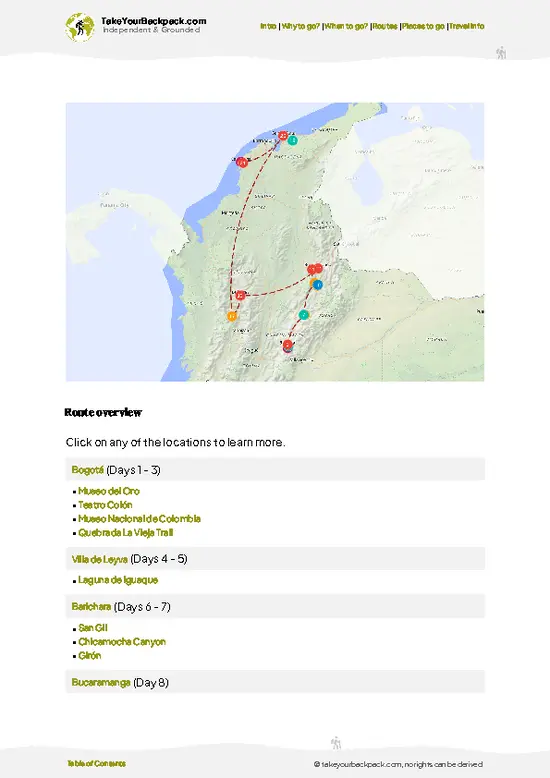
- Cueva de los Guácharos: the namesake cave, where oilbirds roost and navigate by echolocation. A ranger leads you in along the stream, and the clicking is loud.
- Oilbird dusk exit: at evening the birds stream out to feed on palm fruit, a sound and sight worth waiting for near the cave mouth.
- Cloud forest trails: moss-draped trunks, tree ferns and epiphytes crowd the paths near the visitor station.
- Río Suaza: the river emerges from the cave system and cuts through the park, with clear pools and loud rapids.
- Birdwatching near the station: Andean cock-of-the-rock and many tanagers are the sought-after species in the early morning.
- Cueva de los Tucanes: a smaller cave reached on a longer walk, quieter and less visited.
- Spectacled bear country: you are unlikely to see one, but tracks and claw-marked trees
- Cueva de los Guácharos: the namesake cave, where oilbirds roost and navigate by echolocation. A ranger leads you in along the stream, and the clicking is loud.
- Oilbird dusk exit: at evening the birds stream out to feed on palm fruit, a sound and sight worth waiting for near the cave mouth.
- Cloud forest trails: moss-draped trunks, tree ferns and epiphytes crowd the paths near the visitor station.
- Río Suaza: the river emerges from the cave system and cuts through the park, with clear pools and loud rapids.
- Birdwatching near the station: Andean cock-of-the-rock and many tanagers are the sought-after species in the early morning.
- Cueva de los Tucanes: a smaller cave reached on a longer walk, quieter and less visited.
- Spectacled bear country: you are unlikely to see one, but tracks and claw-marked trees hint at them in the higher forest.
Spotted a mistake or missing something? Contact us.

Horseback Riding Tour and visit to Tablón, Chaquira, Pelota and Purutal

Private Guided Tour in The Archaeological Park

Private Tour in an Authentic, Ecological Local Coffee Finca.

Private Jeep Tour to the Surroundings of San Agustín

Mountain bike route through San Agustín and its surroundings

Magdalena Strait Route

Private Experience at the Gate of the Colombian Massif

Private Guided Rafting on Magdalena River

Hidden waterfall route


 Best Backpacking
 Hi, I’m Johan (Netherlands 🇳🇱), the creator of TakeYourBackpack. Over the past 3 decades, I’ve backpacked through 90+ countries across six continents, gaining extensive experience with independent travel, long-term trips, and overland routes.