×

Colombia🇨🇴 | townsEl CocuySierra Nevada gateway, certified guides, gear rentals, quiet plaza | things to do and best time to go

Explore Puerto NariñoExplore Honda

Backpacking in El Cocuy
👍 Recommendedtown ranked #12
By Johan Kruseman 🇳🇱 | Updated October 19, 2026

El Cocuy puts you at the doorstep of Sierra Nevada del Cocuy, so you can book a guide and be on the trail within a morning. The town sits in the Boyacá department in the north of Colombia, in the eastern Andes. I expected a rough mountain outpost and found whitewashed colonial streets, tidy and calm. The plaza and a few shops need an hour, no more. The real reason to come is the park, so spend your days up there. Evenings are quiet, with a handful of small hostels and cafés where hikers swap trail news easily. Getting here takes patience, so plan around that. Know before going that park access requires a certified local guide and advance arrangements.

Discover everything you want to know in the 📖 Colombia Travel Guide.


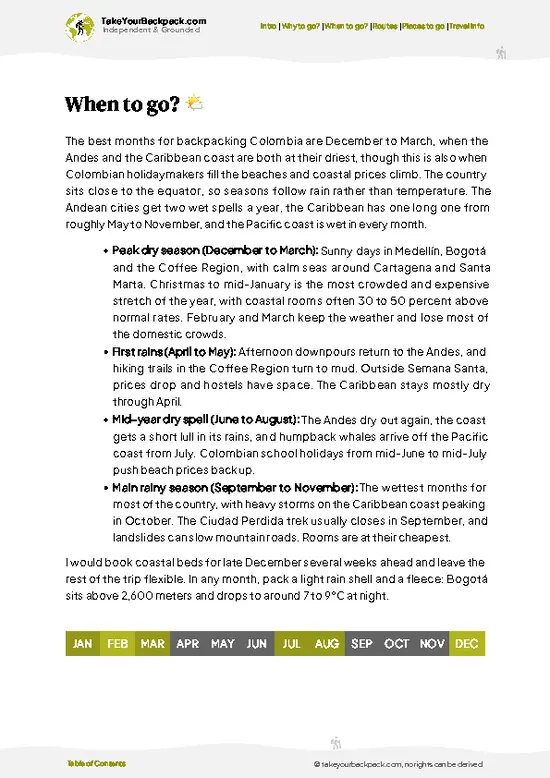
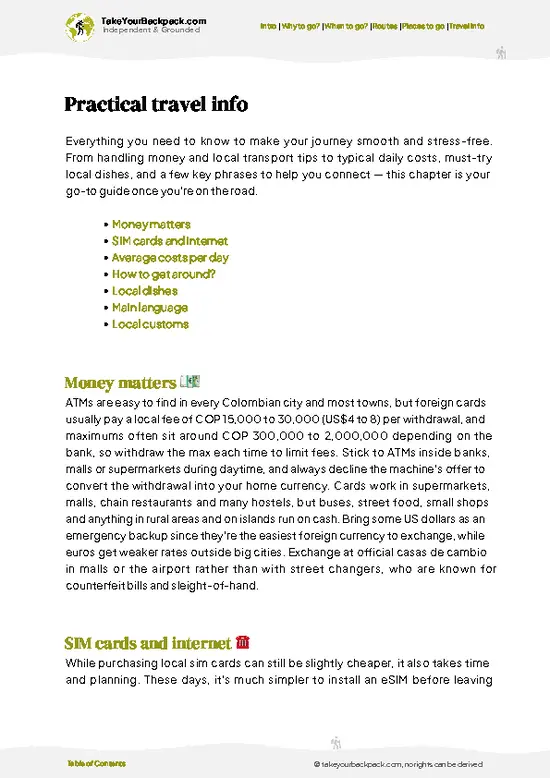
example page 0 from our offline Travel Guide for Colombia
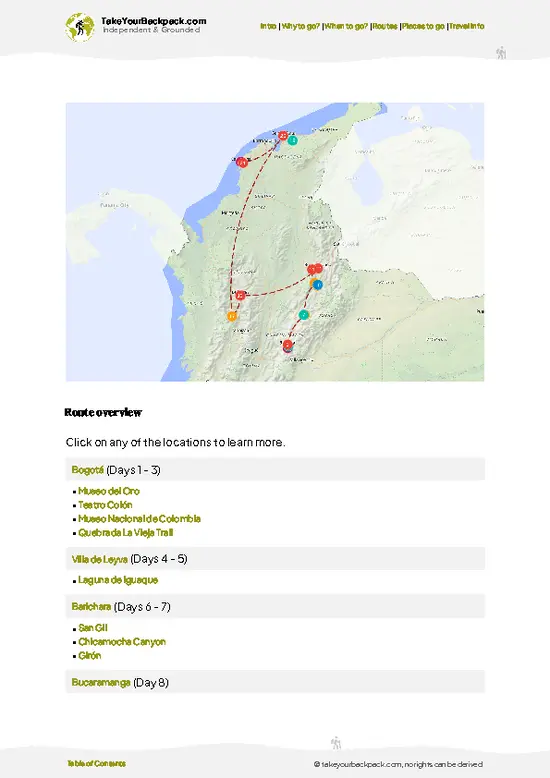
example page 1 from our offline Travel Guide for Colombia
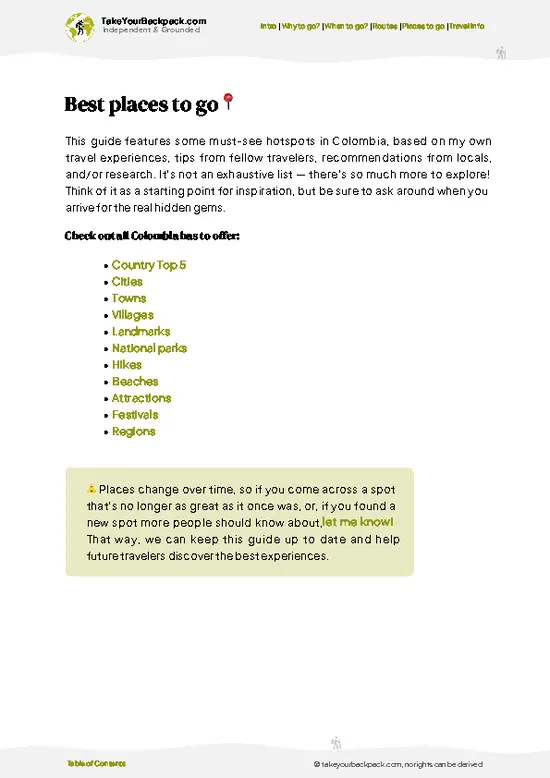
example page 2 from our offline Travel Guide for Colombia
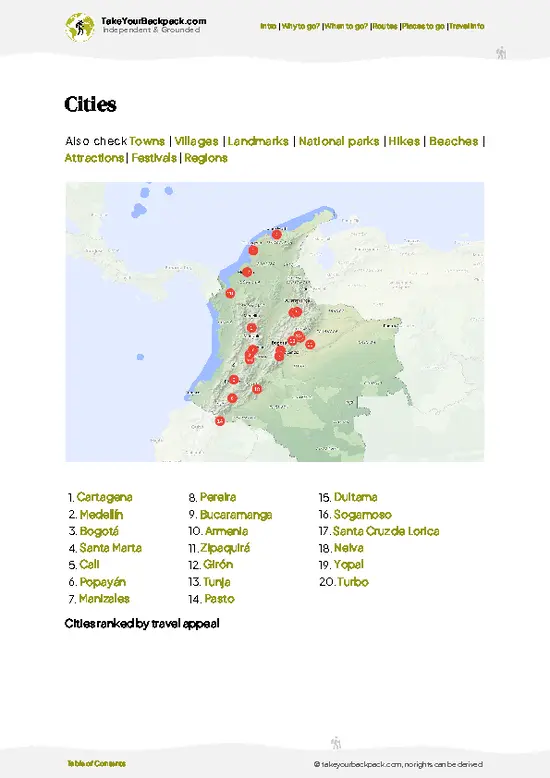
example page 3 from our offline Travel Guide for Colombia
example page 4 from our offline Travel Guide for Colombia
example page 5 from our offline Travel Guide for Colombia
example page 6 from our offline Travel Guide for Colombia
example page 7 from our offline Travel Guide for Colombia
Loading the map 🌍
CLICK TO FILTER
cities
towns
villages
landmarks
national parks
hikes
beaches
attractions
festivals
regions
SHOW COUNTRY’S BESTSHOW ALL

✨ Why go?
Ranked #12 town in Colombia
Why El Cocuy should be on your travel list

El Cocuy works because it is the practical gateway to the glaciated peaks of the Sierra Nevada del Cocuy, and almost everything is organized by locals. Hikers arrange guides, permits and rides to trailheads from the plaza, which keeps planning simple once you arrive. Most travelers stay three to five days, with rest days built between long walks at altitude. The town is small and peaceful, so it suits hikers, slow travelers and solo walkers who want to find trail partners over dinner rather than at a bar. Look for the whitewashed colonial center with its green-trimmed balconies, and the chance to join groups heading to the Laguna de la Plaza circuit. Nightlife is basically absent. If you want a short, easy stop with nightclubs, skip it.

💡 HighlightsThe experiences that define the visit

  1. Plaza Principal and Iglesia de San José. The best-known sight in town is this tidy square framed by whitewashed buildings and the church. Come in the morning when it is calm. Free, 30 to 45 minutes.
  2. Casa de la Cultura. A small local space for regional history and community events. Check what is on, as it varies. Usually free or a small donation, around 30 minutes.
  3. Mercado campesino. Farmers bring produce from surrounding valleys, and early morning is when it is busiest. Try local fruit, cheese and potatoes. Spending is about US$2 to 5, 1 hour.
  4. Mirador above town. A short walk uphill gives wide views over rooftops and the valley, best in the late afternoon. Free, 1 to 1.5 hours round trip.
  5. Pre-trek guide offices and gear shops. This is where the sierra becomes real: you meet guides, check route
… read more 👉
  1. Plaza Principal and Iglesia de San José. The best-known sight in town is this tidy square framed by whitewashed buildings and the church. Come in the morning when it is calm. Free, 30 to 45 minutes.
  2. Casa de la Cultura. A small local space for regional history and community events. Check what is on, as it varies. Usually free or a small donation, around 30 minutes.
  3. Mercado campesino. Farmers bring produce from surrounding valleys, and early morning is when it is busiest. Try local fruit, cheese and potatoes. Spending is about US$2 to 5, 1 hour.
  4. Mirador above town. A short walk uphill gives wide views over rooftops and the valley, best in the late afternoon. Free, 1 to 1.5 hours round trip.
  5. Pre-trek guide offices and gear shops. This is where the sierra becomes real: you meet guides, check route conditions and rent boots or jackets. Rentals run roughly US$3 to 10 per item, about 1 hour.
Outside town, the Sierra Nevada del Cocuy trails to Laguna de la Plaza and the Ritacuba Blanco area, plus nearby Güicán, make the best day trips. The plaza and the mirador combine well in one easy afternoon.
Spotted a mistake or missing something? Contact us.

Things to do near El Cocuy

Ratings based on Tripadvisor reviews. When you book through this link, you support our work at no extra cost to you.

🏘️ NeighborhoodsKey areas and districts to know

El Cocuy is small enough to cover on foot in twenty minutes, so the choice is about where to spend your hours, not how to get there.
  • Plaza Principal: Spend your time here. Whitewashed colonial buildings with green trim frame the square, the tour offices cluster on the surrounding streets, and the bakeries and soup kitchens open early for hikers. Evenings are quiet, with a few corner bars and nothing wild.
  • Calle Real and the market streets: Worth an hour. Local cafeterias serve hearty set lunches of soup, rice, meat and potato, and shops stock trekking snacks, gloves and wool hats you will want at altitude. Market day brings farmers down from the hills.
  • Church and upper streets: Skip lingering. The views over the red-tile roofs toward the Sierra Nevada are pleasant on a clear morning, but there
… read more 👉
El Cocuy is small enough to cover on foot in twenty minutes, so the choice is about where to spend your hours, not how to get there.
  • Plaza Principal: Spend your time here. Whitewashed colonial buildings with green trim frame the square, the tour offices cluster on the surrounding streets, and the bakeries and soup kitchens open early for hikers. Evenings are quiet, with a few corner bars and nothing wild.
  • Calle Real and the market streets: Worth an hour. Local cafeterias serve hearty set lunches of soup, rice, meat and potato, and shops stock trekking snacks, gloves and wool hats you will want at altitude. Market day brings farmers down from the hills.
  • Church and upper streets: Skip lingering. The views over the red-tile roofs toward the Sierra Nevada are pleasant on a clear morning, but there is little to do beyond a short stroll.
  • Outskirts and access roads: Not for wandering. They are rural roads with no sidewalks, used mainly by jeeps heading to the park trailheads.

⌛️ 1 dayWhat you can realistically do in a day

7:30 AM: Breakfast on Plaza Principal
El Cocuy is a walking town, and the whole day works on foot, with a long pause in the middle when the high-Andes sun gets sharp. Start with eggs, arepa and tinto at a plaza café while the whitewashed colonial streets are still quiet.
9:00 AM: Parroquia de San José and the old streets
Cross the plaza to the church, then wander the cobbled blocks around it. Look at the carved wooden doors and the red-tiled eaves. It takes about 45 minutes and costs nothing.
10:30 AM: Local bakery and market corner
Walk a few blocks to the small shops selling bread, cheese and fruit. Buy trail snacks, even if you are not hiking tomorrow, because the choice is limited once you leave town.
12:30 PM: Lunch
Take a set almuerzo at a family-run restaurant. Soup, rice, meat and juice arrive … read more 👉
7:30 AM: Breakfast on Plaza Principal
El Cocuy is a walking town, and the whole day works on foot, with a long pause in the middle when the high-Andes sun gets sharp. Start with eggs, arepa and tinto at a plaza café while the whitewashed colonial streets are still quiet.
9:00 AM: Parroquia de San José and the old streets
Cross the plaza to the church, then wander the cobbled blocks around it. Look at the carved wooden doors and the red-tiled eaves. It takes about 45 minutes and costs nothing.
10:30 AM: Local bakery and market corner
Walk a few blocks to the small shops selling bread, cheese and fruit. Buy trail snacks, even if you are not hiking tomorrow, because the choice is limited once you leave town.
12:30 PM: Lunch
Take a set almuerzo at a family-run restaurant. Soup, rice, meat and juice arrive fast, and it is the best way to chat with locals and guides.
2:00 PM: Rest and laundry
Use the warm hours to nap or sort gear at your guesthouse. The sun is strong at this altitude.
3:30 PM: Barrio walk to the edge of town
Walk uphill past the last houses, where few visitors go. Farmland, stone fences and snowy ridgelines appear, and you get a feel for the town’s farming life.
5:30 PM: Plaza at dusk
Return as families gather on the benches. Finish with hot chocolate and cheese, then compare plans with other backpackers over dinner.

🌤️ When to go?When to go for the best experience

December to February and July to August give the steadiest weather for the high trails around El Cocuy.
  • Dry Season (Dec to Mar): Clearest skies, town days around 18 to 22°C (64 to 72°F), nights near 8°C (46°F). Peak hiker numbers and the highest tour prices at New Year.
  • Wet Season (Apr to Jun, Sep to Nov): Frequent afternoon rain, muddy paths, and cloud hiding the peaks. Lodging is easy to find and cheaper.
  • Mid-year Dry Spell (Jul to Aug): Decent weather, windy ridges, and Colombian school-holiday crowds.
  • Trail Temperatures: Above 4,000 m (13,100 ft), expect freezing nights and daytime highs of 0 to 8°C (32 to 46°F).
Book your park permit and guide a few days ahead in peak weeks, and aim for midweek starts.

source: climatestotravel.comJANJanuary: excellent for travelingFEBFebruary: excellent for travelingMARMarch: excellent for travelingAPRApril: fair for travelingMAYMay: fair for travelingJUNJune: fair for travelingJULJuly: fair for travelingAUGAugust: fair for travelingSEPSeptember: fair for travelingOCTOctober: fair for travelingNOVNovember: fair for travelingDECDecember: excellent for traveling
when-to-go

✈️ The backpacker research shortcutColombia Travel Guide

An offline-friendly backpacking guide with optimized travel routes, ranked highlights, transport advice, and the best areas to stay.
example page 0 from our offline Travel Guide for Colombia
example page 1 from our offline Travel Guide for Colombia
example page 2 from our offline Travel Guide for Colombia
example page 3 from our offline Travel Guide for Colombia
example page 4 from our offline Travel Guide for Colombia
example page 5 from our offline Travel Guide for Colombia
example page 6 from our offline Travel Guide for Colombia
example page 7 from our offline Travel Guide for Colombia
The digital guide (349 pages) contains:
✅ 115 highlights, ranked by travel appeal
✅ Optimized 7, 14 & 21-day travel routes
✅ Cities, national parks, landmarks, beaches
✅ How to get around
✅ Offline-friendly for travel without Wi-Fi
👉 Click to see all 30+ guide features

📅 Plan smarter in minutes, not weeks
✅ Month by month travel advice
✅ Festivals & national holidays
✅ Budget expectations

🗺️ Go to the right places, skip the overrated ones
✅ Honest pros & cons of destinations
✅ Top hikes, parks & viewpoints
✅ Lesser-known places most travelers miss
✅ Clear “worth it vs skip it” guidance

🛏️ Travel smoothly without rookie mistakes
✅ Best areas to stay
✅ Transport systems explained simply
✅ Common scams & safety advice
✅ SIM cards, money & practical tips

🌍 Understand the country, not just visit it
✅ Culture & traditions
✅ 52 Essential phrases & customs
✅ Festivals worth planning around
✅ Traveler-friendly historical context
✅ Insights that make places more meaningful

📱 Built for real travel conditions
✅ Fully downloadable PDF
✅ Works completely offline
✅ Optimized for phone use
✅ Useful in remote areas & buses
✅ Everything in one place
Stop searching, start planning
Get instant access to your full guide. 30‑day money-back guarantee.
+ Add another guide for just

By proceeding you agree to our terms.
Sent to your inbox immediately after payment • 100% Secure Checkout
Best Backpacking Travel Advisor 2025 tourism awardBest Backpacking
Travel Advisor
2025
What others say about Take Your Backpack Guides:
⭐⭐⭐⭐⭐
Fantastic, amazing amount of information!
⭐⭐⭐⭐⭐
My goodness this is amazing, it's what I've been looking for hats off too you!
⭐⭐⭐⭐⭐
I think this is absolutely BRILLIANT
⭐⭐⭐⭐
Very complete and informative. It's still missing places, but I gotta to commend you
⭐⭐⭐⭐⭐
This is truly amazing, thank you, can't wait to explore it with my kids!
⭐⭐⭐⭐⭐
Awesome resource, thank you!
⭐⭐⭐⭐⭐
This is amazing! Can't wait to explore the ones I haven't seen
⭐⭐⭐⭐
I love this! Well done, great idea.
⭐⭐⭐⭐⭐
Thanks for taking the time to make this gem!
⭐⭐⭐⭐⭐
This might be the best website I've ever seen.
⭐⭐⭐⭐⭐
Congratulations, and thank you so much for your work; it's incredibly valuable.
⭐⭐⭐⭐
In all seriousness I think you did a great job pointing out the important spots
⭐⭐⭐⭐⭐
10/10 very good
⭐⭐⭐⭐⭐
As someone who's only just starting to visit regularly this is awesome, thank you.
⭐⭐⭐⭐
Thank you very much! I'm going to visit my dad, it's going to be very useful!
⭐⭐⭐⭐⭐
This is really cool! We'll be travelling for the first time and this definitely come in handy.
⭐⭐⭐⭐⭐
You are now our minister of culture, congratulations 👨‍💼
⭐⭐⭐⭐⭐
Just wanted to tell you that this is a pearl! Going to follow your recommendations.
⭐⭐⭐⭐⭐
This is so cool. I'll definitely be using the resource for my travels soon.
⭐⭐⭐⭐⭐
This is very impressive! Good work.
⭐⭐⭐⭐⭐
This is an amazing and informative site. Very well done!

🛏️ Where to stay?Where staying makes the most sense

The streets around the Plaza Principal are the best place to sleep in El Cocuy, with budget beds usually costing US$8 to 20 a night.
This is where most guesthouses, family-run hostels and simple hotels sit, and the setup is basic: dorms are limited, so private rooms with shared bathrooms are common. Walking distance to tour offices, bakeries, the market and the jeep pickup points saves you early-morning stress, which matters because most park departures are before dawn. Nights are quiet and the center feels safe after dark. Noise is mostly church bells and the odd weekend party.
A second option … read more 👉
The streets around the Plaza Principal are the best place to sleep in El Cocuy, with budget beds usually costing US$8 to 20 a night.
This is where most guesthouses, family-run hostels and simple hotels sit, and the setup is basic: dorms are limited, so private rooms with shared bathrooms are common. Walking distance to tour offices, bakeries, the market and the jeep pickup points saves you early-morning stress, which matters because most park departures are before dawn. Nights are quiet and the center feels safe after dark. Noise is mostly church bells and the odd weekend party.
A second option is the rural lodges on the outskirts and near the park access roads. They cut your travel time to the trailheads and offer mountain views, but prices are higher, food is limited, and you depend on transfers. Choose the center unless you plan a longer trek.

🚌 Getting aroundTransportation options and practical tips

A ride in a shared jeep or a moto-taxi inside El Cocuy costs roughly US$0.50 to 1.50, and you pay the driver in cash (Colombian pesos) at the end. The town is small enough that you will walk almost everywhere, since the plaza, the bus offices and most guesthouses sit within about ten minutes of each other. Traffic is light, streets are steep in places, and public transport is informal rather than scheduled.
  • Walking. Free, and the best way to cover the colonial center of whitewashed streets and the market. Wear shoes with grip, because the cobbles get slick after rain and the town sits at about 2,750 meters, so hills feel longer than they look.
  • Moto-taxis. Around US$0.50 to 1.50 for any ride in town. They are useful with a heavy pack or after dark, but skip them for short hops, since you will
… read more 👉
A ride in a shared jeep or a moto-taxi inside El Cocuy costs roughly US$0.50 to 1.50, and you pay the driver in cash (Colombian pesos) at the end. The town is small enough that you will walk almost everywhere, since the plaza, the bus offices and most guesthouses sit within about ten minutes of each other. Traffic is light, streets are steep in places, and public transport is informal rather than scheduled.
  • Walking. Free, and the best way to cover the colonial center of whitewashed streets and the market. Wear shoes with grip, because the cobbles get slick after rain and the town sits at about 2,750 meters, so hills feel longer than they look.
  • Moto-taxis. Around US$0.50 to 1.50 for any ride in town. They are useful with a heavy pack or after dark, but skip them for short hops, since you will save nothing in time.
  • Willys jeeps to the park. Trailheads and farms in the Sierra Nevada del Cocuy area are reached by 4x4 jeeps, typically US$10 to 30 per vehicle one way depending on the destination, split among passengers. Book through the licensed tour operators in the plaza, because park rules require registration and a guide for the glacier trails. Early starts, usually around 5 to 6 a.m., are normal. Go with a group to cut the cost.
  • Buses to other towns. Services run to Güicán (about 45 minutes to 1 hour, US$2 to 3) and to Bogotá (roughly 10 to 12 hours, US$20 to 30, mostly overnight). Buy tickets at the offices on or near the plaza a day ahead in busy periods. The Bogotá run is long and winding, so a night bus saves a hotel night but not your back.
  • Colectivos and vans to Capitanejo or Soatá. Shared vans cover the connections toward the main highway for roughly US$4 to 8. They leave when full, mostly in the morning, so arrive early rather than counting on an afternoon departure.
Skip renting a car. Mountain roads are narrow and unpaved in sections, and jeeps with local drivers cost less and know the route.

👛 Costs (as of 19 October 2026)Money, prices, and spending tips

A backpacker in El Cocuy spends about US$44 to 50 a day, and the total below is US$47 using high-season lodging.
CategoryBudget RangeLocal Reality
Dorm accommodationUS$8 to 15Dorms are few; basic private rooms with shared bath are common. Use US$12 for the total.
MealsUS$8 to 14Set lunches of soup and a main run US$3 to 5. Use US$10.
Local transportUS$2 to 8Walking in town; jeeps to trailheads cost more. Use US$5.
Basic activities/entry feesUS$15 to 40Park permit plus a shared guide fee on hiking days. Use US$15.
Miscellaneous expensesUS$3 to 8Snacks, water, gloves and hats. Use US$5.
Total Daily BudgetUS$47Per person, per day, in high season.
Split jeep and guide costs with other hikers, which can cut your activity spending by a third or more.

source: colombia.travel
⚠️ Prices can change and everyone travels differently, so take this as a rough guide. Hope it helps you plan your adventure!

🚌 Day tripsEasy escapes and nearby places

El Cocuy works well as a base, since the national park trailheads sit a jeep ride away and most hikes return the same day.
Laguna de la Plaza:
A full-day hike beneath glaciated peaks, with a lake reached by a steady climb through frailejón-covered páramo. Jeep transfer takes about 1.5 to 2 hours, and total cost with guide share, permit and transport runs roughly US$45 to 80. Go in the dry months. First-timers underestimate altitude and start too fast.

Pulpito del Diablo:
A huge rock block at the edge of a glacier, reached on the 7.8 km round-trip Lagunillas trail from La Plazuela. The route is moderate and takes most of a day, with transfers of about 1 to 2 hours each way. Budget US$45 to 75 including the required guide. Start early, because cloud rolls in by midday and hides the view.

Güicán … read more 👉
El Cocuy works well as a base, since the national park trailheads sit a jeep ride away and most hikes return the same day.
Laguna de la Plaza:
A full-day hike beneath glaciated peaks, with a lake reached by a steady climb through frailejón-covered páramo. Jeep transfer takes about 1.5 to 2 hours, and total cost with guide share, permit and transport runs roughly US$45 to 80. Go in the dry months. First-timers underestimate altitude and start too fast.

Pulpito del Diablo:
A huge rock block at the edge of a glacier, reached on the 7.8 km round-trip Lagunillas trail from La Plazuela. The route is moderate and takes most of a day, with transfers of about 1 to 2 hours each way. Budget US$45 to 75 including the required guide. Start early, because cloud rolls in by midday and hides the view.

Güicán de la Sierra:
The nearby mountain town with its own plaza, cafes and access to the park’s northern trails. Shared transport takes about 45 minutes to 1 hour and costs roughly US$3 to 6. It suits a lazy afternoon or a rainy day, but don’t arrive late, as return services dry up.

🛡️ SafetyStaying Safe: What Travelers Should Know

El Cocuy is a calm, small mountain town where crime against travelers is rare. The real risks sit in the mountains: altitude sickness, sudden cold and weather changes on the high trails. Hire the required licensed guide, carry waterproofs and warm layers, and turn back if cloud or storms roll in. In town, solo travelers can walk the center at night, though streets empty early and the outskirts are dark, so stay near the plaza. Keep valuables out of sight, as anywhere, but scams are uncommon. The main annoyance is limited cash access, so withdraw pesos in a larger town before arriving and carry small bills for jeeps and meals.

FAQCommon questions from travelers

El Cocuy is worth a dedicated trip, not a stopover, because it is the main gateway to the Sierra Nevada del Cocuy, Colombia’s largest glaciated range. The whitewashed colonial streets are pleasant, but the draw is the high-altitude trekking, with day hikes to places like Laguna de la Plaza and multi-day circuits above 4,000 meters. Most travelers need a registered guide and a park fee, so budget a bit extra.
Plan on 3 to 5 days in El Cocuy. One day helps with acclimatization at roughly 2,750 meters, and then 2 to 3 days cover the main day hikes in the park. Add a day or two if you want a longer trek such as the multi-day circuit, which usually takes 4 to 6 days.
El Cocuy is a poor day trip from a nearby city, because the closest large hub, Bogotá, is roughly 10 to 12 hours away by bus. Even from Duitama or Málaga, the winding mountain roads take several hours each way. The park trails need an early jeep start from the town, so staying at least one night in El Cocuy or nearby Güicán makes much more sense.
⚠️ Things can change over time, so always validate details locally before you go.

Other Colombian towns near El Cocuy

Explore more nearby:

  • San Gil—Río Fonce rafting, El Gallineral, hormigas culonas, Chicamocha paragliding| 78 km away
  • Monguí—Ocetá páramo access, stone basilica, hand-stitched footballs, Calicanto bridge| 88 km away
  • Barichara—Sandstone cathedral, Camino Real to Guane, carved-stone workshops, ridge above Suárez canyon| 90 km away

💡 Not sure where to go next?
Create a personalized itinerary for Colombia including El Cocuy and the places that fit your trip.

Generate my itinerary

👉 Discover all towns

Or checkout all Colombia has to offer (think cities, towns, villages, national parks, hikes, beaches, festivals)
Country photo of Colombia

We 💚 feedbackFinal thoughts on visiting El Cocuy

El Cocuy trips go wrong when travelers arrive without arranging a guide and permits, then lose days waiting. I would reach town early, sort the paperwork the same afternoon, and keep a spare day in the plan. Pack warm layers and rain gear, because the sierra is unforgiving.

✈️ When did I visit Colombia?
Did a good 3-week trip around Colombia in August 2014.

✍️ Help improve this page!
The information on this page is based on my own backpacking experience in Colombia, supplemented with up-to-date research and feedback from other travelers. Travel details can change, so if you notice anything outdated or incomplete, feel free to let me know.


🙋‍♂️ Give feedback

👋 Meet the founderWho’s Behind Take Your Backpack?

Johan, backpacker and founder of TakeYourBackpackHi, I’m Johan (Netherlands 🇳🇱), the creator of TakeYourBackpack. Over the past 3 decades, I’ve backpacked through 90+ countries across six continents, gaining extensive experience with independent travel, long-term trips, and overland routes.

This site is built on a combination of firsthand travel experience and carefully curated insights from other backpackers. Many guides are based on places I’ve personally visited, while others bring together tips, observations, and practical advice shared by trusted travelers I’ve met along the way.

The goal is to provide realistic, experience-driven guidance — not generic itineraries — so you can explore destinations with better context, clearer expectations, and more confidence.