×

Colombia🇨🇴 | townsMonguístone bridges, páramo gateway, hand-stitched balls | things to do and best time to go

Explore SilviaExplore Tolu

Backpacking in Monguí
👌 Worth visitingtown ranked #15
By Johan Kruseman 🇳🇱 | Updated July 30, 2026

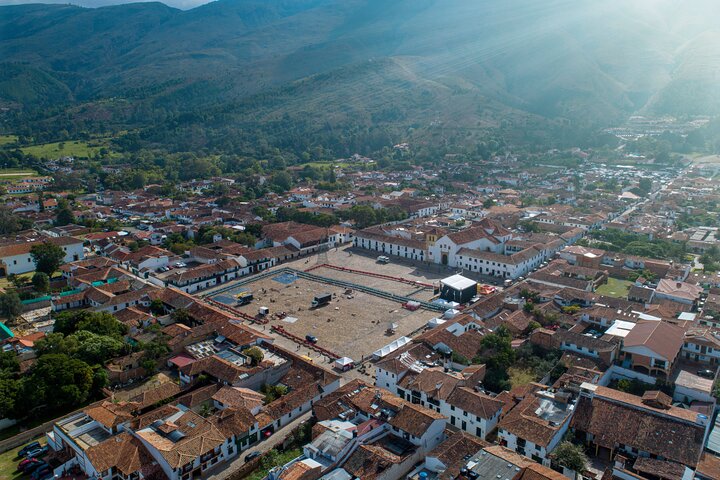
Years ago Monguí felt like a secret: a stone bridge, a sleepy plaza, and more donkeys than day-trippers. Now you still get the cobbled streets and cold mountain air in your lungs, but with weekend Bogotanos, a few hostels, and menus translated into English. It sits in Boyacá, high in the Eastern Andes, a short detour from the more famous town of Sogamoso and the busier colonial showpiece of Villa de Leyva. For backpackers, Monguí is a trade: less bar-hopping, more páramo hikes and football-made-holy in the old ball factories. People stop here to feel the altitude, walk out toward the Frailejones and lagoons, and then come back to a plaza that goes quiet by 9 p.m. Evenings are about hot chocolate, soup, and maybe a chat with the handful of other travelers in your guesthouse. Compared to Villa de Leyva it’s colder, humbler, and more real; compared to nearby Duitama or Sogamoso it’s far prettier, but slower and thinner on services.

Discover everything you want to know in the 📖 Colombia Travel Guide.
Loading the map 🌍
CLICK TO FILTER
cities
towns
villages
landmarks
national parks
hikes
beaches
attractions
festivals
regions
SHOW COUNTRY’S BESTSHOW ALL

✨ Why go?
Ranked #15 town in Colombia
What makes this town worth visiting

Monguí is a breath of fresh air for backpackers seeking a slower pace. Nestled in the Andean foothills, this village offers a charming atmosphere that feels worlds away from Colombia’s busier spots. The cobblestone streets are lined with colorful houses, and the scent of fresh bread wafts from local bakeries, inviting you to linger. It’s a perfect pause between destinations like Barichara and Tota Lake, allowing you to recharge before diving into more hectic adventures.

The surrounding hiking trails are a major draw, leading you through lush landscapes and offering stunning views. Whether you’re a solo traveler craving tranquility or a couple looking for a romantic escape, the village’s quiet charm suits various styles. Most travelers stay a couple of nights, soaking in the local character … read more 👉
Monguí is a breath of fresh air for backpackers seeking a slower pace. Nestled in the Andean foothills, this village offers a charming atmosphere that feels worlds away from Colombia’s busier spots. The cobblestone streets are lined with colorful houses, and the scent of fresh bread wafts from local bakeries, inviting you to linger. It’s a perfect pause between destinations like Barichara and Tota Lake, allowing you to recharge before diving into more hectic adventures.

The surrounding hiking trails are a major draw, leading you through lush landscapes and offering stunning views. Whether you’re a solo traveler craving tranquility or a couple looking for a romantic escape, the village’s quiet charm suits various styles. Most travelers stay a couple of nights, soaking in the local character and perhaps joining a community event. If you’re after a more immersive experience, Monguí’s slower rhythm and friendly locals make it a place to savor, rather than just a stopover.
Want to include Monguí in your Colombia route?
Create a personalized Colombia itinerary that includes Monguí and the places that fit your trip — based on your travel style, budget, and available time. Get your route in seconds.

Generate my trip

💡 HighlightsWhat this place is best known for

  1. Plaza Mayor (Main Square) — The heart of Monguí: wide cobbles, colonial balconies and everyday life. Sit on a bench, watch locals, and you’ll feel the town’s rhythm better than from any guidebook photo.
  2. Iglesia Parroquial San Miguel Arcángel — The big parish church on the square. It’s worth going inside for the altar details, the simple yet solid architecture, and the way the bell tower punctuates town life.
  3. Talleres artesanales de balones (handmade soccer-ball workshops) — Monguí is famous for hand-stitched soccer balls. Visiting a workshop to see the process and buy a locally made ball is an honest, hands-on cultural experience.
  4. Historic cobblestone streets and colonial balconies — Walking the narrow lanes is a highlight in itself: stone sidewalks, wooden doors, house plaques and those
read more 👉
  1. Plaza Mayor (Main Square) — The heart of Monguí: wide cobbles, colonial balconies and everyday life. Sit on a bench, watch locals, and you’ll feel the town’s rhythm better than from any guidebook photo.
  2. Iglesia Parroquial San Miguel Arcángel — The big parish church on the square. It’s worth going inside for the altar details, the simple yet solid architecture, and the way the bell tower punctuates town life.
  3. Talleres artesanales de balones (handmade soccer-ball workshops) — Monguí is famous for hand-stitched soccer balls. Visiting a workshop to see the process and buy a locally made ball is an honest, hands-on cultural experience.
  4. Historic cobblestone streets and colonial balconies — Walking the narrow lanes is a highlight in itself: stone sidewalks, wooden doors, house plaques and those picture-perfect balconies where people still hang laundry and talk to neighbors.
  5. Small artisan and craft shops — Local leather goods, textiles and souvenir stalls tucked into homes and arcades. Better to buy straight from the maker here than from a tourist stall elsewhere.
  6. Casa de la Cultura / municipal exhibition spaces — Small but informative displays about local history, traditions and crafts. These places are where you’ll catch context for what you see on the streets.
  7. Local market and bakeries — Morning market stalls, cheese sellers and bakeries making almojábanas and pan de yuca: the best way to taste Monguí’s food traditions without breaking the budget.
  8. Riverside stone bridges and short river walks — The town’s small stone bridges and paths along the water are peaceful, photogenic and easy to reach from the center — great for a lazy hour of exploring.
  9. Miradores (viewpoints) just above town — A short climb from the centre brings you to viewpoints with sweeping views over the valley and the town’s red roofs. Sunrise or late afternoon light is especially nice.
  10. Short hiking trails into the páramo foothills — Trails that start from town let you step into the highland landscape without a long drive: páramo grasses, birds and quiet countryside that feel a world away from the plaza in 30-60 minutes.
A few nearby day-trip highlights: the Páramo de Ocetá (stunning highland moor — my personal favorite), the colonial town of Villa de Leyva, and the pottery town of Ráquira.
Spotted a mistake or missing something? Contact us.

Things to do near Monguí

Ratings based on Tripadvisor reviews. When you book through this link, you support our work at no extra cost to you.

🏘️ NeighborhoodsWhere things are and how it's laid out

Monguí is a compact town where cobblestone streets and colonial facades set the stage, but knowing where to land makes all the difference between a rushed visit and a slow, immersive stay.

Centro Histórico
This is the heart of Monguí, where the main plaza pulses with daily life. It’s your go-to for walkability—everything from cafes to craft shops is a few minutes on foot. The vibe leans toward lively during the day, with artisans and locals mingling, but quiets down by night. Accommodations here range from budget hostels to mid-tier guesthouses, making it ideal for short stays or those who want to be in the thick of it without paying a premium.

La Cuchilla
Perched slightly uphill, this neighborhood offers a quieter, more residential feel. It’s perfect if you want to escape the tourist … read more 👉
Monguí is a compact town where cobblestone streets and colonial facades set the stage, but knowing where to land makes all the difference between a rushed visit and a slow, immersive stay.

Centro Histórico
This is the heart of Monguí, where the main plaza pulses with daily life. It’s your go-to for walkability—everything from cafes to craft shops is a few minutes on foot. The vibe leans toward lively during the day, with artisans and locals mingling, but quiets down by night. Accommodations here range from budget hostels to mid-tier guesthouses, making it ideal for short stays or those who want to be in the thick of it without paying a premium.

La Cuchilla
Perched slightly uphill, this neighborhood offers a quieter, more residential feel. It’s perfect if you want to escape the tourist buzz but still be within a 15-minute walk of the center. Expect fewer nightlife options but more local eateries and a chance to wake up to the scent of fresh bread and mountain air. Prices here tend to be a bit lower, making it a smart pick for longer stays where you want to blend in.

El Puente
This area hugs the river and is a bit off the main tourist track. It’s less walkable if you want to hit the plaza frequently, but it rewards you with peaceful mornings and easy access to nature trails. Transport options are limited, so plan for taxis or a rental if you stay here. It’s a solid choice for backpackers who prioritize tranquility and don’t mind a short commute for nightlife or dining.

Each neighborhood in Monguí offers a distinct rhythm. Choose your base not just for convenience but for the kind of daily experience you want—whether that’s the buzz of the plaza, the calm of a hillside street, or the quiet flow of riverside life.

⌛️ 1 dayHow to make the most of one day

Monguí is a town that feels like stepping into a living postcard, where colonial architecture meets the crisp mountain air of Colombia’s Eastern Andes. Its cobbled streets and whitewashed buildings with red tile roofs catch the morning light in a way that makes you want to slow down and breathe it all in. This isn’t just a pretty town; it’s a place where craftsmanship and history pulse through every corner, especially known for its exquisite handmade wool products and the nearby Páramo ecosystem that frames the landscape.

Start your day wandering through the historic center, particularly around the Plaza Principal. The church here, with its baroque façade, is more than just a photo op—it’s a quiet spot to feel the town’s heartbeat as locals set up their market stalls. Grab a fresh arepa or … read more 👉
Monguí is a town that feels like stepping into a living postcard, where colonial architecture meets the crisp mountain air of Colombia’s Eastern Andes. Its cobbled streets and whitewashed buildings with red tile roofs catch the morning light in a way that makes you want to slow down and breathe it all in. This isn’t just a pretty town; it’s a place where craftsmanship and history pulse through every corner, especially known for its exquisite handmade wool products and the nearby Páramo ecosystem that frames the landscape.

Start your day wandering through the historic center, particularly around the Plaza Principal. The church here, with its baroque façade, is more than just a photo op—it’s a quiet spot to feel the town’s heartbeat as locals set up their market stalls. Grab a fresh arepa or a cup of strong Colombian coffee from one of the street vendors. The scent of toasted corn and brewing coffee mingles with the cool mountain breeze, grounding you in the moment. From here, take a short walk to the neighborhood of La Candelaria, where artisans work their wool magic. Watching them spin and dye wool by hand is a reminder that Monguí’s charm isn’t just in its looks but in its living traditions.

In the afternoon, head out to the less-traveled path toward the Santuario de Fauna y Flora Iguaque. It’s a bit of a hike, but the trail through the páramo is worth every step. The air here is thinner, crisper, and filled with the scent of wild herbs and damp earth. This is where the real magic of Monguí’s surroundings reveals itself—vast, open skies and a landscape that feels untouched by time. If hiking isn’t your thing, consider visiting the local cheese factories instead. Monguí’s cheese is a local secret, creamy and tangy, and a perfect way to taste the region’s rural soul.

As evening falls, return to town and find a small café or restaurant near the Plaza. The light softens, casting long shadows on the stone streets, and the air cools just enough to make a warm meal feel like a reward. Try a trout dish, fresh from nearby rivers, paired with a glass of panela-infused drink to round out your day. Monguí isn’t about rushing; it’s about savoring the layers of history, craft, and nature that make this mountain town quietly unforgettable.
Turn your Monguí visit into an Colombia adventure
Build a complete Colombia route with Monguí, hidden gems, must-see destinations, and realistic travel times included.

Generate my trip

🌤️ When to go?Choosing the right time of year


  • Weather: Monguí sits high in the Andes, so expect cool, crisp air year-round. The dry season from December to March offers clear skies and minimal rain, perfect for hiking without soggy boots. The wet season, April to November, brings frequent showers that can turn trails muddy and slippery.

  • Temperature: Daytime highs hover around 18°C to 20°C (64°F to 68°F), but nights dip sharply to 5°C to 8°C (41°F to 46°F). Layering is essential, especially if you’re camping or trekking early mornings when frost can linger.

  • Daylight Hours: Near the equator, daylight stays steady at about 12 hours year-round. This means you can plan full days of exploration without worrying about early sunsets cutting your adventures short.

  • Crowds: Peak tourist flow aligns with Colombia’s dry season and local holidays,
read more 👉

  • Weather: Monguí sits high in the Andes, so expect cool, crisp air year-round. The dry season from December to March offers clear skies and minimal rain, perfect for hiking without soggy boots. The wet season, April to November, brings frequent showers that can turn trails muddy and slippery.

  • Temperature: Daytime highs hover around 18°C to 20°C (64°F to 68°F), but nights dip sharply to 5°C to 8°C (41°F to 46°F). Layering is essential, especially if you’re camping or trekking early mornings when frost can linger.

  • Daylight Hours: Near the equator, daylight stays steady at about 12 hours year-round. This means you can plan full days of exploration without worrying about early sunsets cutting your adventures short.

  • Crowds: Peak tourist flow aligns with Colombia’s dry season and local holidays, especially around Christmas and Easter. Visiting just before or after these spikes means quieter streets and more authentic interactions with locals.

  • Seasonal Activities: The dry months are ideal for outdoor festivals and exploring the famed Monguí balloon festival if your timing is right. The rainy season invites lush green landscapes but limits some outdoor activities.

  • Price Fluctuations: Accommodation and tours tend to be pricier during the dry season and holidays. Booking in the shoulder months can save money without sacrificing much on weather or experience quality.


Pro-tip: Aim for late November or early December—just before the dry season kicks in—to catch Monguí’s fresh green hills, fewer tourists, and better deals, all while dodging the mud.


source: climatestotravel.comJANJanuary: excellent for travelingFEBFebruary: excellent for travelingMARMarch: excellent for travelingAPRApril: fair for travelingMAYMay: fair for travelingJUNJune: fair for travelingJULJuly: fair for travelingAUGAugust: fair for travelingSEPSeptember: fair for travelingOCTOctober: fair for travelingNOVNovember: highly recommended for travelingDECDecember: excellent for traveling
when-to-go

✈️ The backpacker research shortcutColombia Travel Guide

An offline-friendly backpacking guide with optimized travel routes, ranked highlights, transport advice, and the best areas to stay.
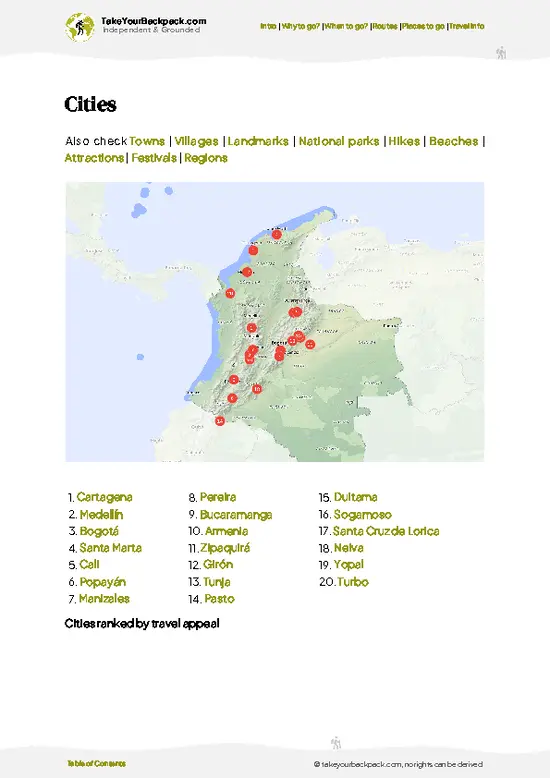
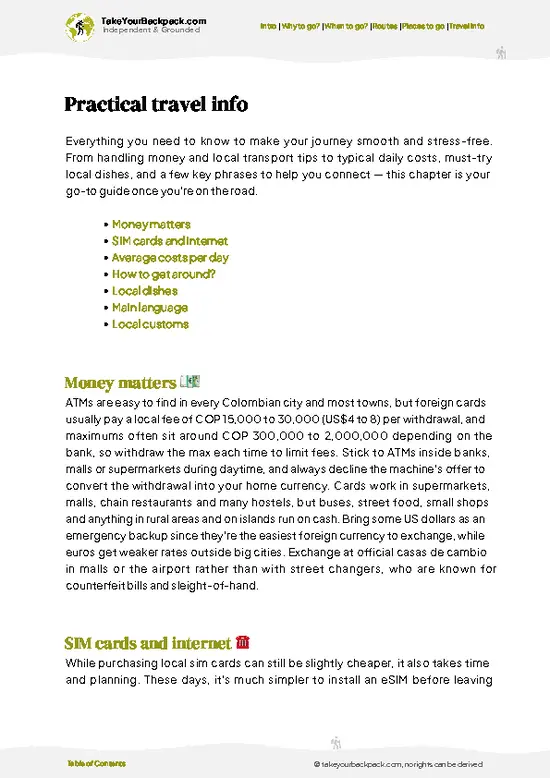
example page 0 from our offline Travel Guide for Colombia
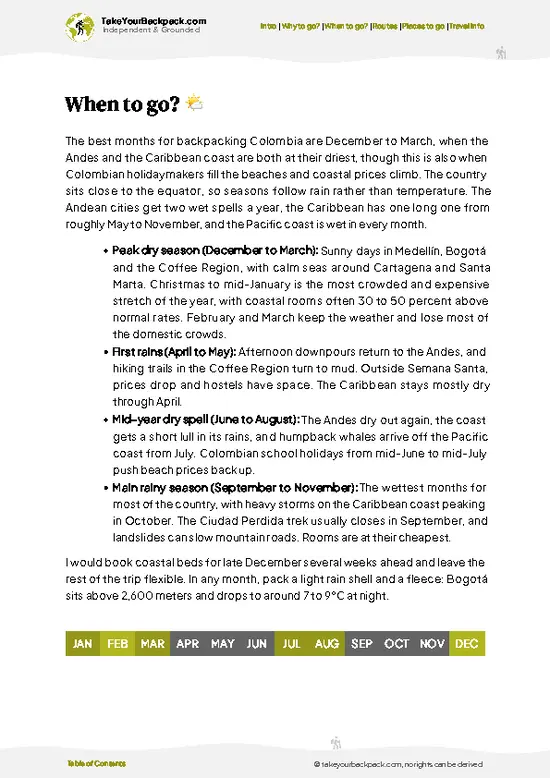
example page 1 from our offline Travel Guide for Colombia
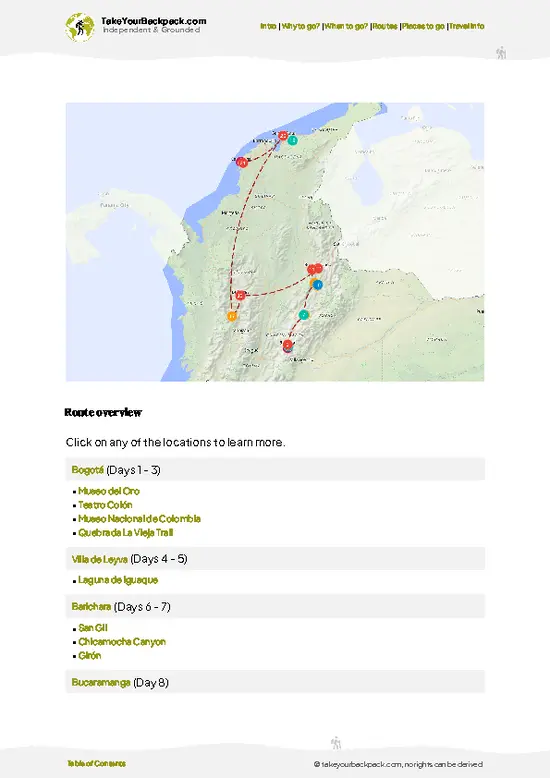
example page 2 from our offline Travel Guide for Colombia
example page 3 from our offline Travel Guide for Colombia
example page 4 from our offline Travel Guide for Colombia
example page 5 from our offline Travel Guide for Colombia
example page 6 from our offline Travel Guide for Colombia
example page 7 from our offline Travel Guide for Colombia
The digital guide (464 pages) contains:
122 highlights, ranked by travel appeal
Optimized 7, 14 & 21-day travel routes
Cities, national parks, landmarks, beaches
How to get around
Offline-friendly for travel without Wi-Fi
👉 Click to see all 30+ guide features

📅 Plan smarter in minutes, not weeks
Month by month travel advice
Festivals & national holidays
Budget expectations

🗺️ Go to the right places, skip the overrated ones
Honest pros & cons of destinations
Top hikes, parks & viewpoints
Lesser-known places most travelers miss
Clear “worth it vs skip it” guidance

🛏️ Travel smoothly without rookie mistakes
Best areas to stay
Transport systems explained simply
Common scams & safety advice
SIM cards, money & practical tips

🌍 Understand the country, not just visit it
Culture & traditions
52 Essential phrases & customs
Festivals worth planning around
Traveler-friendly historical context
Insights that make places more meaningful

📱 Built for real travel conditions
Fully downloadable PDF
Works completely offline
Optimized for phone use
Useful in remote areas & buses
Everything in one place
Save weeks of stressful planning
Get instant access to your full guide. 30‑day money-back guarantee.


By proceeding you agree to our terms.
Sent to your inbox immediately after payment • 100% Secure Checkout
Best Backpacking Travel Advisor 2025 tourism awardBest Backpacking
Travel Advisor
2025
What others say about Take Your Backpack Guides:
⭐⭐⭐⭐⭐
Fantastic, amazing amount of information!
⭐⭐⭐⭐⭐
My goodness this is amazing, it's what I've been looking for hats off too you!
⭐⭐⭐⭐⭐
I think this is absolutely BRILLIANT
⭐⭐⭐⭐
Very complete and informative. It's still missing places, but I gotta to commend you
⭐⭐⭐⭐⭐
This is truly amazing, thank you, can't wait to explore it with my kids!
⭐⭐⭐⭐⭐
Awesome resource, thank you!
⭐⭐⭐⭐⭐
This is amazing! Can't wait to explore the ones I haven't seen
⭐⭐⭐⭐
I love this! Well done, great idea.
⭐⭐⭐⭐⭐
Thanks for taking the time to make this gem!
⭐⭐⭐⭐⭐
This might be the best website I've ever seen.
⭐⭐⭐⭐⭐
Congratulations, and thank you so much for your work; it's incredibly valuable.
⭐⭐⭐⭐
In all seriousness I think you did a great job pointing out the important spots
⭐⭐⭐⭐⭐
10/10 very good
⭐⭐⭐⭐⭐
As someone who's only just starting to visit regularly this is awesome, thank you.
⭐⭐⭐⭐
Thank you very much! I'm going to visit my dad, it's going to be very useful!
⭐⭐⭐⭐⭐
This is really cool! We'll be travelling for the first time and this definitely come in handy.
⭐⭐⭐⭐⭐
You are now our minister of culture, congratulations 👨‍💼
⭐⭐⭐⭐⭐
Just wanted to tell you that this is a pearl! Going to follow your recommendations.
⭐⭐⭐⭐⭐
This is so cool. I'll definitely be using the resource for my travels soon.
⭐⭐⭐⭐⭐
This is very impressive! Good work.
⭐⭐⭐⭐⭐
This is an amazing and informative site. Very well done!

🛏️ Where to stay?Where staying makes the most sense

Monguí’s charm isn’t just in its cobblestone streets or the crisp mountain air—it’s in how you live the village. For backpackers, staying in the heart of town is non-negotiable. The best spots are small hostels and guesthouses clustered around the main plaza. These places put you steps away from the morning market’s earthy scent of fresh bread and the sharp tang of local cheese, which Monguí is famous for.

Why stay here? Because Monguí’s magic happens when you’re part of the daily rhythm—watching artisans hammer leather, hearing church bells echo off the Andes, and catching the golden hour light … read more 👉
Monguí’s charm isn’t just in its cobblestone streets or the crisp mountain air—it’s in how you live the village. For backpackers, staying in the heart of town is non-negotiable. The best spots are small hostels and guesthouses clustered around the main plaza. These places put you steps away from the morning market’s earthy scent of fresh bread and the sharp tang of local cheese, which Monguí is famous for.

Why stay here? Because Monguí’s magic happens when you’re part of the daily rhythm—watching artisans hammer leather, hearing church bells echo off the Andes, and catching the golden hour light spill over red-tiled roofs. Hostels like Casa de la Villa or Hostal El Mirador offer dorm beds and private rooms with a view, but more importantly, they have communal kitchens and shared spaces where you’ll swap stories with fellow travelers and locals alike.

If you try to camp out on the outskirts or book a hotel far from the plaza, you miss the pulse. The village feels quieter, colder, and less alive. Plus, transport options are limited, and you’ll waste time and money on taxis or long walks. Staying central means you can walk everywhere—cafés, cheese shops, the cable car to the páramo—and soak in Monguí’s atmosphere without the hassle. It’s not just about convenience; it’s about stepping into the village’s story, one cobble at a time.

🚌 Getting aroundGetting around like a local

Monguí moves at the pace of its cobblestones—steady, deliberate, and a little unpredictable. The town’s rhythm isn’t dictated by strict timetables but by the sun’s climb and the chatter spilling from its plazas. Here, the air carries a crisp mountain chill, mingled with the scent of fresh bread and wood smoke, setting a scene where every step feels like a small discovery. You won’t find a chaotic rush or a rigid schedule; instead, you’ll navigate a blend of old-school intuition and the occasional burst of local hustle. Understanding this flow means embracing a travel style that’s flexible but informed—knowing when to wait and when to move fast, and how to blend into the town’s natural pulse without missing the moments that make Monguí special.


  • Walking: The heart of Monguí is best explored
read more 👉
Monguí moves at the pace of its cobblestones—steady, deliberate, and a little unpredictable. The town’s rhythm isn’t dictated by strict timetables but by the sun’s climb and the chatter spilling from its plazas. Here, the air carries a crisp mountain chill, mingled with the scent of fresh bread and wood smoke, setting a scene where every step feels like a small discovery. You won’t find a chaotic rush or a rigid schedule; instead, you’ll navigate a blend of old-school intuition and the occasional burst of local hustle. Understanding this flow means embracing a travel style that’s flexible but informed—knowing when to wait and when to move fast, and how to blend into the town’s natural pulse without missing the moments that make Monguí special.


  • Walking: The heart of Monguí is best explored on foot. The cobblestone streets and narrow alleys invite slow wandering, with most key sights within a 15-20 minute stroll. Walking costs nothing and lets you soak in the scent of pine and fresh pastries wafting from local bakeries, plus the sound of church bells marking the hour.


  • Local Buses: These are the budget traveler’s lifeline for reaching nearby villages or the bus terminal. They run roughly from 6:00 AM to 7:00 PM, with fares around 1,500 COP (less than $0.50). Expect basic comfort—wooden benches and open windows—but the views of rolling hills and farmland make the ride part of the experience.


  • Shared Taxis (Colectivos): For faster trips to places like Duitama or Sogamoso, colectivos offer a middle ground between bus and private taxi. They leave when full, so timing is flexible but unpredictable. Prices hover around 10,000-15,000 COP ($2.50-$4), and the ride takes about 45 minutes, cutting through mountain roads with sharp turns and expansive vistas.


  • Private Taxis: If you’re short on time or traveling in a group, private taxis provide door-to-door service. Expect to pay around 40,000 COP ($10) for a trip to Duitama. Negotiation is key—agree on the fare before you hop in. The comfort is higher, with a chance to control your schedule, but it’s the priciest option.


  • Bicycle Rentals: For the adventurous, renting a bike is a fantastic way to cover more ground while staying close to the landscape. Rentals cost about 20,000 COP ($5) per day. The terrain is hilly, so be ready for some sweat, but the fresh mountain air and freedom to stop anywhere make it worth the effort.

👛 Costs (as of 30 July 2026)What things cost and how to budget

Backpacking in Monguí, Colombia, offers a charming blend of colonial vibes and mountain air, but knowing the daily costs helps you move through the town with ease and confidence.
  • Dorm Accommodation: Expect to pay around $8 to $15 USD per night for a bed in a basic hostel dorm. Monguí’s hostels are simple but clean, often with shared bathrooms and a rustic feel that matches the town’s old-world charm.
  • Meals: Local eateries serve hearty, traditional meals for about $3 to $6 USD. Breakfasts are often fresh arepas or tamales with coffee, while lunch or dinner might include trout or hearty soups, filling enough to fuel your mountain walks without breaking the bank.
  • Local Transport: Monguí is small enough to explore mostly on foot, but if you need a short taxi ride, it’ll cost around $1 to $2
read more 👉
Backpacking in Monguí, Colombia, offers a charming blend of colonial vibes and mountain air, but knowing the daily costs helps you move through the town with ease and confidence.
  • Dorm Accommodation: Expect to pay around $8 to $15 USD per night for a bed in a basic hostel dorm. Monguí’s hostels are simple but clean, often with shared bathrooms and a rustic feel that matches the town’s old-world charm.
  • Meals: Local eateries serve hearty, traditional meals for about $3 to $6 USD. Breakfasts are often fresh arepas or tamales with coffee, while lunch or dinner might include trout or hearty soups, filling enough to fuel your mountain walks without breaking the bank.
  • Local Transport: Monguí is small enough to explore mostly on foot, but if you need a short taxi ride, it’ll cost around $1 to $2 USD. For longer trips to nearby towns, shared jeeps or buses run about $3 to $5 USD.
  • Basic Activities/Entry Fees: Visiting the famous Monguí balloon festival or the local crafts markets is free, but guided tours or entry to certain workshops can range from $5 to $10 USD. The real cost here is your time soaking in the atmosphere and watching artisans at work.
  • Miscellaneous Expenses: Bottled water, snacks, or a coffee from a local café will set you back about $1 to $2 USD. If you want to pick up some local crafts or souvenirs, budget an extra $5 to $10 USD depending on your taste.

All told, you’re looking at roughly $20 to $40 USD per day to cover the essentials without cutting corners. Monguí’s pace and scale mean you won’t need to rush or overspend to enjoy it fully—just bring a bit of patience for the slower rhythm and a readiness to savor simple, authentic moments.


source: colombia.travel
⚠️ Prices can change and everyone travels differently, so take this as a rough guide. Hope it helps you plan your adventure!

🚌 Day tripsWhere to go beyond the main area

Monguí, Colombia, is a backpacker’s dream base, offering easy access to stunning landscapes and rich culture. Here are some day trips that will elevate your experience.

El Cocuy National Park
Just a couple of hours from Monguí, El Cocuy National Park is a must for those craving breathtaking mountain views. The park is a paradise for hikers, with trails that lead you through glacial valleys and past vibrant flora. Expect to spend around 30,000 COP on transport, and pack a lunch to enjoy amidst the peaks. The best time to visit is during the dry season, from June to September, when the skies are clearer. A common mistake? Underestimating the altitude; acclimatize before you go to avoid headaches. 👉 Explore Monguí

Laguna de la Plaza
This stunning lake, about an hour away, is a serene escape. … read more 👉
Monguí, Colombia, is a backpacker’s dream base, offering easy access to stunning landscapes and rich culture. Here are some day trips that will elevate your experience.

El Cocuy National Park
Just a couple of hours from Monguí, El Cocuy National Park is a must for those craving breathtaking mountain views. The park is a paradise for hikers, with trails that lead you through glacial valleys and past vibrant flora. Expect to spend around 30,000 COP on transport, and pack a lunch to enjoy amidst the peaks. The best time to visit is during the dry season, from June to September, when the skies are clearer. A common mistake? Underestimating the altitude; acclimatize before you go to avoid headaches. 👉 Explore Monguí

Laguna de la Plaza
This stunning lake, about an hour away, is a serene escape. The hike to Laguna de la Plaza is moderately challenging, taking around 2-3 hours, but the reward is a tranquil spot surrounded by towering mountains. Bring a small picnic and enjoy the peaceful atmosphere. The trip costs about 20,000 COP for transport. Aim for early morning to catch the sunrise reflecting off the water. Many first-timers miss the trailhead; look for the small sign near the village. 👉 Explore Monguí

Chicamocha Canyon
A bit further afield, but worth every minute of the 3-hour journey, Chicamocha Canyon offers jaw-dropping views and thrilling activities. You can hike, or if you’re feeling adventurous, try paragliding over the canyon for an adrenaline rush. Expect to spend around 50,000 COP for transport and entrance fees. The best time to visit is during the dry season, but avoid weekends to escape the crowds. A common pitfall? Not checking the weather; it can change quickly in the mountains. 👉 Explore Monguí

Puente de Boyacá
Just under two hours away, this historical site is where a pivotal battle for Colombian independence took place. The area is rich in history and offers beautiful landscapes for a leisurely stroll. Entrance is free, and you can grab a local snack for about 10,000 COP. Visit in the morning to avoid the heat and enjoy the peaceful ambiance. Many travelers overlook the small museum nearby, which adds depth to your visit. 👉 Explore Monguí
Want to know what more Colombia offers?
The Colombia Travel Guide describes 122 highlights, from cities to national parks, from beaches to hikes

Get the Travel Guide -

🛡️ SafetySafety Tips and Common Scams in Monguí

Monguí feels safe in a way that invites you to slow down and breathe in the crisp mountain air without second-guessing every step. The town’s cobblestone streets and colonial charm don’t hide petty annoyances, but they’re easy to navigate with a bit of street smarts. Keep an eye on your belongings in crowded spots like the central plaza or local markets—pickpockets aren’t a headline here, but a distracted backpacker can lose a wallet faster than they expect. Solo travelers should feel comfortable wandering during daylight; the town’s quiet vibe means fewer distractions but also fewer passersby after dark. Stick to well-lit, populated areas if you’re out late, and avoid the outskirts where street lighting thins out. Monguí doesn’t have a reputation for scams, but vendors might push souvenirs … read more 👉
Monguí feels safe in a way that invites you to slow down and breathe in the crisp mountain air without second-guessing every step. The town’s cobblestone streets and colonial charm don’t hide petty annoyances, but they’re easy to navigate with a bit of street smarts. Keep an eye on your belongings in crowded spots like the central plaza or local markets—pickpockets aren’t a headline here, but a distracted backpacker can lose a wallet faster than they expect. Solo travelers should feel comfortable wandering during daylight; the town’s quiet vibe means fewer distractions but also fewer passersby after dark. Stick to well-lit, populated areas if you’re out late, and avoid the outskirts where street lighting thins out. Monguí doesn’t have a reputation for scams, but vendors might push souvenirs with a bit of insistence—firm but polite refusals work best. Carry yourself with calm confidence, and you’ll find the town’s rhythm matches your own, making every moment feel earned rather than risky.

Other Colombian towns near Monguí

Explore more nearby:

  • Villa de Leyva—Vast plaza, fossil sites, whitewashed streets| 76 km away
  • El Cocuy—Snow-capped peaks, mountain refuges, trekking routes| 88 km away
  • Ráquira—Pottery workshops, Andean village, artisan markets| 89 km away

💡 Not sure where to go next?
Create a personalized itinerary for Colombia including Monguí and the places that fit your trip.

Generate my itinerary

👉 Discover all towns

Or checkout all Colombia has to offer (think cities, towns, villages, national parks, hikes, beaches, festivals)
Country photo of Colombia

We 💚 feedbackParting advice and final tips

Monguí’s cobblestone streets and vibrant local markets pulse with life, offering a genuine taste of Colombian culture. The aroma of fresh arepas fills the air, inviting you to linger. But be prepared: the altitude can hit hard if you’re not acclimated. Take it slow, sip some cocoa tea, and let the village charm work its magic. It’s a small price for a slice of authenticity that feels like a warm embrace.

✈️ When did I visit Colombia?
Did a good 3-week trip around Colombia in August 2014.

✍️ Help improve this page!
The information on this page is based on my own backpacking experience in Colombia, supplemented with up-to-date research and feedback from other travelers. Travel details can change, so if you notice anything outdated or incomplete, feel free to let me know.


🙋‍♂️ Give feedback

👋 Meet the founderWho’s Behind Take Your Backpack?

Johan, backpacker and founder of TakeYourBackpackHi, I’m Johan (Netherlands 🇳🇱), the creator of TakeYourBackpack. Over the past decade, I’ve backpacked through 80+ countries across six continents, gaining extensive experience with independent travel, long-term trips, and overland routes.

This site is built on a combination of firsthand travel experience and carefully curated insights from other backpackers. Many guides are based on places I’ve personally visited, while others bring together tips, observations, and practical advice shared by trusted travelers I’ve met along the way.

The goal is to provide realistic, experience-driven guidance — not generic itineraries — so you can explore destinations with better context, clearer expectations, and more confidence.

Get full Colombia guide •
Instant download • 122 highlights • Full Offline guide