v2.webp)
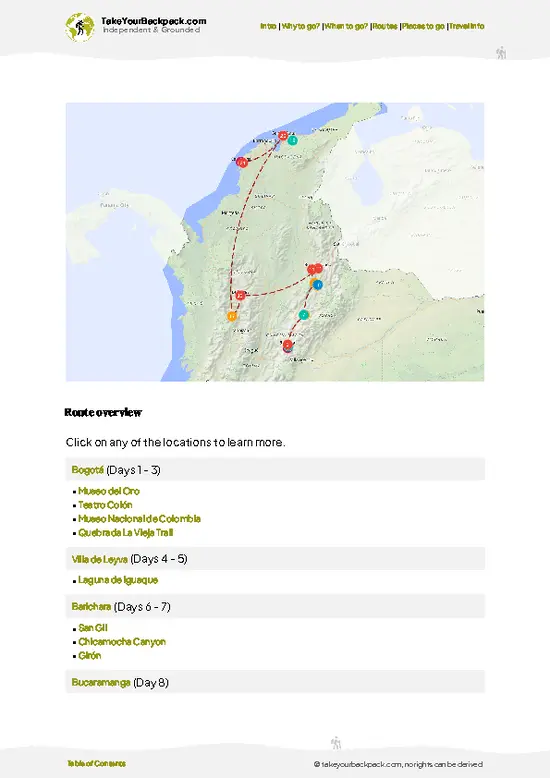
- Lagos de Tarapoto: A lake system reached by boat where pink and gray dolphins surface and birds are plentiful. Go at dawn or late afternoon. Guided trips cost roughly US$25 to 45 per person, 4 to 6 hours.
- Mirador Naipata: A tall wooden tower rising above the town’s treetops with a wide view of the forest and the Amazon. Late afternoon is best. Entry is about US$1 to 2, 30 minutes.
- Fundación Natütama: A small center focused on manatee rescue and Amazon conservation, with a visitor area. Morning is best. Donations or entry run about US$2 to 5, 1 hour.
- Parque Ecológico Nariño: Elevated plank walkways and paths through green space in the middle of the town, handy for midday heat. Free, 30 to 45 minutes.
- Mirador and ethnographic exhibits of Ticuna culture: Visit the community handicraft shops along
- Lagos de Tarapoto: A lake system reached by boat where pink and gray dolphins surface and birds are plentiful. Go at dawn or late afternoon. Guided trips cost roughly US$25 to 45 per person, 4 to 6 hours.
- Mirador Naipata: A tall wooden tower rising above the town’s treetops with a wide view of the forest and the Amazon. Late afternoon is best. Entry is about US$1 to 2, 30 minutes.
- Fundación Natütama: A small center focused on manatee rescue and Amazon conservation, with a visitor area. Morning is best. Donations or entry run about US$2 to 5, 1 hour.
- Parque Ecológico Nariño: Elevated plank walkways and paths through green space in the middle of the town, handy for midday heat. Free, 30 to 45 minutes.
- Mirador and ethnographic exhibits of Ticuna culture: Visit the community handicraft shops along the main paths for woven fibers and carved wood. Mornings are calmer. Items start around US$3, 1 hour.
Spotted a mistake or missing something? Contact us.

Plan Immersion 5 days 4 nights Leticia Amazonas

Plan Amazonas Full Extreme 5 days 4 nights Leticia Amazonas

5-Day Author’s Amazon: Private Trek&Kayak Immersion (Best Seller)

6-Day Amazon Odyssey: Private Amacayacu Ancestral Expedition

Coya Amazon Jungle Tour

Leticia Safari 2 Days and 1 Night of Jungle and River in Floating House

Amazon Experience 4 Days 3 Nights

Extreme Calderon

Tour Río Amazonas indigenous communities Mico Island and Puerto Nariño


 Best Backpacking
.jpg) Hi, I’m Johan (Netherlands 🇳🇱), the creator of TakeYourBackpack. Over the past 3 decades, I’ve backpacked through 90+ countries across six continents, gaining extensive experience with independent travel, long-term trips, and overland routes.
Hi, I’m Johan (Netherlands 🇳🇱), the creator of TakeYourBackpack. Over the past 3 decades, I’ve backpacked through 90+ countries across six continents, gaining extensive experience with independent travel, long-term trips, and overland routes.