v2.webp)
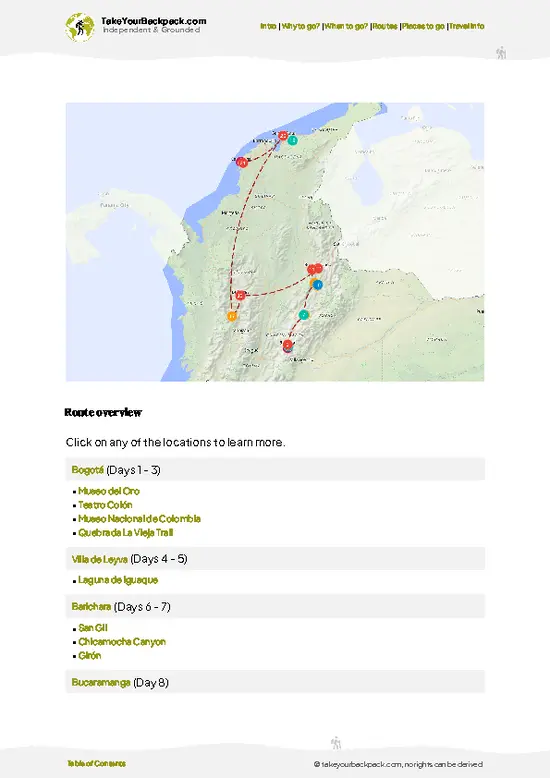
- Plaza de Nariño: the main square, ringed by the cathedral and old government buildings. Come in the late afternoon when locals gather. Free, 30 minutes.
- Museo del Oro Nariño: a small gold museum with pre-Columbian pieces from the Quillacinga and Pasto peoples, set in a restored colonial house. Entry is free or very cheap, about 45 minutes.
- Iglesia de San Juan Bautista: a colonial church famed for its painted ceiling and gilded altars. Visit in the morning, free, 20 minutes.
- Templo de Cristo Rey: a church in a quiet corner with striking woodwork and stained glass. Free, 20 minutes.
- Mercado El Potrerillo: the busiest market, for fruit, cheeses, cooked lunches and sugar-cane juice. Go in the morning, spend US$2 to 5, about an hour.
- Parque Infantil and Plaza del Carnaval: the city center for the Blacks
- Plaza de Nariño: the main square, ringed by the cathedral and old government buildings. Come in the late afternoon when locals gather. Free, 30 minutes.
- Museo del Oro Nariño: a small gold museum with pre-Columbian pieces from the Quillacinga and Pasto peoples, set in a restored colonial house. Entry is free or very cheap, about 45 minutes.
- Iglesia de San Juan Bautista: a colonial church famed for its painted ceiling and gilded altars. Visit in the morning, free, 20 minutes.
- Templo de Cristo Rey: a church in a quiet corner with striking woodwork and stained glass. Free, 20 minutes.
- Mercado El Potrerillo: the busiest market, for fruit, cheeses, cooked lunches and sugar-cane juice. Go in the morning, spend US$2 to 5, about an hour.
- Parque Infantil and Plaza del Carnaval: the city center for the Blacks and Whites Carnival (early January), with painted floats and mural work. Free, 30 minutes.
- Mirador de Aranda and Cerro Morasurco: a viewpoint over the valley toward Galeras. Go late afternoon, free, 1 hour, taxi advised.
Spotted a mistake or missing something? Contact us.


 Best Backpacking
.jpg) Hi, I’m Johan (Netherlands 🇳🇱), the creator of TakeYourBackpack. Over the past 3 decades, I’ve backpacked through 90+ countries across six continents, gaining extensive experience with independent travel, long-term trips, and overland routes.
Hi, I’m Johan (Netherlands 🇳🇱), the creator of TakeYourBackpack. Over the past 3 decades, I’ve backpacked through 90+ countries across six continents, gaining extensive experience with independent travel, long-term trips, and overland routes.