v2.webp)
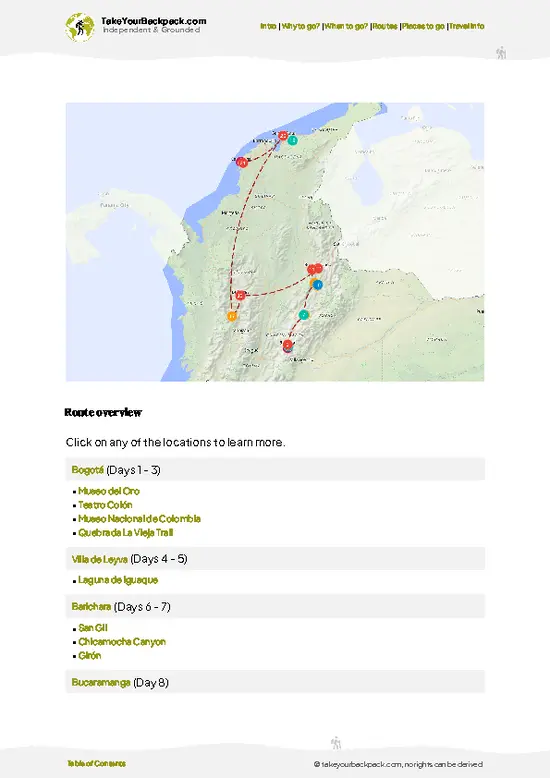
- Tuesday Market: the reason to come. Misak and Nasa families sell produce, wool, hats and livestock around the main plaza. Arrive by 7:00 AM, before the crowds peak at mid-morning. Free to wander, allow 2 to 3 hours.
- Plaza Principal and Church: the plain central square and its church are where the market spills out. Best in early morning light. Free, 30 minutes.
- Misak Weaving Workshops: local artisans sell hand-woven ruanas, bags and belts, often with a chance to see the looms at work. Visit on market day or by arrangement. Prices run roughly US$10 to 40 per piece, 45 minutes.
- Mirador Viewpoints above town: a short climb gives views over red-tiled roofs and the green valley. Go in the morning before clouds build. Free, about 1 hour round trip.
- Misak Community Visit: guided visits to nearby Misak
- Tuesday Market: the reason to come. Misak and Nasa families sell produce, wool, hats and livestock around the main plaza. Arrive by 7:00 AM, before the crowds peak at mid-morning. Free to wander, allow 2 to 3 hours.
- Plaza Principal and Church: the plain central square and its church are where the market spills out. Best in early morning light. Free, 30 minutes.
- Misak Weaving Workshops: local artisans sell hand-woven ruanas, bags and belts, often with a chance to see the looms at work. Visit on market day or by arrangement. Prices run roughly US$10 to 40 per piece, 45 minutes.
- Mirador Viewpoints above town: a short climb gives views over red-tiled roofs and the green valley. Go in the morning before clouds build. Free, about 1 hour round trip.
- Misak Community Visit: guided visits to nearby Misak territory introduce the Namuy Misak language, dress and farming. Book through a local guide, typically US$15 to 30, 2 to 3 hours.
Spotted a mistake or missing something? Contact us.

Horseback Riding Tour and visit to Tablón, Chaquira, Pelota and Purutal

Private Guided Tour in The Archaeological Park

Private Tour in an Authentic, Ecological Local Coffee Finca.

Private Jeep Tour to the Surroundings of San Agustín

Mountain bike route through San Agustín and its surroundings

Magdalena Strait Route

Private Experience at the Gate of the Colombian Massif

Private Guided Rafting on Magdalena River

Hidden waterfall route


 Best Backpacking
.jpg) Hi, I’m Johan (Netherlands 🇳🇱), the creator of TakeYourBackpack. Over the past 3 decades, I’ve backpacked through 90+ countries across six continents, gaining extensive experience with independent travel, long-term trips, and overland routes.
Hi, I’m Johan (Netherlands 🇳🇱), the creator of TakeYourBackpack. Over the past 3 decades, I’ve backpacked through 90+ countries across six continents, gaining extensive experience with independent travel, long-term trips, and overland routes.