



×

Cook Islands🇨🇰 | villagesTitikaveka Villagecoral lagoon, traditional churches, quiet coastal road, village homestays | things to do and best time to go

Explore MuriExplore Arutanga

Backpacking in Titikaveka Village
👍 Recommendedvillage ranked #2
By Johan Kruseman 🇳🇱 | Updated May 24, 2026

Years ago, Titikaveka felt like a sleepy string of family homes and church lawns where the loudest thing on a Sunday was the choir and the odd rooster; now you still get that soft, salt-heavy air and lagoon hush, but with more guesthouses tucked behind hibiscus hedges and paddleboards stacked on the sand. It sits on Rarotonga’s south coast in the Cook Islands, a quieter stretch than Muri to the east or Avarua up north, with the lagoon here feeling wider, clearer, and less busy. For backpackers, Titikaveka works best as a low-key base for lagoon time and slow days rather than a “scene.” You ride the island bus, hop off by the church or one of the beach access tracks, and then you’re on foot. Nights are calm, a couple of cafés and takeaway spots instead of bars, so it’s easier to meet other travelers in small beach stays than in hostels. Costs are mid-range by Pacific-island standards, safer and more relaxed than Avarua, and more about reef, reef fish, and long swims than nightlife or errands.

Discover everything you want to know in the 📖 Cook Islands Travel Guide.
Loading the map 🌍
CLICK TO FILTER
towns
villages
landmarks
national parks
hikes
beaches
attractions
festivals
SHOW COUNTRY’S BESTSHOW ALL

✨ Why go?
Ranked #2 village in Cook Islands
What makes it a must-see village

Titikaveka Village is a backpacker’s haven in the Cook Islands, perfectly positioned for those who crave both adventure and community. Its walkable streets make it easy to explore, with local food stalls serving up fresh fish and tropical fruits that burst with flavor. You’ll find a mix of small-scale hostels and guesthouses, fostering a friendly atmosphere where solo travelers and small groups can easily connect.

The village is a gateway to nearby hikes, like the trek to the lush interior or the stunning coastal paths that offer breathtaking views. The beaches here are less crowded, inviting you to unwind or dive into the crystal-clear waters. Many backpackers linger for a few days, soaking in the laid-back vibe, while others use it as a brief stopover before heading to more remote areas. … read more 👉
Titikaveka Village is a backpacker’s haven in the Cook Islands, perfectly positioned for those who crave both adventure and community. Its walkable streets make it easy to explore, with local food stalls serving up fresh fish and tropical fruits that burst with flavor. You’ll find a mix of small-scale hostels and guesthouses, fostering a friendly atmosphere where solo travelers and small groups can easily connect.

The village is a gateway to nearby hikes, like the trek to the lush interior or the stunning coastal paths that offer breathtaking views. The beaches here are less crowded, inviting you to unwind or dive into the crystal-clear waters. Many backpackers linger for a few days, soaking in the laid-back vibe, while others use it as a brief stopover before heading to more remote areas.

This isn’t a party town; it’s for those who appreciate slow travel and the chance to engage with the local culture. If you’re looking for a place that balances relaxation with exploration, Titikaveka Village is your spot. Just remember, the beauty here is earned through the simple joys of connection and discovery.
Want to include Titikaveka Village in your Cook Islands route?
Create a personalized Cook Islands itinerary that includes Titikaveka Village and the places that fit your trip — based on your travel style, budget, and available time. Get your route in seconds.

Generate my trip

💡 HighlightsThe experiences that define the visit

  • Titikaveka Public Beach — a long, sandy southern shore with a shallow lagoon and fringing reef; perfect for swimming at low tide, watching dramatic sunsets, and getting a feel for everyday village beach life.
  • Titikaveka Church (Cook Islands Christian Church) — the village’s main church and a social anchor; visiting a service or admiring the carved and painted interior gives real insight into local faith, music, and community rhythms.
  • Village Green & Community Hall — where sports, meetings, and turf-roots events happen; drop by and you’ll often find kids playing, church functions, or someone ready to tell stories about family and land.
  • Coastal walking path through the coconut groves — a short, flat stroll that links small beach access points and gives a taste of the island’s vegetation,
read more 👉
  • Titikaveka Public Beach — a long, sandy southern shore with a shallow lagoon and fringing reef; perfect for swimming at low tide, watching dramatic sunsets, and getting a feel for everyday village beach life.
  • Titikaveka Church (Cook Islands Christian Church) — the village’s main church and a social anchor; visiting a service or admiring the carved and painted interior gives real insight into local faith, music, and community rhythms.
  • Village Green & Community Hall — where sports, meetings, and turf-roots events happen; drop by and you’ll often find kids playing, church functions, or someone ready to tell stories about family and land.
  • Coastal walking path through the coconut groves — a short, flat stroll that links small beach access points and gives a taste of the island’s vegetation, local homes, and open-air life away from resorts.
  • Snorkel entry at the Titikaveka reef — an easily reachable reef edge popular with locals for quick snorkels and catching sightings of reef fish and turtles when conditions are calm.
  • Local roadside stalls and bakeries — small, real places where you can grab fresh bread, coconut treats, or a plate lunch; food here is simple, affordable, and a good way to meet people and try home-style flavors.
  • Fishermen’s launch points — modest boat ramps and rocky points where local fishers sort gear and land catches; watching or chatting with them connects you to the island’s fishing traditions and daily economy.
  • Small artisan spots and home weavers — Titikaveka has locals who weave mats, make jewellery, or sew tivaevae (quilts); seeking them out supports craft skills passed down through families and you’ll often get a demo and a story.
  • Titikaveka cemetery and family gravesites — modest, well-kept plots that tell local histories and genealogies; with respect and quiet, you can learn about chiefly lines and community memory tied to the land.
  • Community fono or church gatherings (when held) — not a single fixed “attraction,” but attending a public meeting, Sunday service, or village celebration offers the most authentic cultural exchange you’ll find in Titikaveka.
A few real, visitable highlights just outside Titikaveka worth day-tripping to are Muri Beach (for lagoon swimming and restaurants), Avarua town and its market, and the Cross-Island Track/Te Rua Manga (The Needle) for inland hiking.
Spotted a mistake or missing something? Contact us.

Things to do around Titikaveka Village

Ratings based on Tripadvisor reviews. When you book through this link, you support our work at no extra cost to you.

⌛️ 1 day1-day itinerary for Titikaveka Village

Titikaveka Village, nestled on the southern coast of Rarotonga, is a slice of paradise where the turquoise lagoon meets lush greenery. It’s a place where the rhythm of life slows down, inviting you to savor every moment. The village is known for its friendly locals, vibrant culture, and stunning natural beauty, making it a perfect spot for a day of exploration.

Start your morning with a stroll along the beach. The soft sand beneath your feet and the gentle sound of waves create a serene backdrop. Grab a fresh coconut from a local vendor; the sweet, cool water is a refreshing way to kick off your day. As you sip, take in the scent of frangipani wafting through the air, mingling with the salty breeze.

Afterward, head to the nearby Titikaveka Market. This isn’t just a place to shop; it’s a … read more 👉
Titikaveka Village, nestled on the southern coast of Rarotonga, is a slice of paradise where the turquoise lagoon meets lush greenery. It’s a place where the rhythm of life slows down, inviting you to savor every moment. The village is known for its friendly locals, vibrant culture, and stunning natural beauty, making it a perfect spot for a day of exploration.

Start your morning with a stroll along the beach. The soft sand beneath your feet and the gentle sound of waves create a serene backdrop. Grab a fresh coconut from a local vendor; the sweet, cool water is a refreshing way to kick off your day. As you sip, take in the scent of frangipani wafting through the air, mingling with the salty breeze.

Afterward, head to the nearby Titikaveka Market. This isn’t just a place to shop; it’s a sensory experience. The vibrant colors of tropical fruits and handmade crafts are a feast for the eyes. Engage with the locals, who are eager to share stories and recommendations. This market is often overlooked by tourists, but it’s a genuine slice of daily life here.

In the afternoon, make your way to the famous Muri Lagoon, just a short drive away. Rent a kayak and paddle through the crystal-clear waters, where you can spot colorful fish darting beneath the surface. The sun glistens on the water, creating a magical atmosphere. If you’re feeling adventurous, take a guided snorkeling tour to explore the coral reefs.

As the day winds down, return to Titikaveka for a sunset dinner at a local eatery. The aroma of grilled fish fills the air as you enjoy a meal with your toes in the sand. The sky transforms into a canvas of oranges and purples, a perfect end to your day.

Titikaveka isn’t just a stop on your journey; it’s a place that invites you to connect with its spirit, making every moment feel like a reward.
Turn your Titikaveka Village visit into an Cook Islands adventure
Build a complete Cook Islands route with Titikaveka Village, hidden gems, must-see destinations, and realistic travel times included.

Generate my trip

🌤️ When to go?Best time to visit Titikaveka Village


  • Topic: Weather – The sweet spot is the dry season, May to October. Expect clear skies and less humidity, making the air feel crisp and the ocean inviting. Avoid the wet season (November to April), when heavy rains can turn trails muddy and skies gray.

  • Topic: Temperature – Daytime temps hover between 24°C and 29°C (75°F to 84°F) year-round, but the dry season offers a more comfortable warmth without the sticky heat that clings in summer months.

  • Topic: Daylight Hours – Near the equator, daylight is steady, about 11 to 12 hours daily. This consistency means you can plan hikes and beach time without worrying about early sunsets cutting your adventures short.

  • Topic: Crowds – Peak tourist influx aligns with the dry season and school holidays, especially July and August. Visiting shoulder
read more 👉

  • Topic: Weather – The sweet spot is the dry season, May to October. Expect clear skies and less humidity, making the air feel crisp and the ocean inviting. Avoid the wet season (November to April), when heavy rains can turn trails muddy and skies gray.

  • Topic: Temperature – Daytime temps hover between 24°C and 29°C (75°F to 84°F) year-round, but the dry season offers a more comfortable warmth without the sticky heat that clings in summer months.

  • Topic: Daylight Hours – Near the equator, daylight is steady, about 11 to 12 hours daily. This consistency means you can plan hikes and beach time without worrying about early sunsets cutting your adventures short.

  • Topic: Crowds – Peak tourist influx aligns with the dry season and school holidays, especially July and August. Visiting shoulder months like May or September means quieter beaches and trails, letting you soak in the village’s pace without the buzz of groups.

  • Topic: Seasonal Activities – Cultural festivals and traditional dance performances often peak during the dry season, offering a richer, more immersive experience. The calmer seas also open up better snorkeling and kayaking conditions.

  • Topic: Price Fluctuations – Accommodation and flights spike during the dry season’s peak months. Booking in shoulder seasons can save you a tidy sum while still delivering excellent weather and fewer crowds.


Pro-tip: Aim for late May or early September to catch the best balance of weather, crowd size, and cost—when the light feels just right and the village breathes easy.


source: climatestotravel.comJANJanuary: fair for travelingFEBFebruary: fair for travelingMARMarch: fair for travelingAPRApril: fair for travelingMAYMay: highly recommended for travelingJUNJune: excellent for travelingJULJuly: highly recommended for travelingAUGAugust: highly recommended for travelingSEPSeptember: highly recommended for travelingOCTOctober: excellent for travelingNOVNovember: fair for travelingDECDecember: fair for traveling
cook-islands-city-titikaveka-village
© Google | Ajeesh Kilimanoor

✈️ The backpacker research shortcutCook Islands Travel Guide

An offline-friendly backpacking guide with optimized travel routes, ranked highlights, transport advice, and the best areas to stay.
example page 0 from our offline Travel Guide for Cook Islands
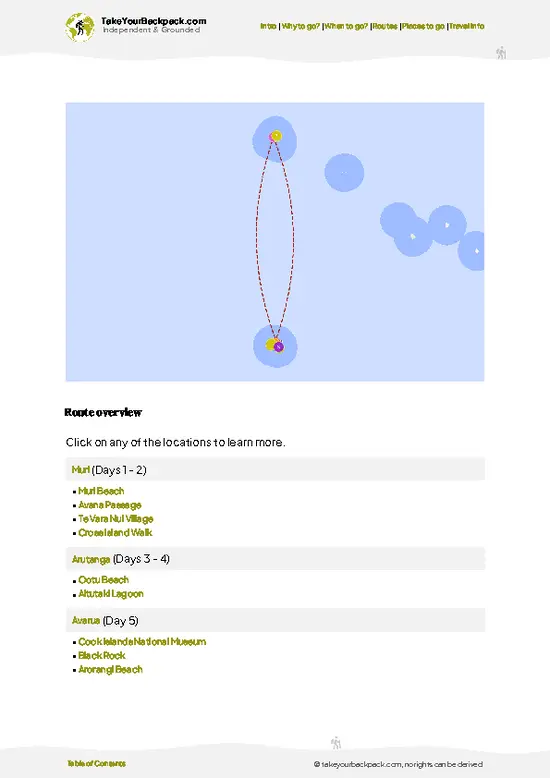
example page 1 from our offline Travel Guide for Cook Islands
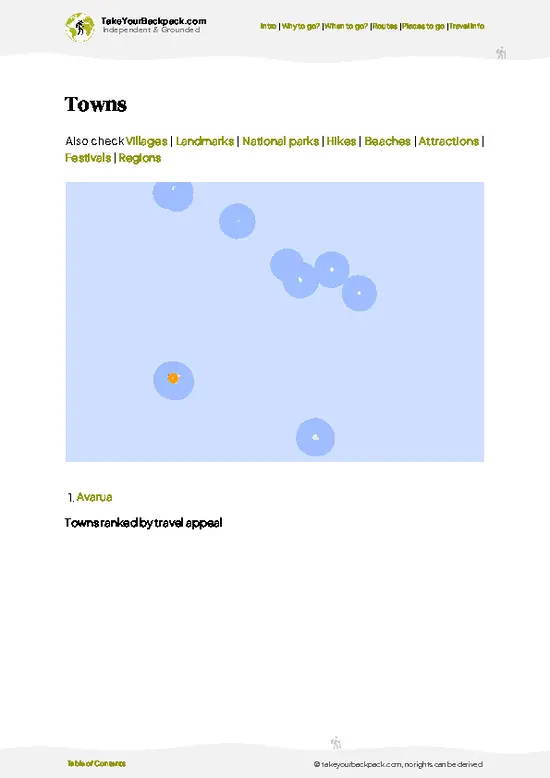
example page 2 from our offline Travel Guide for Cook Islands
example page 3 from our offline Travel Guide for Cook Islands
example page 4 from our offline Travel Guide for Cook Islands
example page 5 from our offline Travel Guide for Cook Islands
example page 6 from our offline Travel Guide for Cook Islands
example page 7 from our offline Travel Guide for Cook Islands
The digital guide (118 pages) contains:
27 highlights, ranked by travel appeal
Optimized 2, 3 & 5-day travel routes
Cities, national parks, landmarks, beaches
How to get around
Offline-friendly for travel without Wi-Fi
👉 Click to see all 30+ guide features

📅 Plan smarter in minutes, not weeks
Month by month travel advice
Festivals & national holidays
Budget expectations

🗺️ Go to the right places, skip the overrated ones
Honest pros & cons of destinations
Top hikes, parks & viewpoints
Lesser-known places most travelers miss
Clear “worth it vs skip it” guidance

🛏️ Travel smoothly without rookie mistakes
Best areas to stay
Transport systems explained simply
Common scams & safety advice
SIM cards, money & practical tips

🌍 Understand the country, not just visit it
Culture & traditions
52 Essential phrases & customs
Festivals worth planning around
Traveler-friendly historical context
Insights that make places more meaningful

📱 Built for real travel conditions
Fully downloadable PDF
Works completely offline
Optimized for phone use
Useful in remote areas & buses
Everything in one place
Save weeks of stressful planning
Get instant access to your full guide. 30‑day money-back guarantee.


By proceeding you agree to our terms.
Sent to your inbox immediately after payment • 100% Secure Checkout
Best Backpacking Travel Advisor 2025 tourism awardBest Backpacking
Travel Advisor
2025
What others say about Take Your Backpack Guides:
⭐⭐⭐⭐⭐
Fantastic, amazing amount of information!
⭐⭐⭐⭐⭐
My goodness this is amazing, it's what I've been looking for hats off too you!
⭐⭐⭐⭐⭐
I think this is absolutely BRILLIANT
⭐⭐⭐⭐
Very complete and informative. It's still missing places, but I gotta to commend you
⭐⭐⭐⭐⭐
This is truly amazing, thank you, can't wait to explore it with my kids!
⭐⭐⭐⭐⭐
Awesome resource, thank you!
⭐⭐⭐⭐⭐
This is amazing! Can't wait to explore the ones I haven't seen
⭐⭐⭐⭐
I love this! Well done, great idea.
⭐⭐⭐⭐⭐
Thanks for taking the time to make this gem!
⭐⭐⭐⭐⭐
This might be the best website I've ever seen.
⭐⭐⭐⭐⭐
Congratulations, and thank you so much for your work; it's incredibly valuable.
⭐⭐⭐⭐
In all seriousness I think you did a great job pointing out the important spots
⭐⭐⭐⭐⭐
10/10 very good
⭐⭐⭐⭐⭐
As someone who's only just starting to visit regularly this is awesome, thank you.
⭐⭐⭐⭐
Thank you very much! I'm going to visit my dad, it's going to be very useful!
⭐⭐⭐⭐⭐
This is really cool! We'll be travelling for the first time and this definitely come in handy.
⭐⭐⭐⭐⭐
You are now our minister of culture, congratulations 👨‍💼
⭐⭐⭐⭐⭐
Just wanted to tell you that this is a pearl! Going to follow your recommendations.
⭐⭐⭐⭐⭐
This is so cool. I'll definitely be using the resource for my travels soon.
⭐⭐⭐⭐⭐
This is very impressive! Good work.
⭐⭐⭐⭐⭐
This is an amazing and informative site. Very well done!

🛏️ Where to stay?Best areas to stay in Cook Islands

Titikaveka Village is a low-key spot where the real charm lies in its laid-back coastal rhythm. For backpackers, the best place to settle is along the southern shore, close to the main beach strip. This area is where you’ll find the few budget-friendly guesthouses and hostels that cater to solo travelers and small groups. It’s not a bustling hub, but that’s the point—the vibe here is quietly social, with a handful of travelers swapping stories over shared meals or beach bonfires under a sky so clear you can count stars like campfire sparks.

Staying near the beach means waking up to the scent … read more 👉
Titikaveka Village is a low-key spot where the real charm lies in its laid-back coastal rhythm. For backpackers, the best place to settle is along the southern shore, close to the main beach strip. This area is where you’ll find the few budget-friendly guesthouses and hostels that cater to solo travelers and small groups. It’s not a bustling hub, but that’s the point—the vibe here is quietly social, with a handful of travelers swapping stories over shared meals or beach bonfires under a sky so clear you can count stars like campfire sparks.

Staying near the beach means waking up to the scent of salt and frangipani, with easy access to the calm lagoon for swimming or snorkeling. It’s safe, with locals who are friendly but not intrusive, giving you space to breathe and connect on your terms. Compared to the village center, which is more residential and less geared toward visitors, this coastal stretch offers a better balance of convenience and community. You won’t find a party scene or crowded streets, but you will find a slow, steady pulse of genuine island life that’s perfect for recharging and meeting like-minded travelers without the touristy noise.

🚌 Getting aroundHow to get from A to B

Titikaveka Village moves at the rhythm of the ocean tides—unhurried, with a gentle pulse that resists the tyranny of clocks. The sun’s angle shifts slowly, casting long shadows over coral walls and palm fronds, while the scent of salt and frangipani drifts through the air. Here, time feels elastic; schedules exist but bend to the flow of daily life, where locals greet each other with a nod and a smile rather than a strict timetable. For a budget traveler, this means you’ll want to embrace a flexible mindset, blending patience with curiosity. The village’s charm isn’t in rushing from point A to B but in savoring the journey between, whether that’s a barefoot stroll or a shared ride in a local van.


  • Walking: The heart of Titikaveka is best explored on foot. The village is compact, with sandy
read more 👉
Titikaveka Village moves at the rhythm of the ocean tides—unhurried, with a gentle pulse that resists the tyranny of clocks. The sun’s angle shifts slowly, casting long shadows over coral walls and palm fronds, while the scent of salt and frangipani drifts through the air. Here, time feels elastic; schedules exist but bend to the flow of daily life, where locals greet each other with a nod and a smile rather than a strict timetable. For a budget traveler, this means you’ll want to embrace a flexible mindset, blending patience with curiosity. The village’s charm isn’t in rushing from point A to B but in savoring the journey between, whether that’s a barefoot stroll or a shared ride in a local van.


  • Walking: The heart of Titikaveka is best explored on foot. The village is compact, with sandy paths weaving between homes, shops, and the beach. Walking costs nothing, lets you soak in the scent of seaweed and hear the chatter of children playing, and offers the freedom to pause whenever something catches your eye. Expect 10-15 minutes to cross the main stretch, but allow extra time to wander.


  • Local Bus (Public Van): These vans run intermittently between Titikaveka and nearby towns like Avarua. They don’t follow a strict timetable—think “when full, they go.” Fares hover around NZD 2-3, making them the cheapest motorized option. Vans are often crowded and can be hot, but they offer a genuine slice of local life and a chance to chat with residents. First trips start around 7 AM, with the last around 6 PM.


  • Shared Taxis: Shared taxis operate on a flexible schedule and are a step up in comfort from the vans. They’re slightly pricier (NZD 5-7) but faster and air-conditioned, which is a blessing in the tropical heat. They’re perfect if you want to cover longer distances without the hassle of waiting for a full van. You’ll find them near the main road or can flag one down.


  • Bicycle Rentals: Renting a bike is a smart way to cover more ground without losing the intimacy of the village’s pace. Bikes cost around NZD 10-15 per day and let you explore nearby beaches and hidden coves at your own speed. The terrain is mostly flat, but watch for occasional sandy patches that can slow you down.


  • Motorbike Scooters: For those comfortable on two wheels, scooters offer speed and flexibility. Rentals run about NZD 20-30 per day. They’re ideal for early risers who want to catch the sunrise or late explorers chasing the golden hour light. Helmets are mandatory, and roads can be narrow and winding, so caution is key.

👛 Costs (as of 27 January 2026)What things cost and how to budget

Backpacking in Titikaveka Village, Cook Islands, means balancing the island’s laid-back vibe with the reality of its remote location, which nudges prices higher than you might expect for a small village.
  • Dorm Accommodation: Options here are limited and tend to be basic. Expect to pay around $25 to $40 USD per night for a dorm bed in a guesthouse or hostel. These places often have open-air designs, letting in the salty breeze and the scent of frangipani, but don’t expect luxury—think simple, clean, and functional.
  • Meals: Eating local is your best bet. A meal at a small café or market stall will run about $8 to $15 USD. Fresh fish, tropical fruits, and root vegetables dominate the menu. If you opt for a meal at a resort or tourist-oriented spot, prices can jump to $20 or more. Cooking your
read more 👉
Backpacking in Titikaveka Village, Cook Islands, means balancing the island’s laid-back vibe with the reality of its remote location, which nudges prices higher than you might expect for a small village.
  • Dorm Accommodation: Options here are limited and tend to be basic. Expect to pay around $25 to $40 USD per night for a dorm bed in a guesthouse or hostel. These places often have open-air designs, letting in the salty breeze and the scent of frangipani, but don’t expect luxury—think simple, clean, and functional.
  • Meals: Eating local is your best bet. A meal at a small café or market stall will run about $8 to $15 USD. Fresh fish, tropical fruits, and root vegetables dominate the menu. If you opt for a meal at a resort or tourist-oriented spot, prices can jump to $20 or more. Cooking your own food can save money but grocery options are limited and pricier than mainland.
  • Local Transport: Public transport is sparse. Most travelers rely on renting a scooter or bike, which costs roughly $15 to $25 USD per day. Taxis are available but expensive, often $10 to $20 for short rides. Walking is feasible within the village, letting you soak in the warm, salty air and the quiet rhythm of island life.
  • Basic Activities/Entry Fees: Many natural attractions like beaches and snorkeling spots are free. Organized tours or cultural experiences, such as guided snorkeling or village tours, typically cost between $30 and $60 USD. These are worth it for the local insight and access to less obvious spots.
  • Miscellaneous Expenses: Expect to spend $5 to $10 USD daily on essentials like bottled water, snacks, or small souvenirs. Internet access can be patchy and pricey, so plan accordingly if you rely on connectivity.

The daily budget for backpacking in Titikaveka Village generally falls between $80 and $150 USD. This range reflects the island’s charm and isolation—paying a bit more here means unlocking the slow, sensory experience of island life, where every breeze and wave feels like part of the journey.
⚠️ Prices can change and everyone travels differently, so take this as a rough guide. Hope it helps you plan your adventure!

🚌 Day tripsBest day trips from Titikaveka Village

Titikaveka Village is a backpacker’s dream base, with its laid-back vibe and proximity to stunning natural beauty. From here, you can easily embark on day trips that blend adventure with relaxation, all while keeping your budget in check.

Snorkeling at Aroa Beach
Just a short bike ride away, Aroa Beach offers some of the best snorkeling in the Cook Islands. The coral gardens teem with colorful fish, and the water is warm and inviting. Plan to spend a few hours here, ideally in the morning when the light is perfect for underwater photography. Bring your own gear to save on rental costs, and pack a picnic to enjoy on the beach. Expect to spend around $10 for bike rental and snacks. Avoid the mistake of going during high tide; the visibility is much better when the tide is low.


Exploring read more 👉
Titikaveka Village is a backpacker’s dream base, with its laid-back vibe and proximity to stunning natural beauty. From here, you can easily embark on day trips that blend adventure with relaxation, all while keeping your budget in check.

Snorkeling at Aroa Beach
Just a short bike ride away, Aroa Beach offers some of the best snorkeling in the Cook Islands. The coral gardens teem with colorful fish, and the water is warm and inviting. Plan to spend a few hours here, ideally in the morning when the light is perfect for underwater photography. Bring your own gear to save on rental costs, and pack a picnic to enjoy on the beach. Expect to spend around $10 for bike rental and snacks. Avoid the mistake of going during high tide; the visibility is much better when the tide is low.


Exploring the Cross-Island Track
For those craving a bit of a workout, the Cross-Island Track is a must. This hike takes you through lush rainforest and up to the stunning Needle, a rock formation that offers panoramic views of the island. The trek typically takes about 3-4 hours one way, so plan for a full day. Bring plenty of water and snacks, as there are no facilities along the trail. The best time to hike is during the dry season from May to October. A common mistake is underestimating the trail’s difficulty; wear sturdy shoes and be prepared for some steep sections.


Visit Muri Lagoon
Muri Lagoon is a vibrant spot for kayaking and paddleboarding. Rent a kayak for about $15 and explore the crystal-clear waters dotted with tiny islets. The lagoon is also a great place to unwind, with local food stalls offering fresh seafood and tropical fruits. Aim to go in the late afternoon for a spectacular sunset. Many first-timers miss out on the quieter, less crowded areas of the lagoon; venture beyond the main beach for a more tranquil experience.


Discovering the Local Markets
On Saturdays, the Punanga Nui Market in Avarua is a vibrant hub of local culture. It’s about a 15-minute bus ride from Titikaveka. Here, you can sample fresh tropical fruits, handmade crafts, and local delicacies. Arrive early to snag the best deals and avoid the crowds. Budget around $10 for food and souvenirs. A common mistake is not trying the local dishes—don’t miss out on the ika mata, a raw fish salad that’s a local favorite.
Want to know what more Cook Islands offers?
The Cook Islands Travel Guide describes 27 highlights, from cities to national parks, from beaches to hikes

Get the Travel Guide -

🛡️ SafetyTraveler Safety Guide

Titikaveka Village is generally safe, but a few practical tips can enhance your experience. The main road is well-traveled, but when wandering off the beaten path, stay alert. Locals are friendly, but keep your belongings close, especially at markets where distractions can happen.

If you’re solo, the village feels welcoming, but avoid wandering too far after dark. The soft glow of streetlights can be inviting, yet it’s wise to stick to well-lit areas. Trust your instincts; if a situation feels off, it probably is.

While scams are rare, be cautious with overly friendly strangers offering unsolicited help. Politely decline and seek assistance from a local shopkeeper if needed. Everyday annoyances might include the occasional stray dog or a slow internet connection, but these quirks add to … read more 👉
Titikaveka Village is generally safe, but a few practical tips can enhance your experience. The main road is well-traveled, but when wandering off the beaten path, stay alert. Locals are friendly, but keep your belongings close, especially at markets where distractions can happen.

If you’re solo, the village feels welcoming, but avoid wandering too far after dark. The soft glow of streetlights can be inviting, yet it’s wise to stick to well-lit areas. Trust your instincts; if a situation feels off, it probably is.

While scams are rare, be cautious with overly friendly strangers offering unsolicited help. Politely decline and seek assistance from a local shopkeeper if needed. Everyday annoyances might include the occasional stray dog or a slow internet connection, but these quirks add to the village’s charm. Embrace the slower pace, and you’ll find that the little bumps along the way only deepen your connection to this beautiful place.

Other Cook Islands villages near Titikaveka Village

Explore more nearby:

  • Muri—lagoon islets, water sports, night markets, beachfront stays| 3 km away
  • Atiu—limestone caves, coffee plantations, traditional villages, rare bird habitats| 222 km away
  • Arutanga—harborfront, colonial church, local markets, main township| 267 km away

💡 Not sure where to go next?
Create a personalized itinerary for Cook Islands including Titikaveka Village and the places that fit your trip.

Generate my itinerary

👉 Discover all villages

Or checkout all Cook Islands has to offer (think cities, towns, villages, national parks, hikes, beaches, festivals)
Country photo of Cook Islands

We 💚 feedbackKey takeaways before you go

Titikaveka Village is where the real magic of the Cook Islands unfolds. The air is thick with the scent of frangipani, and the sound of waves crashing against the reef creates a soothing backdrop. Don’t miss the local market; it’s a treasure trove of fresh produce and handmade crafts. Just a heads-up: the roads can be bumpy, so take it slow. Embrace the laid-back vibe, and you’ll find that the journey is just as rewarding as the destination.

✍️ Help improve this page!
The information on this page is based on in-depth research, insights shared by experienced travelers, and feedback from the local travel community in Cook Islands. While every effort is made to keep the information accurate and current, conditions can change — so if you spot anything incorrect or outdated, please get in touch.


🙋‍♂️ Give feedback

👋 Meet the founderWho’s Behind Take Your Backpack?

Johan, backpacker and founder of TakeYourBackpackHi, I’m Johan (Netherlands 🇳🇱), the creator of TakeYourBackpack. Over the past decade, I’ve backpacked through 80+ countries across six continents, gaining extensive experience with independent travel, long-term trips, and overland routes.

This site is built on a combination of firsthand travel experience and carefully curated insights from other backpackers. Many guides are based on places I’ve personally visited, while others bring together tips, observations, and practical advice shared by trusted travelers I’ve met along the way.

The goal is to provide realistic, experience-driven guidance — not generic itineraries — so you can explore destinations with better context, clearer expectations, and more confidence.

Get full country guide •
Instant download • 27 highlights • Full Offline guide