
×

Costa Rica🇨🇷 | festivalsDesfile Nacional de BoyerosBoyeros, Sarchí-painted carretas, creaking wheels, last Sunday of November | things to do and best time to go

Explore Monteverde Music FestivalExplore Puntarenas Carnival

Backpacking in Desfile Nacional de Boyeros
👌 Worth visitingfestival ranked #10
By Johan Kruseman 🇳🇱 | Updated October 23, 2026

The first thing I heard was the creak of wooden wheels, a dry groan that rose over the crowd before I could see a single ox. Then came the smell of hay and warm animal, and the flash of painted carts in red, yellow and green. The Desfile Nacional de Boyeros, the Desfile Nacional de Boyeros, fills Parque Metropolitano La Sabana in Costa Rica’s capital on the last Sunday of November, with roughly 150 to 200 ox teams. Expect families, farmers in straw hats, marimba music and a long afternoon on grass and packed dirt, with a bell-like clatter from the yokes. You get close enough to touch the carvings. Unlike the Palmares festival out west, this one is a single day and free to walk into.

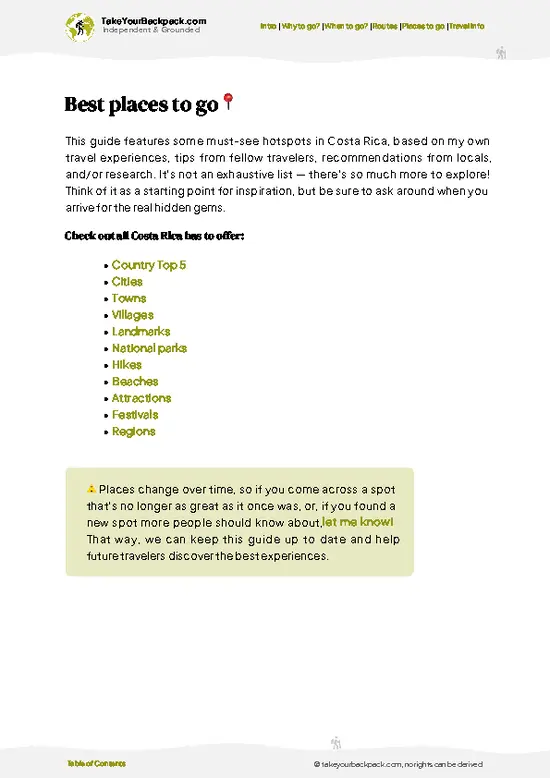
Discover everything you want to know in the 📖 Costa Rica Travel Guide.


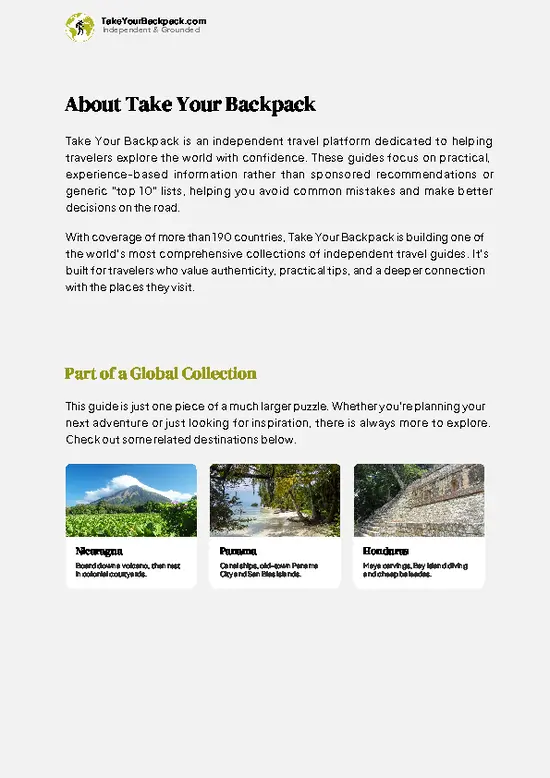
example page 0 from our offline Travel Guide for Costa Rica
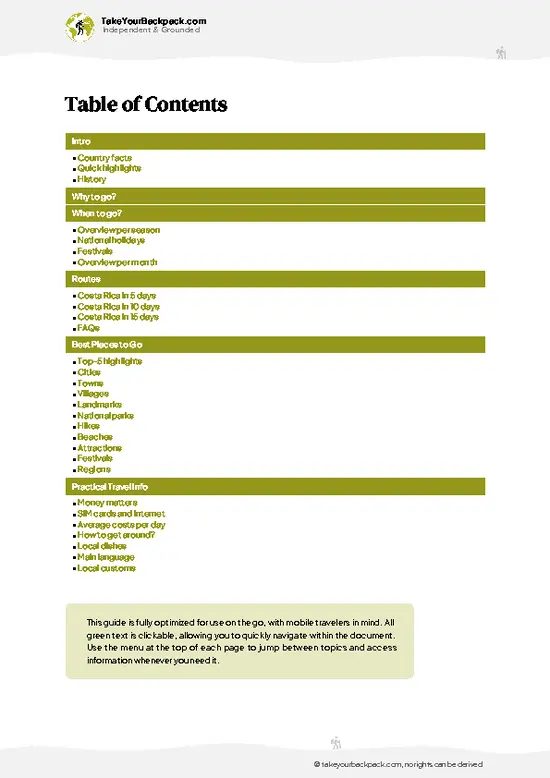
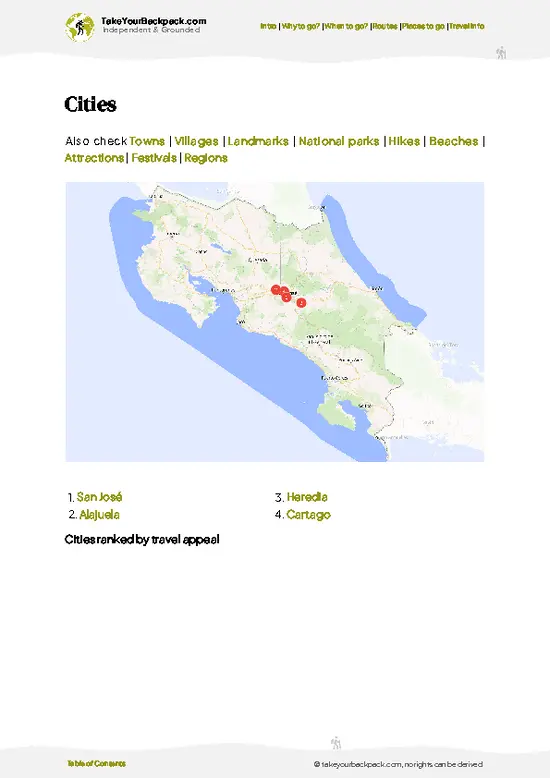
example page 1 from our offline Travel Guide for Costa Rica
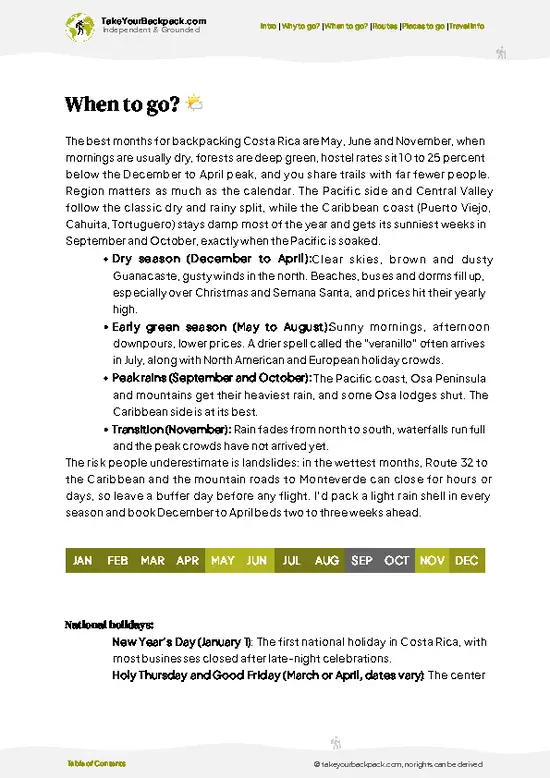
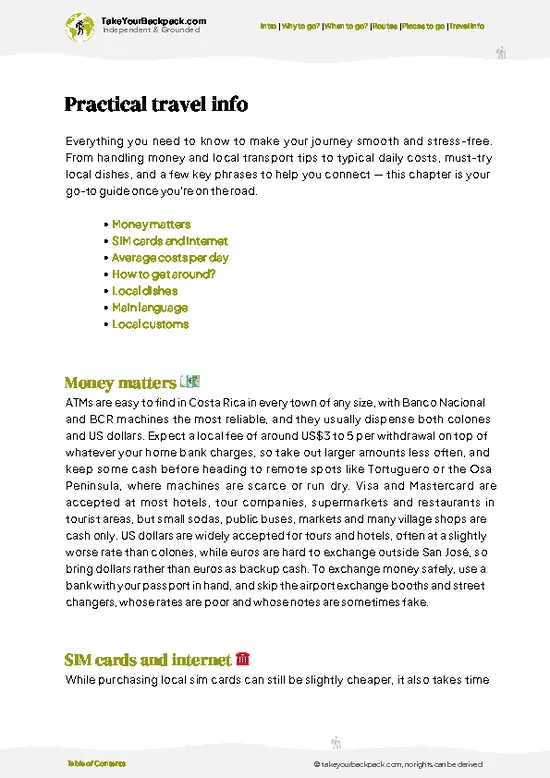
example page 2 from our offline Travel Guide for Costa Rica
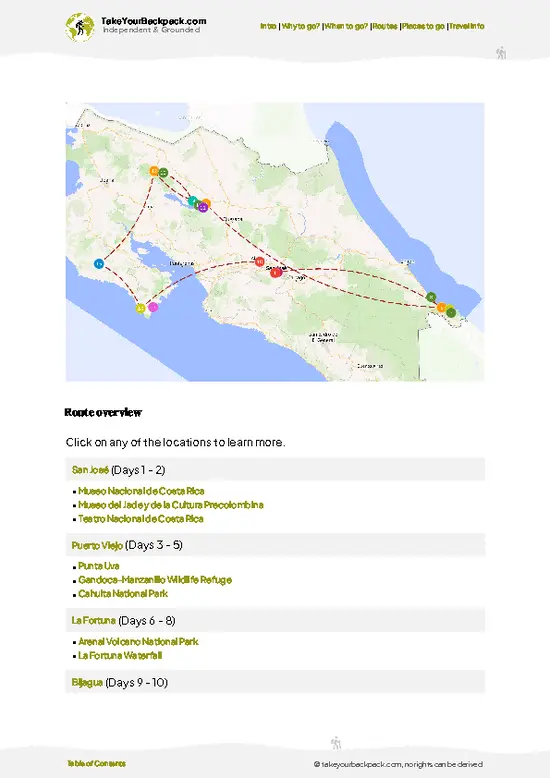
example page 3 from our offline Travel Guide for Costa Rica
example page 4 from our offline Travel Guide for Costa Rica
example page 5 from our offline Travel Guide for Costa Rica
example page 6 from our offline Travel Guide for Costa Rica
example page 7 from our offline Travel Guide for Costa Rica
Loading the map 🌍
CLICK TO FILTER
cities
towns
villages
landmarks
national parks
hikes
beaches
attractions
festivals
regions
SHOW COUNTRY’S BESTSHOW ALL

✨ Why go?
Ranked #10 festival in Costa Rica
What makes it a must-see festival

Desfile Nacional de Boyeros gives you a single day with deep roots in Costa Rican rural identity, and that makes it easy to fit into a route. The painted carts, called carretas, are tied to the coffee-growing history of the Central Valley, and the Sarchí style of geometric color is on show in motion rather than behind glass. You will see 150 to 200 ox teams and the drivers, boyeros, who walk beside them in traditional dress. Because the parade sits on the last Sunday of November, it pairs neatly with the end of the rainy season, when the highlands turn green and hostels start filling again. Entry costs nothing, so the only spending is food from the stalls. Locals chat easily, especially about their animals, and a question about a cart’s design usually gets a ten-minute answer.

💡 HighlightsWhat this place is best known for

  1. The ox team procession: Pairs of oxen pull decorated carretas across Parque Metropolitano La Sabana, led by boyeros who walk alongside with a goad. The slow pace lets you study every cart up close.
  2. Painted carretas: Each wheel and panel carries bright geometric patterns in the Sarchí tradition, and no two carts match. This is the folk art Costa Rica put on its cultural map.
  3. Boyero costumes: Drivers and families wear traditional clothing, with straw hats, bright skirts and embroidered blouses. Many families return year after year, and the outfits show it.
  4. Wooden wheel sound: The cart wheels have a distinct creak and the yokes clatter. Standing near the route gives you the full, rough soundtrack of the old coffee roads.
  5. Folk music and food stalls: Marimba and live folk tunes play around the grounds
… read more 👉
  1. The ox team procession: Pairs of oxen pull decorated carretas across Parque Metropolitano La Sabana, led by boyeros who walk alongside with a goad. The slow pace lets you study every cart up close.
  2. Painted carretas: Each wheel and panel carries bright geometric patterns in the Sarchí tradition, and no two carts match. This is the folk art Costa Rica put on its cultural map.
  3. Boyero costumes: Drivers and families wear traditional clothing, with straw hats, bright skirts and embroidered blouses. Many families return year after year, and the outfits show it.
  4. Wooden wheel sound: The cart wheels have a distinct creak and the yokes clatter. Standing near the route gives you the full, rough soundtrack of the old coffee roads.
  5. Folk music and food stalls: Marimba and live folk tunes play around the grounds while vendors sell tamales, empanadas and sweet bread. Grab a snack and a spot on the grass to watch the line pass.
Desfile Nacional de Boyeros is best experienced first through the procession itself, so claim a place along the route early and watch the teams pass.
Spotted a mistake or missing something? Contact us.

Things to do around Desfile Nacional de Boyeros

Ratings based on Tripadvisor reviews. When you book through this link, you support our work at no extra cost to you.

🌤️ When to go?When is the celebration of Desfile Nacional de Boyeros?

The Oxcart Parade (Desfile Nacional de Boyeros) takes place on the last Sunday of November, starting from 11 a.m., inside Parque Metropolitano La Sabana in San José, and runs for most of the afternoon.
  • Best timing: Arrive by late morning to watch teams gather and the painted carts line up. The parade itself is the main event, with about 150 to 200 ox teams, so there is no quiet weekday version.
  • Weather: Late November is the tail of the rainy season. Expect 17 to 26°C (63 to 79°F), with afternoon showers common. Bring a light rain jacket, a hat and sunscreen for the open park.
  • Booking: The parade is outdoors, but rooms in central San José fill up and rise roughly 15 to 30 percent, so reserve three to four weeks ahead.
  • Crowds: Roads around La Sabana and Paseo Colón's western end clog by midday.
… read more 👉
The Oxcart Parade (Desfile Nacional de Boyeros) takes place on the last Sunday of November, starting from 11 a.m., inside Parque Metropolitano La Sabana in San José, and runs for most of the afternoon.
  • Best timing: Arrive by late morning to watch teams gather and the painted carts line up. The parade itself is the main event, with about 150 to 200 ox teams, so there is no quiet weekday version.
  • Weather: Late November is the tail of the rainy season. Expect 17 to 26°C (63 to 79°F), with afternoon showers common. Bring a light rain jacket, a hat and sunscreen for the open park.
  • Booking: The parade is outdoors, but rooms in central San José fill up and rise roughly 15 to 30 percent, so reserve three to four weeks ahead.
  • Crowds: Roads around La Sabana and Paseo Colón's western end clog by midday. Walk or take a taxi drop-off a few blocks away, and leave after the last teams pass.
Aim to be inside the park by 10:30 a.m. for a spot with a clear view.


source: climatestotravel.comJANJanuary: excellent for travelingFEBFebruary: not recommended for travelingMARMarch: not recommended for travelingAPRApril: not recommended for travelingMAYMay: not recommended for travelingJUNJune: not recommended for travelingJULJuly: not recommended for travelingAUGAugust: not recommended for travelingSEPSeptember: not recommended for travelingOCTOctober: not recommended for travelingNOVNovember: not recommended for travelingDECDecember: not recommended for traveling

✈️ The backpacker research shortcutCosta Rica Travel Guide

An offline-friendly backpacking guide with optimized travel routes, ranked highlights, transport advice, and the best areas to stay.
example page 0 from our offline Travel Guide for Costa Rica
example page 1 from our offline Travel Guide for Costa Rica
example page 2 from our offline Travel Guide for Costa Rica
example page 3 from our offline Travel Guide for Costa Rica
example page 4 from our offline Travel Guide for Costa Rica
example page 5 from our offline Travel Guide for Costa Rica
example page 6 from our offline Travel Guide for Costa Rica
example page 7 from our offline Travel Guide for Costa Rica
The digital guide (287 pages) contains:
✅ 90 highlights, ranked by travel appeal
✅ Optimized 5, 10 & 15-day travel routes
✅ Cities, national parks, landmarks, beaches
✅ How to get around
✅ Offline-friendly for travel without Wi-Fi
👉 Click to see all 30+ guide features

📅 Plan smarter in minutes, not weeks
✅ Month by month travel advice
✅ Festivals & national holidays
✅ Budget expectations

🗺️ Go to the right places, skip the overrated ones
✅ Honest pros & cons of destinations
✅ Top hikes, parks & viewpoints
✅ Lesser-known places most travelers miss
✅ Clear “worth it vs skip it” guidance

🛏️ Travel smoothly without rookie mistakes
✅ Best areas to stay
✅ Transport systems explained simply
✅ Common scams & safety advice
✅ SIM cards, money & practical tips

🌍 Understand the country, not just visit it
✅ Culture & traditions
✅ 52 Essential phrases & customs
✅ Festivals worth planning around
✅ Traveler-friendly historical context
✅ Insights that make places more meaningful

📱 Built for real travel conditions
✅ Fully downloadable PDF
✅ Works completely offline
✅ Optimized for phone use
✅ Useful in remote areas & buses
✅ Everything in one place
Stop searching, start planning
Get instant access to your full guide. 30‑day money-back guarantee.
+ Add another guide for just

By proceeding you agree to our terms.
Sent to your inbox immediately after payment • 100% Secure Checkout
Best Backpacking Travel Advisor 2025 tourism awardBest Backpacking
Travel Advisor
2025
What others say about Take Your Backpack Guides:
⭐⭐⭐⭐⭐
Fantastic, amazing amount of information!
⭐⭐⭐⭐⭐
My goodness this is amazing, it's what I've been looking for hats off too you!
⭐⭐⭐⭐⭐
I think this is absolutely BRILLIANT
⭐⭐⭐⭐
Very complete and informative. It's still missing places, but I gotta to commend you
⭐⭐⭐⭐⭐
This is truly amazing, thank you, can't wait to explore it with my kids!
⭐⭐⭐⭐⭐
Awesome resource, thank you!
⭐⭐⭐⭐⭐
This is amazing! Can't wait to explore the ones I haven't seen
⭐⭐⭐⭐
I love this! Well done, great idea.
⭐⭐⭐⭐⭐
Thanks for taking the time to make this gem!
⭐⭐⭐⭐⭐
This might be the best website I've ever seen.
⭐⭐⭐⭐⭐
Congratulations, and thank you so much for your work; it's incredibly valuable.
⭐⭐⭐⭐
In all seriousness I think you did a great job pointing out the important spots
⭐⭐⭐⭐⭐
10/10 very good
⭐⭐⭐⭐⭐
As someone who's only just starting to visit regularly this is awesome, thank you.
⭐⭐⭐⭐
Thank you very much! I'm going to visit my dad, it's going to be very useful!
⭐⭐⭐⭐⭐
This is really cool! We'll be travelling for the first time and this definitely come in handy.
⭐⭐⭐⭐⭐
You are now our minister of culture, congratulations 👨‍💼
⭐⭐⭐⭐⭐
Just wanted to tell you that this is a pearl! Going to follow your recommendations.
⭐⭐⭐⭐⭐
This is so cool. I'll definitely be using the resource for my travels soon.
⭐⭐⭐⭐⭐
This is very impressive! Good work.
⭐⭐⭐⭐⭐
This is an amazing and informative site. Very well done!

🛏️ Where to stay?Choosing the right base

Barrio Amón and Barrio Escalante are the most sensible areas to stay for the parade, with Paseo Colón and La Sabana's edge as the closest option.
Barrio Amón and neighboring Otoya make up the social heart of backpacker San José. Old mansions have been turned into hostels and guesthouses, you meet other solo travelers in common rooms, and restaurants and bus stops are close by. Streets are fine in daylight, but take a taxi after dark rather than walking the quiet blocks.
Barrio Escalante is calmer and food-focused, with a good restaurant strip. It suits people who want a safer evening stroll and … read more 👉
Barrio Amón and Barrio Escalante are the most sensible areas to stay for the parade, with Paseo Colón and La Sabana's edge as the closest option.
Barrio Amón and neighboring Otoya make up the social heart of backpacker San José. Old mansions have been turned into hostels and guesthouses, you meet other solo travelers in common rooms, and restaurants and bus stops are close by. Streets are fine in daylight, but take a taxi after dark rather than walking the quiet blocks.
Barrio Escalante is calmer and food-focused, with a good restaurant strip. It suits people who want a safer evening stroll and a beer without the noise. Expect a slightly higher bed price.
The Paseo Colón and La Sabana side puts you within walking distance of the park gates, so you skip parade-day traffic. It has fewer hostels and less nightlife, but the shortest morning walk.
Whichever you pick, book early, since November weekends fill up. Use official red taxis or a ride app at night, and keep your phone tucked away on the street.

👛 Costs (as of 23 October 2026)Travel costs and budget guide for Desfile Nacional de Boyeros

Desfile Nacional de Boyeros costs roughly US$54 to 105 per day for an independent traveler, with the parade itself free to watch.
CategoryBudget RangeLocal Reality
Festival ticketsUS$0Watching from La Sabana is free. Some reserved seating or tours may charge extra.
AccommodationUS$15 to 35 (high season: US$20 to 40)Dorm beds in Barrio Amón or Otoya, with private rooms around US$40 to 70.
Local transportUS$2 to 10Local buses cost under US$1.50, and short taxi rides or ride apps run US$4 to 8.
Food & drinksUS$12 to 25Stall snacks cost US$2 to 5, and a casado at a local soda costs US$6 to 9.
MiscellaneousUS$5 to 15Sunscreen, a rain poncho, small souvenirs and tips for guides or drivers.
Total Daily BudgetUS$54 to 105Most travelers land near US$70 using a dorm and local eats.
⚠️ Prices can change and everyone travels differently, so take this as a rough guide. Hope it helps you plan your adventure!

🍲 FoodLocal Cuisine & Drinks

Expect the park to smell of wood smoke and sweet corn. Around La Sabana, vendors sell tamales, empanadas filled with cheese, beans or meat, and chicharrones in paper cones. A plate of gallo pinto with a fried egg or a casado is the filling choice if you plan to stay for hours.
For drinks, look for agua dulce, hot sugarcane drink often served with a slice of cheese, and fresh fruit refrescos such as tamarindo or horchata. Coffee is easy to find, and it is worth sipping a cup of local Costa Rican beans. Beer is sold at some stalls.
Try the tortillas palmeadas and the sweet cajeta or tres leches from small vendors. Rural food tied to oxcart country feels most authentic.
Bring cash in small bills, since many stalls do not take cards. Lines grow around midday, so eat before the main wave arrives. … read more 👉
Expect the park to smell of wood smoke and sweet corn. Around La Sabana, vendors sell tamales, empanadas filled with cheese, beans or meat, and chicharrones in paper cones. A plate of gallo pinto with a fried egg or a casado is the filling choice if you plan to stay for hours.
For drinks, look for agua dulce, hot sugarcane drink often served with a slice of cheese, and fresh fruit refrescos such as tamarindo or horchata. Coffee is easy to find, and it is worth sipping a cup of local Costa Rican beans. Beer is sold at some stalls.
Try the tortillas palmeadas and the sweet cajeta or tres leches from small vendors. Rural food tied to oxcart country feels most authentic.
Bring cash in small bills, since many stalls do not take cards. Lines grow around midday, so eat before the main wave arrives. Portions are generous and easy to share, and vendors are happy to take a quick photo with you.

FAQCommon questions from travelers

The Desfile Nacional de Boyeros takes place on the last Sunday of November, starting from 11 a.m. It is held inside Parque Metropolitano La Sabana, west of the city center. About 150 to 200 ox teams take part, and the event runs through the afternoon.
Attending the Desfile Nacional de Boyeros is free if you watch from the public areas of La Sabana park. Budget US$54 to 105 a day, including a dorm bed at US$15 to 35, food stalls at US$2 to 9 a plate and local buses under US$1.50. Some paid seating or guided packages cost extra.
The Desfile Nacional de Boyeros does not require tickets for general viewing, since entry to La Sabana is open. Arrive by about 10:30 a.m. to claim a good spot along the route. Book your bed three to four weeks ahead, because central San José rooms fill up and prices climb 15 to 30 percent that weekend.
⚠️ Things can change over time, so always validate details locally before you go.

Other Costa Rican festivals near Desfile Nacional de Boyeros

Explore more nearby:


💡 Not sure where to go next?
Create a personalized itinerary for Costa Rica including Desfile Nacional de Boyeros and the places that fit your trip.

Generate my itinerary

👉 Discover all festivals

Or checkout all Costa Rica has to offer (think cities, towns, villages, national parks, hikes, beaches, festivals)
Country photo of Costa Rica

We 💚 feedbackKey takeaways before you go

Desfile Nacional de Boyeros rewards those who look at the oxen’s yokes, which are often carved and painted to match each cart. Most visitors only photograph the wheels. I would bring a hat and a small backpack, then walk the full length of the line before the crowds thicken.

✈️ When did I visit Costa Rica?
Costa Rica I visited during my half year trip through South and Central America back in 2003

✍️ Help improve this page!
The information on this page is based on my own backpacking experience in Costa Rica, supplemented with up-to-date research and feedback from other travelers. Travel details can change, so if you notice anything outdated or incomplete, feel free to let me know.


🙋‍♂️ Give feedback

👋 Meet the founderWho’s Behind Take Your Backpack?

Johan, backpacker and founder of TakeYourBackpackHi, I’m Johan (Netherlands 🇳🇱), the creator of TakeYourBackpack. Over the past 3 decades, I’ve backpacked through 90+ countries across six continents, gaining extensive experience with independent travel, long-term trips, and overland routes.

This site is built on a combination of firsthand travel experience and carefully curated insights from other backpackers. Many guides are based on places I’ve personally visited, while others bring together tips, observations, and practical advice shared by trusted travelers I’ve met along the way.

The goal is to provide realistic, experience-driven guidance — not generic itineraries — so you can explore destinations with better context, clearer expectations, and more confidence.