×

Costa Rica🇨🇷 | attractionsMuseo de Arte Costarricensenational art, sculpture garden, 20th-century works | things to do and best time to go

Explore Teatro Popular Melico SalazarExplore Museo de los Niños

Backpacking in Museo de Arte Costarricense
🌟 Highlightattraction ranked #5
By Johan Kruseman 🇳🇱 | Updated May 17, 2026

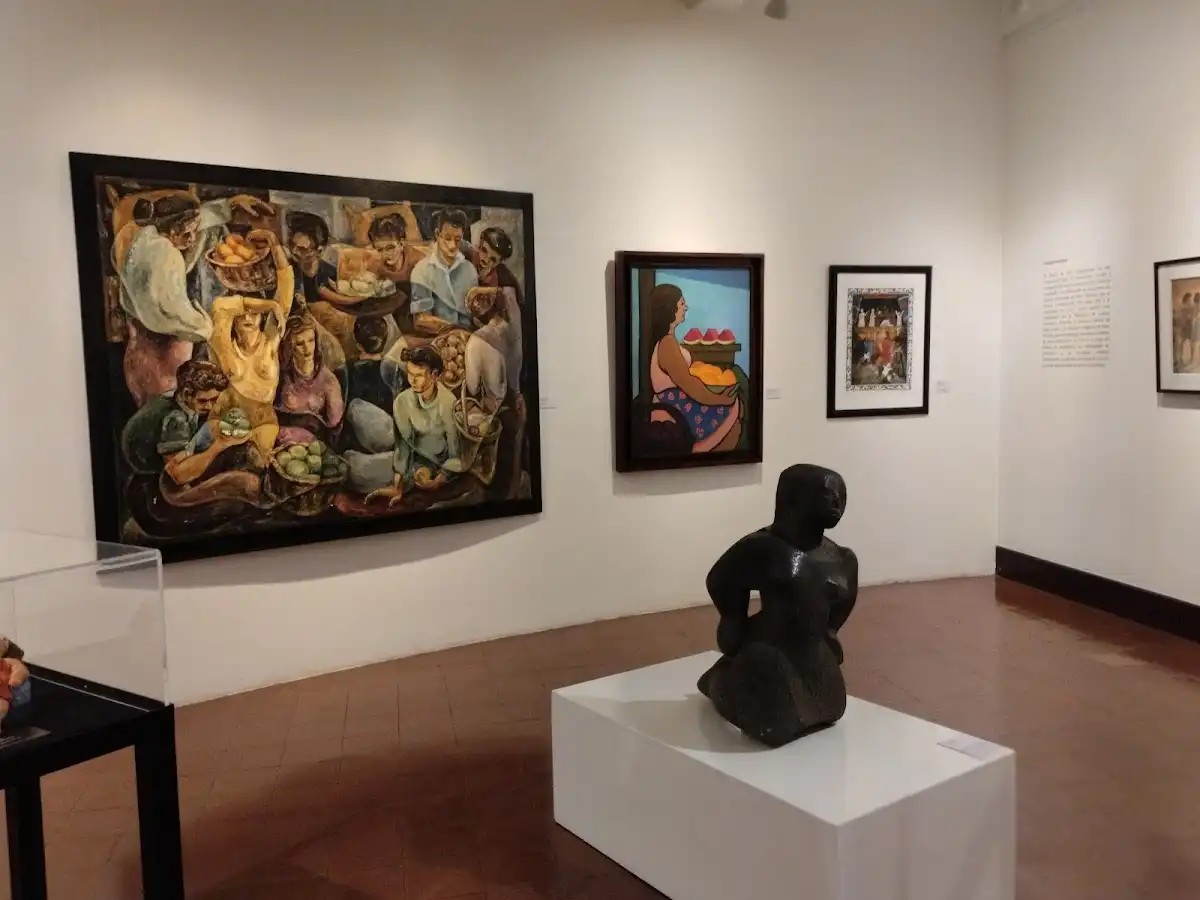
You’re standing in a hushed, sunlit hall, the air tinged with old wood and varnish, when a sudden burst of color—riotous, tropical, unapologetic—hits you from a mural that feels like it’s breathing. The Museo de Arte Costarricense sits right at the edge of La Sabana Park in San José, Costa Rica’s capital, tucked into what used to be the city’s airport terminal.

Let’s cut through the Instagram haze: this isn’t a bucket-list heavyweight like Arenal or Monteverde, and you won’t find crowds of selfie-sticks or overpriced juice bars. What you do get is a crash course in Costa Rican identity—raw, political, sometimes weird, always passionate—without the tourist markup. Entry is cheap, the crowd is mostly locals and art students, and the vibe is refreshingly unpolished. You’ll see more real Costa Rica in an hour here than in a week of beach resorts. If you want adrenaline, look elsewhere. But if you want to feel the pulse of a country, this is where it’s beating.

Discover everything you want to know in the 📖 Costa Rica Travel Guide.
Loading the map 🌍
CLICK TO FILTER
cities
towns
villages
landmarks
national parks
hikes
beaches
attractions
festivals
regions
SHOW COUNTRY’S BESTSHOW ALL

✨ Why go?
Ranked #5 attraction in Costa Rica
What sets this place apart

The Museo de Arte Costarricense isn’t just another stop on the tourist checklist—it’s a cultural heavyweight that demands your attention. Sure, it’s not hidden away in some remote jungle, and yes, it can get busy, especially during peak hours. But that crowd is a testament to its significance, not a reason to skip it. This museum is housed in a former airport terminal, which alone gives it a quirky historical edge you won’t find in typical galleries. Inside, you’re not just looking at pretty pictures; you’re diving into Costa Rica’s artistic soul, from indigenous roots to contemporary expressions that challenge and inspire. The collection is a solid mix of iconic works and lesser-known pieces that reveal the country’s complex identity beyond the usual postcard scenes. For backpackers trekking … read more 👉
The Museo de Arte Costarricense isn’t just another stop on the tourist checklist—it’s a cultural heavyweight that demands your attention. Sure, it’s not hidden away in some remote jungle, and yes, it can get busy, especially during peak hours. But that crowd is a testament to its significance, not a reason to skip it. This museum is housed in a former airport terminal, which alone gives it a quirky historical edge you won’t find in typical galleries. Inside, you’re not just looking at pretty pictures; you’re diving into Costa Rica’s artistic soul, from indigenous roots to contemporary expressions that challenge and inspire. The collection is a solid mix of iconic works and lesser-known pieces that reveal the country’s complex identity beyond the usual postcard scenes. For backpackers trekking the country route, it’s a major milestone—a place to pause, reflect, and recalibrate your understanding of Costa Rica beyond beaches and rainforests. The effort-to-reward ratio here is high: a modest entrance fee grants access to a deep, authentic experience that’s both educational and emotionally stirring. If you want to connect with Costa Rica on a level that goes beyond Instagram filters, this museum is where you start.
Want to include Museo de Arte Costarricense in your Costa Rica route?
Create a personalized Costa Rica itinerary that includes Museo de Arte Costarricense and the places that fit your trip — based on your travel style, budget, and available time. Get your route in seconds.

Generate my trip

💡 HighlightsKey sights and experiences for travelers

The Salón Dorado (Golden Room)
Forget the Instagram filters—nothing you see online prepares you for the Salón Dorado’s punch-in-the-gut grandeur. This isn’t just a gilded ballroom; it’s a 1940s time capsule, with floor-to-ceiling bas-relief murals that wrap you in Costa Rica’s entire 20th-century story. The detail is obsessive: banana workers, coffee barons, ox carts, and even the country’s first radio broadcast, all immortalized in shimmering stucco. The room’s acoustics are so good you’ll hear your own footsteps echo like you’re trespassing in history. If you only have ten minutes, spend them here. This is my personal favorite—no contest.


The Sculpture Garden
Most museums fence off their art. Here, you’re invited to wander among it. The garden is a living, breathing gallery of Costa Rican … read more 👉
The Salón Dorado (Golden Room)
Forget the Instagram filters—nothing you see online prepares you for the Salón Dorado’s punch-in-the-gut grandeur. This isn’t just a gilded ballroom; it’s a 1940s time capsule, with floor-to-ceiling bas-relief murals that wrap you in Costa Rica’s entire 20th-century story. The detail is obsessive: banana workers, coffee barons, ox carts, and even the country’s first radio broadcast, all immortalized in shimmering stucco. The room’s acoustics are so good you’ll hear your own footsteps echo like you’re trespassing in history. If you only have ten minutes, spend them here. This is my personal favorite—no contest.


The Sculpture Garden
Most museums fence off their art. Here, you’re invited to wander among it. The garden is a living, breathing gallery of Costa Rican sculpture, with works that range from the abstract to the playfully literal. You’ll find bronze, stone, and even the odd surrealist piece lurking in the greenery. It’s not manicured to death, either—expect a bit of wildness, which only adds to the sense of discovery. This is where you’ll actually want to linger, not just snap a photo and move on.


Temporary Exhibitions
Here’s the real secret: the Museo de Arte Costarricense is a chameleon. The rotating exhibitions are where the curators flex their muscles, often spotlighting contemporary Costa Rican artists you won’t find in any guidebook. Sometimes it’s provocative, sometimes it’s playful, but it’s always a window into what’s happening right now in the country’s art scene. If you’re lucky, you’ll catch an opening night—expect a crowd of local artists, students, and the odd diplomat, all buzzing with opinions.


The Permanent Collection
This isn’t a greatest-hits parade of European masters. The permanent collection is unapologetically Costa Rican, with a focus on 19th and 20th-century works that chart the country’s evolution from rural backwater to modern democracy. You’ll see paintings that wrestle with identity, politics, and the landscape itself—sometimes beautiful, sometimes unsettling, always honest. If you want to understand Costa Rica beyond the beaches and rainforests, this is your crash course.


The Building Itself
Let’s be blunt: most people don’t realize they’re walking into an old airport terminal. The museum’s Art Deco bones are still visible, from the geometric façade to the original control tower (now a quirky office). There’s a weird thrill in knowing you’re standing where the country’s first commercial flights landed. It’s a rare case where the building’s past life adds real character, not just trivia.
Spotted a mistake or missing something? Contact us.

Things to do around Museo de Arte Costarricense

Ratings based on Tripadvisor reviews. When you book through this link, you support our work at no extra cost to you.

🌤️ When to go?Seasonal considerations and timing


  • Weather: Costa Rica’s dry season from December to April offers the most reliable sunshine and minimal rain, making it ideal for exploring the Museo de Arte Costarricense without soggy interruptions. The wet season, May through November, brings frequent afternoon showers that can dampen plans but also cool the air and reduce crowds.

  • Temperature: Expect comfortable temperatures year-round, hovering between 22°C to 28°C (72°F to 82°F). The dry season tends to be warmer and sunnier, while the rainy months feel a bit cooler, especially in the evenings.

  • Daylight Hours: Daylight is fairly consistent, with roughly 11 to 12 hours of light daily. This means you have plenty of time to soak in the museum’s collection regardless of when you visit.

  • Crowds: Peak tourist season aligns with the dry
read more 👉

  • Weather: Costa Rica’s dry season from December to April offers the most reliable sunshine and minimal rain, making it ideal for exploring the Museo de Arte Costarricense without soggy interruptions. The wet season, May through November, brings frequent afternoon showers that can dampen plans but also cool the air and reduce crowds.

  • Temperature: Expect comfortable temperatures year-round, hovering between 22°C to 28°C (72°F to 82°F). The dry season tends to be warmer and sunnier, while the rainy months feel a bit cooler, especially in the evenings.

  • Daylight Hours: Daylight is fairly consistent, with roughly 11 to 12 hours of light daily. This means you have plenty of time to soak in the museum’s collection regardless of when you visit.

  • Crowds: Peak tourist season aligns with the dry months, especially around Christmas and Easter, so expect more visitors and a busier museum experience. The rainy season sees fewer tourists, offering a quieter, more intimate visit.

  • Seasonal Activities: The dry season coincides with outdoor festivals and cultural events in San José, which can add layers to your visit. The rainy season’s slower pace means fewer distractions, letting you focus on the art without the buzz.

  • Price Fluctuations: Entrance fees remain stable year-round, but accommodation and flights spike during the dry season’s peak months. Visiting in the shoulder months like May or November can save money without sacrificing much on weather or experience.


Pro-tip: Aim for late November or early May to dodge the crowds and still catch decent weather—perfect for a backpacker who wants to experience the museum’s soul without the tourist circus.


source: climatestotravel.comJANJanuary: excellent for travelingFEBFebruary: excellent for travelingMARMarch: excellent for travelingAPRApril: excellent for travelingMAYMay: highly recommended for travelingJUNJune: good for travelingJULJuly: good for travelingAUGAugust: good for travelingSEPSeptember: fair for travelingOCTOctober: fair for travelingNOVNovember: highly recommended for travelingDECDecember: excellent for traveling
costa-rica-attraction-museo-de-arte-costarricense
© Google |

✈️ The backpacker research shortcutCosta Rica Travel Guide

An offline-friendly backpacking guide with optimized travel routes, ranked highlights, transport advice, and the best areas to stay.
example page 0 from our offline Travel Guide for Costa Rica
example page 1 from our offline Travel Guide for Costa Rica
example page 2 from our offline Travel Guide for Costa Rica
example page 3 from our offline Travel Guide for Costa Rica
example page 4 from our offline Travel Guide for Costa Rica
example page 5 from our offline Travel Guide for Costa Rica
example page 6 from our offline Travel Guide for Costa Rica
example page 7 from our offline Travel Guide for Costa Rica
The digital guide (372 pages) contains:
93 highlights, ranked by travel appeal
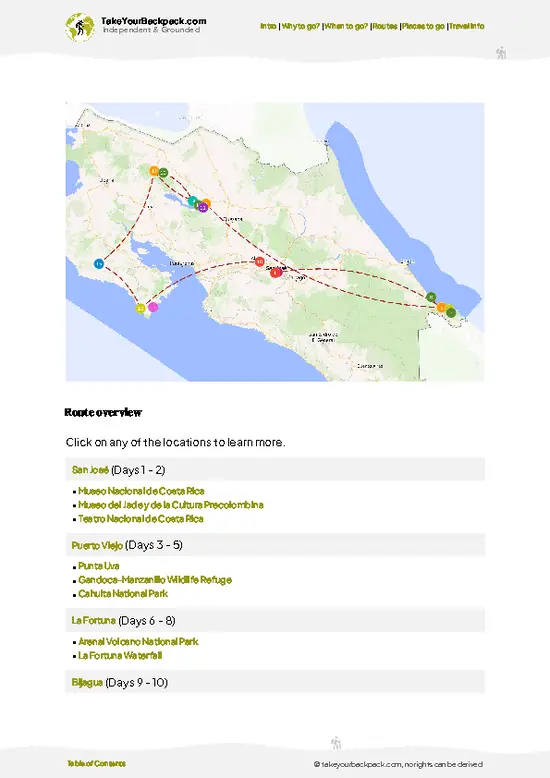
Optimized 5, 10 & 15-day travel routes
Cities, national parks, landmarks, beaches
How to get around
Offline-friendly for travel without Wi-Fi
👉 Click to see all 30+ guide features

📅 Plan smarter in minutes, not weeks
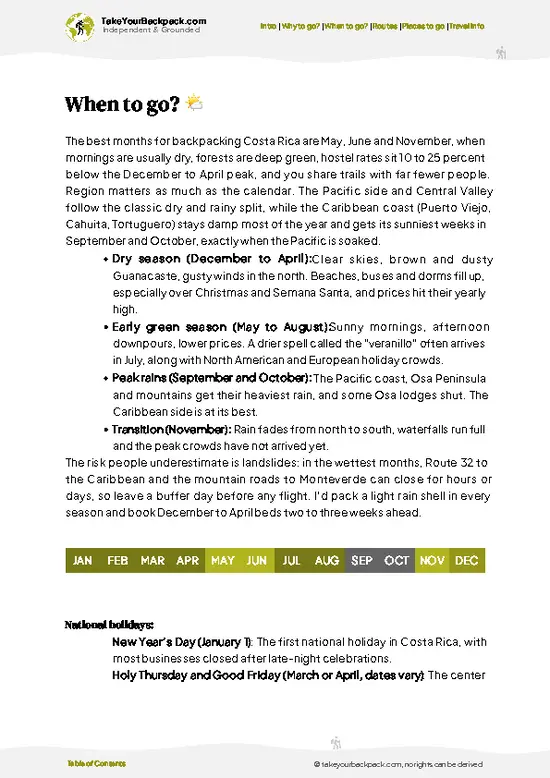
Month by month travel advice
Festivals & national holidays
Budget expectations

🗺️ Go to the right places, skip the overrated ones
Honest pros & cons of destinations
Top hikes, parks & viewpoints
Lesser-known places most travelers miss
Clear “worth it vs skip it” guidance

🛏️ Travel smoothly without rookie mistakes
Best areas to stay
Transport systems explained simply
Common scams & safety advice
SIM cards, money & practical tips

🌍 Understand the country, not just visit it
Culture & traditions
52 Essential phrases & customs
Festivals worth planning around
Traveler-friendly historical context
Insights that make places more meaningful

📱 Built for real travel conditions
Fully downloadable PDF
Works completely offline
Optimized for phone use
Useful in remote areas & buses
Everything in one place
Save weeks of stressful planning
Get instant access to your full guide. 30‑day money-back guarantee.


By proceeding you agree to our terms.
Sent to your inbox immediately after payment • 100% Secure Checkout
Best Backpacking Travel Advisor 2025 tourism awardBest Backpacking
Travel Advisor
2025
What others say about Take Your Backpack Guides:
⭐⭐⭐⭐⭐
Fantastic, amazing amount of information!
⭐⭐⭐⭐⭐
My goodness this is amazing, it's what I've been looking for hats off too you!
⭐⭐⭐⭐⭐
I think this is absolutely BRILLIANT
⭐⭐⭐⭐
Very complete and informative. It's still missing places, but I gotta to commend you
⭐⭐⭐⭐⭐
This is truly amazing, thank you, can't wait to explore it with my kids!
⭐⭐⭐⭐⭐
Awesome resource, thank you!
⭐⭐⭐⭐⭐
This is amazing! Can't wait to explore the ones I haven't seen
⭐⭐⭐⭐
I love this! Well done, great idea.
⭐⭐⭐⭐⭐
Thanks for taking the time to make this gem!
⭐⭐⭐⭐⭐
This might be the best website I've ever seen.
⭐⭐⭐⭐⭐
Congratulations, and thank you so much for your work; it's incredibly valuable.
⭐⭐⭐⭐
In all seriousness I think you did a great job pointing out the important spots
⭐⭐⭐⭐⭐
10/10 very good
⭐⭐⭐⭐⭐
As someone who's only just starting to visit regularly this is awesome, thank you.
⭐⭐⭐⭐
Thank you very much! I'm going to visit my dad, it's going to be very useful!
⭐⭐⭐⭐⭐
This is really cool! We'll be travelling for the first time and this definitely come in handy.
⭐⭐⭐⭐⭐
You are now our minister of culture, congratulations 👨‍💼
⭐⭐⭐⭐⭐
Just wanted to tell you that this is a pearl! Going to follow your recommendations.
⭐⭐⭐⭐⭐
This is so cool. I'll definitely be using the resource for my travels soon.
⭐⭐⭐⭐⭐
This is very impressive! Good work.
⭐⭐⭐⭐⭐
This is an amazing and informative site. Very well done!

🛏️ Where to stay?Choosing the right base

The Museo de Arte Costarricense sits in La Sabana Metropolitan Park, smack in the middle of San José’s busiest stretch. Forget the postcard-perfect, crowd-free shots you see online. This area is a magnet for locals and tourists alike, especially on weekends. Expect groups, joggers, families, and the occasional street vendor hawking snacks. It’s lively, not serene. That’s the reality.

If you’re backpacking and want to be close, your best bet is the neighborhoods just west and northwest of the park—specifically areas around Sabana Norte and Mata Redonda. These spots strike a solid balance: safe … read more 👉
The Museo de Arte Costarricense sits in La Sabana Metropolitan Park, smack in the middle of San José’s busiest stretch. Forget the postcard-perfect, crowd-free shots you see online. This area is a magnet for locals and tourists alike, especially on weekends. Expect groups, joggers, families, and the occasional street vendor hawking snacks. It’s lively, not serene. That’s the reality.

If you’re backpacking and want to be close, your best bet is the neighborhoods just west and northwest of the park—specifically areas around Sabana Norte and Mata Redonda. These spots strike a solid balance: safe enough to walk around after dark, with plenty of budget-friendly guesthouses and hostels that attract solo travelers and small groups. You’ll find a social vibe without the chaos of downtown’s tourist traps.

Why these areas? They’re not just convenient for the museum; they’re hubs for meeting other backpackers who appreciate a chill atmosphere after a day of sightseeing. Plus, you’re close enough to grab a cheap meal or a local brew without the inflated prices near the main tourist corridors. The streets here hum with everyday life—corner shops, street art, and the occasional impromptu soccer game—giving you a genuine taste of San José beyond the usual tourist bubble.

In short, stay near Sabana Norte or Mata Redonda if you want to be near the Museo de Arte Costarricense without sacrificing safety, social opportunities, or your wallet. It’s the real deal for backpackers who want more than just a photo op.

👛 Costs (as of 20 September 2025)How expensive it really is

La entrada al Museo de Arte Costarricense es gratuita para todo público. ([mac.go.cr](https://www.mac.go.cr/es/visita/ubicacion-horarios?utm_source=openai))
⚠️ Prices can change and everyone travels differently, so take this as a rough guide. Hope it helps you plan your adventure!

Other Costa Rican attractions near Museo de Arte Costarricense

Explore more nearby:


💡 Not sure where to go next?
Create a personalized itinerary for Costa Rica including Museo de Arte Costarricense and the places that fit your trip.

Generate my itinerary

👉 Discover all attractions

Or checkout all Costa Rica has to offer (think cities, towns, villages, national parks, hikes, beaches, festivals)
Country photo of Costa Rica

We 💚 feedbackWhat to keep in mind

The Museo de Arte Costarricense isn’t just another museum with dusty paintings—it’s a vibrant dive into Costa Rica’s soul, showcasing art that punches way above its weight. But heads up: it can get crowded, especially on weekends, which dulls the vibe if you’re craving quiet reflection. Still, if you time it right, the blend of local history and bold creativity here makes the visit genuinely worth your backpack’s weight.

✈️ When did I visit Costa Rica?
Cost Rica I visited during my half year trip through South and Central America back in 2003

✍️ Help improve this page!
The information on this page is based on my own backpacking experience in Costa Rica, supplemented with up-to-date research and feedback from other travelers. Travel details can change, so if you notice anything outdated or incomplete, feel free to let me know.


🙋‍♂️ Give feedback

👋 Meet the founderWho’s Behind Take Your Backpack?

Johan, backpacker and founder of TakeYourBackpackHi, I’m Johan (Netherlands 🇳🇱), the creator of TakeYourBackpack. Over the past decade, I’ve backpacked through 80+ countries across six continents, gaining extensive experience with independent travel, long-term trips, and overland routes.

This site is built on a combination of firsthand travel experience and carefully curated insights from other backpackers. Many guides are based on places I’ve personally visited, while others bring together tips, observations, and practical advice shared by trusted travelers I’ve met along the way.

The goal is to provide realistic, experience-driven guidance — not generic itineraries — so you can explore destinations with better context, clearer expectations, and more confidence.

Get full Costa Rica guide •
Instant download • 93 highlights • Full Offline guide