×

Costa Rica🇨🇷 | attractionsMuseo de los Niñosinteractive exhibits, science play, repurposed prison | things to do and best time to go

Explore Museo de Arte CostarricenseExplore Teatro Nacional de Costa Rica Café Britt Coffee Tour

Backpacking in Museo de los Niños
👌 Worth visitingattraction ranked #11
By Johan Kruseman 🇳🇱 | Updated May 28, 2026

Here’s what nobody tells you until you’re standing in line: Museo de los Niños is one of the only places in San José where you can stash your backpack in a real locker, ditch your gear, and actually relax for a few hours. That’s a rare luxury in Costa Rica’s capital, where most attractions expect you to haul everything or risk it. The museum itself is smack in the heart of San José, inside a hulking old prison—yes, really—just north of the city center.

Let’s be honest: if you’re chasing volcanoes or cloud forests, this isn’t the adrenaline rush you came for. But if you need a break from bus rides and rain, the Museo de los Niños is a weirdly perfect detour. It’s chaotic, packed with local families, and the exhibits are more hands-on chaos than high art. The entry fee is pocket change compared to the national parks, and the building’s history gives it a gritty edge you won’t find at the butterfly gardens. It’s not Instagram-pretty, but it’s real, loud, and full of Costa Rican energy—sometimes that’s the magic you need.

Discover everything you want to know in the 📖 Costa Rica Travel Guide.
Loading the map 🌍
CLICK TO FILTER
cities
towns
villages
landmarks
national parks
hikes
beaches
attractions
festivals
regions
SHOW COUNTRY’S BESTSHOW ALL

✨ Why go?
Ranked #11 attraction in Costa Rica
What makes it a must-see attraction

The Museo de los Niños in Costa Rica isn’t your typical backpacker pit stop, but that’s exactly why it earns a spot on many itineraries. Forget the glossy Instagram shots of pristine beaches or misty volcanoes—this museum delivers a different kind of punch. It’s a cultural cornerstone that dives deep into Costa Rica’s commitment to education and child welfare, reflecting a side of the country you won’t find in travel brochures. Yes, it’s often crowded with local families and school groups, which can feel like a chaotic distraction, but that’s part of its charm. You’re not just a tourist here; you’re stepping into a living, breathing community hub.

The exhibits are hands-on and surprisingly engaging for adults, offering a rare blend of fun and learning that challenges the usual museum boredom. … read more 👉
The Museo de los Niños in Costa Rica isn’t your typical backpacker pit stop, but that’s exactly why it earns a spot on many itineraries. Forget the glossy Instagram shots of pristine beaches or misty volcanoes—this museum delivers a different kind of punch. It’s a cultural cornerstone that dives deep into Costa Rica’s commitment to education and child welfare, reflecting a side of the country you won’t find in travel brochures. Yes, it’s often crowded with local families and school groups, which can feel like a chaotic distraction, but that’s part of its charm. You’re not just a tourist here; you’re stepping into a living, breathing community hub.

The exhibits are hands-on and surprisingly engaging for adults, offering a rare blend of fun and learning that challenges the usual museum boredom. It’s a place where you can see Costa Rica’s values in action—environmental awareness, science, and social responsibility—all wrapped up in interactive displays. For backpackers trekking through the country, it’s a milestone that breaks up the natural scenery with something intellectually stimulating and socially insightful. The effort-to-reward ratio is solid: a few hours here enrich your understanding of Costa Rica beyond the postcard-perfect images, making it a genuine highlight rather than a tourist trap.
Want to include Museo de los Niños in your Costa Rica route?
Create a personalized Costa Rica itinerary that includes Museo de los Niños and the places that fit your trip — based on your travel style, budget, and available time. Get your route in seconds.

Generate my trip

💡 HighlightsEssential experiences to have while visiting Museo de los Niños

1. The Prison Cells (La Antigua Cárcel)
Let’s rip off the Instagram filter: the Museo de los Niños is built inside a former prison. Yes, really. The old cells are still there, and you can walk through them. This is not your average “interactive museum” schtick—these are the real, claustrophobic cells where inmates once spent years. The museum doesn’t sugarcoat it. You’ll see graffiti scratched into the walls, iron bars, and a rawness that’s impossible to fake. It’s a jarring, honest look at Costa Rica’s past, and it gives the whole place a gravity you won’t find in any science center. Kids run around, but adults get the chills. If you want a museum with a pulse, this is it.


2. The Electricity Room
This is where science gets hands-on and a little wild. Forget staring at dusty displays—here, … read more 👉
1. The Prison Cells (La Antigua Cárcel)
Let’s rip off the Instagram filter: the Museo de los Niños is built inside a former prison. Yes, really. The old cells are still there, and you can walk through them. This is not your average “interactive museum” schtick—these are the real, claustrophobic cells where inmates once spent years. The museum doesn’t sugarcoat it. You’ll see graffiti scratched into the walls, iron bars, and a rawness that’s impossible to fake. It’s a jarring, honest look at Costa Rica’s past, and it gives the whole place a gravity you won’t find in any science center. Kids run around, but adults get the chills. If you want a museum with a pulse, this is it.


2. The Electricity Room
This is where science gets hands-on and a little wild. Forget staring at dusty displays—here, you’re the experiment. You can crank generators, zap yourself with static, and watch your hair stand on end. The staff are fearless; they’ll let you touch the Van de Graaff generator and explain exactly why you’re not going to fry. It’s loud, it’s chaotic, and it’s the kind of science lesson that sticks. If you’ve ever rolled your eyes at “interactive” museums that are just screens, this room will restore your faith.


3. The Human Body Exhibit
This one is a rite of passage for Costa Rican kids, and it’s not sanitized. You walk through a giant mouth, past a set of teeth the size of your head, and into a maze of organs, bones, and bodily functions. There’s no tiptoeing around the gross stuff—expect to hear giggles and shrieks as kids discover how digestion really works. It’s messy, honest, and surprisingly informative. If you want to see a museum that treats kids like real people, not delicate snowflakes, this is your stop.


4. The Earth and Space Hall
Here’s where the museum flexes its creative muscle. You’ll find a walk-in model of a volcano (Costa Rica’s signature move), earthquake simulators, and a planetarium that’s more punk rock than polished. The exhibits are battered from years of enthusiastic use, but that’s part of the charm. You’re not just learning about tectonic plates—you’re feeling the floor shake beneath your feet. It’s immersive, a little chaotic, and absolutely memorable.


5. The Rooftop View (Personal Favorite)
This is the museum’s best-kept secret. Climb up to the roof and you’ll get a 360-degree view of San José that most tourists never see. The city sprawls out below, mountains ring the horizon, and you get a sense of place that no Instagram post can capture. It’s quiet up here, away from the school groups and noise. If you want a moment of real Costa Rica—unfiltered, unhurried—this is where you’ll find it.
Spotted a mistake or missing something? Contact us.

Things to do around Museo de los Niños

Ratings based on Tripadvisor reviews. When you book through this link, you support our work at no extra cost to you.

🌤️ When to go?Best time to visit Museo de los Niños


  • Weather: Costa Rica’s dry season runs from December to April, making these months the most comfortable for exploring Museo de los Niños without getting drenched. The rainy season from May to November means afternoon downpours that can disrupt your visit, though mornings are often clear.

  • Temperature: Expect a steady 22-28°C (72-82°F) year-round in San José. The museum’s indoor setting means temperature swings outside won’t affect your experience much, but the dry season’s warmth is easier to handle when walking between stops.

  • Daylight Hours: Daylight is fairly consistent, around 11-12 hours daily, so you have plenty of time to explore after arrival. No need to rush; the museum’s hours are fixed, but longer daylight means more flexibility for other activities.

  • Crowds: Peak tourist season
read more 👉

  • Weather: Costa Rica’s dry season runs from December to April, making these months the most comfortable for exploring Museo de los Niños without getting drenched. The rainy season from May to November means afternoon downpours that can disrupt your visit, though mornings are often clear.

  • Temperature: Expect a steady 22-28°C (72-82°F) year-round in San José. The museum’s indoor setting means temperature swings outside won’t affect your experience much, but the dry season’s warmth is easier to handle when walking between stops.

  • Daylight Hours: Daylight is fairly consistent, around 11-12 hours daily, so you have plenty of time to explore after arrival. No need to rush; the museum’s hours are fixed, but longer daylight means more flexibility for other activities.

  • Crowds: Peak tourist season (December to April) brings more families and school groups, especially on weekends and holidays. Visiting on a weekday during the shoulder months (May or November) means fewer crowds and a more relaxed vibe.

  • Seasonal Activities: The museum occasionally hosts special exhibits and workshops aligned with Costa Rican holidays and school breaks, mostly in the dry season. These can add value but also attract more visitors.

  • Price Fluctuations: Entrance fees stay stable year-round, but expect higher prices for guided tours or special events during peak season. Budget travelers can save by visiting off-peak and skipping extras.


Pro-tip: Hit Museo de los Niños midweek in late April or early November—dry enough to avoid rain, light crowds, and a genuine feel without the tourist circus.


source: climatestotravel.comJANJanuary: excellent for travelingFEBFebruary: excellent for travelingMARMarch: excellent for travelingAPRApril: highly recommended for travelingMAYMay: good for travelingJUNJune: fair for travelingJULJuly: fair for travelingAUGAugust: fair for travelingSEPSeptember: fair for travelingOCTOctober: fair for travelingNOVNovember: good for travelingDECDecember: excellent for traveling
when-to-go

✈️ The backpacker research shortcutCosta Rica Travel Guide

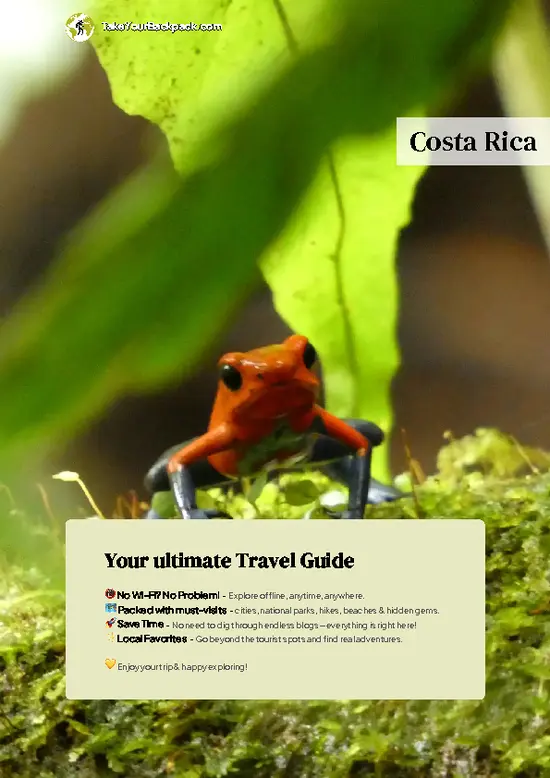
An offline-friendly backpacking guide with optimized travel routes, ranked highlights, transport advice, and the best areas to stay.
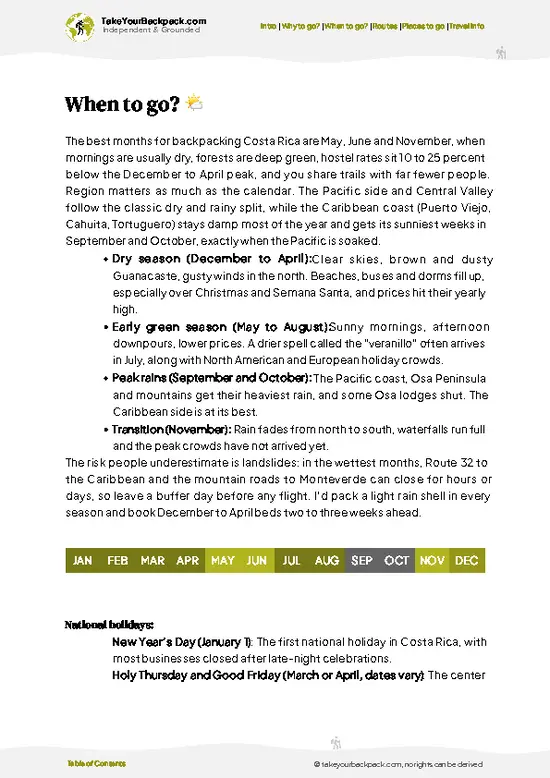
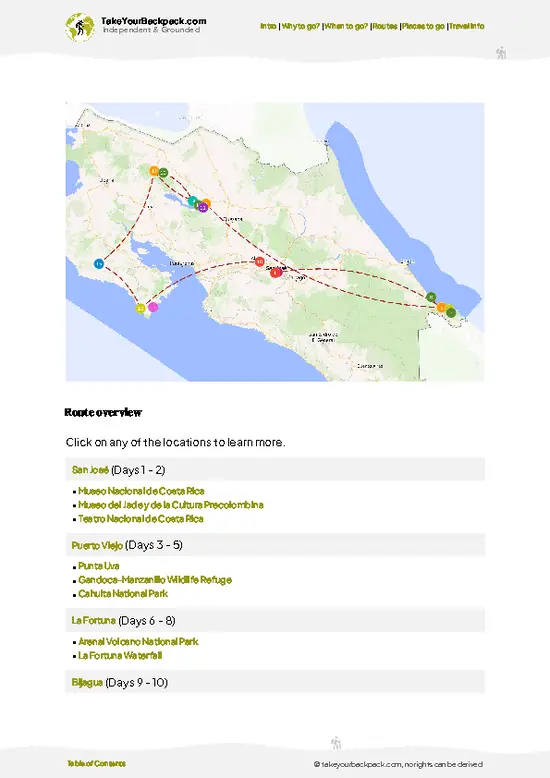
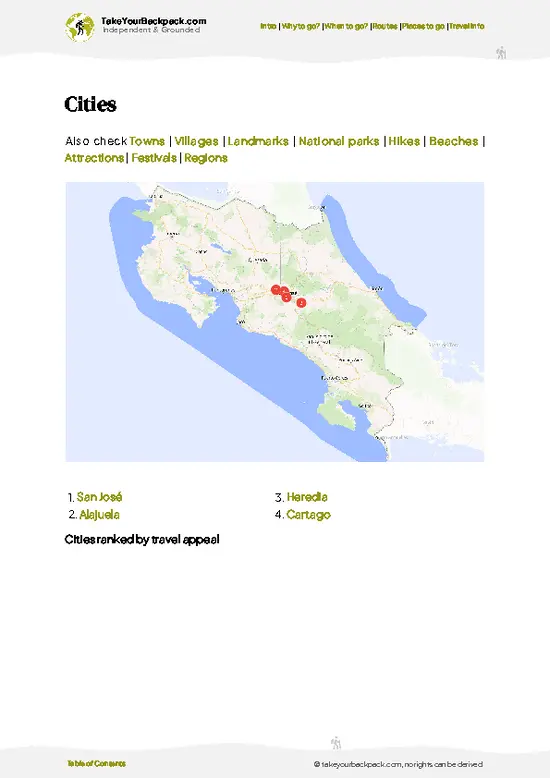
example page 0 from our offline Travel Guide for Costa Rica
example page 1 from our offline Travel Guide for Costa Rica
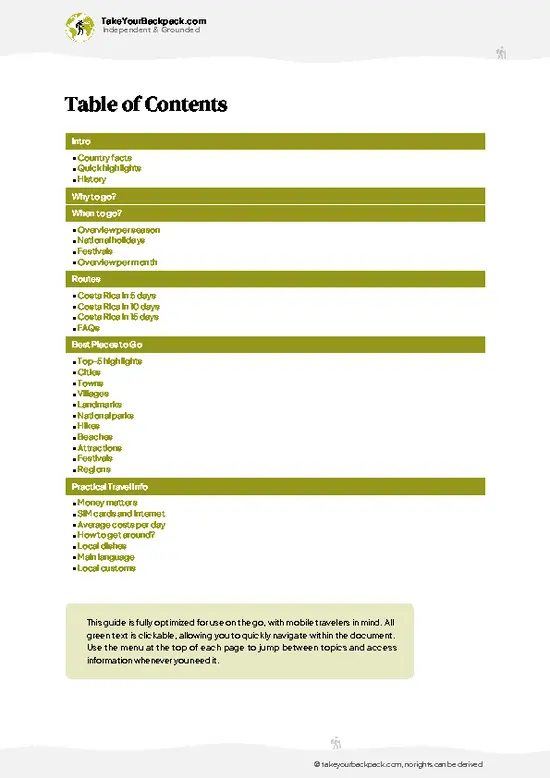
example page 2 from our offline Travel Guide for Costa Rica
example page 3 from our offline Travel Guide for Costa Rica
example page 4 from our offline Travel Guide for Costa Rica
example page 5 from our offline Travel Guide for Costa Rica
example page 6 from our offline Travel Guide for Costa Rica
example page 7 from our offline Travel Guide for Costa Rica
The digital guide (372 pages) contains:
93 highlights, ranked by travel appeal
Optimized 5, 10 & 15-day travel routes
Cities, national parks, landmarks, beaches
How to get around
Offline-friendly for travel without Wi-Fi
👉 Click to see all 30+ guide features

📅 Plan smarter in minutes, not weeks
Month by month travel advice
Festivals & national holidays
Budget expectations

🗺️ Go to the right places, skip the overrated ones
Honest pros & cons of destinations
Top hikes, parks & viewpoints
Lesser-known places most travelers miss
Clear “worth it vs skip it” guidance

🛏️ Travel smoothly without rookie mistakes
Best areas to stay
Transport systems explained simply
Common scams & safety advice
SIM cards, money & practical tips

🌍 Understand the country, not just visit it
Culture & traditions
52 Essential phrases & customs
Festivals worth planning around
Traveler-friendly historical context
Insights that make places more meaningful

📱 Built for real travel conditions
Fully downloadable PDF
Works completely offline
Optimized for phone use
Useful in remote areas & buses
Everything in one place
Save weeks of stressful planning
Get instant access to your full guide. 30‑day money-back guarantee.


By proceeding you agree to our terms.
Sent to your inbox immediately after payment • 100% Secure Checkout
Best Backpacking Travel Advisor 2025 tourism awardBest Backpacking
Travel Advisor
2025
What others say about Take Your Backpack Guides:
⭐⭐⭐⭐⭐
Fantastic, amazing amount of information!
⭐⭐⭐⭐⭐
My goodness this is amazing, it's what I've been looking for hats off too you!
⭐⭐⭐⭐⭐
I think this is absolutely BRILLIANT
⭐⭐⭐⭐
Very complete and informative. It's still missing places, but I gotta to commend you
⭐⭐⭐⭐⭐
This is truly amazing, thank you, can't wait to explore it with my kids!
⭐⭐⭐⭐⭐
Awesome resource, thank you!
⭐⭐⭐⭐⭐
This is amazing! Can't wait to explore the ones I haven't seen
⭐⭐⭐⭐
I love this! Well done, great idea.
⭐⭐⭐⭐⭐
Thanks for taking the time to make this gem!
⭐⭐⭐⭐⭐
This might be the best website I've ever seen.
⭐⭐⭐⭐⭐
Congratulations, and thank you so much for your work; it's incredibly valuable.
⭐⭐⭐⭐
In all seriousness I think you did a great job pointing out the important spots
⭐⭐⭐⭐⭐
10/10 very good
⭐⭐⭐⭐⭐
As someone who's only just starting to visit regularly this is awesome, thank you.
⭐⭐⭐⭐
Thank you very much! I'm going to visit my dad, it's going to be very useful!
⭐⭐⭐⭐⭐
This is really cool! We'll be travelling for the first time and this definitely come in handy.
⭐⭐⭐⭐⭐
You are now our minister of culture, congratulations 👨‍💼
⭐⭐⭐⭐⭐
Just wanted to tell you that this is a pearl! Going to follow your recommendations.
⭐⭐⭐⭐⭐
This is so cool. I'll definitely be using the resource for my travels soon.
⭐⭐⭐⭐⭐
This is very impressive! Good work.
⭐⭐⭐⭐⭐
This is an amazing and informative site. Very well done!

🛏️ Where to stay?Where staying makes the most sense

If you’re backpacking to Museo de los Niños in San José, Costa Rica, brace yourself for a reality check: this isn’t a quiet, off-the-beaten-path spot. The museum sits smack in the middle of downtown San José, a bustling urban hub that’s noisy, crowded, and far from the postcard-perfect jungle escapes most travelers imagine when they think Costa Rica. Expect traffic, street vendors, and a constant hum of city life. It’s not the place for solitude or pristine nature views.

But here’s the kicker: that chaos is exactly why you want to stay nearby if you’re a solo traveler or on a budget. The neighborhoods … read more 👉
If you’re backpacking to Museo de los Niños in San José, Costa Rica, brace yourself for a reality check: this isn’t a quiet, off-the-beaten-path spot. The museum sits smack in the middle of downtown San José, a bustling urban hub that’s noisy, crowded, and far from the postcard-perfect jungle escapes most travelers imagine when they think Costa Rica. Expect traffic, street vendors, and a constant hum of city life. It’s not the place for solitude or pristine nature views.

But here’s the kicker: that chaos is exactly why you want to stay nearby if you’re a solo traveler or on a budget. The neighborhoods around La Sabana Park and Barrio Amón offer the best balance of safety, social vibe, and accessibility. La Sabana is the city’s green lung, a massive park where locals jog, play soccer, and hang out. It’s a natural meeting point for backpackers who want to mingle without stepping into tourist traps. Plus, it’s a short walk or quick bus ride to Museo de los Niños.

Barrio Amón, on the other hand, is where you’ll find a mix of old colonial charm and a growing café culture. It’s safer and quieter than downtown but still close enough to the museum and other city attractions. Both areas have a solid backpacker presence, meaning you’ll find plenty of fellow travelers to swap stories with, plus affordable eats and easy transport options. Skip the touristy hotel zones; these neighborhoods give you the real pulse of San José without selling out your budget or your sense of adventure.

👛 Costs (as of 29 September 2025)Typical daily expenses

As of March 2026, the Museo de los Niños in Costa Rica charges an entrance fee of ₡2,500 for children and ₡3,000 for adults over 15 years old. Additional attractions, such as the 'Castillo de los Sueños,' offer activities like canopy, bridge, bumper cars, and ball pit, each priced at ₡1,500 per person per turn. Parking is available at ₡1,000 per hour. ([museocr.org](https://museocr.org/ninos/tu-visita/?utm_source=openai))

source: museocr.org
⚠️ Prices can change and everyone travels differently, so take this as a rough guide. Hope it helps you plan your adventure!

Other Costa Rican attractions near Museo de los Niños

Explore more nearby:


💡 Not sure where to go next?
Create a personalized itinerary for Costa Rica including Museo de los Niños and the places that fit your trip.

Generate my itinerary

👉 Discover all attractions

Or checkout all Costa Rica has to offer (think cities, towns, villages, national parks, hikes, beaches, festivals)
Country photo of Costa Rica

We 💚 feedbackFinal thoughts on visiting Museo de los Niños

Museo de los Niños isn’t your typical museum—it’s a hands-on playground for curious minds, packed with interactive exhibits that actually make learning fun for all ages. But heads-up: it can get crowded, especially on weekends, which means you’ll be elbow-to-elbow with families. If you can time your visit right, though, the genuine joy and quirky educational twists here make it a rare spot where kids and adults both leave smarter and smiling.

✈️ When did I visit Costa Rica?
Cost Rica I visited during my half year trip through South and Central America back in 2003

✍️ Help improve this page!
The information on this page is based on my own backpacking experience in Costa Rica, supplemented with up-to-date research and feedback from other travelers. Travel details can change, so if you notice anything outdated or incomplete, feel free to let me know.


🙋‍♂️ Give feedback

👋 Meet the founderWho’s Behind Take Your Backpack?

Johan, backpacker and founder of TakeYourBackpackHi, I’m Johan (Netherlands 🇳🇱), the creator of TakeYourBackpack. Over the past decade, I’ve backpacked through 80+ countries across six continents, gaining extensive experience with independent travel, long-term trips, and overland routes.

This site is built on a combination of firsthand travel experience and carefully curated insights from other backpackers. Many guides are based on places I’ve personally visited, while others bring together tips, observations, and practical advice shared by trusted travelers I’ve met along the way.

The goal is to provide realistic, experience-driven guidance — not generic itineraries — so you can explore destinations with better context, clearer expectations, and more confidence.

Get full Costa Rica guide •
Instant download • 93 highlights • Full Offline guide