×

Costa Rica🇨🇷 | attractionsMuseo del Oro Precolombinogold pieces, subterranean vault, ancient metallurgy | things to do and best time to go

Explore Museo Nacional de Costa RicaExplore Museo del Jade y de la Cultura Precolombina

Backpacking in Museo del Oro Precolombino
🏆 Top pickattraction ranked #3
By Johan Kruseman 🇳🇱 | Updated May 16, 2026

Here’s what nobody tells you until you’re already inside: Museo del Oro Precolombino is air-conditioned, blissfully quiet, and doubles as a sanctuary from San José’s relentless midday chaos. You’ll find it right beneath the Plaza de la Cultura, smack in the heart of downtown San José—so central you can stumble in with your backpack before your coffee’s even kicked in. Now, let’s be real: this isn’t the kind of place that’ll flood your feed with jungle waterfalls or volcano selfies. But if you want to see Costa Rica’s soul—raw, glittering, and older than the conquistadors—this is where you go. The crowds are manageable, mostly school groups and a few curious travelers dodging rain or heat. Entry isn’t dirt-cheap, but it’s fair for what you get: a deep dive into goldwork that’s more Indiana Jones than Instagram. Compared to the country’s headline-grabbing eco-adventures, the museum is cerebral, cool, and—if you let it—quietly electrifying.

Discover everything you want to know in the 📖 Costa Rica Travel Guide.
Loading the map 🌍
CLICK TO FILTER
cities
towns
villages
landmarks
national parks
hikes
beaches
attractions
festivals
regions
SHOW COUNTRY’S BESTSHOW ALL

✨ Why go?
Ranked #3 attraction in Costa Rica
The unique appeal for travelers

The Museo del Oro Precolombino in Costa Rica is often overshadowed by flashier tourist spots, but skipping it means missing a core piece of the country’s soul. Yes, it’s a popular stop, so expect crowds, especially midday. But here’s the thing: this museum isn’t just about shiny artifacts locked behind glass. It’s a deep dive into the indigenous cultures that shaped Costa Rica long before the tourist brochures existed. The collection of pre-Columbian gold pieces isn’t just beautiful—it’s a narrative of survival, artistry, and identity that you won’t get from a beach or jungle trek.

Backpackers make time here because it’s a rare chance to connect with history on a visceral level without the usual tourist fluff. The effort-to-reward ratio is high: a couple of hours in a well-curated space that … read more 👉
The Museo del Oro Precolombino in Costa Rica is often overshadowed by flashier tourist spots, but skipping it means missing a core piece of the country’s soul. Yes, it’s a popular stop, so expect crowds, especially midday. But here’s the thing: this museum isn’t just about shiny artifacts locked behind glass. It’s a deep dive into the indigenous cultures that shaped Costa Rica long before the tourist brochures existed. The collection of pre-Columbian gold pieces isn’t just beautiful—it’s a narrative of survival, artistry, and identity that you won’t get from a beach or jungle trek.

Backpackers make time here because it’s a rare chance to connect with history on a visceral level without the usual tourist fluff. The effort-to-reward ratio is high: a couple of hours in a well-curated space that packs centuries of culture into every exhibit. It’s a milestone on the classic Costa Rica route, grounding your adventure in something real and ancient before you hit the natural wonders. If you want to understand the country beyond the postcard, this museum is a non-negotiable stop. It’s where the story of Costa Rica’s past hits you with the force of gold—literal and metaphorical.
Want to include Museo del Oro Precolombino in your Costa Rica route?
Create a personalized Costa Rica itinerary that includes Museo del Oro Precolombino and the places that fit your trip — based on your travel style, budget, and available time. Get your route in seconds.

Generate my trip

💡 HighlightsPlaces and moments you shouldn't skip

The Gold Room (La Sala de Oro)
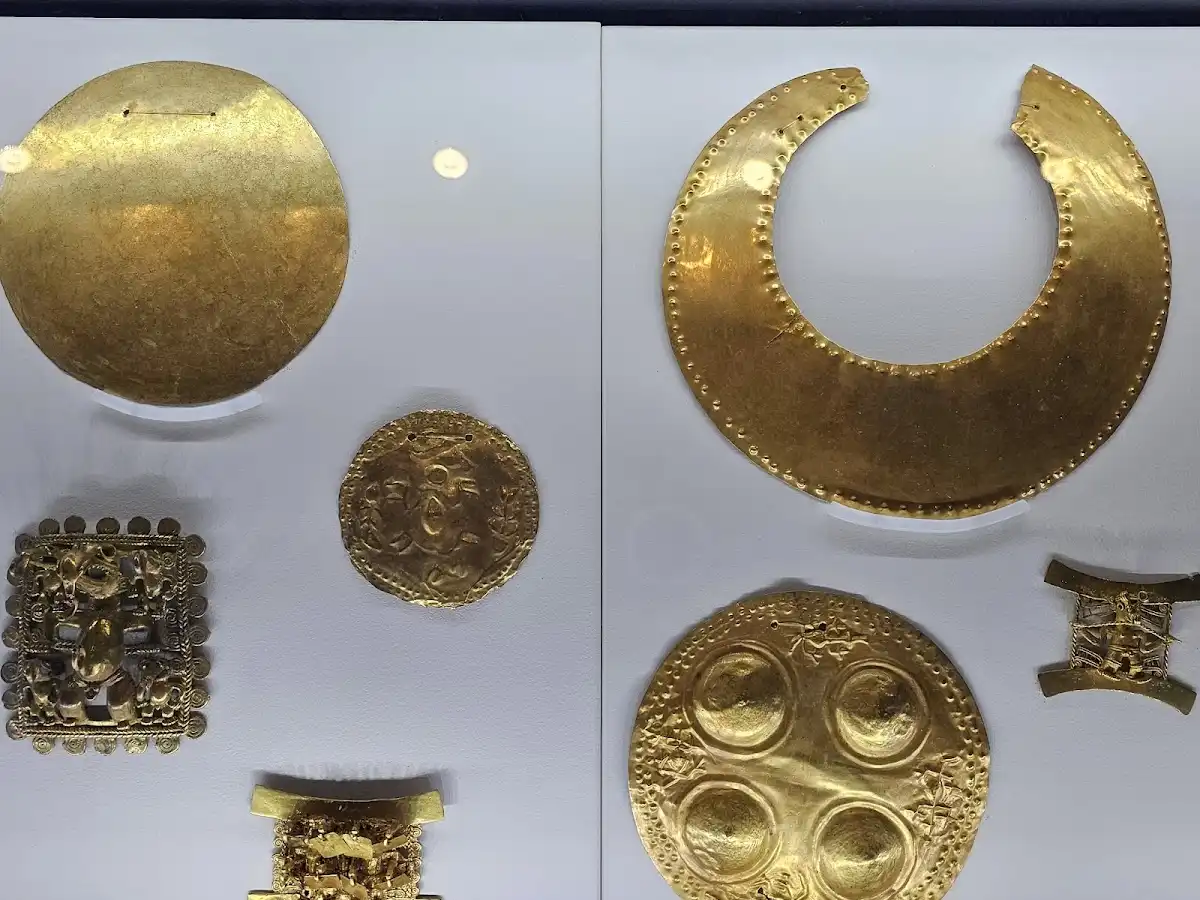
Let’s get real: you’re here for the gold, and the museum doesn’t play coy. The Gold Room is a vault-like, dimly lit chamber that feels more like a Bond villain’s lair than a stuffy exhibit. Hundreds of pre-Columbian gold artifacts—jaguar pendants, ceremonial breastplates, tiny frogs, and intricate animal figurines—are displayed with zero apology for their bling factor. The craftsmanship is wild: these pieces were hammered, cast, and polished by hand centuries before the Spanish ever sniffed the New World. It’s not just shiny stuff; it’s a crash course in the spiritual and social power of gold for Costa Rica’s indigenous cultures. If you want to see what “wealth” meant before banks and Bitcoin, this is the room. This one’s my personal favorite—nothing else in San read more 👉
The Gold Room (La Sala de Oro)
Let’s get real: you’re here for the gold, and the museum doesn’t play coy. The Gold Room is a vault-like, dimly lit chamber that feels more like a Bond villain’s lair than a stuffy exhibit. Hundreds of pre-Columbian gold artifacts—jaguar pendants, ceremonial breastplates, tiny frogs, and intricate animal figurines—are displayed with zero apology for their bling factor. The craftsmanship is wild: these pieces were hammered, cast, and polished by hand centuries before the Spanish ever sniffed the New World. It’s not just shiny stuff; it’s a crash course in the spiritual and social power of gold for Costa Rica’s indigenous cultures. If you want to see what “wealth” meant before banks and Bitcoin, this is the room. This one’s my personal favorite—nothing else in San José hits you with this much ancient swagger in one punch.


The Life-Size Gold Figure
Most museums give you trinkets behind glass. Here, you get a full-sized gold figure—human height, human attitude. It’s a rare chance to stand eye-to-eye with a pre-Columbian icon, and it’s a reminder that these weren’t just decorative pieces; they were loaded with meaning, status, and sometimes intimidation. The scale alone is a showstopper, and it’s a magnet for every camera in the building (and, yes, every selfie stick). But in person, it’s more than a photo op—it’s a confrontation with a culture that saw gold as a bridge to the supernatural.


The Interactive Map of Ancient Trade Routes
Forget the old-school “here’s a map on the wall” routine. This digital display lets you trace the movement of gold, jade, and obsidian across ancient Central America. You can literally follow the trade routes with your finger, watching how objects and ideas moved long before highways and airports. It’s a rare museum moment where you get to play detective, piecing together how Costa Rica fit into a much bigger world. For anyone who thinks pre-Columbian history is just local trivia, this map blows that myth apart.


The Goldsmithing Techniques Exhibit
If you’ve ever wondered how someone could turn river gold into a miniature jaguar with nothing but stone tools and patience, this is your answer. The exhibit breaks down the lost-wax casting, hammering, and filigree techniques used by ancient artisans. There are tools, step-by-step models, and even video demonstrations. It’s the antidote to the “ancient people were primitive” myth—these were master technicians, not just lucky panners.


The Shamanic and Animal Symbolism Section
Here’s where the museum gets weird—in the best way. Gold wasn’t just for showing off; it was a passport to the spirit world. This section dives into the animal motifs—frogs, jaguars, eagles—and the shamanic rituals that powered them. You’ll see pieces that were worn by spiritual leaders, believed to transform them into animals or grant supernatural powers. It’s a reminder that gold’s real magic wasn’t its price tag, but its role in the cosmic drama of life, death, and transformation.

Spotted a mistake or missing something? Contact us.

Things to do around Museo del Oro Precolombino

Ratings based on Tripadvisor reviews. When you book through this link, you support our work at no extra cost to you.

🌤️ When to go?When to go for the best experience


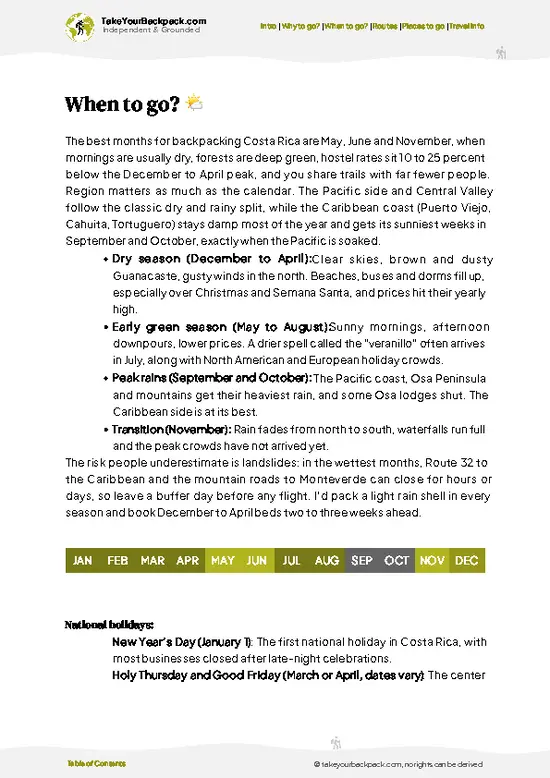
  • Weather: The dry season from December to April is your best bet for clear skies and no rain, making it easier to explore without soggy maps or slippery streets. The wet season, May through November, brings heavy afternoon showers that can put a damper on your visit.

  • Temperature: Expect a comfortable range year-round, roughly 20-26°C (68-79°F). It’s rarely cold, but the dry season feels a bit warmer and more pleasant for wandering around the museum and nearby areas.

  • Daylight Hours: Daylight is fairly consistent, around 11 to 12 hours daily. This means you have plenty of time to soak in the exhibits without rushing, regardless of when you visit.

  • Crowds: Peak tourist season hits from December to March, so expect more visitors and a busier museum experience. The shoulder months of April
read more 👉

  • Weather: The dry season from December to April is your best bet for clear skies and no rain, making it easier to explore without soggy maps or slippery streets. The wet season, May through November, brings heavy afternoon showers that can put a damper on your visit.

  • Temperature: Expect a comfortable range year-round, roughly 20-26°C (68-79°F). It’s rarely cold, but the dry season feels a bit warmer and more pleasant for wandering around the museum and nearby areas.

  • Daylight Hours: Daylight is fairly consistent, around 11 to 12 hours daily. This means you have plenty of time to soak in the exhibits without rushing, regardless of when you visit.

  • Crowds: Peak tourist season hits from December to March, so expect more visitors and a busier museum experience. The shoulder months of April and November offer a quieter atmosphere, letting you appreciate the artifacts without the crush.

  • Seasonal Activities: The dry season aligns with cultural festivals and outdoor events in San José, adding layers to your visit beyond the museum walls. The rainy months are quieter but can feel more authentic if you want to avoid the tourist bubble.

  • Price Fluctuations: Entrance fees stay stable year-round, but accommodation and flights spike during the dry season. Backpackers on a budget will find better deals from May to November, though you trade off some weather reliability.


Pro-tip: Visit in late November or early April to dodge the worst crowds and rain, scoring the best balance of comfort, cost, and calm inside the Museo del Oro Precolombino.


source: climatestotravel.comJANJanuary: excellent for travelingFEBFebruary: excellent for travelingMARMarch: excellent for travelingAPRApril: highly recommended for travelingMAYMay: fair for travelingJUNJune: fair for travelingJULJuly: fair for travelingAUGAugust: fair for travelingSEPSeptember: fair for travelingOCTOctober: fair for travelingNOVNovember: highly recommended for travelingDECDecember: excellent for traveling
costa-rica-attraction-museo-del-oro-precolombino v1
© Google |

✈️ The backpacker research shortcutCosta Rica Travel Guide

An offline-friendly backpacking guide with optimized travel routes, ranked highlights, transport advice, and the best areas to stay.
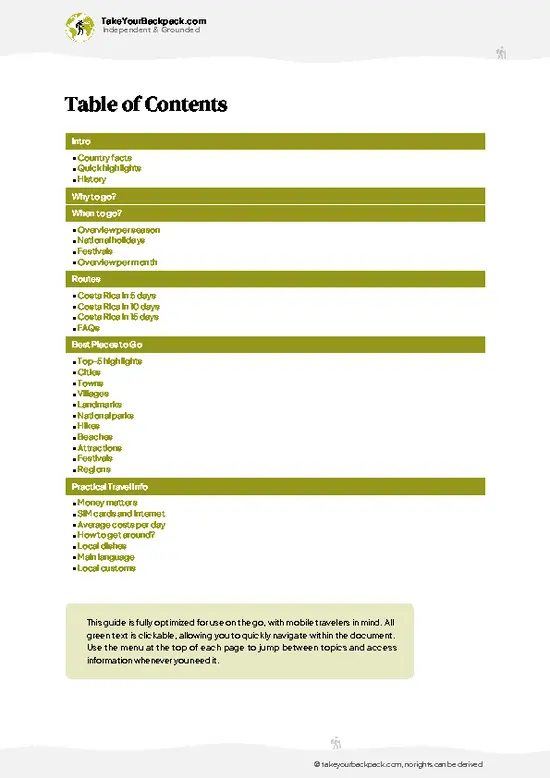
example page 0 from our offline Travel Guide for Costa Rica
example page 1 from our offline Travel Guide for Costa Rica
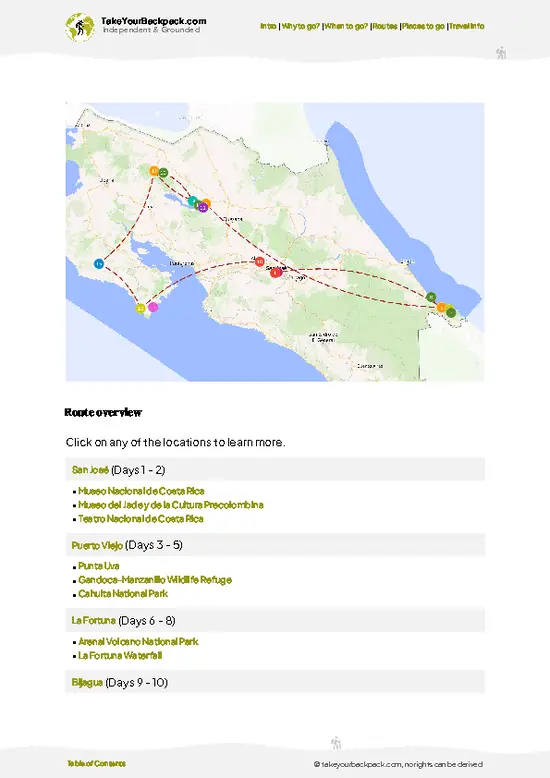
example page 2 from our offline Travel Guide for Costa Rica
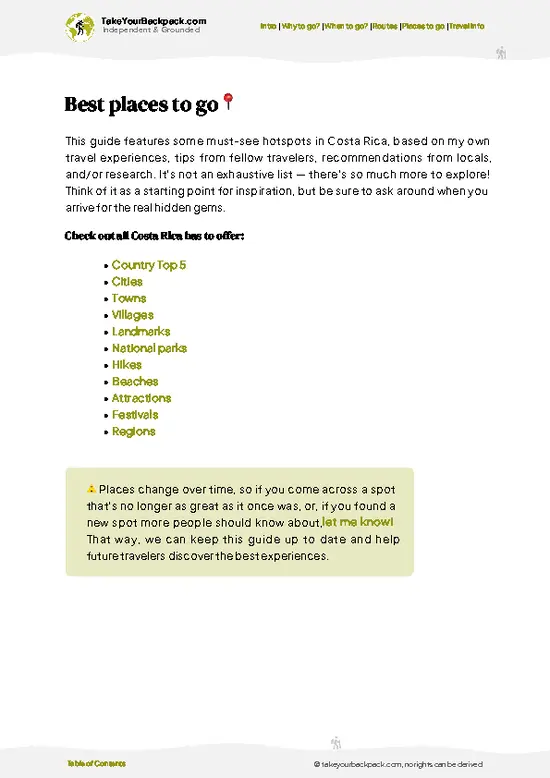
example page 3 from our offline Travel Guide for Costa Rica
example page 4 from our offline Travel Guide for Costa Rica
example page 5 from our offline Travel Guide for Costa Rica
example page 6 from our offline Travel Guide for Costa Rica
example page 7 from our offline Travel Guide for Costa Rica
The digital guide (372 pages) contains:
93 highlights, ranked by travel appeal
Optimized 5, 10 & 15-day travel routes
Cities, national parks, landmarks, beaches
How to get around
Offline-friendly for travel without Wi-Fi
👉 Click to see all 30+ guide features

📅 Plan smarter in minutes, not weeks
Month by month travel advice
Festivals & national holidays
Budget expectations

🗺️ Go to the right places, skip the overrated ones
Honest pros & cons of destinations
Top hikes, parks & viewpoints
Lesser-known places most travelers miss
Clear “worth it vs skip it” guidance

🛏️ Travel smoothly without rookie mistakes
Best areas to stay
Transport systems explained simply
Common scams & safety advice
SIM cards, money & practical tips

🌍 Understand the country, not just visit it
Culture & traditions
52 Essential phrases & customs
Festivals worth planning around
Traveler-friendly historical context
Insights that make places more meaningful

📱 Built for real travel conditions
Fully downloadable PDF
Works completely offline
Optimized for phone use
Useful in remote areas & buses
Everything in one place
Save weeks of stressful planning
Get instant access to your full guide. 30‑day money-back guarantee.


By proceeding you agree to our terms.
Sent to your inbox immediately after payment • 100% Secure Checkout
Best Backpacking Travel Advisor 2025 tourism awardBest Backpacking
Travel Advisor
2025
What others say about Take Your Backpack Guides:
⭐⭐⭐⭐⭐
Fantastic, amazing amount of information!
⭐⭐⭐⭐⭐
My goodness this is amazing, it's what I've been looking for hats off too you!
⭐⭐⭐⭐⭐
I think this is absolutely BRILLIANT
⭐⭐⭐⭐
Very complete and informative. It's still missing places, but I gotta to commend you
⭐⭐⭐⭐⭐
This is truly amazing, thank you, can't wait to explore it with my kids!
⭐⭐⭐⭐⭐
Awesome resource, thank you!
⭐⭐⭐⭐⭐
This is amazing! Can't wait to explore the ones I haven't seen
⭐⭐⭐⭐
I love this! Well done, great idea.
⭐⭐⭐⭐⭐
Thanks for taking the time to make this gem!
⭐⭐⭐⭐⭐
This might be the best website I've ever seen.
⭐⭐⭐⭐⭐
Congratulations, and thank you so much for your work; it's incredibly valuable.
⭐⭐⭐⭐
In all seriousness I think you did a great job pointing out the important spots
⭐⭐⭐⭐⭐
10/10 very good
⭐⭐⭐⭐⭐
As someone who's only just starting to visit regularly this is awesome, thank you.
⭐⭐⭐⭐
Thank you very much! I'm going to visit my dad, it's going to be very useful!
⭐⭐⭐⭐⭐
This is really cool! We'll be travelling for the first time and this definitely come in handy.
⭐⭐⭐⭐⭐
You are now our minister of culture, congratulations 👨‍💼
⭐⭐⭐⭐⭐
Just wanted to tell you that this is a pearl! Going to follow your recommendations.
⭐⭐⭐⭐⭐
This is so cool. I'll definitely be using the resource for my travels soon.
⭐⭐⭐⭐⭐
This is very impressive! Good work.
⭐⭐⭐⭐⭐
This is an amazing and informative site. Very well done!

🛏️ Where to stay?How to pick the right area

If you’re aiming to soak in the Museo del Oro Precolombino without getting swallowed by tourist traps or sketchy neighborhoods, your best bet is to camp out in the downtown San José area, especially around Barrio Amón and the adjacent neighborhoods. This zone is the heartbeat of the city’s backpacker scene—safe enough to wander at night, packed with cafés, street food stalls, and a surprisingly lively nightlife that doesn’t demand a big budget. It’s where you’ll find fellow travelers swapping stories over cheap beers or planning their next move.

Don’t expect a polished, cookie-cutter experience … read more 👉
If you’re aiming to soak in the Museo del Oro Precolombino without getting swallowed by tourist traps or sketchy neighborhoods, your best bet is to camp out in the downtown San José area, especially around Barrio Amón and the adjacent neighborhoods. This zone is the heartbeat of the city’s backpacker scene—safe enough to wander at night, packed with cafés, street food stalls, and a surprisingly lively nightlife that doesn’t demand a big budget. It’s where you’ll find fellow travelers swapping stories over cheap beers or planning their next move.

Don’t expect a polished, cookie-cutter experience here. The streets are a mix of colonial charm and urban grit, which means you get the real pulse of Costa Rican city life, not some sanitized tourist bubble. It’s social, it’s raw, and it’s authentic. Plus, you’re a short walk from the museum, so you can hit it early before the crowds roll in or linger late when the light hits the gold artifacts just right.

If you veer too far into the more commercial or upscale districts, you’ll lose that gritty, social vibe that makes backpacking worthwhile. And if you stray too far out, you’ll spend more on taxis than on the experience itself. Stick close, stay curious, and you’ll find the real magic isn’t just in the museum—it’s in the neighborhood that surrounds it.

👛 Costs (as of 21 September 2025)Money, prices, and spending tips

As of the most recent estimates, the entrance fee for the Museo del Oro Precolombino in Costa Rica is approximately €15 for regular foreign visitors and €20 for foreign students. Admission is free for children under 12 years old. The museum is open daily from 9:15 a.m. to 5:00 p.m. ([museosdelbancocentral.org](https://museosdelbancocentral.org/eng/exhibiciones/museo-del-oro-precolombino/?utm_source=openai))

source: museosdelbancocentral.org
⚠️ Prices can change and everyone travels differently, so take this as a rough guide. Hope it helps you plan your adventure!

Other Costa Rican attractions near Museo del Oro Precolombino

Explore more nearby:


💡 Not sure where to go next?
Create a personalized itinerary for Costa Rica including Museo del Oro Precolombino and the places that fit your trip.

Generate my itinerary

👉 Discover all attractions

Or checkout all Costa Rica has to offer (think cities, towns, villages, national parks, hikes, beaches, festivals)
Country photo of Costa Rica

We 💚 feedbackWhat to keep in mind

The Museo del Oro Precolombino isn’t just a shiny pit stop for tourists chasing Instagram gold—it’s a deep dive into Costa Rica’s raw history, packed with artifacts that tell stories no guidebook can capture. But heads up: it’s small and can get crowded, especially midday. If you want to soak in the real magic, go early, take your time, and let the weight of those ancient pieces settle in. It’s worth it, no sugarcoating.

✈️ When did I visit Costa Rica?
Cost Rica I visited during my half year trip through South and Central America back in 2003

✍️ Help improve this page!
The information on this page is based on my own backpacking experience in Costa Rica, supplemented with up-to-date research and feedback from other travelers. Travel details can change, so if you notice anything outdated or incomplete, feel free to let me know.


🙋‍♂️ Give feedback

👋 Meet the founderWho’s Behind Take Your Backpack?

Johan, backpacker and founder of TakeYourBackpackHi, I’m Johan (Netherlands 🇳🇱), the creator of TakeYourBackpack. Over the past decade, I’ve backpacked through 80+ countries across six continents, gaining extensive experience with independent travel, long-term trips, and overland routes.

This site is built on a combination of firsthand travel experience and carefully curated insights from other backpackers. Many guides are based on places I’ve personally visited, while others bring together tips, observations, and practical advice shared by trusted travelers I’ve met along the way.

The goal is to provide realistic, experience-driven guidance — not generic itineraries — so you can explore destinations with better context, clearer expectations, and more confidence.

Get full Costa Rica guide •
Instant download • 93 highlights • Full Offline guide