
The Old Prison Cells
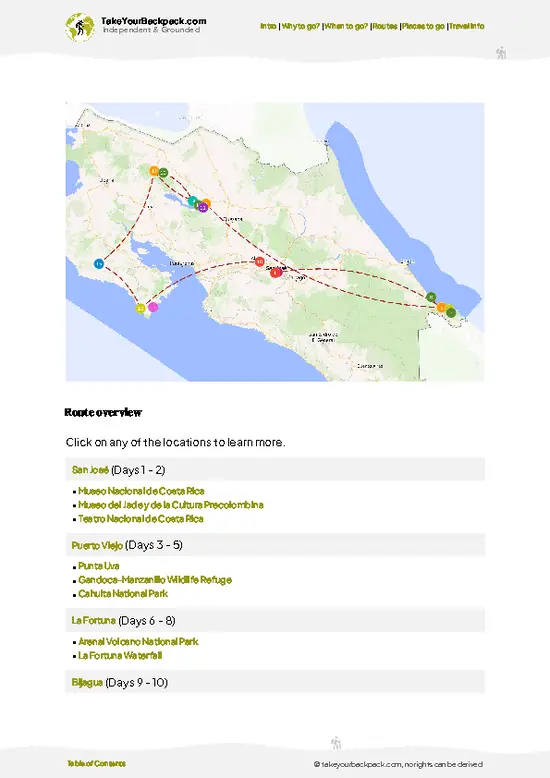
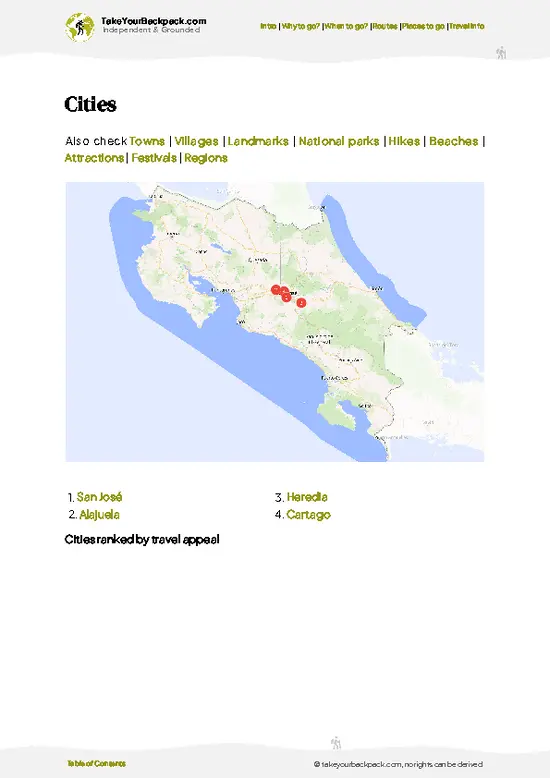
Let’s rip off the Instagram filter: the Museo Nacional de Costa Rica is housed in a former military barracks and prison. Yes, you’ll see the bullet holes. Yes, you can walk through the actual cells where political prisoners were held. This isn’t some sanitized, airbrushed history—these walls are heavy with stories. The contrast between the grim past and the museum’s current mission (education, culture, and peace) is the real showstopper. Skip the selfie and just stand in one of those cells for a minute. You’ll feel the weight of Costa Rica’s decision to abolish its army in 1948. That’s the kind of history that sticks to your boots.
The Butterfly Garden
You’re not in Costa Rica until you’ve had a butterfly land on your hat. The museum’s open-air butterfly garden is a riot … read more 👉
Let’s rip off the Instagram filter: the Museo Nacional de Costa Rica is housed in a former military barracks and prison. Yes, you’ll see the bullet holes. Yes, you can walk through the actual cells where political prisoners were held. This isn’t some sanitized, airbrushed history—these walls are heavy with stories. The contrast between the grim past and the museum’s current mission (education, culture, and peace) is the real showstopper. Skip the selfie and just stand in one of those cells for a minute. You’ll feel the weight of Costa Rica’s decision to abolish its army in 1948. That’s the kind of history that sticks to your boots.
The Butterfly Garden
You’re not in Costa Rica until you’ve had a butterfly land on your hat. The museum’s open-air butterfly garden is a riot … read more 👉
The Old Prison Cells
Let’s rip off the Instagram filter: the Museo Nacional de Costa Rica is housed in a former military barracks and prison. Yes, you’ll see the bullet holes. Yes, you can walk through the actual cells where political prisoners were held. This isn’t some sanitized, airbrushed history—these walls are heavy with stories. The contrast between the grim past and the museum’s current mission (education, culture, and peace) is the real showstopper. Skip the selfie and just stand in one of those cells for a minute. You’ll feel the weight of Costa Rica’s decision to abolish its army in 1948. That’s the kind of history that sticks to your boots.
The Butterfly Garden
You’re not in Costa Rica until you’ve had a butterfly land on your hat. The museum’s open-air butterfly garden is a riot of color and motion, and it’s not just for kids. This is a living, fluttering reminder that Costa Rica is one of the most biodiverse countries on the planet. The garden is tucked inside the old fortress walls, so you get this wild juxtaposition: delicate wings against stone and barbed wire. It’s a microcosm of the country’s transformation from conflict to conservation. If you’re jaded by glass cases, this is your palate cleanser.
Pre-Columbian Gold and Jade
Forget the generic “ancient artifacts” spiel. The museum’s collection of pre-Columbian gold and jade is the real deal—jaguar pendants, ceremonial axes, and jewelry that would make a modern influencer jealous. These pieces aren’t just pretty; they’re loaded with meaning, tracing the beliefs and social structures of Costa Rica’s earliest cultures. The displays are refreshingly direct, with just enough context to spark your imagination without drowning you in jargon. If you want to understand Costa Rica before the Spanish arrived, this is your time machine.
Bullet-Riddled Walls
This isn’t a typo or a repeat—the bullet holes in the museum’s exterior are a highlight all their own. They’re not patched over or hidden. They’re a blunt, physical reminder of the 1948 civil war, and they force you to confront the cost of peace. It’s rare to see a country so honest about its scars. Take a moment to run your fingers over the pockmarks. It’s more powerful than any plaque.
Temporary Exhibitions
Here’s where the museum shakes off any “dusty old institution” vibes. The rotating exhibits are where you’ll catch contemporary Costa Rican art, photography, and social commentary—sometimes provocative, sometimes playful, always plugged into the country’s current pulse. If you want to see what Costa Rica is wrestling with right now, don’t skip this section. It’s unpredictable, and that’s the point.
Personal Favorite: The Old Prison Cells
If you only have time for one thing, make it the prison cells. They’re raw, unfiltered, and impossible to forget. This is where the museum stops being a collection and becomes a conversation about power, memory, and what it means to choose peace.
Let’s rip off the Instagram filter: the Museo Nacional de Costa Rica is housed in a former military barracks and prison. Yes, you’ll see the bullet holes. Yes, you can walk through the actual cells where political prisoners were held. This isn’t some sanitized, airbrushed history—these walls are heavy with stories. The contrast between the grim past and the museum’s current mission (education, culture, and peace) is the real showstopper. Skip the selfie and just stand in one of those cells for a minute. You’ll feel the weight of Costa Rica’s decision to abolish its army in 1948. That’s the kind of history that sticks to your boots.
The Butterfly Garden
You’re not in Costa Rica until you’ve had a butterfly land on your hat. The museum’s open-air butterfly garden is a riot of color and motion, and it’s not just for kids. This is a living, fluttering reminder that Costa Rica is one of the most biodiverse countries on the planet. The garden is tucked inside the old fortress walls, so you get this wild juxtaposition: delicate wings against stone and barbed wire. It’s a microcosm of the country’s transformation from conflict to conservation. If you’re jaded by glass cases, this is your palate cleanser.
Pre-Columbian Gold and Jade
Forget the generic “ancient artifacts” spiel. The museum’s collection of pre-Columbian gold and jade is the real deal—jaguar pendants, ceremonial axes, and jewelry that would make a modern influencer jealous. These pieces aren’t just pretty; they’re loaded with meaning, tracing the beliefs and social structures of Costa Rica’s earliest cultures. The displays are refreshingly direct, with just enough context to spark your imagination without drowning you in jargon. If you want to understand Costa Rica before the Spanish arrived, this is your time machine.
Bullet-Riddled Walls
This isn’t a typo or a repeat—the bullet holes in the museum’s exterior are a highlight all their own. They’re not patched over or hidden. They’re a blunt, physical reminder of the 1948 civil war, and they force you to confront the cost of peace. It’s rare to see a country so honest about its scars. Take a moment to run your fingers over the pockmarks. It’s more powerful than any plaque.
Temporary Exhibitions
Here’s where the museum shakes off any “dusty old institution” vibes. The rotating exhibits are where you’ll catch contemporary Costa Rican art, photography, and social commentary—sometimes provocative, sometimes playful, always plugged into the country’s current pulse. If you want to see what Costa Rica is wrestling with right now, don’t skip this section. It’s unpredictable, and that’s the point.
Personal Favorite: The Old Prison Cells
If you only have time for one thing, make it the prison cells. They’re raw, unfiltered, and impossible to forget. This is where the museum stops being a collection and becomes a conversation about power, memory, and what it means to choose peace.
Spotted a mistake or missing something? Contact us.
v2.webp)


Best Backpacking
Hi, I’m Johan (Netherlands 🇳🇱), the creator of TakeYourBackpack. Over the past decade, I’ve backpacked through 80+ countries across six continents, gaining extensive experience with independent travel, long-term trips, and overland routes.