×

Costa Rica🇨🇷 | townsParritaPalm plantations, mangrove estuary, dark-sand shore | things to do and best time to go

Explore San RamónExplore Guápiles

Backpacking in Parrita
👀 For curious travelerstown ranked #24
By Johan Kruseman 🇳🇱 | Updated October 22, 2026

Parrita puts you on the Pacific highway with no tourist crowds, so a bus window stop here costs you nothing and a night costs little. It sits in the central Pacific region of Costa Rica, between Jacó and Quepos. I came by bus on Route 34, and a vendor stepped on selling icy cold coconut water through the window. Streets are flat, dusty and smell of diesel, fried plantain and wet palm leaves. Palm oil plantations roll out on both sides, and the payoff is a quiet beach. Hostels are few, so evenings stay slow. Bring cash, since ATMs are limited.

Discover everything you want to know in the 📖 Costa Rica Travel Guide.


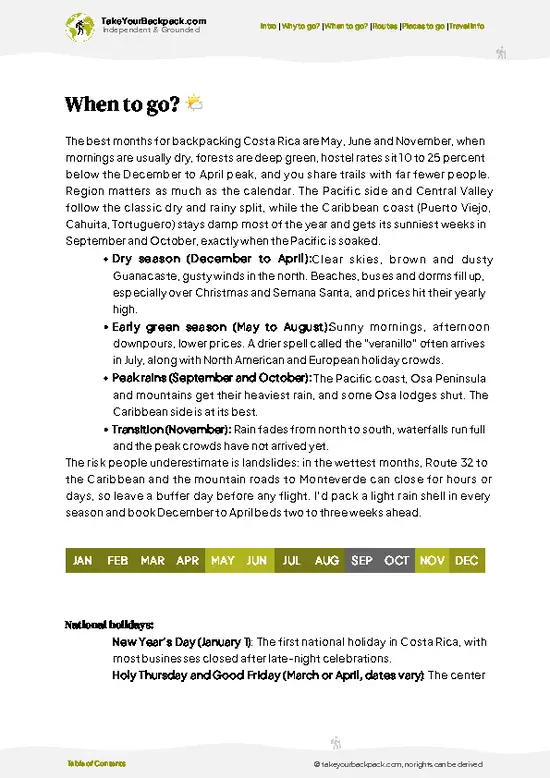
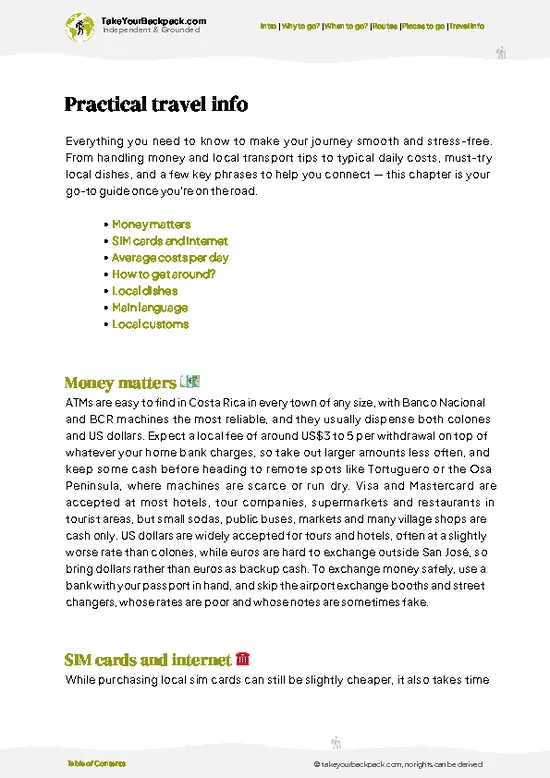
example page 0 from our offline Travel Guide for Costa Rica
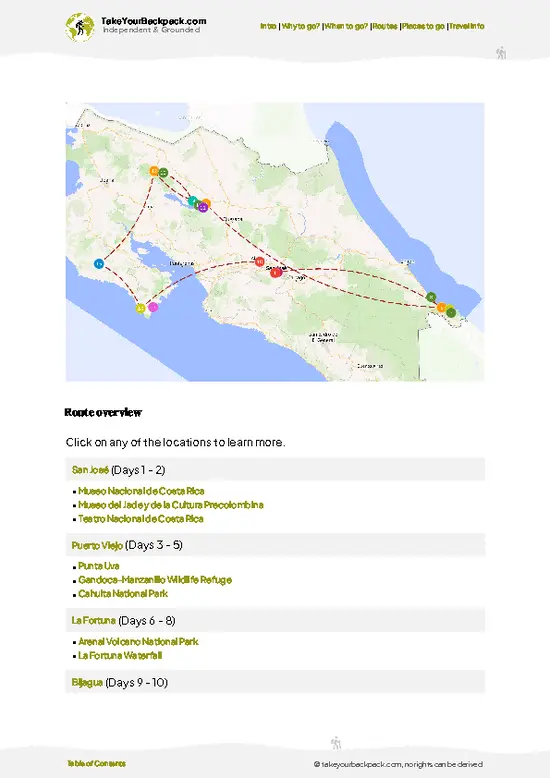
example page 1 from our offline Travel Guide for Costa Rica
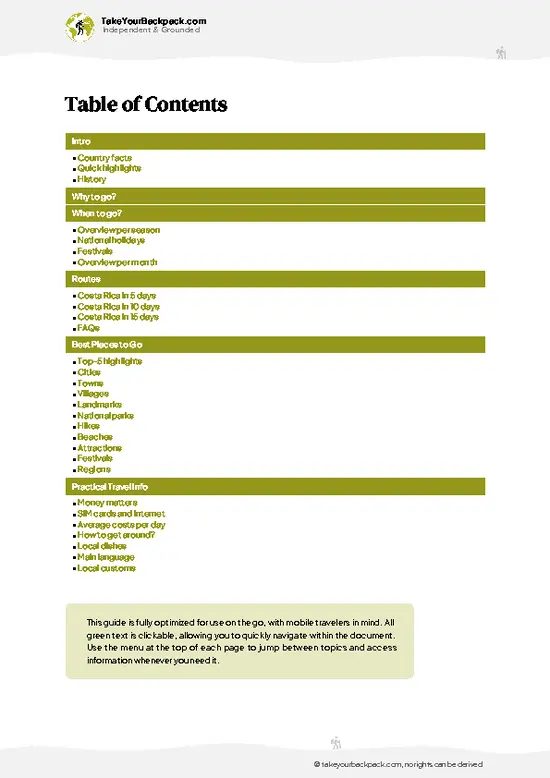
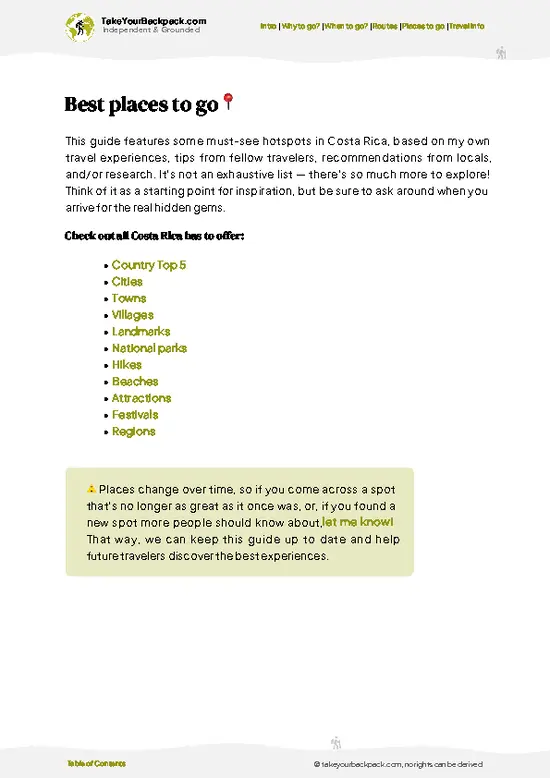
example page 2 from our offline Travel Guide for Costa Rica
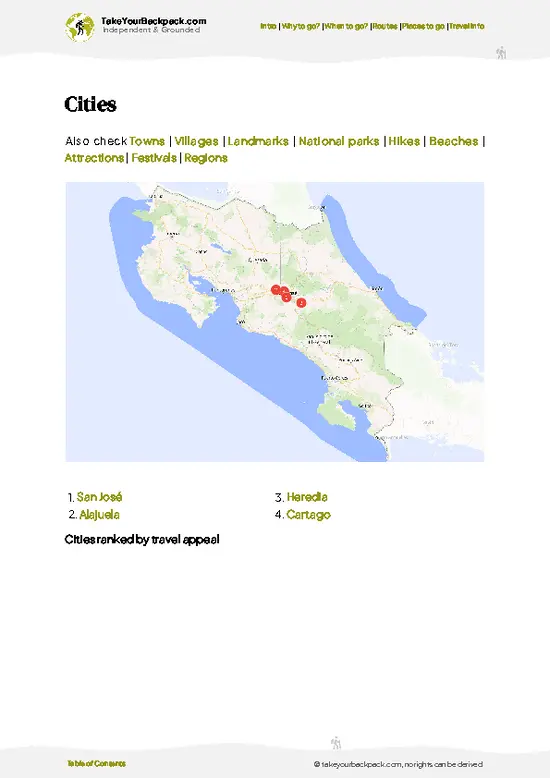
example page 3 from our offline Travel Guide for Costa Rica
example page 4 from our offline Travel Guide for Costa Rica
example page 5 from our offline Travel Guide for Costa Rica
example page 6 from our offline Travel Guide for Costa Rica
example page 7 from our offline Travel Guide for Costa Rica
Loading the map 🌍
CLICK TO FILTER
cities
towns
villages
landmarks
national parks
hikes
beaches
attractions
festivals
regions
SHOW COUNTRY’S BESTSHOW ALL

✨ Why go?
Ranked #24 town in Costa Rica
Reasons people choose to visit here

Parrita works for travelers who want to slow down between the busier beach towns of the central Pacific. Its main draw is the stretch of empty, dark-sand coast at Playa Palo Seco and the river mangroves where the Parrita River meets the sea. You will not find a party scene, and most people stay one or two nights. Slow travelers, birders and solo backpackers who like a local feel will enjoy it, especially with a rental bike or a few sodas to try. If you need nightlife, keep going.

💡 HighlightsWhat this place is best known for

  1. Playa Palo Seco: A long, wide, dark-sand beach with driftwood and few people. Go in the morning for cooler sand and calm walking. Free, 1 to 2 hours.
  2. Parrita Central Park and Church: The small town square with its simple church is where local life happens, with kids, vendors and benches under shade. Late afternoon is liveliest. Free, 30 minutes.
  3. Mangrove boat trip on the Parrita River estuary: Local guides paddle or motor you past herons, kingfishers and sometimes crocodiles. Early morning is best for birds. Roughly US$30 to 60 per boat, 2 to 3 hours.
  4. Palm plantation roads by bike: Flat, shaded in patches, and lined with endless rows of oil palms, giving a clear view of what drives the local economy. Go before 9 AM. Bike rental roughly US$10 to 15, 2 hours.
  5. Local sodas on the main road: Family-run
… read more 👉
  1. Playa Palo Seco: A long, wide, dark-sand beach with driftwood and few people. Go in the morning for cooler sand and calm walking. Free, 1 to 2 hours.
  2. Parrita Central Park and Church: The small town square with its simple church is where local life happens, with kids, vendors and benches under shade. Late afternoon is liveliest. Free, 30 minutes.
  3. Mangrove boat trip on the Parrita River estuary: Local guides paddle or motor you past herons, kingfishers and sometimes crocodiles. Early morning is best for birds. Roughly US$30 to 60 per boat, 2 to 3 hours.
  4. Palm plantation roads by bike: Flat, shaded in patches, and lined with endless rows of oil palms, giving a clear view of what drives the local economy. Go before 9 AM. Bike rental roughly US$10 to 15, 2 hours.
  5. Local sodas on the main road: Family-run counters serve casado plates with rice, beans, plantain and grilled fish or chicken. Lunchtime is the best time. Roughly US$5 to 8, 45 minutes.
Parrita makes a good base for day trips to Manuel Antonio National Park, Jacó and the Damas Island mangroves near Quepos.
Spotted a mistake or missing something? Contact us.

Things to do near Parrita

Ratings based on Tripadvisor reviews. When you book through this link, you support our work at no extra cost to you.

🏘️ NeighborhoodsNeighborhood guide to Parrita

Parrita is small enough that you sort it into a few zones, and all of them are easy to explore on foot or by bike.
  • Town center: A grid around the church and soccer field, with panaderías, sodas and the Saturday-morning produce stalls. Heat shimmers off the pavement by noon, and a plate of casado costs a few dollars. You come away with a real look at a working Costa Rican town.
  • Highway strip: The Costanera Sur runs through, loud with trucks and smelling of diesel and roadside grills. Fruit stands sell mango and watermelon by the bag. Handy for buses and groceries, not for lingering.
  • Palm plantation edges: Quiet back roads between rows of oil palms, with rattling fronds and almost no traffic. Good for a bike ride at dawn.
  • Playa Palo Seco: Dark sand, driftwood and a salty breeze, a short ride away.
… read more 👉
Parrita is small enough that you sort it into a few zones, and all of them are easy to explore on foot or by bike.
  • Town center: A grid around the church and soccer field, with panaderías, sodas and the Saturday-morning produce stalls. Heat shimmers off the pavement by noon, and a plate of casado costs a few dollars. You come away with a real look at a working Costa Rican town.
  • Highway strip: The Costanera Sur runs through, loud with trucks and smelling of diesel and roadside grills. Fruit stands sell mango and watermelon by the bag. Handy for buses and groceries, not for lingering.
  • Palm plantation edges: Quiet back roads between rows of oil palms, with rattling fronds and almost no traffic. Good for a bike ride at dawn.
  • Playa Palo Seco: Dark sand, driftwood and a salty breeze, a short ride away. Waves are rough, so you come for the empty shoreline.

⌛️ 1 day1-day itinerary for Parrita

7:00 AM, Playa Palo Seco: Start on the beach while the sand is cool and the tide leaves long shiny flats. Walk the shoreline for an hour and watch pelicans work the surf, then head back toward town.
9:00 AM, Parrita River mangroves: Meet a local boatman for a quiet estuary trip, drifting past roots, herons and the occasional crocodile. It is worth it for the silence.
12:00 PM, A local soda: Order a casado with fresh fruit juice and watch workers from the plantations come in for lunch.
2:00 PM, Palm plantation lanes: Rent a bike and ride the flat back roads, an offbeat stop most passing buses never see. Rows of palms make a green, rustling tunnel.
5:00 PM, Central park: Finish on a bench as the town wakes up in the cooler air, with snacks from a street vendor.

🌤️ When to go?When to go for the best experience

  • Dry season (December to April): Sunny days of about 32°C (90°F) and the easiest road conditions. Beaches nearby fill on weekends and prices climb around Christmas and Semana Santa.
  • Green season (May to November): Warm, humid days near 30°C (86°F) with downpours most afternoons, strongest in September and October. Rooms drop in price and crowds vanish.
  • Daylight: Close to twelve hours year-round, so start early.
Mornings are clear even in the wettest months, so plan outings before noon.

source: climatestotravel.comJANJanuary: highly recommended for travelingFEBFebruary: highly recommended for travelingMARMarch: highly recommended for travelingAPRApril: highly recommended for travelingMAYMay: good for travelingJUNJune: good for travelingJULJuly: good for travelingAUGAugust: good for travelingSEPSeptember: fair for travelingOCTOctober: fair for travelingNOVNovember: good for travelingDECDecember: highly recommended for traveling
when-to-go

✈️ The backpacker research shortcutCosta Rica Travel Guide

An offline-friendly backpacking guide with optimized travel routes, ranked highlights, transport advice, and the best areas to stay.
example page 0 from our offline Travel Guide for Costa Rica
example page 1 from our offline Travel Guide for Costa Rica
example page 2 from our offline Travel Guide for Costa Rica
example page 3 from our offline Travel Guide for Costa Rica
example page 4 from our offline Travel Guide for Costa Rica
example page 5 from our offline Travel Guide for Costa Rica
example page 6 from our offline Travel Guide for Costa Rica
example page 7 from our offline Travel Guide for Costa Rica
The digital guide (287 pages) contains:
✅ 90 highlights, ranked by travel appeal
✅ Optimized 5, 10 & 15-day travel routes
✅ Cities, national parks, landmarks, beaches
✅ How to get around
✅ Offline-friendly for travel without Wi-Fi
👉 Click to see all 30+ guide features

📅 Plan smarter in minutes, not weeks
✅ Month by month travel advice
✅ Festivals & national holidays
✅ Budget expectations

🗺️ Go to the right places, skip the overrated ones
✅ Honest pros & cons of destinations
✅ Top hikes, parks & viewpoints
✅ Lesser-known places most travelers miss
✅ Clear “worth it vs skip it” guidance

🛏️ Travel smoothly without rookie mistakes
✅ Best areas to stay
✅ Transport systems explained simply
✅ Common scams & safety advice
✅ SIM cards, money & practical tips

🌍 Understand the country, not just visit it
✅ Culture & traditions
✅ 52 Essential phrases & customs
✅ Festivals worth planning around
✅ Traveler-friendly historical context
✅ Insights that make places more meaningful

📱 Built for real travel conditions
✅ Fully downloadable PDF
✅ Works completely offline
✅ Optimized for phone use
✅ Useful in remote areas & buses
✅ Everything in one place
Stop searching, start planning
Get instant access to your full guide. 30‑day money-back guarantee.
+ Add another guide for just

By proceeding you agree to our terms.
Sent to your inbox immediately after payment • 100% Secure Checkout
Best Backpacking Travel Advisor 2025 tourism awardBest Backpacking
Travel Advisor
2025
What others say about Take Your Backpack Guides:
⭐⭐⭐⭐⭐
Fantastic, amazing amount of information!
⭐⭐⭐⭐⭐
My goodness this is amazing, it's what I've been looking for hats off too you!
⭐⭐⭐⭐⭐
I think this is absolutely BRILLIANT
⭐⭐⭐⭐
Very complete and informative. It's still missing places, but I gotta to commend you
⭐⭐⭐⭐⭐
This is truly amazing, thank you, can't wait to explore it with my kids!
⭐⭐⭐⭐⭐
Awesome resource, thank you!
⭐⭐⭐⭐⭐
This is amazing! Can't wait to explore the ones I haven't seen
⭐⭐⭐⭐
I love this! Well done, great idea.
⭐⭐⭐⭐⭐
Thanks for taking the time to make this gem!
⭐⭐⭐⭐⭐
This might be the best website I've ever seen.
⭐⭐⭐⭐⭐
Congratulations, and thank you so much for your work; it's incredibly valuable.
⭐⭐⭐⭐
In all seriousness I think you did a great job pointing out the important spots
⭐⭐⭐⭐⭐
10/10 very good
⭐⭐⭐⭐⭐
As someone who's only just starting to visit regularly this is awesome, thank you.
⭐⭐⭐⭐
Thank you very much! I'm going to visit my dad, it's going to be very useful!
⭐⭐⭐⭐⭐
This is really cool! We'll be travelling for the first time and this definitely come in handy.
⭐⭐⭐⭐⭐
You are now our minister of culture, congratulations 👨‍💼
⭐⭐⭐⭐⭐
Just wanted to tell you that this is a pearl! Going to follow your recommendations.
⭐⭐⭐⭐⭐
This is so cool. I'll definitely be using the resource for my travels soon.
⭐⭐⭐⭐⭐
This is very impressive! Good work.
⭐⭐⭐⭐⭐
This is an amazing and informative site. Very well done!

🛏️ Where to stay?Best areas to stay in Costa Rica

Parrita itself has only a few simple guesthouses, so most backpackers sleep in nearby Quepos or Manuel Antonio, about 30 to 45 minutes away by bus, where dorm beds run US$12 to 25. Both have hostels, restaurants and frequent buses, and walking around at night feels comfortable. Manuel Antonio is livelier and louder, while Quepos is cheaper and closer to the bus terminal. Staying in Parrita works if you want quiet, a cheap room at US$20 to 35, and early starts on the highway. Book ahead for December through April.

🚌 Getting aroundHow to get around Parrita

Parrita’s center is flat and compact, so you cover it in ten minutes on foot, but the beaches and plantation roads are too far and too hot to walk. Expect the highway to be noisy and the sun harsh by midday.
  • Walking: Free, and the way to reach the market, church and sodas. Shade is scarce, so carry water. You get the smell of fresh bread from the bakeries.
  • Bicycle: Some lodgings lend bikes, and the flat back roads between palm rows are quiet. A ride to the coast takes about 20 to 30 minutes and ends on empty dark sand.
  • Local taxi: Short rides cost about US$3 to 10, and trips to Playa Palo Seco are at the upper end. Fares are agreed beforehand, since few cars use meters.
  • Intercity bus: Buses stop along the Costanera between San José and Quepos or Uvita, roughly every hour from early morning to
… read more 👉
Parrita’s center is flat and compact, so you cover it in ten minutes on foot, but the beaches and plantation roads are too far and too hot to walk. Expect the highway to be noisy and the sun harsh by midday.
  • Walking: Free, and the way to reach the market, church and sodas. Shade is scarce, so carry water. You get the smell of fresh bread from the bakeries.
  • Bicycle: Some lodgings lend bikes, and the flat back roads between palm rows are quiet. A ride to the coast takes about 20 to 30 minutes and ends on empty dark sand.
  • Local taxi: Short rides cost about US$3 to 10, and trips to Playa Palo Seco are at the upper end. Fares are agreed beforehand, since few cars use meters.
  • Intercity bus: Buses stop along the Costanera between San José and Quepos or Uvita, roughly every hour from early morning to late afternoon. San José to Parrita costs about US$5 to 7 and takes 2.5 to 3 hours. You get a seat by the window and a view of the coast and plantations.

👛 Costs (as of 22 October 2026)Money, prices, and spending tips

Parrita costs about US$48 a day for a backpacker who stays in cheap lodging and eats local.
CategoryBudget RangeLocal Reality
Dorm accommodationUS$15 to 22Dorms are rare in Parrita, so many use Quepos or a cheap private room.
MealsUS$10 to 16Sodas serve casados for US$5 to 7.
Local transportUS$2 to 5Buses and short taxi hops.
Basic activities/entry feesUS$0 to 5Beaches are free; national parks cost more.
Miscellaneous expensesUS$3 to 5Water, snacks, laundry.
Total Daily BudgetUS$48Upper midpoint for high season.
Buy fruit at the roadside stands and eat the lunch set menu to keep food costs low.
⚠️ Prices can change and everyone travels differently, so take this as a rough guide. Hope it helps you plan your adventure!

🚌 Day tripsBest day trips from Parrita

Parrita sits on the Costanera Sur, so buses make the coast’s main sights easy to reach in a day.
Manuel Antonio National Park:
Monkeys, sloths and white-sand coves make this the obvious pick. Allow 45 to 60 minutes each way by bus, and budget US$20 park entry plus about US$5 in transport. Go early in dry season, since tickets are capped daily, and the park closes on Tuesdays.
👉 Explore Manuel Antonio National Park
Quepos:
A waterfront town with a fish market, sportfishing docks and cheap seafood lunches around US$8 to 12. The bus takes about 30 to 40 minutes and costs US$2 to 3. Quepos works as an easy afternoon if rain closes in.
👉 Explore Quepos
Jacó:
Surf lessons run US$40 to 60 at Jacó’s long gray beach, and buses north take roughly an hour for under US$4. First-timers often arrive at noon and find the waves choppy, so go for the morning.

🛡️ SafetyTraveler Safety Guide

Parrita is a quiet working town where daytime walking is relaxed. Petty theft is the usual issue, so never leave bags on beaches or in parked cars, including on Playa Palo Seco. After dark, stick to lit streets along the main road, since sidewalks are patchy. Riptides along the coast are strong, so swim only where locals do. Solo travelers rarely have trouble, but arrange taxis ahead for late arrivals.

FAQCommon questions from travelers

Parrita works best as a quiet stopover rather than a destination. It offers a sleepy plantation landscape, the dark sand of Playa Palo Seco and low prices, but the headline sights like Manuel Antonio sit 45 to 60 minutes south. Most travelers stay a night or pass through on the Costanera.
One day is enough for Parrita itself, and two nights is plenty if you add a beach visit and a bike ride along the palm-lined back roads. Add another day or two if you use it to reach Manuel Antonio or Quepos. Rooms cost roughly US$20 to 35 a night.
Yes, Parrita is easy to reach in a day from Quepos or Jacó, each about 30 to 60 minutes by bus for US$2 to 4. From San José it takes 2.5 to 3 hours each way, which makes a day trip tiring since there is little to see. It suits a stop on the coastal route better.
⚠️ Things can change over time, so always validate details locally before you go.

Other Costa Rican towns near Parrita

Explore more nearby:

  • Quepos—Fishing port, marina walk, park gateway| 21 km away
  • Manuel Antonio—Park wildlife, hillside road, cove beaches| 23 km away
  • Atenas—Coffee slopes, Friday feria, shaded plaza| 51 km away

💡 Not sure where to go next?
Create a personalized itinerary for Costa Rica including Parrita and the places that fit your trip.

Generate my itinerary

👉 Discover all towns

Or checkout all Costa Rica has to offer (think cities, towns, villages, national parks, hikes, beaches, festivals)
Country photo of Costa Rica

We 💚 feedbackIs it worth it?

Parrita is often treated as a bus window, and that is the mistake. Stay one night, walk Playa Palo Seco early, and carry cash for the soda and the boat. I would skip the rush to Manuel Antonio for a day.

✈️ When did I visit Costa Rica?
Costa Rica I visited during my half year trip through South and Central America back in 2003

✍️ Help improve this page!
The information on this page is based on my own backpacking experience in Costa Rica, supplemented with up-to-date research and feedback from other travelers. Travel details can change, so if you notice anything outdated or incomplete, feel free to let me know.


🙋‍♂️ Give feedback

👋 Meet the founderWho’s Behind Take Your Backpack?

Johan, backpacker and founder of TakeYourBackpackHi, I’m Johan (Netherlands 🇳🇱), the creator of TakeYourBackpack. Over the past 3 decades, I’ve backpacked through 90+ countries across six continents, gaining extensive experience with independent travel, long-term trips, and overland routes.

This site is built on a combination of firsthand travel experience and carefully curated insights from other backpackers. Many guides are based on places I’ve personally visited, while others bring together tips, observations, and practical advice shared by trusted travelers I’ve met along the way.

The goal is to provide realistic, experience-driven guidance — not generic itineraries — so you can explore destinations with better context, clearer expectations, and more confidence.