×

Costa Rica🇨🇷 | national parksTenorio Volcano National Parkturquoise river, Rio Celeste waterfall, volcanic vents, rainforest | things to do and best time to go

Explore TortugueroExplore Barra Honda National Park

Backpacking in Tenorio Volcano
🌟 Highlightnational park ranked #8
By Johan Kruseman 🇳🇱 | Updated May 17, 2026

Your boots hit the wooden bridge and the smell of sulfur cuts through the cool, wet air; below, the river is that impossible milky-blue that makes you double-take, while drizzle beads on your pack and howler monkeys bark somewhere in the trees. Tenorio Volcano National Park sits in northern Costa Rica, in the Guanacaste–Alajuela highlands, a bit inland from the usual beach circuit. For backpackers, it’s a solid trade: one main, well-marked trail to the Río Celeste waterfall and viewpoints, lush forest, decent birdlife, but limited route variety and no legal camping inside the park. Access is straightforward by car or shuttle, clumsy by bus. Entrance fees are higher than you’d expect for a short hike, and it gets crowded by late morning, unlike quieter Rincón de la Vieja or more wildlife-heavy Caño Negro. Still, if you time it early and accept it as a focused half-day hike rather than a full trekking playground, it earns its spot on a Costa Rica loop.

Discover everything you want to know in the 📖 Costa Rica Travel Guide.
Loading the map 🌍
CLICK TO FILTER
cities
towns
villages
landmarks
national parks
hikes
beaches
attractions
festivals
regions
SHOW COUNTRY’S BESTSHOW ALL

✨ Why go?
Ranked #8 national park in Costa Rica
Why Tenorio Volcano should be on your travel list

Backpackers flock to Tenorio Volcano National Park for its blend of independent exploration and affordable accommodations. The park offers a range of budget camping options and nearby hostels, making it easy to stretch your funds while soaking in the lush surroundings.

Trails here vary from easy walks to more challenging hikes, catering to different skill levels and preferences. This variety allows you to tailor your experience, whether you want a leisurely stroll or a sweaty trek to the Rio Celeste waterfall.

Self-guided travelers thrive in Tenorio; the well-marked paths and informative signage mean you can navigate without a tour. This freedom lets you linger at spots that catch your eye, maximizing your adventure without the pressure of a group schedule. Just remember to pack enough … read more 👉
Backpackers flock to Tenorio Volcano National Park for its blend of independent exploration and affordable accommodations. The park offers a range of budget camping options and nearby hostels, making it easy to stretch your funds while soaking in the lush surroundings.

Trails here vary from easy walks to more challenging hikes, catering to different skill levels and preferences. This variety allows you to tailor your experience, whether you want a leisurely stroll or a sweaty trek to the Rio Celeste waterfall.

Self-guided travelers thrive in Tenorio; the well-marked paths and informative signage mean you can navigate without a tour. This freedom lets you linger at spots that catch your eye, maximizing your adventure without the pressure of a group schedule. Just remember to pack enough water and snacks—those moments in nature are what you’ll cherish most.
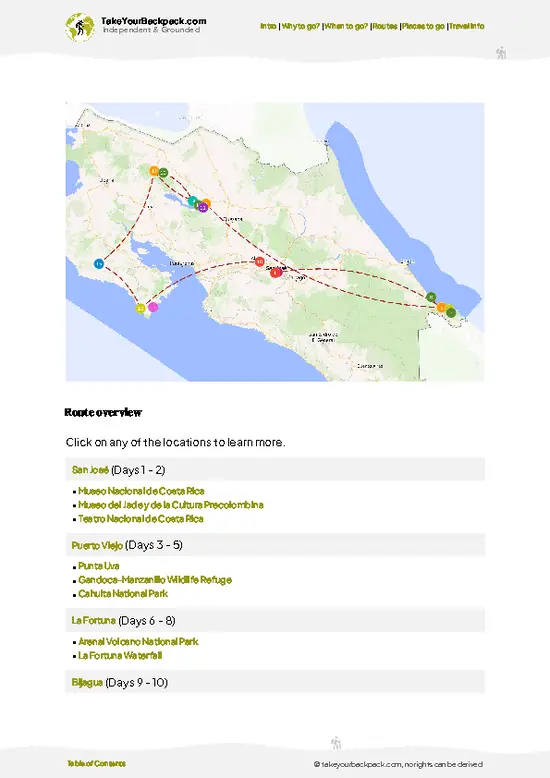
Want to include Tenorio Volcano National Park in your Costa Rica route?
Create a personalized Costa Rica itinerary that includes Tenorio Volcano National Park and the places that fit your trip — based on your travel style, budget, and available time. Get your route in seconds.

Generate my trip

💡 HighlightsWhat this place is best known for

  • Río Celeste Waterfall (Catarata Río Celeste) — The poster child: a thunderous, multi-tiered waterfall that pours into an impossibly turquoise pool. The color is surreal and changes with light; the viewpoint is dramatic and absolutely worth the short scramble for photos. (Expect crowds mid-day.)
  • Los Teñideros (the dyeing point) — Where two ordinary-looking streams meet and, almost like magic, the water turns sky-blue from a volcanic chemical reaction. It’s the most scientific-seeming bit of scenery you’ll ever see — chemistry + geology = gorgeous — and the trail through mossy forest to the vantage is beautiful on its own.
  • Upper river pools and suspension bridge viewpoints — Walk upstream past the main fall to smaller turquoise pools, calm lagoons and a few simple bridges that make for peaceful
read more 👉
  • Río Celeste Waterfall (Catarata Río Celeste) — The poster child: a thunderous, multi-tiered waterfall that pours into an impossibly turquoise pool. The color is surreal and changes with light; the viewpoint is dramatic and absolutely worth the short scramble for photos. (Expect crowds mid-day.)
  • Los Teñideros (the dyeing point) — Where two ordinary-looking streams meet and, almost like magic, the water turns sky-blue from a volcanic chemical reaction. It’s the most scientific-seeming bit of scenery you’ll ever see — chemistry + geology = gorgeous — and the trail through mossy forest to the vantage is beautiful on its own.
  • Upper river pools and suspension bridge viewpoints — Walk upstream past the main fall to smaller turquoise pools, calm lagoons and a few simple bridges that make for peaceful stops. The pools are photogenic and quieter than the main lookout; good places to linger and watch dragonflies and birds.
  • Hot springs & geothermal spots — The park area still shows its volcanic side: warm springs, fumaroles and sulfur-tinged streams nearby. They’re a welcome reward after hiking; public and private pools exist close to the park entrance if you want to soak.
  • Crater rim and cloud-forest trails — Trails climb into the higher cloud forest around Tenorio’s crater rim, opening to big mountain views and dense, mossy forest. Trails here feel wilder and quieter than the riverside loop — good for longer hikes and cooler air.
  • Birdlife and mammals in the forest — Keep an eye (and ears) peeled for toucans, tanagers, woodpeckers, howler monkeys and occasional sloths. Birding can be excellent at dawn; a guided early walk boosts your chances of spotting rarer species.
  • Night walks for frogs, insects and nocturnal mammals — The park transforms after dark: frogs sing, insects glow, and nocturnal mammals tiptoe through the understory. Guided night walks are small, simple, and surprisingly rewarding if you’re into critters and eerie jungle sounds. (Personal favorite: Los Teñideros — seeing that exact moment the water flips color still gives me goosebumps.)
Spotted a mistake or missing something? Contact us.

Things to do near Tenorio Volcano National Park

Ratings based on Tripadvisor reviews. When you book through this link, you support our work at no extra cost to you.

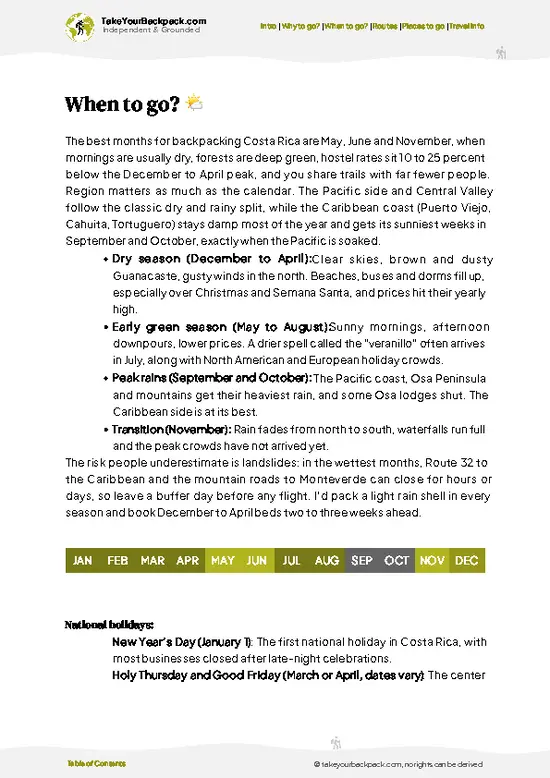
🌤️ When to go?Best time to explore Tenorio Volcano


  • Weather: The dry season from December to April offers the most reliable hiking conditions. Rainfall drops significantly, reducing slippery trails and leeches. The wet season (May to November) brings heavy rains that can turn paths into mud pits and obscure views.

  • Temperature: Daytime temps hover around 22-28°C (72-82°F), comfortable for trekking. Nights can dip to 15°C (59°F), so pack layers. The cooler, drier months feel less oppressive, making long hikes more manageable.

  • Daylight Hours: Roughly 11-12 hours year-round, but the dry season’s clearer skies mean more usable daylight without rain interruptions.

  • Crowds: Peak tourist season (December to April) sees more visitors, especially around holidays. For quieter trails, aim for shoulder months like November or May, balancing fewer
read more 👉

  • Weather: The dry season from December to April offers the most reliable hiking conditions. Rainfall drops significantly, reducing slippery trails and leeches. The wet season (May to November) brings heavy rains that can turn paths into mud pits and obscure views.

  • Temperature: Daytime temps hover around 22-28°C (72-82°F), comfortable for trekking. Nights can dip to 15°C (59°F), so pack layers. The cooler, drier months feel less oppressive, making long hikes more manageable.

  • Daylight Hours: Roughly 11-12 hours year-round, but the dry season’s clearer skies mean more usable daylight without rain interruptions.

  • Crowds: Peak tourist season (December to April) sees more visitors, especially around holidays. For quieter trails, aim for shoulder months like November or May, balancing fewer people with manageable weather risks.

  • Seasonal Activities: Dry months are best for spotting wildlife and exploring the Rio Celeste waterfall without the risk of trail closures. Wet season can limit access but offers lush, vibrant jungle scenes if you’re prepared.

  • Price Fluctuations: Accommodation and tours spike in the dry season. Booking early is essential. Off-season rates drop, but factor in potential weather delays and limited services.


Pro-tip: Visit late November or early May for a sweet spot—fewer crowds, lower prices, and decent weather, so you save energy and cash for what really counts: the trail and the views.


source: climatestotravel.comJANJanuary: excellent for travelingFEBFebruary: excellent for travelingMARMarch: excellent for travelingAPRApril: excellent for travelingMAYMay: highly recommended for travelingJUNJune: fair for travelingJULJuly: fair for travelingAUGAugust: fair for travelingSEPSeptember: fair for travelingOCTOctober: fair for travelingNOVNovember: highly recommended for travelingDECDecember: excellent for traveling
costa-rica-national-park-tenorio-volcano-national-park
© Google |

✈️ The backpacker research shortcutCosta Rica Travel Guide

An offline-friendly backpacking guide with optimized travel routes, ranked highlights, transport advice, and the best areas to stay.
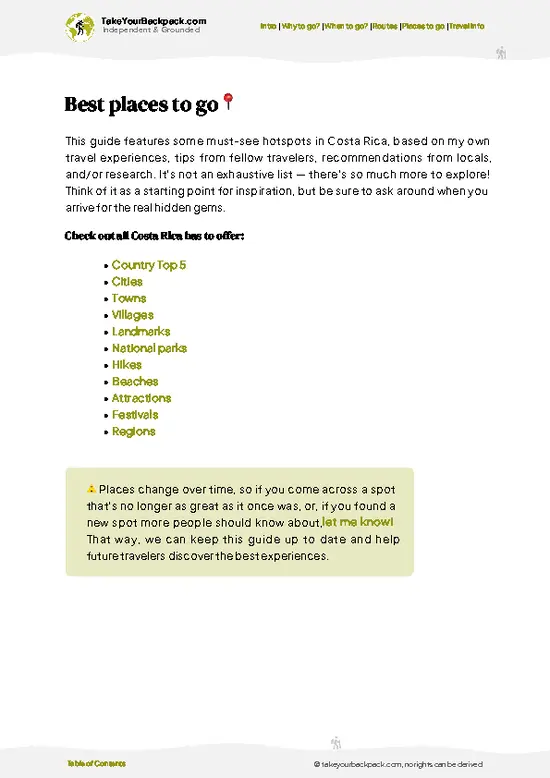
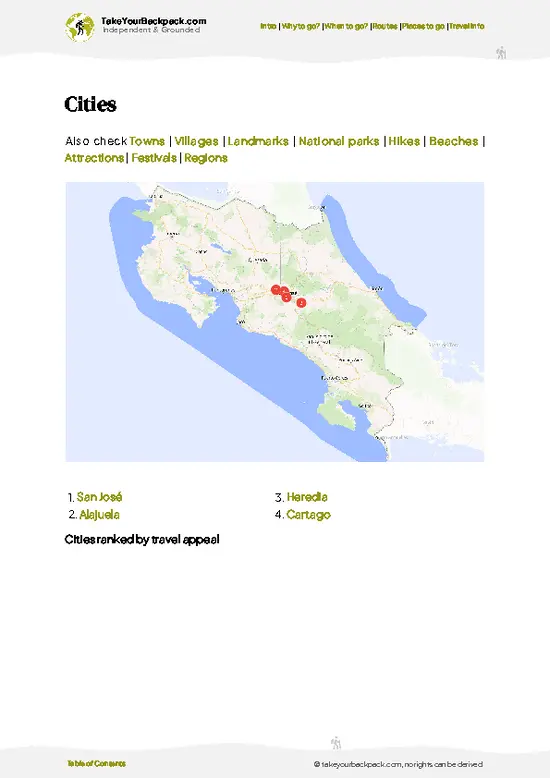
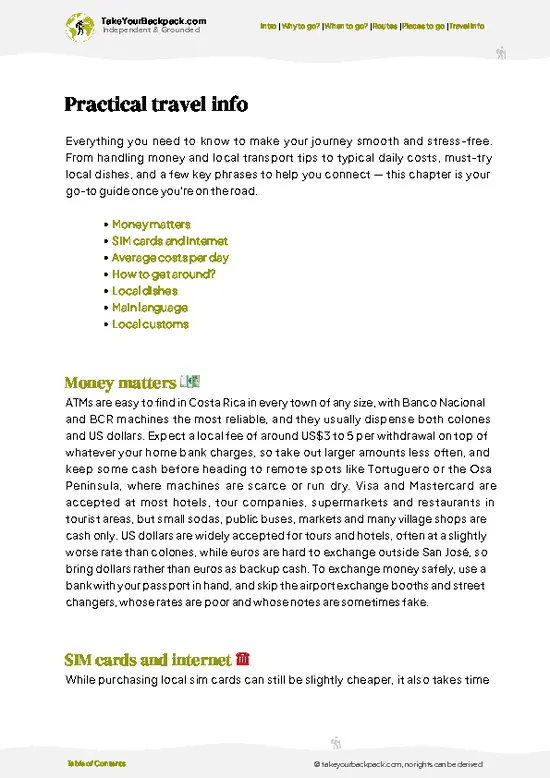
example page 0 from our offline Travel Guide for Costa Rica
example page 1 from our offline Travel Guide for Costa Rica
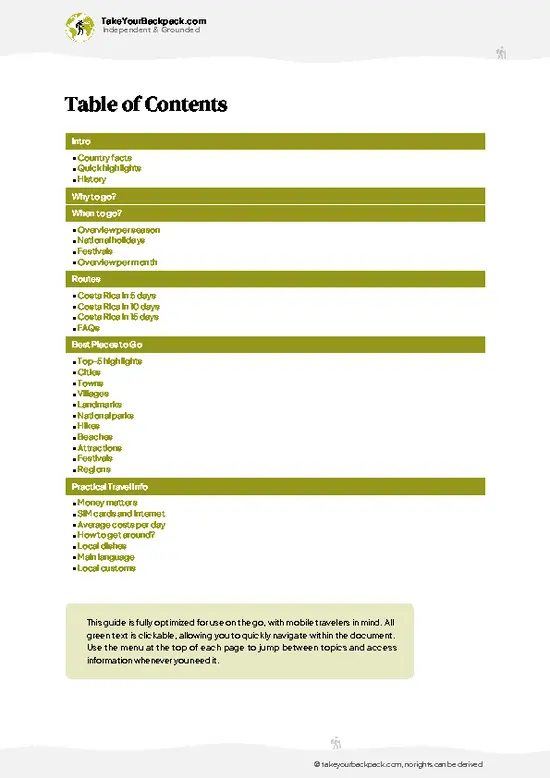
example page 2 from our offline Travel Guide for Costa Rica
example page 3 from our offline Travel Guide for Costa Rica
example page 4 from our offline Travel Guide for Costa Rica
example page 5 from our offline Travel Guide for Costa Rica
example page 6 from our offline Travel Guide for Costa Rica
example page 7 from our offline Travel Guide for Costa Rica
The digital guide (372 pages) contains:
93 highlights, ranked by travel appeal
Optimized 5, 10 & 15-day travel routes
Cities, national parks, landmarks, beaches
How to get around
Offline-friendly for travel without Wi-Fi
👉 Click to see all 30+ guide features

📅 Plan smarter in minutes, not weeks
Month by month travel advice
Festivals & national holidays
Budget expectations

🗺️ Go to the right places, skip the overrated ones
Honest pros & cons of destinations
Top hikes, parks & viewpoints
Lesser-known places most travelers miss
Clear “worth it vs skip it” guidance

🛏️ Travel smoothly without rookie mistakes
Best areas to stay
Transport systems explained simply
Common scams & safety advice
SIM cards, money & practical tips

🌍 Understand the country, not just visit it
Culture & traditions
52 Essential phrases & customs
Festivals worth planning around
Traveler-friendly historical context
Insights that make places more meaningful

📱 Built for real travel conditions
Fully downloadable PDF
Works completely offline
Optimized for phone use
Useful in remote areas & buses
Everything in one place
Save weeks of stressful planning
Get instant access to your full guide. 30‑day money-back guarantee.


By proceeding you agree to our terms.
Sent to your inbox immediately after payment • 100% Secure Checkout
Best Backpacking Travel Advisor 2025 tourism awardBest Backpacking
Travel Advisor
2025
What others say about Take Your Backpack Guides:
⭐⭐⭐⭐⭐
Fantastic, amazing amount of information!
⭐⭐⭐⭐⭐
My goodness this is amazing, it's what I've been looking for hats off too you!
⭐⭐⭐⭐⭐
I think this is absolutely BRILLIANT
⭐⭐⭐⭐
Very complete and informative. It's still missing places, but I gotta to commend you
⭐⭐⭐⭐⭐
This is truly amazing, thank you, can't wait to explore it with my kids!
⭐⭐⭐⭐⭐
Awesome resource, thank you!
⭐⭐⭐⭐⭐
This is amazing! Can't wait to explore the ones I haven't seen
⭐⭐⭐⭐
I love this! Well done, great idea.
⭐⭐⭐⭐⭐
Thanks for taking the time to make this gem!
⭐⭐⭐⭐⭐
This might be the best website I've ever seen.
⭐⭐⭐⭐⭐
Congratulations, and thank you so much for your work; it's incredibly valuable.
⭐⭐⭐⭐
In all seriousness I think you did a great job pointing out the important spots
⭐⭐⭐⭐⭐
10/10 very good
⭐⭐⭐⭐⭐
As someone who's only just starting to visit regularly this is awesome, thank you.
⭐⭐⭐⭐
Thank you very much! I'm going to visit my dad, it's going to be very useful!
⭐⭐⭐⭐⭐
This is really cool! We'll be travelling for the first time and this definitely come in handy.
⭐⭐⭐⭐⭐
You are now our minister of culture, congratulations 👨‍💼
⭐⭐⭐⭐⭐
Just wanted to tell you that this is a pearl! Going to follow your recommendations.
⭐⭐⭐⭐⭐
This is so cool. I'll definitely be using the resource for my travels soon.
⭐⭐⭐⭐⭐
This is very impressive! Good work.
⭐⭐⭐⭐⭐
This is an amazing and informative site. Very well done!

🛏️ Where to stay?Best areas to stay in Costa Rica

For backpackers heading to Tenorio Volcano National Park, options are limited inside the park itself. There are no official accommodations within the park boundaries, but that’s not a deal-breaker. Nearby, the town of La Fortuna is a popular base. It’s about an hour’s drive away and offers a range of hostels and budget-friendly hotels. Look for places like Arenal Backpackers Resort or Selina, both known for their social atmospheres and easy access to tours.

Another option is the small town of Bijagua, just a short drive from the park entrance. Here, you’ll find cozy lodges and guesthouses, often … read more 👉
For backpackers heading to Tenorio Volcano National Park, options are limited inside the park itself. There are no official accommodations within the park boundaries, but that’s not a deal-breaker. Nearby, the town of La Fortuna is a popular base. It’s about an hour’s drive away and offers a range of hostels and budget-friendly hotels. Look for places like Arenal Backpackers Resort or Selina, both known for their social atmospheres and easy access to tours.

Another option is the small town of Bijagua, just a short drive from the park entrance. Here, you’ll find cozy lodges and guesthouses, often run by locals who can provide insider tips. Staying in Bijagua can save you some cash while keeping you close to the park’s trails.

Be mindful of transportation costs. Renting a bike or using local shuttles can add up, so factor that into your budget. Prioritize your energy for the hikes and hot springs, not the logistics.

👛 Costs (as of 18 September 2025)How expensive it really is

Visiting Tenorio Volcano National Park in Costa Rica requires some planning to avoid unexpected costs. The entrance fee is around $15 USD per person. This fee grants you access to the park’s trails and natural wonders, including the famous Rio Celeste.

If you’re considering a guided tour, expect to pay between $50 and $100 USD per person. This often includes transportation, a guide, and sometimes even lunch. While it may seem like a splurge, a knowledgeable guide can enhance your experience significantly, helping you spot wildlife and understand the ecosystem.

Parking fees are generally around $5 USD if you’re driving. Be aware that some local guides may charge extra for specific services, like photography or special equipment.

Bring cash. Credit cards are not always accepted in remote … read more 👉
Visiting Tenorio Volcano National Park in Costa Rica requires some planning to avoid unexpected costs. The entrance fee is around $15 USD per person. This fee grants you access to the park’s trails and natural wonders, including the famous Rio Celeste.

If you’re considering a guided tour, expect to pay between $50 and $100 USD per person. This often includes transportation, a guide, and sometimes even lunch. While it may seem like a splurge, a knowledgeable guide can enhance your experience significantly, helping you spot wildlife and understand the ecosystem.

Parking fees are generally around $5 USD if you’re driving. Be aware that some local guides may charge extra for specific services, like photography or special equipment.

Bring cash. Credit cards are not always accepted in remote areas. Also, consider that food options inside the park are limited. Packing snacks and water can save you money and keep your energy up for the trails.

Plan for additional costs if you want to explore nearby attractions or stay overnight. Lodging in the area can range from budget hostels at about $20 USD per night to mid-range hotels around $100 USD.

By keeping these costs in mind, you can focus your budget on the experiences that truly matter, ensuring a rewarding visit to this stunning national park.


source: visitcostarica.com
⚠️ Prices can change and everyone travels differently, so take this as a rough guide. Hope it helps you plan your adventure!

🥾 TrailsHiking Tenorio Volcano national park: highlights and difficulty

Tenorio Volcano National Park in Costa Rica is a hidden gem for hikers, offering lush landscapes, vibrant wildlife, and stunning views. The park is famous for its striking turquoise river, Rio Celeste, which is a must-see. As you hike through the dense, tropical forest, keep an eye out for monkeys, sloths, and a variety of bird species. The terrain varies from well-maintained paths to more rugged sections, so be prepared for some ups and downs.

One of the main trails is Rio Celeste Trail, which leads you to the breathtaking waterfall and the river itself. Here are the details:
  • Length: 3.5 km
  • Estimated
read more 👉
Tenorio Volcano National Park in Costa Rica is a hidden gem for hikers, offering lush landscapes, vibrant wildlife, and stunning views. The park is famous for its striking turquoise river, Rio Celeste, which is a must-see. As you hike through the dense, tropical forest, keep an eye out for monkeys, sloths, and a variety of bird species. The terrain varies from well-maintained paths to more rugged sections, so be prepared for some ups and downs.

One of the main trails is Rio Celeste Trail, which leads you to the breathtaking waterfall and the river itself. Here are the details:
  • Length: 3.5 km
  • Estimated Duration: 2-3 hours
  • Difficulty Level: Moderate
  • Key Features: Rio Celeste Waterfall, the blue river, and diverse flora and fauna
  • Terrain: Mostly flat with some steep sections and muddy areas

Getting to the park is pretty straightforward. You can catch a bus from La Fortuna or Bijagua, but be ready for a bit of a ride. The park can get busy, especially on weekends, so if you prefer a quieter experience, aim for a weekday visit. As for the entrance fee, it’s usually around $12, but check for any changes before you go. Just pack some snacks, stay hydrated, and enjoy the natural beauty!
⚠️ Hiking info can sometimes be outdated or inaccurate. Before you hit the trail, check the latest conditions with locals. If you do spot anything that's off, I'd love to hear from you, so I can update it for fellow travelers.

🛡️ SafetyScams, Hazards, and Annoyances

Tenorio Volcano National Park offers a manageable hiking experience, but a few realities can catch you off guard. Weather can shift quickly; afternoon rains are common, so pack a lightweight poncho. The trails are well-marked but can be steep and muddy, especially after rain. Good footwear is essential—leave the flip-flops behind.

Wildlife is part of the charm, but keep your distance. Monkeys and sloths are often spotted, and while they’re generally harmless, feeding them disrupts their natural behavior.

Timing matters; early starts help you avoid crowds and the heat. Stay hydrated and pace yourself on the climbs. With these tips, you’ll navigate the park smoothly and enjoy its beauty without unnecessary stress.

Other Costa Rican national parks near Tenorio Volcano

Explore more nearby:


💡 Not sure where to go next?
Create a personalized itinerary for Costa Rica including Tenorio Volcano and the places that fit your trip.

Generate my itinerary

👉 Discover all national parks

Or checkout all Costa Rica has to offer (think cities, towns, villages, national parks, hikes, beaches, festivals)
Country photo of Costa Rica

We 💚 feedbackSumming up the experience

Tenorio Volcano National Park is a treasure for its vibrant blue rivers and lush trails that feel like stepping into a living painting. But be ready for the humidity; it can sap your energy faster than you think. Embrace the sweat, stay hydrated, and you’ll find the real magic in the moments that unfold along those winding paths. It’s worth every drop.

✈️ When did I visit Costa Rica?
Cost Rica I visited during my half year trip through South and Central America back in 2003

✍️ Help improve this page!
The information on this page is based on my own backpacking experience in Costa Rica, supplemented with up-to-date research and feedback from other travelers. Travel details can change, so if you notice anything outdated or incomplete, feel free to let me know.


🙋‍♂️ Give feedback

👋 Meet the founderWho’s Behind Take Your Backpack?

Johan, backpacker and founder of TakeYourBackpackHi, I’m Johan (Netherlands 🇳🇱), the creator of TakeYourBackpack. Over the past decade, I’ve backpacked through 80+ countries across six continents, gaining extensive experience with independent travel, long-term trips, and overland routes.

This site is built on a combination of firsthand travel experience and carefully curated insights from other backpackers. Many guides are based on places I’ve personally visited, while others bring together tips, observations, and practical advice shared by trusted travelers I’ve met along the way.

The goal is to provide realistic, experience-driven guidance — not generic itineraries — so you can explore destinations with better context, clearer expectations, and more confidence.

Get full Costa Rica guide •
Instant download • 93 highlights • Full Offline guide