×

Croatia🇭🇷 | attractionsArchaeological Museumancient artifacts, Egyptian mummies, numismatic collections | things to do and best time to go

Explore Klovićevi Dvori GalleryExplore Mestrovic Gallery

Backpacking in Archaeological Museum
👌 Worth visitingattraction ranked #10
By Johan Kruseman 🇳🇱 | Updated September 4, 2026

Everyone’s seen the photos: marble statues, gold jewelry, and that famous Greek helmet, all lined up in glass cases at Zagreb’s Archaeological Museum. But here’s the truth—if you’re coming just for the Instagrammable relics, you’ll miss the real magic. What actually matters is the way this place stitches together the messy, fascinating layers of Croatian history, from Roman emperors to Illyrian warriors, right in the heart of Zagreb. For backpackers, the museum is a paradox: it’s cheap, central, and packed with artifacts you can’t find anywhere else in the Balkans, but it’s also a magnet for school groups and tour buses, especially in summer. The wow-factor isn’t in the size or flashiness—this isn’t the Louvre—but in the quiet moments when you realize you’re standing inches from a 2,000-year-old mummy or a Neanderthal tool. It’s not adrenaline, but it’s real, raw time travel, and that’s a rush you won’t get from Croatia’s beaches or party islands.

Discover everything you want to know in the 📖 Croatia Travel Guide.


Get your Croatia guide
113 ranked highlights, routes & tips, works offline (419 pages)
Loading the map 🌍
CLICK TO FILTER
cities
towns
villages
landmarks
national parks
hikes
beaches
attractions
festivals
regions
SHOW COUNTRY’S BESTSHOW ALL

✨ Why go?
Ranked #10 attraction in Croatia
Why visitors keep coming back

The Archaeological Museum in Croatia isn’t just another stop on the tourist checklist—it’s a deep dive into the country’s raw, unfiltered past. Sure, it doesn’t have the flashy Instagram appeal of sun-drenched beaches or medieval castles, but that’s exactly why it’s a must for backpackers who crave substance over surface. This museum holds iconic artifacts that trace Croatia’s story from prehistoric times through Roman rule and beyond, offering a cultural significance that no beach selfie can match. It’s a place where you can actually feel the weight of history pressing in, not just glance at it through a filtered lens.

Crowds? Yes, they’re there, especially in peak season, but the museum’s layout and thoughtful curation mean you can find quiet corners to soak it all in. The effort-to-reward read more 👉
The Archaeological Museum in Croatia isn’t just another stop on the tourist checklist—it’s a deep dive into the country’s raw, unfiltered past. Sure, it doesn’t have the flashy Instagram appeal of sun-drenched beaches or medieval castles, but that’s exactly why it’s a must for backpackers who crave substance over surface. This museum holds iconic artifacts that trace Croatia’s story from prehistoric times through Roman rule and beyond, offering a cultural significance that no beach selfie can match. It’s a place where you can actually feel the weight of history pressing in, not just glance at it through a filtered lens.

Crowds? Yes, they’re there, especially in peak season, but the museum’s layout and thoughtful curation mean you can find quiet corners to soak it all in. The effort-to-reward ratio is high—spending a couple of hours here pays off with insights that transform your understanding of the region. For backpackers trekking the Adriatic route, it’s a major milestone that connects dots between ancient civilizations and modern Croatia’s identity. This isn’t just a museum; it’s a checkpoint where history stops being a story and starts being a lived experience.
Want to include Archaeological Museum in your Croatia route?
Create a personalized Croatia itinerary that includes Archaeological Museum and the places that fit your trip — based on your travel style, budget, and available time. Get your route in seconds.

Generate my trip

💡 HighlightsMust-see experiences and standout moments

The Vučedol Dove
Forget the endless parade of generic pottery you’ve seen in every museum from Mexico City to Cairo. The Vučedol Dove is a 5,000-year-old ceramic bird that looks like it could have been designed by a modernist sculptor on a caffeine bender. It’s not just old; it’s a symbol of prehistoric creativity, and Croatia’s unofficial mascot for “we’ve been doing this civilization thing for a while.” The Dove is small, but it’s got presence. You’ll find yourself staring, trying to decode the mind of the ancient artist who made it. This is the kind of artifact that makes you realize how little separates us from the people who lived here millennia ago.


The Roman Glass Collection
If you think ancient glass is just a bunch of dusty shards, you’re in for a surprise. The Archaeological Museum’s … read more 👉
The Vučedol Dove
Forget the endless parade of generic pottery you’ve seen in every museum from Mexico City to Cairo. The Vučedol Dove is a 5,000-year-old ceramic bird that looks like it could have been designed by a modernist sculptor on a caffeine bender. It’s not just old; it’s a symbol of prehistoric creativity, and Croatia’s unofficial mascot for “we’ve been doing this civilization thing for a while.” The Dove is small, but it’s got presence. You’ll find yourself staring, trying to decode the mind of the ancient artist who made it. This is the kind of artifact that makes you realize how little separates us from the people who lived here millennia ago.


The Roman Glass Collection
If you think ancient glass is just a bunch of dusty shards, you’re in for a surprise. The Archaeological Museum’s Roman glass collection is a riot of color and shape—delicate perfume bottles, goblets, and vials that survived centuries underground. Some pieces are so clear and vibrant you’d swear they were made last week. The real kicker? Many of these objects were luxury goods, traded across the Roman Empire, and they still carry the fingerprints (sometimes literally) of their makers. It’s a crash course in ancient bling, and a reminder that people have always loved a bit of sparkle.


The Egyptian Mummies
Yes, you read that right: Egyptian mummies in Croatia. The museum’s Egyptian Room is small but packs a punch, with actual mummies, sarcophagi, and a collection of amulets that would make Indiana Jones jealous. It’s a wild, unexpected detour from the usual Balkan history, and it’s the kind of left-field surprise that makes you realize how interconnected the ancient world really was. The room is dark, atmospheric, and just the right amount of creepy. My personal favorite—there’s something about standing face-to-face with a 2,000-year-old mummy in Zagreb that never gets old.


The Stone Monuments Courtyard
Step outside the galleries and you’ll find a courtyard packed with Roman tombstones, altars, and reliefs. This isn’t some sterile, roped-off display; you can walk right up to the stones, run your fingers over the Latin inscriptions, and feel the grooves carved by hands long gone. The open-air setting gives the whole place a raw, tactile energy. It’s a rare chance to get close to history without a glass barrier in the way.


The Neanderthal Remains from Krapina
Croatia’s Krapina site is world-famous among archaeologists, and the museum’s collection of Neanderthal bones and tools is a direct line to our distant cousins. These aren’t just bones in a box—they’re the story of survival, adaptation, and the weird, winding path of human evolution. The display is blunt, unpolished, and all the more powerful for it. If you want to feel the weight of deep time, this is where you stand.
Spotted a mistake or missing something? Contact us.

Things to do around Archaeological Museum

Ratings based on Tripadvisor reviews. When you book through this link, you support our work at no extra cost to you.

🌤️ When to go?Seasonal considerations and timing


  • Weather: The Archaeological Museum in Croatia is best visited during spring (April to June) or early autumn (September to October) when the weather is comfortably mild. Summers (July and August) can be scorchers, hitting 30°C (86°F) or more, which makes wandering through exhibits less enjoyable.

  • Temperature: Spring and autumn offer pleasant temperatures ranging from 15°C to 25°C (59°F to 77°F), perfect for combining museum visits with outdoor exploration. Winters (December to February) are chilly, often dropping below 5°C (41°F), which might dampen your enthusiasm for extended sightseeing.

  • Daylight Hours: Longer daylight in late spring and early autumn means you can stretch your day beyond the museum, soaking in nearby sites or grabbing a late coffee without rushing. Winters bring shorter
read more 👉

  • Weather: The Archaeological Museum in Croatia is best visited during spring (April to June) or early autumn (September to October) when the weather is comfortably mild. Summers (July and August) can be scorchers, hitting 30°C (86°F) or more, which makes wandering through exhibits less enjoyable.

  • Temperature: Spring and autumn offer pleasant temperatures ranging from 15°C to 25°C (59°F to 77°F), perfect for combining museum visits with outdoor exploration. Winters (December to February) are chilly, often dropping below 5°C (41°F), which might dampen your enthusiasm for extended sightseeing.

  • Daylight Hours: Longer daylight in late spring and early autumn means you can stretch your day beyond the museum, soaking in nearby sites or grabbing a late coffee without rushing. Winters bring shorter days, limiting your window for exploration.

  • Crowds: Peak summer months flood the museum with tourists, turning what should be a contemplative experience into a shoulder-to-shoulder shuffle. Visiting in shoulder seasons means fewer crowds, letting you appreciate the artifacts without the noise and hassle.

  • Seasonal Activities: Spring and autumn often coincide with local cultural events and festivals, adding layers to your visit beyond the museum walls. Summer’s heat can make outdoor activities exhausting, while winter’s quietness means fewer events but a more introspective vibe.

  • Price Fluctuations: Expect higher accommodation and travel costs during July and August. Visiting in April, May, September, or October usually means better deals on lodging and flights, stretching your backpacking budget further.


Pro-tip: Aim for late April or early October—cooler temps, manageable crowds, and local life buzzing without the tourist circus. That’s when the Archaeological Museum feels like a real discovery, not just a photo op.


source: climatestotravel.comJANJanuary: fair for travelingFEBFebruary: fair for travelingMARMarch: good for travelingAPRApril: excellent for travelingMAYMay: excellent for travelingJUNJune: highly recommended for travelingJULJuly: fair for travelingAUGAugust: fair for travelingSEPSeptember: excellent for travelingOCTOctober: excellent for travelingNOVNovember: good for travelingDECDecember: fair for traveling
croatia-attraction-archaeological-museum
© Google |

✈️ The backpacker research shortcutCroatia Travel Guide

An offline-friendly backpacking guide with optimized travel routes, ranked highlights, transport advice, and the best areas to stay.
example page 0 from our offline Travel Guide for Croatia
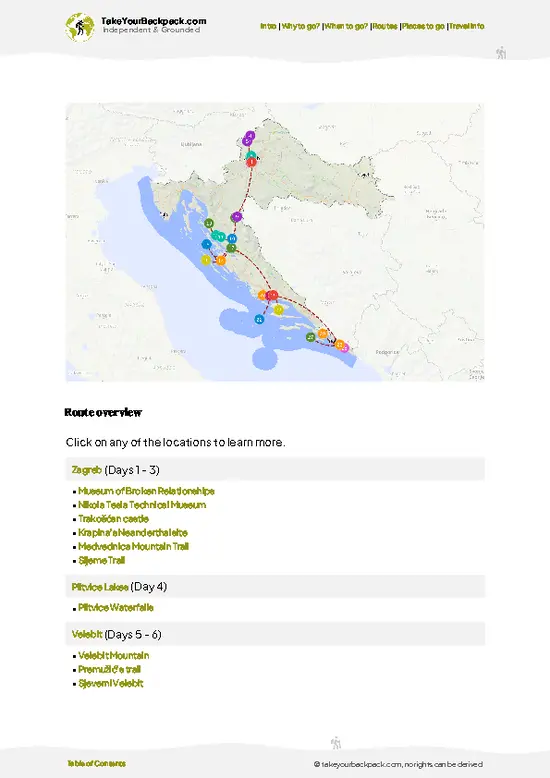
example page 1 from our offline Travel Guide for Croatia
example page 2 from our offline Travel Guide for Croatia
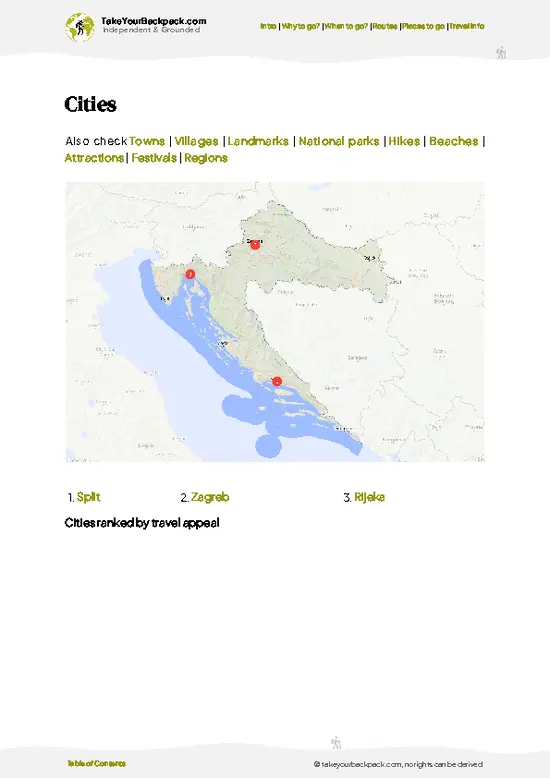
example page 3 from our offline Travel Guide for Croatia
example page 4 from our offline Travel Guide for Croatia
example page 5 from our offline Travel Guide for Croatia
example page 6 from our offline Travel Guide for Croatia
example page 7 from our offline Travel Guide for Croatia
The digital guide (419 pages) contains:
113 highlights, ranked by travel appeal
Optimized 5, 10 & 15-day travel routes
Cities, national parks, landmarks, beaches
How to get around
Offline-friendly for travel without Wi-Fi
👉 Click to see all 30+ guide features

📅 Plan smarter in minutes, not weeks
Month by month travel advice
Festivals & national holidays
Budget expectations

🗺️ Go to the right places, skip the overrated ones
Honest pros & cons of destinations
Top hikes, parks & viewpoints
Lesser-known places most travelers miss
Clear “worth it vs skip it” guidance

🛏️ Travel smoothly without rookie mistakes
Best areas to stay
Transport systems explained simply
Common scams & safety advice
SIM cards, money & practical tips

🌍 Understand the country, not just visit it
Culture & traditions
52 Essential phrases & customs
Festivals worth planning around
Traveler-friendly historical context
Insights that make places more meaningful

📱 Built for real travel conditions
Fully downloadable PDF
Works completely offline
Optimized for phone use
Useful in remote areas & buses
Everything in one place
Save weeks of stressful planning
Get instant access to your full guide. 30‑day money-back guarantee.
+ Add another guide for just US$7.80

By proceeding you agree to our terms.
Sent to your inbox immediately after payment • 100% Secure Checkout
Best Backpacking Travel Advisor 2025 tourism awardBest Backpacking
Travel Advisor
2025
What others say about Take Your Backpack Guides:
⭐⭐⭐⭐⭐
Fantastic, amazing amount of information!
⭐⭐⭐⭐⭐
My goodness this is amazing, it's what I've been looking for hats off too you!
⭐⭐⭐⭐⭐
I think this is absolutely BRILLIANT
⭐⭐⭐⭐
Very complete and informative. It's still missing places, but I gotta to commend you
⭐⭐⭐⭐⭐
This is truly amazing, thank you, can't wait to explore it with my kids!
⭐⭐⭐⭐⭐
Awesome resource, thank you!
⭐⭐⭐⭐⭐
This is amazing! Can't wait to explore the ones I haven't seen
⭐⭐⭐⭐
I love this! Well done, great idea.
⭐⭐⭐⭐⭐
Thanks for taking the time to make this gem!
⭐⭐⭐⭐⭐
This might be the best website I've ever seen.
⭐⭐⭐⭐⭐
Congratulations, and thank you so much for your work; it's incredibly valuable.
⭐⭐⭐⭐
In all seriousness I think you did a great job pointing out the important spots
⭐⭐⭐⭐⭐
10/10 very good
⭐⭐⭐⭐⭐
As someone who's only just starting to visit regularly this is awesome, thank you.
⭐⭐⭐⭐
Thank you very much! I'm going to visit my dad, it's going to be very useful!
⭐⭐⭐⭐⭐
This is really cool! We'll be travelling for the first time and this definitely come in handy.
⭐⭐⭐⭐⭐
You are now our minister of culture, congratulations 👨‍💼
⭐⭐⭐⭐⭐
Just wanted to tell you that this is a pearl! Going to follow your recommendations.
⭐⭐⭐⭐⭐
This is so cool. I'll definitely be using the resource for my travels soon.
⭐⭐⭐⭐⭐
This is very impressive! Good work.
⭐⭐⭐⭐⭐
This is an amazing and informative site. Very well done!

🛏️ Where to stay?Best areas to stay in Croatia

If you’re aiming to soak up the Archaeological Museum in Zagreb without selling your soul to overpriced tourist traps, your best bet is the city center’s Donji Grad district. This area is the heartbeat of Zagreb’s social scene—safe, walkable, and buzzing with backpackers and solo travelers who want to swap stories over cheap pints or street food. It’s not just about proximity; it’s about the vibe. You’ll find yourself steps away from leafy parks, quirky cafes, and lively squares where locals actually hang out, not just pose for Instagram.

Avoid the temptation to stay too close to the ultra-touristy … read more 👉
If you’re aiming to soak up the Archaeological Museum in Zagreb without selling your soul to overpriced tourist traps, your best bet is the city center’s Donji Grad district. This area is the heartbeat of Zagreb’s social scene—safe, walkable, and buzzing with backpackers and solo travelers who want to swap stories over cheap pints or street food. It’s not just about proximity; it’s about the vibe. You’ll find yourself steps away from leafy parks, quirky cafes, and lively squares where locals actually hang out, not just pose for Instagram.

Avoid the temptation to stay too close to the ultra-touristy Upper Town. It’s charming but overpriced and quieter at night, which kills the social buzz. Donji Grad offers a perfect balance: you’re close enough to the museum to hit it early, but far enough to dive into authentic Zagreb life after hours. Plus, public transport and bike rentals are everywhere, so you can explore beyond the museum without hassle. This is where the real magic happens—when history meets the pulse of a city that’s alive and kicking.

👛 Costs (as of 4 September 2026)What things cost and how to budget

Admission to the Archaeological Museum in Zagreb ranges from €8 for adults to €14 for a family ticket (valid for 3 to 5 family members, including at least one child aged 7-15). Discounted rates are available for pupils, students, and retirees at €4. Professional guided tours in English are offered at €40 for temporary exhibitions and €60 for the full permanent exhibition (2 hours), with prior booking required. ([amz.hr](https://www.amz.hr/en/visit/archaeological-museum-in-zagreb/?utm_source=openai))

source: amz.hr
⚠️ Prices can change and everyone travels differently, so take this as a rough guide. Hope it helps you plan your adventure!

FAQFrequently asked questions about Archaeological Museum

2 to 3 hours is sufficient to visit the Archaeological Museum in Croatia, allowing time to explore its main exhibits thoroughly. The museum houses artifacts from prehistoric times to the Middle Ages, so plan accordingly if you want to see everything in detail.
Yes, the Archaeological Museum is worth the entrance fee, which is typically around 30 HRK (Croatian Kuna). It offers a comprehensive collection of artifacts that provide valuable insights into Croatia's ancient history and culture.
You can reach the Archaeological Museum by public transport or on foot if staying nearby. It is centrally located in Zagreb, accessible via tram lines 6, 11, or 12, with the closest stop being 'Arheološki muzej'.
⚠️ Things can change over time, so always validate details locally before you go.

Other Croatian attractions near Archaeological Museum

Explore more nearby:


💡 Not sure where to go next?
Create a personalized itinerary for Croatia including Archaeological Museum and the places that fit your trip.

Generate my itinerary

👉 Discover all attractions

Or checkout all Croatia has to offer (think cities, towns, villages, national parks, hikes, beaches, festivals)
Country photo of Croatia

We 💚 feedbackKey takeaways before you go

The Archaeological Museum in Croatia isn’t just a dusty collection of old stuff—it’s a deep dive into the raw roots of this region’s history, with artifacts that tell stories you won’t find plastered on postcards. But heads up: it can get packed, especially in summer, and the entrance fee isn’t exactly pocket change. Still, if you want to feel the weight of centuries in your hands and skip the usual tourist fluff, this place delivers in spades.

✈️ When did I visit Croatia?
I checked out Croatia twice as part of a working trip in Zagreb in 2021 and 2022.

✍️ Help improve this page!
The information on this page is based on my own backpacking experience in Croatia, supplemented with up-to-date research and feedback from other travelers. Travel details can change, so if you notice anything outdated or incomplete, feel free to let me know.


🙋‍♂️ Give feedback

👋 Meet the founderWho’s Behind Take Your Backpack?

Johan, backpacker and founder of TakeYourBackpackHi, I’m Johan (Netherlands 🇳🇱), the creator of TakeYourBackpack. Over the past decade, I’ve backpacked through 80+ countries across six continents, gaining extensive experience with independent travel, long-term trips, and overland routes.

This site is built on a combination of firsthand travel experience and carefully curated insights from other backpackers. Many guides are based on places I’ve personally visited, while others bring together tips, observations, and practical advice shared by trusted travelers I’ve met along the way.

The goal is to provide realistic, experience-driven guidance — not generic itineraries — so you can explore destinations with better context, clearer expectations, and more confidence.

Get full Croatia guide •
Instant download • 113 highlights • Full Offline guide