
×

Croatia🇭🇷 | attractionsDiocletian’s Palace SubstructuresRoman cellars, stone vaults, Game of Thrones filming | things to do and best time to go

Explore CavtatExplore Dubrovnik City Walls and Fortresses

Backpacking in Diocletian’s Palace Substructures
🏆 Top pickattraction ranked #2
By Johan Kruseman 🇳🇱 | Updated September 4, 2026

Everyone’s here for the “Game of Thrones” cellars, right? That’s the Instagram bait, but let’s get real: if you’re only coming to Diocletian’s Palace Substructures to chase a TV fantasy, you’re missing the actual magic. What matters is the raw, echoing stonework—these vaults are the bones of Split, Croatia, not just a film set. You’ll find the Substructures right under the old emperor’s palace in Split’s historic core, wedged between the Adriatic and the city’s daily chaos. For backpackers, it’s a double-edged sword. The wow-factor is legit—standing in a space that’s held up a city for 1,700 years is humbling—but the crowds can be a headache, especially in summer when selfie sticks outnumber the columns. Entry isn’t free, but it’s not bank-breaking either. Compared to Croatia’s waterfalls or islands, the Substructures are less about adrenaline and more about atmosphere. If you want to feel the weight of history, not just see it, this is your spot.

Discover everything you want to know in the 📖 Croatia Travel Guide.


Get your Croatia guide
113 ranked highlights, routes & tips, works offline (419 pages)
Loading the map 🌍
CLICK TO FILTER
cities
towns
villages
landmarks
national parks
hikes
beaches
attractions
festivals
regions
SHOW COUNTRY’S BESTSHOW ALL

✨ Why go?
Ranked #2 attraction in Croatia
The unique appeal for travelers

The Diocletian’s Palace Substructures in Croatia aren’t just another photo op on your Instagram feed—they’re a raw, gritty dive into history that demands your attention. Sure, the crowds can be thick, especially in peak season, and the entry fee isn’t exactly pocket change for a backpacker. But here’s the kicker: this isn’t just a relic; it’s a living, breathing monument to Roman engineering and survival. Beneath the polished streets of Split lies a labyrinth of cellars and corridors that once supported an emperor’s fortress. Walking through these substructures, you’re not just seeing history—you’re feeling the weight of centuries, the sweat of builders, and the echoes of a world that shaped Europe.

For backpackers, this spot is a milestone on the Croatian route because it’s where history … read more 👉
The Diocletian’s Palace Substructures in Croatia aren’t just another photo op on your Instagram feed—they’re a raw, gritty dive into history that demands your attention. Sure, the crowds can be thick, especially in peak season, and the entry fee isn’t exactly pocket change for a backpacker. But here’s the kicker: this isn’t just a relic; it’s a living, breathing monument to Roman engineering and survival. Beneath the polished streets of Split lies a labyrinth of cellars and corridors that once supported an emperor’s fortress. Walking through these substructures, you’re not just seeing history—you’re feeling the weight of centuries, the sweat of builders, and the echoes of a world that shaped Europe.

For backpackers, this spot is a milestone on the Croatian route because it’s where history and modern life collide in the most tangible way. It’s a place that rewards curiosity and patience with a visceral connection to the past. The adrenaline rush comes from realizing you’re standing where emperors once strategized, where ancient stones have stories that no guidebook can fully capture. If you want a cultural hit that’s more than surface-level, the substructures deliver a punch that’s worth every kuna and every minute spent navigating the crowds.
Want to include Diocletian’s Palace Substructures in your Croatia route?
Create a personalized Croatia itinerary that includes Diocletian’s Palace Substructures and the places that fit your trip — based on your travel style, budget, and available time. Get your route in seconds.

Generate my trip

💡 HighlightsPlaces and moments you shouldn't skip

The Cellars (Basement Halls)
Forget the Instagram shots of sunlit courtyards—this is where the real drama happens. The cellars are a labyrinth of stone vaults and echoing chambers, built as the literal foundation of Diocletian’s Palace. They’re not just old; they’re a masterclass in Roman engineering, so well-preserved that you can practically feel the weight of centuries pressing down. The air is cool, the light is moody, and the sense of history is almost physical. Yes, you’ll share the space with tour groups, but the sheer scale swallows the crowds. If you want to feel like you’ve stepped into a secret level of history, this is it.

Game of Thrones Filming Locations
Let’s be honest: the “Game of Thrones” connection is why half the people under 40 are here. But here’s the twist—the cellars … read more 👉
The Cellars (Basement Halls)
Forget the Instagram shots of sunlit courtyards—this is where the real drama happens. The cellars are a labyrinth of stone vaults and echoing chambers, built as the literal foundation of Diocletian’s Palace. They’re not just old; they’re a masterclass in Roman engineering, so well-preserved that you can practically feel the weight of centuries pressing down. The air is cool, the light is moody, and the sense of history is almost physical. Yes, you’ll share the space with tour groups, but the sheer scale swallows the crowds. If you want to feel like you’ve stepped into a secret level of history, this is it.

Game of Thrones Filming Locations
Let’s be honest: the “Game of Thrones” connection is why half the people under 40 are here. But here’s the twist—the cellars actually deliver. Unlike most TV locations that look nothing like their on-screen selves, these vaults really were used as Daenerys’s dragon lair. The stone corridors and shadowy nooks are instantly recognizable, and you don’t need a guide to spot them. Even if you’re not a fan, the pop-culture energy adds a layer of fun to the ancient gloom.

The Roman Sewers and Drainage System
This is not a joke. The palace’s original Roman drainage system still runs beneath your feet, and you can see sections of it exposed in the substructures. It’s a geek-out moment for anyone who loves the nuts and bolts of ancient life. The Romans didn’t just build for show—they engineered for survival. The fact that these systems still exist (and, in some cases, still work) is a testament to their genius. It’s the kind of detail that never makes it onto postcards but sticks with you long after you leave.

Stone Masonry and Construction Details
If you’re the type who notices the difference between “old” and “ancient,” this is your playground. The substructures are a living textbook of Roman construction techniques: massive barrel vaults, precisely cut limestone blocks, and arches that haven’t budged in 1,700 years. Look for the marks left by ancient tools and the subtle repairs from later centuries. It’s a tactile, up-close encounter with the hands that built an empire.

Atmospheric Art Exhibits and Markets
Here’s the wildcard. The cellars aren’t just a static ruin—they’re often used for art installations, craft markets, and even wine tastings. The contrast between contemporary creativity and ancient stone is electric. Sometimes it’s a hit, sometimes it’s a miss, but when it works, it’s unforgettable. My personal favorite: stumbling into a local artisan market down here, the air thick with candle smoke and the sound of live music echoing off the walls. It’s the kind of moment you can’t plan, but you’ll remember for years.
Spotted a mistake or missing something? Contact us.

Things to do around Diocletian’s Palace Substructures

Ratings based on Tripadvisor reviews. When you book through this link, you support our work at no extra cost to you.

🌤️ When to go?Choosing the right time of year


  • Weather: The best weather hits from May to September, with temperatures ranging from 20°C to 30°C (68°F to 86°F). April and October can be unpredictable—sometimes chilly, sometimes warm, but often wet.

  • Temperature: Summer months (June to August) bring highs around 28-30°C (82-86°F), perfect for wandering the stone corridors without freezing your fingers off or sweating buckets. Spring and fall hover around 18-22°C (64-72°F), which is comfortable but less predictable.

  • Daylight Hours: Long summer days mean you get up to 15 hours of light in June, giving you plenty of time to explore without rushing. Winter months drop to about 9 hours, which feels cramped for a full sightseeing day.

  • Crowds: July and August are packed—expect tour groups and selfie sticks everywhere. May, June, and September
read more 👉

  • Weather: The best weather hits from May to September, with temperatures ranging from 20°C to 30°C (68°F to 86°F). April and October can be unpredictable—sometimes chilly, sometimes warm, but often wet.

  • Temperature: Summer months (June to August) bring highs around 28-30°C (82-86°F), perfect for wandering the stone corridors without freezing your fingers off or sweating buckets. Spring and fall hover around 18-22°C (64-72°F), which is comfortable but less predictable.

  • Daylight Hours: Long summer days mean you get up to 15 hours of light in June, giving you plenty of time to explore without rushing. Winter months drop to about 9 hours, which feels cramped for a full sightseeing day.

  • Crowds: July and August are packed—expect tour groups and selfie sticks everywhere. May, June, and September offer a quieter vibe, letting you soak in the atmosphere without elbowing through crowds.

  • Seasonal Activities: Summer brings open-air concerts and cultural events inside the palace grounds, adding layers to the visit. Off-season months lack these extras, making the experience more about the architecture and history alone.

  • Price Fluctuations: Peak season (June to August) sees higher prices for accommodation and tours. Visiting in shoulder months like May or September can save you a decent chunk of cash without sacrificing much on experience.


Pro-tip: Aim for late May or early September—good weather, manageable crowds, and a richer, more personal connection to the palace’s ancient soul.


source: climatestotravel.comJANJanuary: below average for travelingFEBFebruary: below average for travelingMARMarch: fair for travelingAPRApril: fair for travelingMAYMay: highly recommended for travelingJUNJune: excellent for travelingJULJuly: good for travelingAUGAugust: good for travelingSEPSeptember: highly recommended for travelingOCTOctober: fair for travelingNOVNovember: below average for travelingDECDecember: below average for traveling
when-to-go

✈️ The backpacker research shortcutCroatia Travel Guide

An offline-friendly backpacking guide with optimized travel routes, ranked highlights, transport advice, and the best areas to stay.
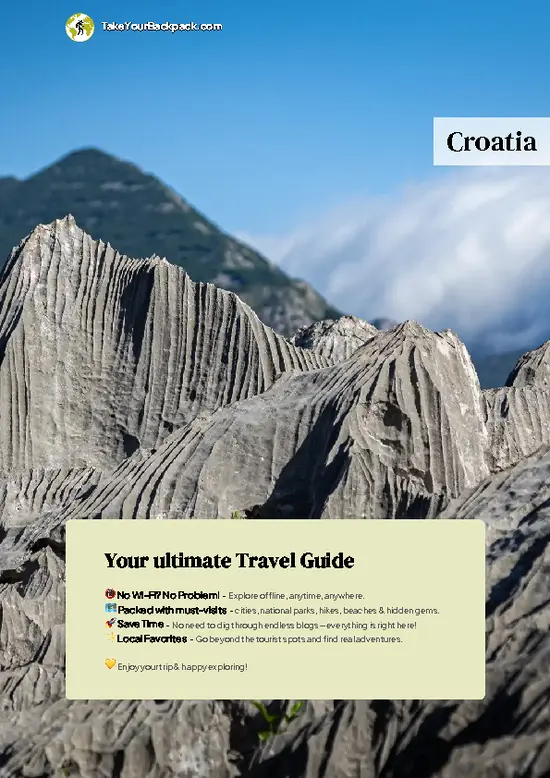
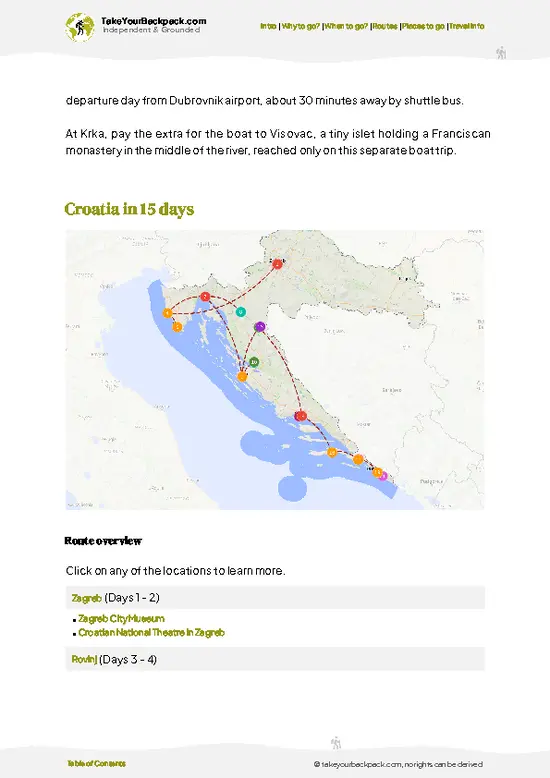
example page 0 from our offline Travel Guide for Croatia
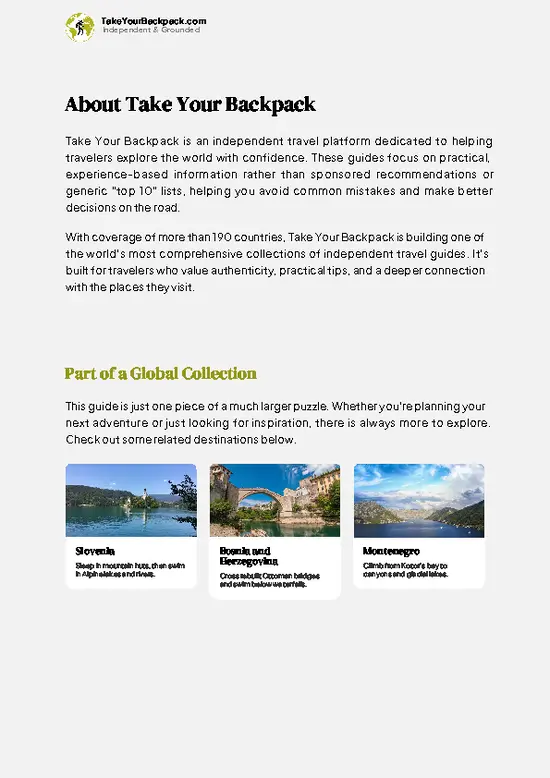
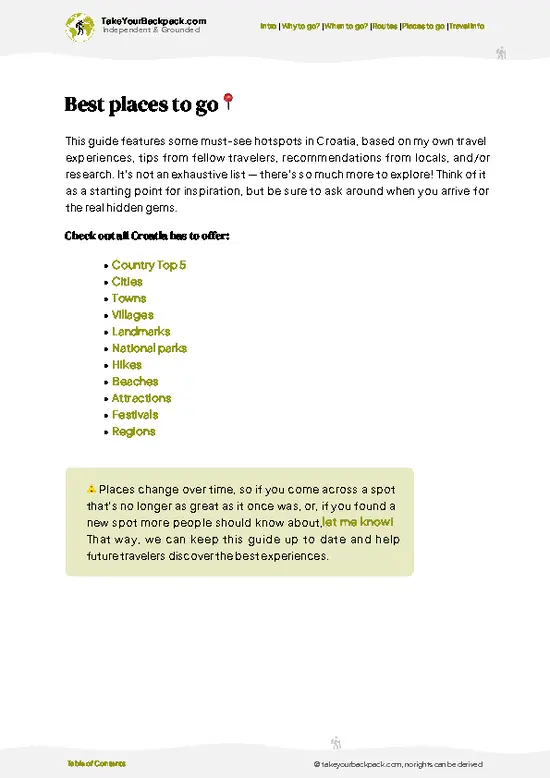
example page 1 from our offline Travel Guide for Croatia
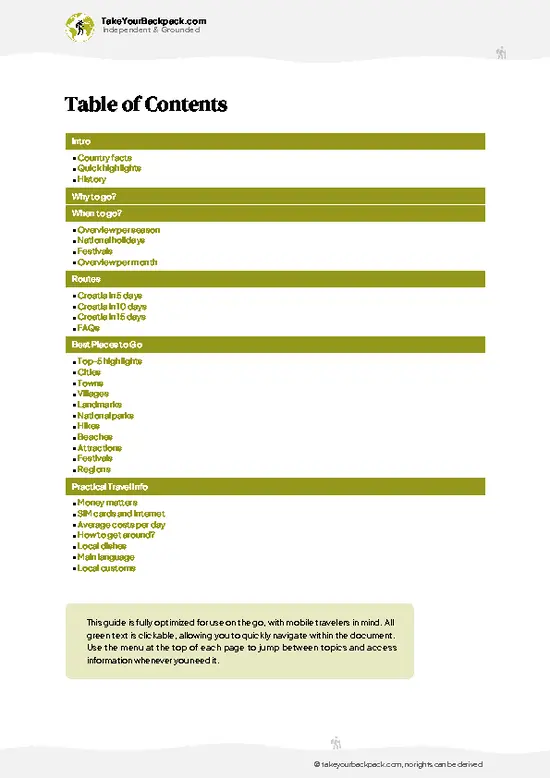
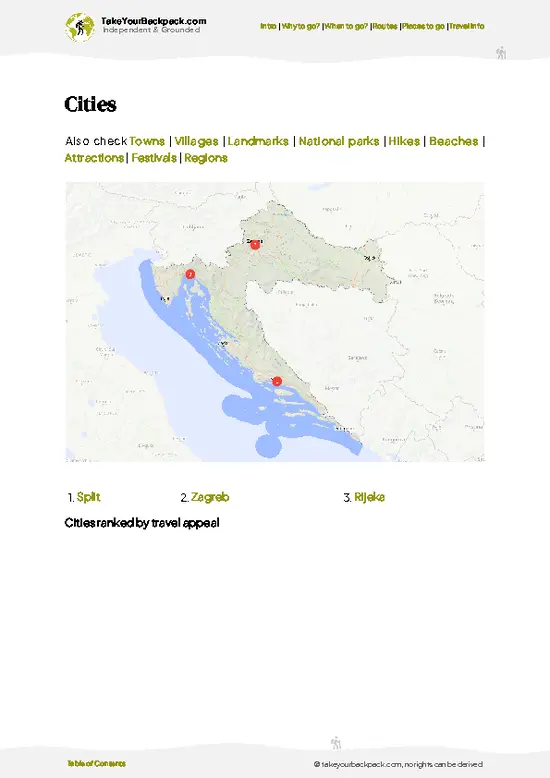
example page 2 from our offline Travel Guide for Croatia
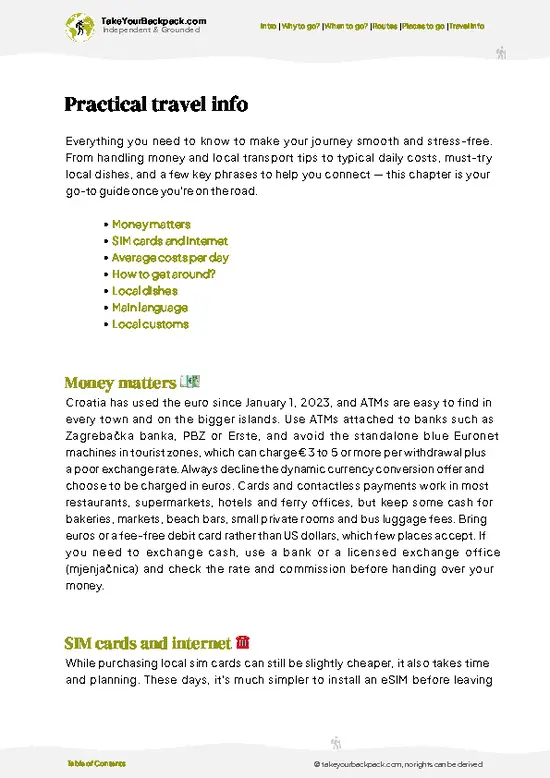
example page 3 from our offline Travel Guide for Croatia
example page 4 from our offline Travel Guide for Croatia
example page 5 from our offline Travel Guide for Croatia
example page 6 from our offline Travel Guide for Croatia
example page 7 from our offline Travel Guide for Croatia
The digital guide (419 pages) contains:
113 highlights, ranked by travel appeal
Optimized 5, 10 & 15-day travel routes
Cities, national parks, landmarks, beaches
How to get around
Offline-friendly for travel without Wi-Fi
👉 Click to see all 30+ guide features

📅 Plan smarter in minutes, not weeks
Month by month travel advice
Festivals & national holidays
Budget expectations

🗺️ Go to the right places, skip the overrated ones
Honest pros & cons of destinations
Top hikes, parks & viewpoints
Lesser-known places most travelers miss
Clear “worth it vs skip it” guidance

🛏️ Travel smoothly without rookie mistakes
Best areas to stay
Transport systems explained simply
Common scams & safety advice
SIM cards, money & practical tips

🌍 Understand the country, not just visit it
Culture & traditions
52 Essential phrases & customs
Festivals worth planning around
Traveler-friendly historical context
Insights that make places more meaningful

📱 Built for real travel conditions
Fully downloadable PDF
Works completely offline
Optimized for phone use
Useful in remote areas & buses
Everything in one place
Save weeks of stressful planning
Get instant access to your full guide. 30‑day money-back guarantee.
+ Add another guide for just US$7.80

By proceeding you agree to our terms.
Sent to your inbox immediately after payment • 100% Secure Checkout
Best Backpacking Travel Advisor 2025 tourism awardBest Backpacking
Travel Advisor
2025
What others say about Take Your Backpack Guides:
⭐⭐⭐⭐⭐
Fantastic, amazing amount of information!
⭐⭐⭐⭐⭐
My goodness this is amazing, it's what I've been looking for hats off too you!
⭐⭐⭐⭐⭐
I think this is absolutely BRILLIANT
⭐⭐⭐⭐
Very complete and informative. It's still missing places, but I gotta to commend you
⭐⭐⭐⭐⭐
This is truly amazing, thank you, can't wait to explore it with my kids!
⭐⭐⭐⭐⭐
Awesome resource, thank you!
⭐⭐⭐⭐⭐
This is amazing! Can't wait to explore the ones I haven't seen
⭐⭐⭐⭐
I love this! Well done, great idea.
⭐⭐⭐⭐⭐
Thanks for taking the time to make this gem!
⭐⭐⭐⭐⭐
This might be the best website I've ever seen.
⭐⭐⭐⭐⭐
Congratulations, and thank you so much for your work; it's incredibly valuable.
⭐⭐⭐⭐
In all seriousness I think you did a great job pointing out the important spots
⭐⭐⭐⭐⭐
10/10 very good
⭐⭐⭐⭐⭐
As someone who's only just starting to visit regularly this is awesome, thank you.
⭐⭐⭐⭐
Thank you very much! I'm going to visit my dad, it's going to be very useful!
⭐⭐⭐⭐⭐
This is really cool! We'll be travelling for the first time and this definitely come in handy.
⭐⭐⭐⭐⭐
You are now our minister of culture, congratulations 👨‍💼
⭐⭐⭐⭐⭐
Just wanted to tell you that this is a pearl! Going to follow your recommendations.
⭐⭐⭐⭐⭐
This is so cool. I'll definitely be using the resource for my travels soon.
⭐⭐⭐⭐⭐
This is very impressive! Good work.
⭐⭐⭐⭐⭐
This is an amazing and informative site. Very well done!

🛏️ Where to stay?How to pick the right area

If you’re chasing the real deal near Diocletian’s Palace Substructures in Split, forget the glossy Instagram shots that make it look like a quiet stroll through ancient ruins. The truth? It’s packed. Tourists swarm the narrow alleys, especially in summer. Prices spike. But here’s the kicker: the magic isn’t just in the palace itself—it’s in where you land after the crowds thin out.

The best spots for backpackers are the neighborhoods hugging the palace’s edges, like Veli Varos and the area around the Riva promenade. These places are safe, buzzing with locals and travelers alike, and loaded with … read more 👉
If you’re chasing the real deal near Diocletian’s Palace Substructures in Split, forget the glossy Instagram shots that make it look like a quiet stroll through ancient ruins. The truth? It’s packed. Tourists swarm the narrow alleys, especially in summer. Prices spike. But here’s the kicker: the magic isn’t just in the palace itself—it’s in where you land after the crowds thin out.

The best spots for backpackers are the neighborhoods hugging the palace’s edges, like Veli Varos and the area around the Riva promenade. These places are safe, buzzing with locals and travelers alike, and loaded with affordable bars and eateries where you can swap stories over a cold beer. Veli Varos, in particular, has that authentic Split vibe—quiet streets by day, lively social hubs by night, and a real sense of community that’s missing inside the palace walls.

Staying here means you’re a short walk from the palace’s underground chambers but far enough to dodge the tourist crush when you want to chill. Plus, these areas attract solo travelers and budget backpackers, so you’re never short on company or tips for exploring beyond the usual spots. It’s gritty, it’s real, and it’s where you’ll find the pulse of Split beyond the postcard.

👛 Costs (as of 4 September 2026)What things cost and how to budget

The entrance fee for Diocletian’s Palace Substructures typically ranges from €5 to €10. Additional costs may include guided tours, which can vary but generally start around €10 to €15. There are no significant extra charges once inside, but some special exhibitions or events might have separate fees.

source: visitsplit.com
⚠️ Prices can change and everyone travels differently, so take this as a rough guide. Hope it helps you plan your adventure!

FAQCommon questions from travelers

1 to 1.5 hours is sufficient to visit Diocletian’s Palace Substructures. This allows time to explore the underground cellars and learn about the history without rushing. Guided tours typically last around 45 minutes to an hour.
Yes, Diocletian’s Palace Substructures are worth the entrance fee, which is around 70 HRK (Croatian Kuna). The site offers a unique glimpse into Roman architecture and the foundation of Split’s historic center, making it a valuable cultural experience.
You can reach Diocletian’s Palace Substructures by walking from Split’s main bus station or ferry port, both about 10-15 minutes away. The palace is located in the heart of Split’s Old Town, easily accessible on foot with clear signage.
⚠️ Things can change over time, so always validate details locally before you go.

Other Croatian attractions near Diocletian’s Palace Substructures

Explore more nearby:


💡 Not sure where to go next?
Create a personalized itinerary for Croatia including Diocletian’s Palace Substructures and the places that fit your trip.

Generate my itinerary

👉 Discover all attractions

Or checkout all Croatia has to offer (think cities, towns, villages, national parks, hikes, beaches, festivals)
Country photo of Croatia

We 💚 feedbackIs it worth it?

Diocletian’s Palace Substructures aren’t just ancient ruins—they’re a time capsule that pulls you into the gritty reality of Roman engineering and daily life beneath the city’s polished surface. But heads up: it gets packed, especially midday, and the ticket price can sting if you’re bouncing between sites. Still, if you want to feel the weight of history under your feet and glimpse the raw bones of Split’s soul, this is where it happens.

✈️ When did I visit Croatia?
I checked out Croatia twice as part of a working trip in Zagreb in 2021 and 2022.

✍️ Help improve this page!
The information on this page is based on my own backpacking experience in Croatia, supplemented with up-to-date research and feedback from other travelers. Travel details can change, so if you notice anything outdated or incomplete, feel free to let me know.


🙋‍♂️ Give feedback

👋 Meet the founderWho’s Behind Take Your Backpack?

Johan, backpacker and founder of TakeYourBackpackHi, I’m Johan (Netherlands 🇳🇱), the creator of TakeYourBackpack. Over the past decade, I’ve backpacked through 80+ countries across six continents, gaining extensive experience with independent travel, long-term trips, and overland routes.

This site is built on a combination of firsthand travel experience and carefully curated insights from other backpackers. Many guides are based on places I’ve personally visited, while others bring together tips, observations, and practical advice shared by trusted travelers I’ve met along the way.

The goal is to provide realistic, experience-driven guidance — not generic itineraries — so you can explore destinations with better context, clearer expectations, and more confidence.

Get full Croatia guide •
Instant download • 113 highlights • Full Offline guide