v2.webp)


The Racic Mausoleum
You’ll spot it first by the white stone, almost glowing against the cypress-dotted hillside above Cavtat’s harbor. The Racic Mausoleum isn’t just a tomb; it’s a masterclass in Croatian modernist sculpture, designed by Ivan Meštrović, whose work you’ll see in museums from Split to Chicago. Step inside and the air shifts—cool, echoing, scented faintly with salt and old stone. Every detail, from the bronze doors to the carved angels, is symbolic, and if you linger, you’ll hear the bells from St. Nicholas below drift up on the breeze. Go in the late afternoon, when the sun slants through the oculus and the marble glows gold. Entry is about 3-4 euros, and you’ll want 30-45 minutes to really absorb the atmosphere. It’s not just a monument; it’s a meditation on life, death, and … read more 👉
You’ll spot it first by the white stone, almost glowing against the cypress-dotted hillside above Cavtat’s harbor. The Racic Mausoleum isn’t just a tomb; it’s a masterclass in Croatian modernist sculpture, designed by Ivan Meštrović, whose work you’ll see in museums from Split to Chicago. Step inside and the air shifts—cool, echoing, scented faintly with salt and old stone. Every detail, from the bronze doors to the carved angels, is symbolic, and if you linger, you’ll hear the bells from St. Nicholas below drift up on the breeze. Go in the late afternoon, when the sun slants through the oculus and the marble glows gold. Entry is about 3-4 euros, and you’ll want 30-45 minutes to really absorb the atmosphere. It’s not just a monument; it’s a meditation on life, death, and … read more 👉
The Racic Mausoleum
You’ll spot it first by the white stone, almost glowing against the cypress-dotted hillside above Cavtat’s harbor. The Racic Mausoleum isn’t just a tomb; it’s a masterclass in Croatian modernist sculpture, designed by Ivan Meštrović, whose work you’ll see in museums from Split to Chicago. Step inside and the air shifts—cool, echoing, scented faintly with salt and old stone. Every detail, from the bronze doors to the carved angels, is symbolic, and if you linger, you’ll hear the bells from St. Nicholas below drift up on the breeze. Go in the late afternoon, when the sun slants through the oculus and the marble glows gold. Entry is about 3-4 euros, and you’ll want 30-45 minutes to really absorb the atmosphere. It’s not just a monument; it’s a meditation on life, death, and the sea.
The Cavtat Promenade (Obala dr. Ante Starčevića)
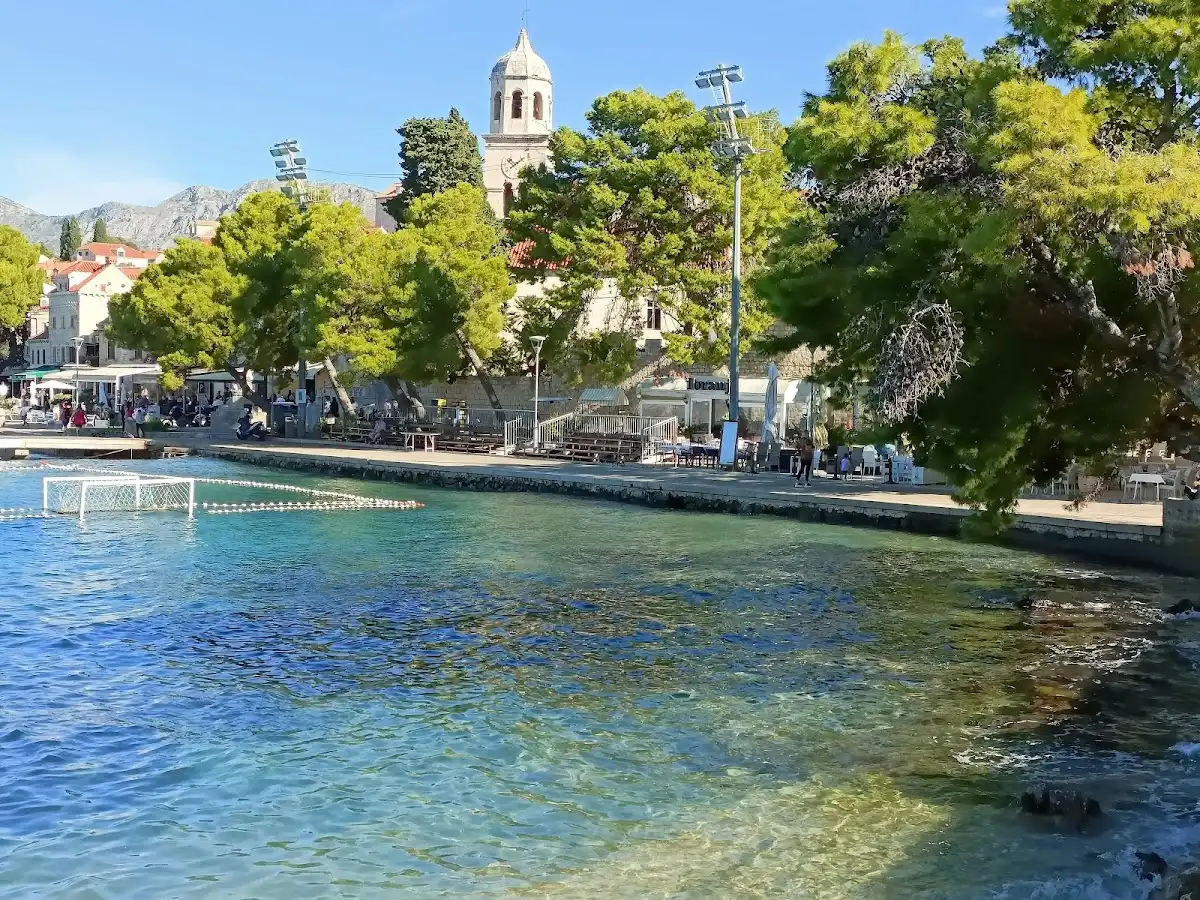
This isn’t just a walkway—it’s Cavtat’s living room. The promenade curves around the harbor, lined with palm trees, fishing boats, and the kind of cafes where the clink of coffee cups blends with the slap of water on stone. Early morning is for locals—fishermen unloading their catch, old men arguing over chess. By late afternoon, the light turns syrupy and the whole village seems to stroll here, gelato in hand, pausing to watch the ferries or the sun dip behind Dubrovnik’s distant silhouette. There’s no ticket, just the price of a coffee or a scoop of ice cream (2-4 euros). Give yourself an hour, minimum, to walk, sit, and soak up the rhythm. The real magic is in the details: the scent of pine, the echo of church bells, the way the Adriatic shifts from blue to silver as dusk falls.
Vlaho Bukovac House
Tucked on a quiet lane, this 19th-century house-museum is where Croatia’s most beloved painter grew up—and where you’ll see the roots of his wild, sunlit canvases. The rooms are small, the floors creak, and the walls are hung with Bukovac’s early sketches, family photos, and the kind of everyday objects that make history feel tactile. The garden out back is a riot of jasmine and citrus, and if you visit in spring, the air is thick with orange blossom. Entry is about 6 euros, and you’ll want 45 minutes to an hour to wander, especially if you linger over the painted ceilings or chat with the staff (who know their art history). Go mid-morning or late afternoon for the quietest experience.
If you’re itching to stretch your legs beyond Cavtat, the forested trails of the Konavle valley, the Sokol Grad fortress, and the cliffside monastery at Our Lady of the Snows are all within easy reach—though the Konavle valley, with its stone villages and wild herbs underfoot, is my personal favorite for a day trip.
You’ll spot it first by the white stone, almost glowing against the cypress-dotted hillside above Cavtat’s harbor. The Racic Mausoleum isn’t just a tomb; it’s a masterclass in Croatian modernist sculpture, designed by Ivan Meštrović, whose work you’ll see in museums from Split to Chicago. Step inside and the air shifts—cool, echoing, scented faintly with salt and old stone. Every detail, from the bronze doors to the carved angels, is symbolic, and if you linger, you’ll hear the bells from St. Nicholas below drift up on the breeze. Go in the late afternoon, when the sun slants through the oculus and the marble glows gold. Entry is about 3-4 euros, and you’ll want 30-45 minutes to really absorb the atmosphere. It’s not just a monument; it’s a meditation on life, death, and the sea.
The Cavtat Promenade (Obala dr. Ante Starčevića)
This isn’t just a walkway—it’s Cavtat’s living room. The promenade curves around the harbor, lined with palm trees, fishing boats, and the kind of cafes where the clink of coffee cups blends with the slap of water on stone. Early morning is for locals—fishermen unloading their catch, old men arguing over chess. By late afternoon, the light turns syrupy and the whole village seems to stroll here, gelato in hand, pausing to watch the ferries or the sun dip behind Dubrovnik’s distant silhouette. There’s no ticket, just the price of a coffee or a scoop of ice cream (2-4 euros). Give yourself an hour, minimum, to walk, sit, and soak up the rhythm. The real magic is in the details: the scent of pine, the echo of church bells, the way the Adriatic shifts from blue to silver as dusk falls.
Vlaho Bukovac House
Tucked on a quiet lane, this 19th-century house-museum is where Croatia’s most beloved painter grew up—and where you’ll see the roots of his wild, sunlit canvases. The rooms are small, the floors creak, and the walls are hung with Bukovac’s early sketches, family photos, and the kind of everyday objects that make history feel tactile. The garden out back is a riot of jasmine and citrus, and if you visit in spring, the air is thick with orange blossom. Entry is about 6 euros, and you’ll want 45 minutes to an hour to wander, especially if you linger over the painted ceilings or chat with the staff (who know their art history). Go mid-morning or late afternoon for the quietest experience.
If you’re itching to stretch your legs beyond Cavtat, the forested trails of the Konavle valley, the Sokol Grad fortress, and the cliffside monastery at Our Lady of the Snows are all within easy reach—though the Konavle valley, with its stone villages and wild herbs underfoot, is my personal favorite for a day trip.
Spotted a mistake or missing something? Contact us.

Dubrovnik Bestseller (2 cities and panorama tour) SHORE EXCURSION

Konavle Valley Wine Tasting from Dubrovnik with Light Lunch

Panorama Dubrovnik & Cavtat PRIVATE TOUR

Dubrovnik,Cavtat&Konavle private luxury gastro-food tour

Cavtat Sunset Romantic Cruise with Drinks & Cold Platter

Dubrovnik Shore Excursion: Private Tour of Dubrovnik and Cavtat

Private Dubrovnik, Cavtat & Konavle Food & Sightseeing Tour

Dubrovnik Riviera and Cavtat - Shore Tour

Private Sunset Boat Drive in Cavtat

 Best Backpacking
.jpg) Hi, I’m Johan (Netherlands 🇳🇱), the creator of TakeYourBackpack. Over the past 3 decades, I’ve backpacked through 90+ countries across six continents, gaining extensive experience with independent travel, long-term trips, and overland routes.
Hi, I’m Johan (Netherlands 🇳🇱), the creator of TakeYourBackpack. Over the past 3 decades, I’ve backpacked through 90+ countries across six continents, gaining extensive experience with independent travel, long-term trips, and overland routes.