How many villages to visit: Plan on
four to six villages over a typical two-week trip. That number gives you time to settle in, walk the lanes at dawn and dusk when the day-trippers have gone, and still absorb a different regional character at each stop. More than that turns into a tour of car parks and ferry queues.
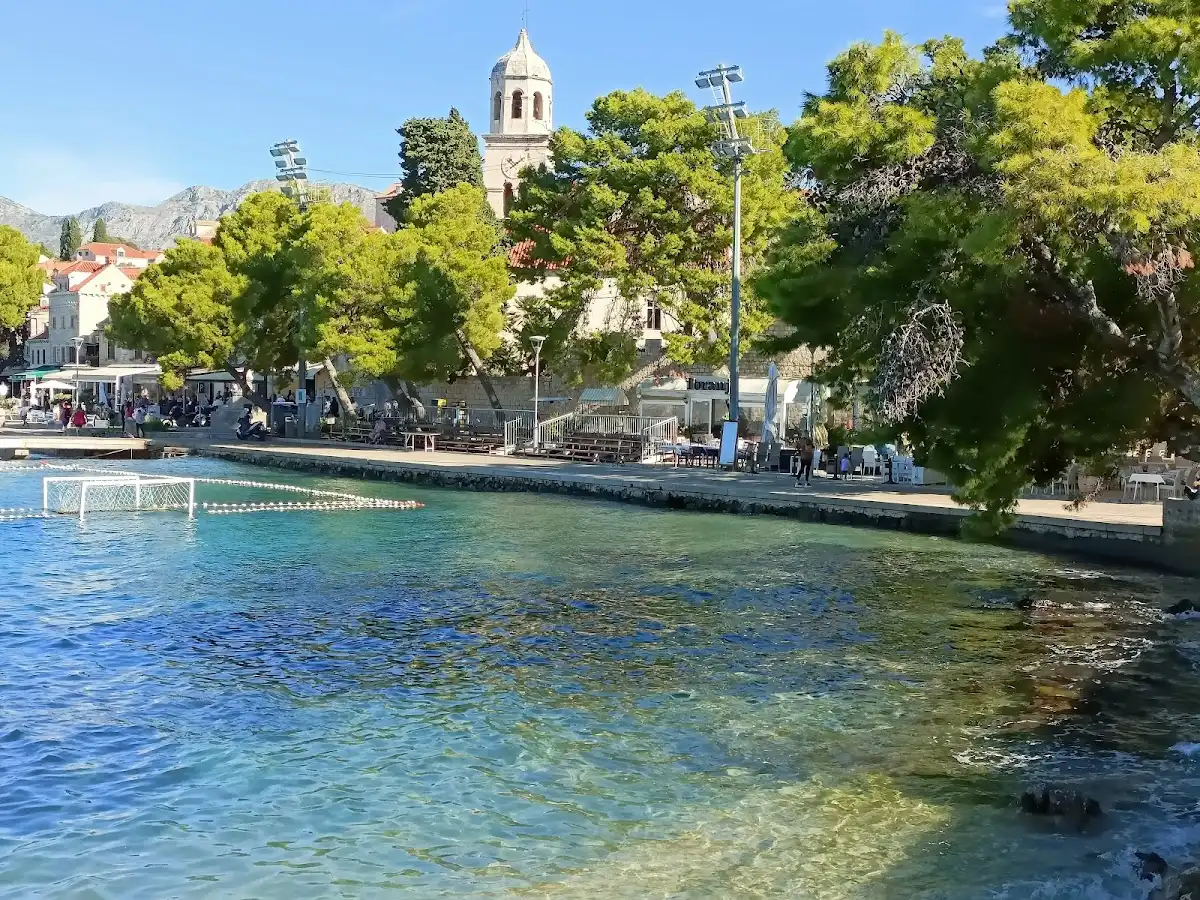
Choosing between kinds of villages: If you want swimming, sunsets and the classic photo, pick
coastal and island villages, but accept the crowds and higher prices in July and August. If you care more about food and wine, choose
Istrian hill villages, where truffles, olive oil and Malvasia wine make the meals the main event. For walking, rural life and low costs, head to the
Dalmatian hinterland, Zagorje or Slavonia, where you may be the only visitor in the konoba. Mixing one …
read more 👉 How many villages to visit: Plan on four to six villages over a typical two-week trip. That number gives you time to settle in, walk the lanes at dawn and dusk when the day-trippers have gone, and still absorb a different regional character at each stop. More than that turns into a tour of car parks and ferry queues.
Choosing between kinds of villages: If you want swimming, sunsets and the classic photo, pick coastal and island villages, but accept the crowds and higher prices in July and August. If you care more about food and wine, choose Istrian hill villages, where truffles, olive oil and Malvasia wine make the meals the main event. For walking, rural life and low costs, head to the Dalmatian hinterland, Zagorje or Slavonia, where you may be the only visitor in the konoba. Mixing one of each kind keeps the trip varied and your wallet balanced.
What it costs: Budget about US$55 to 85 a day in shoulder season, or roughly €50 to 75, covering a private room, one restaurant meal, groceries and local transport. In July and August on the coast, expect US$90 to 140. Private rooms run about €35 to 80 per night for two people, and a konoba main course costs €10 to 20. Most villages have no entry fee, though a parish church, small museum or tower may charge €2 to 8. Local ferries cost roughly €5 to 15 per person, with a car costing more. Intercity buses cost about €8 to 25. Guided tastings at a family winery or olive farm usually run €15 to 40, and they are often worth the splurge because the host pours generously and explains the land.
Safety and cultural notes: Croatian villages are very safe, and petty crime is rare. The main risks are sun, heat and slippery limestone on stone lanes, so wear shoes with grip and carry water. In the interior, a few rural areas still have unmarked mined land from the 1990s conflict, so keep to marked paths and never wander off roads or trails in former front-line areas such as parts of Slavonia and the hinterland. Dress modestly for churches, with covered shoulders and knees. Greet people when you enter a shop or konoba, and keep voices down in the evening, when locals live behind these thin stone walls. Tipping is modest, usually rounding up or leaving about 10 percent for good service. Carry some cash, because small rooms, family wineries and market stalls often do not take cards.





 Best Backpacking
 Hi, I’m Johan (Netherlands 🇳🇱), the creator of TakeYourBackpack. Over the past 3 decades, I’ve backpacked through 90+ countries across six continents, gaining extensive experience with independent travel, long-term trips, and overland routes.