




×

Croatia🇭🇷 | landmarksDvigradabandoned medieval town, crumbling towers, Istrian hills | things to do and best time to go

Explore Veliki TaborExplore Zeleni Vir

Backpacking in Dvigrad
👌 Worth visitingunique site ranked #8
By Johan Kruseman 🇳🇱 | Updated October 15, 2026

Here’s what nobody tells you: Dvigrad are free, and you can wander the entire site without a ticket booth or a selfie-stick scrum. You’ll find Dvigrad in inland Istria, about 20 minutes from Rovinj, tucked into the rolling green hills like a medieval ghost town that forgot to charge admission. The Instagram crowd barely registers here—most people are too busy chasing the coast—so you get the rare privilege of exploring a crumbling fortress in near solitude. The wow-factor isn’t about pristine preservation or blockbuster views; it’s the eerie, cinematic feeling of walking through a roofless basilica and mossy alleyways, with only the wind and your own footsteps for company. There’s no snack stand, no curated photo ops, and the signage is minimal, so you’ll want to read up before you go. But if you crave atmosphere over amenities, and you like your history raw and unfiltered, Dvigrad delivers the kind of magic that never makes the brochure.

Discover everything you want to know in the 📖 Croatia Travel Guide.


example page 0 from our offline Travel Guide for Croatia
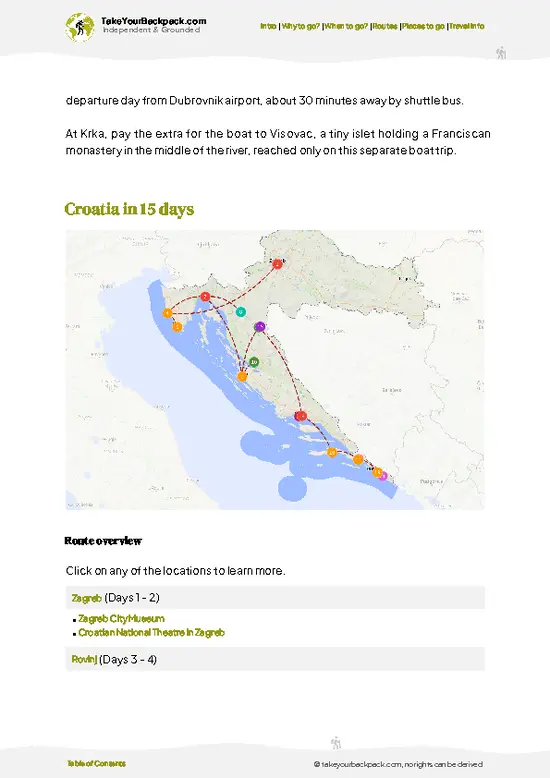
example page 1 from our offline Travel Guide for Croatia
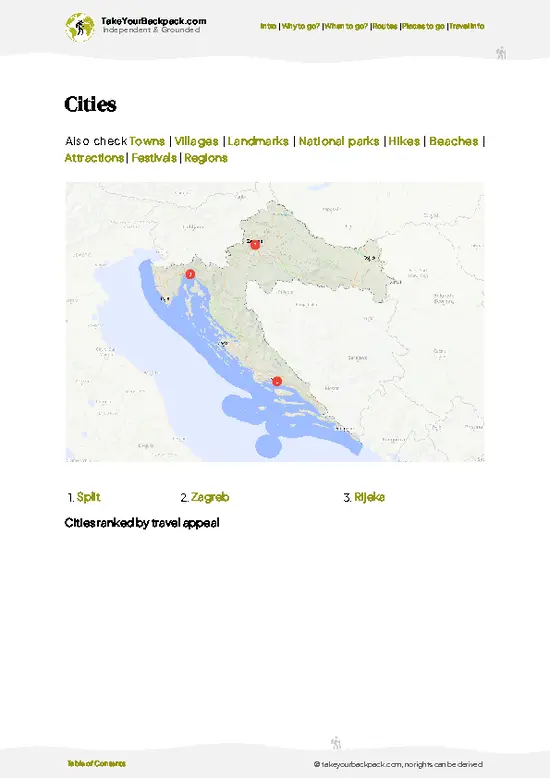
example page 2 from our offline Travel Guide for Croatia
example page 3 from our offline Travel Guide for Croatia
example page 4 from our offline Travel Guide for Croatia
example page 5 from our offline Travel Guide for Croatia
example page 6 from our offline Travel Guide for Croatia
example page 7 from our offline Travel Guide for Croatia
Loading the map 🌍
CLICK TO FILTER
cities
towns
villages
landmarks
national parks
hikes
beaches
attractions
festivals
regions
SHOW COUNTRY’S BESTSHOW ALL

✨ Why go?
Ranked #8 unique site in Croatia
The unique appeal for travelers

The Dvigrad don’t come with the polished hype of Croatia’s coastlines or the Instagram-ready charm of Dubrovnik’s walls. You won’t find crowds elbowing for selfies here, which is exactly why backpackers carve out time for this spot. It’s not about ticking off a famous name; it’s about stepping into a genuine slice of medieval history that feels untouched by mass tourism. The effort-to-reward ratio is solid—getting here requires a bit of grit, a hike or a bumpy drive through Istria’s rugged interior, but the payoff is a sprawling ghost town frozen in time, with crumbling stone walls and empty streets that whisper stories centuries old.

Uniqueness? Absolutely. Dvigrad isn’t a restored theme park; it’s raw, real, and atmospheric. The site’s accessibility is surprisingly good for such a remote … read more 👉
The Dvigrad don’t come with the polished hype of Croatia’s coastlines or the Instagram-ready charm of Dubrovnik’s walls. You won’t find crowds elbowing for selfies here, which is exactly why backpackers carve out time for this spot. It’s not about ticking off a famous name; it’s about stepping into a genuine slice of medieval history that feels untouched by mass tourism. The effort-to-reward ratio is solid—getting here requires a bit of grit, a hike or a bumpy drive through Istria’s rugged interior, but the payoff is a sprawling ghost town frozen in time, with crumbling stone walls and empty streets that whisper stories centuries old.

Uniqueness? Absolutely. Dvigrad isn’t a restored theme park; it’s raw, real, and atmospheric. The site’s accessibility is surprisingly good for such a remote relic—close enough to larger hubs like Pazin to slot neatly into a broader Istrian itinerary without demanding a full day. Costs are minimal—entry is free, and the only investment is your time and curiosity. For backpackers weaving through Croatia’s less-trodden paths, Dvigrad offers a rare chance to connect with history in a way that feels personal, not packaged. It’s a quiet masterpiece that rewards those willing to look beyond the usual hotspots.

💡 HighlightsDon't-miss highlights and experiences

The Main Gate and Defensive Walls
Forget the Instagrammed arches and moody drone shots—Dvigrad’s real power hits the moment you walk through its battered main gate. This isn’t a sanitized ruin with velvet ropes and interpretive plaques. The walls are rough, pockmarked by centuries of siege and abandonment, and you can run your hands over the same stones that held off pirates, Venetians, and plague. The scale is intimate, not grandiose, but that’s the point: you’re not a spectator here, you’re a participant in the slow collapse of a medieval stronghold.


The Twin Hilltop Layout
Dvigrad means “two towns,” and you’ll see why as you wander the split-level ruins. The settlement sprawls over two hills, connected by a saddle of crumbling alleyways. Most visitors snap a photo from the lower approach … read more 👉
The Main Gate and Defensive Walls
Forget the Instagrammed arches and moody drone shots—Dvigrad’s real power hits the moment you walk through its battered main gate. This isn’t a sanitized ruin with velvet ropes and interpretive plaques. The walls are rough, pockmarked by centuries of siege and abandonment, and you can run your hands over the same stones that held off pirates, Venetians, and plague. The scale is intimate, not grandiose, but that’s the point: you’re not a spectator here, you’re a participant in the slow collapse of a medieval stronghold.


The Twin Hilltop Layout
Dvigrad means “two towns,” and you’ll see why as you wander the split-level ruins. The settlement sprawls over two hills, connected by a saddle of crumbling alleyways. Most visitors snap a photo from the lower approach and leave, but if you climb to the upper reaches, you get a visceral sense of how the town was designed for defense and survival. The views across the Lim Valley are raw and unfiltered—no souvenir stands, no ice cream carts, just the wind and the bones of a lost world.


St. Sophia Church
This roofless, echoing church is the heart of Dvigrad. The altar is long gone, but the apse still frames the sky in a way that feels almost defiant. Look for the faded frescoes—if you catch them in the right light, you’ll see ghostly saints staring back at you from the 14th century. It’s not pretty in the conventional sense, but it’s honest, and the silence inside is thick enough to taste. This is my personal favorite spot: I’ve stood here alone at sunrise, boots crunching on gravel, and felt the weight of centuries settle in my chest.


The Abandoned Homes and Alleyways
Dvigrad isn’t a single monument—it’s a maze of collapsed houses, staircases to nowhere, and archways that frame nothing but sky. There’s no set path, and that’s the magic. You can duck through doorways, climb over tumbled stones, and imagine the daily grind of medieval life: smoke from hearths, children’s shouts, the ever-present threat of attack. The ruins are raw and unscripted, and every visit feels like a private exploration.


The Overgrown Cemetery
Most people miss the cemetery, tucked away on the edge of the ruins. It’s not grand, just a scatter of mossy stones and half-buried crosses, but it’s a reminder that Dvigrad was a living, breathing community before it was a photo op. The wildflowers and brambles have reclaimed most of it, but if you slow down, you’ll spot names and dates carved by hands long gone. It’s a quiet, sobering counterpoint to the drama of the main ruins—proof that real history is messy, personal, and rarely polished for tourists.
Spotted a mistake or missing something? Contact us.

Things to do near Dvigrad

Ratings based on Tripadvisor reviews. When you book through this link, you support our work at no extra cost to you.

🌤️ When to go?Choosing the right time of year

  • Weather: The best weather hits between May and September. Expect dry, warm days perfect for wandering ruins without freezing your fingers off. June through August can scorch, pushing highs to 30°C (86°F) or more, so pack sunscreen and water.
  • Temperature: Spring (April-May) and fall (September-October) offer mild temps, around 15-22°C (59-72°F), ideal for those who hate sweating through their shirt but want to avoid the chill of winter, which can dip below 5°C (41°F).
  • Daylight Hours: Long summer days mean up to 15 hours of light in June, giving you plenty of time to explore without rushing. Winter months shrink daylight to about 9 hours, making late visits tricky and less rewarding.
  • Crowds: July and August bring the tourist surge, especially from cruise ship day-trippers. If you want the
… read more 👉
  • Weather: The best weather hits between May and September. Expect dry, warm days perfect for wandering ruins without freezing your fingers off. June through August can scorch, pushing highs to 30°C (86°F) or more, so pack sunscreen and water.
  • Temperature: Spring (April-May) and fall (September-October) offer mild temps, around 15-22°C (59-72°F), ideal for those who hate sweating through their shirt but want to avoid the chill of winter, which can dip below 5°C (41°F).
  • Daylight Hours: Long summer days mean up to 15 hours of light in June, giving you plenty of time to explore without rushing. Winter months shrink daylight to about 9 hours, making late visits tricky and less rewarding.
  • Crowds: July and August bring the tourist surge, especially from cruise ship day-trippers. If you want the ruins to yourself, aim for May, early June, or September when the crowds thin and the vibe feels more authentic.
  • Seasonal Activities: Summer hosts local festivals nearby, adding cultural flavor but also noise and congestion. Spring and fall are quieter, letting you soak in the ruins’ eerie silence and panoramic views without distractions.
  • Price Fluctuations: Accommodation and transport prices spike in peak summer months. Booking outside July-August saves you a solid chunk of cash, which you can spend on local food or a guided tour that actually adds value.

Pro-tip: Visit in late May or early September for the sweet spot of decent weather, manageable crowds, and better prices—plus, the ruins feel like they’re telling their story just for you.


source: climatestotravel.comJANJanuary: below average for travelingFEBFebruary: below average for travelingMARMarch: fair for travelingAPRApril: good for travelingMAYMay: excellent for travelingJUNJune: highly recommended for travelingJULJuly: good for travelingAUGAugust: good for travelingSEPSeptember: excellent for travelingOCTOctober: good for travelingNOVNovember: fair for travelingDECDecember: below average for traveling
croatia-unique-site-dvigrad
© Google |

✈️ The backpacker research shortcutCroatia Travel Guide

An offline-friendly backpacking guide with optimized travel routes, ranked highlights, transport advice, and the best areas to stay.
example page 0 from our offline Travel Guide for Croatia
example page 1 from our offline Travel Guide for Croatia
example page 2 from our offline Travel Guide for Croatia
example page 3 from our offline Travel Guide for Croatia
example page 4 from our offline Travel Guide for Croatia
example page 5 from our offline Travel Guide for Croatia
example page 6 from our offline Travel Guide for Croatia
example page 7 from our offline Travel Guide for Croatia
The digital guide (407 pages) contains:
✅ 109 highlights, ranked by travel appeal
✅ Optimized 5, 10 & 15-day travel routes
✅ Cities, national parks, landmarks, beaches
✅ How to get around
✅ Offline-friendly for travel without Wi-Fi
👉 Click to see all 30+ guide features

📅 Plan smarter in minutes, not weeks
✅ Month by month travel advice
✅ Festivals & national holidays
✅ Budget expectations

🗺️ Go to the right places, skip the overrated ones
✅ Honest pros & cons of destinations
✅ Top hikes, parks & viewpoints
✅ Lesser-known places most travelers miss
✅ Clear “worth it vs skip it” guidance

🛏️ Travel smoothly without rookie mistakes
✅ Best areas to stay
✅ Transport systems explained simply
✅ Common scams & safety advice
✅ SIM cards, money & practical tips

🌍 Understand the country, not just visit it
✅ Culture & traditions
✅ 52 Essential phrases & customs
✅ Festivals worth planning around
✅ Traveler-friendly historical context
✅ Insights that make places more meaningful

📱 Built for real travel conditions
✅ Fully downloadable PDF
✅ Works completely offline
✅ Optimized for phone use
✅ Useful in remote areas & buses
✅ Everything in one place
Stop searching, start planning
Get instant access to your full guide. 30‑day money-back guarantee.
+ Add another guide for just

By proceeding you agree to our terms.
Sent to your inbox immediately after payment • 100% Secure Checkout
Best Backpacking Travel Advisor 2025 tourism awardBest Backpacking
Travel Advisor
2025
What others say about Take Your Backpack Guides:
⭐⭐⭐⭐⭐
Fantastic, amazing amount of information!
⭐⭐⭐⭐⭐
My goodness this is amazing, it's what I've been looking for hats off too you!
⭐⭐⭐⭐⭐
I think this is absolutely BRILLIANT
⭐⭐⭐⭐
Very complete and informative. It's still missing places, but I gotta to commend you
⭐⭐⭐⭐⭐
This is truly amazing, thank you, can't wait to explore it with my kids!
⭐⭐⭐⭐⭐
Awesome resource, thank you!
⭐⭐⭐⭐⭐
This is amazing! Can't wait to explore the ones I haven't seen
⭐⭐⭐⭐
I love this! Well done, great idea.
⭐⭐⭐⭐⭐
Thanks for taking the time to make this gem!
⭐⭐⭐⭐⭐
This might be the best website I've ever seen.
⭐⭐⭐⭐⭐
Congratulations, and thank you so much for your work; it's incredibly valuable.
⭐⭐⭐⭐
In all seriousness I think you did a great job pointing out the important spots
⭐⭐⭐⭐⭐
10/10 very good
⭐⭐⭐⭐⭐
As someone who's only just starting to visit regularly this is awesome, thank you.
⭐⭐⭐⭐
Thank you very much! I'm going to visit my dad, it's going to be very useful!
⭐⭐⭐⭐⭐
This is really cool! We'll be travelling for the first time and this definitely come in handy.
⭐⭐⭐⭐⭐
You are now our minister of culture, congratulations 👨‍💼
⭐⭐⭐⭐⭐
Just wanted to tell you that this is a pearl! Going to follow your recommendations.
⭐⭐⭐⭐⭐
This is so cool. I'll definitely be using the resource for my travels soon.
⭐⭐⭐⭐⭐
This is very impressive! Good work.
⭐⭐⭐⭐⭐
This is an amazing and informative site. Very well done!

🛏️ Where to stay?Best areas to stay in Croatia

If you’re chasing the raw vibe of Dvigrad, forget the polished tourist traps. The real magic is in the nearby villages where backpackers actually hang out—places that feel lived-in, safe, and social without the inflated prices or crowds. The town of Kanfanar, just a short ride away, is your best bet. It’s small but has that authentic Croatian small-town pulse, with local bars and cafes where you can swap stories with fellow travelers or friendly locals. It’s not a party hub, but it’s social enough to meet people without feeling like a tourist assembly line.

Another solid option is the village … read more 👉
If you’re chasing the raw vibe of Dvigrad, forget the polished tourist traps. The real magic is in the nearby villages where backpackers actually hang out—places that feel lived-in, safe, and social without the inflated prices or crowds. The town of Kanfanar, just a short ride away, is your best bet. It’s small but has that authentic Croatian small-town pulse, with local bars and cafes where you can swap stories with fellow travelers or friendly locals. It’s not a party hub, but it’s social enough to meet people without feeling like a tourist assembly line.

Another solid option is the village of Cerovlje. It’s quieter, more rural, and perfect if you want to soak in the countryside atmosphere after wandering the ruins. You’ll find guesthouses and family-run spots that keep things affordable and genuine. The vibe here is slower, which means you get to experience Croatia beyond the postcard—think fresh air, home-cooked meals, and conversations that don’t revolve around the next Instagram shot.

Both Kanfanar and Cerovlje offer safety and a chance to connect with locals and backpackers alike. They’re not plastered all over travel blogs, which means you dodge the crowds and inflated costs. Staying here puts you close enough to Dvigrad to explore at your own pace, without the hassle of touristy chaos. This is where the real story of the ruins unfolds, away from the noise.

👛 Costs (as of 15 October 2026)Money, prices, and spending tips

Visiting the Dvigrad in Croatia is an affordable adventure with costs varying based on your travel style.
  • Entrance Fee: The ruins themselves are often free to access, but guided tours may cost around €5 to €10.
  • Transportation: Getting to Dvigrad typically involves renting a car or taking local buses, costing between €10 to €20 depending on your starting point.
  • Food and Drink: Nearby towns offer meals ranging from €10 to €20 for a casual lunch or dinner.
  • Accommodation: Staying overnight in the region can range from €20 for budget guesthouses to €40 for mid-range hotels.
  • Miscellaneous: Additional expenses like souvenirs or extra activities might add another €5 to €10.


source: total-croatia-news.com
⚠️ Prices can change and everyone travels differently, so take this as a rough guide. Hope it helps you plan your adventure!

FAQCommon questions from travelers

Dvigrad are the remains of a medieval fortified town located in Istria, Croatia, dating back to the 11th century. The site features stone walls, a church, and remnants of residential buildings, offering insight into medieval architecture and history.
Visiting Dvigrad typically takes about 1 to 2 hours, enough time to explore the main structures and enjoy the surrounding nature. Longer visits may be needed if you plan to hike nearby trails or take detailed photographs.
To get to Dvigrad, travel to the village of Kanfanar in Istria, then follow local signs or a short hike of about 2 kilometers to the site. The ruins are accessible by car, with parking available near the trailhead.
⚠️ Things can change over time, so always validate details locally before you go.

Other Croatian landmarks near Dvigrad

Explore more nearby:


💡 Not sure where to go next?
Create a personalized itinerary for Croatia including Dvigrad and the places that fit your trip.

Generate my itinerary

👉 Discover all landmarks

Or checkout all Croatia has to offer (think cities, towns, villages, national parks, hikes, beaches, festivals)
Country photo of Croatia

We 💚 feedbackIs it worth it?

Dvigrad don’t pretend to be a polished tourist magnet—expect uneven paths and few crowds, which means you get to roam ancient stone streets in near silence. The real magic is standing where history feels raw and untouched, not sanitized for selfies. But heads up: it’s not a quick stop. Getting here takes effort, and the lack of facilities means you need to come prepared. If you’re after authenticity over convenience, this place delivers.

✈️ When did I visit Croatia?
I checked out Croatia twice as part of a working trip in Zagreb in 2021 and 2022.

✍️ Help improve this page!
The information on this page is based on my own backpacking experience in Croatia, supplemented with up-to-date research and feedback from other travelers. Travel details can change, so if you notice anything outdated or incomplete, feel free to let me know.


🙋‍♂️ Give feedback

👋 Meet the founderWho’s Behind Take Your Backpack?

Johan, backpacker and founder of TakeYourBackpackHi, I’m Johan (Netherlands 🇳🇱), the creator of TakeYourBackpack. Over the past 3 decades, I’ve backpacked through 90+ countries across six continents, gaining extensive experience with independent travel, long-term trips, and overland routes.

This site is built on a combination of firsthand travel experience and carefully curated insights from other backpackers. Many guides are based on places I’ve personally visited, while others bring together tips, observations, and practical advice shared by trusted travelers I’ve met along the way.

The goal is to provide realistic, experience-driven guidance — not generic itineraries — so you can explore destinations with better context, clearer expectations, and more confidence.