How many landmarks to aim for: Plan on one major landmark per day, two at most, and cap a ten-day trip at about six or seven headline stops. Croatian distances look short on a map, but winding coast roads, ferry timetables and midday heat eat hours. Fewer stops also let you arrive early or stay late, which is when the crowds thin and the light turns the limestone honey-colored.
Choosing between kinds of landmarks: Croatia gives you walled Adriatic towns, Roman and Venetian ruins, national parks with waterfalls and lakes, and Habsburg-era city centers inland. If you travel on a tight budget, lean toward
free or cheap urban landmarks: open old-town squares, harbor fronts, fortress ramparts and cathedrals cost €0 to 10 and look best at dawn or after 7 pm. If nature is your priority, pick one
national …
read more 👉 How many landmarks to aim for: Plan on one major landmark per day, two at most, and cap a ten-day trip at about six or seven headline stops. Croatian distances look short on a map, but winding coast roads, ferry timetables and midday heat eat hours. Fewer stops also let you arrive early or stay late, which is when the crowds thin and the light turns the limestone honey-colored.
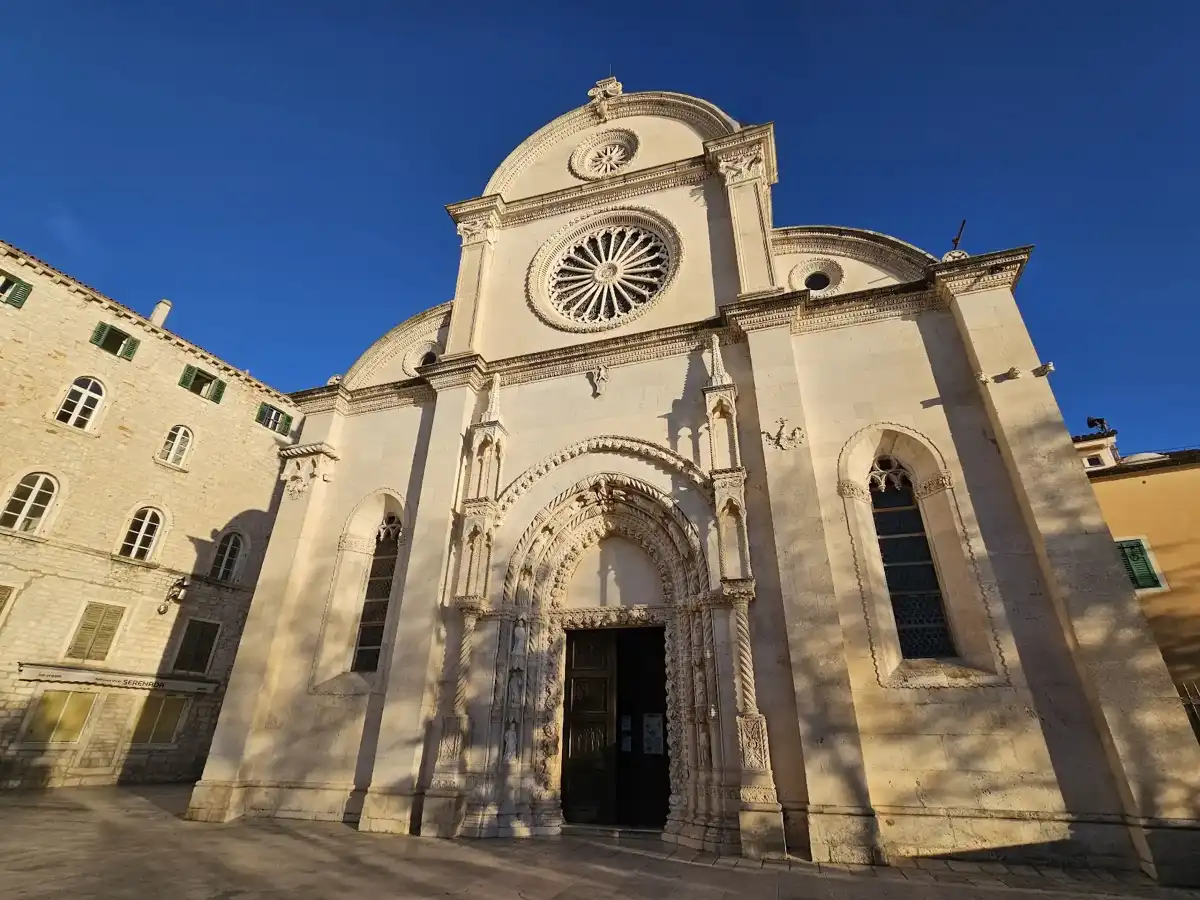
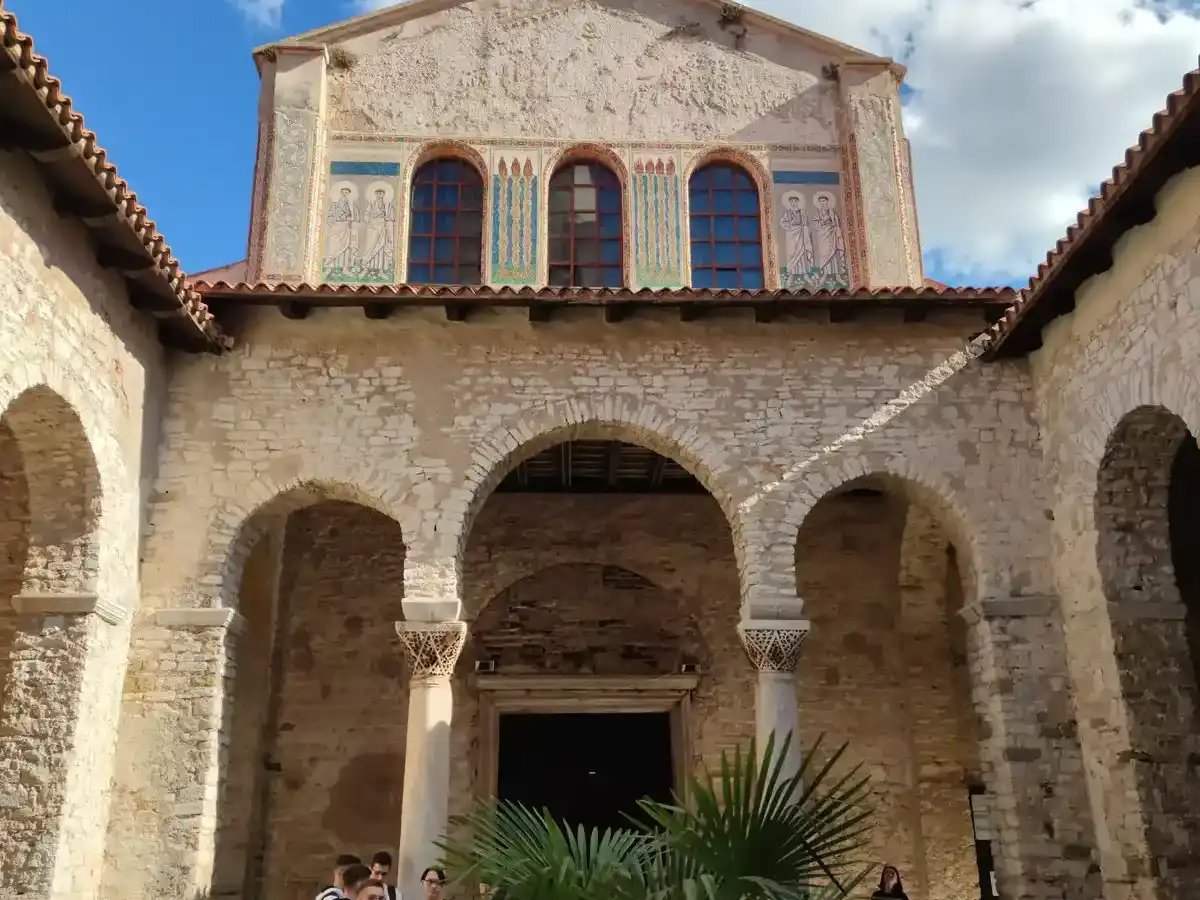
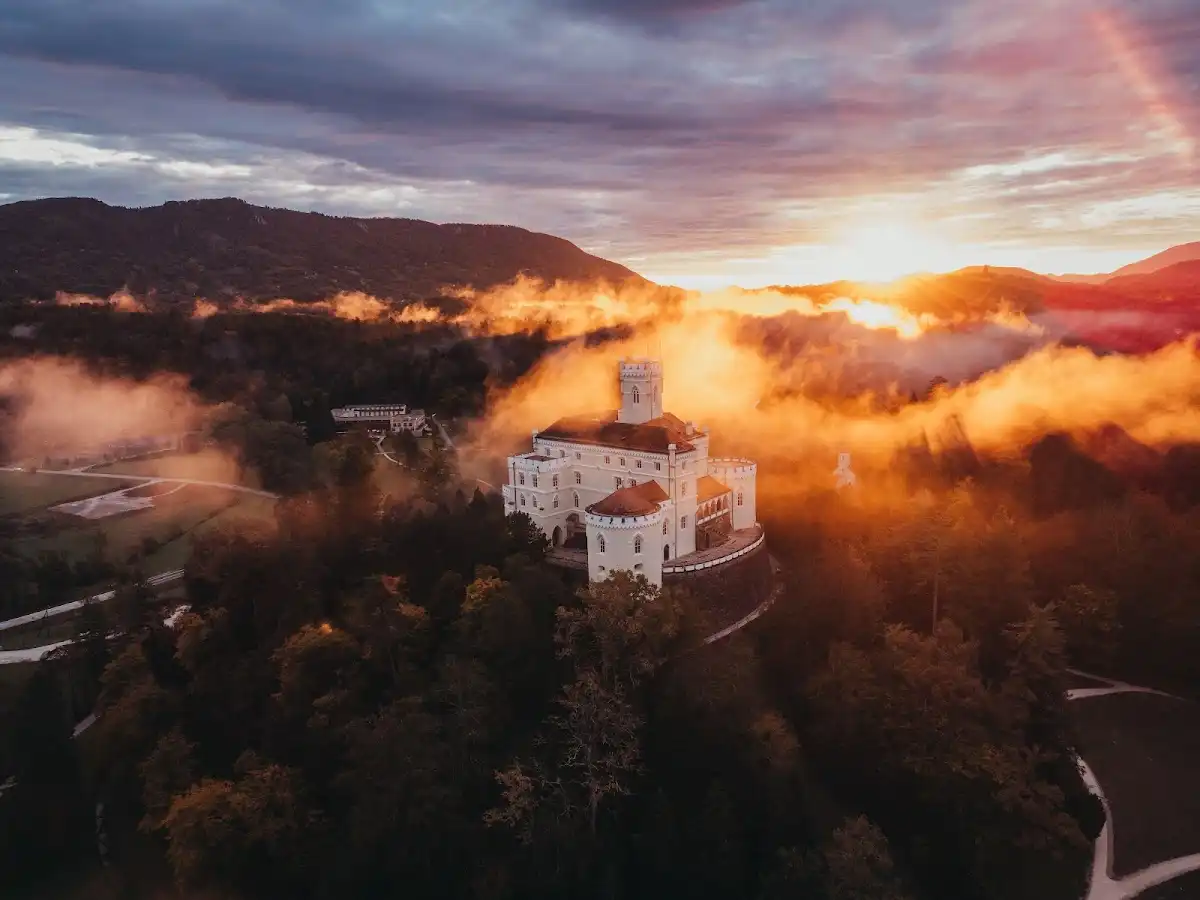
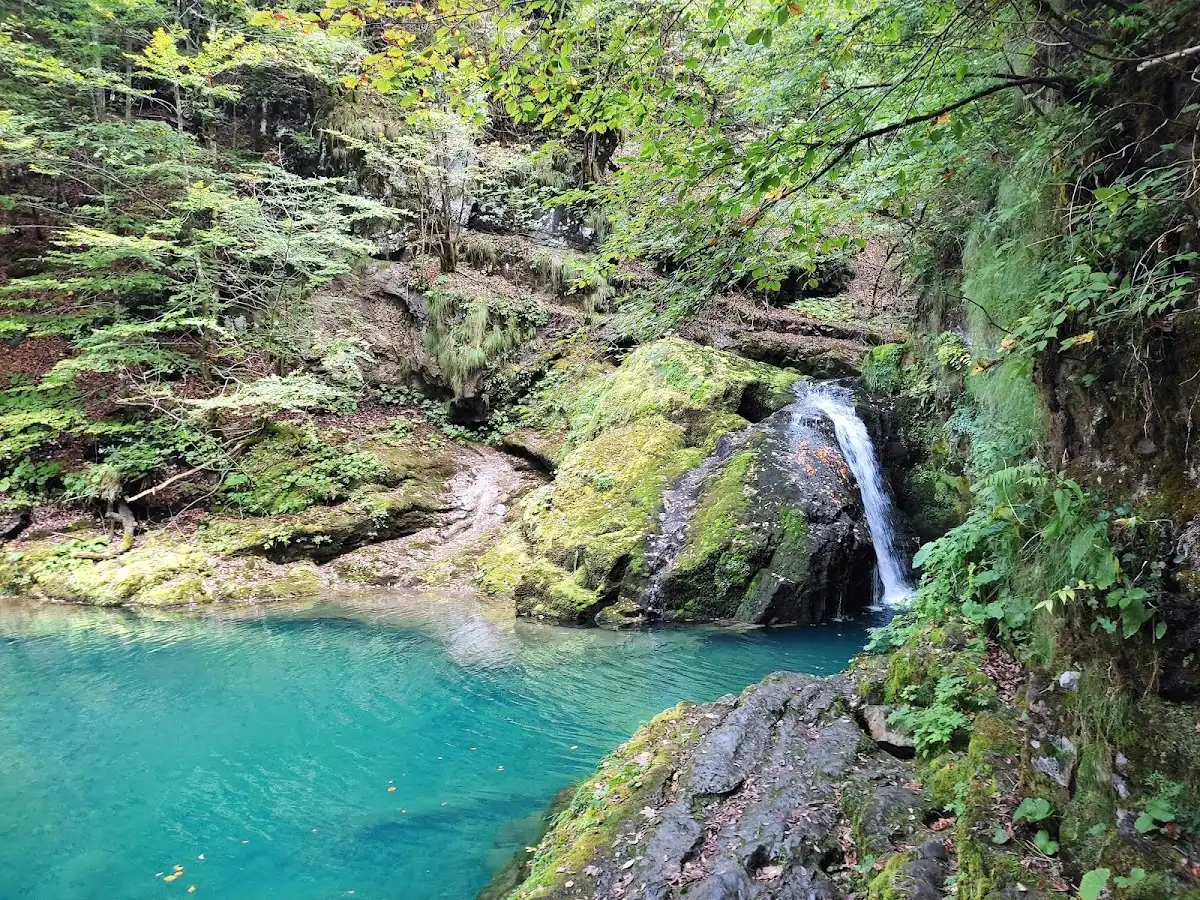
Choosing between kinds of landmarks: Croatia gives you walled Adriatic towns, Roman and Venetian ruins, national parks with waterfalls and lakes, and Habsburg-era city centers inland. If you travel on a tight budget, lean toward free or cheap urban landmarks: open old-town squares, harbor fronts, fortress ramparts and cathedrals cost €0 to 10 and look best at dawn or after 7 pm. If nature is your priority, pick one national park and give it a full day rather than squeezing in several. If history is your thing, the inland cities and the Istrian hill towns are quieter, cheaper and far less staged than the famous coastal stops. Skip a second walled town if the first already left you with a sunburn and a headache from the crowds.
What it costs: Expect €50 to 80 a day in July and August (dorm bed €25 to 50, a bakery breakfast and a konoba lunch, local transport), dropping to €35 to 55 in May, June and September, and lower still in winter. Budget €10 to 25 a day for landmarks on average. Per visit, small churches, museums and local sites run €3 to 12. The headline walls and national park gates are the expensive ones, around €25 to 40 in peak summer and much less in winter, so buy online where tickets are timed, since that often saves a little and always saves a queue. A group guide costs about €15 to 30 a head, and a private guide €100 or more. Intercity buses between landmark towns run roughly €5 to 20, and island ferries €5 to 15 per leg. Many cities sell multi-site passes, which pay off only if you really will see most of the sites.
Crowds, honestly: Cruise ships can pour thousands of day visitors into the biggest old towns between about 10 am and 4 pm. Arrive before 9 or come after the ships leave, and you get a different place. Midweek beats weekends, and shoulder months beat everything. Some of the most popular sites now limit visitor numbers or require timed entry in peak season, so book ahead in July and August.
Safety and etiquette: Polished limestone steps and boardwalk planks turn slick when wet, so wear shoes with grip, not flip-flops. Summer heat on exposed ramparts and ruins regularly tops 32°C (90°F), so carry at least a liter and a half of water and a hat. Cliff-edge viewpoints often have no railings. In areas touched by the 1990s war, including parts of Lika, Slavonia and the hinterland behind the coast, stay on marked paths, because some mined land has not been fully cleared. Dress with covered shoulders and knees for churches and monasteries, keep your voice low at war memorials and cemeteries, and do not climb on monuments or ancient walls for photos. Drones are restricted at many sites, and swimming is banned in some protected waters, so follow the signs. Most sites accept cards, but carry small euro notes for toilets, parking and village chapels.





 Best Backpacking
 Hi, I’m Johan (Netherlands 🇳🇱), the creator of TakeYourBackpack. Over the past 3 decades, I’ve backpacked through 90+ countries across six continents, gaining extensive experience with independent travel, long-term trips, and overland routes.