v2.webp)
The Prison Ruins
Let’s drop the Instagram filter: Goli otok is not “picturesque” in the usual sense. It’s raw, sun-blasted, and haunted by its past as Yugoslavia’s most notorious political prison. The crumbling cell blocks and guard towers aren’t staged for tourists—there’s real history in every cracked wall and rusted bedframe. You can walk through the actual punishment yards, peer into solitary cells, and feel the weight of a place built for silence and fear. It’s not comfortable, but it’s unforgettable in the way a punch to the gut is unforgettable. This is the island’s soul—unvarnished, unflinching, and absolutely worth the ferry ride.
The Workshop Complex
Most people don’t realize Goli otok was more than just a prison; it was a forced labor camp. The old workshops—where inmates made furniture, … read more 👉
Let’s drop the Instagram filter: Goli otok is not “picturesque” in the usual sense. It’s raw, sun-blasted, and haunted by its past as Yugoslavia’s most notorious political prison. The crumbling cell blocks and guard towers aren’t staged for tourists—there’s real history in every cracked wall and rusted bedframe. You can walk through the actual punishment yards, peer into solitary cells, and feel the weight of a place built for silence and fear. It’s not comfortable, but it’s unforgettable in the way a punch to the gut is unforgettable. This is the island’s soul—unvarnished, unflinching, and absolutely worth the ferry ride.
The Workshop Complex
Most people don’t realize Goli otok was more than just a prison; it was a forced labor camp. The old workshops—where inmates made furniture, … read more 👉
The Prison Ruins
Let’s drop the Instagram filter: Goli otok is not “picturesque” in the usual sense. It’s raw, sun-blasted, and haunted by its past as Yugoslavia’s most notorious political prison. The crumbling cell blocks and guard towers aren’t staged for tourists—there’s real history in every cracked wall and rusted bedframe. You can walk through the actual punishment yards, peer into solitary cells, and feel the weight of a place built for silence and fear. It’s not comfortable, but it’s unforgettable in the way a punch to the gut is unforgettable. This is the island’s soul—unvarnished, unflinching, and absolutely worth the ferry ride.
The Workshop Complex
Most people don’t realize Goli otok was more than just a prison; it was a forced labor camp. The old workshops—where inmates made furniture, stonework, and even souvenirs for the mainland—still stand, their machinery rusting in the salt air. You can see the remnants of the carpentry and stone-cutting shops, and if you listen, you might catch the echo of a thousand hammers. It’s a brutal reminder of how the regime squeezed productivity from suffering, but it’s also a fascinating window into a vanished industrial world.
The Island’s Bleak Beauty
Forget lush Mediterranean clichés. Goli otok is all sharp limestone, scrubby pines, and relentless sun. The landscape is harsh, almost lunar, and that’s exactly what makes it compelling. There’s a strange, stark beauty to the place—especially when the wind whips off the Adriatic and the only sound is your own footsteps crunching gravel. If you want a selfie, take it here: not for likes, but to remember what real, unfiltered isolation feels like.
The Memorial Plaques and Graffiti
Scattered around the island, you’ll find memorials left by survivors and their families—simple plaques, faded photos, and graffiti scrawled in defiance or grief. These aren’t curated museum pieces; they’re raw, personal, and sometimes heartbreaking. Reading the names and dates, you realize this isn’t just a ruin—it’s a graveyard of stories. This is where the island’s true impact hits hardest.
The Ferry Approach
Personal favorite. The moment you first see Goli otok from the deck of the ferry is electric. The island rises out of the sea like a warning—bare, battered, and utterly unlike the cheerful Croatian coast you just left behind. There’s a palpable shift in mood among passengers: the chatter dies down, and everyone stares. That first glimpse sets the tone for everything that follows. It’s the rare approach that makes you feel like you’re crossing into another world, and it never gets old, no matter how many times you visit.
Let’s drop the Instagram filter: Goli otok is not “picturesque” in the usual sense. It’s raw, sun-blasted, and haunted by its past as Yugoslavia’s most notorious political prison. The crumbling cell blocks and guard towers aren’t staged for tourists—there’s real history in every cracked wall and rusted bedframe. You can walk through the actual punishment yards, peer into solitary cells, and feel the weight of a place built for silence and fear. It’s not comfortable, but it’s unforgettable in the way a punch to the gut is unforgettable. This is the island’s soul—unvarnished, unflinching, and absolutely worth the ferry ride.
The Workshop Complex
Most people don’t realize Goli otok was more than just a prison; it was a forced labor camp. The old workshops—where inmates made furniture, stonework, and even souvenirs for the mainland—still stand, their machinery rusting in the salt air. You can see the remnants of the carpentry and stone-cutting shops, and if you listen, you might catch the echo of a thousand hammers. It’s a brutal reminder of how the regime squeezed productivity from suffering, but it’s also a fascinating window into a vanished industrial world.
The Island’s Bleak Beauty
Forget lush Mediterranean clichés. Goli otok is all sharp limestone, scrubby pines, and relentless sun. The landscape is harsh, almost lunar, and that’s exactly what makes it compelling. There’s a strange, stark beauty to the place—especially when the wind whips off the Adriatic and the only sound is your own footsteps crunching gravel. If you want a selfie, take it here: not for likes, but to remember what real, unfiltered isolation feels like.
The Memorial Plaques and Graffiti
Scattered around the island, you’ll find memorials left by survivors and their families—simple plaques, faded photos, and graffiti scrawled in defiance or grief. These aren’t curated museum pieces; they’re raw, personal, and sometimes heartbreaking. Reading the names and dates, you realize this isn’t just a ruin—it’s a graveyard of stories. This is where the island’s true impact hits hardest.
The Ferry Approach
Personal favorite. The moment you first see Goli otok from the deck of the ferry is electric. The island rises out of the sea like a warning—bare, battered, and utterly unlike the cheerful Croatian coast you just left behind. There’s a palpable shift in mood among passengers: the chatter dies down, and everyone stares. That first glimpse sets the tone for everything that follows. It’s the rare approach that makes you feel like you’re crossing into another world, and it never gets old, no matter how many times you visit.
Spotted a mistake or missing something? Contact us.









 Best Backpacking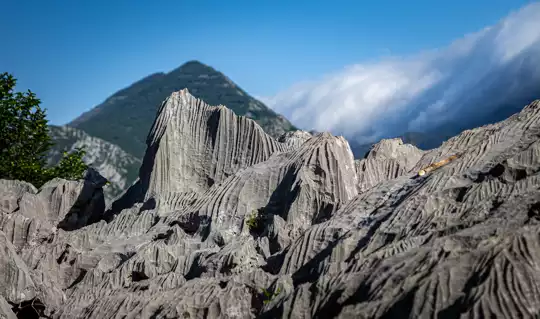
.jpg) Hi, I’m Johan (Netherlands 🇳🇱), the creator of TakeYourBackpack. Over the past decade, I’ve backpacked through 80+ countries across six continents, gaining extensive experience with independent travel, long-term trips, and overland routes.
Hi, I’m Johan (Netherlands 🇳🇱), the creator of TakeYourBackpack. Over the past decade, I’ve backpacked through 80+ countries across six continents, gaining extensive experience with independent travel, long-term trips, and overland routes.