×

Croatia🇭🇷 | regionsRabsandy bays, medieval towers, wooded trails | things to do and best time to go

Explore Dugi OtokExplore Krk

Backpacking in Rab
👍 Recommendedregion ranked #5
By Johan Kruseman 🇳🇱 | Updated October 15, 2026

Most people online sell Rab as a sleepy family beach island. The twist: if you’re backpacking, it’s one of the easiest places on the Croatian coast to bounce between quiet coves, low-key nightlife, and proper hiking without blowing your budget in two days. Rab sits in the Kvarner Gulf, between Krk and Pag, a short hop from the mainland port of Stinica.

For backpackers, it’s a trade: you lose some of Dalmatia’s big-city buzz, but you gain cheaper rooms, softer crowds, and trails that start almost in town. Rab Town feels a bit stage-set in peak season, yet still has real locals doing errands under those Venetian facades. Lopar’s sandy beaches are rare for Croatia, but also busier and more resorty. Buses across the island are workable, not perfect; hitchhiking is common. Compared with Zadar or Split, Rab is calmer, greener, and better for slow days and long swims than bar crawls.

Discover everything you want to know in the 📖 Croatia Travel Guide.


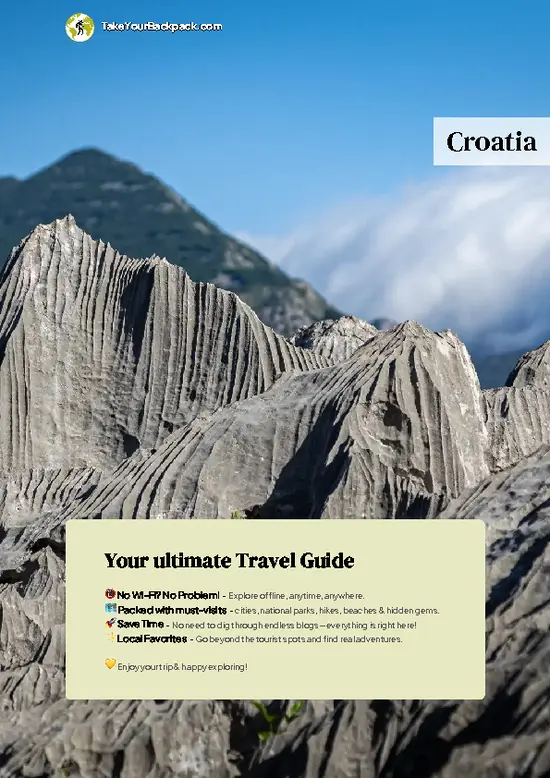
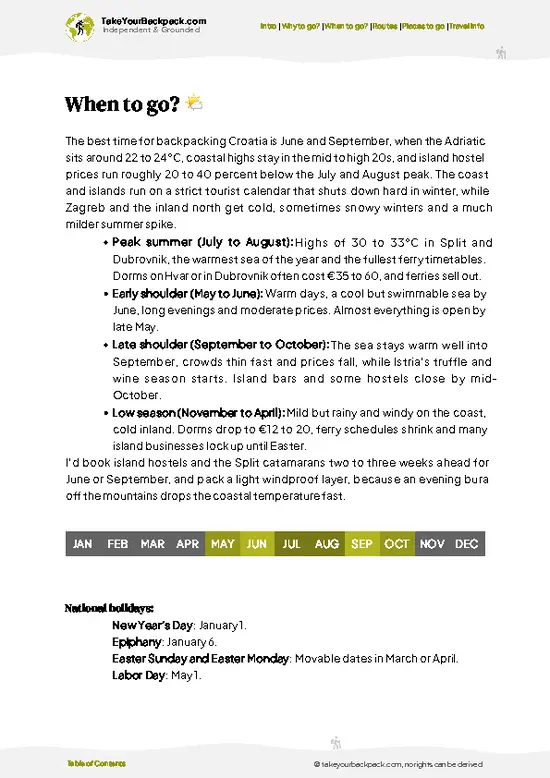
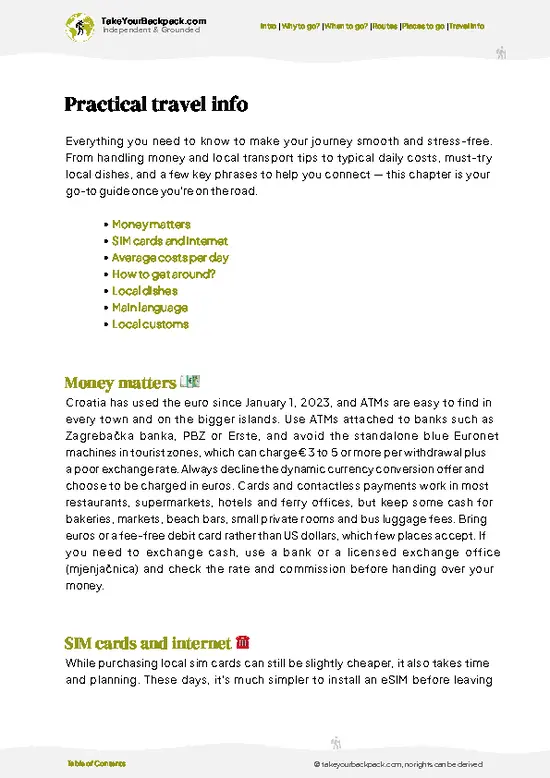
example page 0 from our offline Travel Guide for Croatia
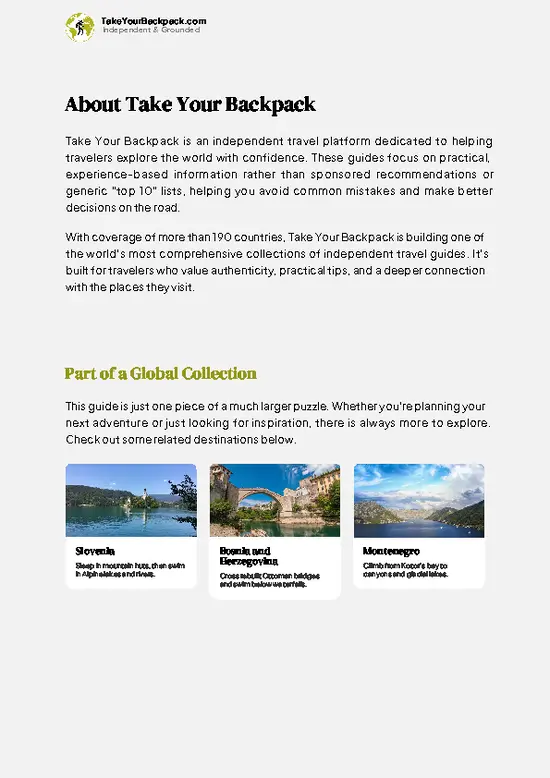
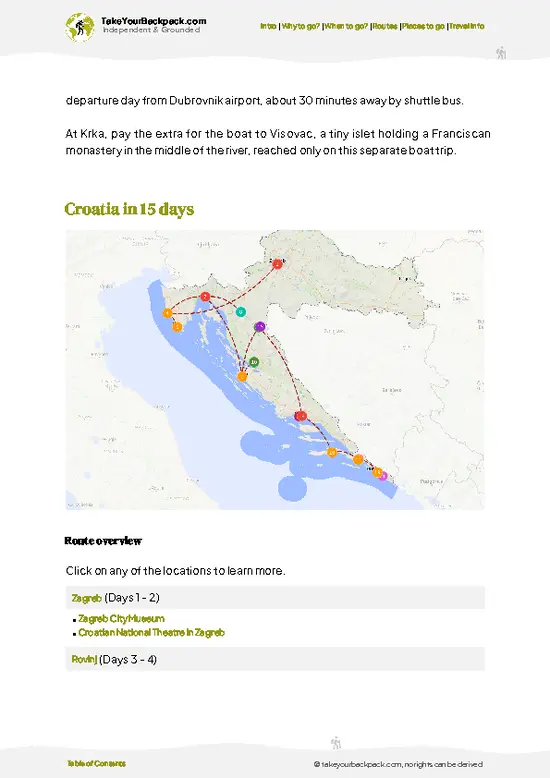
example page 1 from our offline Travel Guide for Croatia
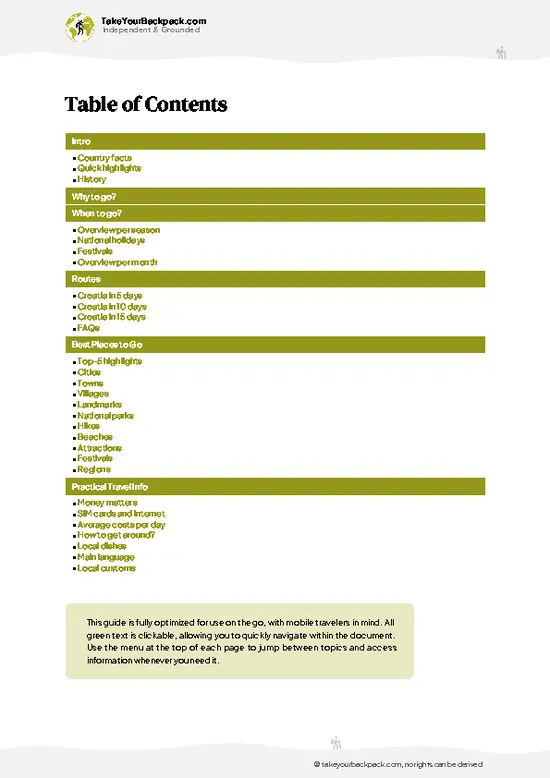
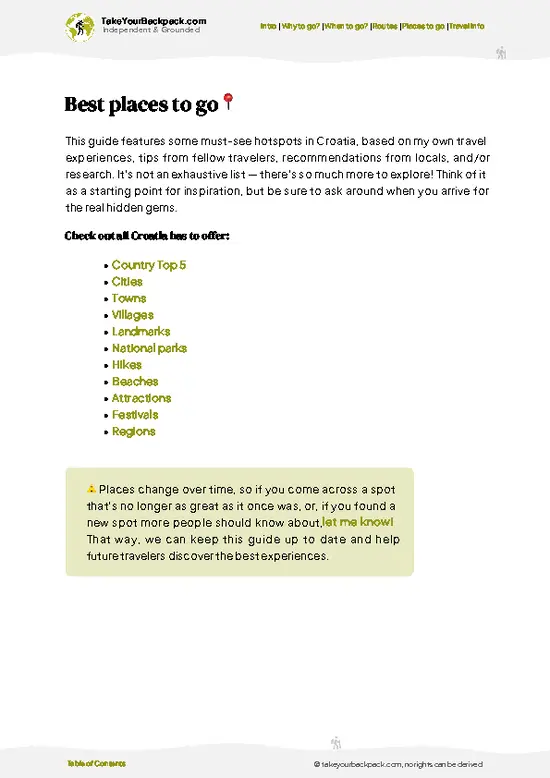
example page 2 from our offline Travel Guide for Croatia
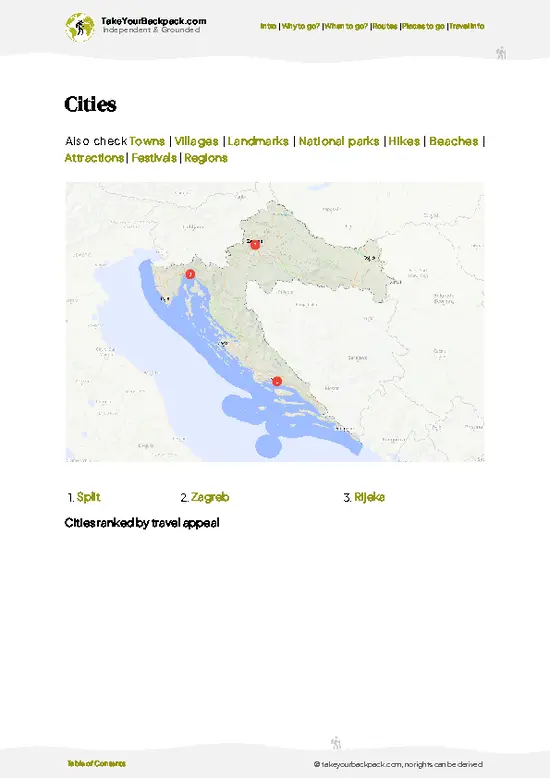
example page 3 from our offline Travel Guide for Croatia
example page 4 from our offline Travel Guide for Croatia
example page 5 from our offline Travel Guide for Croatia
example page 6 from our offline Travel Guide for Croatia
example page 7 from our offline Travel Guide for Croatia
Loading the map 🌍
CLICK TO FILTER
cities
towns
villages
landmarks
national parks
hikes
beaches
attractions
festivals
regions
SHOW COUNTRY’S BESTSHOW ALL

✨ Why go?
Ranked #5 region in Croatia
Why Rab should be on your travel list

The Rab in Croatia is a backpacker’s dream, offering a unique blend of landscapes and experiences without the hassle of constant relocation. You can hike through lush forests, lounge on pristine beaches, and explore charming medieval towns all in one trip. This variety keeps your adventure fresh and exciting.

Transport is a breeze here. You can easily hop on a local bus or rent a bike to navigate the island at your own pace. This flexibility allows you to mix nature and culture seamlessly. Spend your morning hiking to a secluded cove, then head into town for a late lunch of fresh seafood.

The beauty of slow travel shines on Rab. You’re not just ticking off boxes; you’re soaking in the local vibe. Enjoy a sunset at the Franciscan Monastery or sip coffee in a bustling square. Each moment … read more 👉
The Rab in Croatia is a backpacker’s dream, offering a unique blend of landscapes and experiences without the hassle of constant relocation. You can hike through lush forests, lounge on pristine beaches, and explore charming medieval towns all in one trip. This variety keeps your adventure fresh and exciting.

Transport is a breeze here. You can easily hop on a local bus or rent a bike to navigate the island at your own pace. This flexibility allows you to mix nature and culture seamlessly. Spend your morning hiking to a secluded cove, then head into town for a late lunch of fresh seafood.

The beauty of slow travel shines on Rab. You’re not just ticking off boxes; you’re soaking in the local vibe. Enjoy a sunset at the Franciscan Monastery or sip coffee in a bustling square. Each moment feels richer when you’re not rushing.

So, if you’re after a place that balances comfort with adventure, Rab is your ticket. You’ll leave feeling like a savvy local, not just another tourist.

💡 HighlightsEssential experiences to have while visiting Rab

  1. Rab Old Town (Stari Grad) — A compact medieval maze of limestone alleys, tiny squares and four distinctive bell towers; the whole town feels like a living postcard and you can wander every street, peek into local bakeries, and watch fishermen unload their catch without paying a tourist-fee premium.
  2. Cathedral bell tower and main square — Climb the bell tower in the main square for one of the best panoramic views of Rab’s red roofs, the harbor and neighbouring islets; the cathedral area ties together Romanesque and medieval layers you won’t find concentrated like this on many small Adriatic islands.
  3. Komrčar Park — A shady, old Mediterranean park right off the town with dramatic pines, palms and winding paths; it’s where locals picnic, jog, and escape midday sun — perfect for a cheap, quiet
… read more 👉
  1. Rab Old Town (Stari Grad) — A compact medieval maze of limestone alleys, tiny squares and four distinctive bell towers; the whole town feels like a living postcard and you can wander every street, peek into local bakeries, and watch fishermen unload their catch without paying a tourist-fee premium.
  2. Cathedral bell tower and main square — Climb the bell tower in the main square for one of the best panoramic views of Rab’s red roofs, the harbor and neighbouring islets; the cathedral area ties together Romanesque and medieval layers you won’t find concentrated like this on many small Adriatic islands.
  3. Komrčar Park — A shady, old Mediterranean park right off the town with dramatic pines, palms and winding paths; it’s where locals picnic, jog, and escape midday sun — perfect for a cheap, quiet afternoon with a book or picnic supplies.
  4. Sunj / Rajska plaža (Paradise Beach), Lopar — A rare long sandy beach on a rocky Croatian coastline: shallow, family-friendly and surprisingly low-key outside peak hours; great for affordable day-long lazing, beach volleyball and shallow swimming that’s hard to find on most Adriatic islands.
  5. Fumak Peak — The island’s high point (rough hike but not technical) with panoramic views across Kvarner; the walk up across karst fields and olive terraces feels properly wild and rewards you with excellent sunset silhouettes of neighbouring islands.
  6. Kampor pinewoods & Rab concentration camp memorial — Wide pine trails, quiet coves and a solemn memorial area recalling the WWII-era Rab camp; the combination of restful nature trails and important, reflective history makes it a heavy-but-essential stop if you want a fuller sense of the island.
  7. Supetarska Draga bay — The island’s main natural harbour and a low-key village with a Romanesque church, spring-fed pools and calm waters; walk the waterfront, sample a cheap bench-side coffee and watch local kids dive off the rocks — a slice of everyday Rab life.
  8. Barbat peninsula and olive groves — Hidden coves, old stone olive terraces and tiny family konobas where you can eat fresh grilled fish for modest prices; Barbat feels quieter than the main town and gives a genuine glimpse into island agriculture and coastal living (hidden-gem vibe).
  9. Mundanije fishing harbour (hidden gem) — A small, working harbour near Lopar where fishermen still mend nets on the quay and you can eat honest, budget-friendly seafood right by the water; most visitors breeze past on their way to sand — locals love it for the straightforward atmosphere.
  10. Dundo oak & maritime pine woodland, Supetarska Draga (hidden gem) — An unexpectedly lush stretch of old oaks and pines away from the beaches, perfect for a cool midday walk, birdwatching or a shady picnic; it’s one of those local-only spots that feels like you’ve slipped off the tourist map.
Spotted a mistake or missing something? Contact us.

Things to do around Rab

Ratings based on Tripadvisor reviews. When you book through this link, you support our work at no extra cost to you.

⌛️ 5 daysWhat you can realistically do in a week

Day 1: Rab Town
Rab Town is your gateway. Arrive here, and you’ll feel the pulse of the island. The ferry from the mainland drops you right into the heart of this medieval marvel. Spend the day wandering the cobblestone streets, soaking in the ancient architecture, and sampling local pastries at a café. The vibe is relaxed, perfect for shaking off travel fatigue. This is where you set the tone for your trip.

Day 2: Lopar
Head to Lopar, a quick bus ride away. This beach town is famous for its sandy shores. Spend the day lounging at Paradise Beach, where the shallow waters are perfect for a dip. The bus runs frequently, so you won’t waste time waiting. Grab a late lunch at a beachside konoba, where fresh seafood is the star. The laid-back atmosphere here is a refreshing contrast to the busier … read more 👉
Day 1: Rab Town
Rab Town is your gateway. Arrive here, and you’ll feel the pulse of the island. The ferry from the mainland drops you right into the heart of this medieval marvel. Spend the day wandering the cobblestone streets, soaking in the ancient architecture, and sampling local pastries at a café. The vibe is relaxed, perfect for shaking off travel fatigue. This is where you set the tone for your trip.

Day 2: Lopar
Head to Lopar, a quick bus ride away. This beach town is famous for its sandy shores. Spend the day lounging at Paradise Beach, where the shallow waters are perfect for a dip. The bus runs frequently, so you won’t waste time waiting. Grab a late lunch at a beachside konoba, where fresh seafood is the star. The laid-back atmosphere here is a refreshing contrast to the busier Rab Town.

Day 3: Barbat
Next, make your way to Barbat. This is where the island’s charm deepens. Rent a bike to explore the coastal paths. The ride is scenic, with views of the Adriatic that’ll make you stop and stare. Barbat is quieter, allowing you to connect with the locals. Enjoy a sunset dinner at a family-run restaurant; the homemade pasta is a must-try.

Day 4: Off-Path Reward: Suha Punta
Take a detour to Suha Punta, a hidden spot that’s often overlooked. It’s a short hike from Barbat, and the secluded beaches here are worth every step. Pack a picnic and enjoy the tranquility. This is the kind of place where you can truly unwind, away from the crowds.

Day 5: Return to Rab Town
Wrap up your trip back in Rab Town. Spend your last day visiting the Cathedral of St. Mary and the nearby bell tower for panoramic views. This is your chance to reflect on the journey. The ferry back to the mainland is just a short walk away, making it a seamless end to your adventure.

The must-do day? Day 2 in Lopar. The combination of stunning beaches, delicious food, and a chill vibe encapsulates the essence of Rab. It’s the day that makes the trip feel complete.

🌤️ When to go?Seasonal considerations and timing

  • Weather: The sweet spot is late spring (May to early June) and early fall (September). Expect warm, dry days perfect for hiking and swimming—around 22-27°C (72-81°F). Summer’s heat can spike to 30°C+ (86°F+), which is great for beach bums but brutal for long treks.
  • Temperature: Winters are mild but damp, hovering around 5-10°C (41-50°F), not ideal for backpackers craving sun and sea. Spring and fall offer comfortable temps that let you explore without melting or freezing.
  • Daylight Hours: Peak summer grants up to 15 hours of daylight, maximizing your adventure time. Shoulder seasons still deliver a solid 10-13 hours, enough to squeeze in hikes, swims, and village strolls without rushing.
  • Crowds: July and August pack the island with tourists, hiking trails and beaches get busy, and prices
… read more 👉
  • Weather: The sweet spot is late spring (May to early June) and early fall (September). Expect warm, dry days perfect for hiking and swimming—around 22-27°C (72-81°F). Summer’s heat can spike to 30°C+ (86°F+), which is great for beach bums but brutal for long treks.
  • Temperature: Winters are mild but damp, hovering around 5-10°C (41-50°F), not ideal for backpackers craving sun and sea. Spring and fall offer comfortable temps that let you explore without melting or freezing.
  • Daylight Hours: Peak summer grants up to 15 hours of daylight, maximizing your adventure time. Shoulder seasons still deliver a solid 10-13 hours, enough to squeeze in hikes, swims, and village strolls without rushing.
  • Crowds: July and August pack the island with tourists, hiking trails and beaches get busy, and prices spike. May, June, and September offer a quieter vibe, letting you feel like you own the place.
  • Seasonal Activities: Early summer is prime for local festivals and fresh seafood markets. Fall brings grape harvests and olive picking—perfect if you want to dive into authentic island life beyond the usual tourist fare.
  • Price Fluctuations: Summer is peak season, so expect accommodation and ferry prices to double or triple. Booking in shoulder seasons means better deals and more room to negotiate with locals.
Pro-tip: Arrive just before the main summer rush—late May or early September—and you’ll snag perfect weather, fewer crowds, and prices that won’t make your wallet cry.


source: climatestotravel.comJANJanuary: fair for travelingFEBFebruary: fair for travelingMARMarch: good for travelingAPRApril: good for travelingMAYMay: excellent for travelingJUNJune: excellent for travelingJULJuly: good for travelingAUGAugust: good for travelingSEPSeptember: excellent for travelingOCTOctober: highly recommended for travelingNOVNovember: fair for travelingDECDecember: fair for traveling
when-to-go

✈️ The backpacker research shortcutCroatia Travel Guide

An offline-friendly backpacking guide with optimized travel routes, ranked highlights, transport advice, and the best areas to stay.
example page 0 from our offline Travel Guide for Croatia
example page 1 from our offline Travel Guide for Croatia
example page 2 from our offline Travel Guide for Croatia
example page 3 from our offline Travel Guide for Croatia
example page 4 from our offline Travel Guide for Croatia
example page 5 from our offline Travel Guide for Croatia
example page 6 from our offline Travel Guide for Croatia
example page 7 from our offline Travel Guide for Croatia
The digital guide (407 pages) contains:
✅ 109 highlights, ranked by travel appeal
✅ Optimized 5, 10 & 15-day travel routes
✅ Cities, national parks, landmarks, beaches
✅ How to get around
✅ Offline-friendly for travel without Wi-Fi
👉 Click to see all 30+ guide features

📅 Plan smarter in minutes, not weeks
✅ Month by month travel advice
✅ Festivals & national holidays
✅ Budget expectations

🗺️ Go to the right places, skip the overrated ones
✅ Honest pros & cons of destinations
✅ Top hikes, parks & viewpoints
✅ Lesser-known places most travelers miss
✅ Clear “worth it vs skip it” guidance

🛏️ Travel smoothly without rookie mistakes
✅ Best areas to stay
✅ Transport systems explained simply
✅ Common scams & safety advice
✅ SIM cards, money & practical tips

🌍 Understand the country, not just visit it
✅ Culture & traditions
✅ 52 Essential phrases & customs
✅ Festivals worth planning around
✅ Traveler-friendly historical context
✅ Insights that make places more meaningful

📱 Built for real travel conditions
✅ Fully downloadable PDF
✅ Works completely offline
✅ Optimized for phone use
✅ Useful in remote areas & buses
✅ Everything in one place
Stop searching, start planning
Get instant access to your full guide. 30‑day money-back guarantee.
+ Add another guide for just

By proceeding you agree to our terms.
Sent to your inbox immediately after payment • 100% Secure Checkout
Best Backpacking Travel Advisor 2025 tourism awardBest Backpacking
Travel Advisor
2025
What others say about Take Your Backpack Guides:
⭐⭐⭐⭐⭐
Fantastic, amazing amount of information!
⭐⭐⭐⭐⭐
My goodness this is amazing, it's what I've been looking for hats off too you!
⭐⭐⭐⭐⭐
I think this is absolutely BRILLIANT
⭐⭐⭐⭐
Very complete and informative. It's still missing places, but I gotta to commend you
⭐⭐⭐⭐⭐
This is truly amazing, thank you, can't wait to explore it with my kids!
⭐⭐⭐⭐⭐
Awesome resource, thank you!
⭐⭐⭐⭐⭐
This is amazing! Can't wait to explore the ones I haven't seen
⭐⭐⭐⭐
I love this! Well done, great idea.
⭐⭐⭐⭐⭐
Thanks for taking the time to make this gem!
⭐⭐⭐⭐⭐
This might be the best website I've ever seen.
⭐⭐⭐⭐⭐
Congratulations, and thank you so much for your work; it's incredibly valuable.
⭐⭐⭐⭐
In all seriousness I think you did a great job pointing out the important spots
⭐⭐⭐⭐⭐
10/10 very good
⭐⭐⭐⭐⭐
As someone who's only just starting to visit regularly this is awesome, thank you.
⭐⭐⭐⭐
Thank you very much! I'm going to visit my dad, it's going to be very useful!
⭐⭐⭐⭐⭐
This is really cool! We'll be travelling for the first time and this definitely come in handy.
⭐⭐⭐⭐⭐
You are now our minister of culture, congratulations 👨‍💼
⭐⭐⭐⭐⭐
Just wanted to tell you that this is a pearl! Going to follow your recommendations.
⭐⭐⭐⭐⭐
This is so cool. I'll definitely be using the resource for my travels soon.
⭐⭐⭐⭐⭐
This is very impressive! Good work.
⭐⭐⭐⭐⭐
This is an amazing and informative site. Very well done!

🛏️ Where to stay?Best areas and accommodation options

When you hit the Rab, you want to land in spots that pulse with life and camaraderie. Start in Rab Town. This is the island’s heartbeat, where cobblestone streets lead you to lively squares. You’ll find plenty of bars and eateries buzzing with backpackers swapping stories. The vibe is friendly, and the sunset views from the waterfront are a must.

Next up, consider Lopar. Known for its stunning beaches, it’s a haven for sun-seekers and social butterflies. The atmosphere here is laid-back, perfect for meeting fellow travelers. Plus, the beach parties can turn into spontaneous gatherings that last … read more 👉
When you hit the Rab, you want to land in spots that pulse with life and camaraderie. Start in Rab Town. This is the island’s heartbeat, where cobblestone streets lead you to lively squares. You’ll find plenty of bars and eateries buzzing with backpackers swapping stories. The vibe is friendly, and the sunset views from the waterfront are a must.

Next up, consider Lopar. Known for its stunning beaches, it’s a haven for sun-seekers and social butterflies. The atmosphere here is laid-back, perfect for meeting fellow travelers. Plus, the beach parties can turn into spontaneous gatherings that last well into the night.

If you’re after something quieter, Barbat offers a more local experience. It’s a short ride from Rab Town, but you’ll feel worlds away. Here, you can mingle with locals and enjoy authentic Croatian cuisine without the touristy flair.

Each of these areas has its own charm and character. Choose wisely based on your vibe. Whether you want to party, chill, or dive into local culture, Rab has you covered. Just remember, the earlier you book, the better your chances of snagging a spot in these sought-after locales.

🚌 Getting aroundTransportation options and practical tips

The Rab is a delightful dance of spontaneity and laid-back charm. Here, the rhythm of life flows like the gentle waves lapping at its shores. Forget rigid schedules; this is a place where you can feel the pulse of the island in the salty air. Locals move with an easy grace, and while you might find some timetables, the real magic happens when you embrace the chaos of intuition. Whether you’re hopping from beach to beach or exploring the quaint streets of Rab Town, the transport options here are your ticket to adventure—if you know how to play your cards right.
  • Ferry: The main artery connecting Rab to the mainland and other islands. Ferries run from Rijeka and Zadar, with the first departure around 6 AM and the last around 9 PM. Prices hover around €10-€15, depending on the route. It’s a scenic
… read more 👉
The Rab is a delightful dance of spontaneity and laid-back charm. Here, the rhythm of life flows like the gentle waves lapping at its shores. Forget rigid schedules; this is a place where you can feel the pulse of the island in the salty air. Locals move with an easy grace, and while you might find some timetables, the real magic happens when you embrace the chaos of intuition. Whether you’re hopping from beach to beach or exploring the quaint streets of Rab Town, the transport options here are your ticket to adventure—if you know how to play your cards right.
  • Ferry: The main artery connecting Rab to the mainland and other islands. Ferries run from Rijeka and Zadar, with the first departure around 6 AM and the last around 9 PM. Prices hover around €10-€15, depending on the route. It’s a scenic ride, but don’t expect luxury—just grab a seat and soak in the views.
  • Bus: A reliable option for getting around the island. Buses connect Rab Town with other villages like Lopar and Barbat. They run roughly every hour, with the first bus leaving at 6:30 AM and the last at 8 PM. Tickets are about €2-€5, and while they’re not the fastest, they’re a budget-friendly way to see the island.
  • Bicycle Rentals: The best way to explore at your own pace. Rentals are available in Rab Town, costing around €15-€20 per day. You can pedal along coastal paths or venture into the island’s interior. It’s a comfortable ride, and you’ll feel like a local as you cruise past olive groves and vineyards.
  • Taxi Services: For those moments when you need to get somewhere fast. Taxis are available in Rab Town, but they can be pricey, with fares starting at €10 for short trips. They’re convenient if you’re in a hurry or traveling with a group, but keep an eye on your budget.
  • Car Rentals: If you want to explore every nook and cranny, consider renting a car. Prices start around €30 per day. It gives you the freedom to chase sunsets and discover secluded beaches, but parking can be tricky in busy areas.

For a smooth experience, consider timing your ferry rides to avoid the rush. Early mornings or late afternoons are golden hours—less crowded and more scenic. Embrace the flow, and you’ll feel like you’ve unlocked the island’s secrets.

🍲 FoodEating & Drinking in Rab

On the Rab, food is a celebration of local flavors and traditions. Dive into Rab’s lamb, tender and juicy, often grilled to perfection. Pair it with pašticada, a rich beef stew that simmers with herbs and spices, served with homemade gnocchi. Don’t miss the Rab cake, a sweet pastry layered with almonds and marzipan, perfect for a mid-afternoon pick-me-up.

For a true backpacker experience, hit the local markets. Fresh produce, cured meats, and cheeses create a sensory overload. Grab a slice of prosciutto or some olives to snack on while wandering. Cafés dot the streets, where you can sip rakija, a potent fruit brandy, or enjoy a cup of strong Croatian coffee.

Dining here is relaxed. Expect to linger over meals, sharing stories with fellow travelers or locals. When you’re at a table, it’s … read more 👉
On the Rab, food is a celebration of local flavors and traditions. Dive into Rab’s lamb, tender and juicy, often grilled to perfection. Pair it with pašticada, a rich beef stew that simmers with herbs and spices, served with homemade gnocchi. Don’t miss the Rab cake, a sweet pastry layered with almonds and marzipan, perfect for a mid-afternoon pick-me-up.

For a true backpacker experience, hit the local markets. Fresh produce, cured meats, and cheeses create a sensory overload. Grab a slice of prosciutto or some olives to snack on while wandering. Cafés dot the streets, where you can sip rakija, a potent fruit brandy, or enjoy a cup of strong Croatian coffee.

Dining here is relaxed. Expect to linger over meals, sharing stories with fellow travelers or locals. When you’re at a table, it’s customary to toast with “Živjeli!” before diving into your food. Embrace the slow pace; it’s part of the charm. Eating is not just about the food; it’s about the connections you make. So, savor each bite and soak in the vibrant atmosphere.

FAQFrequently asked questions about Rab

3 to 4 days are sufficient to explore the main attractions of the Rab. This allows time to visit the old town of Rab, several beaches, and some hiking trails. Additional days can be added for more relaxed exploration or island hopping.
You can get around the Rab without a car by using local buses, taxis, or renting a bicycle or scooter. The island has a reliable bus service connecting major towns and beaches, with fares typically under 20 HRK (around 3 EUR). Walking is also feasible within towns like Rab and Lopar.
The Rab is known for its well-preserved medieval old town with four bell towers, sandy beaches like Paradise Beach in Lopar, and its lush pine forests. It is also famous for its mild Mediterranean climate and family-friendly atmosphere.
⚠️ Things can change over time, so always validate details locally before you go.

Other Croatian regions near Rab

Explore more nearby:

  • Cres—rocky coastline, ancient olive groves, wild sheep| 29 km away
  • Krk—stone villages, Roman ruins, island bridge| 34 km away
  • Velebit—karst peaks, mountain huts, deep canyons| 45 km away

💡 Not sure where to go next?
Create a personalized itinerary for Croatia including Rab and the places that fit your trip.

Generate my itinerary

👉 Discover all regions

Or checkout all Croatia has to offer (think cities, towns, villages, national parks, hikes, beaches, festivals)
Country photo of Croatia

We 💚 feedbackIs it worth it?

Rab is a slice of paradise with its stunning beaches and charming medieval town. You’ll feel like you’ve stepped back in time while sipping coffee in the square. But here’s the kicker: it can get crowded in peak season. If you’re after that serene vibe, aim for late spring or early fall. Trust me, the trade-off is worth it for the quieter shores and a more authentic experience.

✈️ When did I visit Croatia?
I checked out Croatia twice as part of a working trip in Zagreb in 2021 and 2022.

✍️ Help improve this page!
The information on this page is based on my own backpacking experience in Croatia, supplemented with up-to-date research and feedback from other travelers. Travel details can change, so if you notice anything outdated or incomplete, feel free to let me know.


🙋‍♂️ Give feedback

👋 Meet the founderWho’s Behind Take Your Backpack?

Johan, backpacker and founder of TakeYourBackpackHi, I’m Johan (Netherlands 🇳🇱), the creator of TakeYourBackpack. Over the past 3 decades, I’ve backpacked through 90+ countries across six continents, gaining extensive experience with independent travel, long-term trips, and overland routes.

This site is built on a combination of firsthand travel experience and carefully curated insights from other backpackers. Many guides are based on places I’ve personally visited, while others bring together tips, observations, and practical advice shared by trusted travelers I’ve met along the way.

The goal is to provide realistic, experience-driven guidance — not generic itineraries — so you can explore destinations with better context, clearer expectations, and more confidence.