×

Croatia🇭🇷 | best regionsExplore the 8 Best regions in Croatia

Croatia is a land of striking contrasts, where each region offers a unique blend of climate, landscapes, and cultural character. From the sun-soaked Dalmatian Coast to the lush Istrian Peninsula, your choice of region can dramatically shape your backpacking experience.

Traveling in summer? Expect crowds along the coast, but head inland for a quieter, more authentic vibe. Each area has its own seasonal nuances; for instance, winter in the Continental region reveals a different side of Croatian culture, rich in traditions and local festivals.

Understanding these regional differences is crucial for independent travel—it affects your budget, safety, and opportunities for cultural immersion. Choose wisely, and you’ll unlock the true essence of Croatia.

By Johan Kruseman 🇳🇱 | Updated September 4, 2026
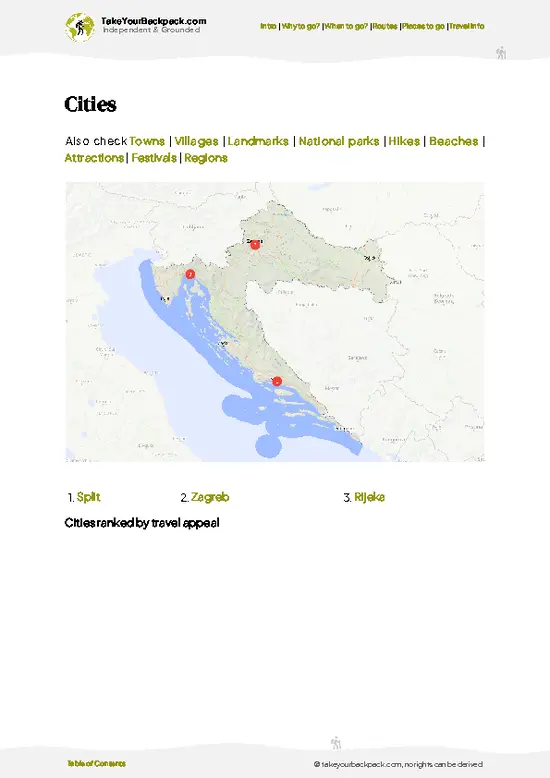
Explore the best cities in Croatia

Why go?Key Factors That Shape the Experience

Croatia’s regions stand out due to their climatic diversity and rich cultural character. From the sun-soaked Dalmatian Coast to the cooler, verdant Istrian peninsula, each area offers distinct experiences shaped by geography and history. This variety allows travelers to engage with everything from ancient Roman ruins to vibrant local festivals, making Croatia a microcosm of European culture.

However, the trade-off often lies in travel distance versus breadth of experiences. While the country is relatively small, reaching remote areas can require time and planning. The infrastructure is generally good, but some regions may lack the seamless connectivity found in more tourist-heavy countries. This means that while you can explore diverse landscapes—from rugged mountains to serene lakes—you … read more 👉
Croatia’s regions stand out due to their climatic diversity and rich cultural character. From the sun-soaked Dalmatian Coast to the cooler, verdant Istrian peninsula, each area offers distinct experiences shaped by geography and history. This variety allows travelers to engage with everything from ancient Roman ruins to vibrant local festivals, making Croatia a microcosm of European culture.

However, the trade-off often lies in travel distance versus breadth of experiences. While the country is relatively small, reaching remote areas can require time and planning. The infrastructure is generally good, but some regions may lack the seamless connectivity found in more tourist-heavy countries. This means that while you can explore diverse landscapes—from rugged mountains to serene lakes—you may need to prioritize which experiences matter most.

Croatia’s historical context adds another layer. The influences of the Ottoman Empire, Venetian Republic, and more are palpable in architecture and cuisine, offering a rich tapestry of cultural exploration. Yet, this complexity can also lead to overcrowding in popular spots, especially during peak seasons. Understanding these dynamics is crucial for making the most of your journey. Ultimately, Croatia invites you to balance accessibility with the depth of immersion, ensuring that every region reveals its unique story.
Behind the Scenes of Selection
The list of best regions in Croatia is created based on landscapes, local culture, attractions, vibes, and overall appeal. If you feel a region is missing in this list, please let us know.

When to go?When to Plan Your Trip

Climate Variation
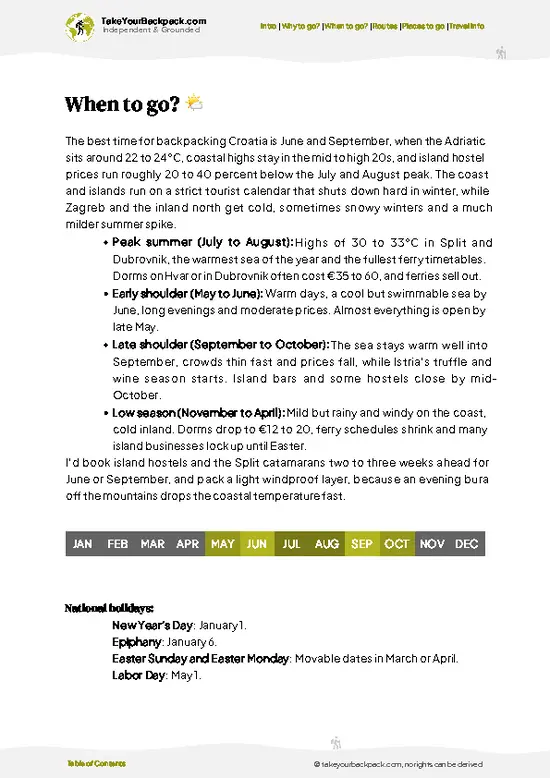
Croatia’s climate varies significantly from region to region. Coastal areas enjoy a Mediterranean climate, with hot, dry summers and mild winters. Inland regions experience a continental climate, leading to hotter summers and colder winters. Understanding these patterns is crucial for timing your visit.

Optimal Months
Late spring and early fall are prime times to explore. May and September offer pleasant weather, fewer crowds, and lower prices. The summer months can be sweltering, especially along the coast, where tourists flock to soak up the sun. This influx can lead to crowded attractions and inflated costs.

Shoulder Seasons
Visiting during shoulder seasons—late April to early June and September to October—strikes a balance. Expect comfortable temperatures and a more … read more 👉
Climate Variation
Croatia’s climate varies significantly from region to region. Coastal areas enjoy a Mediterranean climate, with hot, dry summers and mild winters. Inland regions experience a continental climate, leading to hotter summers and colder winters. Understanding these patterns is crucial for timing your visit.

Optimal Months
Late spring and early fall are prime times to explore. May and September offer pleasant weather, fewer crowds, and lower prices. The summer months can be sweltering, especially along the coast, where tourists flock to soak up the sun. This influx can lead to crowded attractions and inflated costs.

Shoulder Seasons
Visiting during shoulder seasons—late April to early June and September to October—strikes a balance. Expect comfortable temperatures and a more relaxed atmosphere. However, some attractions may have limited hours or be closed for maintenance, so planning is essential.

Peak Periods
Summer is peak season, particularly in coastal regions. Expect bustling beaches and packed restaurants. If you’re after a more authentic experience, consider timing your visit around local festivals, which can provide unique insights into Croatian culture but may also draw larger crowds.

Seasonal Constraints
Winter brings a quieter charm but can limit access to certain attractions. Snow may blanket inland areas, while coastal regions remain mild. Weigh the trade-offs between comfort and experience to find the right time for your adventure.

region hoppingOptimizing Your Multi-Stop Itinerary

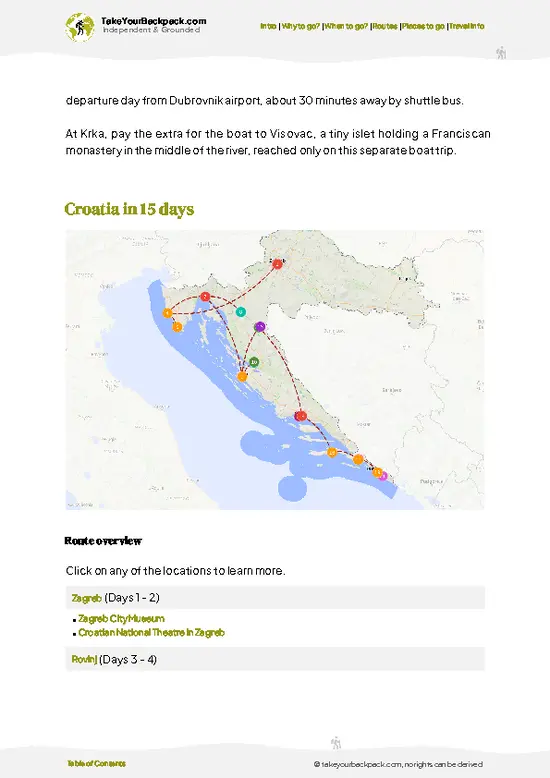
Start in the North with Istria and the Kvarner region. This area is perfect for wine lovers and foodies. Spend a couple of days savoring truffles in Motovun and exploring the coastal towns like Rovinj. From here, head south along the coast, making your way to the Dalmatian region.

Dalmatia offers a blend of stunning beaches and historical sites. Split is a must-see, but don’t rush. A day or two allows for a deep dive into Diocletian’s Palace and the vibrant local markets.

Timing is key. Travel during shoulder seasons—late spring or early fall—to avoid the summer crowds. This also means better prices and a more authentic experience.

Common mistakes include trying to see too much too quickly. Each region has its own rhythm. Spend at least two nights in each major stop to soak it all in. … read more 👉
Start in the North with Istria and the Kvarner region. This area is perfect for wine lovers and foodies. Spend a couple of days savoring truffles in Motovun and exploring the coastal towns like Rovinj. From here, head south along the coast, making your way to the Dalmatian region.

Dalmatia offers a blend of stunning beaches and historical sites. Split is a must-see, but don’t rush. A day or two allows for a deep dive into Diocletian’s Palace and the vibrant local markets.

Timing is key. Travel during shoulder seasons—late spring or early fall—to avoid the summer crowds. This also means better prices and a more authentic experience.

Common mistakes include trying to see too much too quickly. Each region has its own rhythm. Spend at least two nights in each major stop to soak it all in.

Trade-offs are inevitable. Fast travel means missing local charm, while slow travel can stretch budgets. Prioritize what matters: if it’s food, linger in culinary hotspots. If it’s nature, plan hikes in national parks.

Flexibility is essential. Allow for spontaneous detours; they often lead to the best experiences.

The ListThe Best regions of Croatia

1 Krk

stone villages, Roman ruins, island bridge

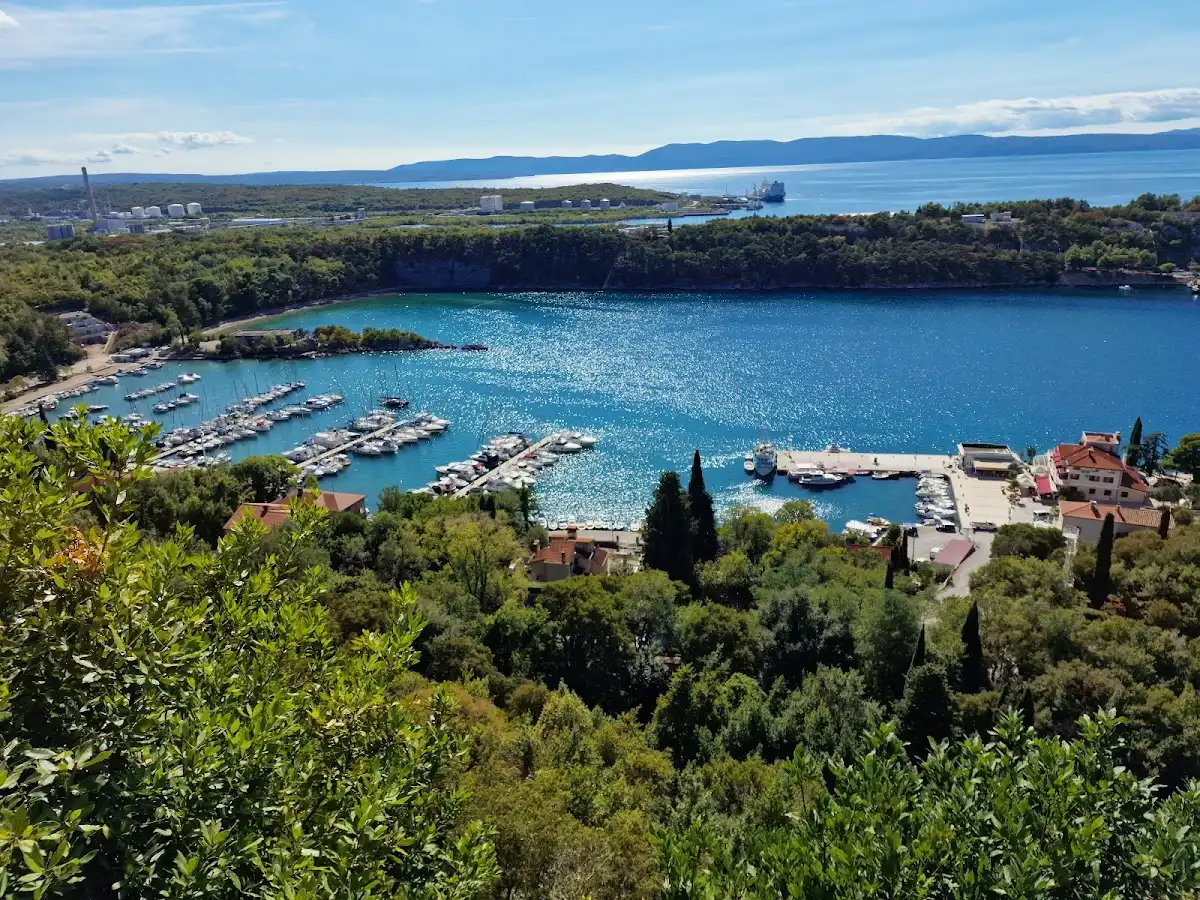
Cross from the mainland to explore a diverse island where history, accessible beaches, and traditional settlements are never far apart.

croatia-region-krk
© Google |

2 Vis

naval tunnels, secluded coves, terraced vineyards

Discover a remote island shaped by decades of isolation, where quiet beaches and abandoned military sites invite slow exploration.

3 Cres

rocky coastline, ancient olive groves, wild sheep

Hike rugged trails past stone terraces and encounter rare wildlife, with remote beaches rewarding those who venture beyond the main road.

croatia-region-cres
© Google | Dénes Fosztó

4 Dugi Otok

sea cliffs, salt lake, pine forests

Travel the length of the island for dramatic viewpoints, tranquil coves, and a sense of isolation rarely found in the Adriatic.

croatia-region-dugi-otok
© Google | Stefano Simonetti

5 Island of Rab

sandy bays, medieval towers, wooded trails

Swim in shallow coves, climb centuries-old fortifications, and follow shaded paths that reveal a landscape shaped by both sea and forest.

6 Velebit

karst peaks, mountain huts, deep canyons

Trek marked routes through limestone ridges, overnight in simple shelters, and experience dramatic weather shifts in a true wilderness corridor.

croatia-region-velebit
© Google | Mariusz Turoboś

7 Baranja Wine Region

vineyard hills, Danube wetlands, rural villages

Taste local vintages among rolling fields, then wander through quiet hamlets and observe daily life shaped by river and farmland.

8 Zlarin

coral tradition, car-free lanes, stone quays

Arrive by ferry to an island without cars, where coral jewelry workshops and peaceful harbors set the pace for daily life.

Loading the map 🌍

Expert viewExpert Commentary on regions

Regions to Explore
Croatia is a patchwork of regions, each with its own flavor. I’d recommend focusing on three to four regions to get a well-rounded experience. Trying to cram in too much will leave you feeling like a tourist on a treadmill. Each area has its own rhythm, and you’ll want to soak that in rather than rush through it.

Geographic Diversity
From the rugged coastline of Dalmatia to the rolling hills of Slavonia, the geography shapes not just the landscape but the culture. Dalmatia is where you’ll find those iconic turquoise waters, but it’s also a hotspot for tourists. If you’re after a quieter experience, consider the Istrian Peninsula, where olive groves and vineyards create a different, more laid-back vibe. The trade-off? While Dalmatia offers stunning beaches, Istria provides … read more 👉
Regions to Explore
Croatia is a patchwork of regions, each with its own flavor. I’d recommend focusing on three to four regions to get a well-rounded experience. Trying to cram in too much will leave you feeling like a tourist on a treadmill. Each area has its own rhythm, and you’ll want to soak that in rather than rush through it.

Geographic Diversity
From the rugged coastline of Dalmatia to the rolling hills of Slavonia, the geography shapes not just the landscape but the culture. Dalmatia is where you’ll find those iconic turquoise waters, but it’s also a hotspot for tourists. If you’re after a quieter experience, consider the Istrian Peninsula, where olive groves and vineyards create a different, more laid-back vibe. The trade-off? While Dalmatia offers stunning beaches, Istria provides a more authentic taste of local life, but you’ll need to adjust your expectations for beach time.

Transport Between Regions
Getting around can be a mixed bag. Buses are generally reliable and cover most regions, but they can be slow, especially in summer when crowds swell. Ferries are a fantastic option for hopping between islands, but they can be crowded and pricey during peak season. If you’re feeling adventurous, renting a car gives you the freedom to explore at your own pace, but be prepared for narrow roads and limited parking in popular spots. The trade-off here is flexibility versus the potential stress of navigating unfamiliar roads.

Cultural Variation
Each region boasts its own cultural quirks. In Dalmatia, you’ll encounter a Mediterranean lifestyle that revolves around seafood and socializing. Head north to Istria, and you’ll find a blend of Italian and Croatian influences, especially in the cuisine. Slavonia, on the other hand, is all about hearty dishes and folk traditions. Understanding these nuances can enhance your experience, but it also means you’ll need to adapt your expectations based on where you are. Don’t expect the same vibe in every region; that’s part of the charm.

Pacing Trade-Offs
Consider how much time you want to spend in each region. A week might feel rushed if you’re trying to cover all four, but it’s doable if you focus on just two. If you’re keen on immersing yourself in local culture, plan for longer stays in fewer places. This allows you to engage with locals, try regional dishes, and maybe even pick up a few words of Croatian. The trade-off here is depth versus breadth; you’ll gain richer experiences by slowing down.

Safety & Cultural Considerations
Croatia is generally safe, but like anywhere, stay aware of your surroundings, especially in crowded tourist areas. Respect local customs, particularly in more traditional regions. Dress modestly when visiting churches or rural areas, and be mindful of local dining etiquette. These small gestures can go a long way in making connections with locals. The trade-off is between being a passive observer and an engaged traveler; the latter will yield more meaningful interactions.

In summary, Croatia’s regions offer a tapestry of experiences that are best appreciated with a thoughtful approach. Prioritize your interests, be flexible with your plans, and you’ll uncover the real magic that lies beyond the Instagram filters.

✈️ The backpacker research shortcutCroatia Travel Guide

An offline-friendly backpacking guide with optimized travel routes, ranked highlights, transport advice, and the best areas to stay.
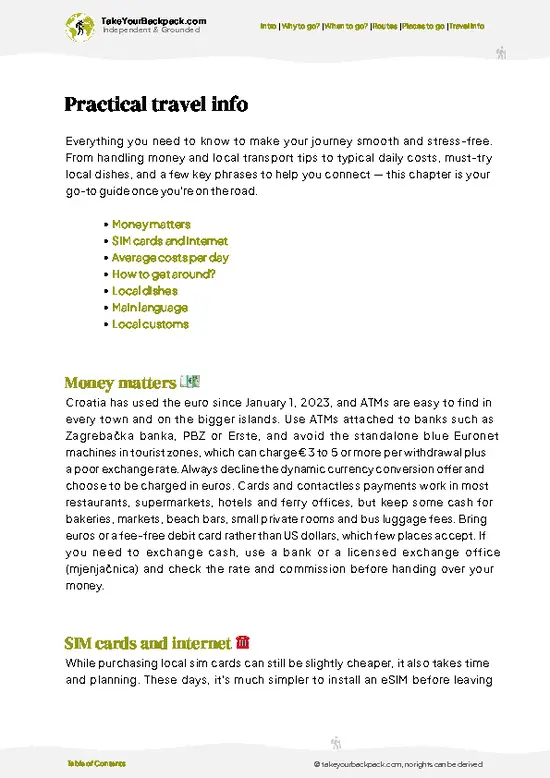
example page 0 from our offline Travel Guide for Croatia
example page 1 from our offline Travel Guide for Croatia
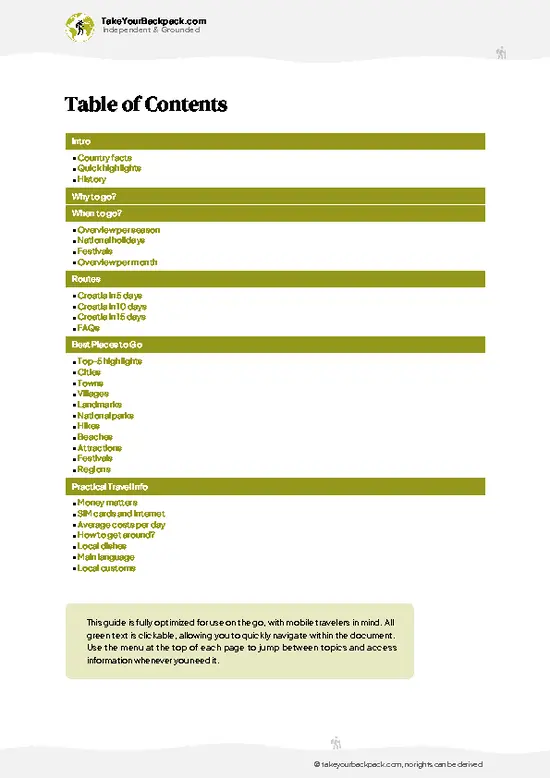
example page 2 from our offline Travel Guide for Croatia
example page 3 from our offline Travel Guide for Croatia
example page 4 from our offline Travel Guide for Croatia
example page 5 from our offline Travel Guide for Croatia
example page 6 from our offline Travel Guide for Croatia
example page 7 from our offline Travel Guide for Croatia
The digital guide (419 pages) contains:
113 highlights, ranked by travel appeal
Optimized 5, 10 & 15-day travel routes
Cities, national parks, landmarks, beaches
How to get around
Offline-friendly for travel without Wi-Fi
👉 Click to see all 30+ guide features

📅 Plan smarter in minutes, not weeks
Month by month travel advice
Festivals & national holidays
Budget expectations

🗺️ Go to the right places, skip the overrated ones
Honest pros & cons of destinations
Top hikes, parks & viewpoints
Lesser-known places most travelers miss
Clear “worth it vs skip it” guidance

🛏️ Travel smoothly without rookie mistakes
Best areas to stay
Transport systems explained simply
Common scams & safety advice
SIM cards, money & practical tips

🌍 Understand the country, not just visit it
Culture & traditions
52 Essential phrases & customs
Festivals worth planning around
Traveler-friendly historical context
Insights that make places more meaningful

📱 Built for real travel conditions
Fully downloadable PDF
Works completely offline
Optimized for phone use
Useful in remote areas & buses
Everything in one place
Save weeks of stressful planning
Get instant access to your full guide. 30‑day money-back guarantee.
+ Add another guide for just US$7.80

By proceeding you agree to our terms.
Sent to your inbox immediately after payment • 100% Secure Checkout
Best Backpacking Travel Advisor 2025 tourism awardBest Backpacking
Travel Advisor
2025
What others say about Take Your Backpack Guides:
⭐⭐⭐⭐⭐
Fantastic, amazing amount of information!
⭐⭐⭐⭐⭐
My goodness this is amazing, it's what I've been looking for hats off too you!
⭐⭐⭐⭐⭐
I think this is absolutely BRILLIANT
⭐⭐⭐⭐
Very complete and informative. It's still missing places, but I gotta to commend you
⭐⭐⭐⭐⭐
This is truly amazing, thank you, can't wait to explore it with my kids!
⭐⭐⭐⭐⭐
Awesome resource, thank you!
⭐⭐⭐⭐⭐
This is amazing! Can't wait to explore the ones I haven't seen
⭐⭐⭐⭐
I love this! Well done, great idea.
⭐⭐⭐⭐⭐
Thanks for taking the time to make this gem!
⭐⭐⭐⭐⭐
This might be the best website I've ever seen.
⭐⭐⭐⭐⭐
Congratulations, and thank you so much for your work; it's incredibly valuable.
⭐⭐⭐⭐
In all seriousness I think you did a great job pointing out the important spots
⭐⭐⭐⭐⭐
10/10 very good
⭐⭐⭐⭐⭐
As someone who's only just starting to visit regularly this is awesome, thank you.
⭐⭐⭐⭐
Thank you very much! I'm going to visit my dad, it's going to be very useful!
⭐⭐⭐⭐⭐
This is really cool! We'll be travelling for the first time and this definitely come in handy.
⭐⭐⭐⭐⭐
You are now our minister of culture, congratulations 👨‍💼
⭐⭐⭐⭐⭐
Just wanted to tell you that this is a pearl! Going to follow your recommendations.
⭐⭐⭐⭐⭐
This is so cool. I'll definitely be using the resource for my travels soon.
⭐⭐⭐⭐⭐
This is very impressive! Good work.
⭐⭐⭐⭐⭐
This is an amazing and informative site. Very well done!

🛏️ Where to stay?Where to Stay in Croatia

Yes—Croatia has plenty of hostels and budget accommodation, concentrated in Zagreb (city center/Donji Grad), Split (Old Town and Bačvice), Dubrovnik (Old Town, Ploče, Lapad), Zadar (Old Town), Hvar Town, and Istria’s Rovinj and Pula.
City-center and Old Town options put sights and nightlife within easy walking distance but are noisier and pricier, beachside neighborhoods like Bačvice or Lapad are quieter and better for swimming yet require transit to historic cores, and island towns and summer hotspots offer the best social scene while filling fast and costing more in high season, so book early or expect cheaper stays farther from the center.

If you enjoy meeting fellow travelers, consider … read more 👉
Yes—Croatia has plenty of hostels and budget accommodation, concentrated in Zagreb (city center/Donji Grad), Split (Old Town and Bačvice), Dubrovnik (Old Town, Ploče, Lapad), Zadar (Old Town), Hvar Town, and Istria’s Rovinj and Pula.
City-center and Old Town options put sights and nightlife within easy walking distance but are noisier and pricier, beachside neighborhoods like Bačvice or Lapad are quieter and better for swimming yet require transit to historic cores, and island towns and summer hotspots offer the best social scene while filling fast and costing more in high season, so book early or expect cheaper stays farther from the center.

If you enjoy meeting fellow travelers, consider choosing hostels with high ratings for atmosphere. On the other hand, if you prefer having your own space, a hotel might be a better option.

CroatiaMore of Croatia

👋 Meet the founderWho’s Behind Take Your Backpack?

Johan, backpacker and founder of TakeYourBackpackHi, I’m Johan (Netherlands 🇳🇱), the creator of TakeYourBackpack. Over the past decade, I’ve backpacked through 80+ countries across six continents, gaining extensive experience with independent travel, long-term trips, and overland routes.

This site is built on a combination of firsthand travel experience and carefully curated insights from other backpackers. Many guides are based on places I’ve personally visited, while others bring together tips, observations, and practical advice shared by trusted travelers I’ve met along the way.

The goal is to provide realistic, experience-driven guidance — not generic itineraries — so you can explore destinations with better context, clearer expectations, and more confidence.

Get full Croatia guide •
Instant download • 113 highlights • Full Offline guide