×

Cuba🇨🇺 | beachesCayo LevisaFerry from Palma Rubia, offshore dive sites, one-resort cay, starry nights | things to do and best time to go

Explore Cayo JutíasExplore Cayo Saetía

Backpacking in Cayo Levisa
🏆 Top pickbeach ranked #3
By Johan Kruseman 🇳🇱 | Updated October 20, 2026

Cayo Levisa beach is best known for its long strip of pale, fine sand facing clear shallow water, with mangrove and low forest behind it. It lies on a small cay off the north coast of Pinar del Río province in Cuba, and a boat from the mainland is the only way in. The sand is raked clean, the water is calm and warm, and the snorkeling and diving beat anything on the mainland coast nearby. Skip the beach if you expect nightlife or budget beds, because the cay has one resort and the cheap rooms are on the mainland. At dusk the sandflies come out, so leave with the afternoon boat unless you are staying. A cold beer at the beach bar cost me about US$2, and I drank it with my feet in water so flat it barely moved. This suits divers, snorkelers and anyone who wants a quiet day off the Viñales circuit. It is wrong for travelers who want waves, cheap meals or a party.

Discover everything you want to know in the 📖 Cuba Travel Guide.


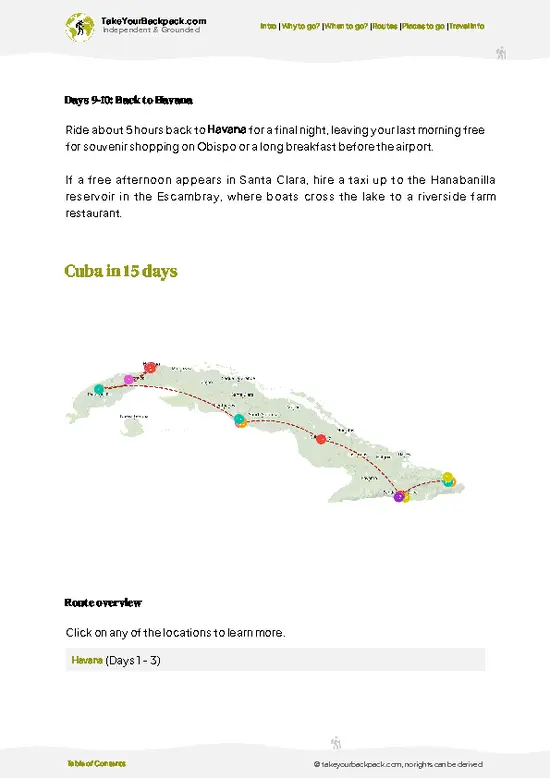
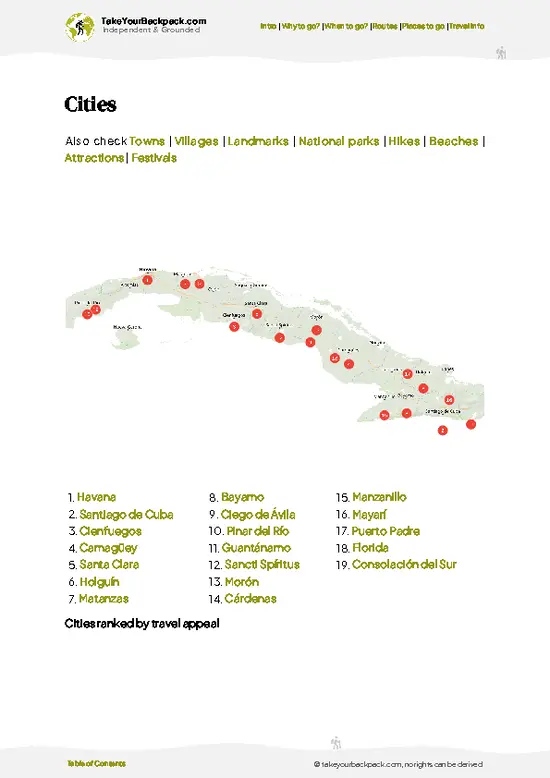
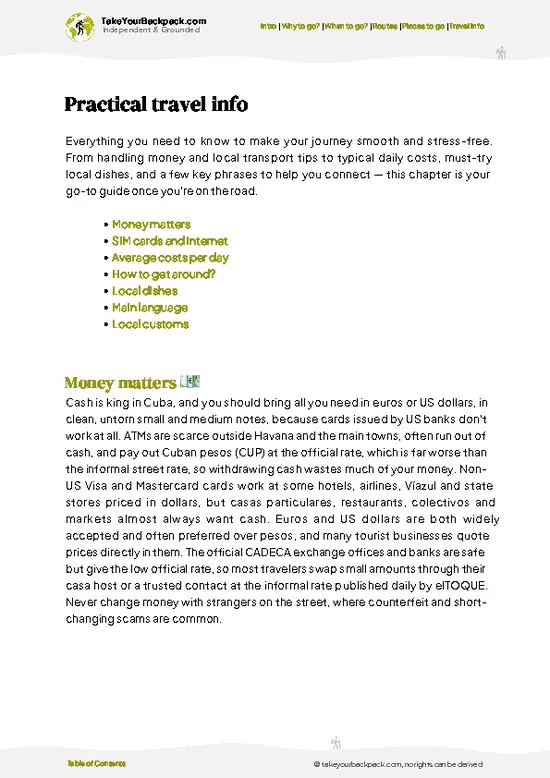
example page 0 from our offline Travel Guide for Cuba
example page 1 from our offline Travel Guide for Cuba
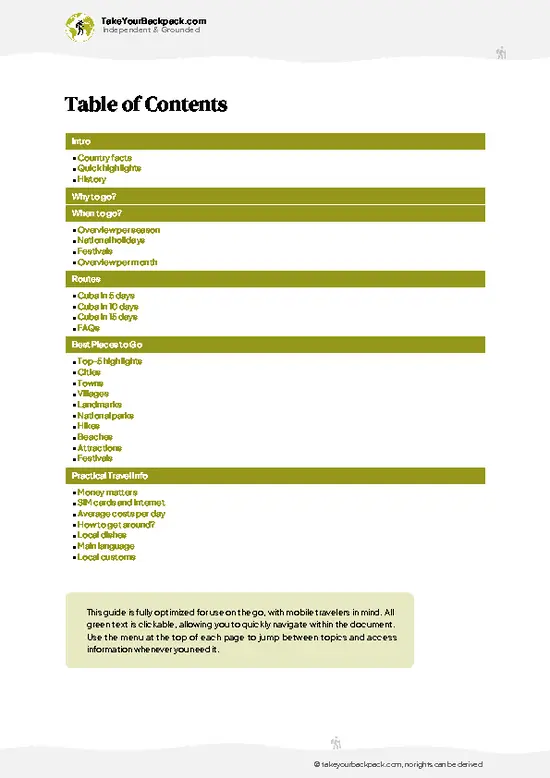
example page 2 from our offline Travel Guide for Cuba
example page 3 from our offline Travel Guide for Cuba
example page 4 from our offline Travel Guide for Cuba
example page 5 from our offline Travel Guide for Cuba
example page 6 from our offline Travel Guide for Cuba
example page 7 from our offline Travel Guide for Cuba
Loading the map 🌍
CLICK TO FILTER
cities
towns
villages
landmarks
national parks
hikes
beaches
attractions
festivals
SHOW COUNTRY’S BESTSHOW ALL

✨ Why go?
Ranked #3 beach in Cuba
The unique appeal for travelers

Cayo Levisa beach earns its stop because it is the one easy place to swap tobacco valleys for open sea on Cuba’s western end. Backpackers coming from Viñales use it as a clean break, a day of salt water before heading back toward Havana or on to other regions.
The second reason is the water itself. The Archipiélago de los Colorados reef sits just offshore, so you can snorkel straight from the sand and dive sites with black coral are a short boat ride away. Few beaches in Cuba put real reef this close to the shore, and the dive center on the cay is geared to beginners as well as certified divers.
The third reason is the crossing. The ferry from Palma Rubia is the single link to the cay, and it sets the rhythm of the day. You arrive, claim a spot on the sand, and have the afternoon to yourself. … read more 👉
Cayo Levisa beach earns its stop because it is the one easy place to swap tobacco valleys for open sea on Cuba’s western end. Backpackers coming from Viñales use it as a clean break, a day of salt water before heading back toward Havana or on to other regions.
The second reason is the water itself. The Archipiélago de los Colorados reef sits just offshore, so you can snorkel straight from the sand and dive sites with black coral are a short boat ride away. Few beaches in Cuba put real reef this close to the shore, and the dive center on the cay is geared to beginners as well as certified divers.
The third reason is the crossing. The ferry from Palma Rubia is the single link to the cay, and it sets the rhythm of the day. You arrive, claim a spot on the sand, and have the afternoon to yourself. Staying the night costs more than a day trip but gives you the beach after the last boat has gone. Many travelers find a pause here more restful than any city stop on the route.

💡 HighlightsPlaces and moments you shouldn't skip

  1. The main white-sand beach: The cay’s long north-facing shore is the reason for the trip. The sand is soft and pale, the shallows are knee-deep for a long way out, and shade comes from palms and sea grape along the back of the beach. Walk to the far end and the crowd thins out quickly.
  2. Diving the reef offshore: The dive center on the cay runs boat dives to sites in the Archipiélago de los Colorados. The draw is black coral, sponges and a drop-off that attracts larger reef fish. Beginners can take an introductory dive, and certified divers can book multiple outings if they stay overnight.
  3. Snorkeling from the shore: Seagrass and patches of coral lie close enough to the beach to reach with a short swim. You see parrotfish, small snappers and the occasional ray. Rent a mask and fins at the beach,
… read more 👉
  1. The main white-sand beach: The cay’s long north-facing shore is the reason for the trip. The sand is soft and pale, the shallows are knee-deep for a long way out, and shade comes from palms and sea grape along the back of the beach. Walk to the far end and the crowd thins out quickly.
  2. Diving the reef offshore: The dive center on the cay runs boat dives to sites in the Archipiélago de los Colorados. The draw is black coral, sponges and a drop-off that attracts larger reef fish. Beginners can take an introductory dive, and certified divers can book multiple outings if they stay overnight.
  3. Snorkeling from the shore: Seagrass and patches of coral lie close enough to the beach to reach with a short swim. You see parrotfish, small snappers and the occasional ray. Rent a mask and fins at the beach, or bring your own to save a few dollars and get a better fit.
  4. The ferry crossing from Palma Rubia: The boat threads between low mangrove islets before the cay appears. It is a short, simple ride, but it gives you the best view of how flat and green this coast is, and it is a good moment for photos of the sand from the water.
  5. Night under the stars: For guests who stay on the cay, the evening is the best part. Once the day boat has left, the cay goes quiet, light pollution is low, and the sky over the water fills with stars. Bring repellent, since the sandflies are active after dusk.
For a first visit, start with the main white-sand beach on Cayo Levisa beach, then add a snorkel from the shore, since it costs the least and shows you the reef without a boat.
Spotted a mistake or missing something? Contact us.

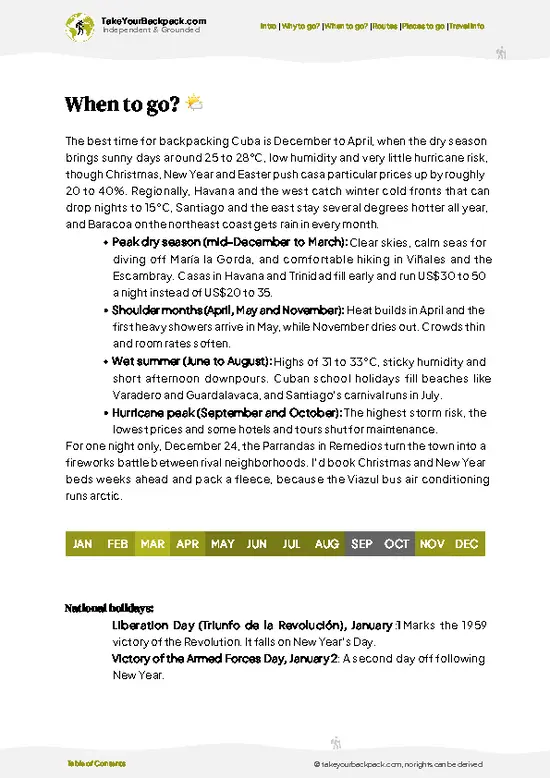
🌤️ When to go?Best time to visit Cayo Levisa

  • Dry Season (November to April): Days sit at 24 to 28°C (75 to 82°F) with low humidity and flat, clear water. Daylight lasts roughly 10.5 to 12 hours. Winter cold fronts can bring a windy day and nights near 18°C (64°F), and the ferry may be canceled when the sea gets rough.
  • Peak Weeks (late December to March, plus July and August): Cuban and foreign holidays fill the sand by late morning. Mainland rooms and the day-trip ferry are at their priciest and book out sooner.
  • Wet Season (May to October): Highs reach 30 to 33°C (86 to 91°F) with heavy, sticky air and afternoon downpours that usually pass within an hour. Daylight stretches to about 13.5 hours. Mosquitoes and sand flies get worse, and the beach is quieter and a little cheaper.
  • Hurricane Peak (August to October): Storms are most likely now,
… read more 👉
  • Dry Season (November to April): Days sit at 24 to 28°C (75 to 82°F) with low humidity and flat, clear water. Daylight lasts roughly 10.5 to 12 hours. Winter cold fronts can bring a windy day and nights near 18°C (64°F), and the ferry may be canceled when the sea gets rough.
  • Peak Weeks (late December to March, plus July and August): Cuban and foreign holidays fill the sand by late morning. Mainland rooms and the day-trip ferry are at their priciest and book out sooner.
  • Wet Season (May to October): Highs reach 30 to 33°C (86 to 91°F) with heavy, sticky air and afternoon downpours that usually pass within an hour. Daylight stretches to about 13.5 hours. Mosquitoes and sand flies get worse, and the beach is quieter and a little cheaper.
  • Hurricane Peak (August to October): Storms are most likely now, and ferries stop when one approaches.
For the best balance of calm water, space on the sand and fair prices, go in November or April.


source: climatestotravel.comJANJanuary: excellent for travelingFEBFebruary: excellent for travelingMARMarch: excellent for travelingAPRApril: highly recommended for travelingMAYMay: fair for travelingJUNJune: fair for travelingJULJuly: fair for travelingAUGAugust: fair for travelingSEPSeptember: below average for travelingOCTOctober: fair for travelingNOVNovember: highly recommended for travelingDECDecember: excellent for traveling
cuba-beach-cayo-levisa
© Google | Aurélie Peché

✈️ The backpacker research shortcutCuba Travel Guide

An offline-friendly backpacking guide with optimized travel routes, ranked highlights, transport advice, and the best areas to stay.
example page 0 from our offline Travel Guide for Cuba
example page 1 from our offline Travel Guide for Cuba
example page 2 from our offline Travel Guide for Cuba
example page 3 from our offline Travel Guide for Cuba
example page 4 from our offline Travel Guide for Cuba
example page 5 from our offline Travel Guide for Cuba
example page 6 from our offline Travel Guide for Cuba
example page 7 from our offline Travel Guide for Cuba
The digital guide (327 pages) contains:
✅ 113 highlights, ranked by travel appeal
✅ Optimized 5, 10 & 15-day travel routes
✅ Cities, national parks, landmarks, beaches
✅ How to get around
✅ Offline-friendly for travel without Wi-Fi
👉 Click to see all 30+ guide features

📅 Plan smarter in minutes, not weeks
✅ Month by month travel advice
✅ Festivals & national holidays
✅ Budget expectations

🗺️ Go to the right places, skip the overrated ones
✅ Honest pros & cons of destinations
✅ Top hikes, parks & viewpoints
✅ Lesser-known places most travelers miss
✅ Clear “worth it vs skip it” guidance

🛏️ Travel smoothly without rookie mistakes
✅ Best areas to stay
✅ Transport systems explained simply
✅ Common scams & safety advice
✅ SIM cards, money & practical tips

🌍 Understand the country, not just visit it
✅ Culture & traditions
✅ 52 Essential phrases & customs
✅ Festivals worth planning around
✅ Traveler-friendly historical context
✅ Insights that make places more meaningful

📱 Built for real travel conditions
✅ Fully downloadable PDF
✅ Works completely offline
✅ Optimized for phone use
✅ Useful in remote areas & buses
✅ Everything in one place
Stop searching, start planning
Get instant access to your full guide. 30‑day money-back guarantee.
+ Add another guide for just

By proceeding you agree to our terms.
Sent to your inbox immediately after payment • 100% Secure Checkout
Best Backpacking Travel Advisor 2025 tourism awardBest Backpacking
Travel Advisor
2025
What others say about Take Your Backpack Guides:
⭐⭐⭐⭐⭐
Fantastic, amazing amount of information!
⭐⭐⭐⭐⭐
My goodness this is amazing, it's what I've been looking for hats off too you!
⭐⭐⭐⭐⭐
I think this is absolutely BRILLIANT
⭐⭐⭐⭐
Very complete and informative. It's still missing places, but I gotta to commend you
⭐⭐⭐⭐⭐
This is truly amazing, thank you, can't wait to explore it with my kids!
⭐⭐⭐⭐⭐
Awesome resource, thank you!
⭐⭐⭐⭐⭐
This is amazing! Can't wait to explore the ones I haven't seen
⭐⭐⭐⭐
I love this! Well done, great idea.
⭐⭐⭐⭐⭐
Thanks for taking the time to make this gem!
⭐⭐⭐⭐⭐
This might be the best website I've ever seen.
⭐⭐⭐⭐⭐
Congratulations, and thank you so much for your work; it's incredibly valuable.
⭐⭐⭐⭐
In all seriousness I think you did a great job pointing out the important spots
⭐⭐⭐⭐⭐
10/10 very good
⭐⭐⭐⭐⭐
As someone who's only just starting to visit regularly this is awesome, thank you.
⭐⭐⭐⭐
Thank you very much! I'm going to visit my dad, it's going to be very useful!
⭐⭐⭐⭐⭐
This is really cool! We'll be travelling for the first time and this definitely come in handy.
⭐⭐⭐⭐⭐
You are now our minister of culture, congratulations 👨‍💼
⭐⭐⭐⭐⭐
Just wanted to tell you that this is a pearl! Going to follow your recommendations.
⭐⭐⭐⭐⭐
This is so cool. I'll definitely be using the resource for my travels soon.
⭐⭐⭐⭐⭐
This is very impressive! Good work.
⭐⭐⭐⭐⭐
This is an amazing and informative site. Very well done!

🛏️ Where to stay?Where staying makes the most sense

Backpackers sleep on the mainland, and Viñales is the base most of them choose, about 1.5 to 2 hours by road from the Palma Rubia ferry dock. Cayo Levisa beach has only one accommodation option, an all-inclusive-style resort on the island itself, which costs well above a typical backpacker budget. That leaves the day-trip format, which works well.

Viñales town is the social choice. Casas particulares there (rooms in private homes, US$25 to 40 a night for a double) cluster along the main street and the side streets just off it. Breakfast is served on rooftop terraces, and the hosts arrange taxis … read more 👉
Backpackers sleep on the mainland, and Viñales is the base most of them choose, about 1.5 to 2 hours by road from the Palma Rubia ferry dock. Cayo Levisa beach has only one accommodation option, an all-inclusive-style resort on the island itself, which costs well above a typical backpacker budget. That leaves the day-trip format, which works well.

Viñales town is the social choice. Casas particulares there (rooms in private homes, US$25 to 40 a night for a double) cluster along the main street and the side streets just off it. Breakfast is served on rooftop terraces, and the hosts arrange taxis to the dock, tobacco farm visits and horseback rides. Other solo travelers are easy to find, so splitting a taxi to the ferry is simple.

If you want to be nearer the dock and don’t mind quiet evenings, look at casas in the small town of La Palma or in Bahía Honda. They are cheaper, usually US$20 to 30, and the ferry is a short ride away. Nightlife is minimal and you will eat where your host cooks, which is often excellent lobster or fish.

Book the first night ahead in high season. Everything else you can arrange by walking in.

🛡️ SafetyScams, Hazards, and Annoyances

Cayo Levisa beach is calm and low-risk. The water is shallow, clear and warm, and the reef cays offshore keep waves small, so rips and strong currents are rare. Surf is basically absent. In the dry season, a north wind can chop the sea and cloud the water for a day.

Walk into the water with some care. Sea urchins sit on rocks and in the seagrass patches near the shore, and the sandy stretches are the safest places to enter. Snorkelers should wear a rash guard or sunscreen, as the sun is intense and there is little natural shade on the beach itself.

Mosquitoes and sand flies come out at dusk and after rain, so bring repellent if you stay late. Theft is uncommon. Still, keep your phone and cash with you rather than leaving them unattended on the sand while you swim. Take water and snacks from … read more 👉
Cayo Levisa beach is calm and low-risk. The water is shallow, clear and warm, and the reef cays offshore keep waves small, so rips and strong currents are rare. Surf is basically absent. In the dry season, a north wind can chop the sea and cloud the water for a day.

Walk into the water with some care. Sea urchins sit on rocks and in the seagrass patches near the shore, and the sandy stretches are the safest places to enter. Snorkelers should wear a rash guard or sunscreen, as the sun is intense and there is little natural shade on the beach itself.

Mosquitoes and sand flies come out at dusk and after rain, so bring repellent if you stay late. Theft is uncommon. Still, keep your phone and cash with you rather than leaving them unattended on the sand while you swim. Take water and snacks from the mainland, since prices on the island are higher and options are limited.

FAQTraveler FAQ

Cayo Levisa beach is reached by a boat ride of about 40 minutes from the dock at Palma Rubia, on the north coast of Pinar del Río province. Palma Rubia is roughly 1.5 to 2 hours by road from Viñales and about 3 hours from Havana, so most travelers arrive by taxi or tour. Ferries leave in the morning, around 10:00, and return in the late afternoon, so confirm times at the dock the day before. A shared taxi from Viñales usually costs US$15 to 25 per person each way.
Cayo Levisa beach is best for swimming and snorkeling, and not suitable for surfing. The water is shallow, warm and usually calm, with white sand and a coral reef within easy reach of the shore. The island is also a base for diving, with sites in the nearby Archipiélago de los Colorados, typically around US$35 to 50 per dive. Visibility is best from November to April, though winter winds can stir up the surface.
Cayo Levisa beach itself has no entry fee, but the only way to reach it is the ferry, which costs about US$35 to 40 for the round trip, usually with a welcome drink included. Prices can change, and children pay less. Bring cash for food and drinks on the island, where a lunch typically runs US$10 to 20. Sun loungers and snorkel gear may cost extra.
⚠️ Things can change over time, so always validate details locally before you go.

Other Cuban beaches near Cayo Levisa

Explore more nearby:

  • Cayo Jutías—Mangrove causeway, starfish shallows, charcoal-grilled lobster, day-trip cay| 57 km away
  • Playa Bibijagua—Black sand, Isla de la Juventud, weekend domino crowds, pine shade| 138 km away
  • Playa Mégano—Casuarina shade, Playas del Este, beach-bar lunch, Havana weekend crowds| 141 km away

💡 Not sure where to go next?
Create a personalized itinerary for Cuba including Cayo Levisa and the places that fit your trip.

Generate my itinerary

👉 Discover all beaches

Or checkout all Cuba has to offer (think cities, towns, villages, national parks, hikes, beaches, festivals)
Country photo of Cuba

We 💚 feedbackKey takeaways before you go

Cayo Levisa beach works best as the sea stop after a few days in Viñales, with Pinar del Río town or Havana as the next leg. I would go for one night rather than a day trip, pack repellent, and bring enough cash for everything, because there is nowhere to withdraw money on the cay.

✈️ When did I visit Cuba?
As part of my 1.5 year travel around the world trip, I visited Cuba for 6 weeks in February, March 2016, being extremely lucky that that coincided with the free concert of The Rolling Stones.

✍️ Help improve this page!
The information on this page is based on my own backpacking experience in Cuba, supplemented with up-to-date research and feedback from other travelers. Travel details can change, so if you notice anything outdated or incomplete, feel free to let me know.


🙋‍♂️ Give feedback

👋 Meet the founderWho’s Behind Take Your Backpack?

Johan, backpacker and founder of TakeYourBackpackHi, I’m Johan (Netherlands 🇳🇱), the creator of TakeYourBackpack. Over the past 3 decades, I’ve backpacked through 90+ countries across six continents, gaining extensive experience with independent travel, long-term trips, and overland routes.

This site is built on a combination of firsthand travel experience and carefully curated insights from other backpackers. Many guides are based on places I’ve personally visited, while others bring together tips, observations, and practical advice shared by trusted travelers I’ve met along the way.

The goal is to provide realistic, experience-driven guidance — not generic itineraries — so you can explore destinations with better context, clearer expectations, and more confidence.