
×

Cuba🇨🇺 | citiesCiego de Ávilacentral boulevard, modernist buildings, inland crossroads | things to do and best time to go

Explore GuantánamoExplore Puerto Padre

Backpacking in Ciego de Ávila
👍 Recommendedcity ranked #10
By Johan Kruseman 🇳🇱 | Updated July 30, 2026

Everyone talks about Ciego de Ávila as the gateway to the resort keys of Jardines del Rey, but for a backpacker, the real game is in the city itself: how much local life you can tap into per dollar, per hour, per drop of sweat. Sitting roughly in central Cuba between Camagüey and Sancti Spíritus, it’s a mid-size, workaday city with a compact colonial core, a decent central park, and a few low-key museums that are pleasant rather than essential. It’s cheap, safe by global standards, and easy enough to navigate, but buses can be slow and other travelers are thinner on the ground than in Trinidad or Santa Clara. The payoff is authenticity over comfort: more conversations, fewer cocktails.

Discover everything you want to know in the 📖 Cuba Travel Guide.


Get your Cuba guide
121 ranked highlights, routes & tips, works offline (450 pages)
Loading the map 🌍
CLICK TO FILTER
cities
towns
villages
landmarks
national parks
hikes
beaches
attractions
festivals
regions
SHOW COUNTRY’S BESTSHOW ALL

✨ Why go?
Ranked #10 city in Cuba
What makes this city worth visiting

Ciego de Ávila is a strategic stop for backpackers weaving through Cuba. It offers a solid basecamp for day trips to nearby natural wonders, making it easy to explore without the hassle of constant packing. The hostels here are friendly and affordable, often buzzing with fellow travelers sharing tips and stories.

When it comes to food, you’ll find a mix of local eateries serving hearty meals that won’t break the bank. The city is walkable, allowing you to soak in the local vibe without needing a taxi. As the sun sets, the nightlife comes alive, with bars and music spilling into the streets, perfect for unwinding after a day of exploration.

Plus, Ciego de Ávila is well-connected for onward travel, making it easy to hop to your next destination. If you’re looking for a blend of convenience … read more 👉
Ciego de Ávila is a strategic stop for backpackers weaving through Cuba. It offers a solid basecamp for day trips to nearby natural wonders, making it easy to explore without the hassle of constant packing. The hostels here are friendly and affordable, often buzzing with fellow travelers sharing tips and stories.

When it comes to food, you’ll find a mix of local eateries serving hearty meals that won’t break the bank. The city is walkable, allowing you to soak in the local vibe without needing a taxi. As the sun sets, the nightlife comes alive, with bars and music spilling into the streets, perfect for unwinding after a day of exploration.

Plus, Ciego de Ávila is well-connected for onward travel, making it easy to hop to your next destination. If you’re looking for a blend of convenience and character, this city is worth more than just a quick stop.
Want to include Ciego de Ávila in your Cuba route?
Create a personalized Cuba itinerary that includes Ciego de Ávila and the places that fit your trip — based on your travel style, budget, and available time. Get your route in seconds.

Generate my trip

💡 HighlightsTop highlights of Ciego de Ávila

  • Parque José Martí — The city’s central square and social hub, with a Martí monument, shaded benches, classic town architecture and street life that shows how locals meet, gossip and celebrate; the best place to feel the city pulse.
  • Museo Provincial de Ciego de Ávila — Provincial museum with displays on local history, the independence wars, Afro-Cuban culture and regional natural history; small but well-curated, great for understanding the province’s story in one stop.
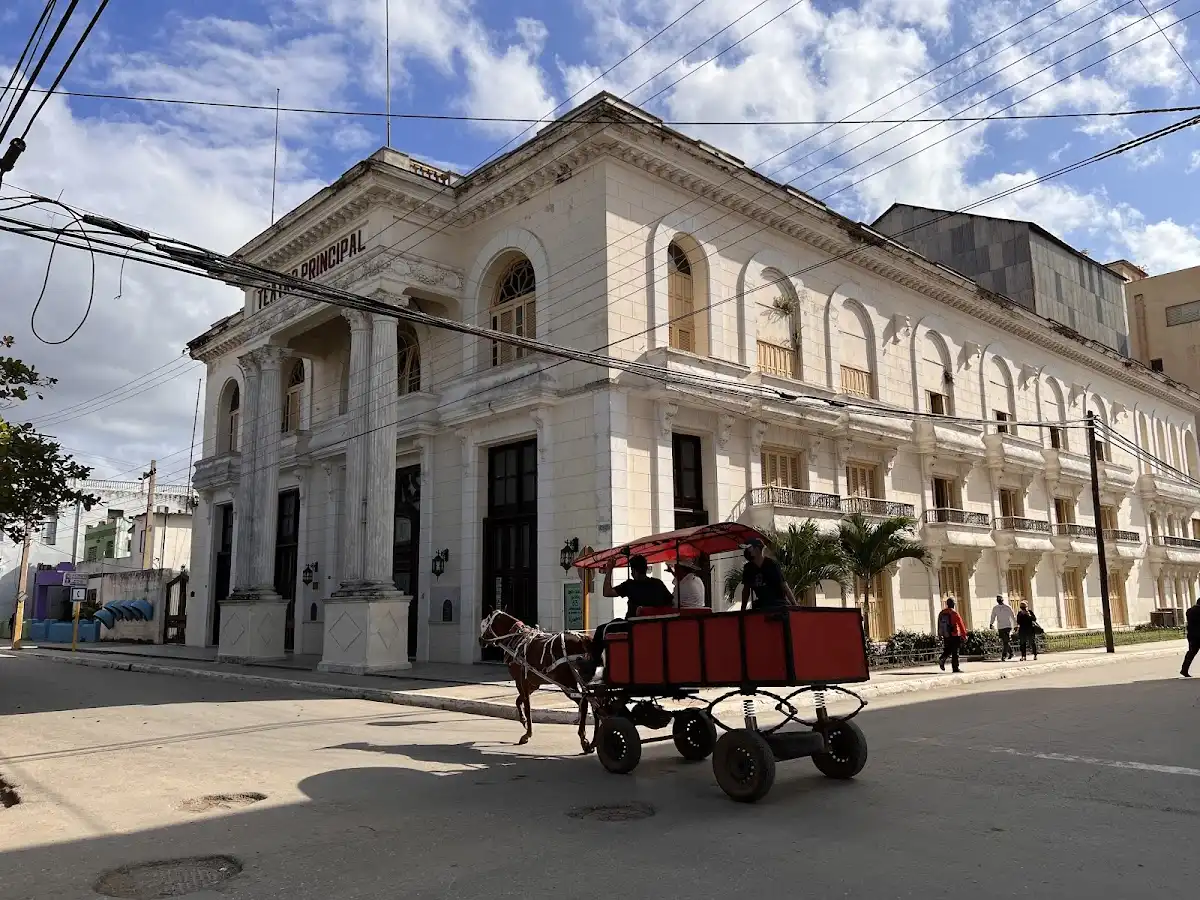
  • Teatro Principal — The main cultural venue for plays, music and community events; architecture and regular programming make it the city’s artistic heart and a good spot to catch an evening performance.
A few real day-trip highlights near Ciego de Ávila are Cayo Coco and Cayo Guillermo (beaches and resorts) and the Laguna de … read more 👉
  • Parque José Martí — The city’s central square and social hub, with a Martí monument, shaded benches, classic town architecture and street life that shows how locals meet, gossip and celebrate; the best place to feel the city pulse.
  • Museo Provincial de Ciego de Ávila — Provincial museum with displays on local history, the independence wars, Afro-Cuban culture and regional natural history; small but well-curated, great for understanding the province’s story in one stop.
  • Teatro Principal — The main cultural venue for plays, music and community events; architecture and regular programming make it the city’s artistic heart and a good spot to catch an evening performance.
A few real day-trip highlights near Ciego de Ávila are Cayo Coco and Cayo Guillermo (beaches and resorts) and the Laguna de la Leche near Morón — Laguna de la Leche is my personal favorite.
Spotted a mistake or missing something? Contact us.
🏘️ NeighborhoodsKey areas and districts to know

Ciego de Ávila is a vibrant hub in Cuba, offering a mix of local culture and accessibility for backpackers. Here’s how the neighborhoods stack up:

Centro Histórico: This is the heart of the city. You’ll find colonial architecture and local eateries. It’s walkable, making it easy to explore on foot. Costs are moderate, and the nightlife is lively but not overwhelming. Perfect for short stays where you want to soak in the local vibe.

La Playa: A bit quieter, this area is ideal for those seeking a more relaxed atmosphere. It’s a short bus ride from the center, keeping costs low. The beach is nearby, but nightlife options are limited. Great for longer stays if you want to unwind.

Los Pinos: This neighborhood offers a mix of local life and affordability. It’s a bit further from the main attractions, … read more 👉
Ciego de Ávila is a vibrant hub in Cuba, offering a mix of local culture and accessibility for backpackers. Here’s how the neighborhoods stack up:

Centro Histórico: This is the heart of the city. You’ll find colonial architecture and local eateries. It’s walkable, making it easy to explore on foot. Costs are moderate, and the nightlife is lively but not overwhelming. Perfect for short stays where you want to soak in the local vibe.

La Playa: A bit quieter, this area is ideal for those seeking a more relaxed atmosphere. It’s a short bus ride from the center, keeping costs low. The beach is nearby, but nightlife options are limited. Great for longer stays if you want to unwind.

Los Pinos: This neighborhood offers a mix of local life and affordability. It’s a bit further from the main attractions, so expect to use public transport. The vibe is laid-back, with fewer tourists. Suitable for budget-conscious travelers looking to immerse themselves in everyday Cuban life.

El Bosque: Known for its parks and green spaces, this area is perfect for those who enjoy nature. It’s walkable and offers a peaceful retreat from the city buzz. Costs are low, and while nightlife is minimal, it’s a great spot for longer stays focused on relaxation.

⌛️ 1 dayWhat you can realistically do in a day

Ciego de Ávila, Cuba, is a vibrant city that often flies under the radar. It’s a place where the rhythm of life feels genuine, with locals who are eager to share their stories. The city is a blend of colonial architecture and lively street culture, making it a perfect spot for a day of exploration.

Start your morning in the Plaza de la Revolución, where the iconic statue of José Martí stands watch. Grab a café con leche from a nearby café and soak in the atmosphere. The plaza is a hub of local life, and you’ll see families gathering and kids playing. After your coffee, stroll through the nearby streets of the Centro Histórico, where colorful buildings and murals tell the story of the city’s past.

As the sun climbs higher, head to the Mercado Agropecuario. This bustling market is not just … read more 👉
Ciego de Ávila, Cuba, is a vibrant city that often flies under the radar. It’s a place where the rhythm of life feels genuine, with locals who are eager to share their stories. The city is a blend of colonial architecture and lively street culture, making it a perfect spot for a day of exploration.

Start your morning in the Plaza de la Revolución, where the iconic statue of José Martí stands watch. Grab a café con leche from a nearby café and soak in the atmosphere. The plaza is a hub of local life, and you’ll see families gathering and kids playing. After your coffee, stroll through the nearby streets of the Centro Histórico, where colorful buildings and murals tell the story of the city’s past.

As the sun climbs higher, head to the Mercado Agropecuario. This bustling market is not just for tourists; it’s where locals shop for fresh produce and handmade goods. Engage with vendors, sample some tropical fruits, and maybe pick up a handmade souvenir. It’s a slice of everyday life that many tourists miss.

In the afternoon, make your way to the Parque José Martí, a lovely green space perfect for a leisurely walk. If you’re feeling adventurous, take a short taxi ride to the nearby town of Morón. It’s a bit off the beaten path, but the local vibe and the chance to see the famous “Cocodrilo” statue are worth it.

As evening falls, return to Ciego de Ávila and enjoy dinner at a paladar like El Bodegón. The home-cooked meals here are a treat, and you’ll likely find yourself chatting with the owner about local traditions. End your day with a stroll through the streets, where the sounds of music and laughter fill the air, leaving you with a sense of connection and fulfillment.
Turn your Ciego de Ávila visit into an Cuba adventure
Build a complete Cuba route with Ciego de Ávila, hidden gems, must-see destinations, and realistic travel times included.

Generate my trip

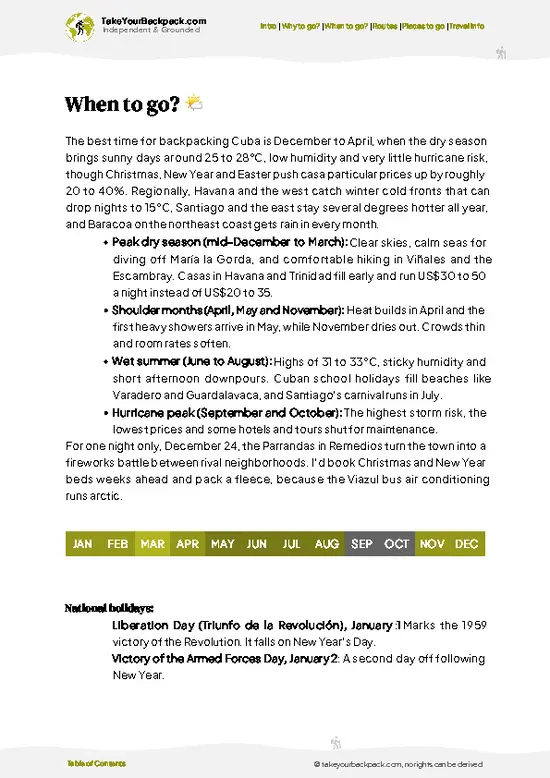
🌤️ When to go?Best time to visit Ciego de Ávila


  • Topic: Weather – The dry season from November to April offers the best conditions: low humidity, minimal rain, and temperatures averaging 22-28°C (72-82°F). The wet season, May to October, brings heavy showers and a higher risk of hurricanes, which can disrupt travel plans.

  • Topic: Temperature – Expect comfortable warmth during the dry months, with nights cooling to around 18°C (64°F). The wet season heats up to 30°C (86°F) or more, which can feel sticky and exhausting for long hikes or city exploration.

  • Topic: Daylight Hours – Daylight is fairly consistent year-round, roughly 11 to 13 hours, but longer days in summer mean more time to explore. However, the trade-off is the intense midday sun and humidity.

  • Topic: Crowds – Peak tourist season coincides with the dry months, especially
read more 👉

  • Topic: Weather – The dry season from November to April offers the best conditions: low humidity, minimal rain, and temperatures averaging 22-28°C (72-82°F). The wet season, May to October, brings heavy showers and a higher risk of hurricanes, which can disrupt travel plans.

  • Topic: Temperature – Expect comfortable warmth during the dry months, with nights cooling to around 18°C (64°F). The wet season heats up to 30°C (86°F) or more, which can feel sticky and exhausting for long hikes or city exploration.

  • Topic: Daylight Hours – Daylight is fairly consistent year-round, roughly 11 to 13 hours, but longer days in summer mean more time to explore. However, the trade-off is the intense midday sun and humidity.

  • Topic: Crowds – Peak tourist season coincides with the dry months, especially December through March. Expect higher prices and busier streets. Off-season travel means fewer tourists but prepare for occasional rain interruptions.

  • Topic: Seasonal Activities – Cultural festivals and local markets thrive in the dry season, offering authentic experiences. The wet season slows down events but can be a quieter time to connect with locals without the tourist buzz.

  • Topic: Price Fluctuations – Accommodation and transport costs spike during the dry season’s peak months. Traveling shoulder season (late April or early November) balances better prices with decent weather.


Pro-tip: Aim for late November or early April to snag sweet weather, manageable crowds, and wallet-friendly rates—your best bet for a high-value backpacking window in Ciego de Ávila.


source: climatestotravel.comJANJanuary: excellent for travelingFEBFebruary: excellent for travelingMARMarch: excellent for travelingAPRApril: highly recommended for travelingMAYMay: fair for travelingJUNJune: fair for travelingJULJuly: fair for travelingAUGAugust: fair for travelingSEPSeptember: below average for travelingOCTOctober: fair for travelingNOVNovember: highly recommended for travelingDECDecember: excellent for traveling
cuba-city-ciego-de-avila
© Google |

✈️ The backpacker research shortcutCuba Travel Guide

An offline-friendly backpacking guide with optimized travel routes, ranked highlights, transport advice, and the best areas to stay.
example page 0 from our offline Travel Guide for Cuba
example page 1 from our offline Travel Guide for Cuba
example page 2 from our offline Travel Guide for Cuba
example page 3 from our offline Travel Guide for Cuba
example page 4 from our offline Travel Guide for Cuba
example page 5 from our offline Travel Guide for Cuba
example page 6 from our offline Travel Guide for Cuba
example page 7 from our offline Travel Guide for Cuba
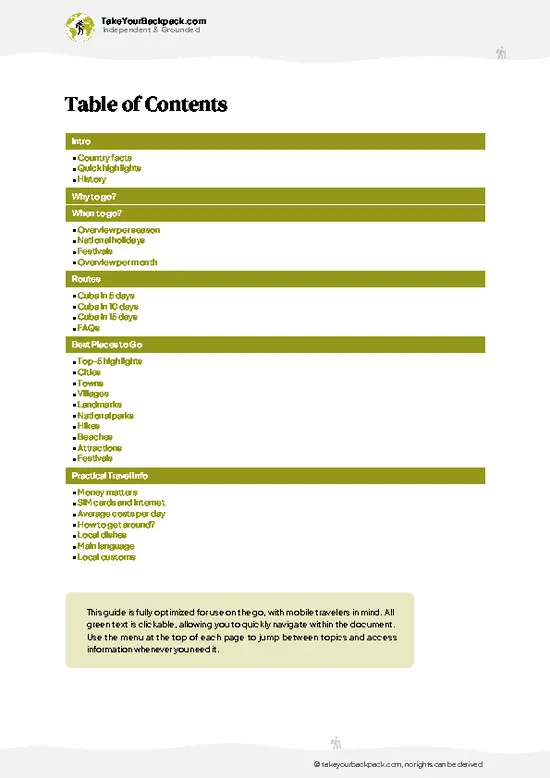
The digital guide (450 pages) contains:
121 highlights, ranked by travel appeal
Optimized 5, 10 & 15-day travel routes
Cities, national parks, landmarks, beaches
How to get around
Offline-friendly for travel without Wi-Fi
👉 Click to see all 30+ guide features

📅 Plan smarter in minutes, not weeks
Month by month travel advice
Festivals & national holidays
Budget expectations

🗺️ Go to the right places, skip the overrated ones
Honest pros & cons of destinations
Top hikes, parks & viewpoints
Lesser-known places most travelers miss
Clear “worth it vs skip it” guidance

🛏️ Travel smoothly without rookie mistakes
Best areas to stay
Transport systems explained simply
Common scams & safety advice
SIM cards, money & practical tips

🌍 Understand the country, not just visit it
Culture & traditions
52 Essential phrases & customs
Festivals worth planning around
Traveler-friendly historical context
Insights that make places more meaningful

📱 Built for real travel conditions
Fully downloadable PDF
Works completely offline
Optimized for phone use
Useful in remote areas & buses
Everything in one place
Save weeks of stressful planning
Get instant access to your full guide. 30‑day money-back guarantee.


By proceeding you agree to our terms.
Sent to your inbox immediately after payment • 100% Secure Checkout
Best Backpacking Travel Advisor 2025 tourism awardBest Backpacking
Travel Advisor
2025
What others say about Take Your Backpack Guides:
⭐⭐⭐⭐⭐
Fantastic, amazing amount of information!
⭐⭐⭐⭐⭐
My goodness this is amazing, it's what I've been looking for hats off too you!
⭐⭐⭐⭐⭐
I think this is absolutely BRILLIANT
⭐⭐⭐⭐
Very complete and informative. It's still missing places, but I gotta to commend you
⭐⭐⭐⭐⭐
This is truly amazing, thank you, can't wait to explore it with my kids!
⭐⭐⭐⭐⭐
Awesome resource, thank you!
⭐⭐⭐⭐⭐
This is amazing! Can't wait to explore the ones I haven't seen
⭐⭐⭐⭐
I love this! Well done, great idea.
⭐⭐⭐⭐⭐
Thanks for taking the time to make this gem!
⭐⭐⭐⭐⭐
This might be the best website I've ever seen.
⭐⭐⭐⭐⭐
Congratulations, and thank you so much for your work; it's incredibly valuable.
⭐⭐⭐⭐
In all seriousness I think you did a great job pointing out the important spots
⭐⭐⭐⭐⭐
10/10 very good
⭐⭐⭐⭐⭐
As someone who's only just starting to visit regularly this is awesome, thank you.
⭐⭐⭐⭐
Thank you very much! I'm going to visit my dad, it's going to be very useful!
⭐⭐⭐⭐⭐
This is really cool! We'll be travelling for the first time and this definitely come in handy.
⭐⭐⭐⭐⭐
You are now our minister of culture, congratulations 👨‍💼
⭐⭐⭐⭐⭐
Just wanted to tell you that this is a pearl! Going to follow your recommendations.
⭐⭐⭐⭐⭐
This is so cool. I'll definitely be using the resource for my travels soon.
⭐⭐⭐⭐⭐
This is very impressive! Good work.
⭐⭐⭐⭐⭐
This is an amazing and informative site. Very well done!

🛏️ Where to stay?Choosing the right base

In Ciego de Ávila, the best spot for backpackers is the city center, locally known as “El Centro.” This area strikes a smart balance between safety and social buzz, making it the natural hub for budget travelers and solo adventurers. You’ll find a handful of casas particulares—Cuba’s version of hostels or guesthouses—scattered around, offering affordable stays with a chance to mingle with locals and fellow travelers alike. The vibe here is relaxed but lively, with street cafes and small plazas where conversations flow easily.

Compared to the quieter, more residential neighborhoods on the outskirts, … read more 👉
In Ciego de Ávila, the best spot for backpackers is the city center, locally known as “El Centro.” This area strikes a smart balance between safety and social buzz, making it the natural hub for budget travelers and solo adventurers. You’ll find a handful of casas particulares—Cuba’s version of hostels or guesthouses—scattered around, offering affordable stays with a chance to mingle with locals and fellow travelers alike. The vibe here is relaxed but lively, with street cafes and small plazas where conversations flow easily.

Compared to the quieter, more residential neighborhoods on the outskirts, El Centro puts you within walking distance of markets, bus stations, and cultural spots, saving you time and transport costs. It’s not flashy, but that’s the point: you’re immersed in everyday Cuban life without the tourist gloss. For backpackers, this means more authentic encounters and a social atmosphere that’s both welcoming and low-key. The trade-off? You won’t find luxury or big-name hostels, but the comfort of genuine connection and convenience is a winning formula.

🚌 Getting aroundGetting around like a local

Ciego de Ávila moves at a pace that’s neither frantic nor sluggish—it’s a city where time feels elastic, stretching and contracting depending on your mode of travel. The rhythm here isn’t dictated by rigid timetables but by a blend of local intuition and the occasional burst of efficiency. You’ll find that the city’s flow rewards those who read between the lines of schedules and embrace a bit of unpredictability. This is a place where comfort often takes a backseat to practicality, and where your choices between time, money, and ease shape the entire experience.


  • Walking: The most reliable and cost-free way to navigate Ciego de Ávila’s compact center. Expect to cover most key spots within 20-40 minutes on foot. It’s slow but offers unmatched immersion and zero hassle with schedules or fares.
read more 👉
Ciego de Ávila moves at a pace that’s neither frantic nor sluggish—it’s a city where time feels elastic, stretching and contracting depending on your mode of travel. The rhythm here isn’t dictated by rigid timetables but by a blend of local intuition and the occasional burst of efficiency. You’ll find that the city’s flow rewards those who read between the lines of schedules and embrace a bit of unpredictability. This is a place where comfort often takes a backseat to practicality, and where your choices between time, money, and ease shape the entire experience.


  • Walking: The most reliable and cost-free way to navigate Ciego de Ávila’s compact center. Expect to cover most key spots within 20-40 minutes on foot. It’s slow but offers unmatched immersion and zero hassle with schedules or fares.


  • Local Buses: These run roughly from 6:00 AM to 8:00 PM, with fares around 0.40 CUP (Cuban Pesos), making them the cheapest motorized option. They’re slow, often crowded, and comfort is minimal, but they connect major neighborhoods and are a solid choice if you’re not in a rush.


  • Shared Taxis (Colectivos): Operating on flexible routes, these pick up passengers as they go, usually from early morning until late evening. Prices hover around 5-10 CUP depending on distance. Faster than buses but less predictable on timing and comfort varies widely—expect a tight squeeze and a local soundtrack of lively chatter.


  • Private Taxis: The priciest option, with fares starting around 20 CUP for short trips. They offer direct routes and better comfort, but the trade-off is clear: you pay for speed and convenience. Ideal if your time is tight or you’re carrying heavy gear.


  • Bicycle Rentals: Available at select spots, these cost about 10-15 CUP per hour. They strike a balance between speed and cost, letting you cover more ground than walking without the unpredictability of public transport. Plus, you control your schedule and pace.

👛 Costs (as of 30 July 2026)Money, prices, and spending tips

Backpacking in Ciego de Ávila, Cuba, offers a clear-cut trade-off between cost and comfort, with prices reflecting the city’s modest tourist footprint and local economy. Here’s how your daily budget breaks down:
  • Dorm Accommodation (High Season): Expect to pay around $10-$15 USD per night in a shared room. Availability tightens during peak months, pushing prices to the upper end.
  • Dorm Accommodation (Off-Season): Prices drop to about $7-$10 USD per night. Fewer tourists mean better deals but also fewer options.
  • Meals: Street food and local paladares (small private restaurants) offer meals for $3-$6 USD. A typical day’s food budget can hover around $8-$12 USD if you mix street eats with occasional sit-down meals.
  • Local Transport: Bus rides or shared taxis within the city usually cost $0.25-$0.
read more 👉
Backpacking in Ciego de Ávila, Cuba, offers a clear-cut trade-off between cost and comfort, with prices reflecting the city’s modest tourist footprint and local economy. Here’s how your daily budget breaks down:
  • Dorm Accommodation (High Season): Expect to pay around $10-$15 USD per night in a shared room. Availability tightens during peak months, pushing prices to the upper end.
  • Dorm Accommodation (Off-Season): Prices drop to about $7-$10 USD per night. Fewer tourists mean better deals but also fewer options.
  • Meals: Street food and local paladares (small private restaurants) offer meals for $3-$6 USD. A typical day’s food budget can hover around $8-$12 USD if you mix street eats with occasional sit-down meals.
  • Local Transport: Bus rides or shared taxis within the city usually cost $0.25-$0.50 USD per trip. Budget about $1-$2 USD daily if you’re moving around frequently.
  • City Transport Pass: Unlike larger Cuban cities, Ciego de Ávila doesn’t have a formal city transport pass system, so individual fares apply.
  • Basic Activities/Entry Fees: Museums and cultural sites charge modest fees, generally $1-$3 USD. Budget $2-$5 USD daily if you plan to explore a couple of spots.
  • Miscellaneous Expenses: This covers bottled water, snacks, occasional tips, or small purchases. Around $2-$4 USD daily is a safe estimate.

All told, you’re looking at roughly $20 to $35 USD per day for a no-frills, independent backpacking experience in Ciego de Ávila. This range balances the essentials without sacrificing the chance to engage with local culture or move comfortably around town. The key trade-off here is between paying a bit more for high-season dorms or stretching your budget by traveling off-season and embracing simpler meals and transport.


source: cubatravel.cu
⚠️ Prices can change and everyone travels differently, so take this as a rough guide. Hope it helps you plan your adventure!

🚌 Day tripsWhere to go beyond the main area

Ciego de Ávila is a fantastic launchpad for day trips that blend adventure with cultural immersion. Here’s how to make the most of your time without breaking the bank.

Valle de los Ingenios
Just an hour’s drive from Ciego de Ávila, this UNESCO World Heritage site is a stunning reminder of Cuba’s sugar industry history. You can hike through lush landscapes dotted with old sugar mills and enjoy breathtaking views from the lookout points. A guided tour typically costs around $10, and the experience is enriched by local stories. Aim for the early morning to avoid the heat and catch the sunrise over the valley. A common mistake? Skipping the chance to chat with local farmers; they often share insights that guidebooks miss.


Cayo Coco
If you’re craving some beach time, Cayo Coco is your … read more 👉
Ciego de Ávila is a fantastic launchpad for day trips that blend adventure with cultural immersion. Here’s how to make the most of your time without breaking the bank.

Valle de los Ingenios
Just an hour’s drive from Ciego de Ávila, this UNESCO World Heritage site is a stunning reminder of Cuba’s sugar industry history. You can hike through lush landscapes dotted with old sugar mills and enjoy breathtaking views from the lookout points. A guided tour typically costs around $10, and the experience is enriched by local stories. Aim for the early morning to avoid the heat and catch the sunrise over the valley. A common mistake? Skipping the chance to chat with local farmers; they often share insights that guidebooks miss.


Cayo Coco
If you’re craving some beach time, Cayo Coco is your go-to. About a two-hour bus ride will drop you on white sands and turquoise waters. The bus fare is around $5, and you can spend the day swimming or snorkeling. Bring your own snacks to save money, as food options can be pricey. The best time to visit is during the dry season, from November to April. Many first-timers underestimate the sun; pack plenty of sunscreen and a hat to avoid a nasty burn.


Topes de Collantes
For a taste of Cuba’s natural beauty, head to Topes de Collantes, roughly 90 minutes away. This national park offers hiking trails that lead to waterfalls and natural pools. Entry fees are about $10, and you can easily spend the day exploring. The best months to visit are December through March when the weather is cooler. A common pitfall is not bringing enough water; the trails can be more challenging than they appear, so hydrate well.
👉 Explore Topes de Collantes

Trinidad
A bit further afield, Trinidad is about a two-hour bus ride and is worth every minute. This colonial town is a UNESCO site, known for its cobblestone streets and vibrant music scene. The bus costs around $10, and you can wander through the town, visit museums, and enjoy live music in the plaza. Go on a weekday to avoid the weekend tourist rush. Many backpackers miss the chance to explore the nearby Valle de los Ingenios, so make it a combo trip.
👉 Explore Trinidad
Want to know what more Cuba offers?
The Cuba Travel Guide describes 121 highlights, from cities to national parks, from beaches to hikes

Get the Travel Guide -

🍲 FoodLocal Cuisine & Drinks

In Ciego de Ávila, food is a vibrant tapestry of flavors that tells the story of the land. Start with congrí, a hearty mix of rice and black beans, often accompanied by tender pork or chicken. Don’t miss out on yuca con mojo, a starchy delight drizzled with garlicky sauce that’s a local favorite.

Street food is where the magic happens. Vendors serve up tostones (fried green plantains) and empanadas bursting with savory fillings. Markets buzz with life, offering fresh fruits like guava and mango, perfect for a quick snack.

When it comes to drinks, try a Cuba Libre or a refreshing mojito made with local rum. The drinking culture here is relaxed; you’ll often see locals enjoying a drink while chatting in the streets.

Etiquette is simple: share your food and drink stories. It’s all about … read more 👉
In Ciego de Ávila, food is a vibrant tapestry of flavors that tells the story of the land. Start with congrí, a hearty mix of rice and black beans, often accompanied by tender pork or chicken. Don’t miss out on yuca con mojo, a starchy delight drizzled with garlicky sauce that’s a local favorite.

Street food is where the magic happens. Vendors serve up tostones (fried green plantains) and empanadas bursting with savory fillings. Markets buzz with life, offering fresh fruits like guava and mango, perfect for a quick snack.

When it comes to drinks, try a Cuba Libre or a refreshing mojito made with local rum. The drinking culture here is relaxed; you’ll often see locals enjoying a drink while chatting in the streets.

Etiquette is simple: share your food and drink stories. It’s all about connection. Embrace the communal vibe, and you’ll find that every bite and sip deepens your experience in this lively city.

🛡️ SafetySafety Tips and Common Scams in Ciego de Ávila

Ciego de Ávila is generally safe for backpackers, but a few situational awareness tips can enhance your experience. Stick to well-lit areas at night, especially if you’re solo. The city’s charm lies in its streets, but avoid wandering too far off the beaten path after dark.

Common scams are minimal, but be cautious of overly friendly locals who may steer you toward specific restaurants or shops where they earn a commission. Always confirm prices before engaging in any service, whether it’s a taxi ride or a meal.

Annoyances can include occasional pushy vendors, but a polite “no, gracias” usually suffices. Carry yourself confidently, engage with locals, and you’ll find that the warmth of Ciego de Ávila far outweighs any minor inconveniences.

Other Cuban cities near Ciego de Ávila

Explore more nearby:

  • Morón—railway junction, lagoon access, sugar legacy| 31 km away
  • Florida—cattle ranches, citrus groves, grid layout| 67 km away
  • Sancti Spiritus—arched bridges, cobbled lanes, pastel buildings| 71 km away

💡 Not sure where to go next?
Create a personalized itinerary for Cuba including Ciego de Ávila and the places that fit your trip.

Generate my itinerary

👉 Discover all cities

Or checkout all Cuba has to offer (think cities, towns, villages, national parks, hikes, beaches, festivals)
Country photo of Cuba

We 💚 feedbackKey takeaways before you go

Ciego de Ávila offers a genuine slice of Cuban life, where you can sip coffee with locals and soak in the vibrant street culture. But be ready for some logistical quirks—public transport can be a puzzle, and English isn’t widely spoken. Embrace the challenge; it’s part of the adventure. You’ll leave with stories that no guidebook can capture.

✈️ When did I visit Cuba?
As part of my 1.5 year travel around the world trip, I visited Cuba for 6 weeks in February, March 2016, being extremely lucky that that coincided with the free concert of The Rolling Stones.

✍️ Help improve this page!
The information on this page is based on my own backpacking experience in Cuba, supplemented with up-to-date research and feedback from other travelers. Travel details can change, so if you notice anything outdated or incomplete, feel free to let me know.


🙋‍♂️ Give feedback

👋 Meet the founderWho’s Behind Take Your Backpack?

Johan, backpacker and founder of TakeYourBackpackHi, I’m Johan (Netherlands 🇳🇱), the creator of TakeYourBackpack. Over the past decade, I’ve backpacked through 80+ countries across six continents, gaining extensive experience with independent travel, long-term trips, and overland routes.

This site is built on a combination of firsthand travel experience and carefully curated insights from other backpackers. Many guides are based on places I’ve personally visited, while others bring together tips, observations, and practical advice shared by trusted travelers I’ve met along the way.

The goal is to provide realistic, experience-driven guidance — not generic itineraries — so you can explore destinations with better context, clearer expectations, and more confidence.

Get full Cuba guide •
Instant download • 121 highlights • Full Offline guide