
×
Havana

Cuba🇨🇺 | citiesHavanaMalecón seawall, colonial plazas, street music | things to do and best time to go

Explore CienfuegosExplore Sancti Spiritus

Backpacking in Havana
UNESCO World Heritage site
🏆 Top pickcity ranked #1
By Johan Kruseman 🇳🇱 | Updated September 4, 2026

Everyone says they’re going to Havana “for the classic cars and crumbling facades,” but that’s just the postcard. What actually matters once you land is how you move through the trade-offs: your time, your cash, and how much discomfort you’re willing to tolerate for real connection. Havana sits on Cuba’s northwest coast, facing the Straits of Florida, and it’s the country’s social and cultural pressure cooker. For backpackers, it’s chaotic, charismatic, and occasionally exhausting. You get world-class people-watching on the Malecón, heavy history in Habana Vieja and the Museo de la Revolución, sweaty salsa nights in Vedado, and long, talky evenings in casa particulares that feel like staying with distant cousins. It’s cheaper than most capitals in the Americas, but pricier and more hustler-heavy than Trinidad or Viñales. Travel is easy but slow, safety is generally good if you keep your street smarts on, and meeting other travelers is almost automatic around Habana Vieja and Vedado. The vibe: frayed at the edges, emotionally loud, and very alive.

Discover everything you want to know in the 📖 Cuba Travel Guide.


Get your Cuba guide
121 ranked highlights, routes & tips, works offline (450 pages)
Loading the map 🌍
CLICK TO FILTER
cities
towns
villages
landmarks
national parks
hikes
beaches
attractions
festivals
regions
SHOW COUNTRY’S BESTSHOW ALL

✨ Why go?
Ranked #1 city in Cuba
What makes it a must-see city

Havana is a backpacker’s playground that offers a unique blend of culture, affordability, and vibrancy. The city is packed with highlights that cater to various interests, from historical architecture to lively street performances. You’ll find that it serves as an excellent basecamp for day trips to nearby attractions, making it easy to explore beyond the city limits without losing your home base.

Accommodations are plentiful, with hostels that are not just budget-friendly but also foster a sense of community. You’ll meet fellow travelers, share stories, and maybe even plan your next adventure together. The food scene is a delightful mix of local flavors and international influences, often at prices that won’t break the bank.

Havana’s walkability is a game-changer; you can easily navigate … read more 👉
Havana is a backpacker’s playground that offers a unique blend of culture, affordability, and vibrancy. The city is packed with highlights that cater to various interests, from historical architecture to lively street performances. You’ll find that it serves as an excellent basecamp for day trips to nearby attractions, making it easy to explore beyond the city limits without losing your home base.

Accommodations are plentiful, with hostels that are not just budget-friendly but also foster a sense of community. You’ll meet fellow travelers, share stories, and maybe even plan your next adventure together. The food scene is a delightful mix of local flavors and international influences, often at prices that won’t break the bank.

Havana’s walkability is a game-changer; you can easily navigate the city on foot, soaking in the sights and sounds without the hassle of public transport. When the sun sets, the nightlife kicks in, offering everything from salsa dancing to laid-back bars. Plus, with easy onward travel options, you can seamlessly continue your journey.

This city is more than just a stop; it’s a vibrant chapter in your backpacking story.
Want to include Havana in your Cuba route?
Create a personalized Cuba itinerary that includes Havana and the places that fit your trip — based on your travel style, budget, and available time. Get your route in seconds.

Generate my trip

💡 HighlightsDon't-miss highlights and experiences

  1. Catedral de San Cristóbal (Plaza de la Catedral) — A gorgeous baroque cathedral framed by colonial facades; the square is lively, full of street musicians and cafes, and it’s a perfect spot to feel Havana’s layered history up close.
  2. Plaza de Armas — One of the oldest squares in Havana with the used-books stalls, leafy shade, and the Palacio de los Capitanes Generales; great for people-watching and spotting old maps, rare books, and local characters.
  3. El Malecón — The long seawall where locals hang out at any hour; come for sunset, sea spray, conversations with fishermen, or just to watch the city breathe along the water.
  4. El Capitolio (National Capitol Building) — An imposing dome and grand interiors that tell the story of 20th-century Havana; you can join a guided tour to see the restored
read more 👉
  1. Catedral de San Cristóbal (Plaza de la Catedral) — A gorgeous baroque cathedral framed by colonial facades; the square is lively, full of street musicians and cafes, and it’s a perfect spot to feel Havana’s layered history up close.
  2. Plaza de Armas — One of the oldest squares in Havana with the used-books stalls, leafy shade, and the Palacio de los Capitanes Generales; great for people-watching and spotting old maps, rare books, and local characters.
  3. El Malecón — The long seawall where locals hang out at any hour; come for sunset, sea spray, conversations with fishermen, or just to watch the city breathe along the water.
  4. El Capitolio (National Capitol Building) — An imposing dome and grand interiors that tell the story of 20th-century Havana; you can join a guided tour to see the restored halls and feel how different eras of the city collide here.
  5. Museo de la Revolución — Housed in the former Presidential Palace, it’s messy and politicized but essential for understanding Cuba’s 20th-century history; exhibits, relics and the courtyard displays (including revolutionary-era artifacts) are vivid and immediate.
  6. Castillo de los Tres Reyes del Morro (El Morro) — The fortress guarding the bay’s entrance with a working lighthouse and broad views back to the city; climb the ramparts and you’ll see why Havana developed around this harbor.
  7. Callejón de Hamel — A tight alley turned open-air Afro-Cuban art space: colorful murals, sculptures, drumming circles (especially on Sundays) and a raw, vital expression of Santería and Afro-Cuban culture.
  8. Fábrica de Arte Cubano (FAC) — A converted factory in Vedado that mixes galleries, live music, DJs and performance art; come at night for a cutting-edge cross-section of contemporary Havana creativity.
  9. Museo Nacional de Bellas Artes (Cuban collection) — The Cuban wing is an unexpectedly rich panorama of the island’s visual arts, from colonial painting to revolutionary and contemporary work—good context for everything else you’ll see in the city.
  10. Fusterlandia (Jaimanitas) — Jose Fuster’s neighborhood mosaic project: ceramic-covered houses, benches and public art that turned a fishing village into a joyful, community-driven gallery. Quirky, friendly, and completely visitable on foot.
A few great day trips close to the city: Viñales valley (tobacco farms and limestone mogotes), the Bay of Pigs/Playa Girón (snorkeling and history), Las Terrazas eco-community in the Sierra del Rosario, and the fishing village of Cojímar — Viñales is my personal favorite.
Spotted a mistake or missing something? Contact us.

🏘️ NeighborhoodsWhere things are and how it's laid out

Havana is a vibrant puzzle of neighborhoods, each offering a unique flavor for backpackers. Understanding these areas helps you maximize your experience while balancing time, money, and comfort.

Old Havana (Habana Vieja): This is the heart of the city, where history breathes through cobblestone streets. It’s walkable and packed with sights like the Malecón and Plaza Vieja. Expect a mix of budget hostels and mid-range casas. Nightlife here is lively, with bars and music spilling into the streets. Perfect for short stays, but longer visits can feel touristy.

Centro Habana: Just next to Old Havana, this area offers a more local vibe. It’s less polished but rich in culture. Prices are lower, and you’ll find authentic eateries and street life. Walkability is decent, but be prepared for some hustle. … read more 👉
Havana is a vibrant puzzle of neighborhoods, each offering a unique flavor for backpackers. Understanding these areas helps you maximize your experience while balancing time, money, and comfort.

Old Havana (Habana Vieja): This is the heart of the city, where history breathes through cobblestone streets. It’s walkable and packed with sights like the Malecón and Plaza Vieja. Expect a mix of budget hostels and mid-range casas. Nightlife here is lively, with bars and music spilling into the streets. Perfect for short stays, but longer visits can feel touristy.

Centro Habana: Just next to Old Havana, this area offers a more local vibe. It’s less polished but rich in culture. Prices are lower, and you’ll find authentic eateries and street life. Walkability is decent, but be prepared for some hustle. Nightlife is quieter, making it suitable for those seeking a more laid-back experience. Great for longer stays if you want to immerse yourself.

Vedado: This is where the locals hang out. It’s a bit more upscale, with parks, theaters, and a vibrant arts scene. Prices can be higher, but you’ll find a range of accommodations. The area is walkable, and public transport is accessible. Nightlife is diverse, from jazz clubs to dance halls. Ideal for longer stays if you want to explore beyond the tourist trail.

Miramar: A residential area with a more suburban feel. It’s quieter and offers upscale dining and hotels. Costs can be higher, but you’ll find spacious accommodations. Walkability is limited, so public transport is essential. Nightlife is subdued, making it best for those looking for relaxation. Suitable for longer stays if you want a break from the hustle.

⌛️ 1 dayHow to make the most of one day

Havana is a city that pulses with life, where the streets hum with the sounds of classic cars and salsa music. The vibrant colors of the buildings tell stories of a rich history, and the air is thick with the scent of fresh tobacco and street food. Spending a day here is like diving into a cultural tapestry that’s both chaotic and beautiful.

Start your morning in Old Havana, or La Habana Vieja, where cobblestone streets lead you to the iconic Plaza de Armas. Grab a café con leche at a local café and watch the world wake up. The early sun casts a warm glow on the colonial architecture, making it a perfect backdrop for your first photos. Don’t miss the Castillo del Morro, a fortress that offers stunning views of the harbor—just a short walk from the plaza.

As the day unfolds, head to the vibrant … read more 👉
Havana is a city that pulses with life, where the streets hum with the sounds of classic cars and salsa music. The vibrant colors of the buildings tell stories of a rich history, and the air is thick with the scent of fresh tobacco and street food. Spending a day here is like diving into a cultural tapestry that’s both chaotic and beautiful.

Start your morning in Old Havana, or La Habana Vieja, where cobblestone streets lead you to the iconic Plaza de Armas. Grab a café con leche at a local café and watch the world wake up. The early sun casts a warm glow on the colonial architecture, making it a perfect backdrop for your first photos. Don’t miss the Castillo del Morro, a fortress that offers stunning views of the harbor—just a short walk from the plaza.

As the day unfolds, head to the vibrant neighborhood of Centro Habana. Here, you can explore the Mercado de Cuatro Caminos, a bustling market where locals shop for everything from fresh produce to handmade crafts. It’s a slice of everyday life that many tourists overlook. Grab a quick lunch at a nearby paladar, a private restaurant, where you can savor traditional dishes like ropa vieja or yuca.

In the afternoon, make your way to the Malecón, the famous seawall that stretches along the coast. This is the perfect spot to relax and people-watch. If you’re feeling adventurous, rent a bike or simply stroll along the promenade, soaking in the ocean breeze.

As evening approaches, head to the neighborhood of Vedado. Here, you’ll find the iconic Hotel Nacional, where you can sip a mojito while enjoying live music. For dinner, seek out a lesser-known spot like La Guarida, a paladar hidden in a crumbling mansion, where the ambiance is as rich as the food.

End your day with a nightcap at a local bar, perhaps catching a spontaneous salsa performance. In Havana, every moment is a chance to connect with the city’s soul, making your one-day adventure feel like a lifetime of memories.
Turn your Havana visit into an Cuba adventure
Build a complete Cuba route with Havana, hidden gems, must-see destinations, and realistic travel times included.

Generate my trip

🌤️ When to go?Choosing the right time of year


  • Weather: Havana’s dry season runs from November to April, offering sunny days and minimal rain—ideal for exploring without soggy gear. The wet season, May to October, brings heavy showers and humidity, which can slow you down and soak your plans.

  • Temperature: Expect highs around 28–30°C (82–86°F) in the dry season, with cooler evenings dipping to 18–20°C (64–68°F). The wet season heats up to 31–33°C (88–91°F), often feeling hotter due to humidity, which can drain your energy faster.

  • Daylight Hours: Havana enjoys roughly 11 to 13 hours of daylight year-round. The longer days in summer mean more time to roam, but also more heat to manage. Winter days are shorter but cooler, balancing your daily stamina.

  • Crowds: Peak tourist season aligns with the dry months, especially December through
read more 👉

  • Weather: Havana’s dry season runs from November to April, offering sunny days and minimal rain—ideal for exploring without soggy gear. The wet season, May to October, brings heavy showers and humidity, which can slow you down and soak your plans.

  • Temperature: Expect highs around 28–30°C (82–86°F) in the dry season, with cooler evenings dipping to 18–20°C (64–68°F). The wet season heats up to 31–33°C (88–91°F), often feeling hotter due to humidity, which can drain your energy faster.

  • Daylight Hours: Havana enjoys roughly 11 to 13 hours of daylight year-round. The longer days in summer mean more time to roam, but also more heat to manage. Winter days are shorter but cooler, balancing your daily stamina.

  • Crowds: Peak tourist season aligns with the dry months, especially December through March, so expect busier streets and higher prices. The off-peak wet season sees fewer travelers, giving you more breathing room and authentic local vibes.

  • Seasonal Activities: Winter hosts cultural festivals like Havana Jazz Festival and vibrant Carnival events, adding color and music to your trip. The wet season is quieter but perfect for museum hopping and indoor experiences when the rain hits.

  • Price Fluctuations: Accommodation and flights spike during the dry season and holidays. Booking in shoulder months like November or April can save money while still enjoying pleasant weather and manageable crowds.


Pro-tip: Aim for late November or early April—sweet spots where weather, crowds, and costs align, letting you savor Havana’s soul without the usual trade-offs.


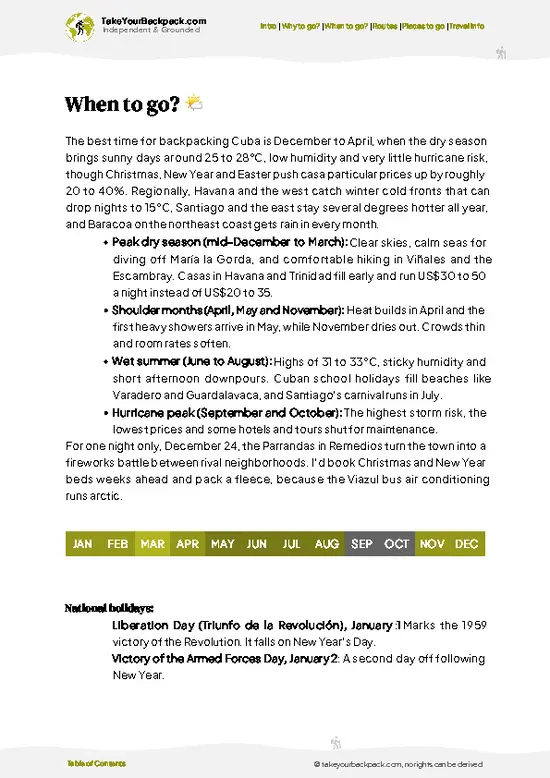
source: climatestotravel.comJANJanuary: excellent for travelingFEBFebruary: excellent for travelingMARMarch: excellent for travelingAPRApril: highly recommended for travelingMAYMay: fair for travelingJUNJune: fair for travelingJULJuly: fair for travelingAUGAugust: fair for travelingSEPSeptember: below average for travelingOCTOctober: fair for travelingNOVNovember: highly recommended for travelingDECDecember: excellent for traveling
Cuba - Havana

✈️ The backpacker research shortcutCuba Travel Guide

An offline-friendly backpacking guide with optimized travel routes, ranked highlights, transport advice, and the best areas to stay.
example page 0 from our offline Travel Guide for Cuba
example page 1 from our offline Travel Guide for Cuba
example page 2 from our offline Travel Guide for Cuba
example page 3 from our offline Travel Guide for Cuba
example page 4 from our offline Travel Guide for Cuba
example page 5 from our offline Travel Guide for Cuba
example page 6 from our offline Travel Guide for Cuba
example page 7 from our offline Travel Guide for Cuba
The digital guide (450 pages) contains:
121 highlights, ranked by travel appeal
Optimized 5, 10 & 15-day travel routes
Cities, national parks, landmarks, beaches
How to get around
Offline-friendly for travel without Wi-Fi
👉 Click to see all 30+ guide features

📅 Plan smarter in minutes, not weeks
Month by month travel advice
Festivals & national holidays
Budget expectations

🗺️ Go to the right places, skip the overrated ones
Honest pros & cons of destinations
Top hikes, parks & viewpoints
Lesser-known places most travelers miss
Clear “worth it vs skip it” guidance

🛏️ Travel smoothly without rookie mistakes
Best areas to stay
Transport systems explained simply
Common scams & safety advice
SIM cards, money & practical tips

🌍 Understand the country, not just visit it
Culture & traditions
52 Essential phrases & customs
Festivals worth planning around
Traveler-friendly historical context
Insights that make places more meaningful

📱 Built for real travel conditions
Fully downloadable PDF
Works completely offline
Optimized for phone use
Useful in remote areas & buses
Everything in one place
Save weeks of stressful planning
Get instant access to your full guide. 30‑day money-back guarantee.
+ Add another guide for just US$7.80

By proceeding you agree to our terms.
Sent to your inbox immediately after payment • 100% Secure Checkout
Best Backpacking Travel Advisor 2025 tourism awardBest Backpacking
Travel Advisor
2025
What others say about Take Your Backpack Guides:
⭐⭐⭐⭐⭐
Fantastic, amazing amount of information!
⭐⭐⭐⭐⭐
My goodness this is amazing, it's what I've been looking for hats off too you!
⭐⭐⭐⭐⭐
I think this is absolutely BRILLIANT
⭐⭐⭐⭐
Very complete and informative. It's still missing places, but I gotta to commend you
⭐⭐⭐⭐⭐
This is truly amazing, thank you, can't wait to explore it with my kids!
⭐⭐⭐⭐⭐
Awesome resource, thank you!
⭐⭐⭐⭐⭐
This is amazing! Can't wait to explore the ones I haven't seen
⭐⭐⭐⭐
I love this! Well done, great idea.
⭐⭐⭐⭐⭐
Thanks for taking the time to make this gem!
⭐⭐⭐⭐⭐
This might be the best website I've ever seen.
⭐⭐⭐⭐⭐
Congratulations, and thank you so much for your work; it's incredibly valuable.
⭐⭐⭐⭐
In all seriousness I think you did a great job pointing out the important spots
⭐⭐⭐⭐⭐
10/10 very good
⭐⭐⭐⭐⭐
As someone who's only just starting to visit regularly this is awesome, thank you.
⭐⭐⭐⭐
Thank you very much! I'm going to visit my dad, it's going to be very useful!
⭐⭐⭐⭐⭐
This is really cool! We'll be travelling for the first time and this definitely come in handy.
⭐⭐⭐⭐⭐
You are now our minister of culture, congratulations 👨‍💼
⭐⭐⭐⭐⭐
Just wanted to tell you that this is a pearl! Going to follow your recommendations.
⭐⭐⭐⭐⭐
This is so cool. I'll definitely be using the resource for my travels soon.
⭐⭐⭐⭐⭐
This is very impressive! Good work.
⭐⭐⭐⭐⭐
This is an amazing and informative site. Very well done!

🛏️ Where to stay?How to pick the right area

In Havana, your best bets for backpacker stays cluster around Centro Habana and Old Havana (Habana Vieja). These neighborhoods strike a smart balance between safety, social buzz, and budget-friendly options, making them the natural hubs for solo travelers and those looking to dive into the city’s pulse without blowing the budget.

Centro Habana is a gritty, lived-in area where the real Havana hums. It’s less polished than Old Havana but packed with affordable casas particulares and hostels that cater to backpackers. The vibe here is authentic and social—think street corner domino games, local … read more 👉
In Havana, your best bets for backpacker stays cluster around Centro Habana and Old Havana (Habana Vieja). These neighborhoods strike a smart balance between safety, social buzz, and budget-friendly options, making them the natural hubs for solo travelers and those looking to dive into the city’s pulse without blowing the budget.

Centro Habana is a gritty, lived-in area where the real Havana hums. It’s less polished than Old Havana but packed with affordable casas particulares and hostels that cater to backpackers. The vibe here is authentic and social—think street corner domino games, local markets, and a steady flow of Cuban rhythms spilling from open windows. It’s a place where you can easily meet other travelers and locals alike, without the tourist-heavy crowds that can drain your wallet or patience.

Old Havana, by contrast, is the historic heart, with cobblestone streets and colonial architecture that’s impossible to ignore. It’s more polished and tourist-friendly, which means hostels here often come with a higher price tag but also better amenities and a more structured social scene. Staying here means trading a bit of raw local flavor for convenience and a safer, more walkable environment.

Compared to Vedado or Miramar, which lean toward upscale and quieter, these two areas offer the best trade-off: you get a social, budget-conscious base that’s safe enough to explore on foot, with plenty of hostel options to plug into the backpacker network. Choosing between Centro Habana and Old Havana boils down to whether you want raw authenticity or a slightly more curated experience—both deliver value, but in very different flavors.

🚌 Getting aroundHow to get around Havana

Havana moves to a rhythm that’s part old-world precision, part spontaneous street jazz. The city’s pulse isn’t dictated by strict timetables but by a blend of routine and improvisation. You’ll find that schedules exist, but they’re more like guidelines, suggestions rather than ironclad rules. This means your transit choices here aren’t just about getting from A to B—they’re about reading the flow, spotting the right moment, and sometimes just rolling with the unexpected. Understanding this trade-off between time, money, and comfort is your secret weapon to mastering Havana’s transit game.


  • Walking: The ultimate budget option and the best way to soak in Havana’s character. It costs nothing, offers zero comfort beyond your own two feet, and is as slow or fast as you want. Walking lets you
read more 👉
Havana moves to a rhythm that’s part old-world precision, part spontaneous street jazz. The city’s pulse isn’t dictated by strict timetables but by a blend of routine and improvisation. You’ll find that schedules exist, but they’re more like guidelines, suggestions rather than ironclad rules. This means your transit choices here aren’t just about getting from A to B—they’re about reading the flow, spotting the right moment, and sometimes just rolling with the unexpected. Understanding this trade-off between time, money, and comfort is your secret weapon to mastering Havana’s transit game.


  • Walking: The ultimate budget option and the best way to soak in Havana’s character. It costs nothing, offers zero comfort beyond your own two feet, and is as slow or fast as you want. Walking lets you catch the city’s textures—crumbling facades, street musicians, and local markets—at your own pace. It’s the baseline for all other transit decisions.


  • Classic American Taxi (Coco Taxi or Vintage Car): These iconic rides are a splurge compared to other options, typically costing around 10-15 CUC for short trips. They’re fast and comfortable, with a style that’s pure Havana. However, they’re not budget-friendly if you’re trying to stretch pesos. Use them strategically for longer distances or when you want to save time and add a bit of flair.


  • Public Bus (Viazul or Local Buses): Viazul buses are more reliable and comfortable, designed for tourists, with fixed schedules usually starting early morning and running until early evening. Tickets cost around 5-10 CUC depending on distance. Local buses are cheaper (a few CUP), but they’re slower, crowded, and often unpredictable. If you want to save money and don’t mind sacrificing comfort or punctuality, local buses are your go-to.


  • Shared Taxi (Almendrón): These are vintage American cars operating as shared taxis with fixed routes. They cost less than private taxis (around 1-2 CUC per ride) and run frequently, but you’ll share the ride with locals, which means stops and starts that slow you down. Comfort is basic, but the cultural immersion is high. A smart middle ground if you want to balance cost and speed.


  • Bicitaxi: Pedal-powered tricycles that cover short distances within neighborhoods. They’re cheap (around 1-3 CUC), slow, and offer minimal comfort, but they’re perfect for quick hops where walking might be too tiring or time-consuming. They’re also a great way to interact with locals and see parts of the city that cars can’t reach.


In Havana, every transit choice is a trade-off puzzle. Do you want to save money and embrace the city’s chaotic charm by walking or hopping on a local bus? Or do you prioritize comfort and speed, accepting a higher price for a classic taxi ride? The city rewards those who understand these trade-offs, turning everyday travel into a strategic game where you control the balance between time, money, and comfort.

👛 Costs (as of 4 September 2026)Money, prices, and spending tips

Backpacking in Havana means balancing a mix of modest costs with occasional splurges, depending on how much comfort you want and how much time you’re willing to spend hunting down deals.
  • Dorm Accommodation (High Season): Expect to pay around $15-$25 per night in a shared dorm during peak travel months. These spots fill up fast, so booking ahead is smart.
  • Dorm Accommodation (Off-Season): Prices drop to about $10-$18 per night when the crowds thin out, giving you more breathing room and better bargaining power.
  • Meals: Street food and local paladares (private eateries) offer meals for $3-$7. If you stick to classic Cuban dishes like ropa vieja or arroz con pollo, you’ll keep costs low without sacrificing flavor.
  • Local Transport: Riding a classic shared taxi or a bicitaxi for short trips usually
read more 👉
Backpacking in Havana means balancing a mix of modest costs with occasional splurges, depending on how much comfort you want and how much time you’re willing to spend hunting down deals.
  • Dorm Accommodation (High Season): Expect to pay around $15-$25 per night in a shared dorm during peak travel months. These spots fill up fast, so booking ahead is smart.
  • Dorm Accommodation (Off-Season): Prices drop to about $10-$18 per night when the crowds thin out, giving you more breathing room and better bargaining power.
  • Meals: Street food and local paladares (private eateries) offer meals for $3-$7. If you stick to classic Cuban dishes like ropa vieja or arroz con pollo, you’ll keep costs low without sacrificing flavor.
  • Local Transport: Riding a classic shared taxi or a bicitaxi for short trips usually costs $0.25-$0.50. It’s cheap, but expect a bit of a wait and some negotiation.
  • City Transport Pass: Havana doesn’t have a formal city transport pass for tourists. Instead, you’ll rely on individual rides, which can add up if you’re hopping around a lot.
  • Basic Activities/Entry Fees: Museums and cultural sites typically charge $2-$5. Some iconic spots like the Museo de la Revolución are on the higher end but worth the price for the history.
  • Miscellaneous Expenses: Budget $2-$5 daily for bottled water, snacks, or a cold Cuban beer. Internet access is limited and pricey, so plan accordingly.

All told, a savvy backpacker can get by on about $25-$40 per day in Havana, depending on how much you lean into local eats and shared accommodations versus occasional splurges on private rooms or guided tours. The trick is knowing when to save and when a little extra comfort pays off—like splurging on a private room after a long day exploring the city’s vibrant streets.


source: cubatravel.cu
⚠️ Prices can change and everyone travels differently, so take this as a rough guide. Hope it helps you plan your adventure!

🚌 Day tripsWhere to go beyond the main area

Havana is a fantastic launchpad for day trips that dive into Cuba’s rich culture and stunning landscapes. Here are some top picks that will stretch your experience without stretching your budget.

Viñales Valley
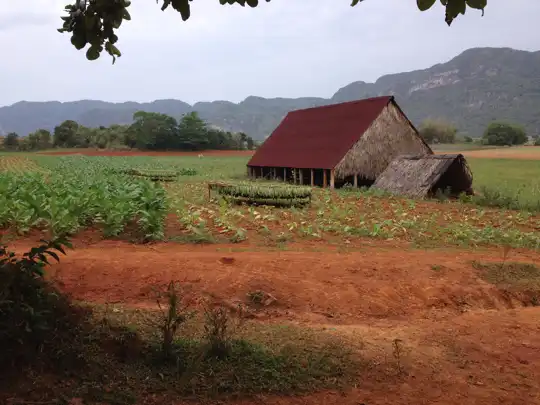
A trip to Viñales is like stepping into a postcard. The lush tobacco fields and dramatic limestone mogotes create a breathtaking backdrop for hiking or horseback riding. It’s about a two-hour drive from Havana, and you can expect to spend around $30 on transportation and meals. The best time to visit is during the dry season, from November to April. A common mistake? Many first-timers rush through the valley without taking time to chat with local farmers or explore the caves. Don’t miss the chance to learn about the tobacco-making process directly from the source.
👉 Explore Viñales read more 👉
Havana is a fantastic launchpad for day trips that dive into Cuba’s rich culture and stunning landscapes. Here are some top picks that will stretch your experience without stretching your budget.

Viñales Valley
A trip to Viñales is like stepping into a postcard. The lush tobacco fields and dramatic limestone mogotes create a breathtaking backdrop for hiking or horseback riding. It’s about a two-hour drive from Havana, and you can expect to spend around $30 on transportation and meals. The best time to visit is during the dry season, from November to April. A common mistake? Many first-timers rush through the valley without taking time to chat with local farmers or explore the caves. Don’t miss the chance to learn about the tobacco-making process directly from the source.
👉 Explore Viñales Valley

Cienfuegos
Known as the “Pearl of the South,” Cienfuegos offers a unique blend of French colonial architecture and Caribbean flair. It’s roughly a three-hour bus ride from Havana, costing about $15. The city is best enjoyed in the cooler months, from November to March. One pitfall for newcomers is sticking to the main square; venture into the side streets for local eateries and vibrant street art. The waterfront promenade, Malecón, is perfect for a sunset stroll.
👉 Explore Cienfuegos

Santa Clara
Home to Che Guevara’s mausoleum, Santa Clara is a must for history buffs. The bus ride takes about three hours and will set you back around $10. Aim for a visit during the cooler months to avoid the heat. Many travelers overlook the city’s vibrant street life and local markets. Take time to wander and soak in the atmosphere; it’s where you’ll find the real heart of Cuba.
👉 Explore Santa Clara

Varadero
If you crave a beach day, Varadero is your go-to. Just two hours from Havana, this resort town offers stunning beaches and crystal-clear waters. Expect to spend around $20 for transport and a beachside meal. The best time to visit is during the dry season. A common mistake is sticking to the crowded resort areas; explore the quieter beaches for a more authentic experience.
👉 Explore Varadero

Matanzas
Known as the “Athens of Cuba,” Matanzas is rich in culture and history. It’s about a two-hour bus ride from Havana, costing around $10. The best time to visit is during the cooler months. Many first-timers miss the chance to check out the local music scene; don’t skip the chance to catch a spontaneous rumba performance in the streets.
👉 Explore Matanzas
Want to know what more Cuba offers?
The Cuba Travel Guide describes 121 highlights, from cities to national parks, from beaches to hikes

Get the Travel Guide -

🍲 FoodEating & Drinking in Havana

In Havana, food and drinks are a vibrant dance of flavors and culture. Start with the Ropa Vieja, a savory shredded beef dish simmered in a rich tomato sauce, often served with rice and black beans. The Vaca Frita, marinated and grilled beef, is another must-try, bursting with citrusy zest. Don’t skip the Tostones, crispy fried plantains that are the perfect vehicle for any meal.

Street food is where the magic happens. Vendors line the streets with empanadas and croquetas, offering a quick, delicious bite. Markets buzz with locals grabbing fresh produce and snacks, creating a lively atmosphere that’s infectious. You’ll find cafés serving Café Cubano, a strong, sweet espresso that fuels the city’s rhythm. Pair it with a slice of tarta de guayaba for a sweet finish.

Dining here is a communal … read more 👉
In Havana, food and drinks are a vibrant dance of flavors and culture. Start with the Ropa Vieja, a savory shredded beef dish simmered in a rich tomato sauce, often served with rice and black beans. The Vaca Frita, marinated and grilled beef, is another must-try, bursting with citrusy zest. Don’t skip the Tostones, crispy fried plantains that are the perfect vehicle for any meal.

Street food is where the magic happens. Vendors line the streets with empanadas and croquetas, offering a quick, delicious bite. Markets buzz with locals grabbing fresh produce and snacks, creating a lively atmosphere that’s infectious. You’ll find cafés serving Café Cubano, a strong, sweet espresso that fuels the city’s rhythm. Pair it with a slice of tarta de guayaba for a sweet finish.

Dining here is a communal affair. Expect to share tables, especially in casual spots where laughter and conversation flow as freely as the rum. When toasting, raise your glass and say “¡Salud!”—it’s all about connection. Embrace the local pace; meals are leisurely, inviting you to savor every bite and sip. In Havana, every meal is a celebration, and you’re invited to the feast.

🛡️ SafetyStaying Safe: What Travelers Should Know

Havana is generally safe, but like any vibrant city, it has its quirks. Stick to well-trodden areas like Old Havana during the day, where the atmosphere buzzes with life. At night, be mindful of your surroundings, especially in less populated spots. Solo travelers should avoid wandering too far off the beaten path after dark; it’s about being smart, not scared.

Scams can pop up, often in the form of overly friendly locals offering unsolicited help or guiding you to shops where they earn a commission. Politely decline and trust your instincts. Street vendors may try to sell you overpriced goods; a little haggling can go a long way.

Annoyances like persistent taxi drivers or street performers can test your patience. A firm but friendly “no, gracias” usually does the trick. Carry yourself … read more 👉
Havana is generally safe, but like any vibrant city, it has its quirks. Stick to well-trodden areas like Old Havana during the day, where the atmosphere buzzes with life. At night, be mindful of your surroundings, especially in less populated spots. Solo travelers should avoid wandering too far off the beaten path after dark; it’s about being smart, not scared.

Scams can pop up, often in the form of overly friendly locals offering unsolicited help or guiding you to shops where they earn a commission. Politely decline and trust your instincts. Street vendors may try to sell you overpriced goods; a little haggling can go a long way.

Annoyances like persistent taxi drivers or street performers can test your patience. A firm but friendly “no, gracias” usually does the trick. Carry yourself confidently, and you’ll blend in just fine. Embrace the rhythm of the city, and you’ll navigate it like a pro.

FAQCommon questions from travelers

3 to 4 days are sufficient to explore Havana's main attractions, including Old Havana, the Malecón, and museums. This allows time to experience the city's vibrant culture and historic sites without rushing. Additional days can be added for day trips to nearby beaches or Viñales Valley.
Yes, Havana is generally safe for solo backpackers if standard precautions are taken. Avoid poorly lit areas at night and keep valuables secure, as petty theft can occur. Staying in well-known neighborhoods like Vedado or Centro Habana improves safety.
Havana is known for its well-preserved Spanish colonial architecture, classic American cars from the 1950s, and vibrant music scene. The city is also famous for its historic Old Havana district, a UNESCO World Heritage site, and its role in Cuban history and culture.
⚠️ Things can change over time, so always validate details locally before you go.

Other Cuban cities near Havana

Explore more nearby:

  • Artemisa—agricultural center, colonial churches, local festivals| 52 km away
  • Matanzas—river bridges, Afro-Cuban music, neoclassical facades| 86 km away
  • Cárdenas—bicycle taxis, sugar industry, grid streets| 118 km away

💡 Not sure where to go next?
Create a personalized itinerary for Cuba including Havana and the places that fit your trip.

Generate my itinerary

👉 Discover all cities

Or checkout all Cuba has to offer (think cities, towns, villages, national parks, hikes, beaches, festivals)
Country photo of Cuba

We 💚 feedbackFinal thoughts on visiting Havana

Havana is a living museum, where every crumbling facade tells a story. The vibrant street life and the rhythm of salsa will pull you in, making you feel alive. But let’s be real: the infrastructure can be a challenge. Expect sporadic power outages and limited Wi-Fi. Embrace the chaos; it’s part of the charm. You’ll leave with memories that outshine any inconvenience. Just go in with an open mind and a sense of adventure.

✈️ When did I visit Cuba?
As part of my 1.5 year travel around the world trip, I visited Cuba for 6 weeks in February, March 2016, being extremely lucky that that coincided with the free concert of The Rolling Stones.

✍️ Help improve this page!
The information on this page is based on my own backpacking experience in Cuba, supplemented with up-to-date research and feedback from other travelers. Travel details can change, so if you notice anything outdated or incomplete, feel free to let me know.


🙋‍♂️ Give feedback

👋 Meet the founderWho’s Behind Take Your Backpack?

Johan, backpacker and founder of TakeYourBackpackHi, I’m Johan (Netherlands 🇳🇱), the creator of TakeYourBackpack. Over the past decade, I’ve backpacked through 80+ countries across six continents, gaining extensive experience with independent travel, long-term trips, and overland routes.

This site is built on a combination of firsthand travel experience and carefully curated insights from other backpackers. Many guides are based on places I’ve personally visited, while others bring together tips, observations, and practical advice shared by trusted travelers I’ve met along the way.

The goal is to provide realistic, experience-driven guidance — not generic itineraries — so you can explore destinations with better context, clearer expectations, and more confidence.

Get full Cuba guide •
Instant download • 121 highlights • Full Offline guide