
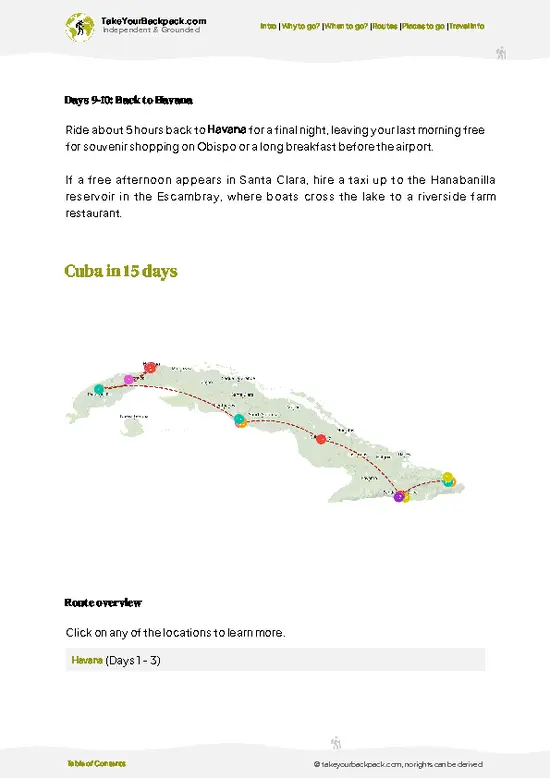
- Swimming in the shallows of Playa Los Flamencos: the water stays knee to waist deep far out, with a pale sandy bottom that makes it ideal for floating and easy for weak swimmers.
- Snorkeling the nearshore waters: Cayo Coco sits beside the large northern coral barrier, and calm days let you see small reef fish and seagrass life close to shore.
- Flamingo watching in the lagoons: the shallow lagoons behind the dunes are where the flocks feed, and early morning gives the best chance of seeing them wade and hear them call.
- Parque Natural El Bagá: a nature park on Cayo Coco with walking trails, native birds and a small crocodile area, useful for understanding the cay’s wetlands.
- Sunset walk along the sand: the shoreline is long and open, so you can walk far from the resort stretches and watch the sky
- Swimming in the shallows of Playa Los Flamencos: the water stays knee to waist deep far out, with a pale sandy bottom that makes it ideal for floating and easy for weak swimmers.
- Snorkeling the nearshore waters: Cayo Coco sits beside the large northern coral barrier, and calm days let you see small reef fish and seagrass life close to shore.
- Flamingo watching in the lagoons: the shallow lagoons behind the dunes are where the flocks feed, and early morning gives the best chance of seeing them wade and hear them call.
- Parque Natural El Bagá: a nature park on Cayo Coco with walking trails, native birds and a small crocodile area, useful for understanding the cay’s wetlands.
- Sunset walk along the sand: the shoreline is long and open, so you can walk far from the resort stretches and watch the sky color over the water, then wander back as the day cools.
Spotted a mistake or missing something? Contact us.

 Best Backpacking
 Hi, I’m Johan (Netherlands 🇳🇱), the creator of TakeYourBackpack. Over the past 3 decades, I’ve backpacked through 90+ countries across six continents, gaining extensive experience with independent travel, long-term trips, and overland routes.