
×

Cuba🇨🇺 | townsSan Antonio de los Bañosfilm school, leafy parks, river gorge | things to do and best time to go

Explore BejucalExplore Alquízar

Backpacking in San Antonio de los Baños
👍 Recommendedtown ranked #11
By Johan Kruseman 🇳🇱 | Updated September 4, 2026

Your shirt sticks slightly to your back as the midday heat settles over the cracked baseball field, the smell of cut grass mixing with frying onions from a nearby doorway while a kid in dusty sneakers whips a pitch past a dented aluminum bat. This is San Antonio de los Baños, a small riverside town just southwest of Havana, known more to Cubans than to tourists. For backpackers, it’s a low-key, lived-in pause rather than a headline stop: handy if you want a slower, more local feel after Havana’s intensity, or if you’re curious about the film school and everyday Cuban life. The center is compact and walkable, with faded colonial facades, a couple of simple cafés, and evenings that wind down early; you’ll meet more neighbors than foreigners, and maybe one or two other travelers if you’re lucky. Buses and shared taxis from Havana make it easy enough to reach, but onward connections are thinner, so it works best as a one- or two-night detour, not a logistics hub. It’s cheaper and calmer than Havana or Viñales, safe in that small-town, everyone-watches-everyone way, but nightlife and classic “backpacker” infrastructure are limited, so you come here for quiet conversations, baseball dust, and the slow rhythm of ordinary Cuba, not for big sights.

Discover everything you want to know in the 📖 Cuba Travel Guide.


Get your Cuba guide
121 ranked highlights, routes & tips, works offline (450 pages)
Loading the map 🌍
CLICK TO FILTER
cities
towns
villages
landmarks
national parks
hikes
beaches
attractions
festivals
regions
SHOW COUNTRY’S BESTSHOW ALL

✨ Why go?
Ranked #11 town in Cuba
What makes it a must-see town

San Antonio de los Baños is a strategic stop for backpackers weaving through Cuba. Its proximity to hikes in the Sierra del Rosario and easy access to beaches like Playa de Guanabo make it a perfect base. The small-scale hostels and guesthouses offer a cozy, intimate vibe, ideal for solo travelers or those in small groups. You’ll find walkable streets filled with the aroma of local food, where you can savor homemade meals that feel like a warm hug. The atmosphere is friendly, encouraging connections among travelers, yet it retains a quiet charm for those seeking a moment of solitude. Most stay a couple of days, soaking in the local culture before heading out, making it a worthwhile pit stop rather than a destination in itself.
Want to include San Antonio de los Baños in your Cuba route?
Create a personalized Cuba itinerary that includes San Antonio de los Baños and the places that fit your trip — based on your travel style, budget, and available time. Get your route in seconds.

Generate my trip

💡 HighlightsKey sights and experiences for travelers

  • Escuela Internacional de Cine y Televisión (EICTV) — The town’s biggest claim to fame: a working film school with a beautiful rural campus, regular public screenings, occasional workshops and festivals, and a vibe that makes wandering the grounds feel like being inside a movie set. Even if you’re not a cinephile, the student films and campus architecture are worth the visit.
  • Museo Municipal de San Antonio de los Baños — Small, local museums in Cuba punch above their weight: local artifacts, photos, and documents that tell the town’s story from colonial days through the revolution. Great place to pick up context before wandering the streets.
  • Parroquia de San Antonio (la iglesia del pueblo) — The parish church facing the main plaza is less about ornate decoration and more about seeing local
read more 👉
  • Escuela Internacional de Cine y Televisión (EICTV) — The town’s biggest claim to fame: a working film school with a beautiful rural campus, regular public screenings, occasional workshops and festivals, and a vibe that makes wandering the grounds feel like being inside a movie set. Even if you’re not a cinephile, the student films and campus architecture are worth the visit.
  • Museo Municipal de San Antonio de los Baños — Small, local museums in Cuba punch above their weight: local artifacts, photos, and documents that tell the town’s story from colonial days through the revolution. Great place to pick up context before wandering the streets.
  • Parroquia de San Antonio (la iglesia del pueblo) — The parish church facing the main plaza is less about ornate decoration and more about seeing local daily life: weekday masses, family celebrations, and a peaceful spot to understand community rhythms.
  • Parque Central / Plaza Principal — The loosest “town square” in the best way: vendors, old men playing dominoes, musicians after sunset. Sit, sip a coffee, people-watch — you’ll see San Antonio’s social life in a half hour.
  • Casa de la Cultura — The local cultural center hosts rotating art shows, small theater performances and sometimes live music. Check the calendar; catching a local dance or poetry night is the fastest route to meeting creatives from the town.
  • Cluster of artist studios and galleries — San Antonio has an outsized artist community for its size. Wander the streets around the center and you’ll find working studios, small galleries and artisans selling ceramics and paintings — perfect for buying something original and talking to the maker.
  • Feria / Mercado municipal (market day) — The weekly market is where you taste the town: fresh fruit, roasted street snacks, and home-cooked plates. It’s informal, loud, and honest — great for bargain souvenirs and practicing Spanish with sellers.
  • Cine-teatro local — The town’s movie/theater venue screens Cuban films and hosts small concerts or plays. A cheap, authentic evening option: film screenings often include local discussion and are a good way to meet students or filmmakers from EICTV.
  • Train station area and old rail sidings — The small station and surrounding tracks are a tangible reminder of the town’s transport history. It’s an interesting short walk to see urban change up close and watch local comings-and-goings without the tourist gloss.
  • Night music and plaza concerts — Not a single building, but a reliable experience: informal trova and son gatherings that spring up in plazas, bars and in front of Casa de la Cultura. Sit on a bench, listen, and you’ll get nights that feel genuinely Cuban — sometimes impromptu, always memorable.
A few easy day trips from San Antonio de los Baños: Old Havana (Habana Vieja) for architecture and museums, the Playas del Este beaches for a sunbreak, and the nearby city of Artemisa for a provincial-market vibe — my personal favorite to take from San Antonio is a quick run into Old Havana (it’s an unbeatable mix of history, food and street life).
Spotted a mistake or missing something? Contact us.

🏘️ NeighborhoodsWhere things are and how it's laid out

San Antonio de los Baños offers a vibrant slice of Cuban life, perfect for backpackers seeking authenticity without the tourist crowds. Here’s a breakdown of key neighborhoods:

Centro: This is the heartbeat of the town. Streets buzz with local chatter, and you’ll find affordable eateries serving up home-cooked meals. It’s walkable, making it easy to explore markets and parks. Nightlife is low-key, with a few bars where locals unwind. Ideal for short stays to soak in the local culture.

La Playa: A quieter area, perfect for those wanting a peaceful retreat. The vibe is laid-back, with fewer tourists. You can find cozy casas particulares here, often at a lower cost. It’s a bit farther from the main action, so transport is necessary for nightlife. Great for longer stays if you want to recharge. … read more 👉
San Antonio de los Baños offers a vibrant slice of Cuban life, perfect for backpackers seeking authenticity without the tourist crowds. Here’s a breakdown of key neighborhoods:

Centro: This is the heartbeat of the town. Streets buzz with local chatter, and you’ll find affordable eateries serving up home-cooked meals. It’s walkable, making it easy to explore markets and parks. Nightlife is low-key, with a few bars where locals unwind. Ideal for short stays to soak in the local culture.

La Playa: A quieter area, perfect for those wanting a peaceful retreat. The vibe is laid-back, with fewer tourists. You can find cozy casas particulares here, often at a lower cost. It’s a bit farther from the main action, so transport is necessary for nightlife. Great for longer stays if you want to recharge.

El Parque: This area is lively, especially in the evenings when locals gather. Street performers and food stalls create a festive atmosphere. It’s a hub for transport, making it easy to venture out. Suitable for both short and longer stays, especially if you enjoy a mix of activity and relaxation.

⌛️ 1 daySeeing the highlights in 24 hours

San Antonio de los Baños, a charming town just a short drive from Havana, is a canvas of vibrant street art and local life, often overlooked by tourists. The air is thick with the scent of fresh bread from local bakeries, and the sounds of laughter and music spill from open doorways.

Start your morning at the bustling Plaza de la Revolución, where you can sip a café con leche while watching locals gather. The light here is soft, casting long shadows as the day begins. After your coffee, stroll through the nearby streets, where murals tell stories of the town’s rich history and culture. Don’t miss the quirky Casa de la Cultura, a hub for local artists, often hosting impromptu performances.

In the afternoon, head to the Parque de las Esculturas, a hidden gem filled with striking sculptures … read more 👉
San Antonio de los Baños, a charming town just a short drive from Havana, is a canvas of vibrant street art and local life, often overlooked by tourists. The air is thick with the scent of fresh bread from local bakeries, and the sounds of laughter and music spill from open doorways.

Start your morning at the bustling Plaza de la Revolución, where you can sip a café con leche while watching locals gather. The light here is soft, casting long shadows as the day begins. After your coffee, stroll through the nearby streets, where murals tell stories of the town’s rich history and culture. Don’t miss the quirky Casa de la Cultura, a hub for local artists, often hosting impromptu performances.

In the afternoon, head to the Parque de las Esculturas, a hidden gem filled with striking sculptures and lush greenery. It’s a perfect spot to relax and absorb the creative energy of the town. Grab lunch at a nearby paladar, where you can savor homemade ropa vieja, a dish that embodies the heart of Cuban cuisine.

As evening falls, wander through the vibrant neighborhood of La Ceiba. The golden hour casts a warm glow over the streets, and you’ll find locals enjoying music and dance. End your day at a small bar where you can join in the rhythm of the night, surrounded by the warmth of community and culture. This day in San Antonio de los Baños isn’t just a visit; it’s a dive into the soul of Cuba.
Turn your San Antonio de los Baños visit into an Cuba adventure
Build a complete Cuba route with San Antonio de los Baños, hidden gems, must-see destinations, and realistic travel times included.

Generate my trip

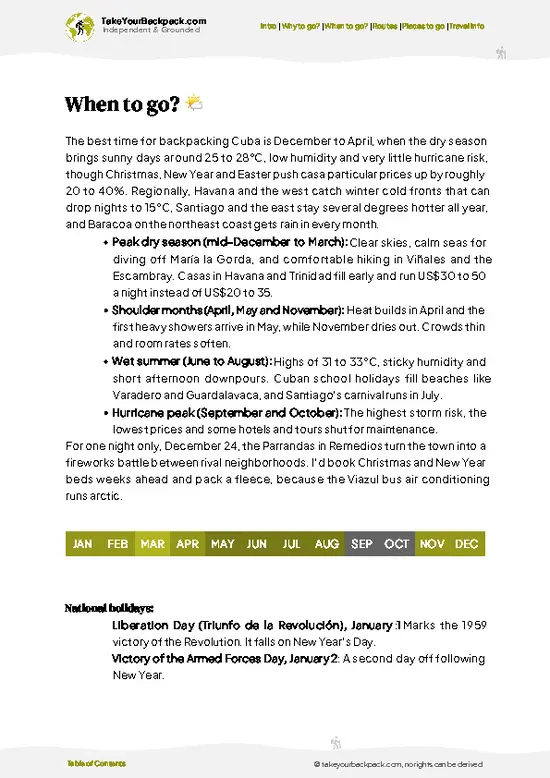
🌤️ When to go?Best time to visit San Antonio de los Baños


  • Topic: Weather and Temperature — The dry season from November to April offers cooler, more comfortable days around 22-26°C (72-79°F), perfect for wandering without sweating through your shirt. The wet season, May to October, brings heavy rains and humidity pushing 28-32°C (82-90°F), which can turn exploring into a soggy slog.

  • Topic: Daylight Hours — Longer days in spring and early summer mean more time to soak in the town’s colorful streets and vibrant local life. Around 12 to 13 hours of daylight give you a generous window for hikes and café stops before dusk.

  • Topic: Crowds — Peak tourist season overlaps with the dry months, especially December and March, when Havana’s overflow nudges visitors into San Antonio de los Baños. Visiting just before or after this rush means quieter streets
read more 👉

  • Topic: Weather and Temperature — The dry season from November to April offers cooler, more comfortable days around 22-26°C (72-79°F), perfect for wandering without sweating through your shirt. The wet season, May to October, brings heavy rains and humidity pushing 28-32°C (82-90°F), which can turn exploring into a soggy slog.

  • Topic: Daylight Hours — Longer days in spring and early summer mean more time to soak in the town’s colorful streets and vibrant local life. Around 12 to 13 hours of daylight give you a generous window for hikes and café stops before dusk.

  • Topic: Crowds — Peak tourist season overlaps with the dry months, especially December and March, when Havana’s overflow nudges visitors into San Antonio de los Baños. Visiting just before or after this rush means quieter streets and a more authentic vibe.

  • Topic: Seasonal Activities — The International Festival of New Latin American Cinema in December draws cinephiles, adding buzz and cultural depth. Outside this, the town’s laid-back rhythm lets you savor local art and music without the festival frenzy.

  • Topic: Price Fluctuations — Accommodation and transport costs spike during the dry season and festival time. Booking in shoulder months like November or April can save you pesos without sacrificing the pleasant weather.


Pro-tip: Aim for late November or early April—cool, dry, and just shy of the crowds—so you get the best light, the freshest air, and a town that feels like it’s yours to discover.


source: climatestotravel.comJANJanuary: highly recommended for travelingFEBFebruary: highly recommended for travelingMARMarch: good for travelingAPRApril: highly recommended for travelingMAYMay: fair for travelingJUNJune: fair for travelingJULJuly: fair for travelingAUGAugust: fair for travelingSEPSeptember: fair for travelingOCTOctober: fair for travelingNOVNovember: highly recommended for travelingDECDecember: good for traveling
when-to-go

✈️ The backpacker research shortcutCuba Travel Guide

An offline-friendly backpacking guide with optimized travel routes, ranked highlights, transport advice, and the best areas to stay.
example page 0 from our offline Travel Guide for Cuba
example page 1 from our offline Travel Guide for Cuba
example page 2 from our offline Travel Guide for Cuba
example page 3 from our offline Travel Guide for Cuba
example page 4 from our offline Travel Guide for Cuba
example page 5 from our offline Travel Guide for Cuba
example page 6 from our offline Travel Guide for Cuba
example page 7 from our offline Travel Guide for Cuba
The digital guide (450 pages) contains:
121 highlights, ranked by travel appeal
Optimized 5, 10 & 15-day travel routes
Cities, national parks, landmarks, beaches
How to get around
Offline-friendly for travel without Wi-Fi
👉 Click to see all 30+ guide features

📅 Plan smarter in minutes, not weeks
Month by month travel advice
Festivals & national holidays
Budget expectations

🗺️ Go to the right places, skip the overrated ones
Honest pros & cons of destinations
Top hikes, parks & viewpoints
Lesser-known places most travelers miss
Clear “worth it vs skip it” guidance

🛏️ Travel smoothly without rookie mistakes
Best areas to stay
Transport systems explained simply
Common scams & safety advice
SIM cards, money & practical tips

🌍 Understand the country, not just visit it
Culture & traditions
52 Essential phrases & customs
Festivals worth planning around
Traveler-friendly historical context
Insights that make places more meaningful

📱 Built for real travel conditions
Fully downloadable PDF
Works completely offline
Optimized for phone use
Useful in remote areas & buses
Everything in one place
Save weeks of stressful planning
Get instant access to your full guide. 30‑day money-back guarantee.
+ Add another guide for just US$7.80

By proceeding you agree to our terms.
Sent to your inbox immediately after payment • 100% Secure Checkout
Best Backpacking Travel Advisor 2025 tourism awardBest Backpacking
Travel Advisor
2025
What others say about Take Your Backpack Guides:
⭐⭐⭐⭐⭐
Fantastic, amazing amount of information!
⭐⭐⭐⭐⭐
My goodness this is amazing, it's what I've been looking for hats off too you!
⭐⭐⭐⭐⭐
I think this is absolutely BRILLIANT
⭐⭐⭐⭐
Very complete and informative. It's still missing places, but I gotta to commend you
⭐⭐⭐⭐⭐
This is truly amazing, thank you, can't wait to explore it with my kids!
⭐⭐⭐⭐⭐
Awesome resource, thank you!
⭐⭐⭐⭐⭐
This is amazing! Can't wait to explore the ones I haven't seen
⭐⭐⭐⭐
I love this! Well done, great idea.
⭐⭐⭐⭐⭐
Thanks for taking the time to make this gem!
⭐⭐⭐⭐⭐
This might be the best website I've ever seen.
⭐⭐⭐⭐⭐
Congratulations, and thank you so much for your work; it's incredibly valuable.
⭐⭐⭐⭐
In all seriousness I think you did a great job pointing out the important spots
⭐⭐⭐⭐⭐
10/10 very good
⭐⭐⭐⭐⭐
As someone who's only just starting to visit regularly this is awesome, thank you.
⭐⭐⭐⭐
Thank you very much! I'm going to visit my dad, it's going to be very useful!
⭐⭐⭐⭐⭐
This is really cool! We'll be travelling for the first time and this definitely come in handy.
⭐⭐⭐⭐⭐
You are now our minister of culture, congratulations 👨‍💼
⭐⭐⭐⭐⭐
Just wanted to tell you that this is a pearl! Going to follow your recommendations.
⭐⭐⭐⭐⭐
This is so cool. I'll definitely be using the resource for my travels soon.
⭐⭐⭐⭐⭐
This is very impressive! Good work.
⭐⭐⭐⭐⭐
This is an amazing and informative site. Very well done!

🛏️ Where to stay?Choosing the right base

San Antonio de los Baños is small but layered, and where you land shapes your whole experience. The heart of the town, around the central plaza, is where backpackers want to be. It’s safe, lively, and the streets hum with local chatter and the occasional guitar strum spilling from open windows. This area offers the best chance to meet other travelers and locals alike, with several casas particulares doubling as informal hostels. The vibe here is relaxed but social—think evening domino games on the sidewalk and the scent of frying plantains drifting through the air.

Venture a bit beyond the plaza, … read more 👉
San Antonio de los Baños is small but layered, and where you land shapes your whole experience. The heart of the town, around the central plaza, is where backpackers want to be. It’s safe, lively, and the streets hum with local chatter and the occasional guitar strum spilling from open windows. This area offers the best chance to meet other travelers and locals alike, with several casas particulares doubling as informal hostels. The vibe here is relaxed but social—think evening domino games on the sidewalk and the scent of frying plantains drifting through the air.

Venture a bit beyond the plaza, and the rhythm slows. Neighborhoods to the east and south are quieter, more residential, with fewer options for social stays and less foot traffic after dark. For a solo backpacker, sticking close to the central hub means you’re never far from a friendly face or a spontaneous invite. It’s the difference between wandering a town and becoming part of its pulse.

🚌 Getting aroundTransportation options and practical tips

San Antonio de los Baños moves at its own rhythm—less clockwork, more pulse. The town’s heartbeat is a mix of slow mornings where the scent of roasting coffee drifts through the air and bursts of energy as locals converge around the central plaza. It’s not a place where buses run like clockwork, nor where taxis line up in neat rows. Instead, you’ll find a blend of informal stops, shared rides, and a walking pace that lets you soak in the peeling paint on colonial walls and the chatter spilling from street corners. This is a town where intuition beats schedules, but knowing the flow means you can glide through it like a local, not a lost tourist.


  • Walking: The best way to absorb the town’s character. Streets are compact and mostly flat, so you can cover the main sights and markets on foot
read more 👉
San Antonio de los Baños moves at its own rhythm—less clockwork, more pulse. The town’s heartbeat is a mix of slow mornings where the scent of roasting coffee drifts through the air and bursts of energy as locals converge around the central plaza. It’s not a place where buses run like clockwork, nor where taxis line up in neat rows. Instead, you’ll find a blend of informal stops, shared rides, and a walking pace that lets you soak in the peeling paint on colonial walls and the chatter spilling from street corners. This is a town where intuition beats schedules, but knowing the flow means you can glide through it like a local, not a lost tourist.


  • Walking: The best way to absorb the town’s character. Streets are compact and mostly flat, so you can cover the main sights and markets on foot in under an hour. No cost, just wear sturdy shoes to handle uneven sidewalks and occasional potholes.

  • Shared Taxis (Colectivos): These are informal, often minivan-style rides that run along fixed routes but leave only when full. Expect to pay a few Cuban pesos, with rides starting early morning and tapering off by early evening. They’re faster than walking but can be cramped and unpredictable.

  • Local Buses: Sparse and irregular, buses here are a budget option if you’re patient. They typically run from dawn until early evening, costing less than a peso. Don’t expect comfort or strict schedules—think of them as a slow-moving, social experience.

  • Private Taxis: More expensive but flexible, these can be flagged down or booked through your accommodation. Prices vary, so negotiate upfront. Ideal for early departures or late returns when other options dry up.

👛 Costs (as of 4 September 2026)How expensive it really is

Backpacking through San Antonio de los Baños, Cuba, means stepping into a town where the pace is unhurried, the air carries a faint mix of sea breeze and tobacco fields, and your budget stretches further than you might expect. Here’s what your daily costs will look like if you’re traveling independently and keeping things real.
  • Dorm Accommodation: Expect to pay around $10 to $15 USD per night for a spot in a local casa particular dorm or a budget guesthouse. These places often feel more like staying with a family than a hostel, with basic but clean rooms and a chance to soak in local life.
  • Meals: Meals can be surprisingly affordable. A simple breakfast or lunch from a paladar (private eatery) will run you about $3 to $5 USD. Dinner, especially if you go for a bit more variety or seafood,
read more 👉
Backpacking through San Antonio de los Baños, Cuba, means stepping into a town where the pace is unhurried, the air carries a faint mix of sea breeze and tobacco fields, and your budget stretches further than you might expect. Here’s what your daily costs will look like if you’re traveling independently and keeping things real.
  • Dorm Accommodation: Expect to pay around $10 to $15 USD per night for a spot in a local casa particular dorm or a budget guesthouse. These places often feel more like staying with a family than a hostel, with basic but clean rooms and a chance to soak in local life.
  • Meals: Meals can be surprisingly affordable. A simple breakfast or lunch from a paladar (private eatery) will run you about $3 to $5 USD. Dinner, especially if you go for a bit more variety or seafood, might push closer to $7 to $10 USD. Street food and local markets offer even cheaper options if you’re willing to explore.
  • Local Transport: Getting around town is straightforward and cheap. A local bus or shared taxi ride typically costs under $1 USD. For short distances, you might even walk, which lets you catch the town’s laid-back vibe and colorful street scenes.
  • Basic Activities/Entry Fees: San Antonio de los Baños isn’t packed with pricey tourist traps. Entry fees to local museums or cultural spots hover around $2 to $5 USD. If you’re into art, the town’s small galleries and studios offer affordable ways to connect with Cuban creativity.
  • Miscellaneous Expenses: Think small extras like bottled water, snacks, or a local coffee—budget about $2 to $4 USD daily. Internet access can be patchy and often requires buying prepaid cards, which might cost around $1.50 to $3 USD per hour.

All told, you’re looking at roughly $20 to $35 USD per day to cover the essentials without cutting corners. This range lets you enjoy the town’s slow charm without feeling pinched. The key is embracing the local rhythm—walking instead of hailing taxis, eating where the locals do, and savoring the simple pleasures that make San Antonio de los Baños quietly memorable.


source: cubatravel.cu
⚠️ Prices can change and everyone travels differently, so take this as a rough guide. Hope it helps you plan your adventure!

🚌 Day tripsWhere to go beyond the main area

San Antonio de los Baños is a fantastic launchpad for exploring the vibrant heart of Cuba. With its local charm and easy access to stunning landscapes, you can dive into authentic experiences without the tourist crowds.

Viñales Valley
Just a couple of hours away, Viñales is a lush paradise of tobacco fields and limestone mogotes. The bus ride is scenic, with rolling hills and the scent of fresh earth filling the air. Spend your day hiking through the valley or visiting a tobacco farm to see how the famous Cuban cigars are made. The best time to go is during the dry season, from November to April, when the weather is perfect for wandering. A round trip will cost around $10, but don’t forget to pack snacks; the local eateries can be pricey. First-timers often underestimate the time needed … read more 👉
San Antonio de los Baños is a fantastic launchpad for exploring the vibrant heart of Cuba. With its local charm and easy access to stunning landscapes, you can dive into authentic experiences without the tourist crowds.

Viñales Valley
Just a couple of hours away, Viñales is a lush paradise of tobacco fields and limestone mogotes. The bus ride is scenic, with rolling hills and the scent of fresh earth filling the air. Spend your day hiking through the valley or visiting a tobacco farm to see how the famous Cuban cigars are made. The best time to go is during the dry season, from November to April, when the weather is perfect for wandering. A round trip will cost around $10, but don’t forget to pack snacks; the local eateries can be pricey. First-timers often underestimate the time needed for hiking, so start early to soak it all in.
👉 Explore Viñales Valley

Havana
A mere 30-minute drive brings you to the vibrant streets of Havana. The energy is palpable, with classic cars rumbling by and the aroma of street food wafting through the air. Spend your day exploring Old Havana’s cobblestone streets, visiting museums, or simply enjoying a mojito at a local bar. Public transport is cheap, but a taxi will run you about $25 round trip. Aim for a weekday to avoid the weekend crowds, and don’t miss the sunset at Malecón. Many first-timers stick to the tourist spots; venture into the neighborhoods for a more authentic experience.
👉 Explore Havana

Las Terrazas
This eco-village is about an hour from San Antonio and offers a refreshing escape into nature. You can hike through the lush forests or swim in the natural pools. The area is rich in biodiversity, and the scent of pine trees is invigorating. Entry is usually free, but bring a few pesos for snacks or a local guide. The best time to visit is in the morning when the trails are less crowded. A common mistake is underestimating the terrain; wear sturdy shoes to navigate the trails comfortably.
👉 Explore Las Terrazas

Santa María del Mar
If you crave sun and sand, head to Santa María del Mar, just an hour away. The beach is a slice of paradise with soft white sand and turquoise waters. Pack a picnic and enjoy a day of swimming or sunbathing. The bus fare is around $5, making it an affordable getaway. Weekdays are best for fewer crowds, and don’t forget sunscreen; the sun can be relentless. First-timers often forget to bring cash for beachside vendors, so stock up before you go.
Want to know what more Cuba offers?
The Cuba Travel Guide describes 121 highlights, from cities to national parks, from beaches to hikes

Get the Travel Guide -

🛡️ SafetyScams, Hazards, and Annoyances

San Antonio de los Baños is generally safe, but like any place, a little awareness goes a long way. Stick to well-lit areas at night, especially if you’re solo. The main square is lively, but avoid wandering too far into quieter streets after dark.

Watch for friendly locals who might offer unsolicited help; they could be looking for a tip. A common annoyance is the occasional overzealous vendor—politely decline and keep moving. Carry small bills for purchases to avoid awkward change situations. Trust your instincts; if something feels off, it probably is. Enjoy the vibrant atmosphere, but stay grounded in your surroundings.

FAQFrequently asked questions about San Antonio de los Baños

San Antonio de los Baños is worth visiting for those interested in Cuban culture and art, especially its famous film school and vibrant local art scene. It offers a more authentic, less touristy experience compared to Havana, making it more than just a stopover.
Two days are sufficient to explore San Antonio de los Baños, allowing time to visit the International School of Film and Television, local galleries, and enjoy the town's relaxed atmosphere. This duration lets you experience the cultural highlights without rushing.
Yes, San Antonio de los Baños can be visited as a day trip from Havana, which is about 30 kilometers away. The trip takes roughly 45 minutes by car or bus, making it feasible to explore the town's main attractions within a day.
⚠️ Things can change over time, so always validate details locally before you go.

Other Cuban towns near San Antonio de los Baños

Explore more nearby:

  • Bauta—road junction, local crafts, small plazas| 11 km away
  • Bejucal—rail terminus, festival roots, suburban sprawl| 12 km away
  • Alquízar—fruit markets, rural crossroads, low hills| 13 km away

💡 Not sure where to go next?
Create a personalized itinerary for Cuba including San Antonio de los Baños and the places that fit your trip.

Generate my itinerary

👉 Discover all towns

Or checkout all Cuba has to offer (think cities, towns, villages, national parks, hikes, beaches, festivals)
Country photo of Cuba

We 💚 feedbackIs it worth it?

San Antonio de los Baños is a vibrant slice of Cuban life, where the scent of fresh bread mingles with the sound of laughter in the streets. But be ready for the heat—it’s intense and can drain your energy. Embrace the sweat; it’s part of the experience. The payoff? Authentic connections that linger long after you leave.

✈️ When did I visit Cuba?
As part of my 1.5 year travel around the world trip, I visited Cuba for 6 weeks in February, March 2016, being extremely lucky that that coincided with the free concert of The Rolling Stones.

✍️ Help improve this page!
The information on this page is based on my own backpacking experience in Cuba, supplemented with up-to-date research and feedback from other travelers. Travel details can change, so if you notice anything outdated or incomplete, feel free to let me know.


🙋‍♂️ Give feedback

👋 Meet the founderWho’s Behind Take Your Backpack?

Johan, backpacker and founder of TakeYourBackpackHi, I’m Johan (Netherlands 🇳🇱), the creator of TakeYourBackpack. Over the past decade, I’ve backpacked through 80+ countries across six continents, gaining extensive experience with independent travel, long-term trips, and overland routes.

This site is built on a combination of firsthand travel experience and carefully curated insights from other backpackers. Many guides are based on places I’ve personally visited, while others bring together tips, observations, and practical advice shared by trusted travelers I’ve met along the way.

The goal is to provide realistic, experience-driven guidance — not generic itineraries — so you can explore destinations with better context, clearer expectations, and more confidence.

Get full Cuba guide •
Instant download • 121 highlights • Full Offline guide