×

Curaçao🇨🇼 | attractionsKura Hulanda Museumtransatlantic slave trade, African artifacts, colonial history | things to do and best time to go

Explore WestpuntExplore Mikvé Israel-Emanuel Synagogue & Jewish Cultural Historical Muse

Backpacking in Kura Hulanda Museum
🏆 Top pickattraction ranked #1
By Johan Kruseman 🇳🇱 | Updated September 4, 2026

Here’s what nobody tells you until you’re sweating in Willemstad’s midday sun: Kura Hulanda Museum is one of the rare spots in Curaçao where you can actually escape the heat and the cruise ship crowds—without sacrificing substance. Tucked at the edge of the Otrobanda district, just a short walk from the Queen Emma Bridge, this museum isn’t some sanitized, airbrushed version of Caribbean history. It’s raw, sometimes uncomfortable, and absolutely essential. Backpackers used to breezy beaches and pastel facades will get a gut-punch of reality here: Kura Hulanda dives headfirst into the brutal history of the transatlantic slave trade, with artifacts and stories that stick with you long after you leave. The entry fee isn’t pocket change, but you’re paying for depth, not just display cases. It’s quieter than the island’s headline beaches, but the emotional weight is heavier. If you want a museum that challenges you, not just entertains, this is Curaçao’s real masterpiece.

Discover everything you want to know in the 📖 Curaçao Travel Guide.


Get your Curaçao guide
40 ranked highlights, routes & tips, works offline (158 pages)
Loading the map 🌍
CLICK TO FILTER
cities
towns
villages
landmarks
national parks
hikes
beaches
attractions
festivals
regions
SHOW COUNTRY’S BESTSHOW ALL

✨ Why go?
Ranked #1 attraction in Curaçao
What sets this place apart

The Kura Hulanda Museum in Curaçao isn’t just another stop on the tourist checklist—it’s a raw, unfiltered dive into the brutal history of the transatlantic slave trade. Forget the postcard-perfect beaches for a moment. This place hits hard because it confronts you with the real story behind the island’s wealth and culture. It’s not about pretty displays; it’s about the weight of history, told through artifacts, reconstructed slave quarters, and deeply personal narratives that refuse to let you look away.

Backpackers who make time here aren’t just ticking a box—they’re marking a milestone in understanding Curaçao beyond the surface. The museum’s location in a restored colonial neighborhood adds layers to the experience, showing how history bleeds into the present. Yes, it can get busy, especially … read more 👉
The Kura Hulanda Museum in Curaçao isn’t just another stop on the tourist checklist—it’s a raw, unfiltered dive into the brutal history of the transatlantic slave trade. Forget the postcard-perfect beaches for a moment. This place hits hard because it confronts you with the real story behind the island’s wealth and culture. It’s not about pretty displays; it’s about the weight of history, told through artifacts, reconstructed slave quarters, and deeply personal narratives that refuse to let you look away.

Backpackers who make time here aren’t just ticking a box—they’re marking a milestone in understanding Curaçao beyond the surface. The museum’s location in a restored colonial neighborhood adds layers to the experience, showing how history bleeds into the present. Yes, it can get busy, especially during peak hours, and the entrance fee isn’t dirt cheap, but the payoff is massive. You walk away with a perspective that no beach or bar can offer.

If you’re serious about grasping the island’s soul, the Kura Hulanda Museum is non-negotiable. It’s a cultural anchor that transforms your trip from a vacation into a meaningful journey.
Want to include Kura Hulanda Museum in your Curaçao route?
Create a personalized Curaçao itinerary that includes Kura Hulanda Museum and the places that fit your trip — based on your travel style, budget, and available time. Get your route in seconds.

Generate my trip

💡 HighlightsDon't-miss highlights and experiences

The Slave Trade Galleries
Let’s rip off the Instagram filter: Kura Hulanda isn’t a “pretty” museum. It’s a gut punch. The Slave Trade Galleries are the reason you come. This is one of the most unflinching, detailed exhibitions on the trans-Atlantic slave trade in the Caribbean. You’ll see shackles, branding irons, and auction posters—real artifacts, not replicas. The rooms are small and claustrophobic by design, echoing the holds of slave ships. It’s not comfortable, but it’s honest. If you want to understand Curaçao beyond the pastel facades, start here. You’ll leave with your worldview rattled, and that’s the point.


The Life-Size Slave Ship Replica
Forget the glossy travel brochures. Here, you can actually step inside a full-scale replica of a slave ship hold. It’s dark, cramped, and intentionally … read more 👉
The Slave Trade Galleries
Let’s rip off the Instagram filter: Kura Hulanda isn’t a “pretty” museum. It’s a gut punch. The Slave Trade Galleries are the reason you come. This is one of the most unflinching, detailed exhibitions on the trans-Atlantic slave trade in the Caribbean. You’ll see shackles, branding irons, and auction posters—real artifacts, not replicas. The rooms are small and claustrophobic by design, echoing the holds of slave ships. It’s not comfortable, but it’s honest. If you want to understand Curaçao beyond the pastel facades, start here. You’ll leave with your worldview rattled, and that’s the point.


The Life-Size Slave Ship Replica
Forget the glossy travel brochures. Here, you can actually step inside a full-scale replica of a slave ship hold. It’s dark, cramped, and intentionally suffocating. This isn’t a photo op; it’s a confrontation with history. The museum doesn’t sugarcoat the conditions—there’s no soft lighting or background music. You’ll feel the weight of bodies packed shoulder to shoulder, the air thick with imagined fear and sweat. It’s immersive in the most sobering way possible, and it’s the kind of experience that sticks with you long after you’ve left the island.


African Art and Artifacts Collection
This isn’t just a museum about suffering. The African Art and Artifacts Collection is a celebration of resilience and creativity. You’ll find masks, statues, textiles, and ceremonial objects from dozens of West African cultures. These aren’t dusty relics—they’re vibrant, defiant, and full of personality. The collection connects the dots between African heritage and Caribbean identity, showing how enslaved people brought their cultures with them and reshaped the island’s soul. It’s a reminder that history isn’t just about what was lost, but also what survived.


The Courtyard and Sculpture Garden
You’ll need a breather after the intensity inside. The museum’s courtyard is a patchwork of sculptures, mosaics, and shady trees. It’s not manicured or Instagram-perfect, but it’s alive with local color and conversation. This is where you’ll overhear guides swapping stories, kids darting between statues, and artists sketching in the corners. It’s a living space, not a sterile monument. Grab a seat, let the breeze cut through the Caribbean heat, and process what you’ve just seen. Sometimes the most powerful moments happen outside the galleries.


The Curaçaoan History Exhibits
Kura Hulanda doesn’t stop at slavery. The Curaçaoan History Exhibits dive into the island’s multicultural stew—Jewish, Dutch, African, and indigenous influences all tangled together. You’ll see colonial maps, antique coins, and everyday objects that tell the story of survival and adaptation. It’s messy, complicated, and refreshingly honest about the island’s contradictions. No sanitized narratives here—just the real, raw evolution of Curaçao, told through the things people actually used and cherished.
Spotted a mistake or missing something? Contact us.

Things to do around Kura Hulanda Museum

Ratings based on Tripadvisor reviews. When you book through this link, you support our work at no extra cost to you.

🌤️ When to go?Choosing the right time of year


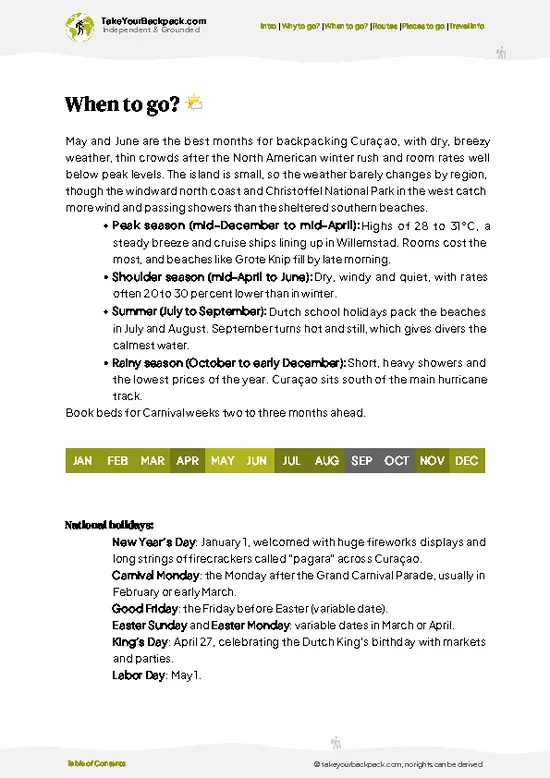
  • Weather: Curaçao bakes in tropical heat year-round, but the dry season from January to September offers less humidity and almost no rain, making it the best window to explore the Kura Hulanda Museum without weather interruptions.

  • Temperature: Expect steady warmth between 27°C and 31°C (80°F to 88°F) throughout the year. Even in the ”cooler” months of December and January, the temperature rarely dips below 26°C (79°F), so pack light but bring sun protection.

  • Daylight Hours: Daylight is fairly consistent, with roughly 11 to 12 hours of sun daily. This means you can comfortably plan a morning or afternoon visit without rushing, regardless of the month.

  • Crowds: Peak tourist season hits from mid-December through April, coinciding with North American and European winter breaks. The museum
read more 👉

  • Weather: Curaçao bakes in tropical heat year-round, but the dry season from January to September offers less humidity and almost no rain, making it the best window to explore the Kura Hulanda Museum without weather interruptions.

  • Temperature: Expect steady warmth between 27°C and 31°C (80°F to 88°F) throughout the year. Even in the ”cooler” months of December and January, the temperature rarely dips below 26°C (79°F), so pack light but bring sun protection.

  • Daylight Hours: Daylight is fairly consistent, with roughly 11 to 12 hours of sun daily. This means you can comfortably plan a morning or afternoon visit without rushing, regardless of the month.

  • Crowds: Peak tourist season hits from mid-December through April, coinciding with North American and European winter breaks. The museum gets noticeably busier, which can dilute the intimate, reflective experience the place deserves.

  • Seasonal Activities: The museum itself doesn’t host many seasonal events, but nearby cultural festivals like the Curaçao Carnival in February add a vibrant local context if you time your visit right.

  • Price Fluctuations: Accommodation and flights spike during the dry season and holidays, especially December to April. Visiting in the shoulder months of May or October can save you money without sacrificing the quality of your museum experience.


Pro-tip: Aim for late April or early May—fewer crowds, manageable heat, and better prices—so you can soak in the museum’s powerful stories without the tourist noise.


source: climatestotravel.comJANJanuary: good for travelingFEBFebruary: good for travelingMARMarch: good for travelingAPRApril: highly recommended for travelingMAYMay: highly recommended for travelingJUNJune: excellent for travelingJULJuly: excellent for travelingAUGAugust: excellent for travelingSEPSeptember: excellent for travelingOCTOctober: highly recommended for travelingNOVNovember: highly recommended for travelingDECDecember: good for traveling
curacao-attraction-kura-hulanda-museum v1
© Google |

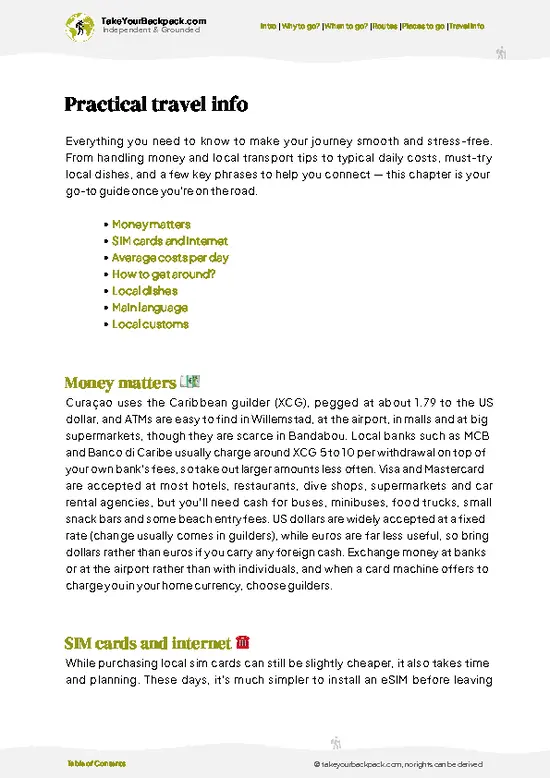
✈️ The backpacker research shortcutCuraçao Travel Guide

An offline-friendly backpacking guide with optimized travel routes, ranked highlights, transport advice, and the best areas to stay.
example page 0 from our offline Travel Guide for Curaçao
example page 1 from our offline Travel Guide for Curaçao
example page 2 from our offline Travel Guide for Curaçao
example page 3 from our offline Travel Guide for Curaçao
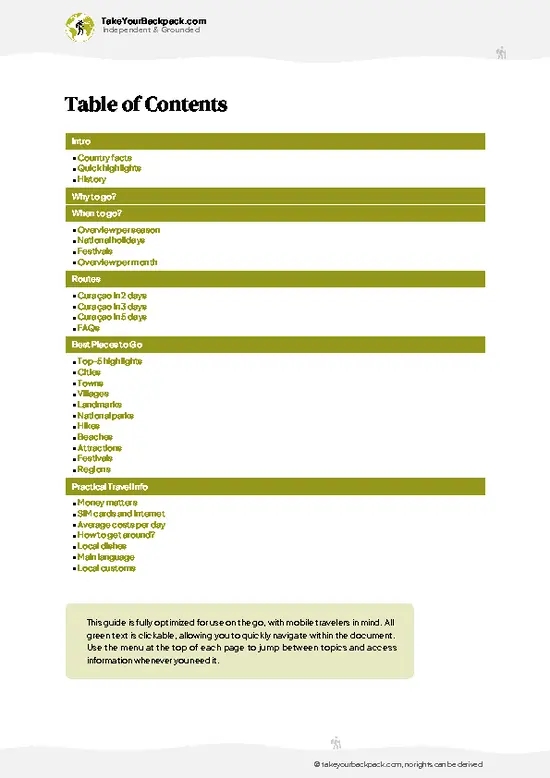
example page 4 from our offline Travel Guide for Curaçao
example page 5 from our offline Travel Guide for Curaçao
example page 6 from our offline Travel Guide for Curaçao
example page 7 from our offline Travel Guide for Curaçao
The digital guide (158 pages) contains:
40 highlights, ranked by travel appeal
Optimized 2, 3 & 5-day travel routes
Cities, national parks, landmarks, beaches
How to get around
Offline-friendly for travel without Wi-Fi
👉 Click to see all 30+ guide features

📅 Plan smarter in minutes, not weeks
Month by month travel advice
Festivals & national holidays
Budget expectations

🗺️ Go to the right places, skip the overrated ones
Honest pros & cons of destinations
Top hikes, parks & viewpoints
Lesser-known places most travelers miss
Clear “worth it vs skip it” guidance

🛏️ Travel smoothly without rookie mistakes
Best areas to stay
Transport systems explained simply
Common scams & safety advice
SIM cards, money & practical tips

🌍 Understand the country, not just visit it
Culture & traditions
52 Essential phrases & customs
Festivals worth planning around
Traveler-friendly historical context
Insights that make places more meaningful

📱 Built for real travel conditions
Fully downloadable PDF
Works completely offline
Optimized for phone use
Useful in remote areas & buses
Everything in one place
Save weeks of stressful planning
Get instant access to your full guide. 30‑day money-back guarantee.
+ Add another guide for just US$7.80

By proceeding you agree to our terms.
Sent to your inbox immediately after payment • 100% Secure Checkout
Best Backpacking Travel Advisor 2025 tourism awardBest Backpacking
Travel Advisor
2025
What others say about Take Your Backpack Guides:
⭐⭐⭐⭐⭐
Fantastic, amazing amount of information!
⭐⭐⭐⭐⭐
My goodness this is amazing, it's what I've been looking for hats off too you!
⭐⭐⭐⭐⭐
I think this is absolutely BRILLIANT
⭐⭐⭐⭐
Very complete and informative. It's still missing places, but I gotta to commend you
⭐⭐⭐⭐⭐
This is truly amazing, thank you, can't wait to explore it with my kids!
⭐⭐⭐⭐⭐
Awesome resource, thank you!
⭐⭐⭐⭐⭐
This is amazing! Can't wait to explore the ones I haven't seen
⭐⭐⭐⭐
I love this! Well done, great idea.
⭐⭐⭐⭐⭐
Thanks for taking the time to make this gem!
⭐⭐⭐⭐⭐
This might be the best website I've ever seen.
⭐⭐⭐⭐⭐
Congratulations, and thank you so much for your work; it's incredibly valuable.
⭐⭐⭐⭐
In all seriousness I think you did a great job pointing out the important spots
⭐⭐⭐⭐⭐
10/10 very good
⭐⭐⭐⭐⭐
As someone who's only just starting to visit regularly this is awesome, thank you.
⭐⭐⭐⭐
Thank you very much! I'm going to visit my dad, it's going to be very useful!
⭐⭐⭐⭐⭐
This is really cool! We'll be travelling for the first time and this definitely come in handy.
⭐⭐⭐⭐⭐
You are now our minister of culture, congratulations 👨‍💼
⭐⭐⭐⭐⭐
Just wanted to tell you that this is a pearl! Going to follow your recommendations.
⭐⭐⭐⭐⭐
This is so cool. I'll definitely be using the resource for my travels soon.
⭐⭐⭐⭐⭐
This is very impressive! Good work.
⭐⭐⭐⭐⭐
This is an amazing and informative site. Very well done!

🛏️ Where to stay?Choosing the right base

If you’re backpacking to see the Kura Hulanda Museum in Curaçao, brace yourself: the area around it isn’t a secret hideaway. It’s part of Willemstad’s historic district, which means tourists swarm here, especially during peak season. The charm comes with a price—expect crowds and a bit of noise. But that’s the reality, not the sanitized Instagram version.

Now, here’s the real deal. Staying close to the museum means you’re in the heart of Pietermaai and Otrobanda neighborhoods. These areas are where the island’s soul pulses strongest. Otrobanda, just across the Queen Emma Bridge, is gritty but … read more 👉
If you’re backpacking to see the Kura Hulanda Museum in Curaçao, brace yourself: the area around it isn’t a secret hideaway. It’s part of Willemstad’s historic district, which means tourists swarm here, especially during peak season. The charm comes with a price—expect crowds and a bit of noise. But that’s the reality, not the sanitized Instagram version.

Now, here’s the real deal. Staying close to the museum means you’re in the heart of Pietermaai and Otrobanda neighborhoods. These areas are where the island’s soul pulses strongest. Otrobanda, just across the Queen Emma Bridge, is gritty but safe enough if you stick to the main streets and well-lit areas. It’s a magnet for solo travelers and budget backpackers because it’s lively without the polished tourist bubble. You’ll find local bars where the music is raw and the drinks affordable, plus street food that’s honest and flavorful.

Pietermaai, a bit more polished but still accessible, offers a social vibe with a mix of locals and travelers. It’s where you can meet other backpackers without feeling like you’re in a tourist trap. Both neighborhoods give you quick access to the museum and the waterfront, so you’re never far from the action or a quiet spot to recharge.

Bottom line: skip the sanitized resorts. Stay where the island’s real stories unfold—close enough to the museum to soak in history, but far enough into the neighborhoods to catch the authentic Curaçao beat.

👛 Costs (as of 4 September 2026)How expensive it really is

As of the most recent estimates, the Kura Hulanda Museum in Curaçao charges an entrance fee of €10 to €12 for adults, with potential additional costs for guided tours.

source: kurahulandavillage.com
⚠️ Prices can change and everyone travels differently, so take this as a rough guide. Hope it helps you plan your adventure!

FAQFrequently asked questions about Kura Hulanda Museum

Plan to spend about 1.5 to 2 hours visiting Kura Hulanda Museum to fully explore its exhibits on the transatlantic slave trade and African heritage. This allows time to read detailed displays and watch any available multimedia presentations. Guided tours may take slightly longer.
Yes, Kura Hulanda Museum is worth the entrance fee, which is around 10 USD for adults. The museum offers a unique and powerful insight into the history of slavery and African culture in Curaçao, making it a meaningful and educational experience.
You can get to Kura Hulanda Museum by taxi or on foot if staying nearby in Willemstad. It is located in the historic district of Otrobanda, about 2 kilometers from the city center, making it accessible within a 20-30 minute walk from Punda.
⚠️ Things can change over time, so always validate details locally before you go.

Other Curaçaoan attractions near Kura Hulanda Museum

Explore more nearby:


💡 Not sure where to go next?
Create a personalized itinerary for Curaçao including Kura Hulanda Museum and the places that fit your trip.

Generate my itinerary

👉 Discover all attractions

Or checkout all Curaçao has to offer (think cities, towns, villages, national parks, hikes, beaches, festivals)
Country photo of Curaçao

We 💚 feedbackParting advice and final tips

The Kura Hulanda Museum isn’t your typical tourist stop where you breeze through with a selfie. It’s heavy, raw, and demands your attention—crowds can cluster, especially midday, so go early or late. The real magic is in the stories told through artifacts and personal histories that hit you in the gut. Don’t expect polished gloss; expect honesty. If you’re ready to confront the past and feel the weight of history, this place will stick with you long after you leave. It’s not easy, but it’s necessary.

✍️ Help improve this page!
The information on this page is based on in-depth research, insights shared by experienced travelers, and feedback from the local travel community in Curaçao. While every effort is made to keep the information accurate and current, conditions can change — so if you spot anything incorrect or outdated, please get in touch.


🙋‍♂️ Give feedback

👋 Meet the founderWho’s Behind Take Your Backpack?

Johan, backpacker and founder of TakeYourBackpackHi, I’m Johan (Netherlands 🇳🇱), the creator of TakeYourBackpack. Over the past decade, I’ve backpacked through 80+ countries across six continents, gaining extensive experience with independent travel, long-term trips, and overland routes.

This site is built on a combination of firsthand travel experience and carefully curated insights from other backpackers. Many guides are based on places I’ve personally visited, while others bring together tips, observations, and practical advice shared by trusted travelers I’ve met along the way.

The goal is to provide realistic, experience-driven guidance — not generic itineraries — so you can explore destinations with better context, clearer expectations, and more confidence.

Get full Curaçao guide •
Instant download • 40 highlights • Full Offline guide