v2.webp)
- The Sand Floor of the Sanctuary: The main hall is covered in fine white sand, a tradition tied to the Israelites’ desert wandering and to the muffled prayers of Jews who once worshipped in secret. It feels soft and strangely quiet underfoot.
- The Mahogany Bimah and Ark: The carved wooden reader’s platform and the grand ark are the visual centerpieces, dark and polished against the pale walls.
- The Brass Chandeliers: Four large chandeliers hang from the ceiling, and the candles were historically used for services. They give the room its warm, amber glow.
- The Synagogue Museum: A compact collection of Torah scrolls, silver, textiles and documents that traces Sephardic life on the island. Allow around 30 minutes.
- The Mikvah Ritual Bath: A small historic bath, a reminder of the congregation’s name and
- The Sand Floor of the Sanctuary: The main hall is covered in fine white sand, a tradition tied to the Israelites’ desert wandering and to the muffled prayers of Jews who once worshipped in secret. It feels soft and strangely quiet underfoot.
- The Mahogany Bimah and Ark: The carved wooden reader’s platform and the grand ark are the visual centerpieces, dark and polished against the pale walls.
- The Brass Chandeliers: Four large chandeliers hang from the ceiling, and the candles were historically used for services. They give the room its warm, amber glow.
- The Synagogue Museum: A compact collection of Torah scrolls, silver, textiles and documents that traces Sephardic life on the island. Allow around 30 minutes.
- The Mikvah Ritual Bath: A small historic bath, a reminder of the congregation’s name and daily religious practice.
- The Jewish Cultural Historical Museum Courtyard: A short pause in the shaded outdoor area, where you can read about the community and cool off from the sun.
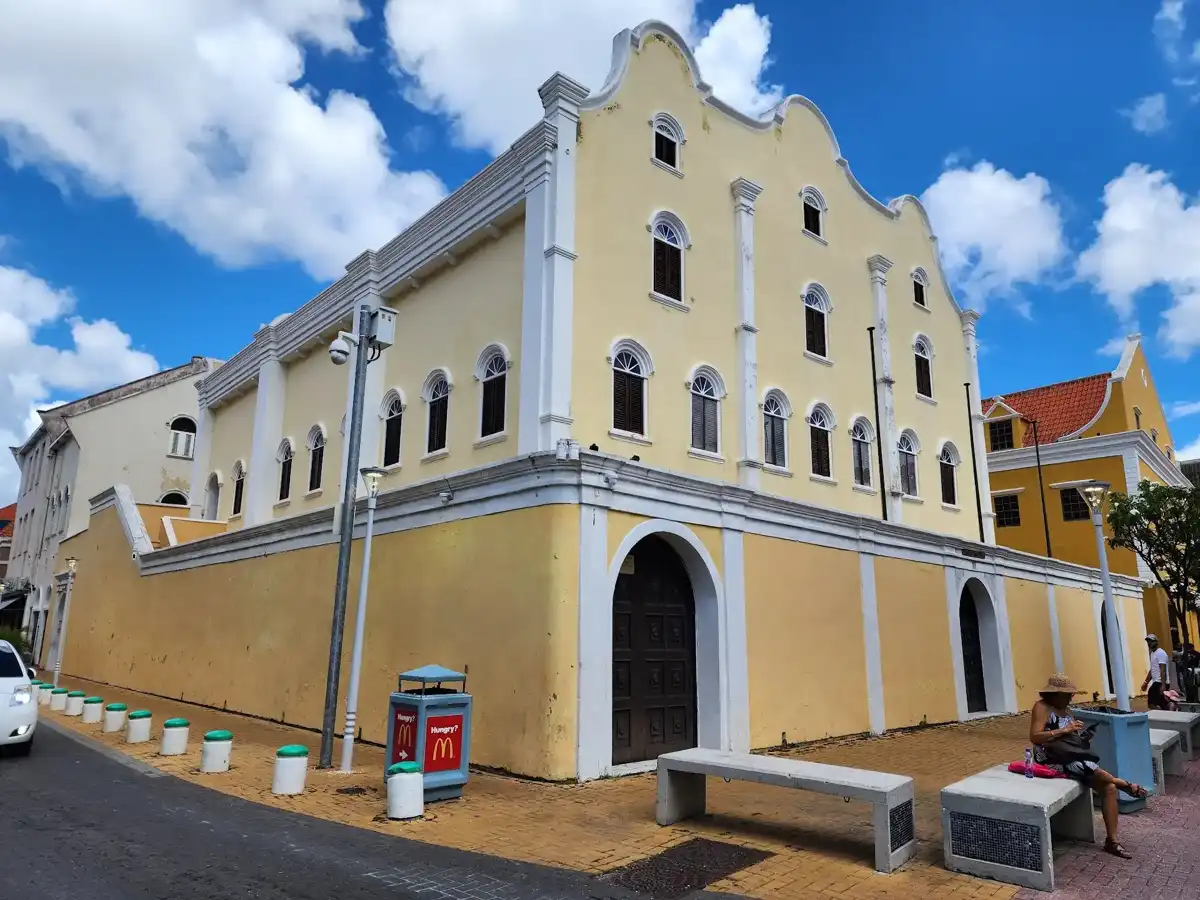
- The Façade and Punda Streetscape: The yellow-toned exterior and its place among Punda’s Dutch colonial buildings make a good photo before you step inside.
Spotted a mistake or missing something? Contact us.

Private and Airport Transfers (Willemstad Area Only) (Roundtrip)

Costumizable East to West Curaçao Island Tour Experience

Colors & Flavors: City, Culture & Authentic Blue Curaçao Tasting

A Taste of Curaçao: City tour, Chobolobo & Mambo Beach Escape

Exclusive 3-Hour Private Tour: Explore Willemstad & surroundings

Ultimate Full-Day Private Tour: Discover all Curacao highlights

Blue Room and Beach Tour Curacao by Speedboat

Willemstad Private Walking Experience - Punda and Otrobanda

Urban Beach Tour in Curacao

 Best Backpacking
.jpg) Hi, I’m Johan (Netherlands 🇳🇱), the creator of TakeYourBackpack. Over the past 3 decades, I’ve backpacked through 90+ countries across six continents, gaining extensive experience with independent travel, long-term trips, and overland routes.
Hi, I’m Johan (Netherlands 🇳🇱), the creator of TakeYourBackpack. Over the past 3 decades, I’ve backpacked through 90+ countries across six continents, gaining extensive experience with independent travel, long-term trips, and overland routes.