×

Curaçao🇨🇼 | landmarksLandhuis ChoboloboDistillery, Curaçao liqueur, plantation house | things to do and best time to go

Explore Hato CavesExplore Mikve Israel-Emanuel Synagogue

Backpacking in Landhuis Chobolobo
🌟 Highlightunique site ranked #4
By Johan Kruseman 🇳🇱 | Updated September 4, 2026

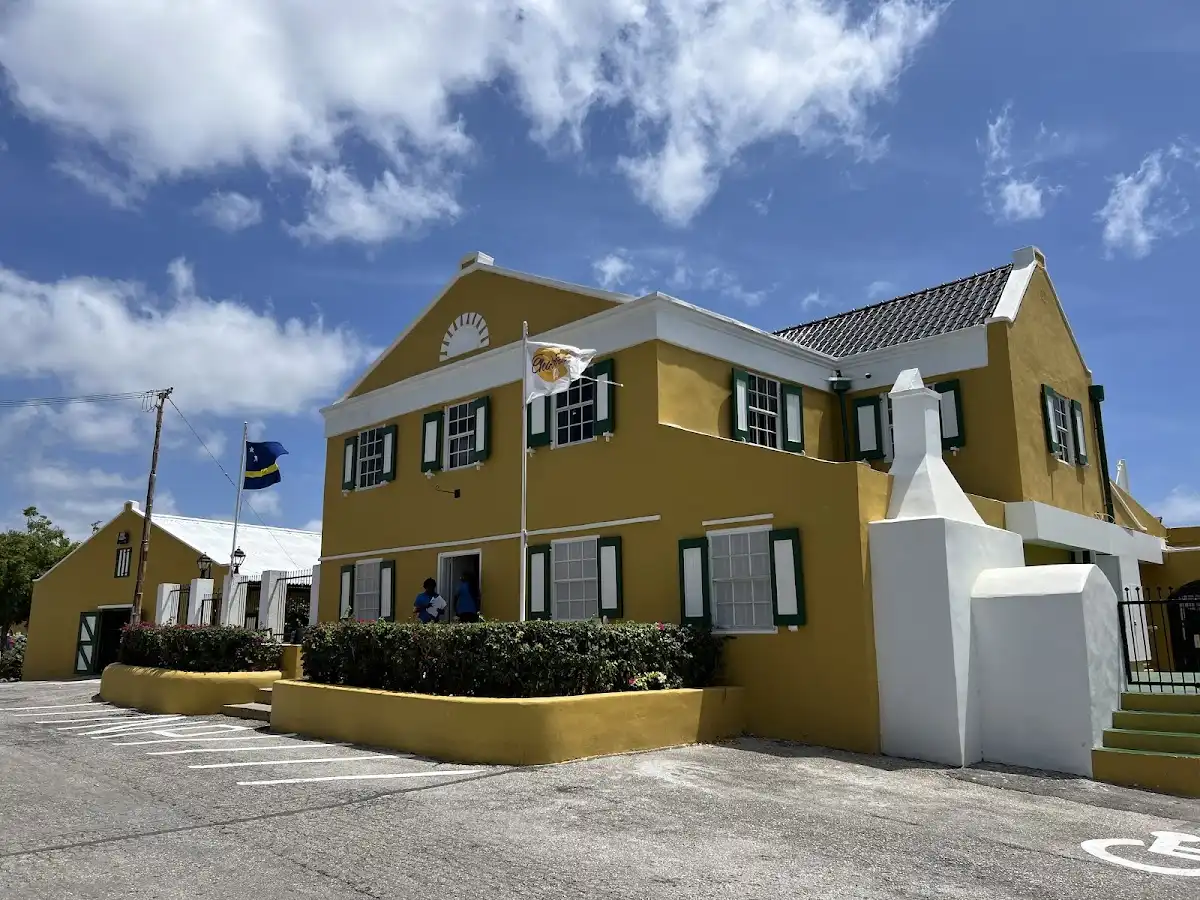
Most people online sell Landhuis Chobolobo as a “quick photo stop for the blue Curaçao bottle,” but the surprise for backpackers is that it’s actually one of the cheapest, easiest ways to get a real crash course in Curaçao’s colonial and industrial history without feeling like you’re on a cruise ship conveyor belt. You’ll find it in Willemstad’s eastern suburbs, in the Salina area, tucked between regular neighborhoods and shopping strips, not some grand hilltop estate. The wow-factor is moderate: it’s more “interesting factory-mansion” than jaw-drop palace, and yes, tour buses do roll in. But entry and tastings are relatively budget-friendly, it’s walkable or a short bus ride from town, and the self-guided bits let you slow down. Photos are solid, not epic, and the vibe is casual, slightly commercial, but still genuinely local at its core.

Discover everything you want to know in the 📖 Curaçao Travel Guide.


Get your Curaçao guide
40 ranked highlights, routes & tips, works offline (158 pages)
Loading the map 🌍
CLICK TO FILTER
cities
towns
villages
landmarks
national parks
hikes
beaches
attractions
festivals
regions
SHOW COUNTRY’S BESTSHOW ALL

✨ Why go?
Ranked #4 unique site in Curaçao
Why visitors keep coming back

Landhuis Chobolobo isn’t just another stop on your Curaçao itinerary; it’s a real slice of history. Yes, you’ll dodge the crowds that flock to the beaches, but that’s part of the charm. This former plantation house is where the famous Blue Curaçao liqueur is made, and trust me, it’s worth your time.

You can take a guided tour for a small fee, which includes tastings. That’s right—tasting! You’ll learn about the distillation process and the island’s history, all while sipping on something delicious.

It’s easily accessible from Willemstad, making it a perfect pit stop if you’re exploring the capital. Pair it with a visit to the floating market or the colorful streets of Punda for a full day of local culture.

Forget the Instagram hype; this place offers a genuine connection to Curaçao’s … read more 👉
Landhuis Chobolobo isn’t just another stop on your Curaçao itinerary; it’s a real slice of history. Yes, you’ll dodge the crowds that flock to the beaches, but that’s part of the charm. This former plantation house is where the famous Blue Curaçao liqueur is made, and trust me, it’s worth your time.

You can take a guided tour for a small fee, which includes tastings. That’s right—tasting! You’ll learn about the distillation process and the island’s history, all while sipping on something delicious.

It’s easily accessible from Willemstad, making it a perfect pit stop if you’re exploring the capital. Pair it with a visit to the floating market or the colorful streets of Punda for a full day of local culture.

Forget the Instagram hype; this place offers a genuine connection to Curaçao’s heritage. It’s low-cost, high-reward, and a refreshing break from the usual tourist traps.
Want to include Landhuis Chobolobo in your Curaçao route?
Create a personalized Curaçao itinerary that includes Landhuis Chobolobo and the places that fit your trip — based on your travel style, budget, and available time. Get your route in seconds.

Generate my trip

💡 HighlightsTop highlights of Landhuis Chobolobo

  • Guided distillery tour and tasting — Walk through the production rooms and watch the basic steps that turn local citrus peels into Curaçao liqueur, then try a lineup of flavors. It’s hands-on enough to demystify how that famous blue syrup is made and worthwhile because the tasting lets you compare old-school and newer expressions side by side.
  • The laraha story — The site explains the island’s peculiar citrus, the laraha, and how an otherwise bitter fruit became a world-famous liqueur. That blend of local botany, colonial history, and accidental invention is what gives the place cultural weight beyond just being a souvenir stop.
  • Restored landhuis architecture — The building itself is a classic Curaçao plantation house: thick walls, high ceilings and period details. It’s a neat example of
read more 👉
  • Guided distillery tour and tasting — Walk through the production rooms and watch the basic steps that turn local citrus peels into Curaçao liqueur, then try a lineup of flavors. It’s hands-on enough to demystify how that famous blue syrup is made and worthwhile because the tasting lets you compare old-school and newer expressions side by side.
  • The laraha story — The site explains the island’s peculiar citrus, the laraha, and how an otherwise bitter fruit became a world-famous liqueur. That blend of local botany, colonial history, and accidental invention is what gives the place cultural weight beyond just being a souvenir stop.
  • Restored landhuis architecture — The building itself is a classic Curaçao plantation house: thick walls, high ceilings and period details. It’s a neat example of colonial architecture that frames the distillery experience and makes the visit feel like stepping into local history.
  • Historic bottles, labels and exhibits — Displays of vintage bottles, old advertising and production photos trace the brand’s evolution. For fans of design or social history, those artifacts show how a local product became a global cocktail staple.
  • On-site bottling and exclusive souvenirs — There’s a gift shop where you can buy bottles you won’t find everywhere, sometimes even locally exclusive editions or personalized labels. It’s one of the easier ways to take a piece of Curaçao home without hunting through multiple stores.
  • Mixology demos and cocktail samples — Short demos and ready-to-drink samples show how Blue Curaçao behaves in cocktails—color, balance and all. It’s practical: you leave with a few simple recipes you can recreate cheaply back home.
  • Photogenic setting and gardens — The bright bottles, colonial facade and small garden corners make for easy, colorful photos. It’s not just a product tour; it’s also a good quick stop if you want memorable pictures without wandering far from town.
Spotted a mistake or missing something? Contact us.

Things to do near Landhuis Chobolobo

Ratings based on Tripadvisor reviews. When you book through this link, you support our work at no extra cost to you.

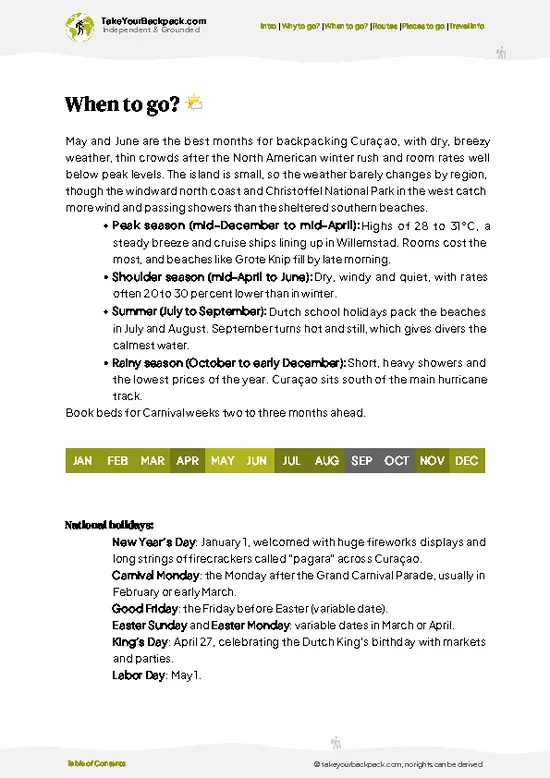
🌤️ When to go?When to go for the best experience


  • Weather: Curaçao basks in a dry tropical climate, so rain is rare year-round. But from October to December, brief showers pop up more often—nothing that ruins a visit, but enough to keep you on your toes.

  • Temperature: Expect steady warmth. Daytime highs hover around 29-31°C (84-88°F), with nights cooling to a comfortable 24-26°C (75-79°F). No brutal heat waves here, just consistent, beach-friendly warmth.

  • Daylight Hours: Daylight stays pretty stable, roughly 11.5 to 12.5 hours daily. Sunrise and sunset times shift only slightly, so you won’t lose much daylight no matter when you go.

  • Crowds: The real crowd surge hits December through April, when North Americans and Europeans escape winter. Landhuis Chobolobo sees more visitors then, which means longer waits and pricier tours.

  • Seasonal
read more 👉

  • Weather: Curaçao basks in a dry tropical climate, so rain is rare year-round. But from October to December, brief showers pop up more often—nothing that ruins a visit, but enough to keep you on your toes.

  • Temperature: Expect steady warmth. Daytime highs hover around 29-31°C (84-88°F), with nights cooling to a comfortable 24-26°C (75-79°F). No brutal heat waves here, just consistent, beach-friendly warmth.

  • Daylight Hours: Daylight stays pretty stable, roughly 11.5 to 12.5 hours daily. Sunrise and sunset times shift only slightly, so you won’t lose much daylight no matter when you go.

  • Crowds: The real crowd surge hits December through April, when North Americans and Europeans escape winter. Landhuis Chobolobo sees more visitors then, which means longer waits and pricier tours.

  • Seasonal Activities: The famous Blue Curaçao liqueur tours run year-round, but special tastings and events spike during local festivals in late spring and early fall—offering a richer cultural dive if you time it right.

  • Price Fluctuations: Off-peak months (May to November) bring lower accommodation and tour prices. The trade-off is hotter weather and occasional rain, but you’ll dodge the tourist stampede and save cash.


Pro-tip: Visit just before or after peak season—September or May—to balance fewer crowds, decent weather, and better prices at Landhuis Chobolobo.


source: climatestotravel.comJANJanuary: good for travelingFEBFebruary: good for travelingMARMarch: good for travelingAPRApril: good for travelingMAYMay: highly recommended for travelingJUNJune: highly recommended for travelingJULJuly: highly recommended for travelingAUGAugust: highly recommended for travelingSEPSeptember: highly recommended for travelingOCTOctober: good for travelingNOVNovember: good for travelingDECDecember: fair for traveling
curacao-unique-site-landhuis-chobolobo v1
© Google |

✈️ The backpacker research shortcutCuraçao Travel Guide

An offline-friendly backpacking guide with optimized travel routes, ranked highlights, transport advice, and the best areas to stay.
example page 0 from our offline Travel Guide for Curaçao
example page 1 from our offline Travel Guide for Curaçao
example page 2 from our offline Travel Guide for Curaçao
example page 3 from our offline Travel Guide for Curaçao
example page 4 from our offline Travel Guide for Curaçao
example page 5 from our offline Travel Guide for Curaçao
example page 6 from our offline Travel Guide for Curaçao
example page 7 from our offline Travel Guide for Curaçao
The digital guide (158 pages) contains:
40 highlights, ranked by travel appeal
Optimized 2, 3 & 5-day travel routes
Cities, national parks, landmarks, beaches
How to get around
Offline-friendly for travel without Wi-Fi
👉 Click to see all 30+ guide features

📅 Plan smarter in minutes, not weeks
Month by month travel advice
Festivals & national holidays
Budget expectations

🗺️ Go to the right places, skip the overrated ones
Honest pros & cons of destinations
Top hikes, parks & viewpoints
Lesser-known places most travelers miss
Clear “worth it vs skip it” guidance

🛏️ Travel smoothly without rookie mistakes
Best areas to stay
Transport systems explained simply
Common scams & safety advice
SIM cards, money & practical tips

🌍 Understand the country, not just visit it
Culture & traditions
52 Essential phrases & customs
Festivals worth planning around
Traveler-friendly historical context
Insights that make places more meaningful

📱 Built for real travel conditions
Fully downloadable PDF
Works completely offline
Optimized for phone use
Useful in remote areas & buses
Everything in one place
Save weeks of stressful planning
Get instant access to your full guide. 30‑day money-back guarantee.
+ Add another guide for just US$7.80

By proceeding you agree to our terms.
Sent to your inbox immediately after payment • 100% Secure Checkout
Best Backpacking Travel Advisor 2025 tourism awardBest Backpacking
Travel Advisor
2025
What others say about Take Your Backpack Guides:
⭐⭐⭐⭐⭐
Fantastic, amazing amount of information!
⭐⭐⭐⭐⭐
My goodness this is amazing, it's what I've been looking for hats off too you!
⭐⭐⭐⭐⭐
I think this is absolutely BRILLIANT
⭐⭐⭐⭐
Very complete and informative. It's still missing places, but I gotta to commend you
⭐⭐⭐⭐⭐
This is truly amazing, thank you, can't wait to explore it with my kids!
⭐⭐⭐⭐⭐
Awesome resource, thank you!
⭐⭐⭐⭐⭐
This is amazing! Can't wait to explore the ones I haven't seen
⭐⭐⭐⭐
I love this! Well done, great idea.
⭐⭐⭐⭐⭐
Thanks for taking the time to make this gem!
⭐⭐⭐⭐⭐
This might be the best website I've ever seen.
⭐⭐⭐⭐⭐
Congratulations, and thank you so much for your work; it's incredibly valuable.
⭐⭐⭐⭐
In all seriousness I think you did a great job pointing out the important spots
⭐⭐⭐⭐⭐
10/10 very good
⭐⭐⭐⭐⭐
As someone who's only just starting to visit regularly this is awesome, thank you.
⭐⭐⭐⭐
Thank you very much! I'm going to visit my dad, it's going to be very useful!
⭐⭐⭐⭐⭐
This is really cool! We'll be travelling for the first time and this definitely come in handy.
⭐⭐⭐⭐⭐
You are now our minister of culture, congratulations 👨‍💼
⭐⭐⭐⭐⭐
Just wanted to tell you that this is a pearl! Going to follow your recommendations.
⭐⭐⭐⭐⭐
This is so cool. I'll definitely be using the resource for my travels soon.
⭐⭐⭐⭐⭐
This is very impressive! Good work.
⭐⭐⭐⭐⭐
This is an amazing and informative site. Very well done!

🛏️ Where to stay?Choosing the right base

Staying near Landhuis Chobolobo in Curaçao? Let’s cut through the glossy travel ads and get real. The area around Willemstad is where you want to be. It’s vibrant, with a mix of locals and travelers, and you’ll find plenty of budget-friendly options.

Punda and Otrobanda are your best bets. These neighborhoods are alive with energy, street art, and local markets. You’ll feel the pulse of the island here. Plus, they’re safe and walkable, making it easy to explore on foot.

Look for guesthouses or shared accommodations. They’re often run by locals who can give you the inside scoop on the best spots … read more 👉
Staying near Landhuis Chobolobo in Curaçao? Let’s cut through the glossy travel ads and get real. The area around Willemstad is where you want to be. It’s vibrant, with a mix of locals and travelers, and you’ll find plenty of budget-friendly options.

Punda and Otrobanda are your best bets. These neighborhoods are alive with energy, street art, and local markets. You’ll feel the pulse of the island here. Plus, they’re safe and walkable, making it easy to explore on foot.

Look for guesthouses or shared accommodations. They’re often run by locals who can give you the inside scoop on the best spots to eat and hang out. You’ll meet fellow backpackers, share stories, and maybe even find a buddy for your next adventure.

Avoid the tourist traps that charge a premium for a view. Instead, seek out places that offer character and community. The real magic of Curaçao isn’t just in the sights; it’s in the connections you make and the stories you gather along the way.

👛 Costs (as of 4 September 2026)How expensive it really is

Visiting Landhuis Chobolobo in Curaçao isn’t just about the picturesque setting; it’s about diving into the local culture. Here’s what you can expect in terms of costs:
  • Entry Fee: Expect to pay around €10 to €15 for a guided tour. This includes a tasting of their famous liqueurs. It’s worth it for the insight into the distillation process and the history of the place.
  • Transportation: If you’re not renting a car, budget about €15 to €30 for a taxi from Willemstad. Public transport is cheaper, but it can be a hassle. Factor in time and convenience.
  • Food and Drinks: If you plan to grab a bite, meals at nearby eateries can range from €10 to €25. The local cuisine is a must-try, so don’t skimp here. Enjoying a drink at the distillery can add another €5 to €10.
  • Souvenirs: If you want to take home a
read more 👉
Visiting Landhuis Chobolobo in Curaçao isn’t just about the picturesque setting; it’s about diving into the local culture. Here’s what you can expect in terms of costs:
  • Entry Fee: Expect to pay around €10 to €15 for a guided tour. This includes a tasting of their famous liqueurs. It’s worth it for the insight into the distillation process and the history of the place.
  • Transportation: If you’re not renting a car, budget about €15 to €30 for a taxi from Willemstad. Public transport is cheaper, but it can be a hassle. Factor in time and convenience.
  • Food and Drinks: If you plan to grab a bite, meals at nearby eateries can range from €10 to €25. The local cuisine is a must-try, so don’t skimp here. Enjoying a drink at the distillery can add another €5 to €10.
  • Souvenirs: If you want to take home a bottle of their liqueur, prices start around €15. It’s a great way to remember your visit, but it can add up if you’re buying for friends.
  • Tips: If you enjoyed the tour, consider tipping your guide. A few euros can go a long way in showing appreciation for their knowledge and hospitality.

Overall, a visit to Landhuis Chobolobo can cost you anywhere from €40 to €80, depending on how you choose to experience it. It’s a small investment for a slice of Curaçao’s rich heritage.


source: curacao.com
⚠️ Prices can change and everyone travels differently, so take this as a rough guide. Hope it helps you plan your adventure!

FAQCommon questions from travelers

Landhuis Chobolobo is a historic plantation house in Curaçao known for producing the famous Blue Curaçao liqueur. It houses a distillery and museum showcasing the liqueur's history and production process. Visitors can learn about the unique blue-orange peel infusion used in the liqueur.
You need about 1 to 1.5 hours to visit Landhuis Chobolobo, enough time to take a guided tour of the distillery and explore the museum. Tours typically include a tasting session and cost around 10 to 15 USD per person.
Landhuis Chobolobo is located near Willemstad, about 10 kilometers from the city center. You can reach it by taxi or rental car, with a drive time of approximately 15 to 20 minutes from downtown Willemstad.
⚠️ Things can change over time, so always validate details locally before you go.

Other Curaçaoan landmarks near Landhuis Chobolobo

Explore more nearby:


💡 Not sure where to go next?
Create a personalized itinerary for Curaçao including Landhuis Chobolobo and the places that fit your trip.

Generate my itinerary

👉 Discover all landmarks

Or checkout all Curaçao has to offer (think cities, towns, villages, national parks, hikes, beaches, festivals)
Country photo of Curaçao

We 💚 feedbackFinal thoughts on visiting Landhuis Chobolobo

Landhuis Chobolobo isn’t just about the famous Blue Curacao liqueur; it’s a slice of local history. The vibe? Laid-back and welcoming, with a hint of nostalgia in the air. You’ll love the free tastings, but brace yourself for the crowds—weekends can feel like a party. The best surprise? The charming courtyard where you can sip your drink and soak in the local culture. Just don’t rush; take your time to chat with the staff—they’re the real magic here.

✍️ Help improve this page!
The information on this page is based on in-depth research, insights shared by experienced travelers, and feedback from the local travel community in Curaçao. While every effort is made to keep the information accurate and current, conditions can change — so if you spot anything incorrect or outdated, please get in touch.


🙋‍♂️ Give feedback

👋 Meet the founderWho’s Behind Take Your Backpack?

Johan, backpacker and founder of TakeYourBackpackHi, I’m Johan (Netherlands 🇳🇱), the creator of TakeYourBackpack. Over the past decade, I’ve backpacked through 80+ countries across six continents, gaining extensive experience with independent travel, long-term trips, and overland routes.

This site is built on a combination of firsthand travel experience and carefully curated insights from other backpackers. Many guides are based on places I’ve personally visited, while others bring together tips, observations, and practical advice shared by trusted travelers I’ve met along the way.

The goal is to provide realistic, experience-driven guidance — not generic itineraries — so you can explore destinations with better context, clearer expectations, and more confidence.

Get full Curaçao guide •
Instant download • 40 highlights • Full Offline guide