×

DR Congo🇨🇩 | citiesFungurumecobalt mines, company town, arid hills | things to do and best time to go

Explore KipushiExplore Lubero

Backpacking in Fungurume
🌟 Highlightcity ranked #8
By Johan Kruseman 🇳🇱 | Updated May 9, 2026

If you’re chasing glossy nightlife, boutique cafés, or a parade of Instagrammable landmarks, Fungurume will feel like a detour you didn’t need. But if you’re the kind of backpacker who finds meaning in the grit—the red dust on your boots, the metallic tang in the air from distant mines, the honest rhythm of a working Congolese town—Fungurume rewards you with a slice of DR Congo that most travelers never see. Tucked between Lubumbashi and Kolwezi, it’s more crossroads than destination, but that’s its quiet strength: a practical stopover for those threading their way through Katanga’s copperbelt, or staging for forays into the wild, hilly countryside. The town itself is compact enough to navigate on foot, though you’ll need a moto-taxi for anything beyond the market or the handful of local eateries. Don’t expect a backpacker scene—hostels are rare, and evenings are slow, more about shared Primus beers than raucous hostel kitchens. Costs are lower than Lubumbashi, but infrastructure is basic and you’ll want to keep your wits about you after dark. Compared to the bustle of Kolwezi, Fungurume feels more grounded, less hurried, and, for the right traveler, more real.

Discover everything you want to know in the 📖 DR Congo Travel Guide.
Safety warning

The current risk level for DR Congo is high. Check the advice before going.


Get your DR Congo guide
96 ranked highlights, routes & tips, works offline (378 pages)
Loading the map 🌍
CLICK TO FILTER
cities
towns
landmarks
national parks
hikes
beaches
attractions
festivals
regions
SHOW COUNTRY’S BESTSHOW ALL

✨ Why go?
Ranked #8 city in DR Congo
What makes this city worth visiting

Fungurume serves as a gateway for backpackers exploring the DR Congo. Its walkable streets make it easy to navigate, while small-scale guesthouses offer a cozy place to rest. The town is a convenient base for nearby hikes and cultural sites, allowing travelers to immerse themselves in local life. Expect a friendly atmosphere where solo travelers and small groups can connect over local food experiences. Most visitors stay briefly, but those who linger appreciate the slower pace and the chance to soak in the authenticity of the region. If you’re seeking a blend of adventure and community, Fungurume fits the bill.
Want to include Fungurume in your DR Congo route?
Create a personalized DR Congo itinerary that includes Fungurume and the places that fit your trip — based on your travel style, budget, and available time. Get your route in seconds.

Generate my trip

💡 HighlightsWhat this place is best known for

  • Fungurume Central Market (Marché central) — The real heartbeat of the town: vendors, fresh produce, grilled fish and chicken, second-hand clothes, and the loud, lively bargaining that tells you what local life actually looks like. Great for photography, cheap meals, and chatting with traders (bring small bills).
  • Tenke Fungurume Mine — administrative compound/viewpoint (arranged visit) — The single biggest reason Fungurume exists: copper and cobalt extraction. You won’t be wandering the pit, but arranging a company-led visit or meeting at the administrative compound gives perspective on the region’s economy, modern mining tech, and its social footprint. Book ahead and respect PPE and safety rules.
  • Fungurume Airstrip — the town’s small airport/landing strip that links Fungurume to larger
read more 👉
  • Fungurume Central Market (Marché central) — The real heartbeat of the town: vendors, fresh produce, grilled fish and chicken, second-hand clothes, and the loud, lively bargaining that tells you what local life actually looks like. Great for photography, cheap meals, and chatting with traders (bring small bills).
  • Tenke Fungurume Mine — administrative compound/viewpoint (arranged visit) — The single biggest reason Fungurume exists: copper and cobalt extraction. You won’t be wandering the pit, but arranging a company-led visit or meeting at the administrative compound gives perspective on the region’s economy, modern mining tech, and its social footprint. Book ahead and respect PPE and safety rules.
  • Fungurume Airstrip — the town’s small airport/landing strip that links Fungurume to larger hubs. It’s not a tourist attraction, but watching arrivals/departures and seeing how people and goods move in and out is oddly revealing about regional logistics.
  • Main Parish Church / Local place of worship — Churches are social anchors here. Drop in for a service if you can: music, local greetings, and a chance to meet families and community leaders. It’s where much of the town’s communal life and charity work centers.
  • Stade municipal / Football pitch — On match day this open field turns into the loud, communal living room of Fungurume. Local teams, energetic crowds, and informal vendors make it one of the best low-cost ways to experience local culture and energy.
  • Artisanal mining areas (with a knowledgeable guide) — Small-scale miners work around the town and their operations tell a parallel story to the large mine: livelihoods, risks, and local entrepreneurship. Only visit with a local guide and permission; safety and ethics matter here.
  • Mine-funded community projects (schools, clinics, water points) — Visiting a school, clinic, or water-point funded by mining companies shows the tangible social impacts and tensions of extractive economies. These places are where you’ll see real day-to-day life and community efforts to improve it.
  • Roadside maquis and small eateries — Simple, cheap places where workers and residents eat: fufu, grilled meats, local sauces and the best palm wine or soft drinks. Food teaches more about a place than any brochure; ask for local specialties and sit with the locals.
  • Local workshops and artisanal trades — Carpentry, metalwork, bicycle repair and other small workshops line the streets. Watch skilled hands, barter for repairs or tools, and see the practical creativity that keeps the town running.
  • Riverside and green pockets inside town — Small streams and planted roadside areas provide quick escapes from dust and noise. Locals use them for washing, chores, and a bit of shade — useful spots for a quiet walk, people-watching, or a picnic under a mango tree.
A few real, visitable highlights just outside Fungurume that work well as day trips include the nearby town of Tenke, the wider Tenke-Fungurume mining landscapes (with permission), and the surrounding villages and small lakes where you can see rural life and local fishing up close.
Spotted a mistake or missing something? Contact us.

🏘️ NeighborhoodsUnderstanding the local layout

Fungurume is a small but vibrant town in DR Congo, offering a unique blend of local culture and practical amenities for backpackers.

Central Fungurume: This area buzzes with local markets and street vendors. It’s walkable, making it easy to explore. Prices are low, perfect for budget travelers. The nightlife is modest, with a few bars where you can mingle with locals. Ideal for short stays.

Fungurume Mining Area: A bit more industrial, this zone is essential for understanding the local economy. It’s less touristy, so expect a quieter vibe. Transport options are limited, but it’s a good base for longer stays if you’re working or volunteering.

Outskirts of Fungurume: Here, you’ll find a more laid-back atmosphere. Nature trails and local farms offer a peaceful retreat. It’s less accessible … read more 👉
Fungurume is a small but vibrant town in DR Congo, offering a unique blend of local culture and practical amenities for backpackers.

Central Fungurume: This area buzzes with local markets and street vendors. It’s walkable, making it easy to explore. Prices are low, perfect for budget travelers. The nightlife is modest, with a few bars where you can mingle with locals. Ideal for short stays.

Fungurume Mining Area: A bit more industrial, this zone is essential for understanding the local economy. It’s less touristy, so expect a quieter vibe. Transport options are limited, but it’s a good base for longer stays if you’re working or volunteering.

Outskirts of Fungurume: Here, you’ll find a more laid-back atmosphere. Nature trails and local farms offer a peaceful retreat. It’s less accessible but rewarding for those seeking a deeper connection to the land.

⌛️ 1 dayA smart one-day plan

Fungurume, in the heart of DR Congo, is a vibrant hub of local culture and mining history. The air buzzes with the sounds of daily life, and the scent of street food wafts through the streets, inviting you to explore.

Start your morning at the bustling market in the center of town. Here, the colors of fresh produce and handmade crafts create a lively tapestry. Engage with local vendors; their stories are as rich as the spices they sell. Afterward, take a stroll through the nearby neighborhoods, where you can admire the unique architecture that reflects the town’s mining heritage.

In the afternoon, head to the nearby Fungurume Mine. While not on the typical tourist path, it offers a fascinating glimpse into the region’s economic backbone. The sheer scale of the operation is awe-inspiring, … read more 👉
Fungurume, in the heart of DR Congo, is a vibrant hub of local culture and mining history. The air buzzes with the sounds of daily life, and the scent of street food wafts through the streets, inviting you to explore.

Start your morning at the bustling market in the center of town. Here, the colors of fresh produce and handmade crafts create a lively tapestry. Engage with local vendors; their stories are as rich as the spices they sell. Afterward, take a stroll through the nearby neighborhoods, where you can admire the unique architecture that reflects the town’s mining heritage.

In the afternoon, head to the nearby Fungurume Mine. While not on the typical tourist path, it offers a fascinating glimpse into the region’s economic backbone. The sheer scale of the operation is awe-inspiring, and you might even catch a local guide who can share insights about its impact on the community.

As evening falls, find a local eatery to savor traditional Congolese dishes. The warmth of the people and the flavors of the food will wrap around you like a comforting blanket, making your day in Fungurume a rewarding experience.
Turn your Fungurume visit into an DR Congo adventure
Build a complete DR Congo route with Fungurume, hidden gems, must-see destinations, and realistic travel times included.

Generate my trip

🌤️ When to go?Choosing the right time of year


  • Weather: Fungurume sits in a tropical zone, so expect a wet season from October to May. Heavy rains can turn dirt roads into mud traps, slowing travel and dampening spirits. The dry season, June to September, offers clearer skies and easier trekking.

  • Temperature: Daytime highs hover around 28-32°C (82-90°F) year-round, but humidity spikes during the rainy months, making it feel hotter and stickier. Dry months bring more comfortable evenings, dropping to 18-20°C (64-68°F).

  • Daylight Hours: Near the equator, daylight stays steady at about 12 hours daily. This consistency means you can plan hikes and explorations without worrying about early sunsets.

  • Crowds: Fungurume is off the beaten path, so crowds are minimal year-round. However, local activity peaks during dry months when travel
read more 👉

  • Weather: Fungurume sits in a tropical zone, so expect a wet season from October to May. Heavy rains can turn dirt roads into mud traps, slowing travel and dampening spirits. The dry season, June to September, offers clearer skies and easier trekking.

  • Temperature: Daytime highs hover around 28-32°C (82-90°F) year-round, but humidity spikes during the rainy months, making it feel hotter and stickier. Dry months bring more comfortable evenings, dropping to 18-20°C (64-68°F).

  • Daylight Hours: Near the equator, daylight stays steady at about 12 hours daily. This consistency means you can plan hikes and explorations without worrying about early sunsets.

  • Crowds: Fungurume is off the beaten path, so crowds are minimal year-round. However, local activity peaks during dry months when travel is easier, giving you a better chance to connect with residents.

  • Seasonal Activities: Dry season is prime for outdoor adventures—hiking, wildlife spotting, and village visits. Wet season limits these but offers lush green landscapes and fewer travelers.

  • Price Fluctuations: Expect slightly higher prices in the dry season due to increased demand and easier access. The wet season can bring discounts but at the cost of comfort and mobility.


Pro-tip: Aim for July or August—dry, cooler evenings, reliable trails, and a quiet vibe that lets you soak in Fungurume’s raw atmosphere without the mud boots.


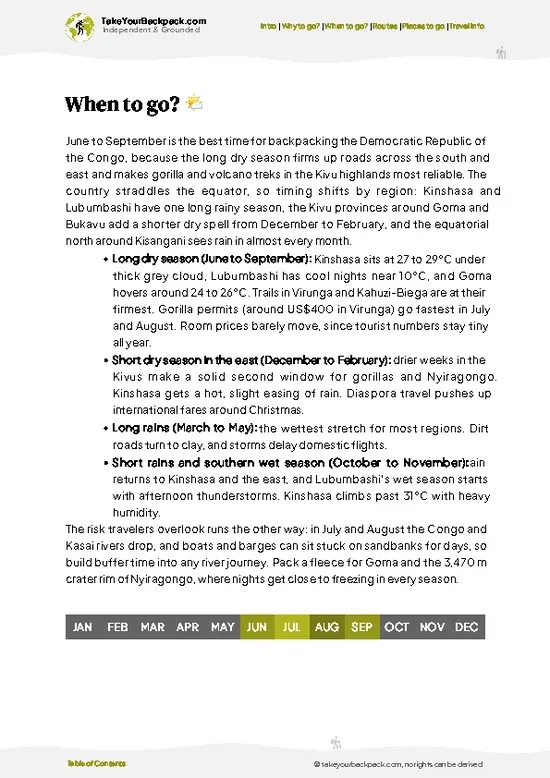
source: climatestotravel.comJANJanuary: fair for travelingFEBFebruary: fair for travelingMARMarch: fair for travelingAPRApril: fair for travelingMAYMay: fair for travelingJUNJune: highly recommended for travelingJULJuly: excellent for travelingAUGAugust: excellent for travelingSEPSeptember: highly recommended for travelingOCTOctober: fair for travelingNOVNovember: fair for travelingDECDecember: fair for traveling
when-to-go

✈️ The backpacker research shortcutDR Congo Travel Guide

An offline-friendly backpacking guide with optimized travel routes, ranked highlights, transport advice, and the best areas to stay.
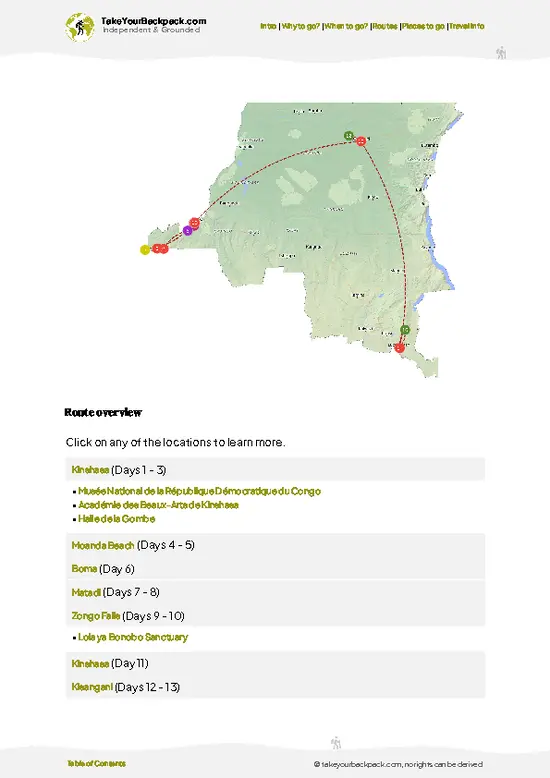
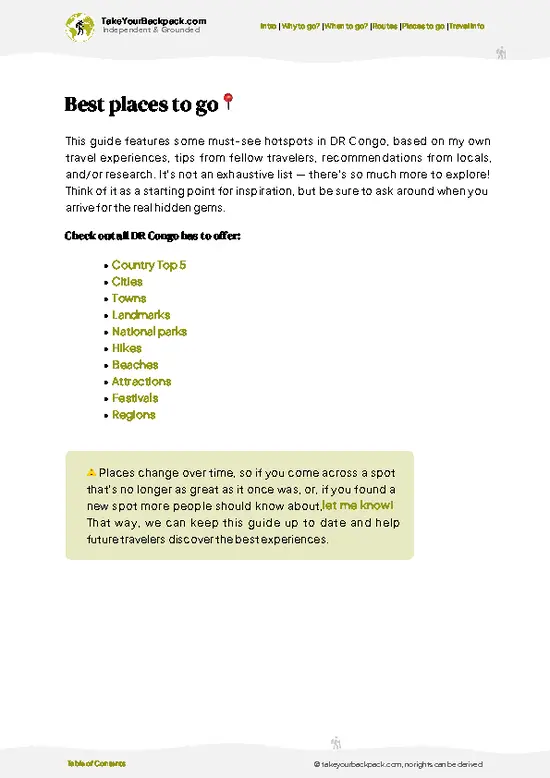
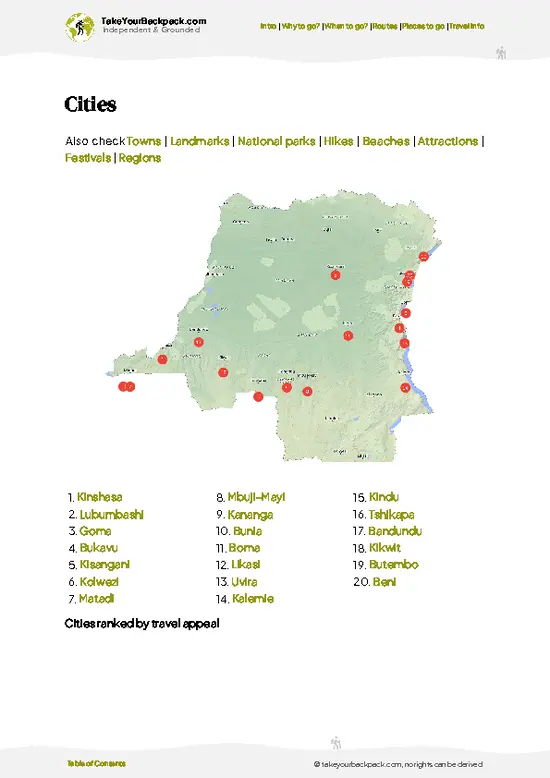
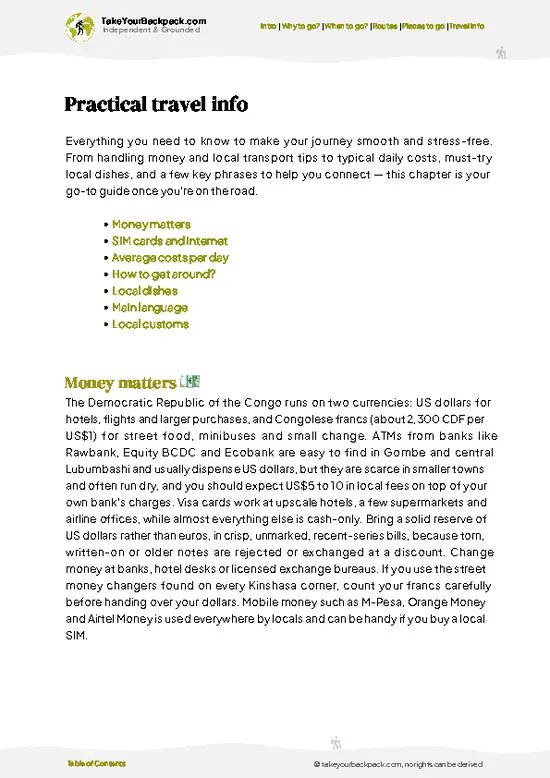
example page 0 from our offline Travel Guide for Democratic Republic of the Congoexample page 1 from our offline Travel Guide for Democratic Republic of the Congoexample page 2 from our offline Travel Guide for Democratic Republic of the Congoexample page 3 from our offline Travel Guide for Democratic Republic of the Congoexample page 4 from our offline Travel Guide for Democratic Republic of the Congoexample page 5 from our offline Travel Guide for Democratic Republic of the Congoexample page 6 from our offline Travel Guide for Democratic Republic of the Congoexample page 7 from our offline Travel Guide for Democratic Republic of the Congo
The digital guide (378 pages) contains:
96 highlights, ranked by travel appeal
Optimized 7, 14 & 21-day travel routes
Cities, national parks, landmarks, beaches
How to get around
Offline-friendly for travel without Wi-Fi
👉 Click to see all 30+ guide features

📅 Plan smarter in minutes, not weeks
Month by month travel advice
Festivals & national holidays
Budget expectations

🗺️ Go to the right places, skip the overrated ones
Honest pros & cons of destinations
Top hikes, parks & viewpoints
Lesser-known places most travelers miss
Clear “worth it vs skip it” guidance

🛏️ Travel smoothly without rookie mistakes
Best areas to stay
Transport systems explained simply
Common scams & safety advice
SIM cards, money & practical tips

🌍 Understand the country, not just visit it
Culture & traditions
52 Essential phrases & customs
Festivals worth planning around
Traveler-friendly historical context
Insights that make places more meaningful

📱 Built for real travel conditions
Fully downloadable PDF
Works completely offline
Optimized for phone use
Useful in remote areas & buses
Everything in one place
Save weeks of stressful planning
Get instant access to your full guide. 30‑day money-back guarantee.


By proceeding you agree to our terms.
Sent to your inbox immediately after payment • 100% Secure Checkout
Best Backpacking Travel Advisor 2025 tourism awardBest Backpacking
Travel Advisor
2025
What others say about Take Your Backpack Guides:
⭐⭐⭐⭐⭐
Fantastic, amazing amount of information!
⭐⭐⭐⭐⭐
My goodness this is amazing, it's what I've been looking for hats off too you!
⭐⭐⭐⭐⭐
I think this is absolutely BRILLIANT
⭐⭐⭐⭐
Very complete and informative. It's still missing places, but I gotta to commend you
⭐⭐⭐⭐⭐
This is truly amazing, thank you, can't wait to explore it with my kids!
⭐⭐⭐⭐⭐
Awesome resource, thank you!
⭐⭐⭐⭐⭐
This is amazing! Can't wait to explore the ones I haven't seen
⭐⭐⭐⭐
I love this! Well done, great idea.
⭐⭐⭐⭐⭐
Thanks for taking the time to make this gem!
⭐⭐⭐⭐⭐
This might be the best website I've ever seen.
⭐⭐⭐⭐⭐
Congratulations, and thank you so much for your work; it's incredibly valuable.
⭐⭐⭐⭐
In all seriousness I think you did a great job pointing out the important spots
⭐⭐⭐⭐⭐
10/10 very good
⭐⭐⭐⭐⭐
As someone who's only just starting to visit regularly this is awesome, thank you.
⭐⭐⭐⭐
Thank you very much! I'm going to visit my dad, it's going to be very useful!
⭐⭐⭐⭐⭐
This is really cool! We'll be travelling for the first time and this definitely come in handy.
⭐⭐⭐⭐⭐
You are now our minister of culture, congratulations 👨‍💼
⭐⭐⭐⭐⭐
Just wanted to tell you that this is a pearl! Going to follow your recommendations.
⭐⭐⭐⭐⭐
This is so cool. I'll definitely be using the resource for my travels soon.
⭐⭐⭐⭐⭐
This is very impressive! Good work.
⭐⭐⭐⭐⭐
This is an amazing and informative site. Very well done!

🛏️ Where to stay?Where staying makes the most sense

In Fungurume, the best spot for backpackers is the town center, where the pulse of daily life hums strongest. This area is your go-to for safety and social buzz—streets are busier, well-lit, and lined with small eateries and markets where you can snag a meal that’s both cheap and authentic. The vibe here is grounded, practical, and welcoming, a sharp contrast to the quieter, more residential outskirts that can feel isolating and less secure after dark.

Hostels are sparse but tend to cluster near the main roads in the center, making it easier to meet fellow travelers or locals. This central zone … read more 👉
In Fungurume, the best spot for backpackers is the town center, where the pulse of daily life hums strongest. This area is your go-to for safety and social buzz—streets are busier, well-lit, and lined with small eateries and markets where you can snag a meal that’s both cheap and authentic. The vibe here is grounded, practical, and welcoming, a sharp contrast to the quieter, more residential outskirts that can feel isolating and less secure after dark.

Hostels are sparse but tend to cluster near the main roads in the center, making it easier to meet fellow travelers or locals. This central zone is where you’ll find the informal hubs—places where stories are swapped over shared meals or a cold drink, and where the scent of grilled fish and fresh cassava fills the air.

Avoid the industrial zones or isolated neighborhoods; they lack the social fabric and safety net you need. Staying central means you’re plugged into the town’s rhythm, with easier access to transport and a better sense of the real DR Congo life beyond the tourist gloss.

🚌 Getting aroundGetting around like a local

Fungurume moves at its own rhythm—less a clockwork town and more a pulse you feel in the dust and chatter. The sun hits hard by midday, baking the red earth and sharpening shadows under the sparse trees. People here don’t rush with a schedule; they navigate by the heat, the market’s buzz, and the slow roll of trucks hauling minerals. It’s a place where intuition beats timetables, and knowing when to move is as much about reading the light and the mood as it is about catching a ride. For a budget traveler, this means blending patience with a readiness to jump on whatever’s rolling by, but also knowing the reliable veins of transit that keep Fungurume connected.


  • Walking: The most straightforward way to soak in Fungurume’s atmosphere. The town is compact enough to cover on foot, with dusty
read more 👉
Fungurume moves at its own rhythm—less a clockwork town and more a pulse you feel in the dust and chatter. The sun hits hard by midday, baking the red earth and sharpening shadows under the sparse trees. People here don’t rush with a schedule; they navigate by the heat, the market’s buzz, and the slow roll of trucks hauling minerals. It’s a place where intuition beats timetables, and knowing when to move is as much about reading the light and the mood as it is about catching a ride. For a budget traveler, this means blending patience with a readiness to jump on whatever’s rolling by, but also knowing the reliable veins of transit that keep Fungurume connected.


  • Walking: The most straightforward way to soak in Fungurume’s atmosphere. The town is compact enough to cover on foot, with dusty streets lined by small shops and roadside vendors. Walking costs nothing and lets you catch the scent of roasting maize and hear the distant clang of mining gear. Best done early morning or late afternoon to avoid the midday scorch.


  • Shared Minibus Taxis: These are the workhorses of local transit, running from dawn until dusk. Expect to pay a few hundred Congolese francs for short hops within town or to nearby villages. They’re cramped and noisy but fast compared to walking, and they follow informal routes that locals know well. Flag one down on main roads; they leave when full, so timing is flexible but unpredictable.


  • Motorcycle Taxis (Motos): For quicker, more nimble travel, motos weave through traffic and dirt paths alike. They’re pricier than minibuses but save time, especially if you’re carrying gear or heading to less accessible spots. Negotiate the fare upfront—usually a few thousand francs for short trips—and wear a helmet if you can find one. Motos run all day but slow down as the sun sets.


  • Trucks and Mining Vehicles: Fungurume’s economy revolves around mining, and sometimes you can hitch a ride on trucks heading to or from the mines. This is less a formal transit option and more a local hack—ask around at the market or near mining offices. It’s free or cheap but unpredictable and best for travelers with flexible schedules and a taste for adventure.

👛 Costs (as of 7 June 2026)Typical daily expenses

Backpacking in Fungurume, DR Congo, means embracing a raw, off-the-beaten-path experience where costs are modest but the infrastructure is basic. Here’s what you can expect to spend daily as an independent traveler.
  • Dorm Accommodation: Fungurume doesn’t have a bustling hostel scene. Budget travelers usually find simple guesthouses or shared rooms in local lodgings. Prices hover around $10 to $15 per night. Expect basic amenities—think a fan, mosquito net, and a firm mattress rather than luxury.
  • Meals: Eating local is the way to go here. Street food and small local eateries offer hearty meals for about $2 to $5. Staples include cassava, rice, grilled fish, and plantains. Western-style or imported foods are rare and pricey, so stick to local flavors to keep costs down and your palate engaged.
read more 👉
Backpacking in Fungurume, DR Congo, means embracing a raw, off-the-beaten-path experience where costs are modest but the infrastructure is basic. Here’s what you can expect to spend daily as an independent traveler.
  • Dorm Accommodation: Fungurume doesn’t have a bustling hostel scene. Budget travelers usually find simple guesthouses or shared rooms in local lodgings. Prices hover around $10 to $15 per night. Expect basic amenities—think a fan, mosquito net, and a firm mattress rather than luxury.
  • Meals: Eating local is the way to go here. Street food and small local eateries offer hearty meals for about $2 to $5. Staples include cassava, rice, grilled fish, and plantains. Western-style or imported foods are rare and pricey, so stick to local flavors to keep costs down and your palate engaged.
  • Local Transport: Transport options are limited and informal. Shared taxis or minibuses are the norm, costing roughly $0.50 to $1 per trip within town. For longer distances, expect to pay more, but keep in mind that roads can be rough, and travel times unpredictable.
  • Basic Activities/Entry Fees: Fungurume is primarily a mining town with few tourist attractions. Any local visits or guided walks might be informal and cost $5 to $10 if arranged through local contacts. Don’t expect official entry fees or organized tours.
  • Miscellaneous Expenses: This includes bottled water, snacks, phone credit, and occasional tips. Budget around $2 to $4 daily. Water safety is a concern, so bottled water is a must, adding to your daily spend.

Altogether, you’re looking at roughly $20 to $35 per day to cover the essentials in Fungurume. It’s not about comfort or convenience here—it’s about stepping into a place where every dollar stretches, and every experience feels earned through the simplicity and grit of daily life.


source: congotourisme.org
⚠️ Prices can change and everyone travels differently, so take this as a rough guide. Hope it helps you plan your adventure!

🚌 Day tripsEasy escapes and nearby places

Fungurume is a fantastic base for exploring the raw beauty of the DR Congo. Here are some day trips that will elevate your experience.

Lake Tshangalele
Just a two-hour drive from Fungurume, this serene lake is a perfect escape. The water shimmers under the sun, and the surrounding hills offer a peaceful backdrop for a picnic. Bring a local guide to navigate the best spots and avoid getting lost. Costs are minimal—around $10 for transport and snacks. The dry season, from May to September, is ideal for clear skies and calm waters. First-timers often underestimate the time it takes to find a good guide, so plan ahead.


Shaba National Park
About three hours away, Shaba National Park is a wildlife lover’s dream. You’ll encounter elephants, antelopes, and a variety of birds. The park’s rugged … read more 👉
Fungurume is a fantastic base for exploring the raw beauty of the DR Congo. Here are some day trips that will elevate your experience.

Lake Tshangalele
Just a two-hour drive from Fungurume, this serene lake is a perfect escape. The water shimmers under the sun, and the surrounding hills offer a peaceful backdrop for a picnic. Bring a local guide to navigate the best spots and avoid getting lost. Costs are minimal—around $10 for transport and snacks. The dry season, from May to September, is ideal for clear skies and calm waters. First-timers often underestimate the time it takes to find a good guide, so plan ahead.


Shaba National Park
About three hours away, Shaba National Park is a wildlife lover’s dream. You’ll encounter elephants, antelopes, and a variety of birds. The park’s rugged terrain adds a sense of adventure, and the entrance fee is around $15. The best time to visit is during the dry season when animals congregate around water sources. A common mistake is not bringing enough water; the heat can be intense.


Kolwezi Market
Just an hour from Fungurume, Kolwezi Market is a sensory overload. The vibrant colors of fruits and textiles, mixed with the scent of street food, create an electric atmosphere. You can grab a meal for under $5 and pick up unique souvenirs. Weekends are bustling, so plan your trip accordingly. First-timers often miss the chance to haggle; it’s part of the experience!


Kamoto Mine
A short drive of about 30 minutes takes you to Kamoto Mine, one of the largest copper mines in the world. While it’s not a traditional tourist spot, the scale and operations are fascinating. Guided tours are available, usually costing around $10. The best time to visit is during weekdays when operations are in full swing. Many overlook the need for safety gear, so check in advance.
Want to know what more DR Congo offers?
The DR Congo Travel Guide describes 96 highlights, from cities to national parks, from beaches to hikes

Get the Travel Guide -

🍲 FoodLocal Flavors for Backpackers

In Fungurume, DR Congo, food is a direct line to the heart of local life. The city’s signature dishes lean heavily on cassava, a staple that shows up as fufu—a dense, doughy side perfect for scooping up rich, spicy stews. Expect to find hearty servings of moambe chicken, simmered in a palm nut sauce that’s both creamy and earthy, a flavor punch that lingers. For drinks, the local palm wine is a must-try: slightly sweet, mildly fermented, and served fresh from the source, it’s a social lubricant that invites conversation and connection.

Backpackers will mostly eat where the locals do—think bustling markets and street stalls where food is cooked openly over charcoal fires, filling the air with smoky, inviting aromas. Casual eateries offer a no-frills, authentic experience, often with communal … read more 👉
In Fungurume, DR Congo, food is a direct line to the heart of local life. The city’s signature dishes lean heavily on cassava, a staple that shows up as fufu—a dense, doughy side perfect for scooping up rich, spicy stews. Expect to find hearty servings of moambe chicken, simmered in a palm nut sauce that’s both creamy and earthy, a flavor punch that lingers. For drinks, the local palm wine is a must-try: slightly sweet, mildly fermented, and served fresh from the source, it’s a social lubricant that invites conversation and connection.

Backpackers will mostly eat where the locals do—think bustling markets and street stalls where food is cooked openly over charcoal fires, filling the air with smoky, inviting aromas. Casual eateries offer a no-frills, authentic experience, often with communal seating that breaks down barriers. Drinking culture here is informal but respectful; sharing a cup of palm wine is a gesture of friendship, so don’t be surprised if you’re invited to join in. Remember, eating with your right hand is the norm, and patience is part of the flavor—meals are as much about the company as the food.

🛡️ SafetySafety Tips and Common Scams in Fungurume

Fungurume is generally safe, but staying aware is key. Stick to well-lit areas at night, especially if you’re solo. The local market can be bustling, and while most vendors are friendly, some might try to overcharge. Keep your bargaining skills sharp; it’s part of the experience.

Watch for the occasional distraction—someone might ask for help while another tries to swipe your bag. Carry your belongings close and maintain a confident demeanor. With a little caution, you can enjoy the vibrant atmosphere without hassle.

Other Congolese cities near Fungurume

Explore more nearby:

  • Likasi—Copper mining, plateau landscapes, industrial outskirts| 61 km away
  • Kolwezi—Cobalt mines, mining camps, arid terrain| 89 km away
  • Kipushi—border post, copper mining, industrial outskirts| 162 km away

💡 Not sure where to go next?
Create a personalized itinerary for DR Congo including Fungurume and the places that fit your trip.

Generate my itinerary

👉 Discover all cities

Or checkout all DR Congo has to offer (think cities, towns, villages, national parks, hikes, beaches, festivals)
Country photo of DR Congo

We 💚 feedbackWhat to keep in mind

Fungurume has a raw, electric vibe that pulses with life. The best surprise? The locals’ warmth—it’s like a warm hug after a long trek. Just watch out for the muddy paths during the rainy season; they can turn your adventure into a slip-and-slide.

✍️ Help improve this page!
The information on this page is based on in-depth research, insights shared by experienced travelers, and feedback from the local travel community in DR Congo. While every effort is made to keep the information accurate and current, conditions can change — so if you spot anything incorrect or outdated, please get in touch.


🙋‍♂️ Give feedback

👋 Meet the founderWho’s Behind Take Your Backpack?

Johan, backpacker and founder of TakeYourBackpackHi, I’m Johan (Netherlands 🇳🇱), the creator of TakeYourBackpack. Over the past decade, I’ve backpacked through 80+ countries across six continents, gaining extensive experience with independent travel, long-term trips, and overland routes.

This site is built on a combination of firsthand travel experience and carefully curated insights from other backpackers. Many guides are based on places I’ve personally visited, while others bring together tips, observations, and practical advice shared by trusted travelers I’ve met along the way.

The goal is to provide realistic, experience-driven guidance — not generic itineraries — so you can explore destinations with better context, clearer expectations, and more confidence.

Get full DR Congo guide •
Instant download • 96 highlights • Full Offline guide