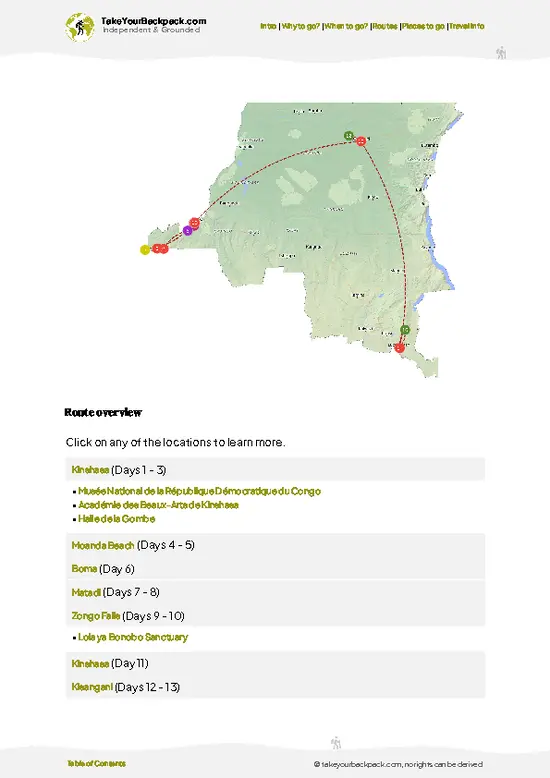
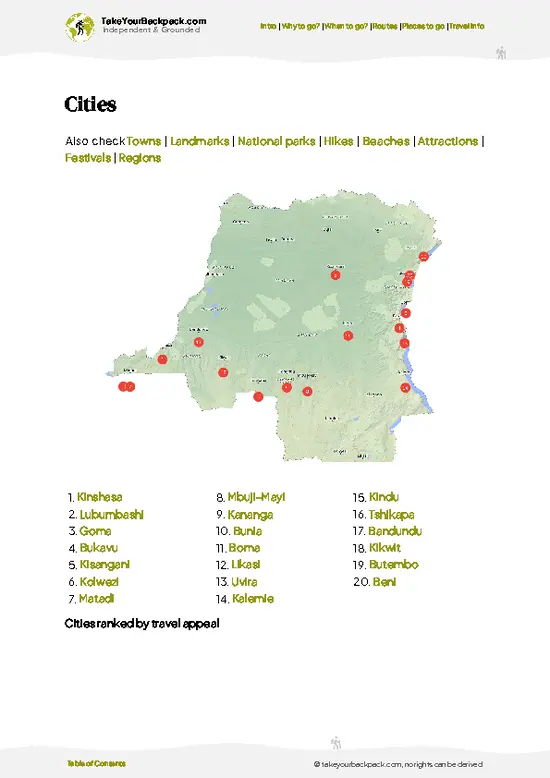
×

DR Congo🇨🇩 | citiesLikasiCopper mining, plateau landscapes, industrial outskirts | things to do and best time to go

Explore MatadiExplore Kolwezi

Backpacking in Likasi
👍 Recommendedcity ranked #10
By Johan Kruseman 🇳🇱 | Updated May 6, 2026

Most travelers only realize after arrival that Likasi’s compact city center saves you hours—no endless taxi rides or marathon walks just to find a meal or a bus. Tucked in the mineral-rich southeast of DR Congo, Likasi is a mining hub with a pulse that’s more approachable than Lubumbashi’s chaos but less polished than Kolwezi’s expat bubble. The faded colonial facades around Place de la Gare, the lively market, and the old copper smelters give the city a raw, working-class character. Backpackers will find costs lower than in the big cities, but English is rare and hostels are nearly nonexistent—expect basic hotels and a lot of French. Safety is decent by regional standards, though you’ll want to keep your wits about you after dark. The vibe? Gritty, energetic, and surprisingly social if you’re willing to engage.

Discover everything you want to know in the 📖 DR Congo Travel Guide.
Safety warning

The current risk level for DR Congo is high. Check the advice before going.


Get your DR Congo guide
96 ranked highlights, routes & tips, works offline (378 pages)
Loading the map 🌍
CLICK TO FILTER
cities
towns
landmarks
national parks
hikes
beaches
attractions
festivals
regions
SHOW COUNTRY’S BESTSHOW ALL

✨ Why go?
Ranked #10 city in DR Congo
What sets this place apart

Backpackers flock to Likasi in the DR Congo for its unique blend of basecamp value and local flavor. It’s a strategic stopover, offering easy access to day trips that showcase the region’s beauty. The hostels here are affordable and welcoming, making it easy to meet fellow travelers. You’ll find a variety of food options that reflect the local culture, from street vendors to cozy eateries. The city is walkable, allowing you to soak in the atmosphere without the hassle of transport. While nightlife isn’t wild, it has its charm, perfect for unwinding after a day of exploration. If you’re looking for a place that balances comfort and value, Likasi is worth considering, but it’s best as a brief stop on your journey.
Get the complete Travel Guide for DR Congo
Everything organized for offline planning — routes, highlights, costs & tips

See what’s inside 👉

Get the Travel Guide -

💡 HighlightsTop highlights of Likasi

  • Marché Central (Likasi Central Market) — The beating heart of the city: chaotic stalls, fresh produce, second-hand clothes and local snacks. Great for people-watching, cheap street food and picking up crafts or copper trinkets made by local artisans.
  • Quartier Jadotville (Old Jadotville quarter) — The oldest part of town, with surviving colonial-era buildings and narrow streets that tell the story of Likasi’s mining past. Walkable, photogenic and worth a slow afternoon to feel the city’s history under your feet.
  • Gare de Likasi (Railway station) — A functional, atmospheric station on the rail link across Katanga. Even if you aren’t catching a train, the comings and goings, freight activity and old signage give a real sense of the region’s transport and ore economy.
  • Catholic Cathedral /
read more 👉
  • Marché Central (Likasi Central Market) — The beating heart of the city: chaotic stalls, fresh produce, second-hand clothes and local snacks. Great for people-watching, cheap street food and picking up crafts or copper trinkets made by local artisans.
  • Quartier Jadotville (Old Jadotville quarter) — The oldest part of town, with surviving colonial-era buildings and narrow streets that tell the story of Likasi’s mining past. Walkable, photogenic and worth a slow afternoon to feel the city’s history under your feet.
  • Gare de Likasi (Railway station) — A functional, atmospheric station on the rail link across Katanga. Even if you aren’t catching a train, the comings and goings, freight activity and old signage give a real sense of the region’s transport and ore economy.
  • Catholic Cathedral / Diocesan Church — The main cathedral serves as both an architectural landmark and a community hub. Attend a service or just visit to see local religious life and meet people from across the area.
  • Stade Municipal (Municipal Stadium) — Football is huge here. Catching a local match is one of the best ways to experience everyday energy, local chants and snacks sold on the terraces.
  • Artisanal metal and copper workshops — Small, often family-run workshops where copper is hammered, shaped and repurposed into tools, jewelry and household items. Visiting gives insight into the crafts that grew out of the mining economy.
  • Old mining works and slag heaps (industrial heritage sites) — Scattered around the city are remnants of smelters, ore-processing areas and slag mounds. They aren’t tourist attractions in the polished sense, but walking these zones (respect boundaries) tells the true story of Likasi’s purpose and people.
  • Riverfront and neighborhood green spots — Small parks and riverbanks within the city where locals gather in evenings. Good for sunset walks, street food stalls and to see families and fishermen who still depend on local waterways.
  • Local music bars and community cultural centres — Not flashy, but where Congolese rumba, soukous and local bands play. Check noticeboards or ask at the market for who’s playing; a night here is a real cultural exchange.
  • Marché des Artisans / Craft corners — Loose clusters of stalls and street vendors selling carved objects, beaded jewelry and everyday items made locally. Ideal for picking up meaningful souvenirs and chatting directly with makers.
A few visitable highlights a short drive from Likasi worth day-tripping to include the regional hub of Lubumbashi, the historic mining town of Kipushi, and the broader Katanga mining landscapes around Kolwezi.
Spotted a mistake or missing something? Contact us.

🏘️ NeighborhoodsKey areas and districts to know

Likasi offers a unique blend of urban life and local culture in DR Congo. Here’s a breakdown of key neighborhoods to help you navigate your stay:

Centre Ville: The heart of Likasi, it’s bustling with markets and shops. Perfect for short stays, you’ll find affordable accommodations and easy access to public transport. The vibe is lively, but it quiets down at night, making it a balanced choice for those who want both activity and rest.

Quartier Kasaï: A bit more residential, this area offers a glimpse into local life. It’s walkable, with fewer tourists, making it ideal for longer stays. Costs are lower here, but nightlife is limited. Great for immersing yourself in the community.

Quartier Katanga: Known for its vibrant atmosphere, this neighborhood has a mix of bars and eateries. It’s a … read more 👉
Likasi offers a unique blend of urban life and local culture in DR Congo. Here’s a breakdown of key neighborhoods to help you navigate your stay:

Centre Ville: The heart of Likasi, it’s bustling with markets and shops. Perfect for short stays, you’ll find affordable accommodations and easy access to public transport. The vibe is lively, but it quiets down at night, making it a balanced choice for those who want both activity and rest.

Quartier Kasaï: A bit more residential, this area offers a glimpse into local life. It’s walkable, with fewer tourists, making it ideal for longer stays. Costs are lower here, but nightlife is limited. Great for immersing yourself in the community.

Quartier Katanga: Known for its vibrant atmosphere, this neighborhood has a mix of bars and eateries. It’s a bit pricier but worth it for those seeking nightlife. Transport options are decent, making it suitable for both short and extended visits.

⌛️ 1 daySeeing the highlights in 24 hours

Likasi, a bustling hub in the heart of DR Congo, offers a unique blend of local culture and industrial charm. Start your day in the vibrant neighborhood of Kasaï, where the morning market buzzes with life. Grab a fresh mandarin or a warm, flaky pastry from a street vendor. The energy here is infectious, and it sets the tone for your adventure.

After soaking in the market’s atmosphere, head to the nearby Parc de la Réserve. This green oasis is perfect for a leisurely stroll, allowing you to appreciate the local flora and perhaps spot some playful monkeys. It’s a refreshing break from the urban hustle.

In the afternoon, make your way to the historic downtown area. Visit the impressive Église Saint-Pierre, a striking example of colonial architecture. The intricate details of the building are … read more 👉
Likasi, a bustling hub in the heart of DR Congo, offers a unique blend of local culture and industrial charm. Start your day in the vibrant neighborhood of Kasaï, where the morning market buzzes with life. Grab a fresh mandarin or a warm, flaky pastry from a street vendor. The energy here is infectious, and it sets the tone for your adventure.

After soaking in the market’s atmosphere, head to the nearby Parc de la Réserve. This green oasis is perfect for a leisurely stroll, allowing you to appreciate the local flora and perhaps spot some playful monkeys. It’s a refreshing break from the urban hustle.

In the afternoon, make your way to the historic downtown area. Visit the impressive Église Saint-Pierre, a striking example of colonial architecture. The intricate details of the building are a testament to the city’s rich history. For a taste of local life, stop by a small café for a bowl of saka-saka, a traditional dish made from cassava leaves.

As the sun sets, explore the lively streets of the Mbuyi-Mayi neighborhood. Here, you’ll find a local bar where you can unwind with a cold Primus beer and chat with friendly locals. This is a slice of life that many tourists miss, but it’s where the heart of Likasi truly beats.
Build the Right Itinerary
Use the DR Congo Travel Guide’s 7, 14 & 21-day routes as a starting point to plan a trip that actually works on the ground.

Get the Travel Guide -

🌤️ When to go?Best time to visit Likasi


  • Topic: Weather – Likasi experiences a tropical wet and dry climate. The dry season from May to September offers less rain, making trails and roads more accessible. The wet season, October to April, brings heavy rains that can turn paths into mud pits and disrupt travel plans.

  • Topic: Temperature – Temperatures hover between 18°C and 26°C (64°F to 79°F) year-round, but the dry season feels cooler and more comfortable for hiking and exploring without the sticky humidity.

  • Topic: Daylight Hours – Daylight remains fairly consistent, around 12 hours daily, so timing your activities isn’t complicated by shifting daylight.

  • Topic: Crowds – Likasi isn’t a major tourist hotspot, so crowds are minimal year-round. However, local holidays can bring brief spikes in visitors, especially during the
read more 👉

  • Topic: Weather – Likasi experiences a tropical wet and dry climate. The dry season from May to September offers less rain, making trails and roads more accessible. The wet season, October to April, brings heavy rains that can turn paths into mud pits and disrupt travel plans.

  • Topic: Temperature – Temperatures hover between 18°C and 26°C (64°F to 79°F) year-round, but the dry season feels cooler and more comfortable for hiking and exploring without the sticky humidity.

  • Topic: Daylight Hours – Daylight remains fairly consistent, around 12 hours daily, so timing your activities isn’t complicated by shifting daylight.

  • Topic: Crowds – Likasi isn’t a major tourist hotspot, so crowds are minimal year-round. However, local holidays can bring brief spikes in visitors, especially during the dry season.

  • Topic: Seasonal Activities – The dry season is prime for outdoor adventures like hiking and visiting mining sites. The wet season limits these options but offers lush landscapes for photography if you don’t mind the rain.

  • Topic: Price Fluctuations – Prices for accommodation and transport tend to dip during the wet season due to lower demand, but you’ll trade comfort and convenience for savings.


Pro-tip: Aim for the dry season to maximize comfort and access, but if you’re a savvy traveler who can handle rain, the wet season offers quieter spots and better deals.


source: climatestotravel.comJANJanuary: fair for travelingFEBFebruary: fair for travelingMARMarch: fair for travelingAPRApril: fair for travelingMAYMay: highly recommended for travelingJUNJune: excellent for travelingJULJuly: excellent for travelingAUGAugust: excellent for travelingSEPSeptember: highly recommended for travelingOCTOctober: fair for travelingNOVNovember: fair for travelingDECDecember: fair for traveling
when-to-go

✈️ The backpacker research shortcutDR Congo Travel Guide

An offline-friendly backpacking guide with optimized travel routes, ranked highlights, transport advice, and the best areas to stay.
example page 0 from our offline Travel Guide for Democratic Republic of the Congoexample page 1 from our offline Travel Guide for Democratic Republic of the Congoexample page 2 from our offline Travel Guide for Democratic Republic of the Congoexample page 3 from our offline Travel Guide for Democratic Republic of the Congoexample page 4 from our offline Travel Guide for Democratic Republic of the Congoexample page 5 from our offline Travel Guide for Democratic Republic of the Congoexample page 6 from our offline Travel Guide for Democratic Republic of the Congoexample page 7 from our offline Travel Guide for Democratic Republic of the Congo
The digital guide (378 pages) contains:
96 highlights, ranked by travel appeal
Optimized 7, 14 & 21-day travel routes
Cities, national parks, beaches, historical sites, ...
How to get around
Offline-friendly for travel without Wi-Fi
👉 Click to see all 30+ guide features

📅 Plan smarter in minutes, not weeks
Month by month travel advice
Festivals & national holidays
Budget expectations

🗺️ Go to the right places, skip the overrated ones
Honest pros & cons of destinations
Top hikes, parks & viewpoints
Lesser-known places most travelers miss
Clear “worth it vs skip it” guidance

🛏️ Travel smoothly without rookie mistakes
Best areas to stay
Transport systems explained simply
Common scams & safety advice
SIM cards, money & practical tips

🌍 Understand the country, not just visit it
Culture & traditions
52 Essential phrases & customs
Festivals worth planning around
Traveler-friendly historical context
Insights that make places more meaningful

📱 Built for real travel conditions
Fully downloadable PDF
Works completely offline
Optimized for phone use
Useful in remote areas & buses
Everything in one place
Save weeks of stressful planning
Get instant access to the full guide directly. 30-day money-back guarantee.


Sent to your inbox immediately after payment • 100% Secure Checkout
Best Backpacking Travel Advisor 2025 tourism awardBest Backpacking
Travel Advisor
2025
What others say about Take Your Backpack Guides:
⭐⭐⭐⭐⭐
Fantastic, amazing amount of information!
⭐⭐⭐⭐⭐
My goodness this is amazing, it's what I've been looking for hats off too you!
⭐⭐⭐⭐⭐
I think this is absolutely BRILLIANT
⭐⭐⭐⭐
Very complete and informative. It's still missing places, but I gotta to commend you
⭐⭐⭐⭐⭐
This is truly amazing, thank you, can't wait to explore it with my kids!
⭐⭐⭐⭐⭐
Awesome resource, thank you!
⭐⭐⭐⭐⭐
This is amazing! Can't wait to explore the ones I haven't seen
⭐⭐⭐⭐
I love this! Well done, great idea.
⭐⭐⭐⭐⭐
Thanks for taking the time to make this gem!
⭐⭐⭐⭐⭐
This might be the best website I've ever seen.
⭐⭐⭐⭐⭐
Congratulations, and thank you so much for your work; it's incredibly valuable.
⭐⭐⭐⭐
In all seriousness I think you did a great job pointing out the important spots
⭐⭐⭐⭐⭐
10/10 very good
⭐⭐⭐⭐⭐
As someone who's only just starting to visit regularly this is awesome, thank you.
⭐⭐⭐⭐
Thank you very much! I'm going to visit my dad, it's going to be very useful!
⭐⭐⭐⭐⭐
This is really cool! We'll be travelling for the first time and this definitely come in handy.
⭐⭐⭐⭐⭐
You are now our minister of culture, congratulations 👨‍💼
⭐⭐⭐⭐⭐
Just wanted to tell you that this is a pearl! Going to follow your recommendations.
⭐⭐⭐⭐⭐
This is so cool. I'll definitely be using the resource for my travels soon.
⭐⭐⭐⭐⭐
This is very impressive! Good work.
⭐⭐⭐⭐⭐
This is an amazing and informative site. Very well done!

🛏️ Where to stay?Where staying makes the most sense

In Likasi, DR Congo, backpackers aiming for a balance of safety, social buzz, and budget-friendly options should zero in on the city center and its immediate surroundings. This area acts as the logistical hub—close to markets, eateries, and transport links—making it a natural magnet for solo travelers and those looking to plug into the local rhythm without overspending. Hostels here, while not abundant, tend to cluster around main streets, offering a base where you can meet fellow travelers and swap stories without venturing into less predictable neighborhoods.

Compared to the outskirts, which … read more 👉
In Likasi, DR Congo, backpackers aiming for a balance of safety, social buzz, and budget-friendly options should zero in on the city center and its immediate surroundings. This area acts as the logistical hub—close to markets, eateries, and transport links—making it a natural magnet for solo travelers and those looking to plug into the local rhythm without overspending. Hostels here, while not abundant, tend to cluster around main streets, offering a base where you can meet fellow travelers and swap stories without venturing into less predictable neighborhoods.

Compared to the outskirts, which can be quieter but riskier and less connected, the city center’s vibe is more dynamic and reassuring. It’s a trade-off: you sacrifice some tranquility for convenience and community. Neighborhoods farther out might offer cheaper digs but at the cost of longer, less reliable commutes and fewer social opportunities. In Likasi, sticking close to the heart of the city means you’re investing in ease and interaction—two priceless currencies for any backpacker.

🚌 Getting aroundMoving around without the hassle

Likasi moves at its own rhythm—neither clockwork precision nor total chaos, but a blend where intuition often trumps timetables. Streets pulse with informal energy, and the flow of people and vehicles bends around the day’s demands rather than strict schedules. If you want to master getting around here, you need to read the vibe, not just the clock. This city rewards those who understand its pulse: a mix of waiting, bargaining, and seizing the moment. Your choices between time, money, and comfort will shape how you experience Likasi’s daily dance.


  • Walking: The most reliable and cost-free way to explore central Likasi. Streets are walkable, but watch for uneven sidewalks and occasional traffic bursts. Ideal for short hops and soaking in street life, but not for long distances under the
read more 👉
Likasi moves at its own rhythm—neither clockwork precision nor total chaos, but a blend where intuition often trumps timetables. Streets pulse with informal energy, and the flow of people and vehicles bends around the day’s demands rather than strict schedules. If you want to master getting around here, you need to read the vibe, not just the clock. This city rewards those who understand its pulse: a mix of waiting, bargaining, and seizing the moment. Your choices between time, money, and comfort will shape how you experience Likasi’s daily dance.


  • Walking: The most reliable and cost-free way to explore central Likasi. Streets are walkable, but watch for uneven sidewalks and occasional traffic bursts. Ideal for short hops and soaking in street life, but not for long distances under the midday sun.


  • Shared Taxis (Taxi Collectif): These minibuses or cars run fixed routes but leave only when full, so timing is unpredictable. Fares hover around 200-500 CDF (Congolese Francs), making them cheap but sometimes slow. Comfort is basic—expect crowded seats and frequent stops.


  • Motorcycle Taxis (Boda-Boda): Fast and flexible, these are your go-to for beating traffic or reaching spots off main roads. Prices vary by distance but generally start low. Riskier than cars, so buckle up mentally and negotiate fares upfront to avoid surprises.


  • Regular Taxis: More comfortable and faster than shared options, but cost jumps significantly—expect to pay 2,000 CDF or more for short trips. Best if you’re in a hurry or carrying heavy gear, but not budget-friendly for daily use.


  • Intercity Buses: If you’re planning to leave Likasi, these buses connect to other DR Congo cities. They run on loose schedules, often departing when full, and prices vary widely. Not for the faint-hearted but essential for long-distance travel on a budget.


Understanding these trade-offs lets you play the system smart: save cash by walking or sharing rides, or spend a bit more for speed and comfort when it counts. Likasi’s transit isn’t just about moving—it’s about choosing your own adventure within the city’s unique flow.

👛 Costs (as of 10 June 2026)Travel costs and budget guide for Likasi

Backpacking in Likasi, DR Congo, involves a clear set of trade-offs between time, money, and comfort. Understanding these costs lets you plan smartly and avoid surprises.
  • Dorm Accommodation (High Season): Expect to pay around $10 to $15 per night. Options are limited, so prices can spike during peak travel periods when demand outstrips supply.
  • Dorm Accommodation (Off-Season): Prices drop to about $6 to $10 per night. Fewer travelers mean better deals, but also fewer amenities and less choice.
  • Meals: Street food and local eateries offer meals for $2 to $5. Western-style restaurants or tourist spots push this to $7 to $12. Cooking your own food is rare but can save money if you find a place with kitchen access.
  • Local Transport: Minibuses and shared taxis cost roughly $0.30 to $1 per trip
read more 👉
Backpacking in Likasi, DR Congo, involves a clear set of trade-offs between time, money, and comfort. Understanding these costs lets you plan smartly and avoid surprises.
  • Dorm Accommodation (High Season): Expect to pay around $10 to $15 per night. Options are limited, so prices can spike during peak travel periods when demand outstrips supply.
  • Dorm Accommodation (Off-Season): Prices drop to about $6 to $10 per night. Fewer travelers mean better deals, but also fewer amenities and less choice.
  • Meals: Street food and local eateries offer meals for $2 to $5. Western-style restaurants or tourist spots push this to $7 to $12. Cooking your own food is rare but can save money if you find a place with kitchen access.
  • Local Transport: Minibuses and shared taxis cost roughly $0.30 to $1 per trip within the city. They’re cheap but can be slow and crowded, so factor in extra time if you choose this option.
  • City Transport Pass: Likasi doesn’t have a formal city transport pass system. Budget travelers rely on individual fares, which keeps flexibility but requires constant small payments.
  • Basic Activities/Entry Fees: Cultural sites and museums charge between $1 and $3. Guided tours or special excursions can push costs higher, but these are optional and often negotiable.
  • Miscellaneous Expenses: Budget around $2 to $5 daily for things like bottled water, snacks, phone credit, or small tips. These add up and are easy to overlook.

In total, a backpacker in Likasi can expect to spend roughly $15 to $30 per day, depending on season and lifestyle choices. This range balances basic comfort with local authenticity, letting you decide where to save and where to splurge.


source: congotourisme.org
⚠️ Prices can change and everyone travels differently, so take this as a rough guide. Hope it helps you plan your adventure!

🚌 Day tripsBest day trips from Likasi

Using Likasi as a base for day trips opens up a world of adventure in the heart of the DR Congo. Here are some standout options that pack a punch without draining your resources.

Lake Tshangalele
Just a short 45-minute drive from Likasi, Lake Tshangalele is a serene escape. The lake’s calm waters are perfect for a refreshing swim or a leisurely picnic. Bring your own food to avoid overpriced local eateries. The best time to visit is during the dry season, from May to September, when the weather is pleasant. A common mistake is underestimating the sun—pack sunscreen and a hat.


Kipushi Mine
About an hour from Likasi, the Kipushi Mine offers a fascinating glimpse into the region’s mining history. Guided tours are available, revealing the stories behind this once-thriving copper and zinc … read more 👉
Using Likasi as a base for day trips opens up a world of adventure in the heart of the DR Congo. Here are some standout options that pack a punch without draining your resources.

Lake Tshangalele
Just a short 45-minute drive from Likasi, Lake Tshangalele is a serene escape. The lake’s calm waters are perfect for a refreshing swim or a leisurely picnic. Bring your own food to avoid overpriced local eateries. The best time to visit is during the dry season, from May to September, when the weather is pleasant. A common mistake is underestimating the sun—pack sunscreen and a hat.


Kipushi Mine
About an hour from Likasi, the Kipushi Mine offers a fascinating glimpse into the region’s mining history. Guided tours are available, revealing the stories behind this once-thriving copper and zinc mine. Expect to pay around $5 for entry. The dry months are ideal for visiting, as the roads can get muddy during the rainy season. Many first-timers overlook the need for sturdy shoes—don’t make that mistake!


Lufira River
A 30-minute ride takes you to the Lufira River, where you can enjoy a day of kayaking or fishing. The river’s lush banks are a great spot for birdwatching, too. Costs are minimal if you rent equipment locally, typically around $10. The best time to go is early morning to catch the sunrise. A common pitfall is not checking local weather; sudden storms can roll in.


Kanshi Waterfalls
Roughly an hour’s journey, the Kanshi Waterfalls are a stunning sight. The cascading water creates a natural pool perfect for a dip. Bring a packed lunch to enjoy by the falls. The dry season is best for clear views and easier access. Many visitors forget to bring a camera—don’t miss capturing this beauty!


Each of these trips offers a unique slice of the DR Congo experience, making your time in Likasi truly rewarding.
Want to know what more DR Congo offers?
The DR Congo Travel Guide describes 96 highlights, from cities to national parks, from beaches to hikes

Get the Travel Guide -

🍲 FoodLocal Flavors for Backpackers

In Likasi, local cuisine bursts with flavor and character. Dive into moambe, a rich chicken stew simmered in palm oil and ground nuts, served with fufu—a starchy side that’s perfect for scooping. Don’t miss pondu, a dish made from cassava leaves, often paired with grilled fish or meat.

Street vendors line the bustling markets, offering samosas and brochettes that are both affordable and delicious. Grab a cold Primus beer from a local bar; it’s a staple here and pairs perfectly with the lively atmosphere.

Dining is often communal, so expect to share dishes and stories. Embrace the slow pace of meals; savoring each bite is part of the experience. This isn’t just food; it’s a taste of DR Congo’s heart.

🛡️ SafetyTraveler Safety Guide

Likasi, in the DR Congo, is generally safe, but a few smart choices can enhance your experience. Stay aware in crowded markets and avoid flashing valuables. Solo travelers should stick to well-lit areas at night; the streets can feel quiet, and it’s easy to lose your bearings.

Common scams are rare, but be cautious of overly friendly locals offering unsolicited help—politely decline and keep moving. Everyday annoyances might include occasional power outages or slow service in restaurants, so patience is key. Carry yourself confidently, and you’ll navigate Likasi like a pro.

Other Congolese cities near Likasi

Explore more nearby:

  • Fungurume—cobalt mines, company town, arid hills| 61 km away
  • Kipushi—border post, copper mining, industrial outskirts| 102 km away
  • Lubumbashi—Mining capital, wide boulevards, cultural institutions| 114 km away

👉 Discover all cities

Or checkout all DR Congo has to offer (think cities, towns, villages, national parks, hikes, beaches, festivals)
Country photo of DR Congo

We 💚 feedbackSumming up the experience

In Likasi, the energy is raw and real. You’ll find vibrant street life and warm locals who are eager to share stories. The best surprise? The local cuisine—don’t skip the grilled fish! Just a heads-up: be prepared for some power outages; it’s part of the adventure. Embrace it.

✍️ Help improve this page!
The information on this page is based on in-depth research, insights shared by experienced travelers, and feedback from the local travel community in DR Congo. While every effort is made to keep the information accurate and current, conditions can change — so if you spot anything incorrect or outdated, please get in touch.


🙋‍♂️ Give feedback

👋 Meet the founderWho’s Behind Take Your Backpack?

Johan, backpacker and founder of TakeYourBackpackHi, I’m Johan (Netherlands 🇳🇱), the creator of TakeYourBackpack. Over the past decade, I’ve backpacked through 80+ countries across six continents, gaining extensive experience with independent travel, long-term trips, and overland routes.

This site is built on a combination of firsthand travel experience and carefully curated insights from other backpackers. Many guides are based on places I’ve personally visited, while others bring together tips, observations, and practical advice shared by trusted travelers I’ve met along the way.

The goal is to provide realistic, experience-driven guidance — not generic itineraries — so you can explore destinations with better context, clearer expectations, and more confidence.

Get full DR Congo guide •
Instant download • 96 highlights • Full Offline guide