×

DR Congo🇨🇩 | landmarksIle de la Lwiroforest peninsula, primate sanctuary, lakeshore research station | things to do and best time to go

Explore LibengeExplore Zongo Falls

Backpacking in Ile de la Lwiro
👍 Recommendedunique site ranked #2
By Johan Kruseman 🇳🇱 | Updated September 3, 2026

Forget the filtered fantasy: Ile de la Lwiro is not some untouched, palm-fringed paradise where you’ll have the sand to yourself and monkeys pose for your camera. It’s a real, lived-in island on Lake Kivu, tucked in the eastern reaches of DR Congo, and it’s got more grit than glamour. Backpackers who make it here aren’t chasing hashtags—they’re after the raw, unpolished magic that comes from being somewhere that’s still off the mainstream radar. Yes, you’ll pay more than you expect for a boat ride, and yes, you’ll share the shoreline with local families, fishermen, and the occasional NGO worker. The crowds are local, not touristy, and the vibe is refreshingly uncurated. The island’s history as a research outpost and its role in local conservation efforts give it a sense of purpose you won’t find on a typical beach stop. The photo ops? They’re real, but they’re about daily life—weathered canoes, volcanic hills in the haze, kids playing soccer on the sand. If you want polished, look elsewhere. If you want a place with soul, Ile de la Lwiro delivers.

Discover everything you want to know in the 📖 DR Congo Travel Guide.
Safety warning

The current risk level for DR Congo is high. Check the advice before going.


Get your DR Congo guide
95 ranked highlights, routes & tips, works offline (372 pages)
Loading the map 🌍
CLICK TO FILTER
cities
towns
landmarks
national parks
hikes
beaches
attractions
festivals
regions
SHOW COUNTRY’S BESTSHOW ALL

✨ Why go?
Ranked #2 unique site in DR Congo
What sets this place apart

Ile de la Lwiro is a must-see for backpackers in the DR Congo, and here’s why. First off, let’s talk crowds: you won’t be elbowing your way through selfie sticks here. This place is off the radar, which means you can soak in the raw beauty without the usual tourist chaos.

Now, about the cost: it’s incredibly budget-friendly. You can explore the island without breaking the bank, making it a perfect stop for those watching their wallets. The uniqueness of Ile de la Lwiro lies in its untouched landscapes and the chance to connect with local communities. You’ll find authentic experiences that you won’t get in a guidebook.

Accessibility is surprisingly decent. While it takes some effort to get there, the journey is part of the adventure. Plus, it fits seamlessly into a broader route through … read more 👉
Ile de la Lwiro is a must-see for backpackers in the DR Congo, and here’s why. First off, let’s talk crowds: you won’t be elbowing your way through selfie sticks here. This place is off the radar, which means you can soak in the raw beauty without the usual tourist chaos.

Now, about the cost: it’s incredibly budget-friendly. You can explore the island without breaking the bank, making it a perfect stop for those watching their wallets. The uniqueness of Ile de la Lwiro lies in its untouched landscapes and the chance to connect with local communities. You’ll find authentic experiences that you won’t get in a guidebook.

Accessibility is surprisingly decent. While it takes some effort to get there, the journey is part of the adventure. Plus, it fits seamlessly into a broader route through the DR Congo. You can easily combine it with visits to nearby national parks or cultural sites, making your trip richer.

In short, Ile de la Lwiro isn’t just a stop; it’s a life-changing experience that adds depth to your travels. Don’t skip it.
Want to include Ile de la Lwiro in your DR Congo route?
Create a personalized DR Congo itinerary that includes Ile de la Lwiro and the places that fit your trip — based on your travel style, budget, and available time. Get your route in seconds.

Generate my trip

💡 HighlightsThe experiences that define the visit

  • Ringed lake views and dramatic sunsets — Ile de la Lwiro sits in a pocket of water and offers open, wide views over the lake; evenings here are famous among visitors for long, colorful sunsets and quiet reflections off the water that make photography and slow walks especially rewarding.
  • Traditional fishing villages — Small, working lakeside communities still fish by dugout canoe and dry their catch on simple racks; visiting a village gives a clear, lived-in sense of local rhythms, foodways, and practical boat-building skills you won’t see in a city.
  • Birdwatching and freshwater wildlife — The island’s mix of shoreline, reedbeds and scattered trees attracts a variety of waterfowl, kingfishers and shore birds; for anyone who enjoys quiet wildlife spotting, the island punches above its size.
read more 👉
  • Ringed lake views and dramatic sunsets — Ile de la Lwiro sits in a pocket of water and offers open, wide views over the lake; evenings here are famous among visitors for long, colorful sunsets and quiet reflections off the water that make photography and slow walks especially rewarding.
  • Traditional fishing villages — Small, working lakeside communities still fish by dugout canoe and dry their catch on simple racks; visiting a village gives a clear, lived-in sense of local rhythms, foodways, and practical boat-building skills you won’t see in a city.
  • Birdwatching and freshwater wildlife — The island’s mix of shoreline, reedbeds and scattered trees attracts a variety of waterfowl, kingfishers and shore birds; for anyone who enjoys quiet wildlife spotting, the island punches above its size.
  • Forest patches and native plants — Pockets of native vegetation on the island harbor interesting plant species and small mammals; short guided walks reveal medicinal plants and traditional uses, which local guides are usually happy to explain.
  • Hidden coves and easy boat trips — Narrow channels and sheltered bays make for calm, short boat excursions — perfect for kayak or canoe trips, easy swims, or finding a quiet spot to picnic away from the main landing.
  • Cultural exchange and crafts — Artisans on the island produce simple woven goods and carved items; spending time in a workshop or market supports local livelihoods and is a good way to learn island stories passed down orally.
  • Community-led conservation and sustainable tourism efforts — What stands out here is how small-scale initiatives (community guides, sustainable fishing practices, small guest stays) aim to balance visitors with island life — visiting responsibly lets you contribute directly to that balance.
Spotted a mistake or missing something? Contact us.

🌤️ When to go?Weather, crowds, and seasonal trade-offs


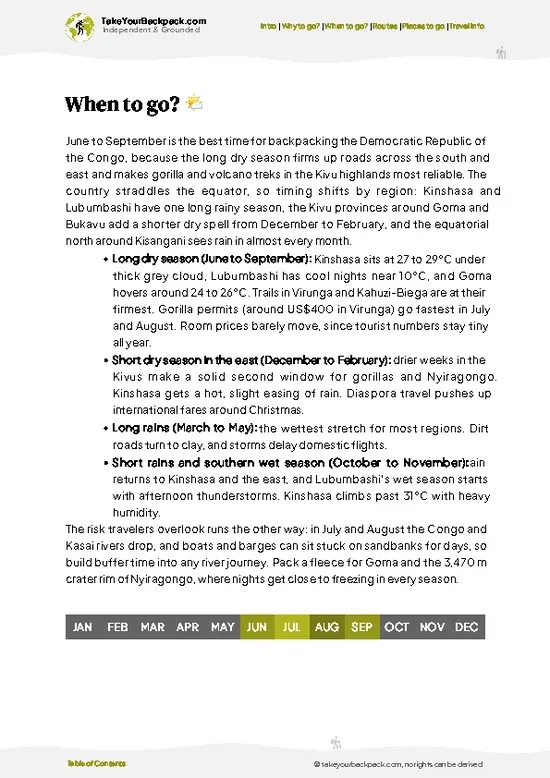
  • Weather: The dry season from June to September is your best bet. Rainfall drops significantly, making trails and boat rides manageable. The wet season (October to May) turns paths into mud traps and the lake’s surface choppy, which can kill your vibe fast.

  • Temperature: Expect daytime highs around 22-26°C (72-79°F) during the dry months—comfortable for hiking and exploring without sweating buckets. Nights can dip to 12-15°C (54-59°F), so pack a warm layer. The wet season is warmer but sticky, with highs nudging 28-30°C (82-86°F).

  • Daylight Hours: Daylight is pretty consistent year-round, roughly 11 to 12 hours. Sunrise around 6:30 AM and sunset near 6:30 PM give you ample time to soak in the island’s unique ecosystem without rushing.

  • Crowds: Don’t expect Instagram-level hordes here.
read more 👉

  • Weather: The dry season from June to September is your best bet. Rainfall drops significantly, making trails and boat rides manageable. The wet season (October to May) turns paths into mud traps and the lake’s surface choppy, which can kill your vibe fast.

  • Temperature: Expect daytime highs around 22-26°C (72-79°F) during the dry months—comfortable for hiking and exploring without sweating buckets. Nights can dip to 12-15°C (54-59°F), so pack a warm layer. The wet season is warmer but sticky, with highs nudging 28-30°C (82-86°F).

  • Daylight Hours: Daylight is pretty consistent year-round, roughly 11 to 12 hours. Sunrise around 6:30 AM and sunset near 6:30 PM give you ample time to soak in the island’s unique ecosystem without rushing.

  • Crowds: Don’t expect Instagram-level hordes here. The dry season sees a slight uptick in visitors, mostly researchers and serious nature buffs. The wet season? You’ll likely have the place almost to yourself, but at the cost of tougher conditions.

  • Seasonal Activities: Dry months are prime for wildlife spotting and trekking. The wet season brings lush greenery but limits accessibility. Fishing and local village visits are year-round but more enjoyable when the weather cooperates.

  • Price Fluctuations: Costs for guides and transport can spike slightly during the dry season due to demand, but overall, DR Congo remains budget-friendly. The wet season might offer cheaper rates but expect logistical headaches that could cost you more in time and frustration.


Pro-tip: Aim for late August to early September—weather is stable, crowds are low, and you’ll catch the island’s ecosystem at a balanced peak without the mudslide drama.


source: climatestotravel.comJANJanuary: fair for travelingFEBFebruary: fair for travelingMARMarch: fair for travelingAPRApril: fair for travelingMAYMay: fair for travelingJUNJune: excellent for travelingJULJuly: excellent for travelingAUGAugust: excellent for travelingSEPSeptember: excellent for travelingOCTOctober: fair for travelingNOVNovember: fair for travelingDECDecember: fair for traveling
when-to-go

✈️ The backpacker research shortcutDR Congo Travel Guide

An offline-friendly backpacking guide with optimized travel routes, ranked highlights, transport advice, and the best areas to stay.
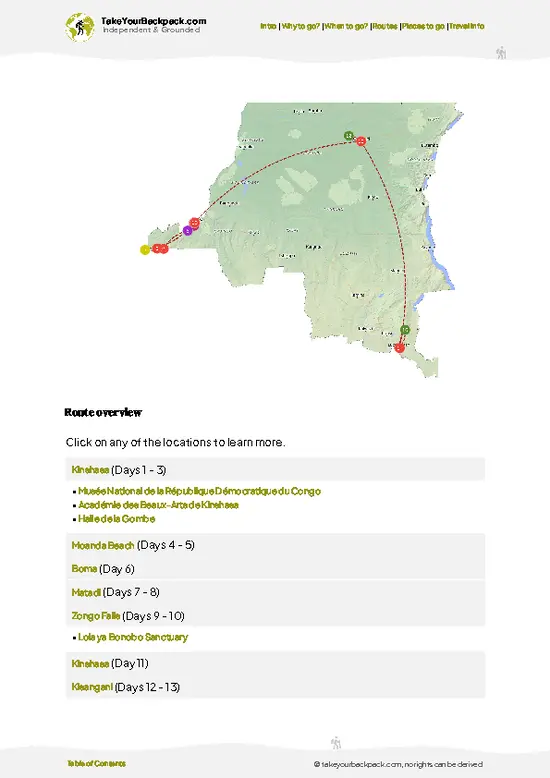
example page 0 from our offline Travel Guide for Democratic Republic of the Congo
example page 1 from our offline Travel Guide for Democratic Republic of the Congo
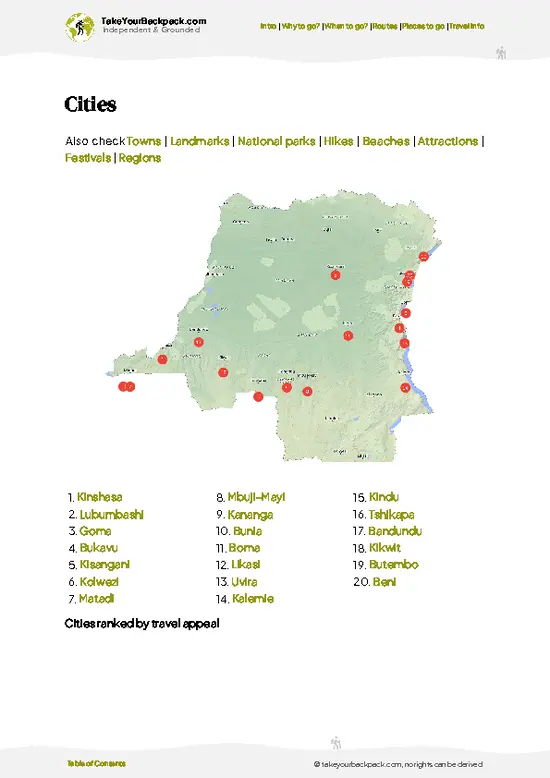
example page 2 from our offline Travel Guide for Democratic Republic of the Congo
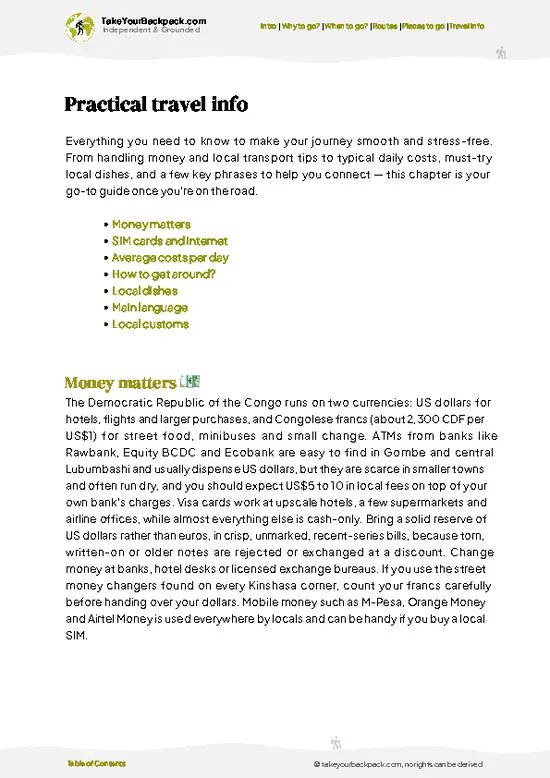
example page 3 from our offline Travel Guide for Democratic Republic of the Congo
example page 4 from our offline Travel Guide for Democratic Republic of the Congo
example page 5 from our offline Travel Guide for Democratic Republic of the Congo
example page 6 from our offline Travel Guide for Democratic Republic of the Congo
example page 7 from our offline Travel Guide for Democratic Republic of the Congo
The digital guide (372 pages) contains:
95 highlights, ranked by travel appeal
Optimized 7, 14 & 21-day travel routes
Cities, national parks, landmarks, beaches
How to get around
Offline-friendly for travel without Wi-Fi
👉 Click to see all 30+ guide features

📅 Plan smarter in minutes, not weeks
Month by month travel advice
Festivals & national holidays
Budget expectations

🗺️ Go to the right places, skip the overrated ones
Honest pros & cons of destinations
Top hikes, parks & viewpoints
Lesser-known places most travelers miss
Clear “worth it vs skip it” guidance

🛏️ Travel smoothly without rookie mistakes
Best areas to stay
Transport systems explained simply
Common scams & safety advice
SIM cards, money & practical tips

🌍 Understand the country, not just visit it
Culture & traditions
52 Essential phrases & customs
Festivals worth planning around
Traveler-friendly historical context
Insights that make places more meaningful

📱 Built for real travel conditions
Fully downloadable PDF
Works completely offline
Optimized for phone use
Useful in remote areas & buses
Everything in one place
Save weeks of stressful planning
Get instant access to your full guide. 30‑day money-back guarantee.
+ Add another guide for just US$7.80

By proceeding you agree to our terms.
Sent to your inbox immediately after payment • 100% Secure Checkout
Best Backpacking Travel Advisor 2025 tourism awardBest Backpacking
Travel Advisor
2025
What others say about Take Your Backpack Guides:
⭐⭐⭐⭐⭐
Fantastic, amazing amount of information!
⭐⭐⭐⭐⭐
My goodness this is amazing, it's what I've been looking for hats off too you!
⭐⭐⭐⭐⭐
I think this is absolutely BRILLIANT
⭐⭐⭐⭐
Very complete and informative. It's still missing places, but I gotta to commend you
⭐⭐⭐⭐⭐
This is truly amazing, thank you, can't wait to explore it with my kids!
⭐⭐⭐⭐⭐
Awesome resource, thank you!
⭐⭐⭐⭐⭐
This is amazing! Can't wait to explore the ones I haven't seen
⭐⭐⭐⭐
I love this! Well done, great idea.
⭐⭐⭐⭐⭐
Thanks for taking the time to make this gem!
⭐⭐⭐⭐⭐
This might be the best website I've ever seen.
⭐⭐⭐⭐⭐
Congratulations, and thank you so much for your work; it's incredibly valuable.
⭐⭐⭐⭐
In all seriousness I think you did a great job pointing out the important spots
⭐⭐⭐⭐⭐
10/10 very good
⭐⭐⭐⭐⭐
As someone who's only just starting to visit regularly this is awesome, thank you.
⭐⭐⭐⭐
Thank you very much! I'm going to visit my dad, it's going to be very useful!
⭐⭐⭐⭐⭐
This is really cool! We'll be travelling for the first time and this definitely come in handy.
⭐⭐⭐⭐⭐
You are now our minister of culture, congratulations 👨‍💼
⭐⭐⭐⭐⭐
Just wanted to tell you that this is a pearl! Going to follow your recommendations.
⭐⭐⭐⭐⭐
This is so cool. I'll definitely be using the resource for my travels soon.
⭐⭐⭐⭐⭐
This is very impressive! Good work.
⭐⭐⭐⭐⭐
This is an amazing and informative site. Very well done!

🛏️ Where to stay?Where staying makes the most sense

When you’re eyeing a stay near Ile de la Lwiro in DR Congo, you need to be smart about where you lay your head. The area around Bukavu is your best bet. It’s a bustling town with a mix of local charm and backpacker-friendly vibes. You’ll find a range of budget accommodations that cater to solo travelers and groups alike.

Safety is a priority here. Stick to well-trodden paths and areas where other travelers congregate. Bukavu’s waterfront is lively, with plenty of spots to grab a meal and swap stories with fellow adventurers. The local markets are a feast for the senses, and you’ll get a taste … read more 👉
When you’re eyeing a stay near Ile de la Lwiro in DR Congo, you need to be smart about where you lay your head. The area around Bukavu is your best bet. It’s a bustling town with a mix of local charm and backpacker-friendly vibes. You’ll find a range of budget accommodations that cater to solo travelers and groups alike.

Safety is a priority here. Stick to well-trodden paths and areas where other travelers congregate. Bukavu’s waterfront is lively, with plenty of spots to grab a meal and swap stories with fellow adventurers. The local markets are a feast for the senses, and you’ll get a taste of everyday life that’s far from the polished tourist experience.

If you venture a bit further, consider the villages surrounding Lake Kivu. They offer a more laid-back atmosphere, with guesthouses that feel like home. You’ll connect with locals and maybe even join in on community activities.

Remember, the real magic lies in the interactions you have and the stories you gather. Embrace the chaos, and you’ll find that the journey is just as rewarding as the destination.

👛 Costs (as of 3 September 2026)What things cost and how to budget

Visiting Île de la Lwiro in the DR Congo isn’t just a trip; it’s an adventure that comes with its own set of costs. Here’s a breakdown to help you plan without the Instagram filter.
  • Accommodation: Expect to pay between €20 to €50 per night for basic lodgings. Options range from local guesthouses to more comfortable eco-lodges. The amenities may be simple, but the experience is authentic.
  • Transportation: Getting to Île de la Lwiro can be tricky. A round-trip from Goma to the island can cost around €50 to €100, depending on the mode of transport. Local boats are your best bet, but they can be crowded and schedules are often flexible.
  • Food: Meals will set you back about €5 to €15 per day. Local eateries serve hearty dishes, but don’t expect gourmet. Street food is a great way to save money and experience
read more 👉
Visiting Île de la Lwiro in the DR Congo isn’t just a trip; it’s an adventure that comes with its own set of costs. Here’s a breakdown to help you plan without the Instagram filter.
  • Accommodation: Expect to pay between €20 to €50 per night for basic lodgings. Options range from local guesthouses to more comfortable eco-lodges. The amenities may be simple, but the experience is authentic.
  • Transportation: Getting to Île de la Lwiro can be tricky. A round-trip from Goma to the island can cost around €50 to €100, depending on the mode of transport. Local boats are your best bet, but they can be crowded and schedules are often flexible.
  • Food: Meals will set you back about €5 to €15 per day. Local eateries serve hearty dishes, but don’t expect gourmet. Street food is a great way to save money and experience local flavors.
  • Park Fees: If you’re planning to explore the surrounding nature, budget around €10 to €30 for entrance fees. This is where you’ll get the real magic—wildlife and landscapes that aren’t on any postcard.
  • Guided Tours: Hiring a local guide can cost between €30 to €70 for a day. This is worth every penny. They’ll share insights that you won’t find in any guidebook, making your experience richer.

These costs can add up, but the value lies in the genuine connections and experiences you’ll have. The crowds may be there, but the real magic is in the moments that aren’t captured on social media.


source: congotourisme.org
⚠️ Prices can change and everyone travels differently, so take this as a rough guide. Hope it helps you plan your adventure!

FAQCommon questions from travelers

Ile de la Lwiro is a small island located in Lake Kivu, Democratic Republic of the Congo, known for its unique biodiversity and local fishing communities. It offers a rare glimpse into traditional Congolese island life and natural scenery.
A typical visit to Ile de la Lwiro requires about one full day to explore the island and interact with the local community. Staying overnight is possible but not common due to limited accommodation options.
To get to Ile de la Lwiro, travelers usually take a boat from the nearby town of Bukavu, which is about 30 kilometers away. The boat ride takes approximately 1 to 2 hours depending on weather and water conditions.
⚠️ Things can change over time, so always validate details locally before you go.

Where to go next

Ile de la Lwiro isn’t the only highlight in DR Congo. Explore all what DR Congo has to offer.
Country photo of DR Congo

We 💚 feedbackKey takeaways before you go

Ile de la Lwiro isn’t for everyone. The crowds can be overwhelming, and the costs add up fast. But if you dig deeper, you’ll find the real magic in the local culture. The warmth of the people is a surprise that hits you like a wave. Don’t miss the evening drum circles; they pulse with life. Just be ready for the occasional power outage—embrace it. It’s all part of the adventure. Trust me, this place will stick with you long after you leave.

✍️ Help improve this page!
The information on this page is based on in-depth research, insights shared by experienced travelers, and feedback from the local travel community in DR Congo. While every effort is made to keep the information accurate and current, conditions can change — so if you spot anything incorrect or outdated, please get in touch.


🙋‍♂️ Give feedback

👋 Meet the founderWho’s Behind Take Your Backpack?

Johan, backpacker and founder of TakeYourBackpackHi, I’m Johan (Netherlands 🇳🇱), the creator of TakeYourBackpack. Over the past decade, I’ve backpacked through 80+ countries across six continents, gaining extensive experience with independent travel, long-term trips, and overland routes.

This site is built on a combination of firsthand travel experience and carefully curated insights from other backpackers. Many guides are based on places I’ve personally visited, while others bring together tips, observations, and practical advice shared by trusted travelers I’ve met along the way.

The goal is to provide realistic, experience-driven guidance — not generic itineraries — so you can explore destinations with better context, clearer expectations, and more confidence.

Get full DR Congo guide •
Instant download • 95 highlights • Full Offline guide