×

DR Congo🇨🇩 | attractionsMusée National de Lubumbashiarchaeological finds, regional art, colonial relics | things to do and best time to go

Explore Cathédrale Saints Pierre et Paul de LubumbashiExplore Centre d’Art Picha

Backpacking in Musée National de Lubumbashi
🌟 Highlightattraction ranked #6
By Johan Kruseman 🇳🇱 | Updated September 3, 2026

Here’s what nobody tells you: the Musée National de Lubumbashi is one of the only places in DR Congo where you can see pre-colonial artifacts that weren’t looted or shipped off to Europe—actual Congolese history, still on Congolese soil. You’ll find it in Lubumbashi, the country’s second city, deep in the mineral-rich Katanga region. Forget the glossy travel blogs promising a “world-class museum”—this isn’t the Louvre, and it doesn’t pretend to be. The building is modest, the displays are old-school, and you’ll probably be the only foreigner in the place. But that’s the point. The real magic is the raw, unfiltered access to objects and stories you won’t find in Kinshasa or anywhere else in DR Congo. It’s cheap to enter, rarely crowded, and the staff are genuinely passionate if you show interest. Compared to the country’s chaotic wildlife parks or the urban sprawl of Kinshasa, Lubumbashi’s museum is quiet, gritty, and deeply personal—less spectacle, more soul.

Discover everything you want to know in the 📖 DR Congo Travel Guide.
Safety warning

The current risk level for DR Congo is high. Check the advice before going.


Get your DR Congo guide
95 ranked highlights, routes & tips, works offline (372 pages)
Loading the map 🌍
CLICK TO FILTER
cities
towns
landmarks
national parks
hikes
beaches
attractions
festivals
regions
SHOW COUNTRY’S BESTSHOW ALL

✨ Why go?
Ranked #6 attraction in DR Congo
Why Musée National de Lubumbashi should be on your travel list

The Musée National de Lubumbashi isn’t your typical tourist stop where you snap a quick selfie and move on. In DR Congo, this museum stands as a rare, solid anchor of history and culture amid a landscape often overlooked by mainstream travelers. Yes, it’s not a polished, glossy attraction—expect crowds of locals more than hordes of tourists, and a modest entry fee that’s a steal compared to what you’d pay for less authentic experiences elsewhere. But here’s the kicker: this place is a vault of Congolese identity, showcasing everything from colonial-era artifacts to vibrant contemporary art that tells the story of a nation’s resilience and creativity.

For backpackers threading through DR Congo, the museum is a milestone—a checkpoint where you pause to absorb the country’s complex past and … read more 👉
The Musée National de Lubumbashi isn’t your typical tourist stop where you snap a quick selfie and move on. In DR Congo, this museum stands as a rare, solid anchor of history and culture amid a landscape often overlooked by mainstream travelers. Yes, it’s not a polished, glossy attraction—expect crowds of locals more than hordes of tourists, and a modest entry fee that’s a steal compared to what you’d pay for less authentic experiences elsewhere. But here’s the kicker: this place is a vault of Congolese identity, showcasing everything from colonial-era artifacts to vibrant contemporary art that tells the story of a nation’s resilience and creativity.

For backpackers threading through DR Congo, the museum is a milestone—a checkpoint where you pause to absorb the country’s complex past and present. It’s not just about looking at objects behind glass; it’s about feeling the pulse of a place that’s been through upheaval and is still fiercely alive. The effort to get here, often involving bumpy rides and navigating local transport, pays off with an adrenaline rush of discovery that no Instagram filter can replicate. This is where history hits you in the gut and culture grabs you by the collar—raw, real, and utterly worth it.
Want to include Musée National de Lubumbashi in your DR Congo route?
Create a personalized DR Congo itinerary that includes Musée National de Lubumbashi and the places that fit your trip — based on your travel style, budget, and available time. Get your route in seconds.

Generate my trip

💡 HighlightsKey sights and experiences for travelers

The Colonial-Era Mining Exhibits
Let’s cut through the Instagram haze: the Musée National de Lubumbashi isn’t a palace of polished glass and interactive screens. It’s a time capsule, and the mining exhibits are its beating heart. You’ll find battered tools, faded photographs, and the kind of heavy, industrial artifacts that tell the real story of how Lubumbashi became the mining capital of DR Congo. This is not a sanitized, corporate museum. You can almost smell the copper dust. The displays are blunt about the colonial exploitation that built the city, and if you’re paying attention, you’ll walk away with a sharper sense of how global demand for minerals shaped—and scarred—this region. It’s not pretty, but it’s real.


Ethnographic Collections: Masks, Fetishes, and Everyday Objects
Forget … read more 👉
The Colonial-Era Mining Exhibits
Let’s cut through the Instagram haze: the Musée National de Lubumbashi isn’t a palace of polished glass and interactive screens. It’s a time capsule, and the mining exhibits are its beating heart. You’ll find battered tools, faded photographs, and the kind of heavy, industrial artifacts that tell the real story of how Lubumbashi became the mining capital of DR Congo. This is not a sanitized, corporate museum. You can almost smell the copper dust. The displays are blunt about the colonial exploitation that built the city, and if you’re paying attention, you’ll walk away with a sharper sense of how global demand for minerals shaped—and scarred—this region. It’s not pretty, but it’s real.


Ethnographic Collections: Masks, Fetishes, and Everyday Objects
Forget the generic “African art” you see in airport gift shops. The Musée’s ethnographic rooms are packed with objects that actually meant something to the people who made and used them. There are masks from the Luba, Songye, and other local groups—some carved with a precision that’ll make you stop and stare, others rough and raw, meant for ritual, not display. You’ll see power figures (fetishes) bristling with nails and mystery, and utilitarian objects that radiate the quiet genius of daily life. This isn’t a parade of “exotic curiosities”—it’s a crash course in the region’s living cultures, minus the filter.


Historic Photographs of Lubumbashi and Katanga
If you want to see how a city transforms under the weight of history, spend time with the museum’s photo archives. These aren’t the glossy, airbrushed images you’ll find on travel blogs. They’re black-and-white shots of colonial administrators, Congolese workers, and the city’s slow, sometimes painful evolution. You’ll see faces that don’t make it into guidebooks, and moments that shaped DR Congo’s identity. It’s a rare, unvarnished look at the past—one that’s more gripping than any influencer’s selfie.


Traditional Musical Instruments
Here’s where the museum quietly flexes its entertainment muscle. The collection of drums, stringed instruments, and thumb pianos (likembe) isn’t just for show. If you’re lucky, you might catch a demonstration or hear a staff member coax a melody from a battered instrument. Even if you don’t, the craftsmanship and inventiveness on display are a reminder that music here is a living, breathing force—not a museum relic.


The Building Itself: Colonial Relic Turned Cultural Anchor
The museum’s architecture is a story in stone and stucco. Built during the Belgian colonial era, it’s a relic that’s been repurposed, not erased. The faded grandeur, the thick walls, the sense of faded authority—they all add to the atmosphere. It’s not “Instagrammable” in the way of Parisian landmarks, but it’s got soul. You feel the weight of history as soon as you step inside, and that’s something no filter can fake.
Spotted a mistake or missing something? Contact us.
🌤️ When to go?Weather, crowds, and seasonal trade-offs


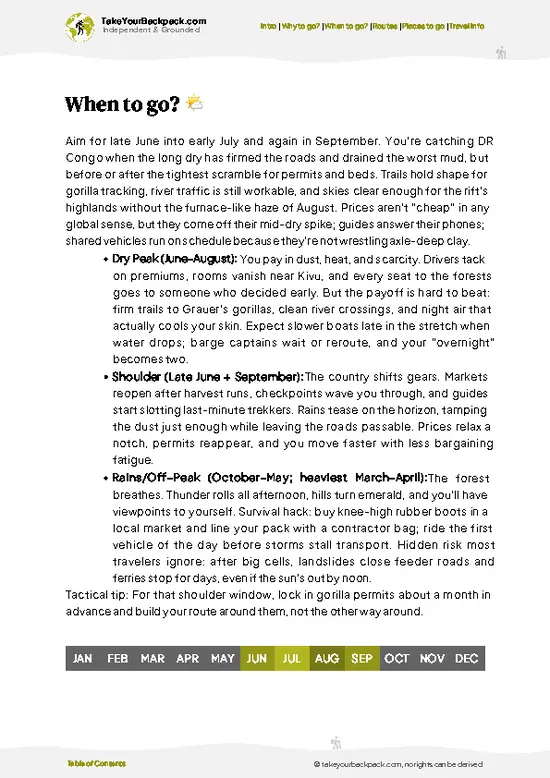
  • Weather: The DR Congo’s Lubumbashi region experiences a tropical wet and dry climate. The best time to visit Musée National de Lubumbashi is during the dry season from May to September when rain is scarce, making outdoor exploration comfortable. Avoid the heavy rains of November to April, which can turn streets into mud traps and dampen your plans.

  • Temperature: Expect daytime highs around 24-28°C (75-82°F) during the dry months, which is pleasant for walking around the museum and city. The wet season heats up a bit more, hitting 28-32°C (82-90°F), often with sticky humidity that can drain your energy fast.

  • Daylight Hours: Daylight remains fairly consistent year-round, roughly 11 to 12 hours per day. This means you’ll have ample time to soak in the exhibits without rushing, no matter
read more 👉

  • Weather: The DR Congo’s Lubumbashi region experiences a tropical wet and dry climate. The best time to visit Musée National de Lubumbashi is during the dry season from May to September when rain is scarce, making outdoor exploration comfortable. Avoid the heavy rains of November to April, which can turn streets into mud traps and dampen your plans.

  • Temperature: Expect daytime highs around 24-28°C (75-82°F) during the dry months, which is pleasant for walking around the museum and city. The wet season heats up a bit more, hitting 28-32°C (82-90°F), often with sticky humidity that can drain your energy fast.

  • Daylight Hours: Daylight remains fairly consistent year-round, roughly 11 to 12 hours per day. This means you’ll have ample time to soak in the exhibits without rushing, no matter when you visit.

  • Crowds: Lubumbashi’s museum isn’t a global tourist magnet, so crowds are generally light year-round. However, local school groups tend to visit during the dry season, especially from June to August, so expect a livelier atmosphere then.

  • Seasonal Activities: The dry season aligns with local cultural festivals and markets, adding layers of authentic experiences around your museum visit. The wet season, by contrast, limits outdoor cultural events and can make getting around tricky.

  • Price Fluctuations: Entry fees to the museum remain stable throughout the year, but accommodation and transport costs can spike slightly during the dry season when more travelers arrive. Budget accordingly if you want to avoid paying a premium.


Pro-tip: Aim for June to early September to balance pleasant weather, manageable crowds, and a chance to catch local cultural events that bring the museum’s context to life.


source: climatestotravel.comJANJanuary: below average for travelingFEBFebruary: below average for travelingMARMarch: fair for travelingAPRApril: fair for travelingMAYMay: highly recommended for travelingJUNJune: excellent for travelingJULJuly: excellent for travelingAUGAugust: excellent for travelingSEPSeptember: highly recommended for travelingOCTOctober: good for travelingNOVNovember: below average for travelingDECDecember: below average for traveling
democratic-republic-of-the-congo-attraction-musee-national-de-lubumbashi
© Google |

✈️ The backpacker research shortcutDR Congo Travel Guide

An offline-friendly backpacking guide with optimized travel routes, ranked highlights, transport advice, and the best areas to stay.
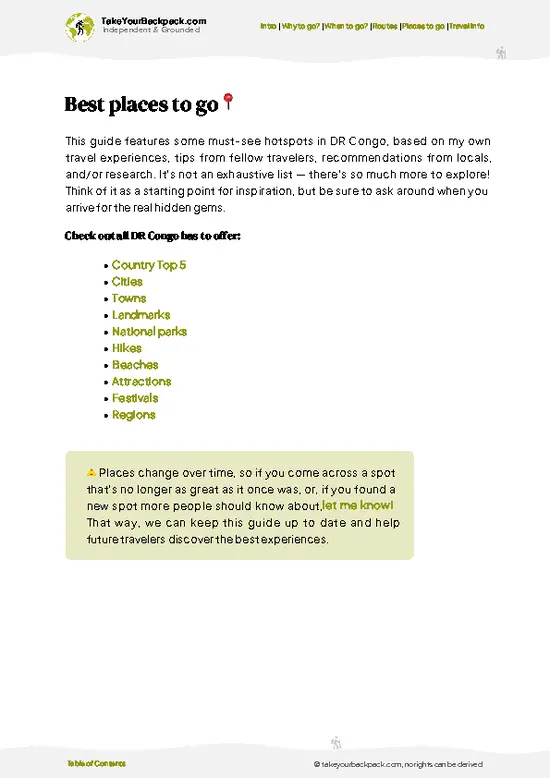
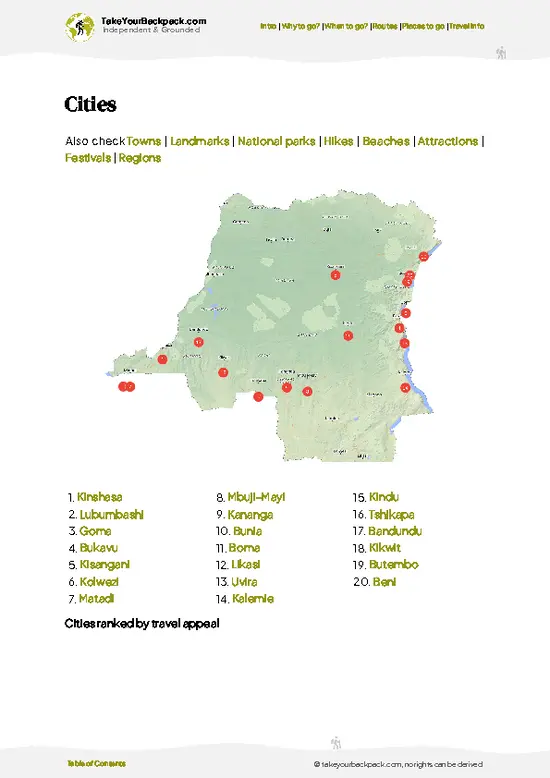
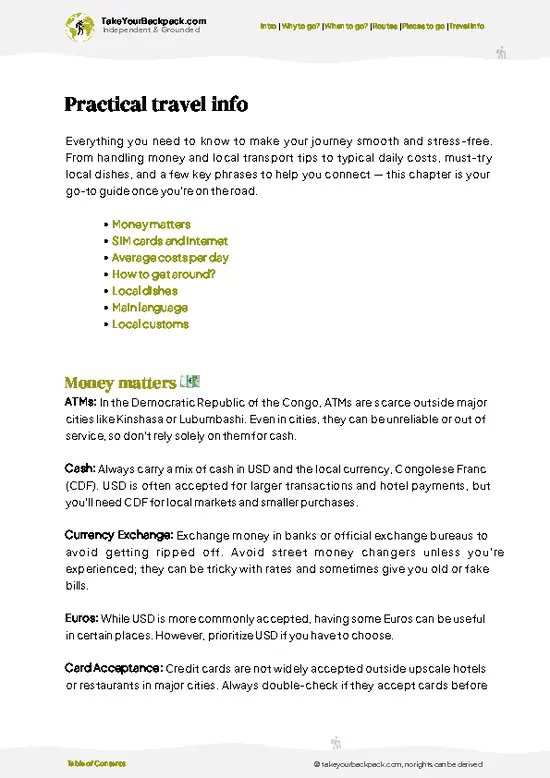
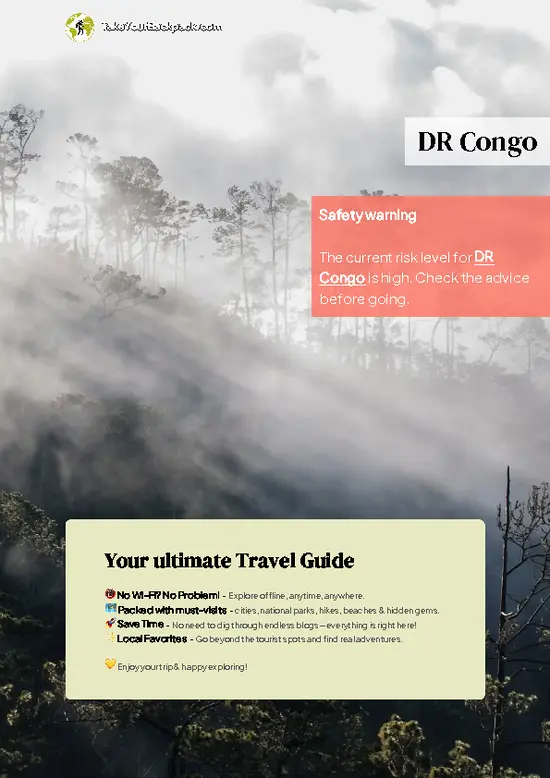
example page 0 from our offline Travel Guide for Democratic Republic of the Congo
example page 1 from our offline Travel Guide for Democratic Republic of the Congo
example page 2 from our offline Travel Guide for Democratic Republic of the Congo
example page 3 from our offline Travel Guide for Democratic Republic of the Congo
example page 4 from our offline Travel Guide for Democratic Republic of the Congo
example page 5 from our offline Travel Guide for Democratic Republic of the Congo
example page 6 from our offline Travel Guide for Democratic Republic of the Congo
example page 7 from our offline Travel Guide for Democratic Republic of the Congo
The digital guide (372 pages) contains:
95 highlights, ranked by travel appeal
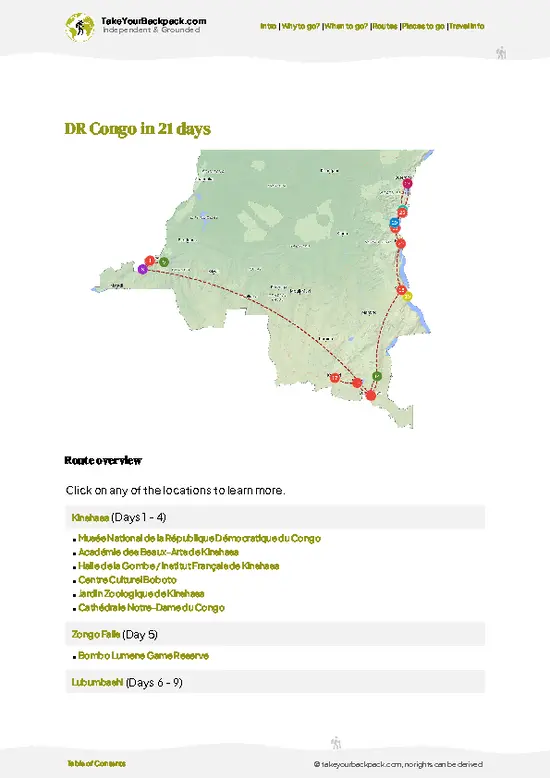
Optimized 7, 14 & 21-day travel routes
Cities, national parks, landmarks, beaches
How to get around
Offline-friendly for travel without Wi-Fi
👉 Click to see all 30+ guide features

📅 Plan smarter in minutes, not weeks
Month by month travel advice
Festivals & national holidays
Budget expectations

🗺️ Go to the right places, skip the overrated ones
Honest pros & cons of destinations
Top hikes, parks & viewpoints
Lesser-known places most travelers miss
Clear “worth it vs skip it” guidance

🛏️ Travel smoothly without rookie mistakes
Best areas to stay
Transport systems explained simply
Common scams & safety advice
SIM cards, money & practical tips

🌍 Understand the country, not just visit it
Culture & traditions
52 Essential phrases & customs
Festivals worth planning around
Traveler-friendly historical context
Insights that make places more meaningful

📱 Built for real travel conditions
Fully downloadable PDF
Works completely offline
Optimized for phone use
Useful in remote areas & buses
Everything in one place
Save weeks of stressful planning
Get instant access to your full guide. 30‑day money-back guarantee.
+ Add another guide for just US$7.80

By proceeding you agree to our terms.
Sent to your inbox immediately after payment • 100% Secure Checkout
Best Backpacking Travel Advisor 2025 tourism awardBest Backpacking
Travel Advisor
2025
What others say about Take Your Backpack Guides:
⭐⭐⭐⭐⭐
Fantastic, amazing amount of information!
⭐⭐⭐⭐⭐
My goodness this is amazing, it's what I've been looking for hats off too you!
⭐⭐⭐⭐⭐
I think this is absolutely BRILLIANT
⭐⭐⭐⭐
Very complete and informative. It's still missing places, but I gotta to commend you
⭐⭐⭐⭐⭐
This is truly amazing, thank you, can't wait to explore it with my kids!
⭐⭐⭐⭐⭐
Awesome resource, thank you!
⭐⭐⭐⭐⭐
This is amazing! Can't wait to explore the ones I haven't seen
⭐⭐⭐⭐
I love this! Well done, great idea.
⭐⭐⭐⭐⭐
Thanks for taking the time to make this gem!
⭐⭐⭐⭐⭐
This might be the best website I've ever seen.
⭐⭐⭐⭐⭐
Congratulations, and thank you so much for your work; it's incredibly valuable.
⭐⭐⭐⭐
In all seriousness I think you did a great job pointing out the important spots
⭐⭐⭐⭐⭐
10/10 very good
⭐⭐⭐⭐⭐
As someone who's only just starting to visit regularly this is awesome, thank you.
⭐⭐⭐⭐
Thank you very much! I'm going to visit my dad, it's going to be very useful!
⭐⭐⭐⭐⭐
This is really cool! We'll be travelling for the first time and this definitely come in handy.
⭐⭐⭐⭐⭐
You are now our minister of culture, congratulations 👨‍💼
⭐⭐⭐⭐⭐
Just wanted to tell you that this is a pearl! Going to follow your recommendations.
⭐⭐⭐⭐⭐
This is so cool. I'll definitely be using the resource for my travels soon.
⭐⭐⭐⭐⭐
This is very impressive! Good work.
⭐⭐⭐⭐⭐
This is an amazing and informative site. Very well done!

🛏️ Where to stay?How to pick the right area

If you’re backpacking to see the Musée National de Lubumbashi, brace yourself: this isn’t your typical tourist hotspot with polished hostels and Instagram-perfect cafés. The reality? Lubumbashi is a bustling, gritty city where safety and comfort can be a gamble if you don’t know where to look. The best places to stay are neighborhoods that balance proximity to the museum with a sense of community and relative security—think areas where locals and travelers mingle without the heavy tourist footprint.

Focus on the city center districts just north and west of the museum. These spots are where you’ll … read more 👉
If you’re backpacking to see the Musée National de Lubumbashi, brace yourself: this isn’t your typical tourist hotspot with polished hostels and Instagram-perfect cafés. The reality? Lubumbashi is a bustling, gritty city where safety and comfort can be a gamble if you don’t know where to look. The best places to stay are neighborhoods that balance proximity to the museum with a sense of community and relative security—think areas where locals and travelers mingle without the heavy tourist footprint.

Focus on the city center districts just north and west of the museum. These spots are where you’ll find guesthouses and small lodges that cater to budget travelers and solo adventurers. They’re not luxury pads, but they offer a chance to connect with other backpackers and locals alike. The vibe is raw and real, not sanitized for tourists, which means you get a genuine slice of life in DR Congo’s second-largest city.

Avoid the outskirts or overly commercial zones; they’re either too isolated or too chaotic. Instead, aim for neighborhoods with a steady flow of people during the day and a reputation for being watchful at night. Here, you’ll find the social pulse—street vendors, local eateries, and informal hangouts where you can swap stories and tips. It’s not about fancy amenities; it’s about the authentic experience, the kind that sticks with you long after you leave.

👛 Costs (as of 3 September 2026)What things cost and how to budget

As of 2026, the Musée National de Lubumbashi charges an entry fee of approximately €3 to €5. ([advised-traveler.com](https://advised-traveler.com/visiter-premiere-fois-lubumbashi-faire-voir/?utm_source=openai))

source: advised-traveler.com
⚠️ Prices can change and everyone travels differently, so take this as a rough guide. Hope it helps you plan your adventure!

FAQTraveler FAQ

2 to 3 hours is sufficient to visit Musée National de Lubumbashi. This allows time to explore the main exhibits and appreciate the cultural artifacts without rushing.
Yes, Musée National de Lubumbashi is worth the entrance fee. The museum offers valuable insights into the region's history and culture, with an entrance fee typically around 1 to 3 USD, making it affordable for most travelers.
To get to Musée National de Lubumbashi, take a taxi or moto-taxi from the city center. The museum is located near the city center, about 2 kilometers from the main bus station, making it easily accessible by local transport.
⚠️ Things can change over time, so always validate details locally before you go.

Other Congolese attractions near Musée National de Lubumbashi

Explore more nearby:


💡 Not sure where to go next?
Create a personalized itinerary for DR Congo including Musée National de Lubumbashi and the places that fit your trip.

Generate my itinerary

👉 Discover all attractions

Or checkout all DR Congo has to offer (think cities, towns, villages, national parks, hikes, beaches, festivals)
Country photo of DR Congo

We 💚 feedbackParting advice and final tips

The Musée National de Lubumbashi isn’t your typical polished museum. Expect a bit of chaos—crowds can be uneven, and the displays sometimes feel like they’re holding onto stories just barely. But that’s the charm. The real magic is in the raw, unfiltered glimpse into DR Congo’s cultural heartbeat, especially the traditional artifacts that don’t get the spotlight elsewhere. If you’re patient and curious, you’ll find moments that stick with you long after you leave—no glossy Instagram filter needed. Just go with an open mind and a bit of grit.

✍️ Help improve this page!
The information on this page is based on in-depth research, insights shared by experienced travelers, and feedback from the local travel community in DR Congo. While every effort is made to keep the information accurate and current, conditions can change — so if you spot anything incorrect or outdated, please get in touch.


🙋‍♂️ Give feedback

👋 Meet the founderWho’s Behind Take Your Backpack?

Johan, backpacker and founder of TakeYourBackpackHi, I’m Johan (Netherlands 🇳🇱), the creator of TakeYourBackpack. Over the past decade, I’ve backpacked through 80+ countries across six continents, gaining extensive experience with independent travel, long-term trips, and overland routes.

This site is built on a combination of firsthand travel experience and carefully curated insights from other backpackers. Many guides are based on places I’ve personally visited, while others bring together tips, observations, and practical advice shared by trusted travelers I’ve met along the way.

The goal is to provide realistic, experience-driven guidance — not generic itineraries — so you can explore destinations with better context, clearer expectations, and more confidence.

Get full DR Congo guide •
Instant download • 95 highlights • Full Offline guide