v2.webp)
1. The Æbleø Orchard Walk
Forget the Instagram daydream of endless apple blossoms and picnic-perfect meadows. Æbleø’s orchard is real, raw, and a little wild around the edges. This isn’t a manicured tourist farm—it’s a living relic of Denmark’s agricultural past, with gnarled apple trees that have seen more seasons than most of us will. The best part? You can actually taste the apples straight from the tree in late summer and early fall. They’re tart, sometimes a little worm-nibbled, and absolutely nothing like supermarket fruit. The orchard is a living museum, and wandering through it, you feel the slow pulse of a place that’s been left to breathe at its own pace.
2. The Tidal Crossing
Here’s the blunt truth: getting to Æbleø is half the adventure, and it’s not for the faint of heart or the … read more 👉
Forget the Instagram daydream of endless apple blossoms and picnic-perfect meadows. Æbleø’s orchard is real, raw, and a little wild around the edges. This isn’t a manicured tourist farm—it’s a living relic of Denmark’s agricultural past, with gnarled apple trees that have seen more seasons than most of us will. The best part? You can actually taste the apples straight from the tree in late summer and early fall. They’re tart, sometimes a little worm-nibbled, and absolutely nothing like supermarket fruit. The orchard is a living museum, and wandering through it, you feel the slow pulse of a place that’s been left to breathe at its own pace.
2. The Tidal Crossing
Here’s the blunt truth: getting to Æbleø is half the adventure, and it’s not for the faint of heart or the … read more 👉
1. The Æbleø Orchard Walk
Forget the Instagram daydream of endless apple blossoms and picnic-perfect meadows. Æbleø’s orchard is real, raw, and a little wild around the edges. This isn’t a manicured tourist farm—it’s a living relic of Denmark’s agricultural past, with gnarled apple trees that have seen more seasons than most of us will. The best part? You can actually taste the apples straight from the tree in late summer and early fall. They’re tart, sometimes a little worm-nibbled, and absolutely nothing like supermarket fruit. The orchard is a living museum, and wandering through it, you feel the slow pulse of a place that’s been left to breathe at its own pace.
2. The Tidal Crossing
Here’s the blunt truth: getting to Æbleø is half the adventure, and it’s not for the faint of heart or the white-sneaker crowd. There’s no bridge, no ferry schedule. You walk—yes, walk—across a tidal sandbar from the mainland at low tide. The mud will suck at your boots, the wind will slap your face, and you’ll feel gloriously alive. Miss the tide, and you’re stuck until the water recedes again. This crossing is a rite of passage, not a photo op. It’s the kind of experience that strips away the curated gloss and leaves you with a story worth telling.
3. The Island’s Wild Silence
Æbleø is not a place for crowds. In fact, you’ll be lucky to see anyone at all. There are no shops, no cafes, no Wi-Fi, and—blissfully—no influencers staging faux-candid shots. What you get instead is a kind of silence that’s almost extinct in Europe. The only soundtrack is the wind in the grass, the distant call of seabirds, and your own footsteps. If you want to remember what it feels like to be truly alone with nature, this is the place. This is my personal favorite—because the silence here isn’t empty; it’s full of possibility.
4. The Coastal Views and Wildlife
Æbleø’s shoreline is a patchwork of salt marsh, pebble beach, and low cliffs. It’s not conventionally pretty, but it’s honest. You’ll spot eider ducks, herons, and—if you’re lucky—seals hauled out on distant rocks. The views back toward Funen and the open Kattegat are wide and windswept, with a sense of space that’s rare in Denmark’s otherwise tidy countryside. Bring binoculars if you care about birds; bring a sense of curiosity if you care about anything else.
5. The Ruined Farmstead
At the heart of Æbleø sits a crumbling farmhouse, slowly being reclaimed by grass and brambles. It’s a reminder that people once tried to tame this place, and that nature always gets the last word. There’s no plaque, no velvet rope—just weathered stone, rusted tools, and the ghosts of old ambitions. It’s a quietly powerful spot, especially if you appreciate the poetry of ruins over the polish of restoration.
Forget the Instagram daydream of endless apple blossoms and picnic-perfect meadows. Æbleø’s orchard is real, raw, and a little wild around the edges. This isn’t a manicured tourist farm—it’s a living relic of Denmark’s agricultural past, with gnarled apple trees that have seen more seasons than most of us will. The best part? You can actually taste the apples straight from the tree in late summer and early fall. They’re tart, sometimes a little worm-nibbled, and absolutely nothing like supermarket fruit. The orchard is a living museum, and wandering through it, you feel the slow pulse of a place that’s been left to breathe at its own pace.
2. The Tidal Crossing
Here’s the blunt truth: getting to Æbleø is half the adventure, and it’s not for the faint of heart or the white-sneaker crowd. There’s no bridge, no ferry schedule. You walk—yes, walk—across a tidal sandbar from the mainland at low tide. The mud will suck at your boots, the wind will slap your face, and you’ll feel gloriously alive. Miss the tide, and you’re stuck until the water recedes again. This crossing is a rite of passage, not a photo op. It’s the kind of experience that strips away the curated gloss and leaves you with a story worth telling.
3. The Island’s Wild Silence
Æbleø is not a place for crowds. In fact, you’ll be lucky to see anyone at all. There are no shops, no cafes, no Wi-Fi, and—blissfully—no influencers staging faux-candid shots. What you get instead is a kind of silence that’s almost extinct in Europe. The only soundtrack is the wind in the grass, the distant call of seabirds, and your own footsteps. If you want to remember what it feels like to be truly alone with nature, this is the place. This is my personal favorite—because the silence here isn’t empty; it’s full of possibility.
4. The Coastal Views and Wildlife
Æbleø’s shoreline is a patchwork of salt marsh, pebble beach, and low cliffs. It’s not conventionally pretty, but it’s honest. You’ll spot eider ducks, herons, and—if you’re lucky—seals hauled out on distant rocks. The views back toward Funen and the open Kattegat are wide and windswept, with a sense of space that’s rare in Denmark’s otherwise tidy countryside. Bring binoculars if you care about birds; bring a sense of curiosity if you care about anything else.
5. The Ruined Farmstead
At the heart of Æbleø sits a crumbling farmhouse, slowly being reclaimed by grass and brambles. It’s a reminder that people once tried to tame this place, and that nature always gets the last word. There’s no plaque, no velvet rope—just weathered stone, rusted tools, and the ghosts of old ambitions. It’s a quietly powerful spot, especially if you appreciate the poetry of ruins over the polish of restoration.
Spotted a mistake or missing something? Contact us.

Street Art and Rooftops of Aarhus, Denmark

Historical Walking Tour in Aarhus

Aarhus City Highlights Tour

Aarhus Walking Tour: Explore Top Sights & Hidden Gems

The Ancient Viking Stronghold of Aros: A Self-Guided Audio Tour in Aarhus
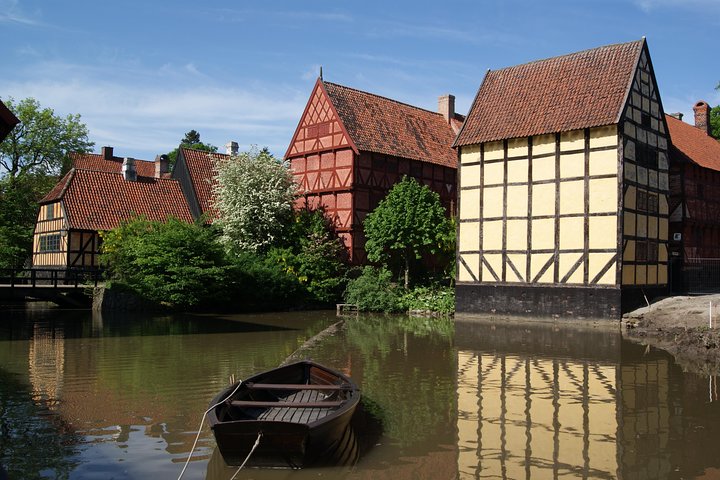
Time travel in Aarhus

Aarhus Private Custom Walking Tour With A Guide

Explore Aarhus in 60 minutes with a Local

Aarhus Private Walking Tour with a Local


 Best Backpacking
.jpg) Hi, I’m Johan (Netherlands 🇳🇱), the creator of TakeYourBackpack. Over the past decade, I’ve backpacked through 80+ countries across six continents, gaining extensive experience with independent travel, long-term trips, and overland routes.
Hi, I’m Johan (Netherlands 🇳🇱), the creator of TakeYourBackpack. Over the past decade, I’ve backpacked through 80+ countries across six continents, gaining extensive experience with independent travel, long-term trips, and overland routes.