v2.webp)
The Ocean Tank
Let’s cut through the hype: this is the main event, and it earns its reputation. You’re not peering into a fishbowl—you’re standing in front of a cinematic, 4-million-liter panorama where hammerhead sharks, rays, and swirling schools of fish glide past at eye level. It’s the closest you’ll get to scuba diving in the North Atlantic without a wetsuit or a panic attack. Yes, there are crowds, especially on weekends, but the sheer scale and drama of this tank make it worth elbowing your way to the glass. If you only have time for one thing, make it this.
The Amazon Rainforest
Forget the sterile, glass-and-steel vibe you might expect from a modern aquarium. This exhibit is a humid, living maze—think steamy air, the sound of frogs, and the occasional butterfly flitting past your … read more 👉
Let’s cut through the hype: this is the main event, and it earns its reputation. You’re not peering into a fishbowl—you’re standing in front of a cinematic, 4-million-liter panorama where hammerhead sharks, rays, and swirling schools of fish glide past at eye level. It’s the closest you’ll get to scuba diving in the North Atlantic without a wetsuit or a panic attack. Yes, there are crowds, especially on weekends, but the sheer scale and drama of this tank make it worth elbowing your way to the glass. If you only have time for one thing, make it this.
The Amazon Rainforest
Forget the sterile, glass-and-steel vibe you might expect from a modern aquarium. This exhibit is a humid, living maze—think steamy air, the sound of frogs, and the occasional butterfly flitting past your … read more 👉
The Ocean Tank
Let’s cut through the hype: this is the main event, and it earns its reputation. You’re not peering into a fishbowl—you’re standing in front of a cinematic, 4-million-liter panorama where hammerhead sharks, rays, and swirling schools of fish glide past at eye level. It’s the closest you’ll get to scuba diving in the North Atlantic without a wetsuit or a panic attack. Yes, there are crowds, especially on weekends, but the sheer scale and drama of this tank make it worth elbowing your way to the glass. If you only have time for one thing, make it this.
The Amazon Rainforest
Forget the sterile, glass-and-steel vibe you might expect from a modern aquarium. This exhibit is a humid, living maze—think steamy air, the sound of frogs, and the occasional butterfly flitting past your nose. You’ll spot electric eels, piranhas, and even free-roaming birds. It’s not just a look-but-don’t-touch display; you’re in the thick of it, and the sensory overload is intentional. It’s a rare slice of chaos in an otherwise orderly Scandinavian experience.
The Coral Reef Tunnel
Instagram will show you the tunnel, but it won’t tell you about the feeling of being surrounded by a kaleidoscope of color and movement. This isn’t just a photo op—it’s a full-body immersion. Neon fish, undulating anemones, and the occasional turtle drift overhead. The lighting is dialed in for maximum wow-factor, and the sense of being inside the reef (not just looking at it) is the real magic. It’s a crowd-pleaser for a reason, but it’s also a rare chance to see the complexity of a coral ecosystem up close.
The Touch Pools
Here’s where the Blue Planet ditches the “look, don’t touch” rule. You can actually get your hands wet—literally. Kids and adults alike can stroke rays, sea stars, and crabs under the supervision of staff who know their stuff. It’s not a gimmick; it’s a tactile, memorable way to connect with marine life, and it’s one of the few spots where you’ll see genuine, wide-eyed wonder on every face. If you’re traveling with kids, this is non-negotiable. If you’re not, go anyway—nobody’s too cool to pet a ray.
The Northern Lakes
This one’s my personal favorite. Most aquariums skip the local stuff, but The Blue Planet leans in. You’ll see Danish freshwater species—pike, perch, and eels—in tanks that mimic the murky, mysterious lakes of Scandinavia. It’s not flashy, but it’s honest. There’s a quiet beauty in watching these predators glide through reeds and shadows, and it’s a reminder that you don’t have to travel far for wildness. If you want to see what lurks beneath the surface of Denmark’s own waters, this is the spot.
The Architecture
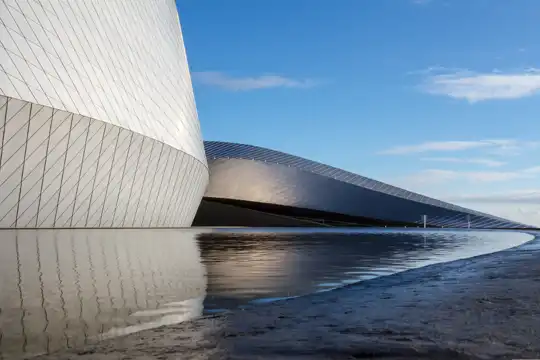
Yes, it’s an aquarium, but the building itself is a spectacle. Designed to look like a swirling whirlpool from above, the structure is all sharp angles and sweeping curves. It’s not just for show—the layout guides you through the exhibits in a way that feels organic, not forced. Even if you’re not an architecture buff, you’ll appreciate the way the building amplifies the sense of journey and discovery. It’s a rare case where the container is almost as interesting as the contents.
Let’s cut through the hype: this is the main event, and it earns its reputation. You’re not peering into a fishbowl—you’re standing in front of a cinematic, 4-million-liter panorama where hammerhead sharks, rays, and swirling schools of fish glide past at eye level. It’s the closest you’ll get to scuba diving in the North Atlantic without a wetsuit or a panic attack. Yes, there are crowds, especially on weekends, but the sheer scale and drama of this tank make it worth elbowing your way to the glass. If you only have time for one thing, make it this.
The Amazon Rainforest
Forget the sterile, glass-and-steel vibe you might expect from a modern aquarium. This exhibit is a humid, living maze—think steamy air, the sound of frogs, and the occasional butterfly flitting past your nose. You’ll spot electric eels, piranhas, and even free-roaming birds. It’s not just a look-but-don’t-touch display; you’re in the thick of it, and the sensory overload is intentional. It’s a rare slice of chaos in an otherwise orderly Scandinavian experience.
The Coral Reef Tunnel
Instagram will show you the tunnel, but it won’t tell you about the feeling of being surrounded by a kaleidoscope of color and movement. This isn’t just a photo op—it’s a full-body immersion. Neon fish, undulating anemones, and the occasional turtle drift overhead. The lighting is dialed in for maximum wow-factor, and the sense of being inside the reef (not just looking at it) is the real magic. It’s a crowd-pleaser for a reason, but it’s also a rare chance to see the complexity of a coral ecosystem up close.
The Touch Pools
Here’s where the Blue Planet ditches the “look, don’t touch” rule. You can actually get your hands wet—literally. Kids and adults alike can stroke rays, sea stars, and crabs under the supervision of staff who know their stuff. It’s not a gimmick; it’s a tactile, memorable way to connect with marine life, and it’s one of the few spots where you’ll see genuine, wide-eyed wonder on every face. If you’re traveling with kids, this is non-negotiable. If you’re not, go anyway—nobody’s too cool to pet a ray.
The Northern Lakes
This one’s my personal favorite. Most aquariums skip the local stuff, but The Blue Planet leans in. You’ll see Danish freshwater species—pike, perch, and eels—in tanks that mimic the murky, mysterious lakes of Scandinavia. It’s not flashy, but it’s honest. There’s a quiet beauty in watching these predators glide through reeds and shadows, and it’s a reminder that you don’t have to travel far for wildness. If you want to see what lurks beneath the surface of Denmark’s own waters, this is the spot.
The Architecture
Yes, it’s an aquarium, but the building itself is a spectacle. Designed to look like a swirling whirlpool from above, the structure is all sharp angles and sweeping curves. It’s not just for show—the layout guides you through the exhibits in a way that feels organic, not forced. Even if you’re not an architecture buff, you’ll appreciate the way the building amplifies the sense of journey and discovery. It’s a rare case where the container is almost as interesting as the contents.
Spotted a mistake or missing something? Contact us.

Private Copenhagen Boat cruise in Scandinavian mahogany boat

Private Copenhagen Boat Tour: Landmarks and Hidden Gems

Private Copenhagen Family Cargo Bike Tour

2-Hour Private Copenhagen Segway Tour - Your own private group

The Secret to Danish Happiness: Nørrebro Culture & Fairytales

Copenhagen Food Bike Tour - taste local delights

3 Hour Extended Copenhagen E-Bike Guided Tour

3 hr Highlights Bike Tour - Native Guide - Incl. a Free Audiowalk

Copenhagen Hidden Gems Food Tour: Authentic Tastings with Bite Me

 Best Backpacking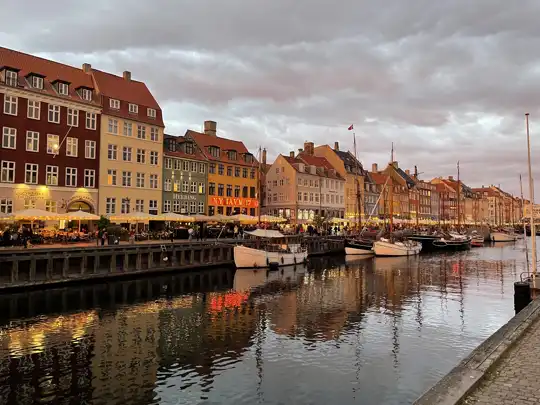
.jpg) Hi, I’m Johan (Netherlands 🇳🇱), the creator of TakeYourBackpack. Over the past 3 decades, I’ve backpacked through 90+ countries across six continents, gaining extensive experience with independent travel, long-term trips, and overland routes.
Hi, I’m Johan (Netherlands 🇳🇱), the creator of TakeYourBackpack. Over the past 3 decades, I’ve backpacked through 90+ countries across six continents, gaining extensive experience with independent travel, long-term trips, and overland routes.