×

Djibouti🇩🇯 | regionsGulf of Tadjouracoral reefs, turquoise bays, coastal villages, whale shark migration | things to do and best time to go

Explore Ali Sabieh PlateauExplore Dikhil

Backpacking in Gulf of Tadjoura
🏆 Top pickregion ranked #1
By Johan Kruseman 🇳🇱 | Updated September 3, 2026

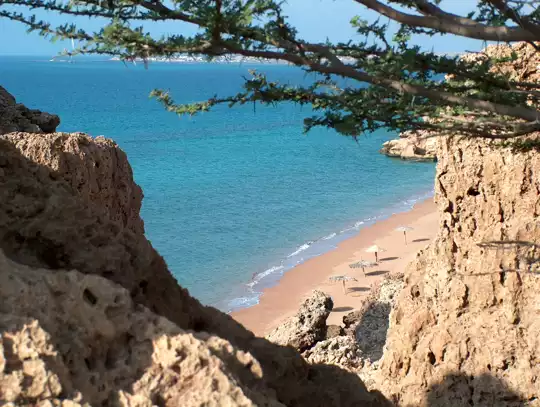
Forget the Instagram myth: the Gulf of Tadjoura isn’t some sanitized, all-inclusive Red Sea resort where you’ll be handed a cocktail and a towel at check-in. This is Djibouti’s wild, salt-crusted heart—a deep blue bay carved into the country’s north, where the Horn of Africa meets the Arabian Sea. Backpackers come for the raw, cinematic drama: volcanic cliffs, white-hot salt flats, and water so clear you’ll see whale sharks glide beneath your fins. Tadjoura town itself is a sleepy, whitewashed relic with a French-Arab soul, while Obock feels like the edge of the world, with camels on the beach and not a souvenir stand in sight. It’s not cheap—Djibouti rarely is—and public transport is slow, but you trade convenience for authenticity. Compared to the capital’s urban sprawl or the lunar desolation of Lake Assal, the Gulf offers a rare blend: real culture, wild nature, and just enough challenge to keep the crowds away.

Discover everything you want to know in the 📖 Djibouti Travel Guide.


Get your Djibouti guide
47 ranked highlights, routes & tips, works offline (200 pages)
Loading the map 🌍
CLICK TO FILTER
cities
towns
villages
landmarks
national parks
hikes
beaches
attractions
festivals
regions
SHOW COUNTRY’S BESTSHOW ALL

✨ Why go?
Ranked #1 region in Djibouti
Reasons people choose to visit here

The Gulf of Tadjoura in Djibouti is a backpacker’s playground, and here’s why savvy travelers flock here. First off, the variety of landscapes is jaw-dropping. You’ve got everything from crystal-clear waters perfect for snorkeling to rugged mountains that beg for exploration.

What’s even better? You can dive into multiple experiences without the hassle of constant relocation. Settle into a cozy spot and soak in the local culture while having the flexibility to explore nearby gems. Want to hit the beach one day and trek through a national park the next? No problem.

This region is all about slow travel. You can really connect with the locals, savoring their stories and traditions. It’s not just about ticking boxes; it’s about immersing yourself in the rhythm of life here.

Plus, the transport … read more 👉
The Gulf of Tadjoura in Djibouti is a backpacker’s playground, and here’s why savvy travelers flock here. First off, the variety of landscapes is jaw-dropping. You’ve got everything from crystal-clear waters perfect for snorkeling to rugged mountains that beg for exploration.

What’s even better? You can dive into multiple experiences without the hassle of constant relocation. Settle into a cozy spot and soak in the local culture while having the flexibility to explore nearby gems. Want to hit the beach one day and trek through a national park the next? No problem.

This region is all about slow travel. You can really connect with the locals, savoring their stories and traditions. It’s not just about ticking boxes; it’s about immersing yourself in the rhythm of life here.

Plus, the transport options are surprisingly good. Whether you’re hopping on a local bus or renting a bike, getting around is straightforward. So, if you’re after a mix of nature and culture without the touristy chaos, the Gulf of Tadjoura is your ticket to a high-value adventure.
Want to include Gulf of Tadjoura in your Djibouti route?
Create a personalized Djibouti itinerary that includes Gulf of Tadjoura and the places that fit your trip — based on your travel style, budget, and available time. Get your route in seconds.

Generate my trip

💡 HighlightsWhat this place is best known for

  • Tadjoura town — One of Djibouti’s oldest ports, with whitewashed houses, narrow alleys and a handful of atmospheric mosques. Walk the waterfront where dhows still roll in, sip coffee with locals under shade, and feel the history of the pearling and trading routes that made this place important.
  • Moucha Island (Île Moucha) — The classic reef-and-beach island trip: turquoise lagoons, clear snorkeling off coral gardens and easy boat access from Djibouti City or Tadjoura. Great for spotting reef fish, giant clams and relaxed overnighting on sand if you want to escape the mainland bustle.
  • Maskali Islands — Hidden gem: a smaller, quieter ring of islets a short boat hop from Moucha with even less development and superb snorkeling. Fishermen call this their patch; you’ll see multi-hued coral, manta
read more 👉
  • Tadjoura town — One of Djibouti’s oldest ports, with whitewashed houses, narrow alleys and a handful of atmospheric mosques. Walk the waterfront where dhows still roll in, sip coffee with locals under shade, and feel the history of the pearling and trading routes that made this place important.
  • Moucha Island (Île Moucha) — The classic reef-and-beach island trip: turquoise lagoons, clear snorkeling off coral gardens and easy boat access from Djibouti City or Tadjoura. Great for spotting reef fish, giant clams and relaxed overnighting on sand if you want to escape the mainland bustle.
  • Maskali Islands — Hidden gem: a smaller, quieter ring of islets a short boat hop from Moucha with even less development and superb snorkeling. Fishermen call this their patch; you’ll see multi-hued coral, manta visits at times, and simple local life up close.
  • Goubet al-Kharab (Goubet Bay) — The dramatic, wind-scoured bay at the southern arm of the gulf where the salts meet black lava: big winds, stark cliffs and brilliant sunsets. It’s a playground for kite-surfers and photographers and a visceral landscape that feels unlike typical tropical coasts.
  • Arta Beach (Plage d’Arta) — A long sandy crescent favored by local families and fishermen, with simple seafood shacks and lovely sunset views over the gulf. Bring a picnic, buy grilled fish from the beach stalls and watch the light change on the water—very low-key and genuine.
  • Ras Siyyan peninsula and mangroves — Hidden gem: a scrubby, volcanic promontory with tidal flats, mangrove pockets and seabird life that most guidebooks skip. It’s rugged, quiet and great for low-impact exploring and birdwatching; take a local boat to get the best perspective.
  • Djibouti City fish market and port morning — The early-morning scene at the port is a raw, honest slice of local life: fishermen hauling in catches, women negotiating, dhows being repaired. It’s not polished for tourists, but it shows how the gulf still feeds communities every day.
  • Whale-shark and pelagic snorkeling trips — The Gulf of Tadjoura is one of the few places where you can realistically swim with whale sharks and frequent manta/dolphin aggregations (seasonal). Join a small-boat trip around Moucha/Maskali for a chance at this genuinely unforgettable marine encounter.
  • Obock town and its rugged coastline — Hidden gem: a small, under-visited port at the northeastern mouth of the gulf with a lonely French-era fort, red cliffs and wide tidal flats. The slow pace, shell-swept beaches and walking out to viewpoints make it a rewarding detour for people who like places that still feel undiscovered.
  • Le Sable Blanc / local picnic beaches — Hidden gem: scattered white-sand coves along the gulf where Djiboutians come for weekend grills, palm shade and local music. These are easy to reach by short boat rides or a bumpy drive, great for an authentic beach day away from the resorts and full of small social pleasures.
Spotted a mistake or missing something? Contact us.

Things to do near Gulf of Tadjoura

Ratings based on Tripadvisor reviews. When you book through this link, you support our work at no extra cost to you.

⌛️ 5 days5-day itinerary for Gulf of Tadjoura

Day 1: Djibouti City
Start your adventure in Djibouti City. This bustling hub is your gateway to the Gulf of Tadjoura. Spend the day acclimating and exploring the local markets. The transport system here is straightforward, with taxis and buses connecting you to the rest of the region. Grab a fresh mango from a street vendor and soak in the vibrant atmosphere. This sets the tone for your trip, giving you a taste of local life.

Day 2: Tadjoura
Head to Tadjoura, a short drive from the city. This charming coastal town is known for its whitewashed buildings and stunning views of the Gulf. The bus ride is about an hour, but it’s worth it for the scenery. Once there, wander the narrow streets and visit the local mosque. The slower pace here allows you to unwind and appreciate the surroundings. … read more 👉
Day 1: Djibouti City
Start your adventure in Djibouti City. This bustling hub is your gateway to the Gulf of Tadjoura. Spend the day acclimating and exploring the local markets. The transport system here is straightforward, with taxis and buses connecting you to the rest of the region. Grab a fresh mango from a street vendor and soak in the vibrant atmosphere. This sets the tone for your trip, giving you a taste of local life.

Day 2: Tadjoura
Head to Tadjoura, a short drive from the city. This charming coastal town is known for its whitewashed buildings and stunning views of the Gulf. The bus ride is about an hour, but it’s worth it for the scenery. Once there, wander the narrow streets and visit the local mosque. The slower pace here allows you to unwind and appreciate the surroundings.

Day 3: Moucha Island
Take a boat to Moucha Island for a day of snorkeling and relaxation. The transport is easy; local boats leave regularly from Tadjoura. The underwater life is vibrant, and the beaches are pristine. This day is all about comfort and enjoyment, a perfect balance after the previous days of travel.

Day 4: Off-Path Reward: Lake Abbe
For a unique detour, consider a trip to Lake Abbe. It’s a bit of a trek, but the otherworldly landscape of limestone chimneys and salt flats is jaw-dropping. Arrange a private taxi or join a tour for the best experience. This is where you’ll feel like a true explorer, away from the usual tourist spots.

Day 5: Back to Djibouti City
Return to Djibouti City for your final day. Use this time to visit the National Museum or relax at a café. The transport back is straightforward, allowing you to reflect on your journey.

The must-do day? Day 3 on Moucha Island. It encapsulates the essence of the Gulf of Tadjoura—natural beauty, relaxation, and a taste of adventure. This trip is all about savoring the moments that make travel worthwhile.
Turn your Gulf of Tadjoura visit into an Djibouti adventure
Build a complete Djibouti route with Gulf of Tadjoura, hidden gems, must-see destinations, and realistic travel times included.

Generate my trip

🌤️ When to go?When to go for the best experience


  • Weather: The Gulf of Tadjoura bakes under a desert sun most of the year. The best window is from November to February when temperatures drop to a bearable 24-30°C (75-86°F). Outside this, expect relentless heat that saps your energy fast.

  • Temperature: Daytime highs in the peak summer months can soar above 40°C (104°F), turning every step into a slow roast. Nights cool down but not enough to feel truly comfortable. The cooler months offer a sweet spot for hiking and swimming without frying.

  • Daylight Hours: Daylight is fairly consistent year-round, roughly 11-12 hours. Early mornings and late afternoons are your best bets for exploring, avoiding the midday scorch.

  • Crowds: Djibouti isn’t exactly a tourist hotspot, but the cooler months see a slight uptick in visitors. You’ll still have
read more 👉

  • Weather: The Gulf of Tadjoura bakes under a desert sun most of the year. The best window is from November to February when temperatures drop to a bearable 24-30°C (75-86°F). Outside this, expect relentless heat that saps your energy fast.

  • Temperature: Daytime highs in the peak summer months can soar above 40°C (104°F), turning every step into a slow roast. Nights cool down but not enough to feel truly comfortable. The cooler months offer a sweet spot for hiking and swimming without frying.

  • Daylight Hours: Daylight is fairly consistent year-round, roughly 11-12 hours. Early mornings and late afternoons are your best bets for exploring, avoiding the midday scorch.

  • Crowds: Djibouti isn’t exactly a tourist hotspot, but the cooler months see a slight uptick in visitors. You’ll still have plenty of space to yourself, especially if you avoid weekends and local holidays.

  • Seasonal Activities: November to February is prime for diving and snorkeling, thanks to calmer seas and better visibility. The rest of the year, strong winds and choppy waters limit water sports.

  • Price Fluctuations: Expect a modest price bump during the cooler months when demand rises. Off-season, you can snag cheaper accommodation and transport, but brace for the heat.


Pro-tip: Arrive just before the cool season kicks in—late October—when prices are still low but the weather is starting to soften. You’ll get the best of both worlds: fewer crowds, better deals, and a gentler sun.


source: climatestotravel.comJANJanuary: excellent for travelingFEBFebruary: excellent for travelingMARMarch: good for travelingAPRApril: fair for travelingMAYMay: fair for travelingJUNJune: below average for travelingJULJuly: below average for travelingAUGAugust: below average for travelingSEPSeptember: fair for travelingOCTOctober: good for travelingNOVNovember: excellent for travelingDECDecember: excellent for traveling
when-to-go

✈️ The backpacker research shortcutDjibouti Travel Guide

An offline-friendly backpacking guide with optimized travel routes, ranked highlights, transport advice, and the best areas to stay.
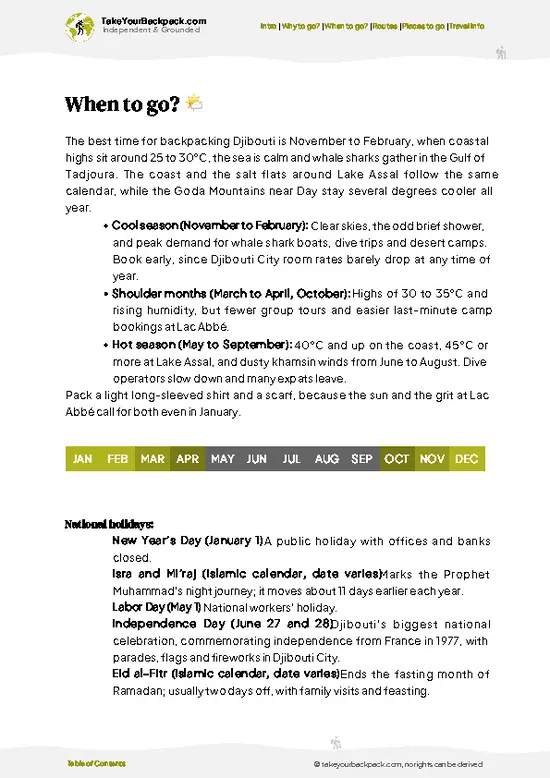
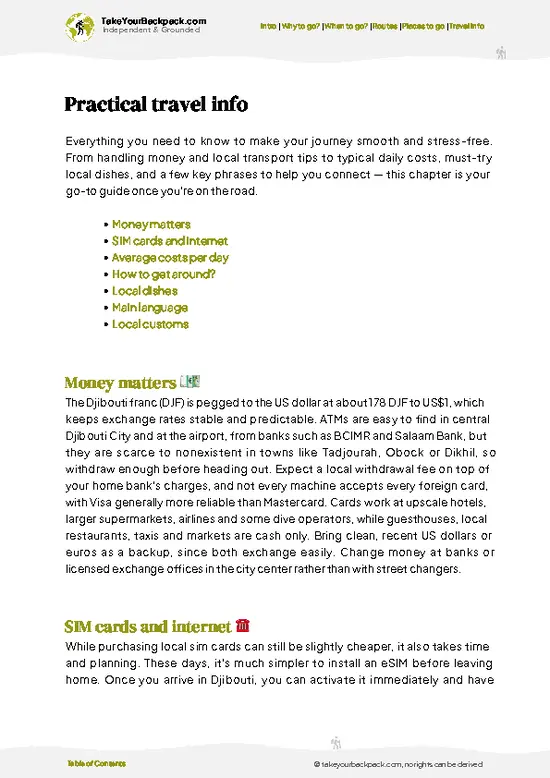
example page 0 from our offline Travel Guide for Djibouti
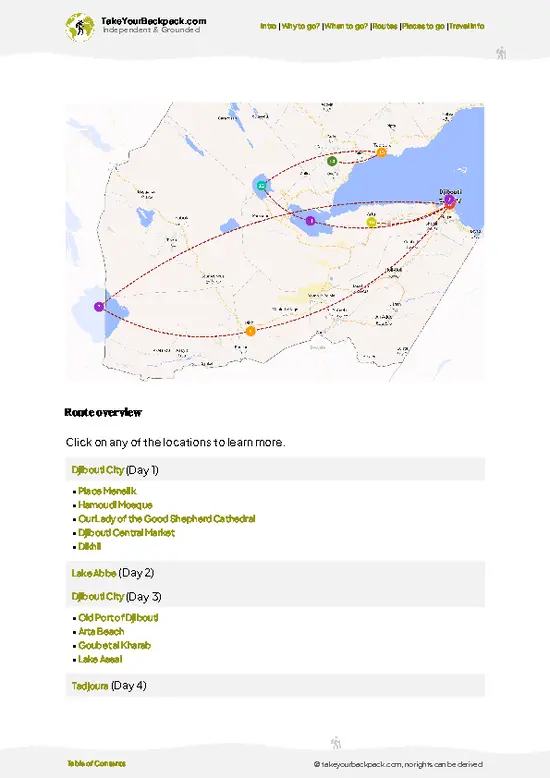
example page 1 from our offline Travel Guide for Djibouti
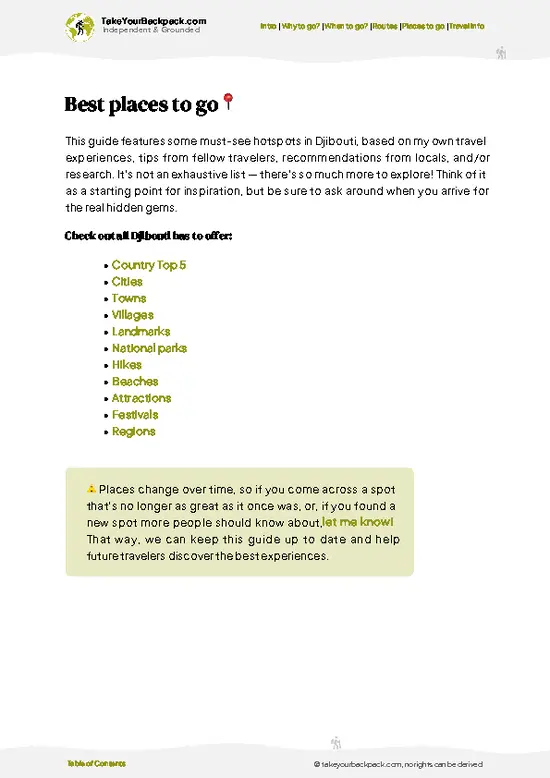
example page 2 from our offline Travel Guide for Djibouti
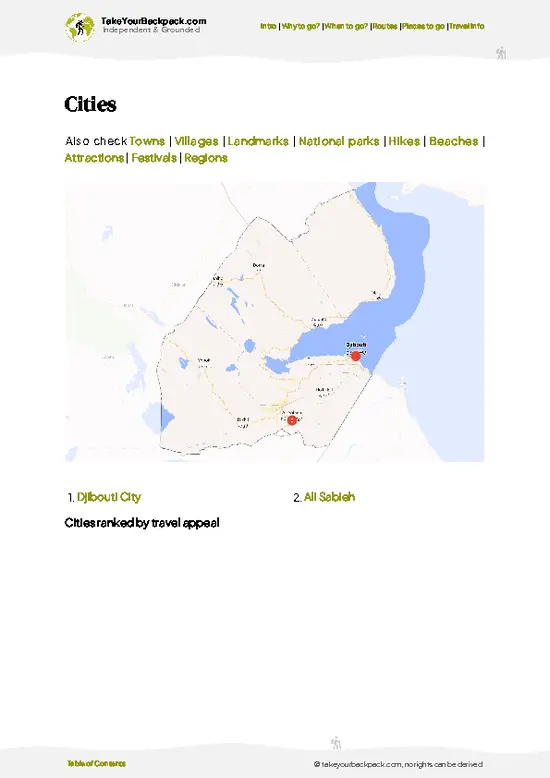
example page 3 from our offline Travel Guide for Djibouti
example page 4 from our offline Travel Guide for Djibouti
example page 5 from our offline Travel Guide for Djibouti
example page 6 from our offline Travel Guide for Djibouti
example page 7 from our offline Travel Guide for Djibouti
The digital guide (200 pages) contains:
47 highlights, ranked by travel appeal
Optimized 2, 3 & 5-day travel routes
Cities, national parks, landmarks, beaches
How to get around
Offline-friendly for travel without Wi-Fi
👉 Click to see all 30+ guide features

📅 Plan smarter in minutes, not weeks
Month by month travel advice
Festivals & national holidays
Budget expectations

🗺️ Go to the right places, skip the overrated ones
Honest pros & cons of destinations
Top hikes, parks & viewpoints
Lesser-known places most travelers miss
Clear “worth it vs skip it” guidance

🛏️ Travel smoothly without rookie mistakes
Best areas to stay
Transport systems explained simply
Common scams & safety advice
SIM cards, money & practical tips

🌍 Understand the country, not just visit it
Culture & traditions
52 Essential phrases & customs
Festivals worth planning around
Traveler-friendly historical context
Insights that make places more meaningful

📱 Built for real travel conditions
Fully downloadable PDF
Works completely offline
Optimized for phone use
Useful in remote areas & buses
Everything in one place
Save weeks of stressful planning
Get instant access to your full guide. 30‑day money-back guarantee.
+ Add another guide for just US$7.80

By proceeding you agree to our terms.
Sent to your inbox immediately after payment • 100% Secure Checkout
Best Backpacking Travel Advisor 2025 tourism awardBest Backpacking
Travel Advisor
2025
What others say about Take Your Backpack Guides:
⭐⭐⭐⭐⭐
Fantastic, amazing amount of information!
⭐⭐⭐⭐⭐
My goodness this is amazing, it's what I've been looking for hats off too you!
⭐⭐⭐⭐⭐
I think this is absolutely BRILLIANT
⭐⭐⭐⭐
Very complete and informative. It's still missing places, but I gotta to commend you
⭐⭐⭐⭐⭐
This is truly amazing, thank you, can't wait to explore it with my kids!
⭐⭐⭐⭐⭐
Awesome resource, thank you!
⭐⭐⭐⭐⭐
This is amazing! Can't wait to explore the ones I haven't seen
⭐⭐⭐⭐
I love this! Well done, great idea.
⭐⭐⭐⭐⭐
Thanks for taking the time to make this gem!
⭐⭐⭐⭐⭐
This might be the best website I've ever seen.
⭐⭐⭐⭐⭐
Congratulations, and thank you so much for your work; it's incredibly valuable.
⭐⭐⭐⭐
In all seriousness I think you did a great job pointing out the important spots
⭐⭐⭐⭐⭐
10/10 very good
⭐⭐⭐⭐⭐
As someone who's only just starting to visit regularly this is awesome, thank you.
⭐⭐⭐⭐
Thank you very much! I'm going to visit my dad, it's going to be very useful!
⭐⭐⭐⭐⭐
This is really cool! We'll be travelling for the first time and this definitely come in handy.
⭐⭐⭐⭐⭐
You are now our minister of culture, congratulations 👨‍💼
⭐⭐⭐⭐⭐
Just wanted to tell you that this is a pearl! Going to follow your recommendations.
⭐⭐⭐⭐⭐
This is so cool. I'll definitely be using the resource for my travels soon.
⭐⭐⭐⭐⭐
This is very impressive! Good work.
⭐⭐⭐⭐⭐
This is an amazing and informative site. Very well done!

🛏️ Where to stay?Where staying makes the most sense

When you’re roaming the Gulf of Tadjoura, the right base can make all the difference. Here’s the scoop on where to lay your head.

Start with Djibouti City. It’s the bustling heart of the country, and while it’s not the quietest spot, it’s where the action is. You’ll find a mix of locals and travelers, making it easy to strike up conversations. Hit the waterfront for fresh seafood and vibrant markets. Just keep your wits about you, especially at night.

Next up, consider Tadjoura itself. This coastal town is a laid-back alternative to the capital. It’s safe, with a friendly vibe that invites you … read more 👉
When you’re roaming the Gulf of Tadjoura, the right base can make all the difference. Here’s the scoop on where to lay your head.

Start with Djibouti City. It’s the bustling heart of the country, and while it’s not the quietest spot, it’s where the action is. You’ll find a mix of locals and travelers, making it easy to strike up conversations. Hit the waterfront for fresh seafood and vibrant markets. Just keep your wits about you, especially at night.

Next up, consider Tadjoura itself. This coastal town is a laid-back alternative to the capital. It’s safe, with a friendly vibe that invites you to mingle. The beaches here are perfect for unwinding after a day of exploring. Plus, you can hop on a boat to nearby islands for snorkeling—an experience you won’t want to miss.

If you’re feeling adventurous, check out Ali Sabieh. It’s a bit off the beaten path but offers a glimpse into local life. The scenery is stunning, and you’ll find fewer tourists. Just be prepared for a slower pace.

Each of these spots has its own charm. Choose wisely based on what you want to experience, and you’ll unlock the true essence of the Gulf of Tadjoura.

🚌 Getting aroundGetting around like a local

The Gulf of Tadjoura is a wild dance of sun, sea, and spontaneity. Here, schedules are more of a suggestion than a rule. You’ll find yourself swept up in the rhythm of the local life, where the hum of a bustling market can turn into a spontaneous boat ride at sunset. It’s a place where intuition reigns supreme, and the best experiences often come from following your nose rather than a strict itinerary. The salty breeze carries whispers of adventure, and every corner holds the promise of connection. So, let’s dive into the transport options that will keep you moving through this vibrant region without breaking the bank.


  • Taxi-Brousse: These shared minibuses are the lifeblood of local transport. They run from Djibouti City to Tadjoura and beyond, typically starting around 6 AM and running until
read more 👉
The Gulf of Tadjoura is a wild dance of sun, sea, and spontaneity. Here, schedules are more of a suggestion than a rule. You’ll find yourself swept up in the rhythm of the local life, where the hum of a bustling market can turn into a spontaneous boat ride at sunset. It’s a place where intuition reigns supreme, and the best experiences often come from following your nose rather than a strict itinerary. The salty breeze carries whispers of adventure, and every corner holds the promise of connection. So, let’s dive into the transport options that will keep you moving through this vibrant region without breaking the bank.


  • Taxi-Brousse: These shared minibuses are the lifeblood of local transport. They run from Djibouti City to Tadjoura and beyond, typically starting around 6 AM and running until dusk. Expect to pay about 1,500 DJF (around $8) for a ride that takes about 1.5 hours. Comfort varies, but you’ll get a taste of local life packed in with friendly chatter and the occasional goat.


  • Ferry to Moucha Island: If you’re itching to escape to the turquoise waters, hop on a ferry from Djibouti City. Ferries usually leave at 9 AM and 2 PM, costing around 3,000 DJF ($16) for a round trip. The ride is about 45 minutes, and while it’s not the plushest option, the views of the coastline are worth every bump.


  • Private Boat Hire: For a more personalized experience, consider hiring a local fisherman’s boat. Prices vary widely, but you can negotiate around 10,000 DJF ($55) for a half-day trip. This option gives you the freedom to explore hidden coves and snorkel in pristine waters, but be prepared for a less structured experience.


  • Car Rentals: If you crave flexibility, renting a car is a solid choice. Prices start at about 30,000 DJF ($165) per day. While it’s pricier, it allows you to explore at your own pace. Just be ready for some adventurous driving—roads can be rough, and signage is minimal.


For a master tactical tip: always chat with locals about transport schedules. They know the ins and outs better than any guidebook. Plus, you might score a ride or two that isn’t listed anywhere, making your journey feel like a true insider experience. Embrace the chaos, and let the Gulf of Tadjoura sweep you off your feet!

🍲 FoodLocal Cuisine & Drinks

In the Gulf of Tadjoura, food is a vibrant tapestry of flavors and aromas that tell the story of the region. Dive into lahoh, a spongy, pancake-like bread that’s a staple here. Pair it with sambusa, crispy pastries filled with spiced meat or lentils, and you’ve got a snack that’s both comforting and addictive. Don’t miss the zighni, a rich, slow-cooked stew that’s often served with rice, bursting with spices that dance on your palate.

For drinks, seek out karkadeh, a refreshing hibiscus tea that’s both tart and sweet. It’s the perfect antidote to the heat. If you’re feeling adventurous, try the local arak, a potent anise-flavored spirit that’s often shared among friends.

When it comes to dining, embrace the local scene. Head to bustling markets where vendors serve up street food that’s fresh … read more 👉
In the Gulf of Tadjoura, food is a vibrant tapestry of flavors and aromas that tell the story of the region. Dive into lahoh, a spongy, pancake-like bread that’s a staple here. Pair it with sambusa, crispy pastries filled with spiced meat or lentils, and you’ve got a snack that’s both comforting and addictive. Don’t miss the zighni, a rich, slow-cooked stew that’s often served with rice, bursting with spices that dance on your palate.

For drinks, seek out karkadeh, a refreshing hibiscus tea that’s both tart and sweet. It’s the perfect antidote to the heat. If you’re feeling adventurous, try the local arak, a potent anise-flavored spirit that’s often shared among friends.

When it comes to dining, embrace the local scene. Head to bustling markets where vendors serve up street food that’s fresh and flavorful. Grab a seat at a casual café, where you can sip coffee brewed with cardamom while watching life unfold around you.

Etiquette is relaxed but communal. Sharing food is a sign of friendship, so don’t hesitate to dig into a shared plate. Just remember to eat with your right hand—it’s the local custom. This isn’t just about food; it’s about connection, flavor, and the joy of experiencing life in the Gulf of Tadjoura.

FAQCommon questions from travelers

3 to 4 days are sufficient to explore the Gulf of Tadjoura, allowing time for snorkeling, diving, and visiting nearby villages. The best months to visit are from November to April when the weather is cooler and dry.
Without a car, you can get around the Gulf of Tadjoura by using local boats for island hopping and water taxis, or by hiring motorbikes and tuk-tuks in towns. Walking is also common for short distances within villages.
The Gulf of Tadjoura is known for its excellent diving and snorkeling spots with rich coral reefs and diverse marine life. It is also famous for its salt flats and the nearby volcanic landscapes.
⚠️ Things can change over time, so always validate details locally before you go.

Other destinations worth considering

Gulf of Tadjoura isn’t the only highlight in Djibouti. Explore all what Djibouti has to offer.
Country photo of Djibouti

We 💚 feedbackParting advice and final tips

You’ll find the Gulf of Tadjoura is a blend of raw beauty and local charm. The sunsets? They’ll steal your breath. But here’s the scoop: don’t rush your visit. Spend a night or two in Tadjoura itself. The local vibe is laid-back, and the people are genuinely welcoming. Just a heads-up—bring cash. ATMs can be scarce, and some places don’t take cards. Trust me, those spontaneous beachside dinners with fresh catch are worth every franc. Enjoy the ride; it’s a special slice of Djibouti.

✍️ Help improve this page!
The information on this page is based on in-depth research, insights shared by experienced travelers, and feedback from the local travel community in Djibouti. While every effort is made to keep the information accurate and current, conditions can change — so if you spot anything incorrect or outdated, please get in touch.


🙋‍♂️ Give feedback

👋 Meet the founderWho’s Behind Take Your Backpack?

Johan, backpacker and founder of TakeYourBackpackHi, I’m Johan (Netherlands 🇳🇱), the creator of TakeYourBackpack. Over the past decade, I’ve backpacked through 80+ countries across six continents, gaining extensive experience with independent travel, long-term trips, and overland routes.

This site is built on a combination of firsthand travel experience and carefully curated insights from other backpackers. Many guides are based on places I’ve personally visited, while others bring together tips, observations, and practical advice shared by trusted travelers I’ve met along the way.

The goal is to provide realistic, experience-driven guidance — not generic itineraries — so you can explore destinations with better context, clearer expectations, and more confidence.

Get full Djibouti guide •
Instant download • 47 highlights • Full Offline guide