
×

Dominican Republic🇩🇴 | citiesBanísand dunes, mango groves, artisan workshops | things to do and best time to go

Explore San Pedro de MacorísExplore Azua

Backpacking in Baní
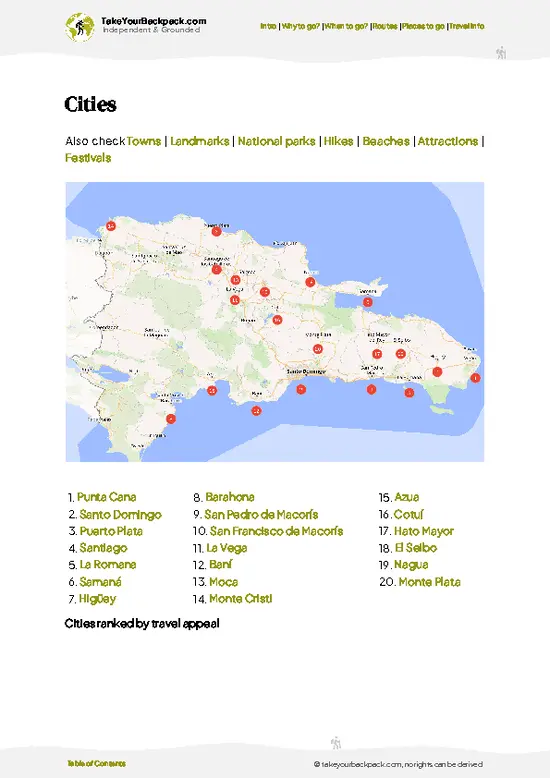
👍 Recommendedcity ranked #13
By Johan Kruseman 🇳🇱 | Updated June 3, 2026

Most people who’ve heard of Baní only know the sand dunes on Instagram and assume that’s all there is; that’s like judging a whole book by the dust jacket. Baní sits in the Peravia province, southwest of Santo Domingo, on the dry, sunburnt side of the Dominican Republic’s south coast. For backpackers, it’s a low-key, very local base: cheap eats, basic guesthouses, a mellow central park, and easy guagua links to the Dunas de Baní and Salinas salt flats. Nightlife is mostly colmados and weekend bachata, not big clubs, and you won’t find a ready-made hostel scene like in Santo Domingo or Las Terrenas, so meeting other travelers takes effort. On the flip side, it feels safer and more relaxed than the capital, with fewer hustlers and more curious, chatty locals. The vibe is small-city Caribbean routine: hot, dusty streets, loud motoconchos, cold beer, and the sense you’re watching real daily life, not a resort show.

Discover everything you want to know in the 📖 Dominican Republic Travel Guide.
Loading the map 🌍
CLICK TO FILTER
cities
towns
landmarks
national parks
hikes
beaches
attractions
festivals
regions
SHOW COUNTRY’S BESTSHOW ALL

✨ Why go?
Ranked #13 city in Dominican Republic
The unique appeal for travelers

Baní is a strategic stop for backpackers navigating the Dominican Republic. It offers a solid basecamp for day trips, making it easy to explore nearby attractions without the hassle of constant packing. The hostels here are budget-friendly and foster a social vibe, perfect for meeting fellow travelers. You’ll find affordable food options that showcase local flavors, from street vendors to cozy eateries. The city is walkable, allowing you to soak in the atmosphere without needing a taxi. As for nightlife, it’s lively enough to enjoy a few drinks and dance without feeling overwhelming. Plus, its location makes onward travel to other destinations a breeze. If you’re after a mix of convenience and local culture, Baní is worth your time.
Want to include Baní in your Dominican Republic route?
Create a personalized Dominican Republic itinerary that includes Baní and the places that fit your trip — based on your travel style, budget, and available time. Get your route in seconds.

Generate my trip

💡 HighlightsDon't-miss highlights and experiences

  • Parque Duarte (Parque Central) — The heartbeat of Baní: a shady central square where locals meet, street vendors sell snacks, and you can watch daily life unfold while surrounded by municipal buildings and sculpted plazas.
  • Mercado Municipal de Baní — A bustling indoor/outdoor market for fresh produce, spices, Dominican snacks and everyday goods; the best place to see local commerce, taste street food, and pick up affordable souvenirs.
  • Sombrero-banilejo workshops and hat sellers — Baní is famous for its handwoven straw hats; visit small workshops and market stalls in town to watch artisans weave, haggle for a genuine banilejo hat, and support local craft traditions.
  • Main Parroquial (the town’s principal Catholic church) — The focal point for Baní’s religious and community life, set near
read more 👉
  • Parque Duarte (Parque Central) — The heartbeat of Baní: a shady central square where locals meet, street vendors sell snacks, and you can watch daily life unfold while surrounded by municipal buildings and sculpted plazas.
  • Mercado Municipal de Baní — A bustling indoor/outdoor market for fresh produce, spices, Dominican snacks and everyday goods; the best place to see local commerce, taste street food, and pick up affordable souvenirs.
  • Sombrero-banilejo workshops and hat sellers — Baní is famous for its handwoven straw hats; visit small workshops and market stalls in town to watch artisans weave, haggle for a genuine banilejo hat, and support local craft traditions.
  • Main Parroquial (the town’s principal Catholic church) — The focal point for Baní’s religious and community life, set near the central park; an easy stop to observe local devotion, architecture, and Sunday services.
A few excellent day trips just outside Baní are the Las Salinas (salt flats) and the Dunas de Baní (sand dunes), plus nearby beaches around Salinas and Los Patos.
Spotted a mistake or missing something? Contact us.

Things to do near Baní

Ratings based on Tripadvisor reviews. When you book through this link, you support our work at no extra cost to you.

🏘️ NeighborhoodsUnderstanding the local layout

Baní offers a unique blend of local culture and accessibility for backpackers. Here’s how its neighborhoods stack up:

Centro Histórico: This is the heart of Baní, where colonial architecture meets vibrant street life. It’s walkable, with plenty of local eateries and shops. Costs are low, making it ideal for longer stays. The nightlife is mellow, perfect for unwinding after a day of exploration.

Las Salinas: Known for its salt flats, this area is a bit quieter but offers stunning coastal views. It’s less walkable, so a bike or scooter rental is recommended. Great for short stays focused on relaxation and nature. Costs are moderate, especially if you’re keen on local seafood.

Villa Fundación: A residential area with a local vibe. It’s affordable and offers a glimpse into everyday Dominican … read more 👉
Baní offers a unique blend of local culture and accessibility for backpackers. Here’s how its neighborhoods stack up:

Centro Histórico: This is the heart of Baní, where colonial architecture meets vibrant street life. It’s walkable, with plenty of local eateries and shops. Costs are low, making it ideal for longer stays. The nightlife is mellow, perfect for unwinding after a day of exploration.

Las Salinas: Known for its salt flats, this area is a bit quieter but offers stunning coastal views. It’s less walkable, so a bike or scooter rental is recommended. Great for short stays focused on relaxation and nature. Costs are moderate, especially if you’re keen on local seafood.

Villa Fundación: A residential area with a local vibe. It’s affordable and offers a glimpse into everyday Dominican life. Walkability is decent, but public transport is your best bet for longer distances. Nightlife is minimal, making it suitable for those seeking a peaceful retreat.

⌛️ 1 dayWhat you can realistically do in a day

Baní, a charming city in the Dominican Republic, offers a blend of rich culture and local flavor that often flies under the tourist radar. Start your day in the bustling Parque Central, where the locals gather. Grab a coffee from a nearby café and soak in the morning energy. The park is surrounded by colonial architecture, making it a perfect backdrop for people-watching.

As the sun climbs, head to the nearby Playa de Baní. It’s a short drive, but the soft sands and gentle waves are worth it. Spend a couple of hours swimming or simply lounging. If you’re feeling adventurous, rent a kayak to explore the coastline.

For lunch, dive into the local cuisine at a small eatery in the Los Cocos neighborhood. Try the sancocho, a hearty stew that’s a staple here.

In the afternoon, visit the Museo … read more 👉
Baní, a charming city in the Dominican Republic, offers a blend of rich culture and local flavor that often flies under the tourist radar. Start your day in the bustling Parque Central, where the locals gather. Grab a coffee from a nearby café and soak in the morning energy. The park is surrounded by colonial architecture, making it a perfect backdrop for people-watching.

As the sun climbs, head to the nearby Playa de Baní. It’s a short drive, but the soft sands and gentle waves are worth it. Spend a couple of hours swimming or simply lounging. If you’re feeling adventurous, rent a kayak to explore the coastline.

For lunch, dive into the local cuisine at a small eatery in the Los Cocos neighborhood. Try the sancocho, a hearty stew that’s a staple here.

In the afternoon, visit the Museo de la Ciudad, where you can learn about Baní’s history and culture. It’s not on every tourist’s itinerary, but it’s a treasure trove of local stories.

As evening approaches, stroll through the vibrant streets, where you’ll find street vendors selling fresh fruit and local crafts. End your day with a sunset at Playa de Baní, watching the sky turn to shades of orange and pink. This day in Baní isn’t just about sights; it’s about feeling the pulse of a city that’s alive with authenticity.
Turn your Baní visit into an Dominican Republic adventure
Build a complete Dominican Republic route with Baní, hidden gems, must-see destinations, and realistic travel times included.

Generate my trip

🌤️ When to go?Choosing the right time of year


  • Topic: Weather Baní’s dry season runs from December to April, offering mostly sunny skies and minimal rain—ideal for backpackers who want to avoid soggy gear and muddy trails. The wet season from May to November brings heavy showers, especially in September and October, which can disrupt plans.

  • Topic: Temperature Expect daytime highs around 28–32°C (82–90°F) year-round, with cooler nights in the dry season dropping to about 20°C (68°F). The wet season feels hotter and more humid, which can sap your energy on long hikes.

  • Topic: Daylight Hours Daylight is fairly consistent, roughly 11 to 12 hours daily, with slightly longer days in summer. This steady light window lets you plan full days without worrying about early sunsets.

  • Topic: Crowds Tourist traffic peaks in the dry season, especially
read more 👉

  • Topic: Weather Baní’s dry season runs from December to April, offering mostly sunny skies and minimal rain—ideal for backpackers who want to avoid soggy gear and muddy trails. The wet season from May to November brings heavy showers, especially in September and October, which can disrupt plans.

  • Topic: Temperature Expect daytime highs around 28–32°C (82–90°F) year-round, with cooler nights in the dry season dropping to about 20°C (68°F). The wet season feels hotter and more humid, which can sap your energy on long hikes.

  • Topic: Daylight Hours Daylight is fairly consistent, roughly 11 to 12 hours daily, with slightly longer days in summer. This steady light window lets you plan full days without worrying about early sunsets.

  • Topic: Crowds Tourist traffic peaks in the dry season, especially around Christmas and Easter, pushing up prices and filling hostels. The off-peak wet season sees fewer travelers, giving you more breathing room and local interaction.

  • Topic: Seasonal Activities Dry months are best for outdoor adventures like hiking and beach time. The wet season limits these but brings lush landscapes and fewer tourists, which some find rewarding.

  • Topic: Price Fluctuations Accommodation and transport costs spike during the dry season’s holidays. Traveling just before or after these peaks can save money without sacrificing weather quality.


Pro-tip: Aim for late November or early May to balance good weather, manageable crowds, and better prices—this sweet spot lets you play the timing game like a pro.


source: climatestotravel.comJANJanuary: excellent for travelingFEBFebruary: excellent for travelingMARMarch: excellent for travelingAPRApril: excellent for travelingMAYMay: highly recommended for travelingJUNJune: good for travelingJULJuly: good for travelingAUGAugust: good for travelingSEPSeptember: fair for travelingOCTOctober: fair for travelingNOVNovember: highly recommended for travelingDECDecember: excellent for traveling
when-to-go

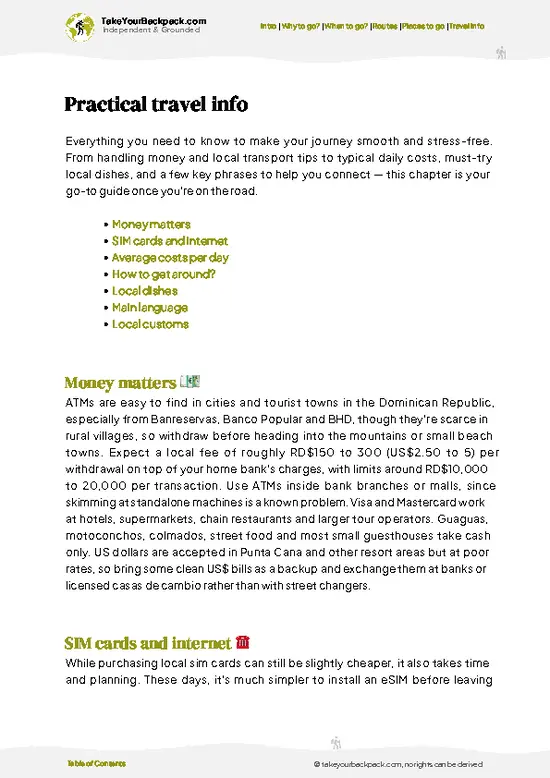
✈️ The backpacker research shortcutDominican Republic Travel Guide

An offline-friendly backpacking guide with optimized travel routes, ranked highlights, transport advice, and the best areas to stay.
example page 0 from our offline Travel Guide for Dominican Republic
example page 1 from our offline Travel Guide for Dominican Republic
example page 2 from our offline Travel Guide for Dominican Republic
example page 3 from our offline Travel Guide for Dominican Republic
example page 4 from our offline Travel Guide for Dominican Republic
example page 5 from our offline Travel Guide for Dominican Republic
example page 6 from our offline Travel Guide for Dominican Republic
example page 7 from our offline Travel Guide for Dominican Republic
The digital guide (431 pages) contains:
119 highlights, ranked by travel appeal
Optimized 5, 10 & 15-day travel routes
Cities, national parks, landmarks, beaches
How to get around
Offline-friendly for travel without Wi-Fi
👉 Click to see all 30+ guide features

📅 Plan smarter in minutes, not weeks
Month by month travel advice
Festivals & national holidays
Budget expectations

🗺️ Go to the right places, skip the overrated ones
Honest pros & cons of destinations
Top hikes, parks & viewpoints
Lesser-known places most travelers miss
Clear “worth it vs skip it” guidance

🛏️ Travel smoothly without rookie mistakes
Best areas to stay
Transport systems explained simply
Common scams & safety advice
SIM cards, money & practical tips

🌍 Understand the country, not just visit it
Culture & traditions
52 Essential phrases & customs
Festivals worth planning around
Traveler-friendly historical context
Insights that make places more meaningful

📱 Built for real travel conditions
Fully downloadable PDF
Works completely offline
Optimized for phone use
Useful in remote areas & buses
Everything in one place
Save weeks of stressful planning
Get instant access to your full guide. 30‑day money-back guarantee.


By proceeding you agree to our terms.
Sent to your inbox immediately after payment • 100% Secure Checkout
Best Backpacking Travel Advisor 2025 tourism awardBest Backpacking
Travel Advisor
2025
What others say about Take Your Backpack Guides:
⭐⭐⭐⭐⭐
Fantastic, amazing amount of information!
⭐⭐⭐⭐⭐
My goodness this is amazing, it's what I've been looking for hats off too you!
⭐⭐⭐⭐⭐
I think this is absolutely BRILLIANT
⭐⭐⭐⭐
Very complete and informative. It's still missing places, but I gotta to commend you
⭐⭐⭐⭐⭐
This is truly amazing, thank you, can't wait to explore it with my kids!
⭐⭐⭐⭐⭐
Awesome resource, thank you!
⭐⭐⭐⭐⭐
This is amazing! Can't wait to explore the ones I haven't seen
⭐⭐⭐⭐
I love this! Well done, great idea.
⭐⭐⭐⭐⭐
Thanks for taking the time to make this gem!
⭐⭐⭐⭐⭐
This might be the best website I've ever seen.
⭐⭐⭐⭐⭐
Congratulations, and thank you so much for your work; it's incredibly valuable.
⭐⭐⭐⭐
In all seriousness I think you did a great job pointing out the important spots
⭐⭐⭐⭐⭐
10/10 very good
⭐⭐⭐⭐⭐
As someone who's only just starting to visit regularly this is awesome, thank you.
⭐⭐⭐⭐
Thank you very much! I'm going to visit my dad, it's going to be very useful!
⭐⭐⭐⭐⭐
This is really cool! We'll be travelling for the first time and this definitely come in handy.
⭐⭐⭐⭐⭐
You are now our minister of culture, congratulations 👨‍💼
⭐⭐⭐⭐⭐
Just wanted to tell you that this is a pearl! Going to follow your recommendations.
⭐⭐⭐⭐⭐
This is so cool. I'll definitely be using the resource for my travels soon.
⭐⭐⭐⭐⭐
This is very impressive! Good work.
⭐⭐⭐⭐⭐
This is an amazing and informative site. Very well done!

🛏️ Where to stay?Best areas to stay in Dominican Republic

Baní’s backpacker scene is compact but clear once you crack the code. The best spot to drop your pack is around the city center, especially near the main plaza. This area strikes a smart balance: it’s safe, buzzing enough to meet fellow travelers, and wallet-friendly without feeling like a tourist trap. You’ll find a handful of hostels here, modest but clean, perfect for solo backpackers who want to swap stories over a cold drink or plan day trips without wasting time or cash on transport.

Venture too far east or south, and you’re trading convenience for quiet residential zones that lack social … read more 👉
Baní’s backpacker scene is compact but clear once you crack the code. The best spot to drop your pack is around the city center, especially near the main plaza. This area strikes a smart balance: it’s safe, buzzing enough to meet fellow travelers, and wallet-friendly without feeling like a tourist trap. You’ll find a handful of hostels here, modest but clean, perfect for solo backpackers who want to swap stories over a cold drink or plan day trips without wasting time or cash on transport.

Venture too far east or south, and you’re trading convenience for quiet residential zones that lack social energy and budget options. The west side leans more local and less tourist-ready, which can be a gamble if you’re new to the city. Staying central means you’re plugged into Baní’s pulse—street vendors, local eateries, and easy access to buses—making your stay efficient and rich in authentic encounters without sacrificing safety or comfort.

🚌 Getting aroundGetting around like a local

Baní moves at its own rhythm—neither a frantic rush nor a laid-back drift. It’s a place where schedules exist but bend to local habits, where you’ll find a mix of punctuality and improvisation. The city’s pulse is set by the sun and the market hours more than by strict timetables. Understanding this flow means you’re not just a passenger but a player in the game, choosing when to push for speed or when to lean into the slower, more immersive moments.


  • Walking: Baní’s compact center is best explored on foot. It’s free, flexible, and lets you soak in street life at your own pace. Expect to cover most key spots within 30-45 minutes, but be ready for uneven sidewalks and occasional street vendors crowding your path.


  • Local Buses (Guaguas): These are the budget backbone, running roughly
read more 👉
Baní moves at its own rhythm—neither a frantic rush nor a laid-back drift. It’s a place where schedules exist but bend to local habits, where you’ll find a mix of punctuality and improvisation. The city’s pulse is set by the sun and the market hours more than by strict timetables. Understanding this flow means you’re not just a passenger but a player in the game, choosing when to push for speed or when to lean into the slower, more immersive moments.


  • Walking: Baní’s compact center is best explored on foot. It’s free, flexible, and lets you soak in street life at your own pace. Expect to cover most key spots within 30-45 minutes, but be ready for uneven sidewalks and occasional street vendors crowding your path.


  • Local Buses (Guaguas): These are the budget backbone, running roughly from 6:00 AM to 8:00 PM. Fares hover around 30-50 DOP (Dominican Pesos). They’re slow, often stopping frequently, and can get crowded, but they’re the cheapest way to cover longer distances within and just outside Baní.


  • Motoconchos (Motorcycle Taxis): If you want speed and don’t mind a bit of risk, motoconchos zip through traffic and can get you anywhere in town in under 10 minutes. Prices are negotiable but usually 50-100 DOP. Comfort is minimal, and helmets aren’t always guaranteed, so weigh your tolerance for adrenaline.


  • Shared Taxis: These operate on fixed routes but leave only when full, which means unpredictable departure times. Fares are around 70-100 DOP. They strike a middle ground between bus and motoconcho—faster than buses, cheaper than private taxis, and moderately comfortable.


  • Private Taxis: The most comfortable and fastest option, but also the priciest. Expect to pay 300 DOP or more for short trips. Ideal if you’re traveling with luggage or want to maximize comfort and time, but it’s a clear trade-off against budget.

👛 Costs (as of 13 August 2025)Money, prices, and spending tips

Backpacking in Baní, Dominican Republic, offers a clear trade-off between cost and comfort, with prices that reflect its less touristy, more local vibe. Here’s the breakdown of what you’re likely to spend daily as an independent traveler:
  • Dorm Accommodation (High Season): Expect to pay around $10 to $15 per night. Availability tightens during peak months, pushing prices slightly higher due to demand.
  • Dorm Accommodation (Off-Season): Prices drop to about $7 to $10 per night. Fewer tourists mean better deals, but options remain limited, so booking ahead is smart.
  • Meals: Street food and local eateries dominate here. Budget $5 to $8 daily for three meals if you stick to local dishes like mangú or empanadas. Splurging on a nicer sit-down meal might push a single meal to $10 or more.
  • Local Transport:
read more 👉
Backpacking in Baní, Dominican Republic, offers a clear trade-off between cost and comfort, with prices that reflect its less touristy, more local vibe. Here’s the breakdown of what you’re likely to spend daily as an independent traveler:
  • Dorm Accommodation (High Season): Expect to pay around $10 to $15 per night. Availability tightens during peak months, pushing prices slightly higher due to demand.
  • Dorm Accommodation (Off-Season): Prices drop to about $7 to $10 per night. Fewer tourists mean better deals, but options remain limited, so booking ahead is smart.
  • Meals: Street food and local eateries dominate here. Budget $5 to $8 daily for three meals if you stick to local dishes like mangú or empanadas. Splurging on a nicer sit-down meal might push a single meal to $10 or more.
  • Local Transport: Public minibuses and moto-taxis are the norm. A typical short ride costs between $0.50 and $1.50. Budget around $2 to $4 daily if you’re moving around town frequently.
  • City Transport Pass: Baní doesn’t have a formal city transport pass system. Instead, rely on cash fares for each ride, which keeps costs flexible but requires small bills on hand.
  • Basic Activities/Entry Fees: Most local attractions, like beaches or small museums, charge minimal fees—usually under $3. Budget $3 to $6 daily if you plan to explore a few spots.
  • Miscellaneous Expenses: This covers bottled water, snacks, occasional coffee, or small tips. Set aside $2 to $5 daily to stay covered without surprises.

Baní’s daily backpacking budget typically falls between $20 and $35. You’re trading off some comfort and convenience for authentic local flavor and low prices, but the savings here let you stretch your trip longer or invest in a few special experiences without breaking the bank.


source: numbeo.com
⚠️ Prices can change and everyone travels differently, so take this as a rough guide. Hope it helps you plan your adventure!

🚌 Day tripsBest day trips from Baní

Baní is a fantastic launchpad for day trips that pack a punch without draining your wallet or time. Here are some standout options that will enrich your experience in the Dominican Republic.

Los Haitises National Park
A trip to Los Haitises is like stepping into a living postcard. The park is a maze of mangroves, limestone cliffs, and hidden caves. You’ll need about two hours to get there, and a guided boat tour will cost around $40. The best time to visit is during the dry season, from December to April, when the trails are more accessible. A common mistake? Underestimating the park’s size—plan for a full day to soak it all in.
👉 Explore Los Haitises National Park

Playa de Salinas
Just a 30-minute drive from Baní, Playa de Salinas offers a laid-back beach vibe with fewer tourists. … read more 👉
Baní is a fantastic launchpad for day trips that pack a punch without draining your wallet or time. Here are some standout options that will enrich your experience in the Dominican Republic.

Los Haitises National Park
A trip to Los Haitises is like stepping into a living postcard. The park is a maze of mangroves, limestone cliffs, and hidden caves. You’ll need about two hours to get there, and a guided boat tour will cost around $40. The best time to visit is during the dry season, from December to April, when the trails are more accessible. A common mistake? Underestimating the park’s size—plan for a full day to soak it all in.
👉 Explore Los Haitises National Park

Playa de Salinas
Just a 30-minute drive from Baní, Playa de Salinas offers a laid-back beach vibe with fewer tourists. You can lounge on the soft sand or grab fresh seafood at local shacks for under $10. The best time to go is early morning to beat the heat and snag a good spot. Many first-timers miss the local market nearby, where you can pick up unique crafts and snacks.


Cabo Rojo
About an hour away, Cabo Rojo is a stunning coastal area known for its dramatic cliffs and vibrant blue waters. The hike to the lighthouse is short but rewarding, offering breathtaking views. Expect to spend around $15 for transportation and snacks. The ideal time to visit is during the late afternoon for that golden hour glow. Don’t forget your camera; many overlook the best photo ops along the trail.
👉 Explore Cabo Rojo

Boca Chica
Roughly 90 minutes from Baní, Boca Chica is famous for its shallow waters and lively atmosphere. You can rent a beach chair for a few bucks and enjoy a day of sun and swimming. The best months to visit are from December to March. A common pitfall is arriving too late; the beach fills up quickly, so aim to get there by mid-morning.
Want to know what more Dominican Republic offers?
The Dominican Republic Travel Guide describes 119 highlights, from cities to national parks, from beaches to hikes

Get the Travel Guide -

🍲 FoodLocal Cuisine & Drinks

In Baní, food is a vibrant celebration of local flavors. Dive into mangú, a creamy mashed plantain dish often served with fried eggs and salami. It’s a breakfast staple that packs a punch. Don’t miss sancocho, a hearty stew that’s a social event in itself, perfect for sharing with new friends.

Street food stalls are your best bet for authentic bites. Grab a yaroa, a delicious mix of fried plantains topped with meat and cheese, or sample fresh empanadas filled with savory goodness. The markets buzz with energy, offering everything from tropical fruits to homemade sweets.

When it comes to drinks, try a presidente beer or a refreshing mora juice made from local berries. Embrace the laid-back vibe; sharing meals is customary, so don’t hesitate to join in the communal spirit. Enjoy the flavors and the connections they bring!

🛡️ SafetySafety Tips and Common Scams in Baní

Baní is generally safe, but like any city, it has its nuances. Stay aware in crowded markets, where pickpockets might lurk. If you’re solo, avoid dimly lit streets at night; stick to well-trafficked areas.

Common scams include overly friendly locals offering unsolicited help, which can lead to unexpected fees. Politely decline and keep your plans to yourself.

Carry a small amount of cash and use a secure bag to deter opportunistic theft. Trust your instincts; if something feels off, it probably is. With a bit of awareness, you can navigate Baní confidently and enjoy its local charm without hassle.

Other Dominican cities near Baní

Explore more nearby:

  • Azua—dry valleys, roadside eateries, tobacco fields| 46 km away
  • Santo Domingo—colonial zone, riverside boulevard, urban nightlife| 47 km away
  • Villa Altagracia—pine forests, roadside fruit stands, commuter town| 47 km away

💡 Not sure where to go next?
Create a personalized itinerary for Dominican Republic including Baní and the places that fit your trip.

Generate my itinerary

👉 Discover all cities

Or checkout all Dominican Republic has to offer (think cities, towns, villages, national parks, hikes, beaches, festivals)
Country photo of Dominican Republic

We 💚 feedbackKey takeaways before you go

Baní has a laid-back vibe that feels like a well-kept secret. The best surprise? The local food scene—try the chivo guisado. Just a heads-up: the heat can be relentless, so stay hydrated and take breaks. Embrace the slower pace; it’s part of the charm. You’ll leave with a deeper appreciation for the Dominican spirit.

✍️ Help improve this page!
The information on this page is based on in-depth research, insights shared by experienced travelers, and feedback from the local travel community in Dominican Republic. While every effort is made to keep the information accurate and current, conditions can change — so if you spot anything incorrect or outdated, please get in touch.


🙋‍♂️ Give feedback

👋 Meet the founderWho’s Behind Take Your Backpack?

Johan, backpacker and founder of TakeYourBackpackHi, I’m Johan (Netherlands 🇳🇱), the creator of TakeYourBackpack. Over the past decade, I’ve backpacked through 80+ countries across six continents, gaining extensive experience with independent travel, long-term trips, and overland routes.

This site is built on a combination of firsthand travel experience and carefully curated insights from other backpackers. Many guides are based on places I’ve personally visited, while others bring together tips, observations, and practical advice shared by trusted travelers I’ve met along the way.

The goal is to provide realistic, experience-driven guidance — not generic itineraries — so you can explore destinations with better context, clearer expectations, and more confidence.

Get full country guide •
Instant download • 119 highlights • Full Offline guide