×

Dominican Republic🇩🇴 | citiesBarahonaSea-wall promenade, river beaches, larimar workshops, Bahoruco foothills | things to do and best time to go

Explore Santo DomingoExplore Samaná

Backpacking in Barahona
🌟 Highlightcity ranked #8
By Johan Kruseman 🇳🇱 | Updated October 22, 2026

Barahona’s malecón fills at dusk with locals and a few stray motoconchos idling between the sea wall and the plaza. The city sits on the southwest coast of the Dominican Republic, on the Caribbean side, with the Bahoruco mountains rising directly behind it. Cheap, green and short on nightlife, it suits backpackers who want river swimming, coffee country and larimar rather than resort comforts, and it frustrates anyone wanting a hostel scene or polished tours. Hiring a private driver costs more than a shared guagua but saves hours of waiting, so for remote beaches I would pay for the car and spend the saved time in the water. The main drawback is heat and patchy services. Even the town beach is dark volcanic sand streaked with gray.

Discover everything you want to know in the 📖 Dominican Republic Travel Guide.


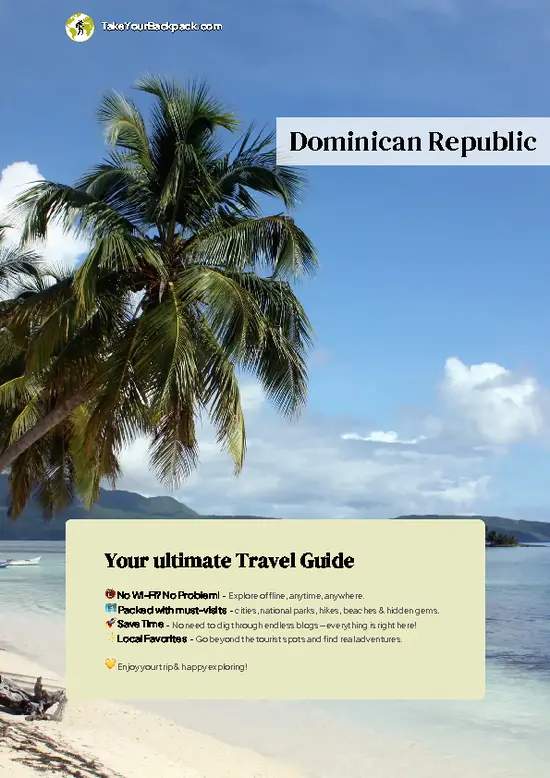
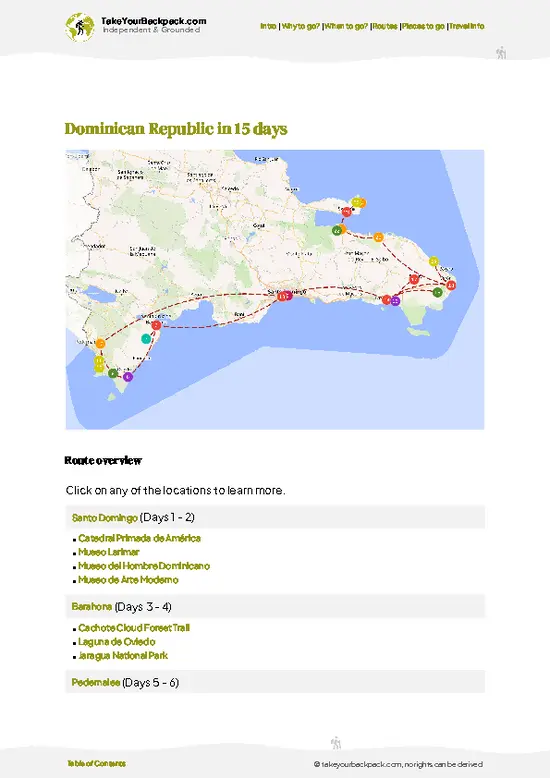
example page 0 from our offline Travel Guide for Dominican Republic
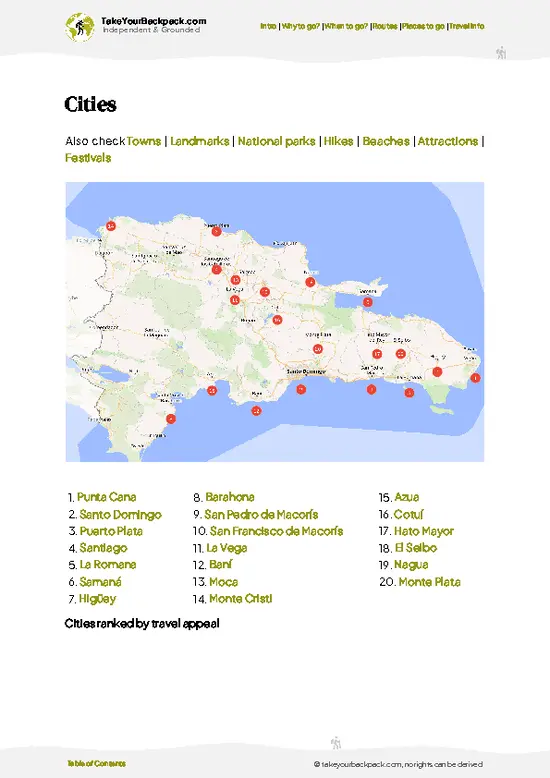
example page 1 from our offline Travel Guide for Dominican Republic
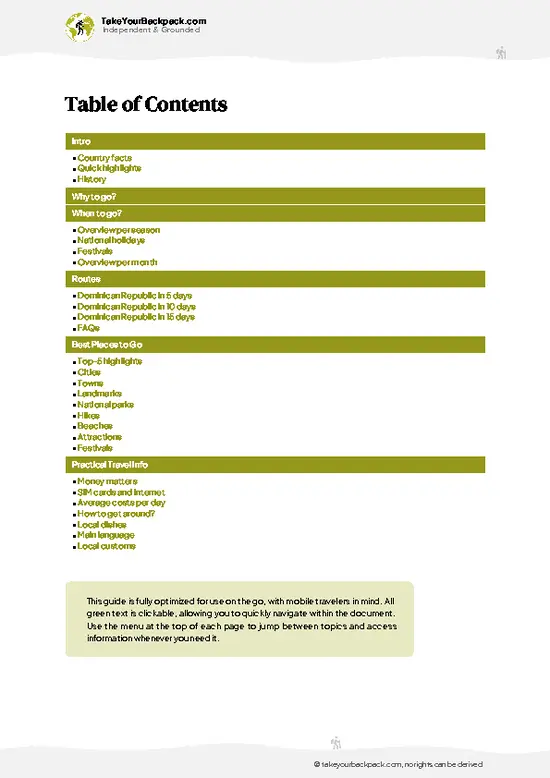
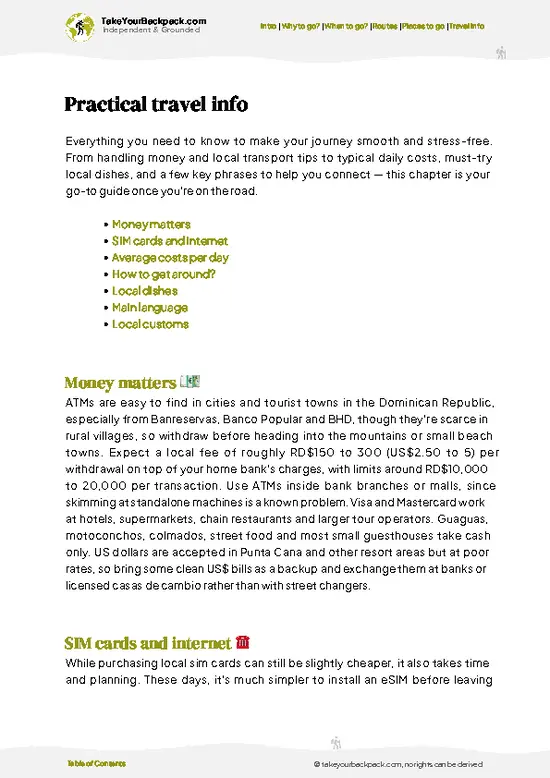
example page 2 from our offline Travel Guide for Dominican Republic
example page 3 from our offline Travel Guide for Dominican Republic
example page 4 from our offline Travel Guide for Dominican Republic
example page 5 from our offline Travel Guide for Dominican Republic
example page 6 from our offline Travel Guide for Dominican Republic
example page 7 from our offline Travel Guide for Dominican Republic
Loading the map 🌍
CLICK TO FILTER
cities
towns
landmarks
national parks
hikes
beaches
attractions
festivals
SHOW COUNTRY’S BESTSHOW ALL

✨ Why go?
Ranked #8 city in Dominican Republic
The unique appeal for travelers

Barahona works as a southwest base because the Bahoruco mountains and the Caribbean coast sit within easy reach of a single, affordable town. Most backpackers come for the wide range of nature on offer: cold river pools, cloud forest, lagoons and quiet beaches that rarely see a crowd. Hostels are few, so expect small guesthouses and family-run hotels with friendly owners who can arrange drivers and guides. Food is simple and seafood-leaning, with fresh fish plates along the waterfront. The center is compact enough to cover on foot, though the real sights are spread out and you will rely on motoconchos, taxis or hired cars. This is the town where larimar, the sky-blue stone found only on this island, is the local pride. Treat Barahona as a two or three night stop between Santo Domingo and Haiti-side … read more 👉
Barahona works as a southwest base because the Bahoruco mountains and the Caribbean coast sit within easy reach of a single, affordable town. Most backpackers come for the wide range of nature on offer: cold river pools, cloud forest, lagoons and quiet beaches that rarely see a crowd. Hostels are few, so expect small guesthouses and family-run hotels with friendly owners who can arrange drivers and guides. Food is simple and seafood-leaning, with fresh fish plates along the waterfront. The center is compact enough to cover on foot, though the real sights are spread out and you will rely on motoconchos, taxis or hired cars. This is the town where larimar, the sky-blue stone found only on this island, is the local pride. Treat Barahona as a two or three night stop between Santo Domingo and Haiti-side or Pedernales routes, not a place for a long stay.

💡 HighlightsTop highlights of Barahona

  1. Malecón de Barahona: the sea-wall promenade is the town’s living room, with vendors, music and a view of the Bahía de Neiba. Go at sunset, free, 1 hour.
  2. Parque Central and Catedral Nuestra Señora del Rosario: the plaza is where townspeople gather to chat under shade trees. Visit in the early evening, free, 30 to 45 minutes.
  3. Playa San Rafael: a river meets the sea here, with a gravel and sand beach backed by palms and simple seafood shacks. Weekdays are quieter, entry about US$1 to 2, 2 to 3 hours.
  4. Playa La Ciénaga: a long, quiet beach of smooth stones below green hills on the coast road south. Come in the morning, about US$1 to 2, 2 hours.
  5. Larimar shops and workshops: you can see rough stone and polished jewelry in small local stores along the main streets. Daytime, free to browse, pieces from
… read more 👉
  1. Malecón de Barahona: the sea-wall promenade is the town’s living room, with vendors, music and a view of the Bahía de Neiba. Go at sunset, free, 1 hour.
  2. Parque Central and Catedral Nuestra Señora del Rosario: the plaza is where townspeople gather to chat under shade trees. Visit in the early evening, free, 30 to 45 minutes.
  3. Playa San Rafael: a river meets the sea here, with a gravel and sand beach backed by palms and simple seafood shacks. Weekdays are quieter, entry about US$1 to 2, 2 to 3 hours.
  4. Playa La Ciénaga: a long, quiet beach of smooth stones below green hills on the coast road south. Come in the morning, about US$1 to 2, 2 hours.
  5. Larimar shops and workshops: you can see rough stone and polished jewelry in small local stores along the main streets. Daytime, free to browse, pieces from about US$10, 45 minutes.
  6. Playa Los Patos: another river-to-sea beach farther down the coast with calm, cold pools. Go early before weekend crowds, free to US$2, 2 hours.
  7. Mercado Municipal: a working market of produce, fish and coffee from the surrounding hills. Mornings are best, free, 45 minutes.
Barahona makes an easy base for day trips to Lago Enriquillo, Los Patos, Bahoruco National Park and the Polo Magnético, all within reach of town.
The malecón, the plaza and the market cost nothing to enter, so they are the cheapest way to spend an hour.
Spotted a mistake or missing something? Contact us.

Things to do in Barahona

Ratings based on Tripadvisor reviews. When you book through this link, you support our work at no extra cost to you.

🏘️ NeighborhoodsNeighborhood guide to Barahona

Barahona is compact, and nearly everything a backpacker needs sits within a few blocks of the central park, with the rest strung along the coast road.
  • Centro: The grid around Parque Central holds the banks, ATMs, pharmacies, cheap comedores and the motoconcho crowd. It is flat and walkable, noisy by day and quiet after 10 pm, so you spend almost nothing here and lose only some sleep to horns.
  • Malecón: The seafront strip is where locals eat fried fish, drink cold Presidente and watch the sunset over a dark-sand, rough-water shore. It is a 15 to 20 minute walk from the center, or a short motoconcho ride if the heat wins. Best value for an evening, since it costs the price of a beer and a plate.
  • Barrio Nuevo and the market area: Streets near the mercado are loud, sweaty and full of fruit, plantains
… read more 👉
Barahona is compact, and nearly everything a backpacker needs sits within a few blocks of the central park, with the rest strung along the coast road.
  • Centro: The grid around Parque Central holds the banks, ATMs, pharmacies, cheap comedores and the motoconcho crowd. It is flat and walkable, noisy by day and quiet after 10 pm, so you spend almost nothing here and lose only some sleep to horns.
  • Malecón: The seafront strip is where locals eat fried fish, drink cold Presidente and watch the sunset over a dark-sand, rough-water shore. It is a 15 to 20 minute walk from the center, or a short motoconcho ride if the heat wins. Best value for an evening, since it costs the price of a beer and a plate.
  • Barrio Nuevo and the market area: Streets near the mercado are loud, sweaty and full of fruit, plantains and fresh coffee from the Sierra de Bahoruco. Come in the morning, bring small bills, and leave before the midday sun turns you into a sad raisin.
  • Coast south toward Paraíso and Los Patos: Rivers, pebble beaches and sleepy villages spread along the road, 20 to 40 minutes away. It is spread out, so walking is a bad idea, but a shared guagua gets you there cheaply and gives the most scenery per peso.

⌛️ 1 dayWhat you can realistically do in a day

The day is best taken in two parts, a morning on the move by motoconcho or taxi, then a long pause in the afternoon heat before an evening walk.

8:00 AM, Mercado Municipal: Start with strong coffee and a plate of fried breakfast near the stalls. Watch fishermen and farmers trade produce, then walk or take a short ride on to the next stop.

9:30 AM, Larimar workshop: Visit a small shop where artisans cut and polish the blue stone. It is a useful look at the town’s signature craft, and you can compare prices before buying anything.

11:00 AM, Playa La Ciénaga: Take a taxi to the stony beach below the hills and cool off while the heat builds. Eat lunch at a simple roadside place nearby.

1:30 PM, Rest break: Return to town and retreat to your room or a shaded café until the worst of the heat … read more 👉
The day is best taken in two parts, a morning on the move by motoconcho or taxi, then a long pause in the afternoon heat before an evening walk.

8:00 AM, Mercado Municipal: Start with strong coffee and a plate of fried breakfast near the stalls. Watch fishermen and farmers trade produce, then walk or take a short ride on to the next stop.

9:30 AM, Larimar workshop: Visit a small shop where artisans cut and polish the blue stone. It is a useful look at the town’s signature craft, and you can compare prices before buying anything.

11:00 AM, Playa La Ciénaga: Take a taxi to the stony beach below the hills and cool off while the heat builds. Eat lunch at a simple roadside place nearby.

1:30 PM, Rest break: Return to town and retreat to your room or a shaded café until the worst of the heat passes.

4:00 PM, Playa San Rafael: Ride out to the river mouth for a late swim and fresh fish at one of the beach shacks. This stretch is less visited than the coastal resorts elsewhere in the country.

6:30 PM, Malecón and Parque Central: Return for sunset along the sea wall, then wander to the plaza where families gather. End with a cold Presidente and local street snacks.

🌤️ When to go?Weather, crowds, and seasonal trade-offs

December to April is the easiest window, with dry days around 29 to 33°C (84 to 91°F) and cooler, breezier nights near 20 to 22°C (68 to 72°F).
  • Dry Season (December to April): Sunny, good for river swims and hikes. Domestic crowds peak around Christmas and Semana Santa, and rooms cost slightly more then.
  • Shoulder (May to June): Heat climbs to 33 to 35°C (91 to 95°F) with short afternoon storms. Beaches are nearly empty and prices soften.
  • Hurricane Season (July to November): Humid and hot, with heavy rain peaking in September and October. Roads to the mountains can wash out, though bargains are easy to find.
  • Daylight: Days run about 11 to 13.5 hours, so plan hikes for early morning.
Book Semana Santa and Christmas rooms a few weeks ahead, and travel in February for the best balance.

source: climatestotravel.comJANJanuary: excellent for travelingFEBFebruary: excellent for travelingMARMarch: excellent for travelingAPRApril: highly recommended for travelingMAYMay: good for travelingJUNJune: fair for travelingJULJuly: fair for travelingAUGAugust: fair for travelingSEPSeptember: fair for travelingOCTOctober: fair for travelingNOVNovember: good for travelingDECDecember: excellent for traveling
when-to-go

✈️ The backpacker research shortcutDominican Republic Travel Guide

An offline-friendly backpacking guide with optimized travel routes, ranked highlights, transport advice, and the best areas to stay.
example page 0 from our offline Travel Guide for Dominican Republic
example page 1 from our offline Travel Guide for Dominican Republic
example page 2 from our offline Travel Guide for Dominican Republic
example page 3 from our offline Travel Guide for Dominican Republic
example page 4 from our offline Travel Guide for Dominican Republic
example page 5 from our offline Travel Guide for Dominican Republic
example page 6 from our offline Travel Guide for Dominican Republic
example page 7 from our offline Travel Guide for Dominican Republic
The digital guide (336 pages) contains:
✅ 108 highlights, ranked by travel appeal
✅ Optimized 5, 10 & 15-day travel routes
✅ Cities, national parks, landmarks, beaches
✅ How to get around
✅ Offline-friendly for travel without Wi-Fi
👉 Click to see all 30+ guide features

📅 Plan smarter in minutes, not weeks
✅ Month by month travel advice
✅ Festivals & national holidays
✅ Budget expectations

🗺️ Go to the right places, skip the overrated ones
✅ Honest pros & cons of destinations
✅ Top hikes, parks & viewpoints
✅ Lesser-known places most travelers miss
✅ Clear “worth it vs skip it” guidance

🛏️ Travel smoothly without rookie mistakes
✅ Best areas to stay
✅ Transport systems explained simply
✅ Common scams & safety advice
✅ SIM cards, money & practical tips

🌍 Understand the country, not just visit it
✅ Culture & traditions
✅ 52 Essential phrases & customs
✅ Festivals worth planning around
✅ Traveler-friendly historical context
✅ Insights that make places more meaningful

📱 Built for real travel conditions
✅ Fully downloadable PDF
✅ Works completely offline
✅ Optimized for phone use
✅ Useful in remote areas & buses
✅ Everything in one place
Stop searching, start planning
Get instant access to your full guide. 30‑day money-back guarantee.
+ Add another guide for just

By proceeding you agree to our terms.
Sent to your inbox immediately after payment • 100% Secure Checkout
Best Backpacking Travel Advisor 2025 tourism awardBest Backpacking
Travel Advisor
2025
What others say about Take Your Backpack Guides:
⭐⭐⭐⭐⭐
Fantastic, amazing amount of information!
⭐⭐⭐⭐⭐
My goodness this is amazing, it's what I've been looking for hats off too you!
⭐⭐⭐⭐⭐
I think this is absolutely BRILLIANT
⭐⭐⭐⭐
Very complete and informative. It's still missing places, but I gotta to commend you
⭐⭐⭐⭐⭐
This is truly amazing, thank you, can't wait to explore it with my kids!
⭐⭐⭐⭐⭐
Awesome resource, thank you!
⭐⭐⭐⭐⭐
This is amazing! Can't wait to explore the ones I haven't seen
⭐⭐⭐⭐
I love this! Well done, great idea.
⭐⭐⭐⭐⭐
Thanks for taking the time to make this gem!
⭐⭐⭐⭐⭐
This might be the best website I've ever seen.
⭐⭐⭐⭐⭐
Congratulations, and thank you so much for your work; it's incredibly valuable.
⭐⭐⭐⭐
In all seriousness I think you did a great job pointing out the important spots
⭐⭐⭐⭐⭐
10/10 very good
⭐⭐⭐⭐⭐
As someone who's only just starting to visit regularly this is awesome, thank you.
⭐⭐⭐⭐
Thank you very much! I'm going to visit my dad, it's going to be very useful!
⭐⭐⭐⭐⭐
This is really cool! We'll be travelling for the first time and this definitely come in handy.
⭐⭐⭐⭐⭐
You are now our minister of culture, congratulations 👨‍💼
⭐⭐⭐⭐⭐
Just wanted to tell you that this is a pearl! Going to follow your recommendations.
⭐⭐⭐⭐⭐
This is so cool. I'll definitely be using the resource for my travels soon.
⭐⭐⭐⭐⭐
This is very impressive! Good work.
⭐⭐⭐⭐⭐
This is an amazing and informative site. Very well done!

🛏️ Where to stay?How to pick the right area

The center near Parque Central is the best bet for a budget bed, with the Malecón area a calmer second choice. Barahona has a modest supply of guesthouses and small hotels rather than a hostel scene, so expect private rooms at around US$15 to 35 and the occasional shared room. Staying in the center puts the bus offices, ATMs, food stalls and motoconcho stands within a short walk, which saves money and effort on arrival and departure days. The trade-off is noise: horns, music and early market traffic start well before dawn, so earplugs earn their keep. After dark the main streets stay lively until … read more 👉
The center near Parque Central is the best bet for a budget bed, with the Malecón area a calmer second choice. Barahona has a modest supply of guesthouses and small hotels rather than a hostel scene, so expect private rooms at around US$15 to 35 and the occasional shared room. Staying in the center puts the bus offices, ATMs, food stalls and motoconcho stands within a short walk, which saves money and effort on arrival and departure days. The trade-off is noise: horns, music and early market traffic start well before dawn, so earplugs earn their keep. After dark the main streets stay lively until about 10 pm and feel comfortable, though a taxi or motoconcho is smarter than a long walk through side streets. The Malecón side is breezier and quieter, but it sits 15 to 20 minutes on foot from the bus stops, and food choices thin out late at night. If you plan to explore the coast, a guesthouse closer to the road south saves backtracking, though transport there is less frequent. Book ahead only at Christmas and Semana Santa.

🚌 Getting aroundHow to get around Barahona

Barahona punishes anyone who takes a private taxi for the long-distance legs, since a ride to Santo Domingo can cost US$100 or more when a bus costs a fraction of that. Inside town the distances are small, the traffic is loud rather than slow, and public transport is informal but frequent.
  • Walking: Free and perfectly adequate in the center and along the Malecón. The heat is the only real cost, so go early or after 5 pm.
  • Motoconcho: Motorbike taxis cost about US$0.50 to 1.50 for town hops and are everywhere until late evening. They are fast and cheap, a bit hair-raising, and the best value for most backpackers. Agree the fare first, and wear the helmet if one appears, which is a rare event.
  • Guagua and público: Minibuses and shared cars run along the coast to Paraíso, Enriquillo and Pedernales
… read more 👉
Barahona punishes anyone who takes a private taxi for the long-distance legs, since a ride to Santo Domingo can cost US$100 or more when a bus costs a fraction of that. Inside town the distances are small, the traffic is loud rather than slow, and public transport is informal but frequent.
  • Walking: Free and perfectly adequate in the center and along the Malecón. The heat is the only real cost, so go early or after 5 pm.
  • Motoconcho: Motorbike taxis cost about US$0.50 to 1.50 for town hops and are everywhere until late evening. They are fast and cheap, a bit hair-raising, and the best value for most backpackers. Agree the fare first, and wear the helmet if one appears, which is a rare event.
  • Guagua and público: Minibuses and shared cars run along the coast to Paraíso, Enriquillo and Pedernales for roughly US$1 to 3. They leave when full, so a wait of 10 to 30 minutes is normal, and you may share a seat with a sack of mangoes. Cramped, but unbeatable on price.
  • Long-distance bus: Companies such as Metro and Caribe Tours link Barahona with Santo Domingo in about 4 to 5 hours for around US$7 to 10, in air-conditioned seats that are colder than the Arctic, so pack a layer. Services run from early morning to late afternoon.
  • Private taxi or rental: A taxi to Bahoruco or Polo costs roughly US$30 to 60 for the day. Splitting it with other travelers makes it sensible for hard-to-reach spots.

👛 Costs (as of 22 October 2026)How expensive it really is

Barahona costs roughly US$38 to 55 a day for a backpacker, and the table below uses a high-season total of US$45.
CategoryBudget RangeLocal Reality
Dorm accommodation (high season)US$15 to 20Few true dorms exist, so a basic private room is the norm, with fan or air conditioning at the top end.
Dorm accommodation (off-season)US$12 to 16Rooms soften in price between May and November.
MealsUS$9 to 14Market comedor lunch for US$3 to 5, fish dinner on the Malecón for US$5 to 9.
Local transportUS$2 to 4Motoconchos at US$0.50 to 1.50, guaguas at US$1 to 3.
City transport passNot availableNo pass exists, so you pay per ride in cash.
Basic activities/entry feesUS$3 to 8River beaches are free, lake and larimar visits cost more.
Miscellaneous expensesUS$2 to 4Water, coffee, SIM data and small tips.
Total Daily
… read more 👉
Barahona costs roughly US$38 to 55 a day for a backpacker, and the table below uses a high-season total of US$45.
CategoryBudget RangeLocal Reality
Dorm accommodation (high season)US$15 to 20Few true dorms exist, so a basic private room is the norm, with fan or air conditioning at the top end.
Dorm accommodation (off-season)US$12 to 16Rooms soften in price between May and November.
MealsUS$9 to 14Market comedor lunch for US$3 to 5, fish dinner on the Malecón for US$5 to 9.
Local transportUS$2 to 4Motoconchos at US$0.50 to 1.50, guaguas at US$1 to 3.
City transport passNot availableNo pass exists, so you pay per ride in cash.
Basic activities/entry feesUS$3 to 8River beaches are free, lake and larimar visits cost more.
Miscellaneous expensesUS$2 to 4Water, coffee, SIM data and small tips.
Total Daily BudgetUS$45Based on high-season accommodation at US$17, meals US$12, transport US$3, activities US$8 and miscellaneous US$5.
Eat your main meal at lunch, when comedores offer a fixed plate for less than any dinner menu.
⚠️ Prices can change and everyone travels differently, so take this as a rough guide. Hope it helps you plan your adventure!

🚌 Day tripsExploring the surroundings

Barahona works well as a base because the best sights lie 30 minutes to 2 hours away and guaguas or taxis cover them, so you return to a shower by dark.Larimar and Bahoruco Mountains: Larimar, the blue pectolite found only in this region, comes from mines near Bahoruco village, about 1 hour by guagua and motoconcho. A day costs roughly US$10 to 25 with a guide. The mistake is buying stones from street sellers, so check certificates in a proper shop. Dry months keep the dirt track passable.
Los Patos: Here a short, cold river meets the Caribbean across a pebble beach, about 45 minutes south. Público fare is about US$1 to 2, and a plate of fried fish adds US$5 to 8. Go on a weekday, since Sundays fill with locals and speakers. Waves can be strong, so swim in the river.
Lago Enriquillo: Salt-water … read more 👉
Barahona works well as a base because the best sights lie 30 minutes to 2 hours away and guaguas or taxis cover them, so you return to a shower by dark.Larimar and Bahoruco Mountains: Larimar, the blue pectolite found only in this region, comes from mines near Bahoruco village, about 1 hour by guagua and motoconcho. A day costs roughly US$10 to 25 with a guide. The mistake is buying stones from street sellers, so check certificates in a proper shop. Dry months keep the dirt track passable.
Los Patos: Here a short, cold river meets the Caribbean across a pebble beach, about 45 minutes south. Público fare is about US$1 to 2, and a plate of fried fish adds US$5 to 8. Go on a weekday, since Sundays fill with locals and speakers. Waves can be strong, so swim in the river.
Lago Enriquillo: Salt-water Lake Enriquillo, the lowest point in the Caribbean, has crocodiles and rhinoceros iguanas, about 2 hours away by guagua with a change at Neiba, or a shared taxi. Expect US$40 to 70 including the boat and entry. Leave early, as midday heat reaches 38°C (100°F). Winter is best for comfort.
Paraíso and Playa San Rafael: The coast road toward Paraíso passes San Rafael (about 30 to 40 minutes), a river-fed beach with picnic stalls. Budget US$5 to 12 for transport and fish. Arrive before noon to avoid the weekend crowds.

🍲 FoodLocal Flavors for Backpackers

Barahona sits between the sea, the mountains and the dry Neiba valley, so the local table leans on fresh fried fish and pescado con coco, where red snapper simmers in coconut milk with a faint sweetness. Crab and conch appear along the coast, and the region is known for strong Barahona coffee, grown on the slopes of the Sierra de Bahoruco, served small, sweet and dark. Also look for cacao and chocolate from nearby farms, and fresh tropical fruit at the market, including soursop and sapodilla.
For eating, the Malecón is the place for fish, tostones and cold beer by the water, with plates around US$5 to 10. The central market and its comedores serve rice, beans and stewed meat for US$3 to 5. In the evening, street carts sell fried snacks and grilled meat near Parque Central. Locals often linger … read more 👉
Barahona sits between the sea, the mountains and the dry Neiba valley, so the local table leans on fresh fried fish and pescado con coco, where red snapper simmers in coconut milk with a faint sweetness. Crab and conch appear along the coast, and the region is known for strong Barahona coffee, grown on the slopes of the Sierra de Bahoruco, served small, sweet and dark. Also look for cacao and chocolate from nearby farms, and fresh tropical fruit at the market, including soursop and sapodilla.
For eating, the Malecón is the place for fish, tostones and cold beer by the water, with plates around US$5 to 10. The central market and its comedores serve rice, beans and stewed meat for US$3 to 5. In the evening, street carts sell fried snacks and grilled meat near Parque Central. Locals often linger over coffee after lunch, so expect slow service and do not rush it.

🛡️ SafetyStaying Safe: What Travelers Should Know

Barahona is a relaxed, low-key town where most problems are petty. Keep your phone in your pocket when sitting at streetside tables, since snatching from motorbikes happens occasionally near the center and the Malecón. After dark, take a motoconcho or taxi rather than walking through empty side streets, and solo women usually get attention rather than threats, so a firm, polite no works. Prices are sometimes inflated for foreigners, particularly with motoconchos and tours, so agree fares before climbing on. Carry small bills, keep your passport copy handy, and use ATMs inside banks during daytime. Rip currents are strong at some beaches, so swim only where locals do. Tap water is not drinkable, so buy bottled water.

FAQFrequently asked questions about Barahona

Two full days cover Barahona itself, the Malecón and a river beach like Los Patos, while three to four days let you add Lake Enriquillo and the Bahoruco mountains. Lake trips take about 2 hours each way, so plan them as a full day. Add a day for Paraíso and San Rafael if you like slow beach time.
Yes, Barahona is comfortable for solo backpackers, with problems mostly limited to petty theft and inflated prices. Use motoconchos or taxis after dark rather than walking quiet side streets, and keep your phone out of sight on the Malecón. Guesthouses in the center are close to food and transport, which makes arrival easy.
Barahona is known for larimar, the sky-blue stone mined only in this region, and for coffee grown in the Sierra de Bahoruco. It also serves as the gateway to the southwest coast, with river beaches like Los Patos, about 45 minutes away, and Lake Enriquillo, about 2 hours away. Fried fish and coconut-stewed snapper are the local plates, usually US$5 to 10.
⚠️ Things can change over time, so always validate details locally before you go.

Other Dominican cities near Barahona

Explore more nearby:

  • Pueblo Viejo—Original Azua site, arid shoreline, fish landing, cactus scrub| 39 km away
  • Azua—Dry southwest plain, Monte Río beach, fishing boats, colmado bachata| 47 km away
  • San Juan de la Maguana—Taíno stone ring, Palma Sola, valley rice paddies, Spanish-era streets| 68 km away

💡 Not sure where to go next?
Create a personalized itinerary for Dominican Republic including Barahona and the places that fit your trip.

Generate my itinerary

👉 Discover all cities

Or checkout all Dominican Republic has to offer (think cities, towns, villages, national parks, hikes, beaches, festivals)
Country photo of Dominican Republic

We 💚 feedbackWhat to keep in mind

Barahona pairs best with Bahoruco National Park and the Pedernales coast, making it the middle stop on a southwest loop rather than a destination of its own. Bring cash, a swimsuit that dries fast, and patience for slow transport. I would book a driver a day ahead and keep the afternoons for river swims.

✍️ Help improve this page!
The information on this page is based on in-depth research, insights shared by experienced travelers, and feedback from the local travel community in Dominican Republic. While every effort is made to keep the information accurate and current, conditions can change — so if you spot anything incorrect or outdated, please get in touch.


🙋‍♂️ Give feedback

👋 Meet the founderWho’s Behind Take Your Backpack?

Johan, backpacker and founder of TakeYourBackpackHi, I’m Johan (Netherlands 🇳🇱), the creator of TakeYourBackpack. Over the past 3 decades, I’ve backpacked through 90+ countries across six continents, gaining extensive experience with independent travel, long-term trips, and overland routes.

This site is built on a combination of firsthand travel experience and carefully curated insights from other backpackers. Many guides are based on places I’ve personally visited, while others bring together tips, observations, and practical advice shared by trusted travelers I’ve met along the way.

The goal is to provide realistic, experience-driven guidance — not generic itineraries — so you can explore destinations with better context, clearer expectations, and more confidence.