×

Dominican Republic🇩🇴 | citiesNaguaAtlantic malecón, rough town surf, Playa Preciosa, working market | things to do and best time to go

Explore HigüeyExplore Moca

Backpacking in Nagua
👌 Worth visitingcity ranked #19
By Johan Kruseman 🇳🇱 | Updated October 24, 2026

Nagua forces one decision: stay a night or two, or treat it as a pit stop between Samaná and the north coast. Staying costs a little time and very little money, and the comfort is simple, so a night or two gives a backpacker the most. It sits on the northeast coast of the Dominican Republic, a working town with a boardwalk and few other tourists. You’ll like it if you want ordinary Dominican life with no resort script. Skip it if you need a party.

Discover everything you want to know in the 📖 Dominican Republic Travel Guide.


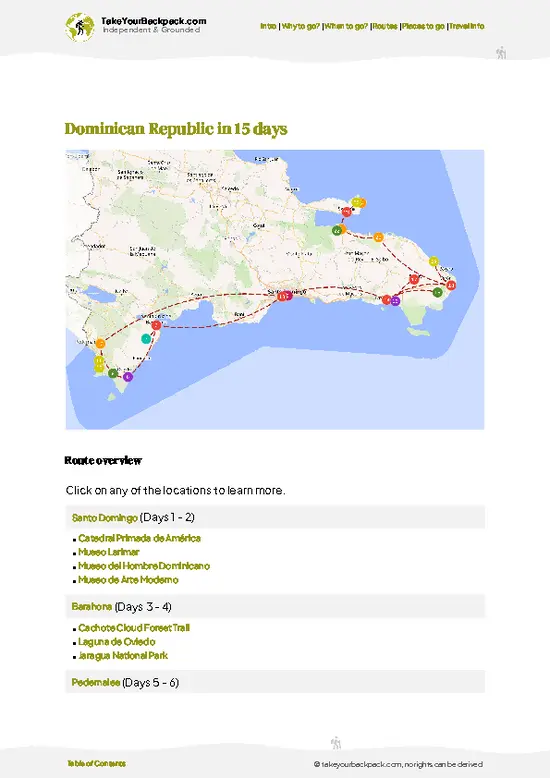
example page 0 from our offline Travel Guide for Dominican Republic
example page 1 from our offline Travel Guide for Dominican Republic
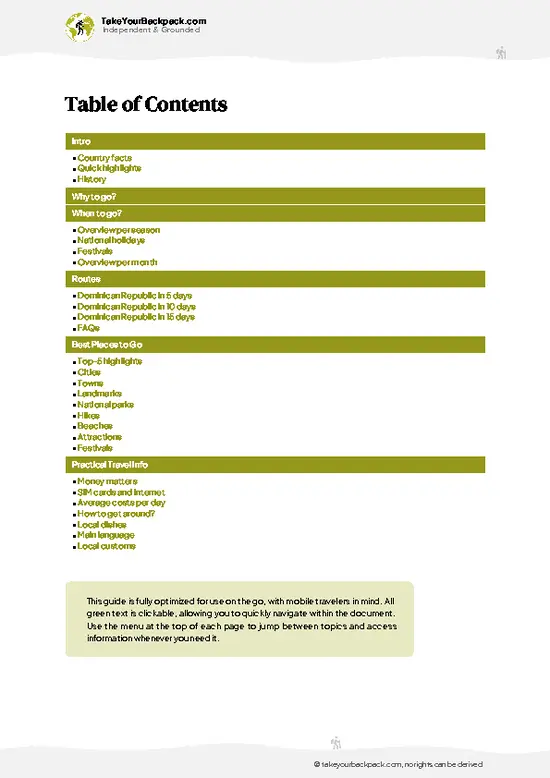
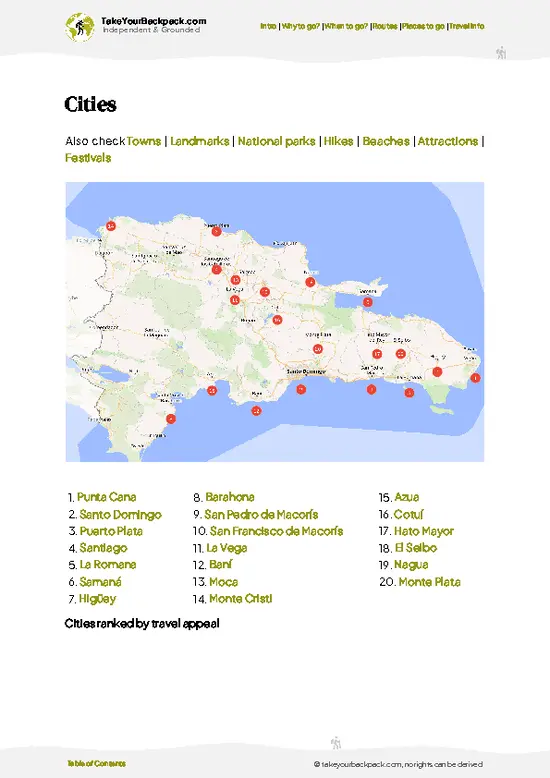
example page 2 from our offline Travel Guide for Dominican Republic
example page 3 from our offline Travel Guide for Dominican Republic
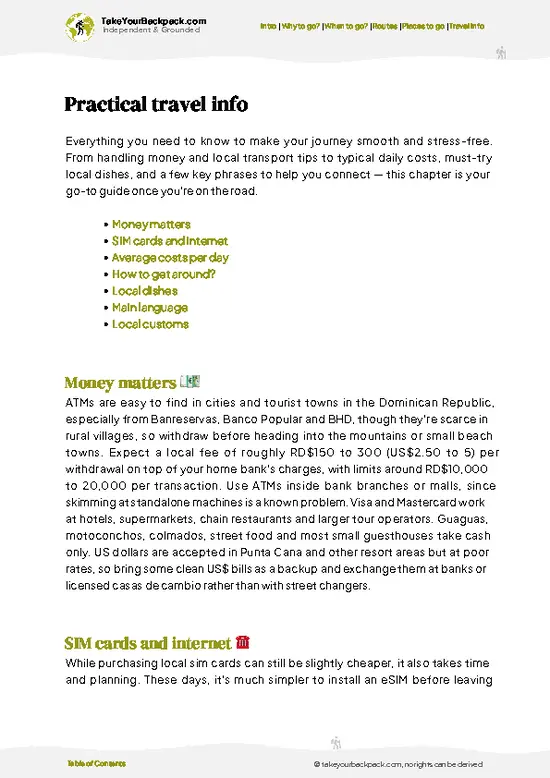
example page 4 from our offline Travel Guide for Dominican Republic
example page 5 from our offline Travel Guide for Dominican Republic
example page 6 from our offline Travel Guide for Dominican Republic
example page 7 from our offline Travel Guide for Dominican Republic
Loading the map 🌍
CLICK TO FILTER
cities
towns
landmarks
national parks
hikes
beaches
attractions
festivals
SHOW COUNTRY’S BESTSHOW ALL

✨ Why go?
Ranked #19 city in Dominican Republic
What sets this place apart

Nagua works for backpackers who want a real Dominican town rather than a resort bubble. The center is flat and walkable, with a malecón for evening strolls, fried snacks from street vendors and cold Presidente at plain local bars. Few foreigners stop here, so prices stay local and conversations start easily. It also sits on the Samaná-to-Puerto Plata corridor, so onward buses and guaguas pass through all day. Treat it as a one or two night breather between busier beach towns, not a place to fill a week.

💡 HighlightsThe experiences that define the visit

  1. Malecón de Nagua: The seafront promenade is the town’s living room, with Atlantic waves, kiosks and families out at dusk. Go late afternoon. Free, 1 hour.
  2. Parque Duarte: The central square beside the church is where locals gossip, play dominoes and watch motoconchos circle. Morning or evening is best. Free, 30 minutes.
  3. Iglesia Nuestra Señora del Carmen: The main church anchors the square and is worth a quick look for its simple local character. Open mornings. Free, 15 minutes.
  4. Playa Nagua: The town beach is rough, with strong surf, but fine for a walk and a seafood lunch at the shacks. Mornings are calmest. Free, 1 to 2 hours.
  5. Mercado Municipal: Fruit, plantains, cheese and cheap lunches in a noisy market where nobody is selling to tourists. Go before noon. Expect US$2 to 4 for a meal, 45 minutes.
… read more 👉
  1. Malecón de Nagua: The seafront promenade is the town’s living room, with Atlantic waves, kiosks and families out at dusk. Go late afternoon. Free, 1 hour.
  2. Parque Duarte: The central square beside the church is where locals gossip, play dominoes and watch motoconchos circle. Morning or evening is best. Free, 30 minutes.
  3. Iglesia Nuestra Señora del Carmen: The main church anchors the square and is worth a quick look for its simple local character. Open mornings. Free, 15 minutes.
  4. Playa Nagua: The town beach is rough, with strong surf, but fine for a walk and a seafood lunch at the shacks. Mornings are calmest. Free, 1 to 2 hours.
  5. Mercado Municipal: Fruit, plantains, cheese and cheap lunches in a noisy market where nobody is selling to tourists. Go before noon. Expect US$2 to 4 for a meal, 45 minutes.
  6. Playa Preciosa area: About 45 minutes up the coast near Río San Juan, this wide empty beach suits a sunny afternoon swim when the sea is calm. Free, 2 to 3 hours.
Day trips from Nagua can reach Cabrera’s Laguna Dudú, the beaches of Río San Juan and Laguna Gri-Gri, and the Samaná Peninsula. All of the sights in town fit comfortably into one relaxed day.
Spotted a mistake or missing something? Contact us.
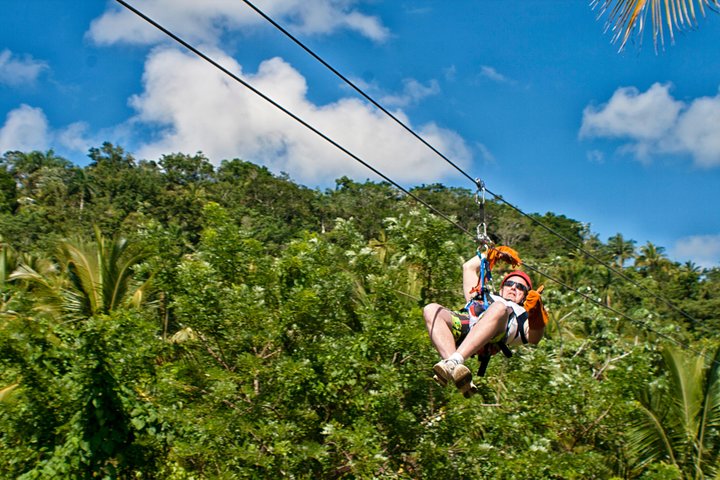
Things to do near Nagua

Ratings based on Tripadvisor reviews. When you book through this link, you support our work at no extra cost to you.

🏘️ NeighborhoodsHow different areas shape the experience

Nagua is compact enough that you can sample every corner in a day, so the real question is where to spend your evenings.
  • Downtown around Parque Duarte: The grid of streets around the central park holds the market stalls, fried-snack vendors, banks and motoconcho stands. Everything is walkable, and it is the best value for a backpacker since you can do errands and eat on foot without paying for a single ride.
  • The Malecón: The seafront strip is where Nagua relaxes at dusk, with beer, bachata from parked cars and fried fish. A flat 15-minute stroll from the center, it costs nothing but a drink, so it wins for evenings.
  • Playa Nagua and the eastern edge: Wider, quieter and a short motoconcho hop out. Fine for a swim, though the sand is more work-day than postcard, and you pay in fare time for the privilege.

⌛️ 1 daySeeing the highlights in 24 hours

8:00 AM, Mercado Municipal: Start where the town wakes up, with coffee, fried cheese and fruit. The market shows local prices and gets hot by late morning. Walk to the center afterward.
10:00 AM, Parque Duarte: Sit by the church and watch the motoconchos. It is five minutes on foot to the main street for a short wander through hardware stores and bakeries.
12:30 PM, Playa Nagua: Eat fried fish at a beach shack and watch the surf. Swim only if the water looks gentle.
3:30 PM, Playa Preciosa: Take a motoconcho for a quieter, off-route beach afternoon with few visitors.
6:00 PM, Malecón de Nagua: Return for sunset, a cold beer and the evening promenade.

🌤️ When to go?Weather, crowds, and seasonal trade-offs

Nagua is most comfortable from December to April, when days run about 26 to 30°C (79 to 86°F) with lighter rain and humpback season in nearby Samaná Bay.
  • Dry-ish Season (Dec to Apr): Fewer downpours, cooler nights near 20°C (68°F), and slightly higher prices.
  • Wet Season (May to Nov): Hot, humid, 30 to 33°C (86 to 91°F), with afternoon storms. Hurricane risk peaks August to October.
Book a day ahead for whale trips in February.

source: climatestotravel.comJANJanuary: highly recommended for travelingFEBFebruary: highly recommended for travelingMARMarch: highly recommended for travelingAPRApril: highly recommended for travelingMAYMay: fair for travelingJUNJune: fair for travelingJULJuly: fair for travelingAUGAugust: fair for travelingSEPSeptember: fair for travelingOCTOctober: fair for travelingNOVNovember: fair for travelingDECDecember: highly recommended for traveling
when-to-go

✈️ The backpacker research shortcutDominican Republic Travel Guide

An offline-friendly backpacking guide with optimized travel routes, ranked highlights, transport advice, and the best areas to stay.
example page 0 from our offline Travel Guide for Dominican Republic
example page 1 from our offline Travel Guide for Dominican Republic
example page 2 from our offline Travel Guide for Dominican Republic
example page 3 from our offline Travel Guide for Dominican Republic
example page 4 from our offline Travel Guide for Dominican Republic
example page 5 from our offline Travel Guide for Dominican Republic
example page 6 from our offline Travel Guide for Dominican Republic
example page 7 from our offline Travel Guide for Dominican Republic
The digital guide (336 pages) contains:
✅ 108 highlights, ranked by travel appeal
✅ Optimized 5, 10 & 15-day travel routes
✅ Cities, national parks, landmarks, beaches
✅ How to get around
✅ Offline-friendly for travel without Wi-Fi
👉 Click to see all 30+ guide features

📅 Plan smarter in minutes, not weeks
✅ Month by month travel advice
✅ Festivals & national holidays
✅ Budget expectations

🗺️ Go to the right places, skip the overrated ones
✅ Honest pros & cons of destinations
✅ Top hikes, parks & viewpoints
✅ Lesser-known places most travelers miss
✅ Clear “worth it vs skip it” guidance

🛏️ Travel smoothly without rookie mistakes
✅ Best areas to stay
✅ Transport systems explained simply
✅ Common scams & safety advice
✅ SIM cards, money & practical tips

🌍 Understand the country, not just visit it
✅ Culture & traditions
✅ 52 Essential phrases & customs
✅ Festivals worth planning around
✅ Traveler-friendly historical context
✅ Insights that make places more meaningful

📱 Built for real travel conditions
✅ Fully downloadable PDF
✅ Works completely offline
✅ Optimized for phone use
✅ Useful in remote areas & buses
✅ Everything in one place
Stop searching, start planning
Get instant access to your full guide. 30‑day money-back guarantee.
+ Add another guide for just

By proceeding you agree to our terms.
Sent to your inbox immediately after payment • 100% Secure Checkout
Best Backpacking Travel Advisor 2025 tourism awardBest Backpacking
Travel Advisor
2025
What others say about Take Your Backpack Guides:
⭐⭐⭐⭐⭐
Fantastic, amazing amount of information!
⭐⭐⭐⭐⭐
My goodness this is amazing, it's what I've been looking for hats off too you!
⭐⭐⭐⭐⭐
I think this is absolutely BRILLIANT
⭐⭐⭐⭐
Very complete and informative. It's still missing places, but I gotta to commend you
⭐⭐⭐⭐⭐
This is truly amazing, thank you, can't wait to explore it with my kids!
⭐⭐⭐⭐⭐
Awesome resource, thank you!
⭐⭐⭐⭐⭐
This is amazing! Can't wait to explore the ones I haven't seen
⭐⭐⭐⭐
I love this! Well done, great idea.
⭐⭐⭐⭐⭐
Thanks for taking the time to make this gem!
⭐⭐⭐⭐⭐
This might be the best website I've ever seen.
⭐⭐⭐⭐⭐
Congratulations, and thank you so much for your work; it's incredibly valuable.
⭐⭐⭐⭐
In all seriousness I think you did a great job pointing out the important spots
⭐⭐⭐⭐⭐
10/10 very good
⭐⭐⭐⭐⭐
As someone who's only just starting to visit regularly this is awesome, thank you.
⭐⭐⭐⭐
Thank you very much! I'm going to visit my dad, it's going to be very useful!
⭐⭐⭐⭐⭐
This is really cool! We'll be travelling for the first time and this definitely come in handy.
⭐⭐⭐⭐⭐
You are now our minister of culture, congratulations 👨‍💼
⭐⭐⭐⭐⭐
Just wanted to tell you that this is a pearl! Going to follow your recommendations.
⭐⭐⭐⭐⭐
This is so cool. I'll definitely be using the resource for my travels soon.
⭐⭐⭐⭐⭐
This is very impressive! Good work.
⭐⭐⭐⭐⭐
This is an amazing and informative site. Very well done!

🛏️ Where to stay?How to pick the right area

The center near Parque Duarte is the best bet for a budget bed, with the most guesthouses, cheap eateries and bus stops within walking distance. It is noisy with motorbikes and music until late, so bring earplugs. The Malecón area is a decent second choice, breezier and good for evening strolls, though dorm-style hostels are scarce in Nagua and most budget travelers book small private rooms at roughly US$20 to 40 a night. After dark both areas are manageable, and the center has easier transport.

🚌 Getting aroundGetting around like a local

A motoconcho ride across Nagua costs about US$0.50 to 1.50, paid in cash pesos at the end, and most backpackers use them for anything beyond walking. The town is flat and small, and traffic is a constant chorus of horns, but nothing is far.
  • Walking: Free and fastest in the center, where everything sits within 15 minutes. The sun makes it a sweaty bargain, so go early.
  • Motoconcho: Cheap and instant, but you ride with no helmet and sometimes with a stranger's groceries. Agree the fare first. It gives the best balance of cost and speed for short hops.
  • Carro público: Shared cars on fixed routes cost about US$0.50 to 1 locally. Slower than a motorbike because they fill before leaving, but drier in rain.
  • Guagua and long-distance bus: Minibuses to Samaná, Cabrera or Santiago run roughly US$2 to 6 depending
… read more 👉
A motoconcho ride across Nagua costs about US$0.50 to 1.50, paid in cash pesos at the end, and most backpackers use them for anything beyond walking. The town is flat and small, and traffic is a constant chorus of horns, but nothing is far.
  • Walking: Free and fastest in the center, where everything sits within 15 minutes. The sun makes it a sweaty bargain, so go early.
  • Motoconcho: Cheap and instant, but you ride with no helmet and sometimes with a stranger's groceries. Agree the fare first. It gives the best balance of cost and speed for short hops.
  • Carro público: Shared cars on fixed routes cost about US$0.50 to 1 locally. Slower than a motorbike because they fill before leaving, but drier in rain.
  • Guagua and long-distance bus: Minibuses to Samaná, Cabrera or Santiago run roughly US$2 to 6 depending on distance, with departures from early morning until late afternoon. Take these for intercity trips; taxis cost several times more.

👛 Costs (as of 24 October 2026)Typical daily expenses

Nagua costs about US$47 a day for a backpacker in high season, mostly on private rooms, local meals and cheap rides.
CategoryBudget RangeLocal Reality
Dorm/budget bed (high season)US$20 to 30Dorms are rare, so small guesthouse rooms are the norm
Dorm/budget bed (off-season)US$15 to 22Easy to negotiate in the wet months
MealsUS$10 to 14Comedor plates and street snacks
Local transportUS$2 to 4Motoconchos and carros públicos
City transport passUS$0No pass exists, you pay per ride
Activities/entry feesUS$5 to 10Beaches are free, boats and pools cost extra
MiscellaneousUS$3 to 5Water, beer, SIM data
Total Daily BudgetUS$47High season, one bed
Eating where locals eat at lunch, when a set plate is cheapest, cuts the food bill noticeably.
⚠️ Prices can change and everyone travels differently, so take this as a rough guide. Hope it helps you plan your adventure!

🚌 Day tripsEasy escapes and nearby places

Nagua works well for day trips by guagua or motoconcho, with beaches, lagoons and mountain villages all under two hours away.Laguna Gri-Gri: Mangrove boat rides through a lagoon near Río San Juan, about 1 hour by guagua for US$1.50 to 3. The boat costs roughly US$10 to 15 per person, and early morning is calmer. First-timers forget to bargain before boarding.
Cabrera: A coastal town with natural pools and cliffs, around 40 minutes away by guagua, US$2 to 4 each way. Go on a dry-season weekday to avoid the crowds, and bring water shoes for the rocks.
Samaná: A bigger stop with whale-watching from mid-January to March and Cayo Levantado boats. Count roughly 1.5 hours by bus, US$4 to 6 each way, plus about US$50 to 60 for a tour.
👉 Explore Samaná

🍲 FoodWhat to Eat & Drink

Nagua sits on the Atlantic coast, so fried fish with tostones and a squeeze of lime is the thing to order near the Malecón. Nearby Samaná brings pescado con coco, fish in a creamy coconut sauce, so look for it on casual menus. Mornings belong to frituras and chimichurri burgers from street carts, while the central market sells mango, passion fruit and sweet cacao from the surrounding hills. Dinner is usually a plastic-chair comedor where a plate costs about US$4 to 7. Cold Presidente beer finishes the evening seaside.

🛡️ SafetyTraveler Safety Guide

Nagua is relaxed and low-key, and most trouble is petty. Keep your phone in your pocket on the Malecón at night, and take a motoconcho rather than walking quiet back streets after dark. Solo travelers, women included, should expect plenty of attention but little danger, and a firm, friendly no works. Agree fares before any ride, and keep valuables out of sight on beaches, since bags left alone on the sand disappear.

FAQTraveler FAQ

Two days is enough for Nagua itself, with a third if you add Laguna Gri-Gri, about 1 hour away by guagua. The center and Malecón take an afternoon, and a beach morning fills the rest. Stretch to four days only if you plan whale-watching in Samaná, around 1.5 hours by bus, between mid-January and March.
Nagua is manageable for solo backpackers, with petty theft the main concern rather than violent crime. Use a motoconcho (about US$0.50 to 1.50) instead of walking dark side streets late at night, and keep your phone tucked away on the Malecón. Solo women get plenty of attention, but a polite, firm response usually ends it.
Nagua is known as a quiet Atlantic coast town on the Samaná route, with a lively Malecón, fried-fish stalls and a working market in the center. It serves as a handy base for Laguna Gri-Gri, Cabrera's natural pools and Samaná's whale season, roughly mid-January to March. Rooms run about US$20 to 40 a night.
⚠️ Things can change over time, so always validate details locally before you go.

Other Dominican cities near Nagua

Explore more nearby:

  • San Francisco de Macorís—Cacao workshops, Cibao folk museum, baseball nights, bakery street| 44 km away
  • Cotuí—Gold-mine outskirts, Hatillo reservoir, evening paseo, domino tables| 47 km away
  • Samaná—Humpback season, Salto del Limón, Los Haitises, Cayo Levantado| 57 km away

💡 Not sure where to go next?
Create a personalized itinerary for Dominican Republic including Nagua and the places that fit your trip.

Generate my itinerary

👉 Discover all cities

Or checkout all Dominican Republic has to offer (think cities, towns, villages, national parks, hikes, beaches, festivals)
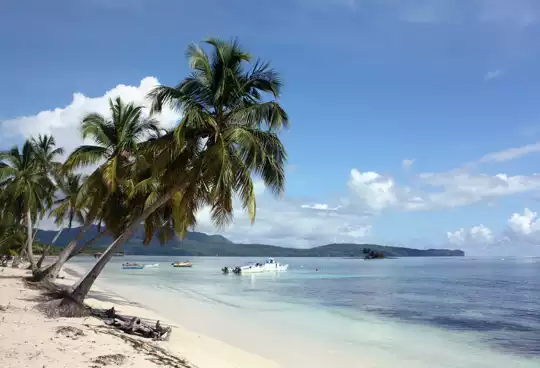
Country photo of Dominican Republic

We 💚 feedbackFinal thoughts on visiting Nagua

Many travelers pass through Nagua in an hour and never get off. Stay one night instead, eat at the malecón and visit the market in the morning. I would bring small bills, since vendors rarely have change.

✍️ Help improve this page!
The information on this page is based on in-depth research, insights shared by experienced travelers, and feedback from the local travel community in Dominican Republic. While every effort is made to keep the information accurate and current, conditions can change — so if you spot anything incorrect or outdated, please get in touch.


🙋‍♂️ Give feedback

👋 Meet the founderWho’s Behind Take Your Backpack?

Johan, backpacker and founder of TakeYourBackpackHi, I’m Johan (Netherlands 🇳🇱), the creator of TakeYourBackpack. Over the past 3 decades, I’ve backpacked through 90+ countries across six continents, gaining extensive experience with independent travel, long-term trips, and overland routes.

This site is built on a combination of firsthand travel experience and carefully curated insights from other backpackers. Many guides are based on places I’ve personally visited, while others bring together tips, observations, and practical advice shared by trusted travelers I’ve met along the way.

The goal is to provide realistic, experience-driven guidance — not generic itineraries — so you can explore destinations with better context, clearer expectations, and more confidence.