×

Ecuador🇪🇨 | attractionsCasa del AlabadoPre-Columbian ceramics, shaman figures, underground storage vault, rooftop terrace | things to do and best time to go

Explore Museo Nacional del EcuadorExplore TelefériQo Quito

Backpacking in Casa del Alabado
👀 For curious travelersattraction ranked #14
By Johan Kruseman 🇳🇱 | Updated October 19, 2026

The museum's pre-Columbian pieces sit in a hushed, dark gallery with no crowds, because most backpackers never leave the Plaza Grande side of Quito. Casa del Alabado is in Ecuador’s capital, a few blocks from the main square in the Old Town. I walked through the heavy colonial doorway, crossed a calm courtyard, and the ceramics glowed in black rooms like objects in a vault. Go on a weekday morning, since small galleries feel emptier then, and skip the audio extras if you read quickly; the wall text is excellent. Entry is modest for the quality. Art and history lovers will adore it. Anyone chasing adrenaline or a quick photo stop will be bored.

Discover everything you want to know in the 📖 Ecuador Travel Guide.


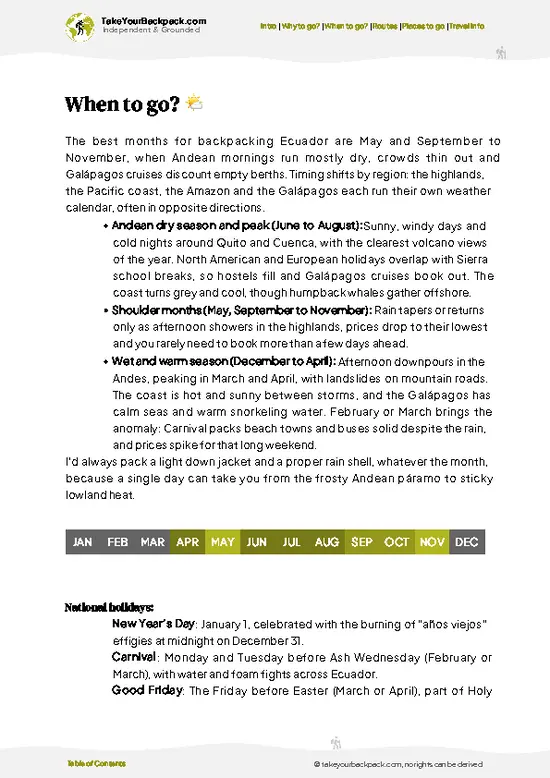
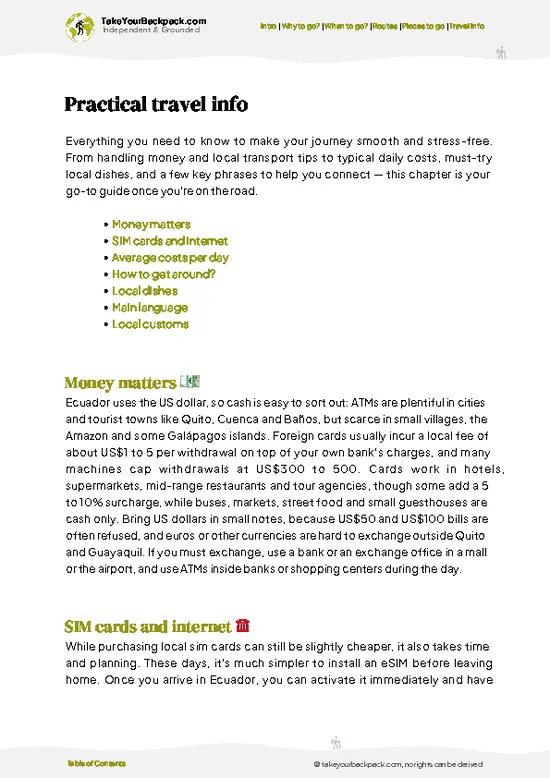
example page 0 from our offline Travel Guide for Ecuador
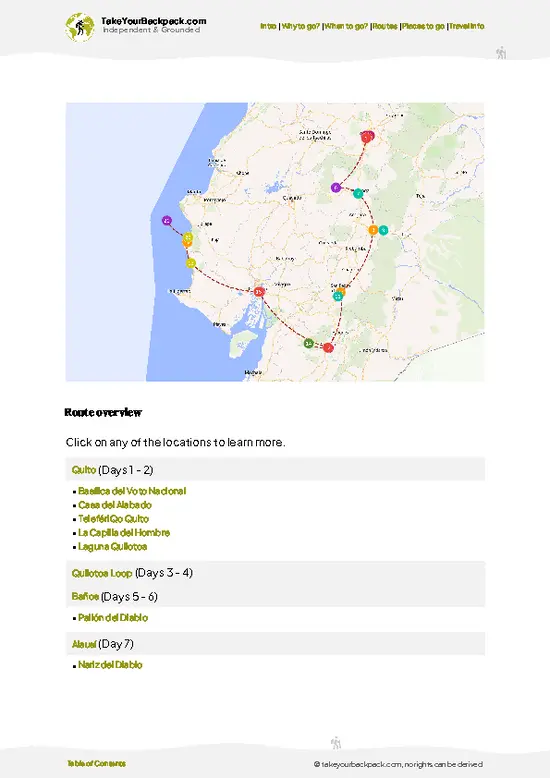
example page 1 from our offline Travel Guide for Ecuador
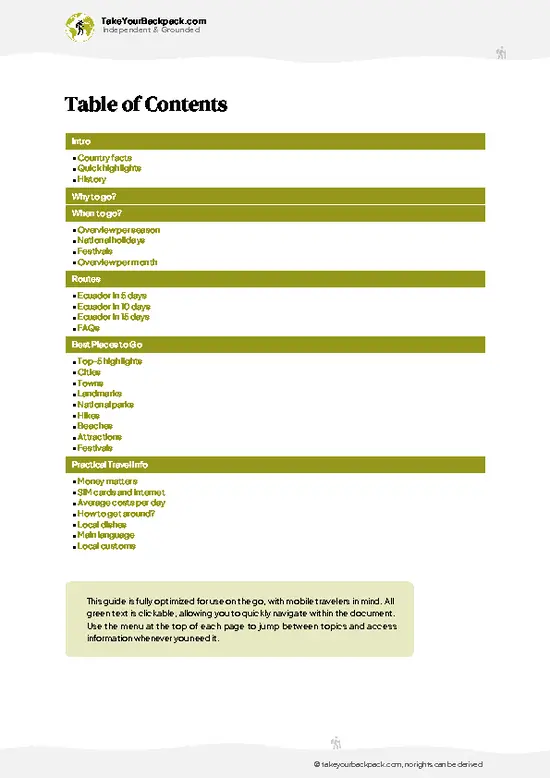
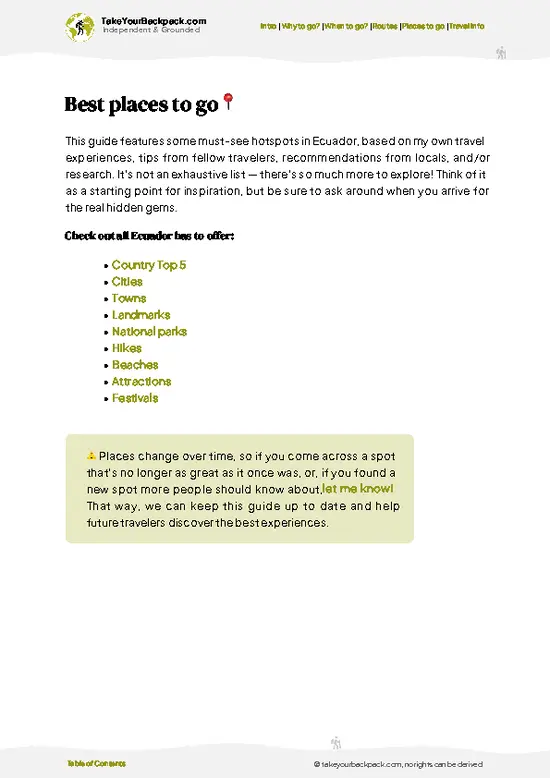
example page 2 from our offline Travel Guide for Ecuador
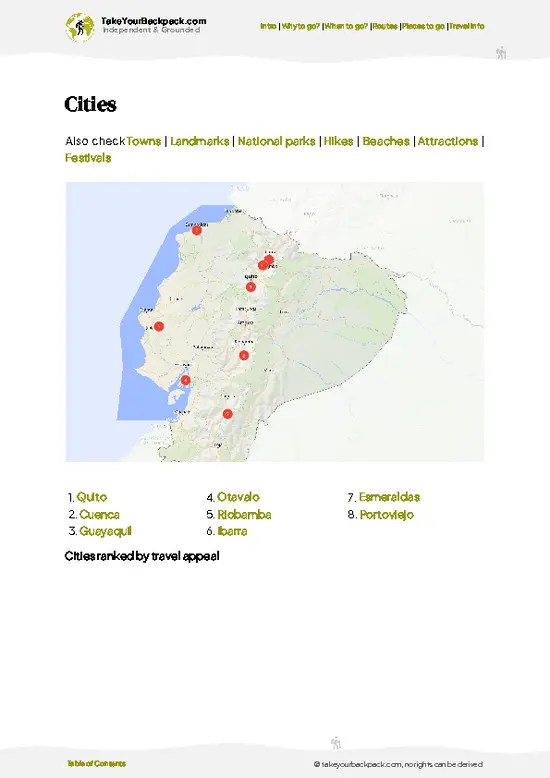
example page 3 from our offline Travel Guide for Ecuador
example page 4 from our offline Travel Guide for Ecuador
example page 5 from our offline Travel Guide for Ecuador
example page 6 from our offline Travel Guide for Ecuador
example page 7 from our offline Travel Guide for Ecuador
Loading the map 🌍
CLICK TO FILTER
cities
towns
landmarks
national parks
hikes
beaches
attractions
festivals
SHOW COUNTRY’S BESTSHOW ALL

✨ Why go?
Ranked #14 attraction in Ecuador
What sets this place apart

Casa del Alabado shows Ecuador's ancient cultures the way they saw themselves, which is rare in a country where most museums line up pots by date. The collection is organized by themes such as shamanic transformation, the underworld and the cosmos, so you learn how Valdivia, Chorrera, Jama-Coaque and La Tolita peoples understood life, death and animals. That context changes how you read every ruin and market stall afterward on the road through the Andes and coast. It also works as a calm break from the noise of Quito's Old Town. Its colonial house setting adds atmosphere, and the compact size means you finish feeling informed, not exhausted.

💡 HighlightsTop highlights of Casa del Alabado

  1. Shamanic Transformation Gallery: Figures that blend human and jaguar, bird or snake forms explain how ancient healers were believed to travel between worlds.
  2. Jama-Coaque Ceramics: Elaborate coastal figures with headdresses and body ornaments show the detail of work from the Ecuadorian coast.
  3. La Tolita Gold and Figurines: Small, refined pieces from the northern coast point to a sophisticated metalworking tradition.
  4. Valdivia Venus Figurines: Among the oldest ceramic traditions in the Americas, these simple female forms are quietly moving.
  5. Stirrup-Spout Vessels: Elegant pots with looped handles, many shaped as animals, show how everyday objects carried symbolism.
  6. Courtyard of the Colonial House: The restored building with stone paving and wooden balconies gives a peaceful pause between rooms.
  7. Underground
… read more 👉
  1. Shamanic Transformation Gallery: Figures that blend human and jaguar, bird or snake forms explain how ancient healers were believed to travel between worlds.
  2. Jama-Coaque Ceramics: Elaborate coastal figures with headdresses and body ornaments show the detail of work from the Ecuadorian coast.
  3. La Tolita Gold and Figurines: Small, refined pieces from the northern coast point to a sophisticated metalworking tradition.
  4. Valdivia Venus Figurines: Among the oldest ceramic traditions in the Americas, these simple female forms are quietly moving.
  5. Stirrup-Spout Vessels: Elegant pots with looped handles, many shaped as animals, show how everyday objects carried symbolism.
  6. Courtyard of the Colonial House: The restored building with stone paving and wooden balconies gives a peaceful pause between rooms.
  7. Underground Storage Room: Pieces not on regular display are visible here in lit glass cases, a rare look behind the scenes.
  8. Rooftop Terrace: Views over terracotta tiles and church towers of the Old Town close the visit well.
Start with the Shamanic Transformation Gallery, because it gives you the key to reading every other object in the building.
Spotted a mistake or missing something? Contact us.

Things to do around Casa del Alabado

Ratings based on Tripadvisor reviews. When you book through this link, you support our work at no extra cost to you.

🌤️ When to go?Seasonal considerations and timing

  • Dry Season (June to September): Quito’s sunniest stretch, with daytime highs of 19 to 22°C (66 to 72°F) and cold nights near 8 to 10°C (46 to 50°F). Museum visits pair well with long walks through the Old Town, but July and August bring the most foreign visitors and higher room rates.
  • Wet Season (October to May): Mornings are usually clear, then afternoon downpours arrive, often by 2 or 3 pm. Indoor galleries make a smart plan B. Prices ease, and the museum is quiet.
  • Holidays: Carnival, Holy Week and the early-August and December festivals fill the Old Town with crowds and parades, and beds get pricier.
  • Daylight: Close to the equator, daylight is about 12 hours in every month.
Go on a weekday morning, when school groups are scarce and the pre-Columbian galleries are nearly empty.

source: climatestotravel.comJANJanuary: fair for travelingFEBFebruary: fair for travelingMARMarch: fair for travelingAPRApril: fair for travelingMAYMay: highly recommended for travelingJUNJune: highly recommended for travelingJULJuly: highly recommended for travelingAUGAugust: good for travelingSEPSeptember: excellent for travelingOCTOctober: highly recommended for travelingNOVNovember: fair for travelingDECDecember: fair for traveling
when-to-go

✈️ The backpacker research shortcutEcuador Travel Guide

An offline-friendly backpacking guide with optimized travel routes, ranked highlights, transport advice, and the best areas to stay.
example page 0 from our offline Travel Guide for Ecuador
example page 1 from our offline Travel Guide for Ecuador
example page 2 from our offline Travel Guide for Ecuador
example page 3 from our offline Travel Guide for Ecuador
example page 4 from our offline Travel Guide for Ecuador
example page 5 from our offline Travel Guide for Ecuador
example page 6 from our offline Travel Guide for Ecuador
example page 7 from our offline Travel Guide for Ecuador
The digital guide (274 pages) contains:
✅ 87 highlights, ranked by travel appeal
✅ Optimized 5, 10 & 15-day travel routes
✅ Cities, national parks, landmarks, beaches
✅ How to get around
✅ Offline-friendly for travel without Wi-Fi
👉 Click to see all 30+ guide features

📅 Plan smarter in minutes, not weeks
✅ Month by month travel advice
✅ Festivals & national holidays
✅ Budget expectations

🗺️ Go to the right places, skip the overrated ones
✅ Honest pros & cons of destinations
✅ Top hikes, parks & viewpoints
✅ Lesser-known places most travelers miss
✅ Clear “worth it vs skip it” guidance

🛏️ Travel smoothly without rookie mistakes
✅ Best areas to stay
✅ Transport systems explained simply
✅ Common scams & safety advice
✅ SIM cards, money & practical tips

🌍 Understand the country, not just visit it
✅ Culture & traditions
✅ 52 Essential phrases & customs
✅ Festivals worth planning around
✅ Traveler-friendly historical context
✅ Insights that make places more meaningful

📱 Built for real travel conditions
✅ Fully downloadable PDF
✅ Works completely offline
✅ Optimized for phone use
✅ Useful in remote areas & buses
✅ Everything in one place
Stop searching, start planning
Get instant access to your full guide. 30‑day money-back guarantee.
+ Add another guide for just

By proceeding you agree to our terms.
Sent to your inbox immediately after payment • 100% Secure Checkout
Best Backpacking Travel Advisor 2025 tourism awardBest Backpacking
Travel Advisor
2025
What others say about Take Your Backpack Guides:
⭐⭐⭐⭐⭐
Fantastic, amazing amount of information!
⭐⭐⭐⭐⭐
My goodness this is amazing, it's what I've been looking for hats off too you!
⭐⭐⭐⭐⭐
I think this is absolutely BRILLIANT
⭐⭐⭐⭐
Very complete and informative. It's still missing places, but I gotta to commend you
⭐⭐⭐⭐⭐
This is truly amazing, thank you, can't wait to explore it with my kids!
⭐⭐⭐⭐⭐
Awesome resource, thank you!
⭐⭐⭐⭐⭐
This is amazing! Can't wait to explore the ones I haven't seen
⭐⭐⭐⭐
I love this! Well done, great idea.
⭐⭐⭐⭐⭐
Thanks for taking the time to make this gem!
⭐⭐⭐⭐⭐
This might be the best website I've ever seen.
⭐⭐⭐⭐⭐
Congratulations, and thank you so much for your work; it's incredibly valuable.
⭐⭐⭐⭐
In all seriousness I think you did a great job pointing out the important spots
⭐⭐⭐⭐⭐
10/10 very good
⭐⭐⭐⭐⭐
As someone who's only just starting to visit regularly this is awesome, thank you.
⭐⭐⭐⭐
Thank you very much! I'm going to visit my dad, it's going to be very useful!
⭐⭐⭐⭐⭐
This is really cool! We'll be travelling for the first time and this definitely come in handy.
⭐⭐⭐⭐⭐
You are now our minister of culture, congratulations 👨‍💼
⭐⭐⭐⭐⭐
Just wanted to tell you that this is a pearl! Going to follow your recommendations.
⭐⭐⭐⭐⭐
This is so cool. I'll definitely be using the resource for my travels soon.
⭐⭐⭐⭐⭐
This is very impressive! Good work.
⭐⭐⭐⭐⭐
This is an amazing and informative site. Very well done!

🛏️ Where to stay?Best areas to stay in Ecuador

La Ronda and the streets around Plaza Grande put you within a five-minute walk of Casa del Alabado, and this is where most backpackers sleep. The Old Town (Centro Histórico) has the densest cluster of dorm-style hostels in Quito, plenty of cheap set-lunch spots, and a steady stream of solo travelers to team up with for day trips. Streets near the plazas are busy and policed by day, but quiet after dark, so take a taxi (US$2 to 4) when returning late, and avoid the steep slopes toward Panecillo on foot. If you want nightlife, La Mariscal is about 15 minutes away by taxi or the Trolebús. It has … read more 👉
La Ronda and the streets around Plaza Grande put you within a five-minute walk of Casa del Alabado, and this is where most backpackers sleep. The Old Town (Centro Histórico) has the densest cluster of dorm-style hostels in Quito, plenty of cheap set-lunch spots, and a steady stream of solo travelers to team up with for day trips. Streets near the plazas are busy and policed by day, but quiet after dark, so take a taxi (US$2 to 4) when returning late, and avoid the steep slopes toward Panecillo on foot. If you want nightlife, La Mariscal is about 15 minutes away by taxi or the Trolebús. It has more bars, tour agencies and international restaurants, but it is rowdier and less atmospheric. For the museum, the Old Town wins, especially the blocks around Calle Cuenca and Calle García Moreno, which have colonial courtyards and a calmer evening feel.

👛 Costs (as of 19 October 2026)How expensive it really is

A day around Casa del Alabado costs roughly US$28 to 66 for a backpacker, including the museum ticket, a bed and meals.
CategoryBudget RangeLocal Reality
Museum entryUS$6 to 8Foreign adult ticket; students and seniors often pay less. Allow 1.5 to 2 hours.
Guided visitUS$0 to 10Audio or guided tours may cost extra; labels are in Spanish and English.
Accommodation (high season)US$10 to 20Old Town dorm bed; private rooms run US$25 to 45.
FoodUS$8 to 15Set almuerzo costs US$3 to 5; café coffee and cake US$4 to 6.
Local transportUS$1 to 5Trolebús and Metro fares are about US$0.35; short taxis cost US$2 to 4. Most of the Old Town is walkable.
ExtrasUS$3 to 8Snacks, a second museum, or a church entry nearby.
Total Daily BudgetUS$28 to 66Based on high-season dorm bed, set lunches and walking.
⚠️ Prices can change and everyone travels differently, so take this as a rough guide. Hope it helps you plan your adventure!

FAQCommon questions from travelers

Plan on 1.5 to 2 hours at Casa del Alabado, which is enough to see the pre-Columbian ceramics and stone pieces at a relaxed pace. Add another hour if you linger in the rooftop-view café or take a guided tour. It pairs well with a morning here and an afternoon around Plaza Grande and La Ronda, all within a ten-minute walk.
Yes for most travelers, since Casa del Alabado costs roughly US$6 to 8 and is one of the best-curated museums in Quito. The ceramics and shaman figures are displayed in dark, dramatic rooms inside a restored colonial house, and labels come in English and Spanish. If you are short on cash, pick it over bigger but busier museums, though anyone uninterested in pre-Columbian art may skip it.
Casa del Alabado sits on Calle Cuenca in Quito’s Old Town, a five-minute walk from Plaza Grande. From La Mariscal, take the Trolebús or a taxi (about US$3 to 5, 15 to 25 minutes depending on traffic) to the Old Town. From the airport, expect a 45 to 75 minute ride by taxi or shuttle bus, and the Metro also stops at San Francisco, which is about a 5 to 10 minute walk.
⚠️ Things can change over time, so always validate details locally before you go.

Other Ecuadorian attractions near Casa del Alabado

Explore more nearby:

  • Iglesia de la Compañía de Jesús—Gold-leaf nave, volcanic-stone facade, Quito School canvases, guided entry| 0 km away
  • La Ronda—Cobbled lane, canelazo stalls, pasillo guitarists, craft workshops| 0 km away
  • Teatro Sucre—Horseshoe balconies, painted ceiling, marble foyer, Plaza del Teatro| 1 km away

💡 Not sure where to go next?
Create a personalized itinerary for Ecuador including Casa del Alabado and the places that fit your trip.

Generate my itinerary

👉 Discover all attractions

Or checkout all Ecuador has to offer (think cities, towns, villages, national parks, hikes, beaches, festivals)
Country photo of Ecuador

We 💚 feedbackWhat to keep in mind

Casa del Alabado deserves about ninety minutes to two hours, no more. Plan it as a morning stop, then wander the Old Town for lunch. I would read the theme labels slowly in the first gallery and let the rest flow, so you leave energized instead of museum-tired.

✈️ When did I visit Ecuador?
Ecuador I visited during my half year trip through South and Central America back in 2003

✍️ Help improve this page!
The information on this page is based on my own backpacking experience in Ecuador, supplemented with up-to-date research and feedback from other travelers. Travel details can change, so if you notice anything outdated or incomplete, feel free to let me know.


🙋‍♂️ Give feedback

👋 Meet the founderWho’s Behind Take Your Backpack?

Johan, backpacker and founder of TakeYourBackpackHi, I’m Johan (Netherlands 🇳🇱), the creator of TakeYourBackpack. Over the past 3 decades, I’ve backpacked through 90+ countries across six continents, gaining extensive experience with independent travel, long-term trips, and overland routes.

This site is built on a combination of firsthand travel experience and carefully curated insights from other backpackers. Many guides are based on places I’ve personally visited, while others bring together tips, observations, and practical advice shared by trusted travelers I’ve met along the way.

The goal is to provide realistic, experience-driven guidance — not generic itineraries — so you can explore destinations with better context, clearer expectations, and more confidence.