
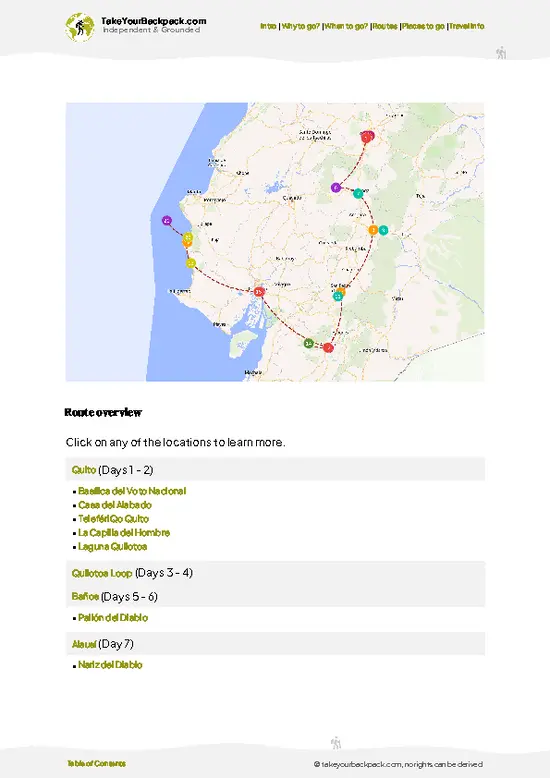
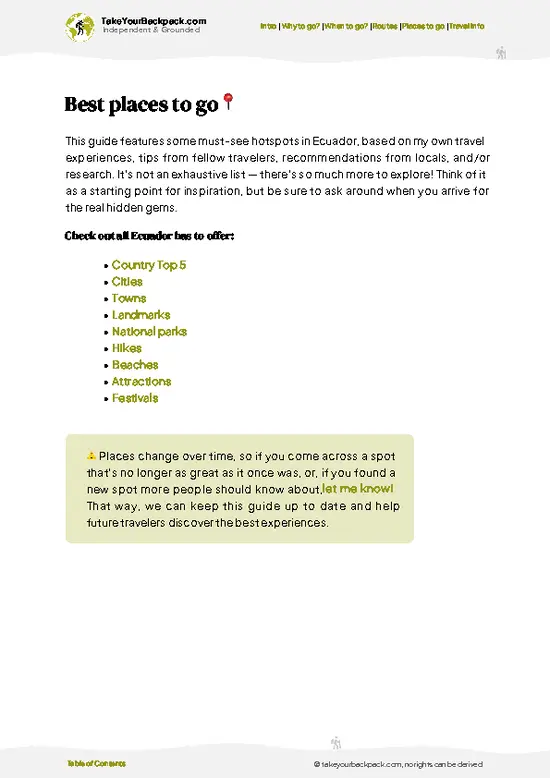
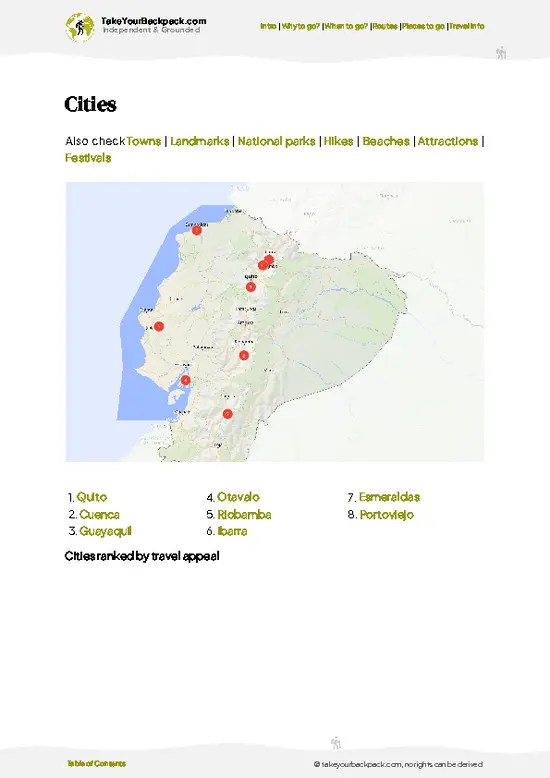
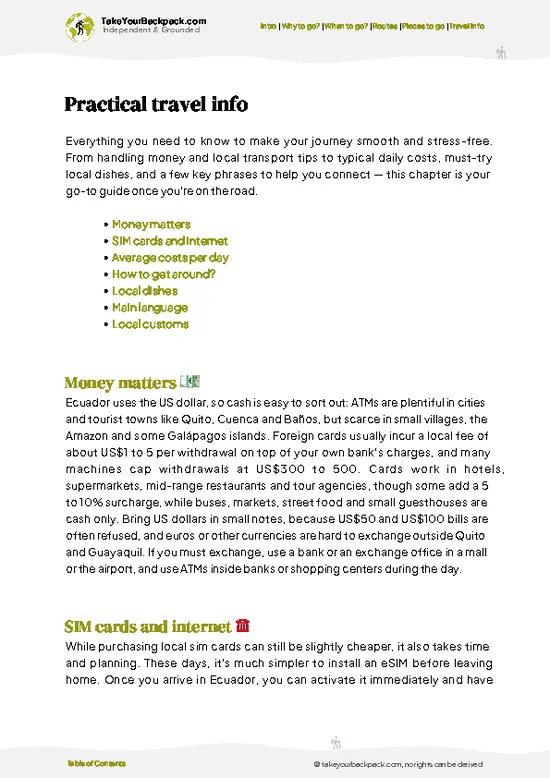
- The Gilded Main Nave: This is what people come for. Nearly every surface, from the vaulted ceiling to the pulpit and side altars, is covered in gold leaf, said to be several tons of it. Carved volcanic stone on the walls and Baroque, Mudéjar and Churrigueresque flourishes make it dense enough to study for a long time. Interior photography is not allowed, so look instead of shooting.
- The Churrigueresque Facade: Carved from gray-green volcanic stone (andesite) in the 17th and 18th centuries, the front is a riot of columns, saints, vines and geometric patterns. Stand across the small plaza on Calle García Moreno and look up before you pay to go in. It sets expectations for the interior.
- The Main Altarpiece (Retablo Mayor): The high altar glows in layered gilded wood, with niches holding statues
- The Gilded Main Nave: This is what people come for. Nearly every surface, from the vaulted ceiling to the pulpit and side altars, is covered in gold leaf, said to be several tons of it. Carved volcanic stone on the walls and Baroque, Mudéjar and Churrigueresque flourishes make it dense enough to study for a long time. Interior photography is not allowed, so look instead of shooting.
- The Churrigueresque Facade: Carved from gray-green volcanic stone (andesite) in the 17th and 18th centuries, the front is a riot of columns, saints, vines and geometric patterns. Stand across the small plaza on Calle García Moreno and look up before you pay to go in. It sets expectations for the interior.
- The Main Altarpiece (Retablo Mayor): The high altar glows in layered gilded wood, with niches holding statues of saints. Check the carved Jesuit symbols, and notice how the lines of columns pull your eye upward. It is the centerpiece of the whole church.
- The Pulpit: A showpiece of Quito School woodcarving, gilded and sculpted with great detail. It sits partway along the nave, and you can see how preachers were literally staged inside the spectacle.
- Quito School Paintings: Canvases on the walls, including large works by Miguel de Santiago and Nicolás Javier de Goríbar, show how Indigenous and mestizo artists blended European religious themes with local touches. Take a minute at each one; the faces and details reward close looking.
- The Hell Painting: Hermano Hernando de la Cruz’s vivid depiction of the Last Judgment is among the most striking pieces in the church. It was meant to scare congregants into line, and it still holds a grim fascination.
- The Guided Visit: Entry is by guided tour, often with a short walk-through in English, and the entry fee is around US$5 to 6. Guides explain the symbolism and Jesuit story, and they point out details you would pass by alone. Allow 30 to 45 minutes.
- Plaza de la Independencia and Calle García Moreno Surroundings: Right outside, the old town’s main square and the narrow, restored colonial streets give the church context. The adjacent streets are lined with museums, cafés and other historic churches, so this is a natural place to wander after your visit.
Spotted a mistake or missing something? Contact us.

Gastronomic and Cultural Walking Tour of Quito with Tastings

Quito City Tour Double Decker Bus

Experiential Walking tour: Flavors and Folktales

Quito Private Tour: Old Town, Middle of the World, and Cable Car

Personalized Quito City Tour with Teleférico and Mitad del Mundo

Full Day Quito (City Tour + Middle of the World + Teleferico)

Quito Private Tour: Old Town, Half the World and Cable Car

Quito Oldtown: A Cultural-Gastro Walking Tour and Shopping

Quito Old Town Tour: History, Market Visit & Ice Cream Tasting


 Best Backpacking

 Hi, I’m Johan (Netherlands 🇳🇱), the creator of TakeYourBackpack. Over the past 3 decades, I’ve backpacked through 90+ countries across six continents, gaining extensive experience with independent travel, long-term trips, and overland routes.